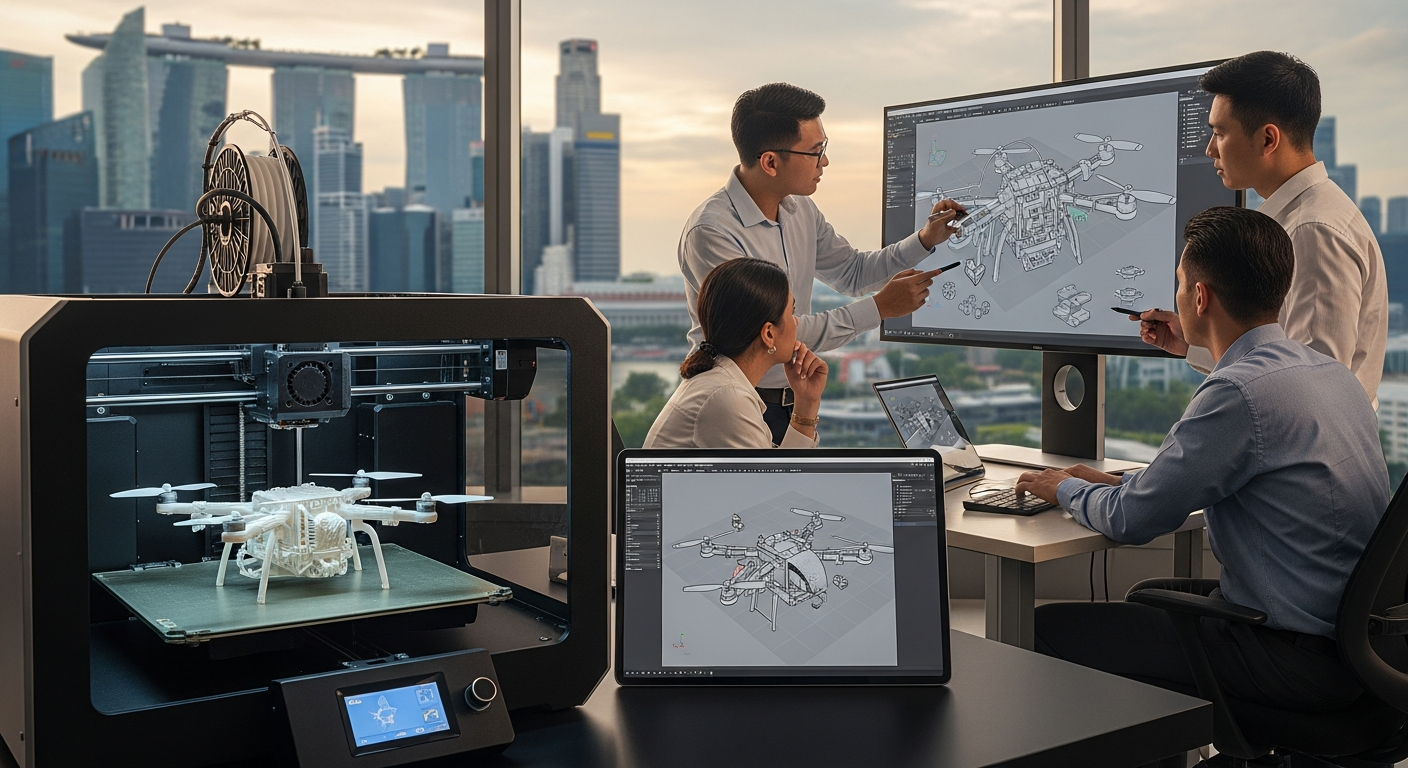

Singapore has cemented its position as a regional hub for product development, combining fast, reliable manufacturing with advanced digital design services. In 2026, businesses and creators increasingly rely on rapid prototyping Singapore services and robust CAD modeling Singapore workflows to accelerate time-to-market, validate concepts, and produce limited-run products with high fidelity.
This article outlines practical workflows, key technologies, material options, cost and timeline expectations, and actionable advice for selecting a partner or building in-house capabilities. It also highlights current trends shaping prototyping and CAD modeling in Singapore — from AI-driven design tools to local on-demand manufacturing.
Speed, proximity, and supply chain resilience are primary reasons companies choose local prototyping. Rapid prototyping Singapore reduces international shipping delays and enables quick physical iterations that are essential during product development sprints. For startups, designers, and artists, being able to receive a prototype within days — including post-processing and finishing — is a game-changer.
Local facilities also understand regional compliance and market preferences. Whether refining a consumer gadget, developing a medical device, or producing collectible figurines, Singapore-based providers bring knowledge of local production standards and regional distribution networks.
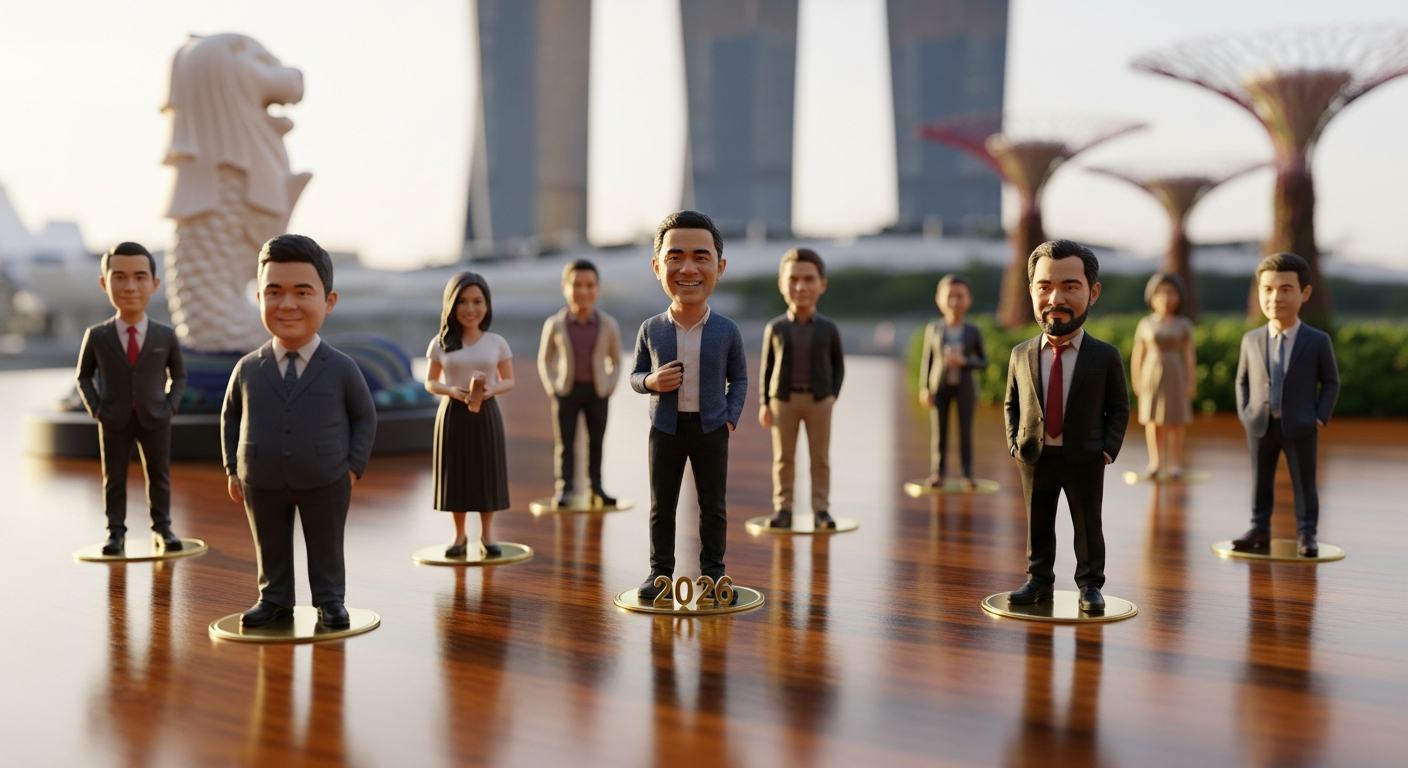
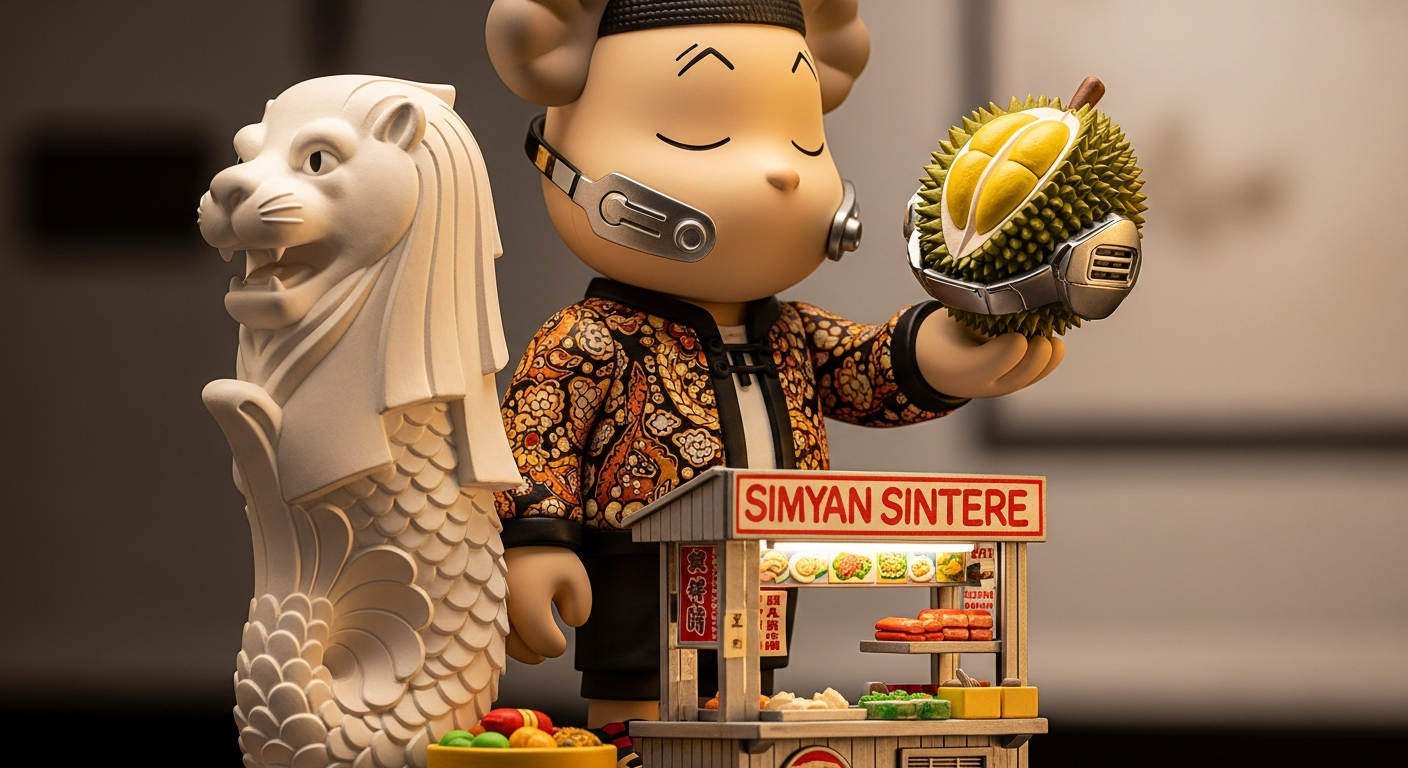
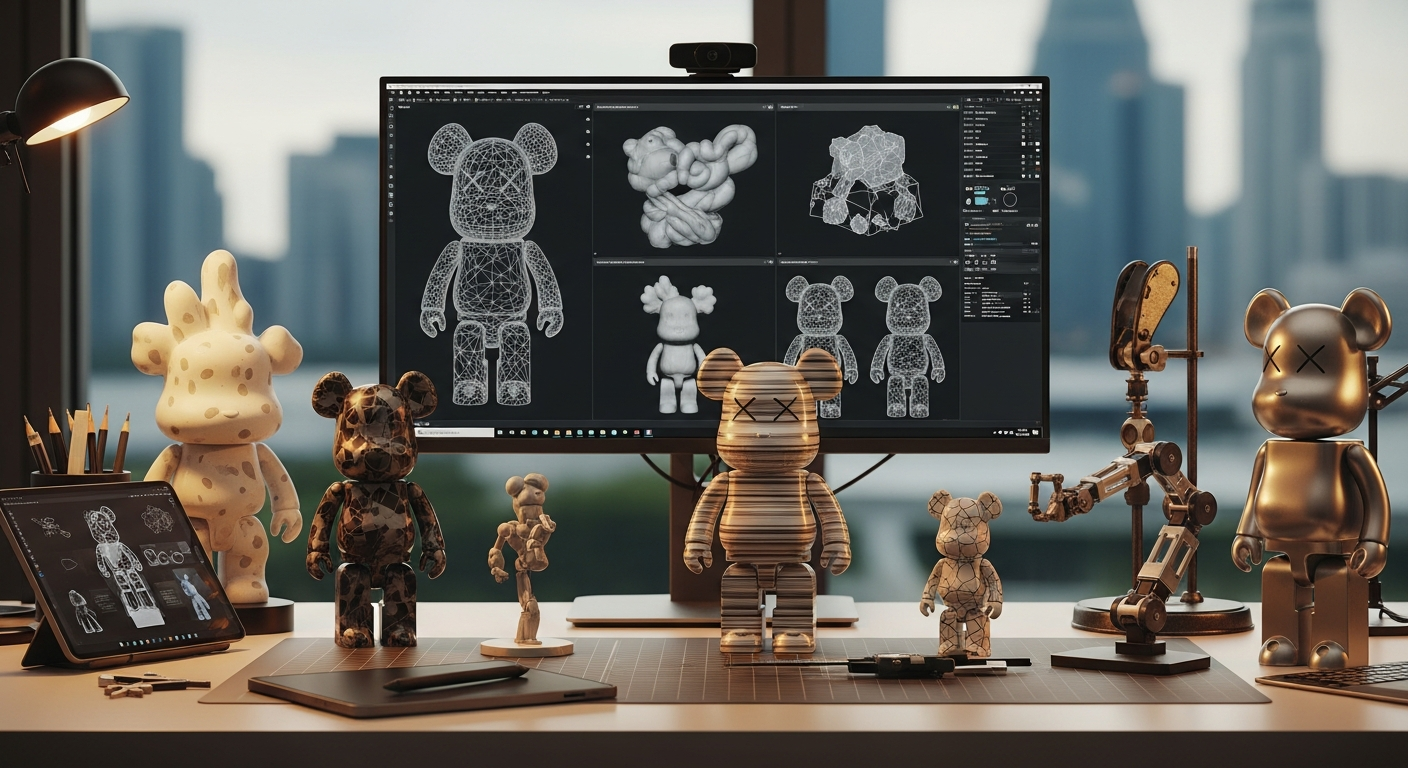
For art-toy creators and small-run collectors, specialized services such as 3D rapid prototyping for art toys offer tailored workflows and finishing techniques that preserve artistic detail while enabling reproducible manufacturing. See an example of these specialized services here: rapid prototyping Singapore.
CAD modeling Singapore teams combine engineering rigor with creative flexibility. Best practices include:
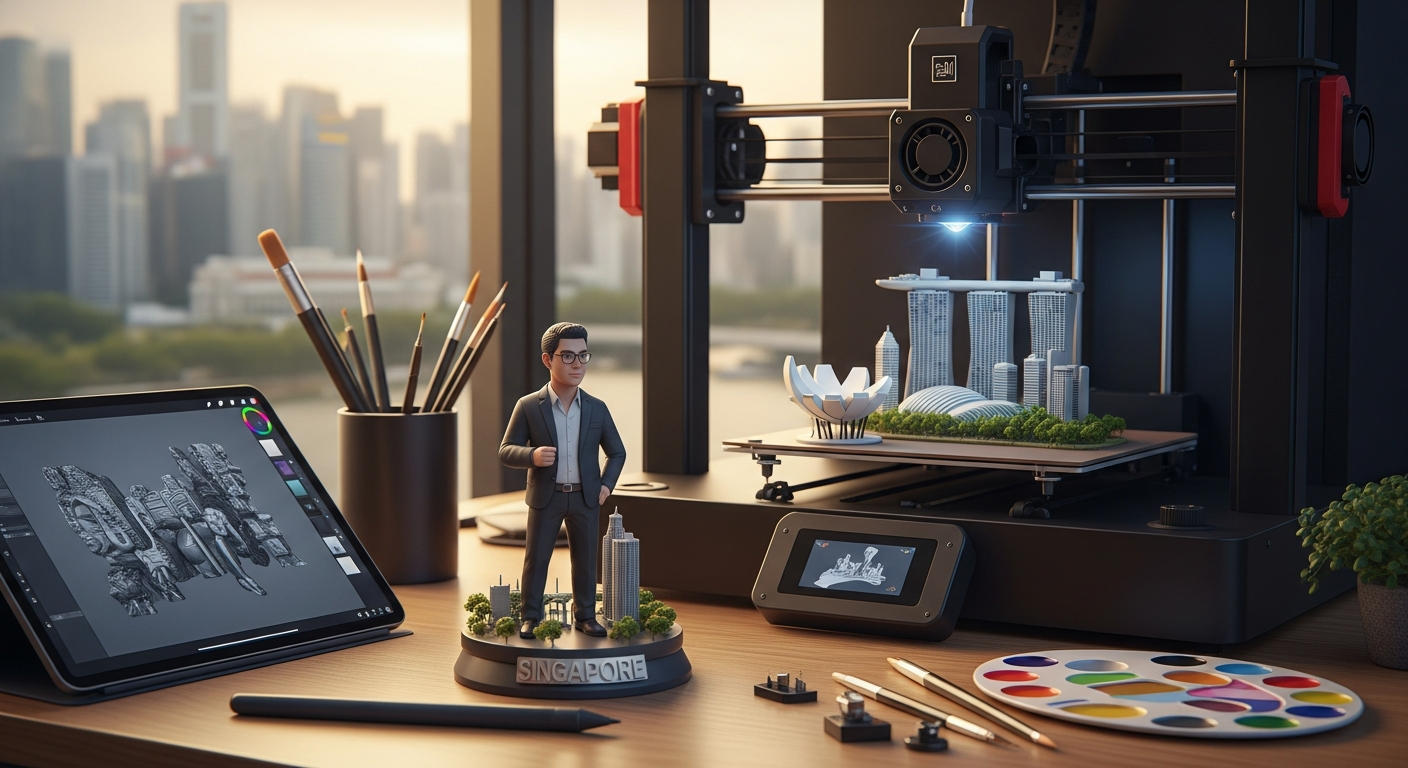
Professional CAD suites common in Singapore workflows include SolidWorks, Fusion 360, PTC Creo, Siemens NX, and Rhino. Designers often pair parametric CAD with mesh sculpting and reverse engineering workflows — for example, using 3D scans to generate base geometry, then refining parts in CAD.
Training CAD models for manufacturability is essential: design features smaller than printer resolution or impossible under milling constraints will cost time. For tailored figurines or limited editions, explore specialized design resources like custom figurine design Singapore.
Rapid prototyping is not one technology but a toolkit. Common options you’ll find across Singapore labs:
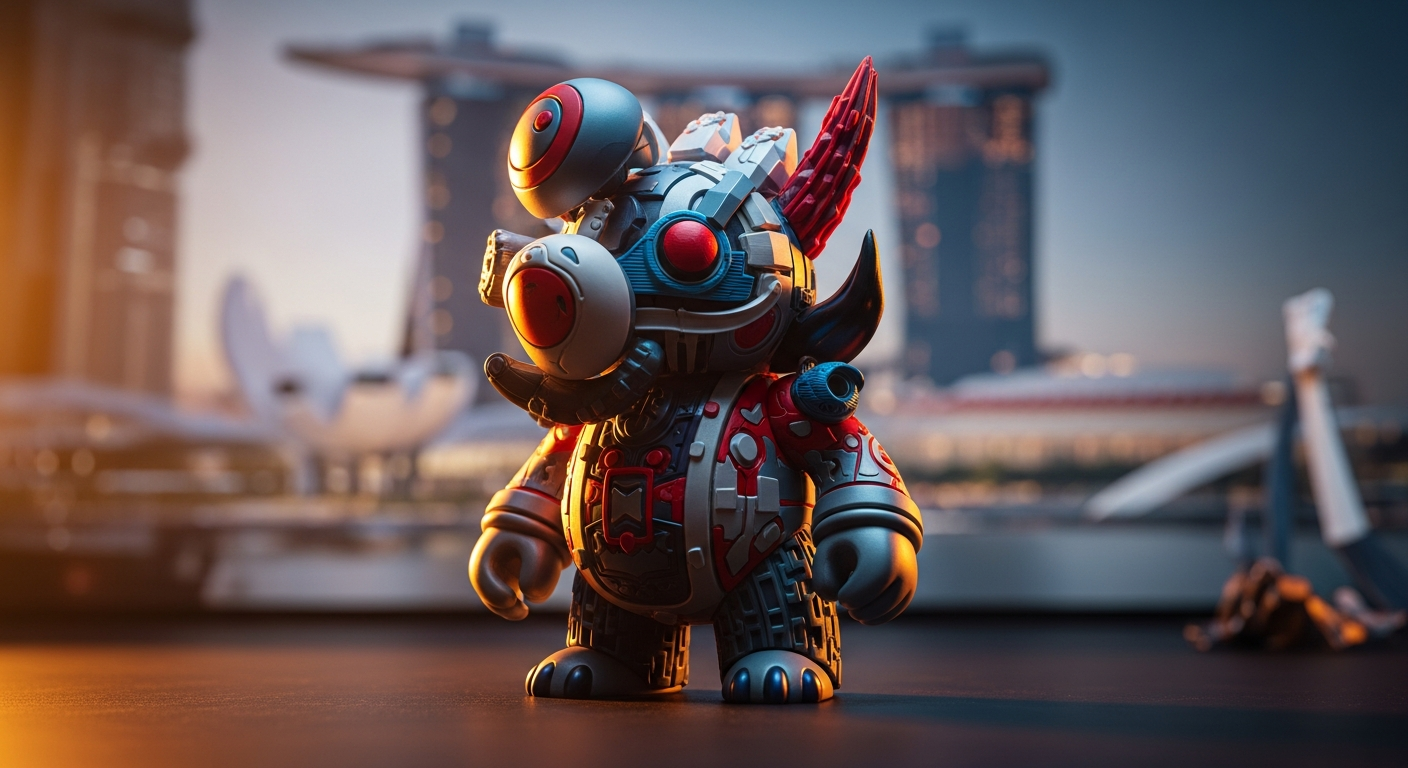
Choosing the right technology depends on part function, surface finish requirements, tolerance, and budget. For art toys and collectibles, resin-based SLA and post-processing workflows are popular because of their surface quality and ease of painting — learn more about trends in that niche here: rapid prototyping Singapore art toys trends 2026.
Material selection is mission-critical:
Post-processing steps — sanding, priming, painting, electroplating, vapor smoothing — can make a prototype look production-ready. When working on limited-run collectibles, consider partnering with specialists who provide painting and surface texturing, or who can transition parts into silicone molds for short-run urethane casting. Resources for limited edition production and collectibles can guide this decision: limited edition art toys.
Rapid iteration often means trading some fidelity for speed. A simple approach is to follow a three-stage prototyping cycle:
Iterate on CAD models between stages. Parametric CAD makes these updates predictable and fast, enabling multiple design branches to be tested in parallel.
Pricing depends on technology, material, complexity, and finishing. Typical turnaround windows in Singapore:
Batch sizes and surface finishing raise costs. However, Singapore’s dense ecosystem supports quick small-batch runs and hybrid workflows (additive combined with CNC finishing) that optimize both cost and quality.
Integrating DFMA into CAD modeling Singapore practices reduces surprises during production. Key DFMA tips:
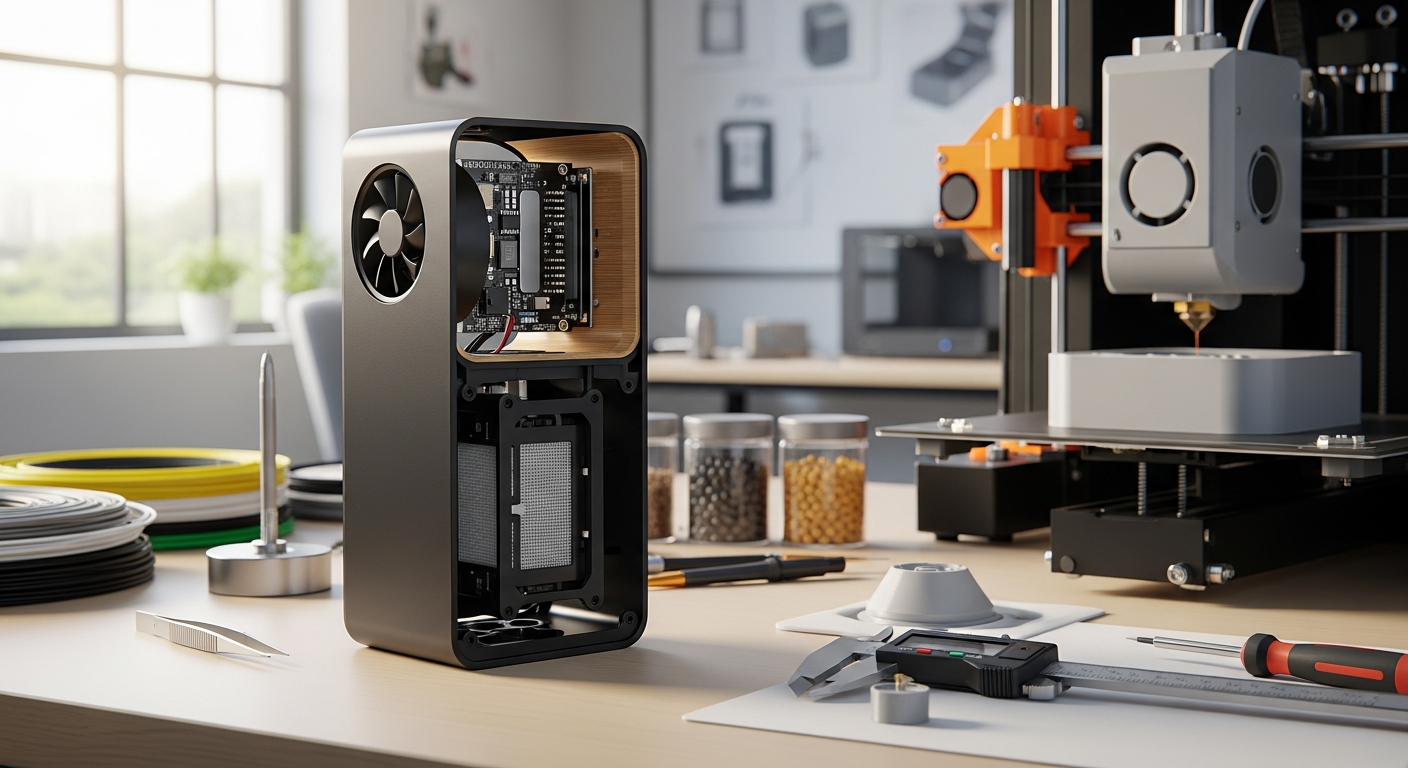
For art toy creators converting a sculpt into a producible item, DFMA often means adding internal supports, designing removable parts for painting, and ensuring the final assembled product meets safety standards.
Specialist guidance for bridging design and production is available; for example, studios that combine concept design with prototyping and limited edition production provide turnkey service: Singapore custom figurine design and rapid prototyping.
Several developments are driving faster, smarter prototyping:
These trends are evident across product categories, including the collectible art world where creators use digital sculpting, rapid prototyping, and local finishing to release limited editions faster and with higher quality. Explore how these trends apply to art toys here: rapid prototyping Singapore for art toys.
When evaluating a prototyping partner, consider these criteria:
If you’re producing collectible or limited-run pieces, a partner that understands both the artistic and technical sides — from sculpting to mold-making and small-batch casting — will add the most value. For a detailed look at limited edition workflows and collectible production, review this guide: limited edition art toys and collectibles.
For creators aiming to transform a concept into a collectible series, leveraging combined services for design and prototyping streamlines the path to market: see this example of integrated offerings for limited editions custom figurine design Singapore.
Rapid prototyping Singapore and CAD modeling Singapore capabilities in 2026 offer a powerful blend of speed, precision, and creative flexibility. Whether you are refining a mechanical product, launching a consumer gadget, or producing limited-run art toys, the right combination of CAD discipline, prototyping technology, and finishing expertise will determine success.
Adopting modern workflows — parametric CAD, AI-assisted design, and hybrid manufacturing — and partnering with local specialists provides accelerated development cycles, improved product quality, and the agility to respond to market feedback rapidly. Singapore’s ecosystem is well-positioned to support projects of all scales, from one-off prototypes to small-batch collectible runs, making it a practical choice for teams that need speed and reliability.
By aligning objectives, choosing appropriate technologies, and planning for post-processing and DFMA early, teams can maximize the value of their prototyping budget and bring better products to market faster.