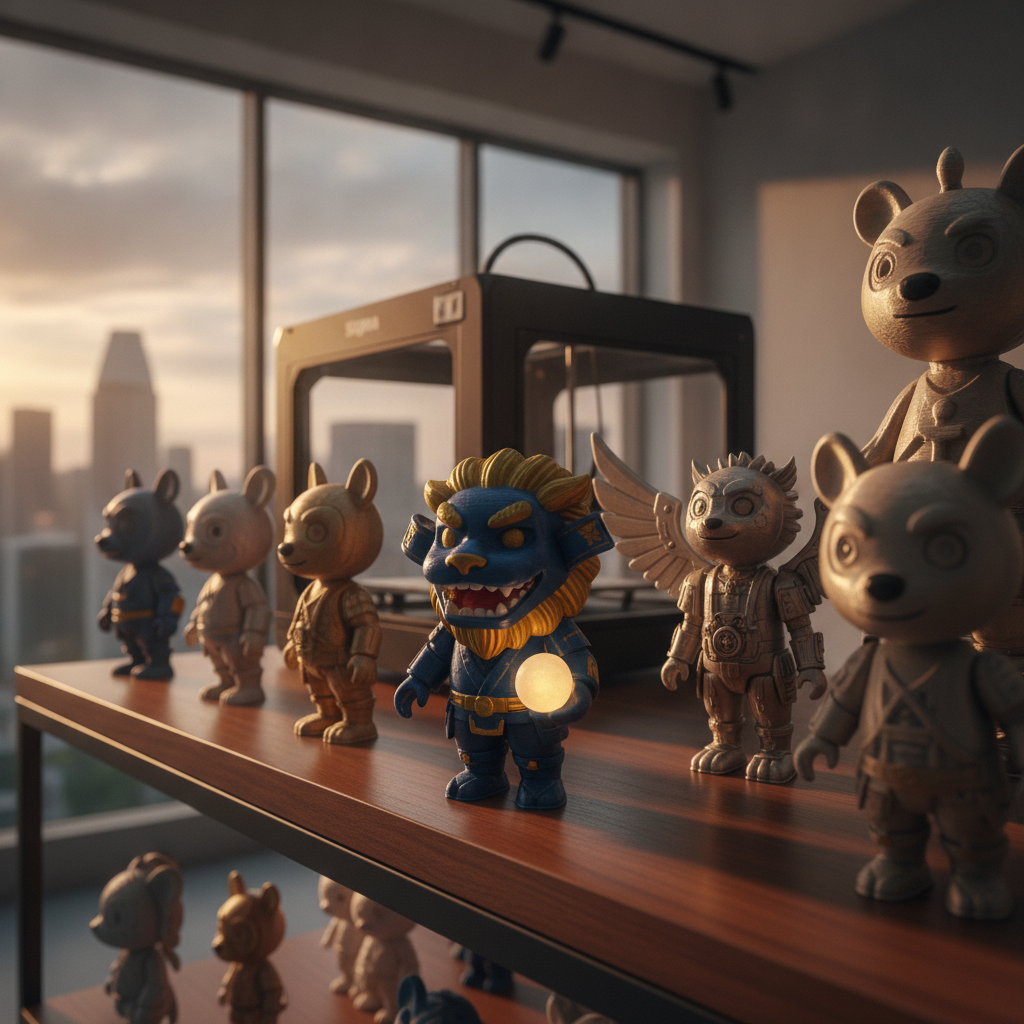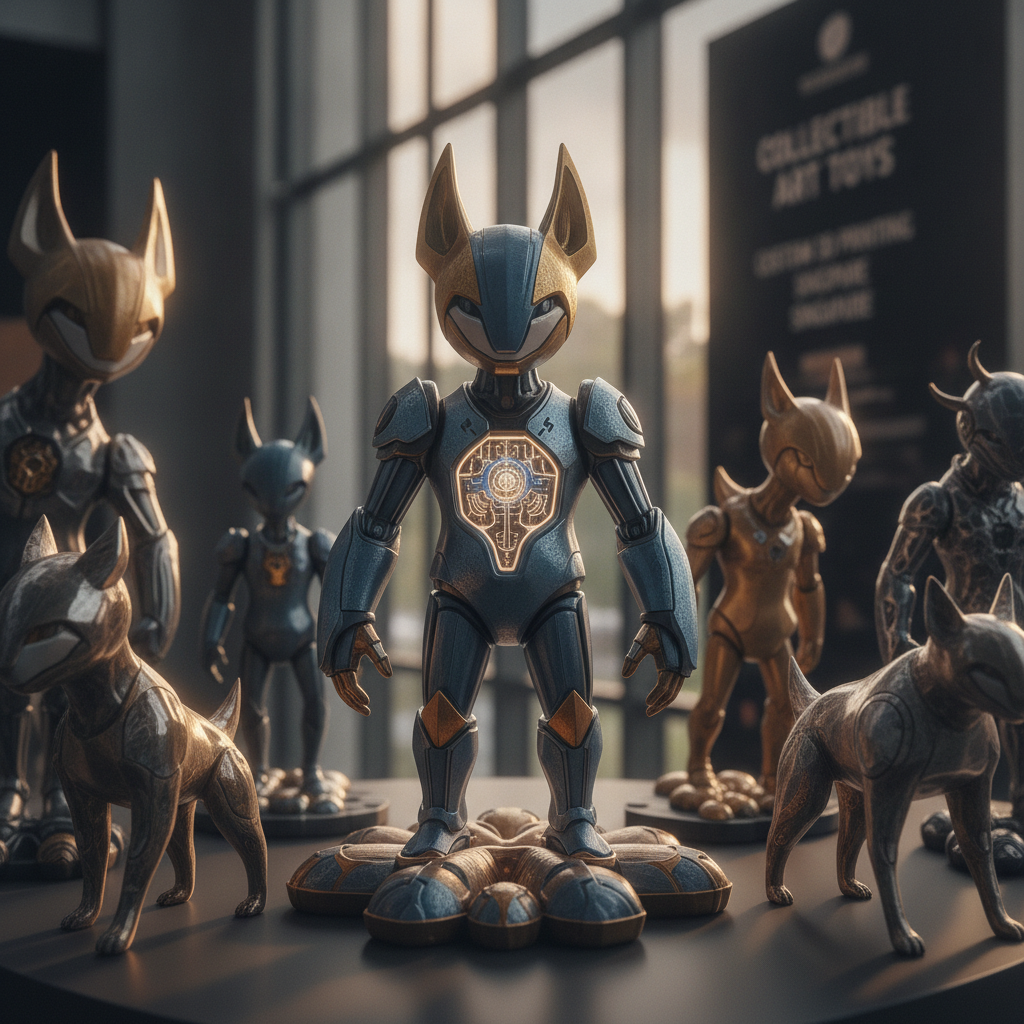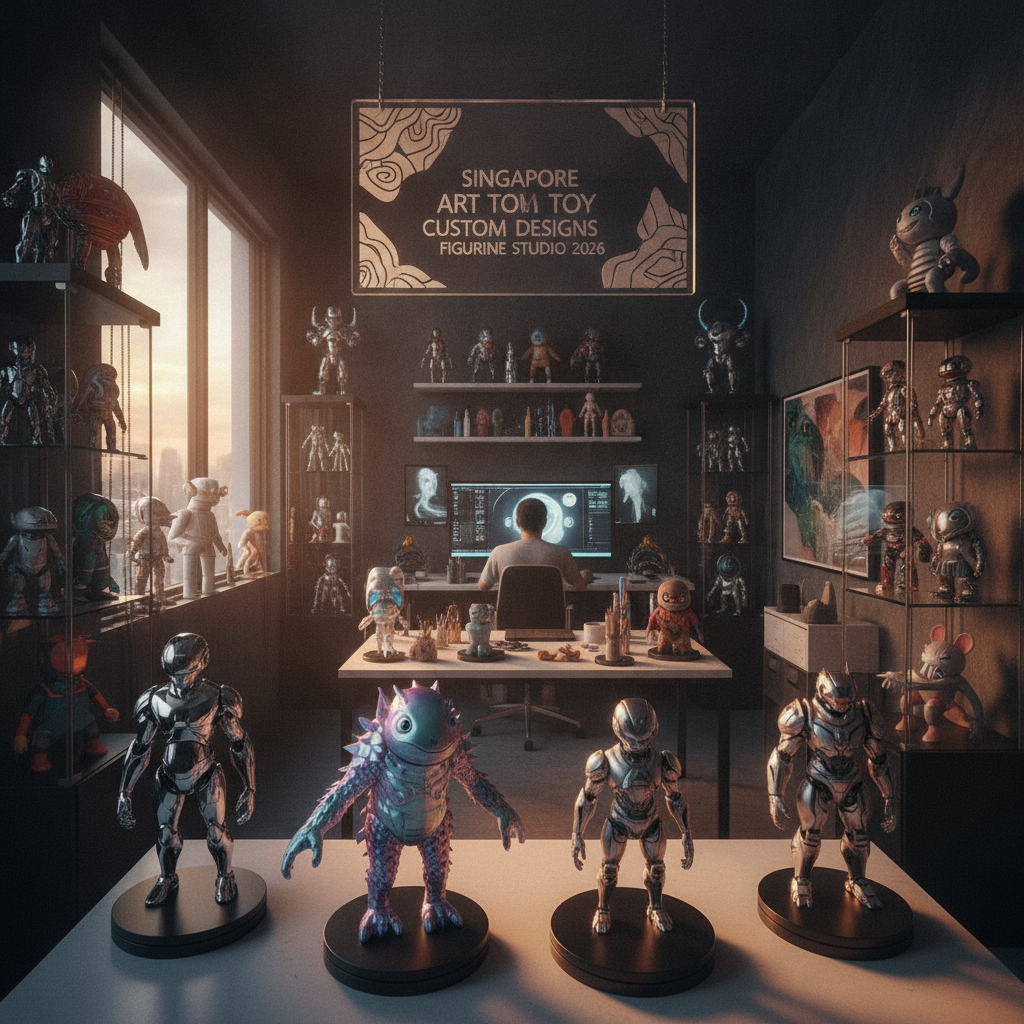

Collectible art toys have evolved beyond children’s playthings into curated lifestyle objects that reflect taste, identity, and design sensibility. In cities like Singapore, where contemporary product design meets a vibrant collector culture, these objects act as functional décor, conversation starters, and investment pieces. For designers and studios focused on lifestyle product design Singapore, collectible art toys represent a unique intersection of art, engineering, branding, and consumer experience.
This article unpacks how collectible art toys fit into lifestyle design, explores current trends—from 3D printing and sustainable materials to limited editions and collectible drops—and offers practical guidance for designers, studios, and collectors operating in Singapore’s dynamic market.
Designing a collectible art toy follows a distinct lifecycle compared with conventional consumer products. It begins with a strong concept and narrative: a character, a cultural reference, or a visual motif that resonates with a target audience. From there, the process typically includes sketching, digital sculpting, CAD refinement, prototyping, and manufacturing. Integrating lifestyle product design principles—ergonomics, material quality, and finish—lifts a toy from novelty to a cherished object.
Studios increasingly rely on advanced CAD workflows to preserve sculptural detail while making parts manufacturable. If you want a practical look at how CAD integrates with designer workflows, see how studios are using CAD to refine form and function in Singapore: designer CAD workflows.
A defining trait of modern collectible art toys is limited runs. Limited edition releases create rarity, heighten desirability, and build collector communities. Limited editions also let designers experiment with premium finishes—metallic paints, hand-applied patinas, special bases—or unique packaging that elevates the unboxing experience.
Limited drops are a smart lifestyle product design strategy too: they encourage immediate purchases, enable precise inventory control, and strengthen brand storytelling. For a deep dive into how limited editions intersect with product design in Singapore, explore this case study on limited releases and design integration: limited edition releases.
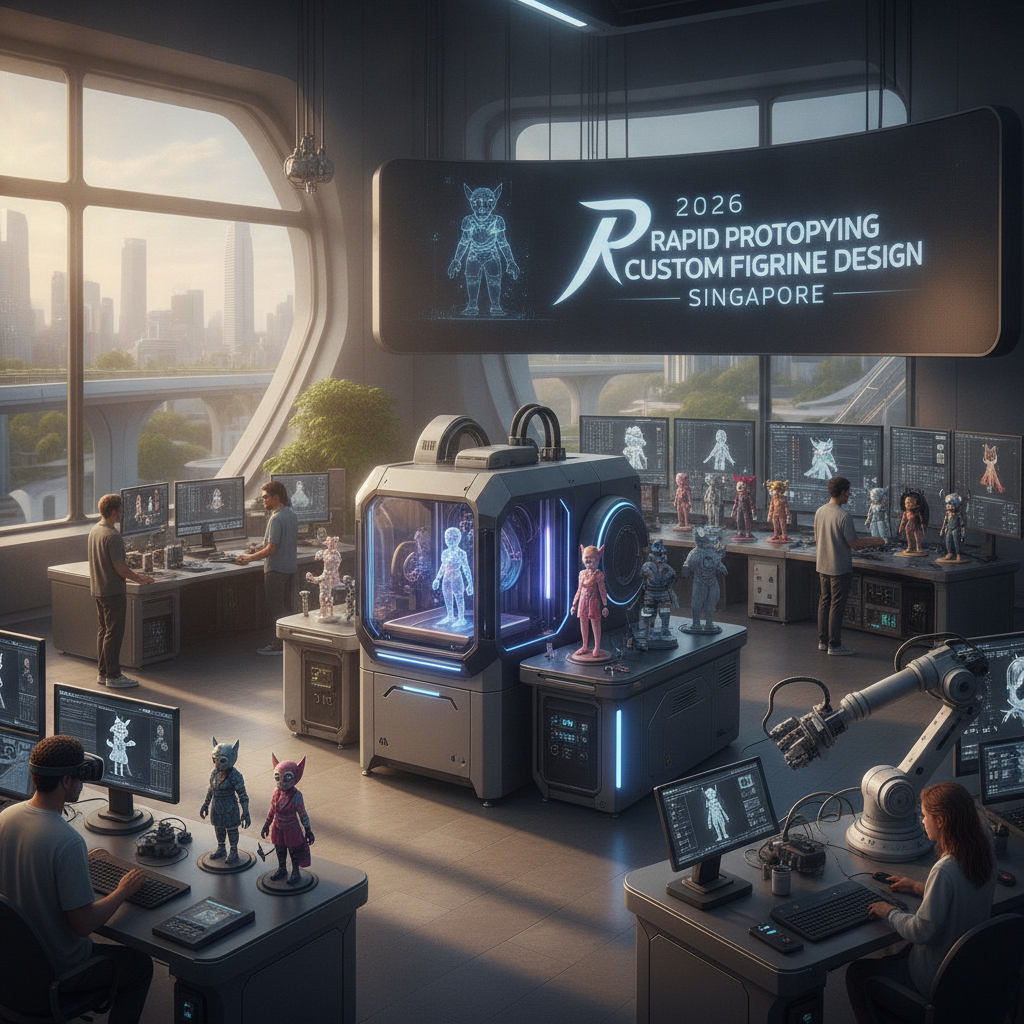
Advances in 3D printing have dramatically changed how art toys are prototyped and produced. Rapid prototyping using SLA or SLS technologies shortens iteration cycles, allowing sculptors and product designers to test surface texture, snap-fit components, and hollow structures quickly. For small-batch, collectible runs, high-resolution 3D printing can serve as the production method itself when paired with hand-finishing.
For designers looking to blend craftsmanship with modern manufacturing, custom 3D printing offers unparalleled control over geometry and customization. Learn more about integrating custom 3D printing into collectible workflows here: custom 3D printing.
Sustainability is no longer optional. Collectors and lifestyle consumers expect transparency on materials and processes. Designers are exploring biodegradable resins, recycled plastics, and low-VOC finishes. Beyond materials, sustainable packaging—recyclable rigid boxes, reusable display stands, and minimal inserts—adds value and aligns with eco-conscious lifestyles.
Sustainable choices also influence production methods: local small-batch manufacturing reduces shipping emissions and supports craft economies. For teams experimenting with greener production for art toys, this resource outlines sustainable manufacturing approaches in Singapore: sustainable art toys.
Successful collectible art toys often blur the line between art object and lifestyle product. Collaborations with streetwear brands, furniture designers, or lifestyle labels create cross-category appeal. When an art toy sits comfortably on a coffee table next to a design book or on a retail shelf alongside curated homeware, its status as a lifestyle product is confirmed.
Packaging and display solutions—magnetic boxes, modular shelving, and limited-edition display cases—are part of lifestyle product design thinking. The goal is to make the collectible integrate seamlessly into everyday environments while maintaining its artistic identity.
Singapore has an advantageous mix of design education, manufacturing logistics, and a cosmopolitan collector base. Its position as a regional hub enables access to Southeast Asian markets and global shipping routes, making it an attractive base for designers producing limited collectible runs.
Local design studios and makerspaces foster collaboration between illustrators, toy designers, and product engineers. For anyone designing next-generation toys, understanding how CAD and digital workflows are adapted in Singapore is crucial—discover practical CAD methods for future-forward toys here: CAD modeling for next-gen art toys.
Collectible toys thrive on community. Instagram, Discord, and collector forums are where designers cultivate loyal fans, share behind-the-scenes content, and announce drops. Pop-up exhibitions, gallery nights, and design markets in Singapore act as touchpoints where collectors can see finishes, meet creators, and make impulse purchases.
Direct-to-collector channels also reduce friction between maker and buyer, enabling limited runs with transparent pricing and verified authenticity. Loyalty programs, numbered certificates, and owner-exclusive releases increase lifetime value and foster repeat buys.
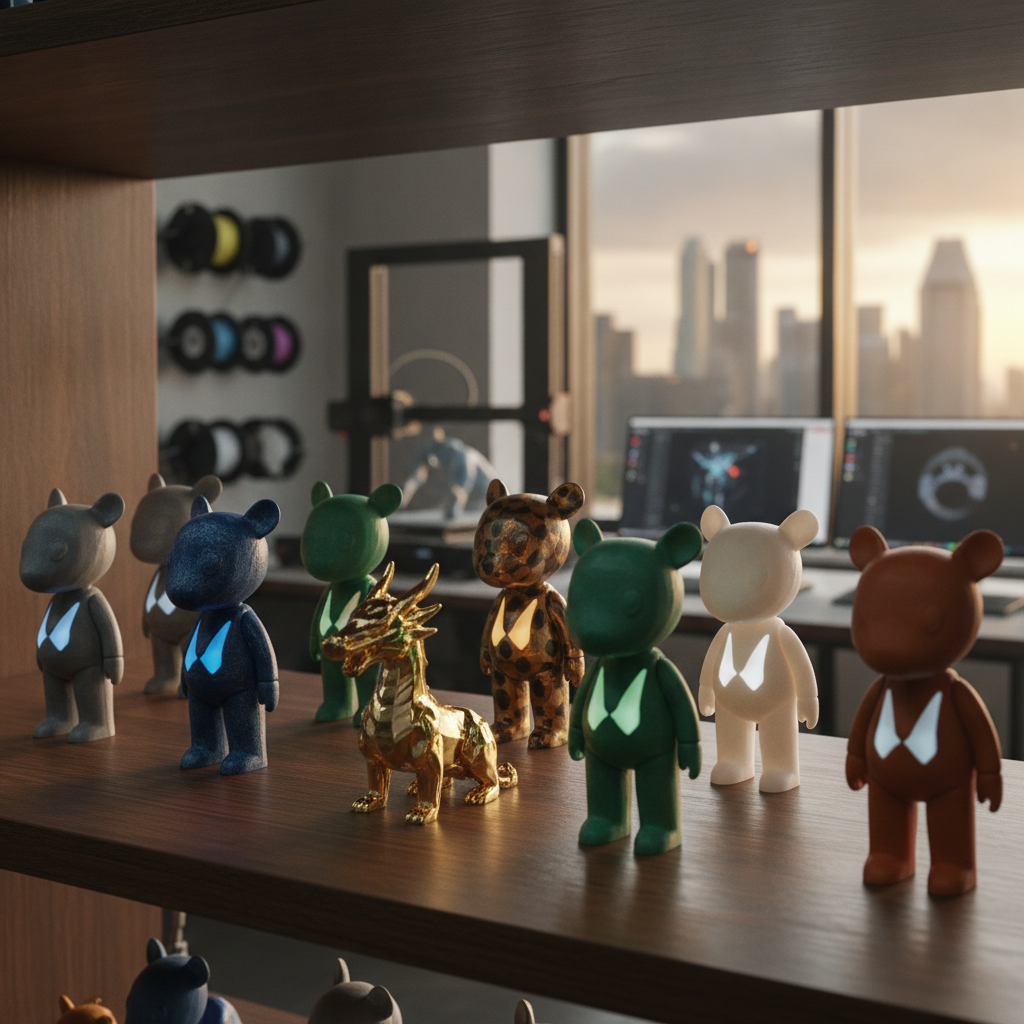
The perceived value of a collectible often comes down to materiality and finish. Matte versus gloss, visible seams or invisible joins, and the tactility of paint all shape a collector’s emotional connection. High-quality molds, precise color matching, and consistent finishes are hallmark indicators of reputable design practices.
Designers should think holistically about materials—not just aesthetics but longevity, UV resistance, and how finishes age. A well-considered finish not only looks premium but also protects the piece and preserves its collectibility.
Packaging is part of the product. Thoughtful packaging can narrate the designer’s story, show provenance, and protect the object. For lifestyle product design Singapore, packaging often reflects regional sensibilities: clean typographic systems, efficient use of space, and restrained visual branding that allows the toy to be the focal point.
Collectors appreciate packaging that doubles as display or storage. Rigid boxes with internal supports or magnetic closures reinforce the collectible’s premium positioning and become part of the ownership ritual.
As collectible art toys increase in popularity, a secondary market has emerged. Limited runs, collaborations, and early releases can appreciate if demand outstrips supply. Designers can influence secondary market health by controlling edition sizes, stamping runs with serial numbers, and maintaining consistent quality.
However, speculative markets can also fluctuate. Clear communication about edition sizes, production techniques, and artist intent helps preserve brand integrity and long-term collector trust.
If you’re mapping the production workflow, consider how CAD and digital manufacturing can streamline the jump from sculpt to shelf: designer CAD workflows.
We’re seeing an increase in hybrid products that pair a physical collectible with digital assets, augmented reality experiences, or certificate-backed provenance. These hybrids expand the storytelling possibilities and broaden the collector base to tech-savvy buyers who value both tangible objects and digital ownership.
Designers exploring this frontier need to balance physical craftsmanship with digital literacy—ensuring the physical product holds its own even as the digital layer adds value.
Collectible art toys are a unique canvas for lifestyle product design in Singapore. They demand the rigor of product engineering, the nuance of surface design, and the empathy of brand storytelling. Whether you are a designer, studio, or collector, success comes from thoughtful material choices, well-executed fabrication, and a clear release strategy that honors both the object and its audience.
For teams looking to refine production workflows and embrace modern fabrication techniques, exploring CAD modeling and sustainable manufacturing methods will be central to creating the next wave of collectible art toys.
Discover CAD-driven design approaches for next-gen toys and learn how to bring custom, small-batch editions to market with precision and sustainability in mind: sustainable production insights.
Collectible art toys in Singapore are more than objects; they are designed experiences that reflect contemporary lifestyles, technological possibilities, and the values of their communities. Thoughtful design and responsible production are the keys to lasting impact and meaningful connection.