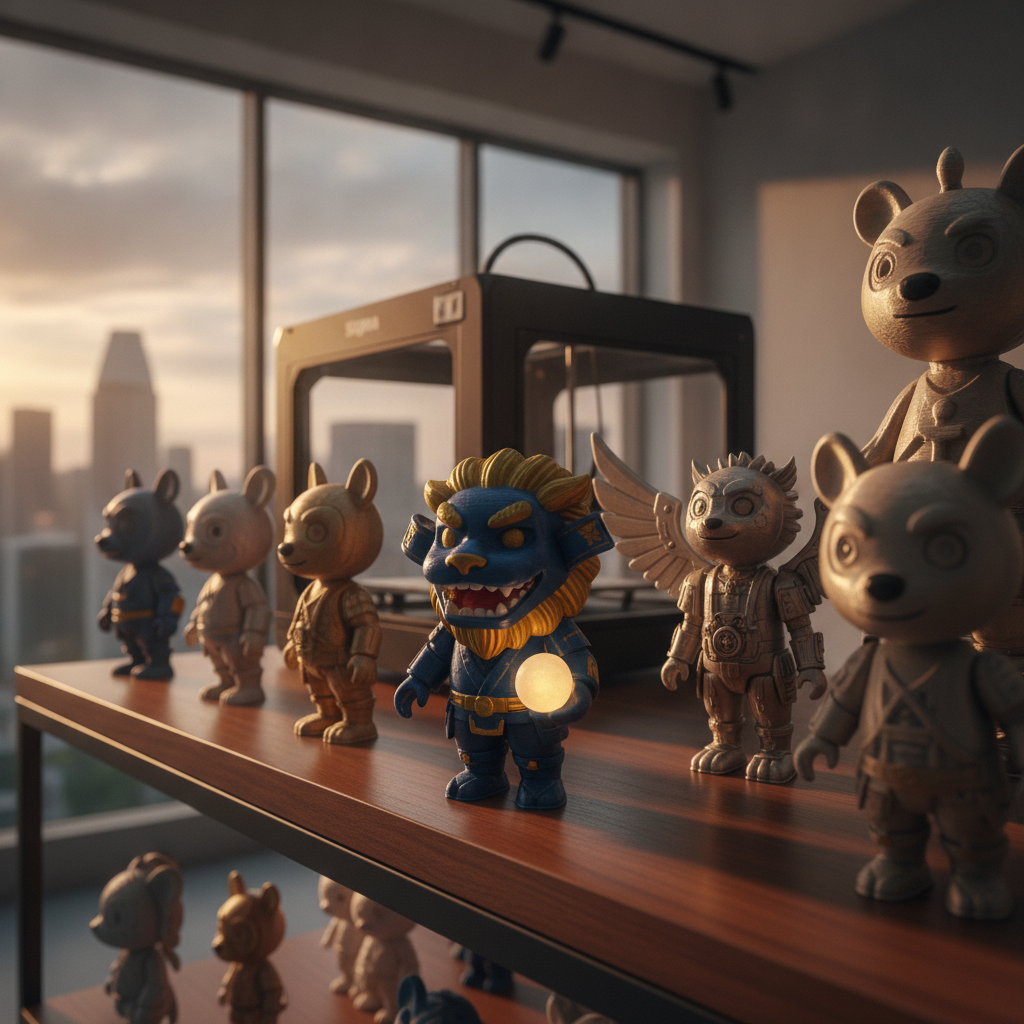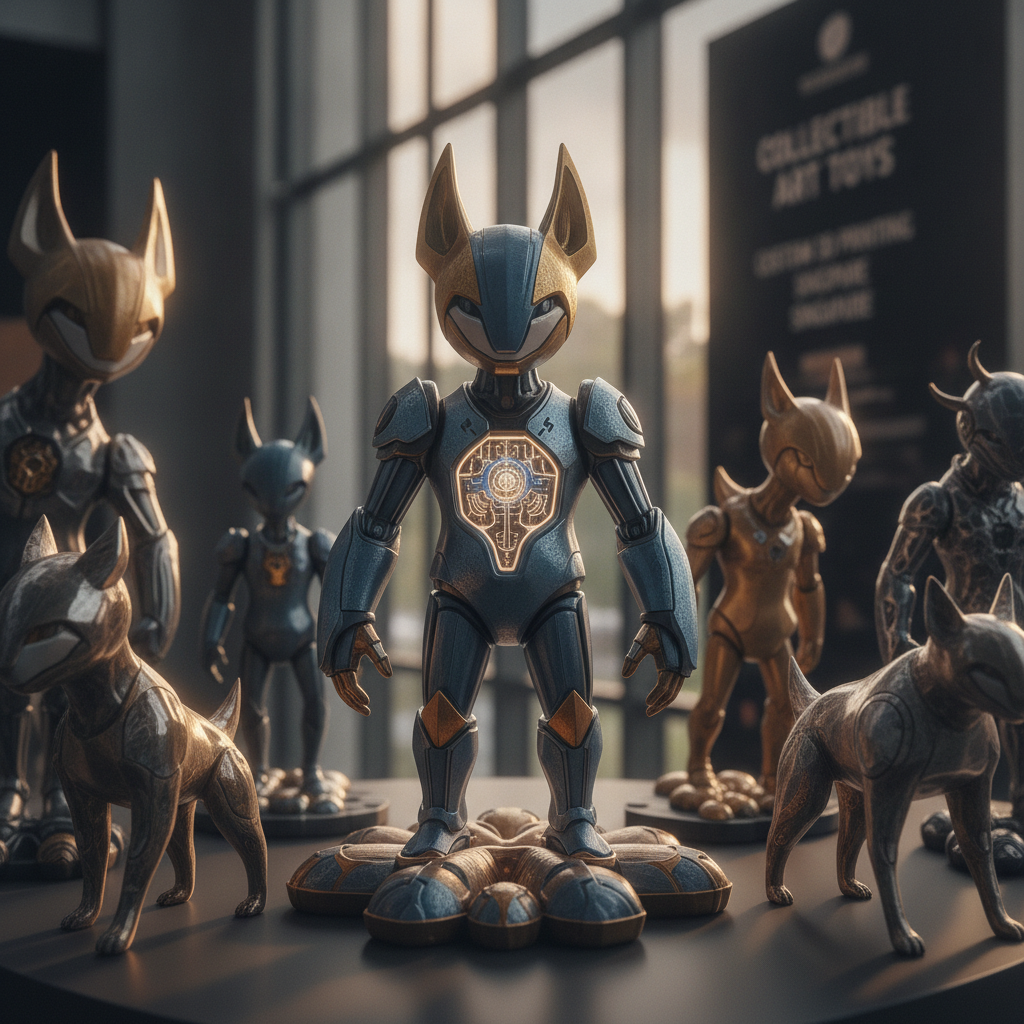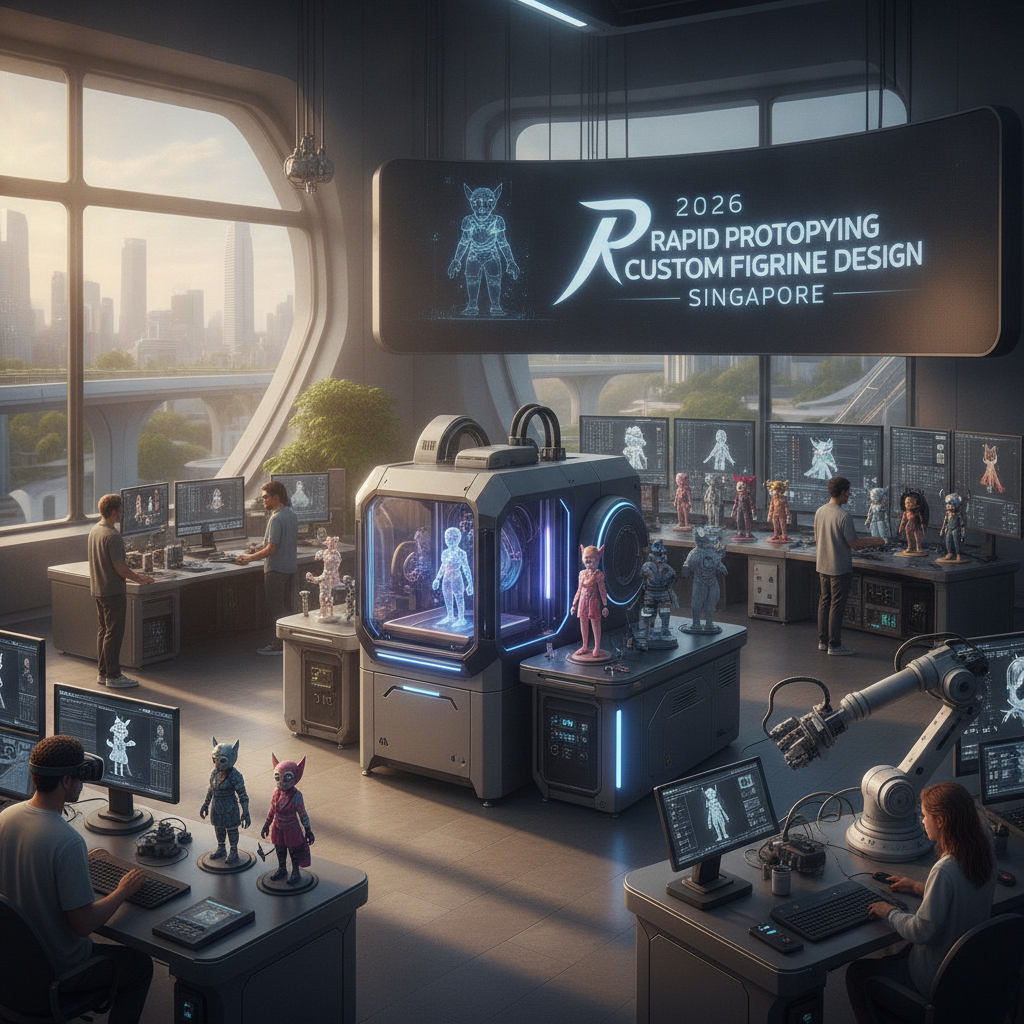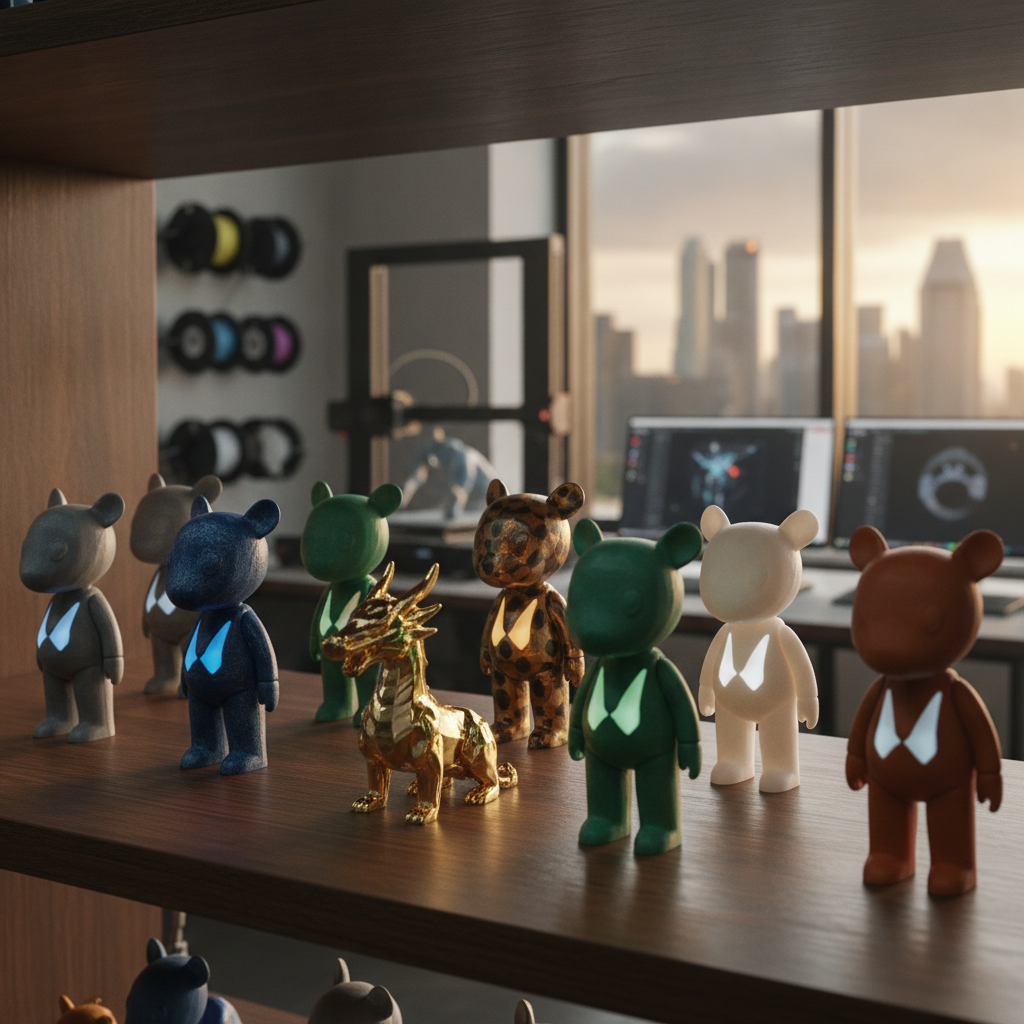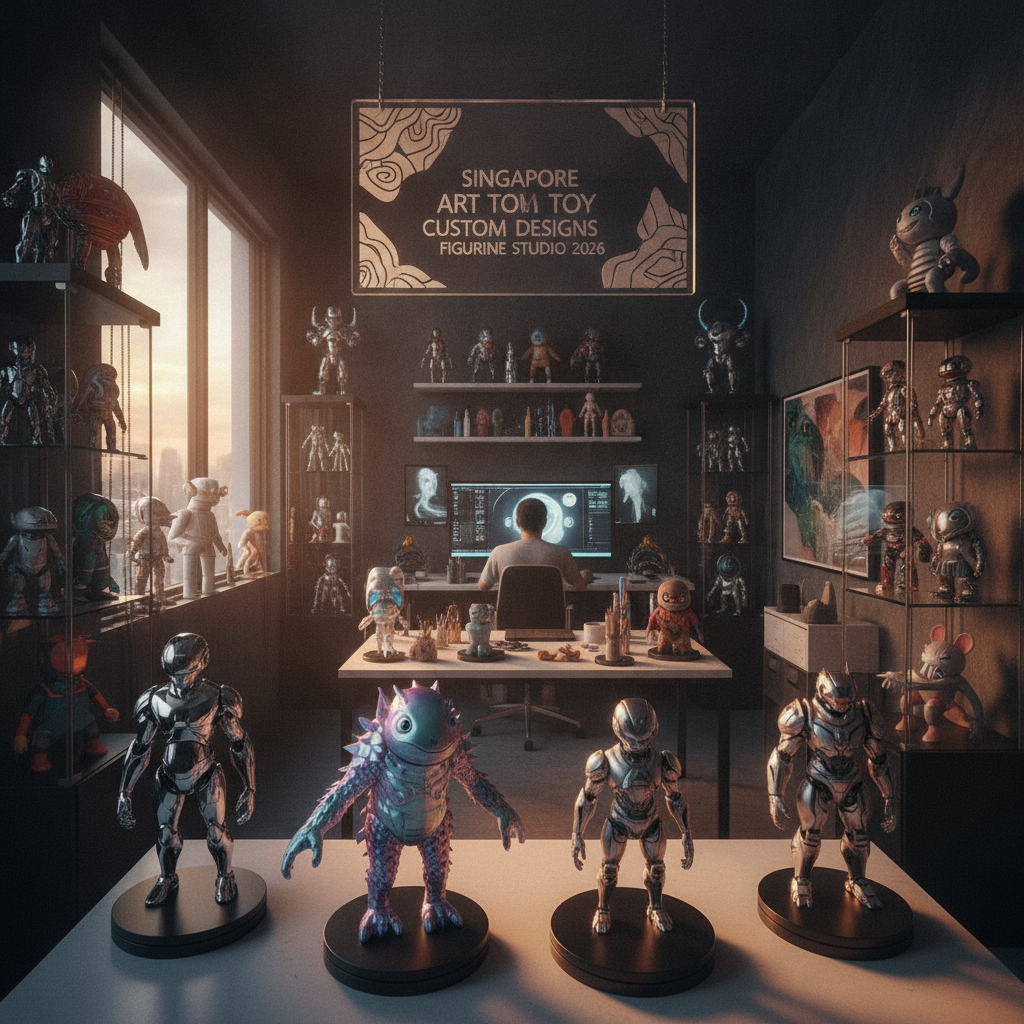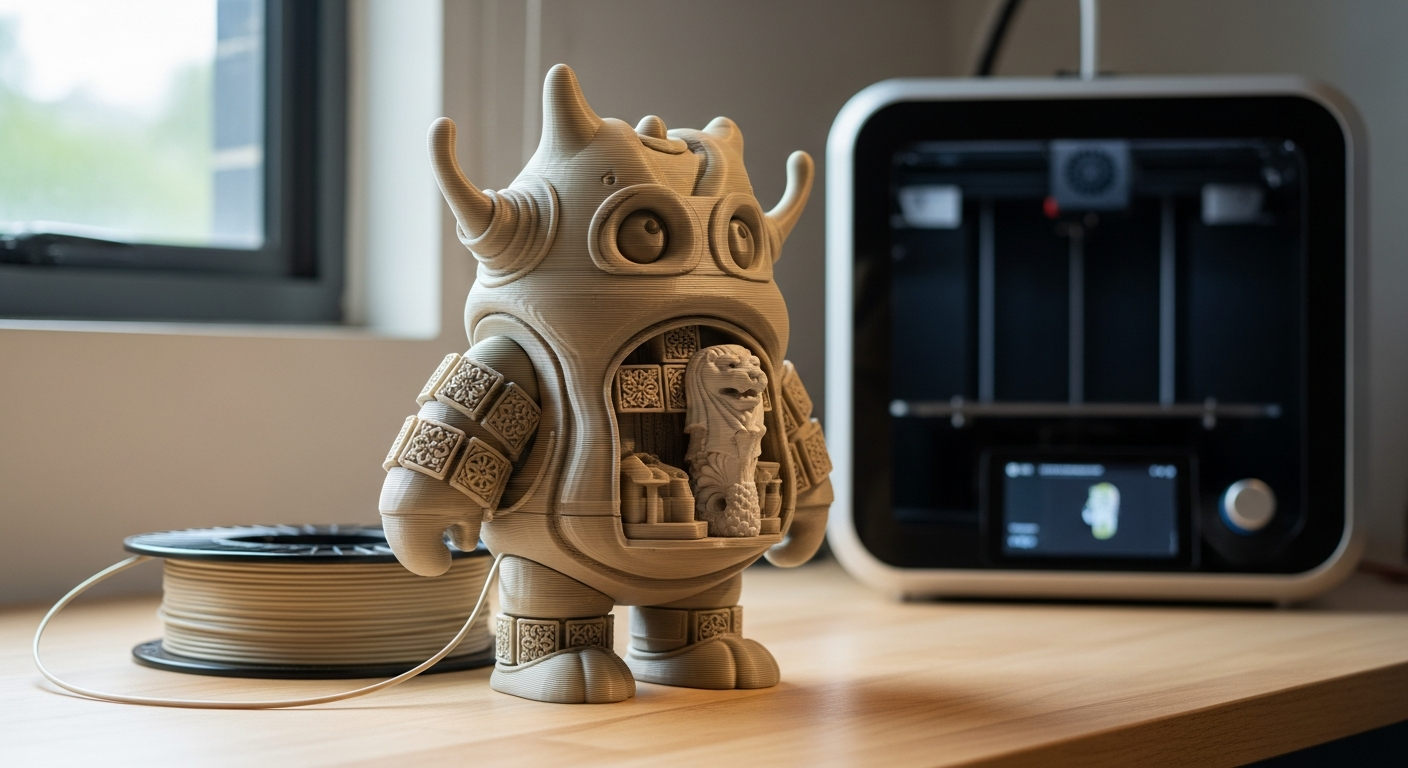
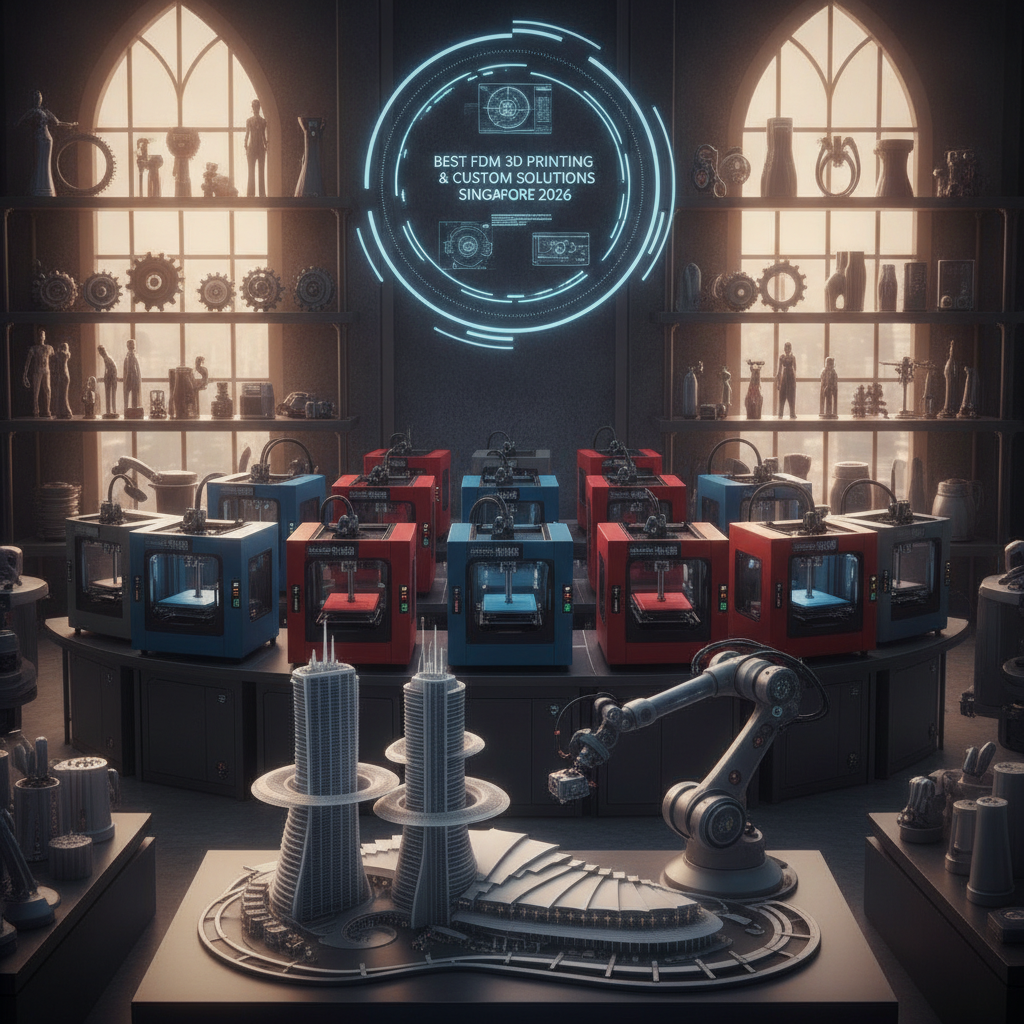

Artists and designers are rewriting the rules for collectible toys. Gone are the days when mass-produced plastics defined the category. Today, sustainable art toys combine thoughtful design, low-waste manufacturing, and custom 3D printing workflows that support small runs, local production and experimentation. In Singapore, a thriving maker ecosystem and advanced additive manufacturing services make it easier than ever to take a concept from sketch to shelf with minimal environmental impact.
Sustainability in the designer-toy market is both an ethical choice and a business advantage. Collectors increasingly value provenance: knowing how a piece was made, what materials were used, and whether the process is environmentally responsible. Sustainable art toys reduce landfill waste through on-demand production, use safer or recycled materials, and enable modular, repairable designs that extend product life.
Using custom 3d printing singapore workflows lets creators produce exactly the quantities they need, eliminating large inventories and overstocks. This model aligns with circular economy principles: designing for longevity, recyclability, and reduced transportation emissions by leveraging local fabrication.
Material selection is the backbone of a sustainable art toy. Popular eco-friendly options include:
Beyond raw materials, finishing choices also impact sustainability. Low-VOC paints, water-based sealants, and certificated-safe pigments ensure finished toys are both eco-friendly and collector-safe.
A streamlined workflow is key to producing sustainable art toys without compromising quality:
For creators looking to optimize each step, specialized services can help. An example resource for on-demand production and CAD support is an on-demand FDM service that integrates model preparation and finishing through localized facilities on-demand FDM 3D printing and CAD modeling.
Post-processing transforms a print into a collectible. Traditional methods—sanding, priming, painting—remain core, but you can choose greener alternatives:
Designing for disassembly also helps: if a toy can be easily taken apart, components can be repaired or recycled rather than discarded.
Sustainability must go hand-in-hand with safety. For toys intended for children or public display, consider compliance with applicable regional standards for small parts, chemical safety, and flame resistance. Even for adult collectibles, documentation of materials and post-processing steps builds trust with buyers.
Label materials clearly and provide care instructions. Offering spare parts or repair services extends an object’s life and reinforces a sustainable brand promise.
Several trends are converging to reshape how art toys are designed and produced:
AI-assisted design: machine learning tools can optimize internal structures, suggest material mixes for performance and sustainability, and accelerate iteration cycles. This is increasingly visible in studios experimenting with AI to produce generative shapes for limited runs. See how AI is integrated with CAD workflows in contexts like AI-driven art toys with CAD modeling.
Modular toys: design parts that can be swapped or recombined to create multiple looks from a single base, reducing the need for separate items.
On-demand limited editions: producing small numbered runs on-demand minimizes waste and feeds collector demand for exclusivity.
Digital provenance and collectibles: linking a physical piece to a verified digital record (not necessarily an NFT) that documents manufacture, materials and edition size.
Cross-discipline collaborations: artists, engineers, and sustainability consultants now partner to marry aesthetics with responsible production.
Singapore’s dense urban fabric and robust manufacturing services create unique benefits for creators:
Proximity to advanced fabrication: local rapid prototyping and 3D printing centers reduce shipping emissions and lead times. Localized services for rapid iteration are especially valuable; find more about rapid prototyping and CAD modeling resources at rapid prototyping and CAD modeling.
Strong IP and business ecosystem: design protection, supportive grants, and a healthy retail market help designers monetize sustainable lines.
Design talent and community: makerspaces, design schools and creative collectives foster rapid collaboration and knowledge sharing.
Logistics and access to Asia supply chains: efficient shipping for components or materials when needed, while still enabling mostly local production.
These local advantages make custom 3d printing singapore a practical, lower-carbon way to create distinctive collectibles.
If you’re commissioning a piece, here’s a practical path to a successful, sustainable outcome:
For creators looking to produce collectible figurines cost-effectively, companies that specialize in custom figurine design can offer both technical and aesthetic expertise—explore examples of custom figurine design to understand typical workflows and pricing.
Sustainable practices can be monetized in several ways:
Partnering with local 3D printing and CAD studios enables designers to focus on creativity while leveraging proven workflows for sustainable production and compliance. For hands-on assistance with prototyping and CAD, consult providers specializing in on-demand FDM and CAD modeling and tailored prototyping services at rapid prototyping and CAD modeling.
The future of art toys is sustainable, local, and design-forward. Creators who embrace custom 3d printing singapore workflows can produce highly detailed, collectible pieces with lower environmental impact and stronger stories. By choosing better materials, smarter designs, and local fabrication partners, the art-toy community can make objects that collectors treasure for longer—and that leave a smaller footprint.
Sustainable art toys are not just a trend; they are a practical pathway to aligning creative practice with responsible production, enabling artists to deliver both beauty and accountability in every limited edition.