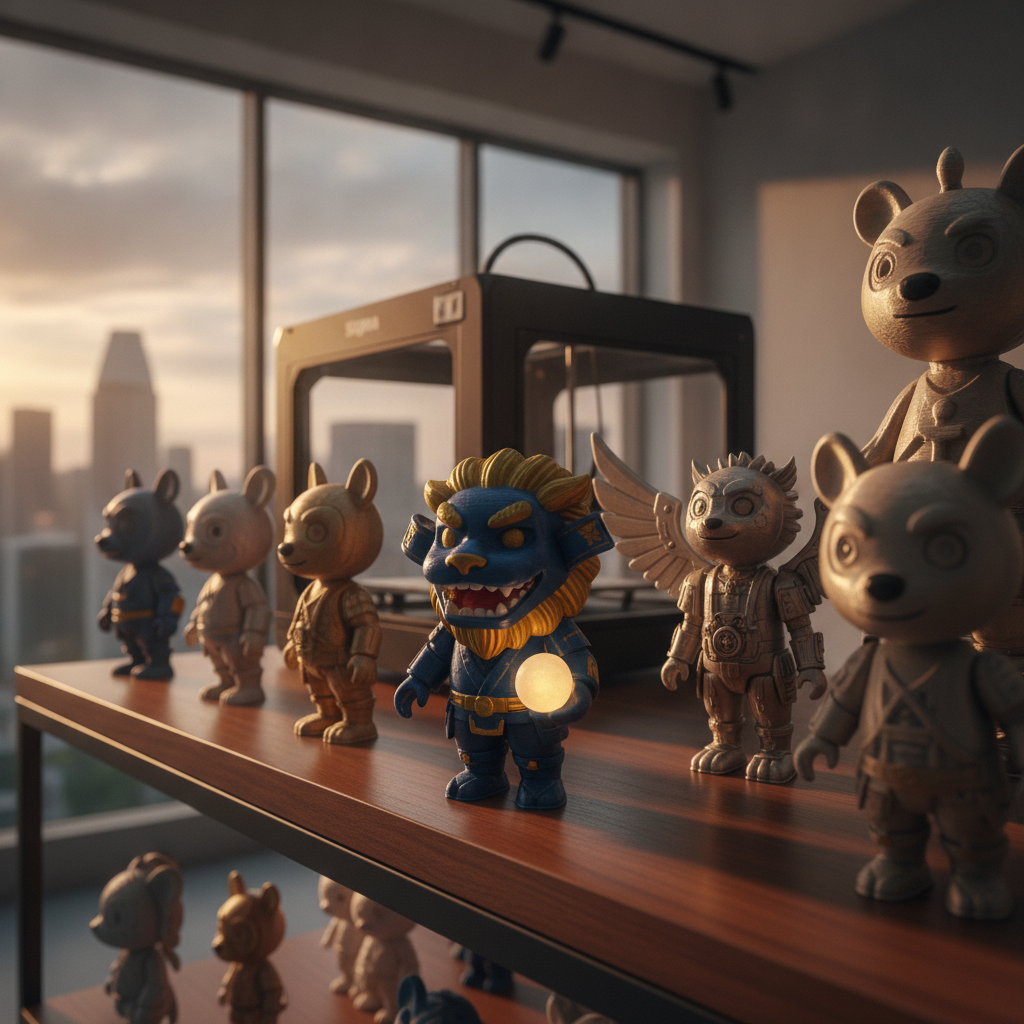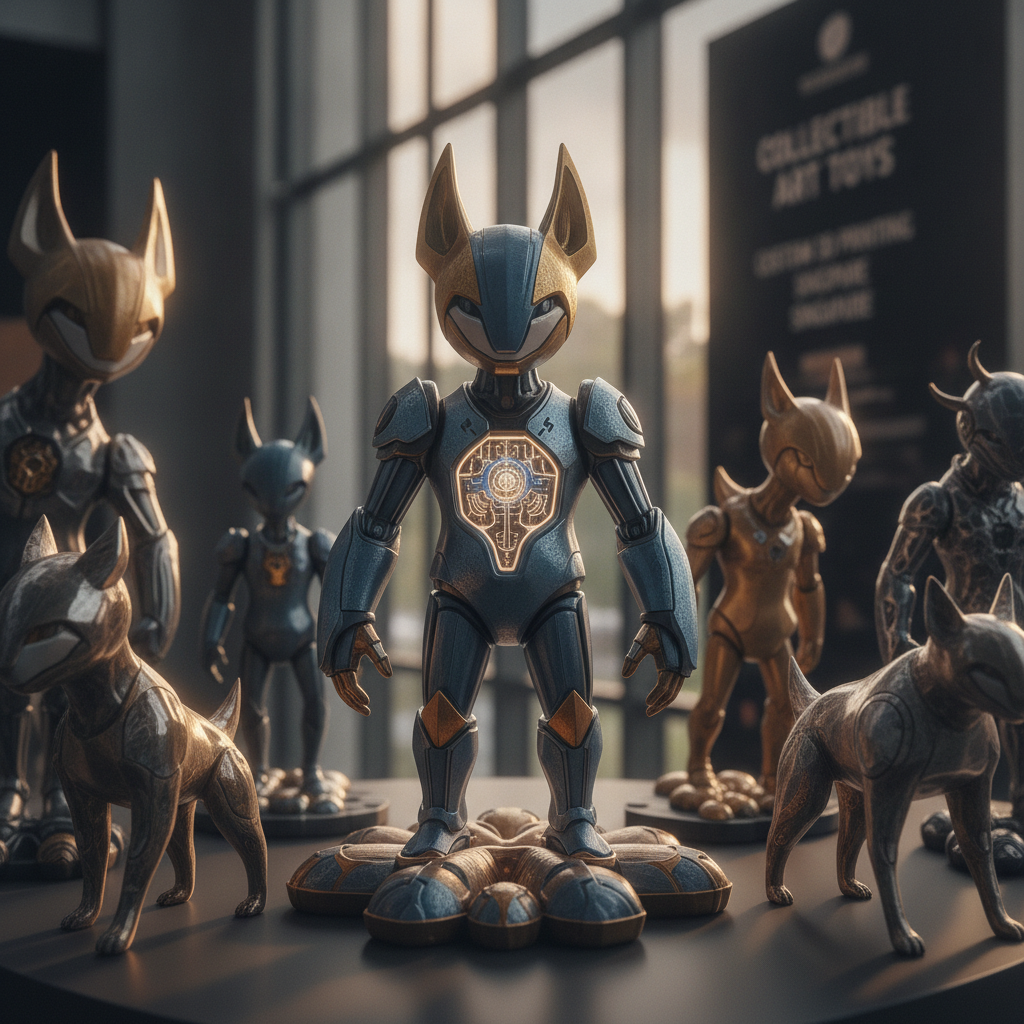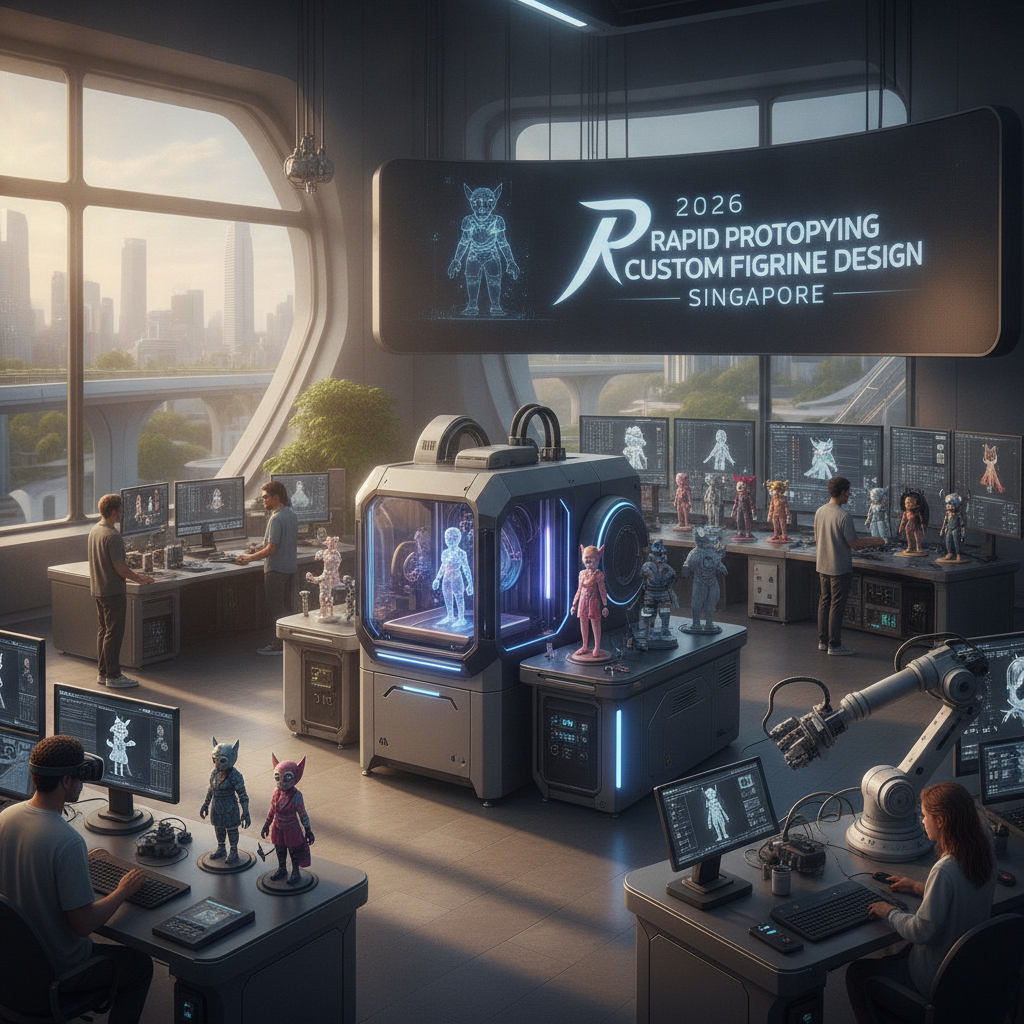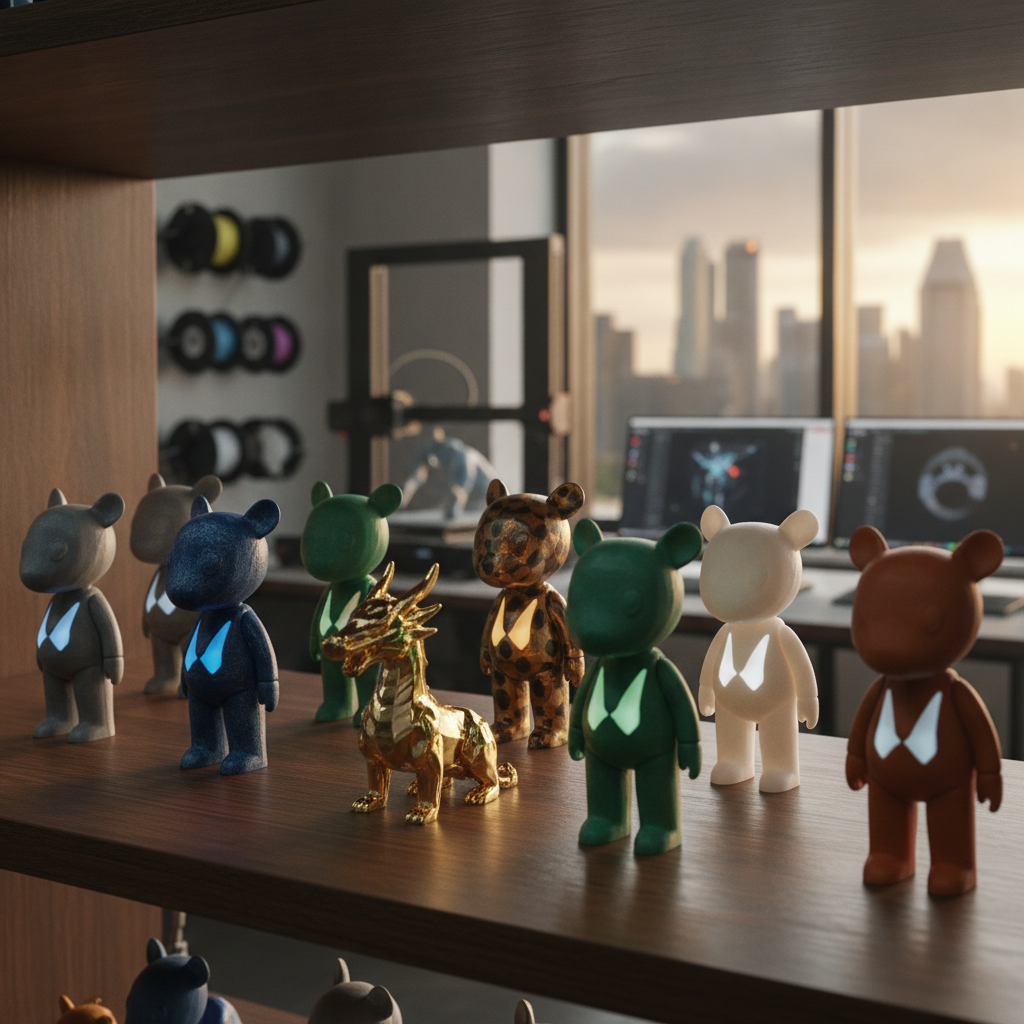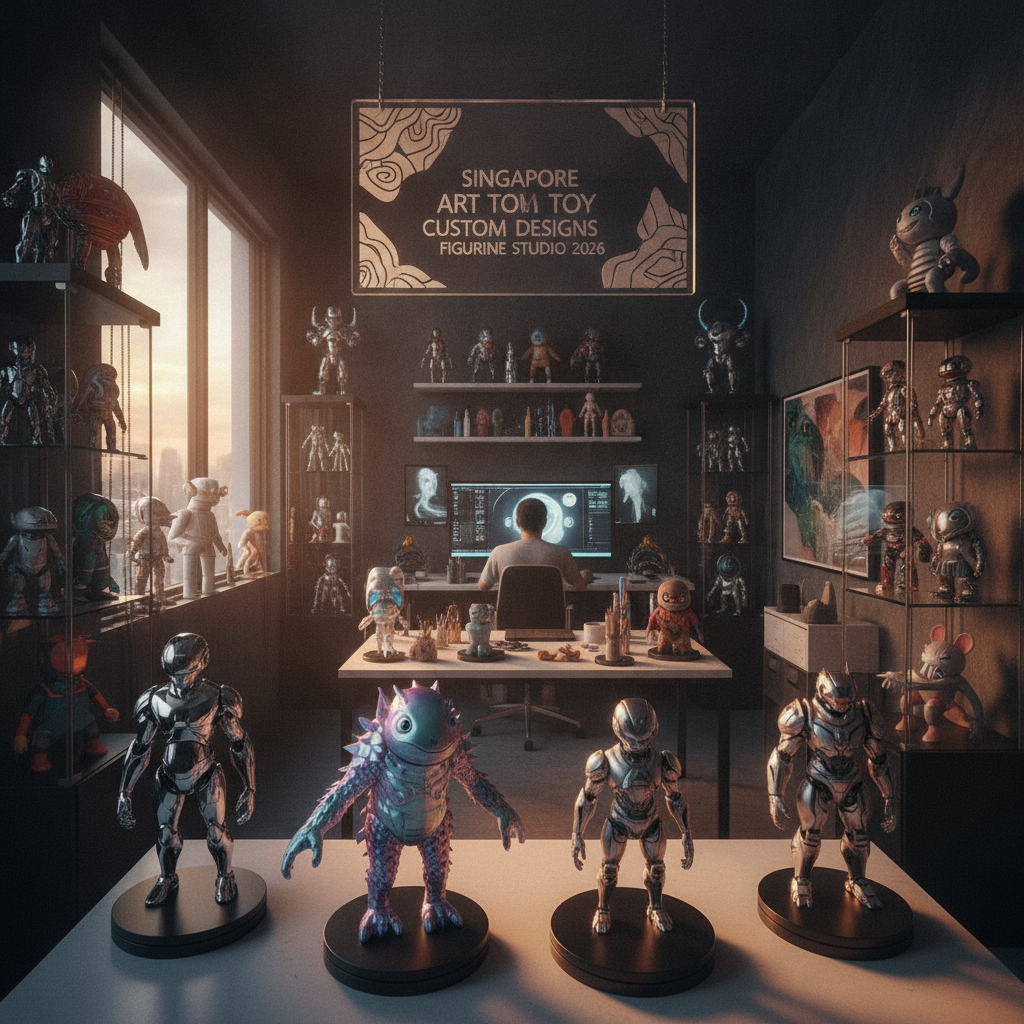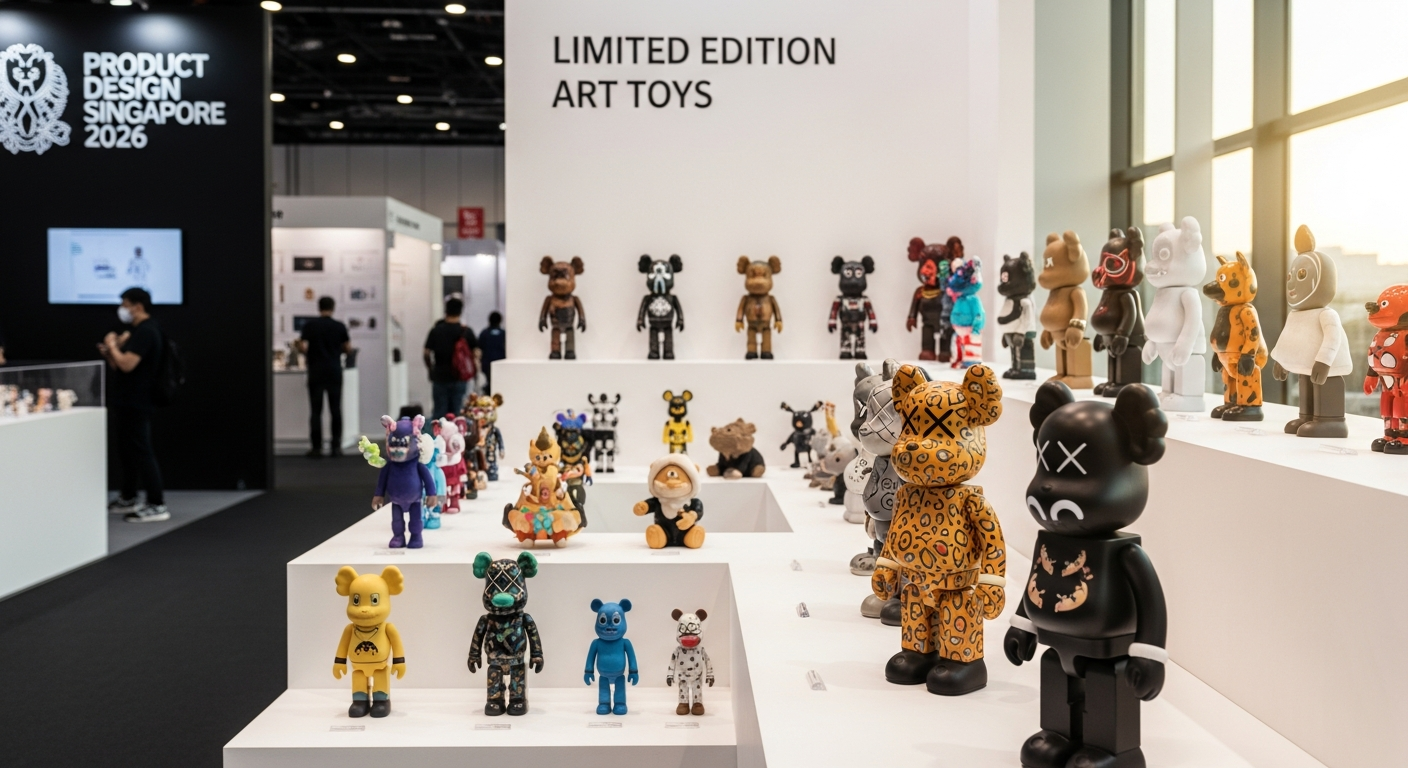

The intersection of limited edition art toys and lifestyle product design Singapore has matured into a defining trend of 2026. What began as niche designer vinyl and resin figures has evolved into a sophisticated ecosystem where product design practice, advanced 3D production, sustainability, and community-driven scarcity meet. For designers and brands in Singapore and beyond, limited edition art toys are no longer mere studio playthings — they are lifestyle statements, collectible investments, and experimental platforms for product innovation.
Demand for limited edition art toys has broadened. Besides traditional collectors, younger lifestyle consumers now treat designer toys as part of daily expression — placed on shelves, integrated into interior styling, and photographed for social feeds. This shift is changing how product designers approach form, finish, and story. The drive toward lifestyle product design Singapore means toys must function visually in real-world interiors and align with contemporary design values: tactility, material honesty, and narrative.
Economic forces are also at play. Scarcity and small-batch production create premium pricing power. At the same time, on-demand manufacturing and digital workflows are lowering barriers to entry for designers, enabling rapid experimentation with limited runs that can be profitable without large upfront tooling costs. Companies offering tailored production for collectible audiences are increasingly relevant; see practical examples of bespoke production workflows in 3D printing services tailored for figurines and small-batch collectibles: 3D printing service Singapore for custom figurine design.
Limited runs demand a different design mindset from mass-market product design. Designers must think in terms of narrative distinction, tactile quality, and variations that make each drop memorable. Key approaches include:
Integrating these considerations into lifestyle product design Singapore projects creates crossover appeal — toys that feel at home on a coffee table next to premium homewares.
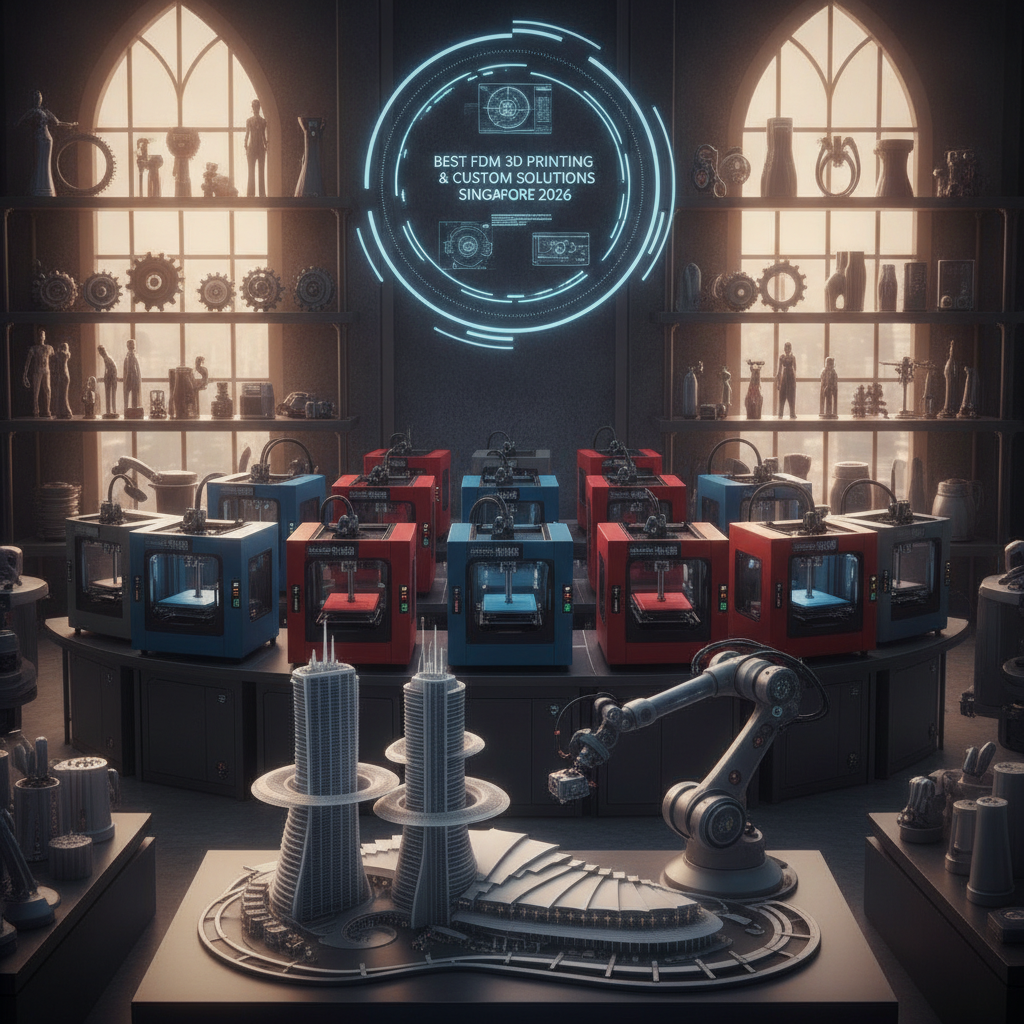
Advances in additive manufacturing and CAD workflows have been pivotal. Designers now combine AI-assisted modeling with diverse 3D printing methods to iterate quickly and maintain high-quality output. Key production trends include:
One resource that illustrates how AI-driven CAD supports lifestyle product design in Singapore is this overview of AI CAD modeling Singapore for lifestyle product design 2026. For designers aiming to move from sketch to collectible quickly, on-demand production platforms that combine FDM and CAD services are particularly relevant — learn how on-demand FDM workflows are integrated into modern design practice here: on-demand FDM 3D printing and CAD modeling Singapore 2026.
Sustainability is no longer optional. Collectors increasingly prioritize limited edition art toys that minimize environmental impact or demonstrate thoughtful material sourcing. Sustainable approaches include:
Examples of brands pushing this boundary combine sustainable materials with collectible appeal — read about specialized sustainable production workflows for art toys here: sustainable art toys with custom 3D printing Singapore.
Limited edition models create dedicated communities, and 2026 sees more sophisticated engagement strategies: staged drops, membership tiers, and provenance documentation. Designers use the following tactics to build trust and value:
These elements transform objects into lifestyle assets and provide clear frameworks for secondary-market value. Designers who embrace community mechanics often find sustained interest and organic promotion from collectors.
Limited edition production is as much logistics as it is design. Successful launches in 2026 follow a disciplined operational checklist:
Singapore’s ecosystem is uniquely positioned to support these steps: local prototyping, access to advanced fabrication labs, and logistics infrastructure that supports regional distribution. For teams looking for turnkey services that handle CAD-to-printed-collectible pipelines, specialized providers can streamline the path from concept to shelf — see an example of collectible-focused 3D printing and custom design workflows: collectible art toys with custom 3D printing Singapore.
Several micro-trends have solidified this year:
A notable operational shift is the prevalence of specialized 3D-printing services that support custom figurine design with fast turnaround and finish options. These services reduce barrier-to-entry for designers who want to launch limited runs without building in-house fabrication: 2026 3D printing service Singapore custom figurine design.
If you are a product designer or brand in Singapore exploring limited edition art toys, consider these practical steps:
Local partnerships that combine rapid prototyping, CAD modeling, and finishing can reduce lead times and increase quality. For teams that need a combined offering of CAD and production, integrated providers are well-placed to support the full lifecycle from concept to collectible.
To understand performance beyond just sell-through rate, track:
These KPIs help refine both creative direction and operational processes for future limited editions.
Looking ahead, expect deeper integration between AI design tools, sustainable material science, and personalized production. Designers will increasingly offer modular, customizable experiences that maintain collectibility through controlled scarcity. Singapore’s design infrastructure and proximity to advanced manufacturing hubs make it an ideal testing ground for these innovations.
For product designers and brands, the opportunity is clear: limited edition art toys provide a low-risk, high-identity channel to experiment with lifestyle product design Singapore, refine craftsmanship, and build engaged communities. When paired with responsible materials, smart production partners, and thoughtful story-driven design, limited editions can become a cornerstone of a brand’s lifestyle portfolio.
In 2026, limited edition art toys are a pragmatic, creative frontier for lifestyle product design in Singapore. They combine the best of collectible culture, modern fabrication, and deliberate design strategy. For designers and brands that harness these elements, the result is more than a toy — it’s a cultural object that anchors a lifestyle and sustains long-term engagement.