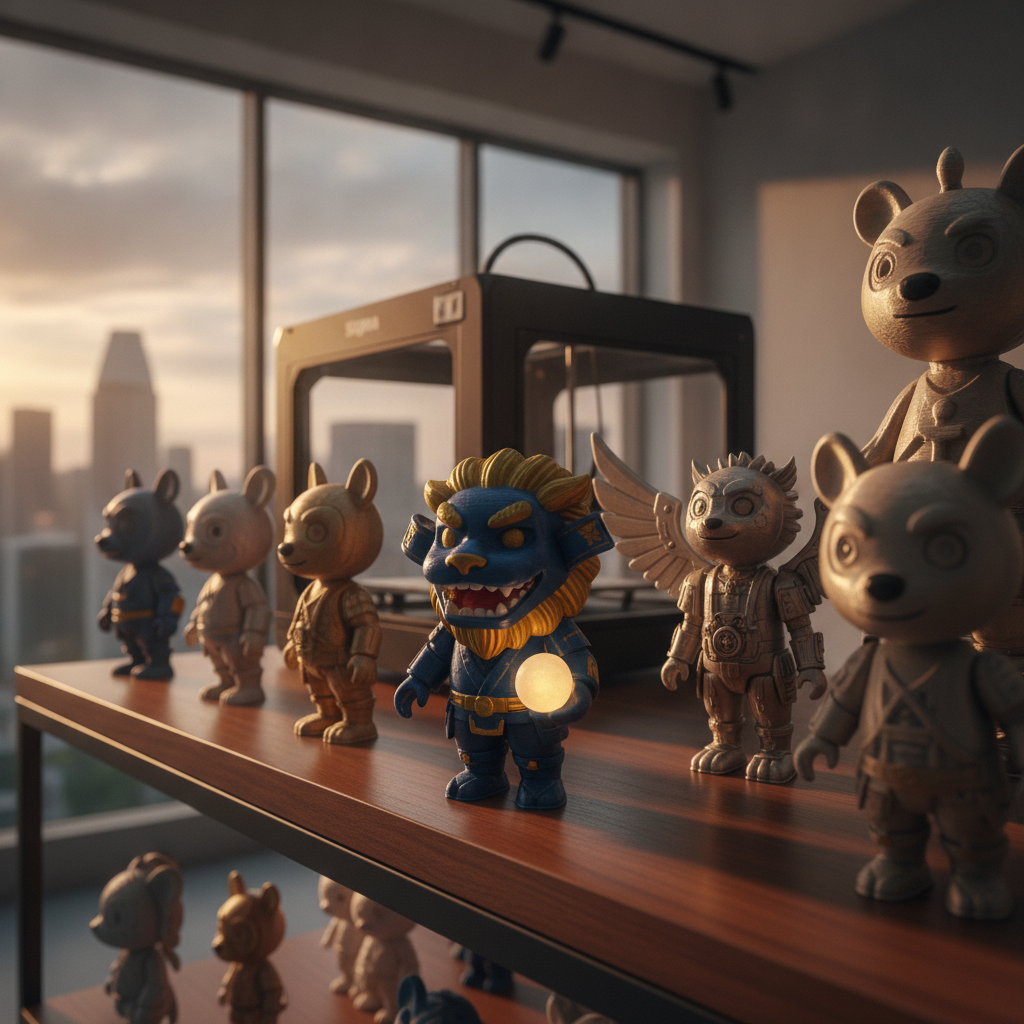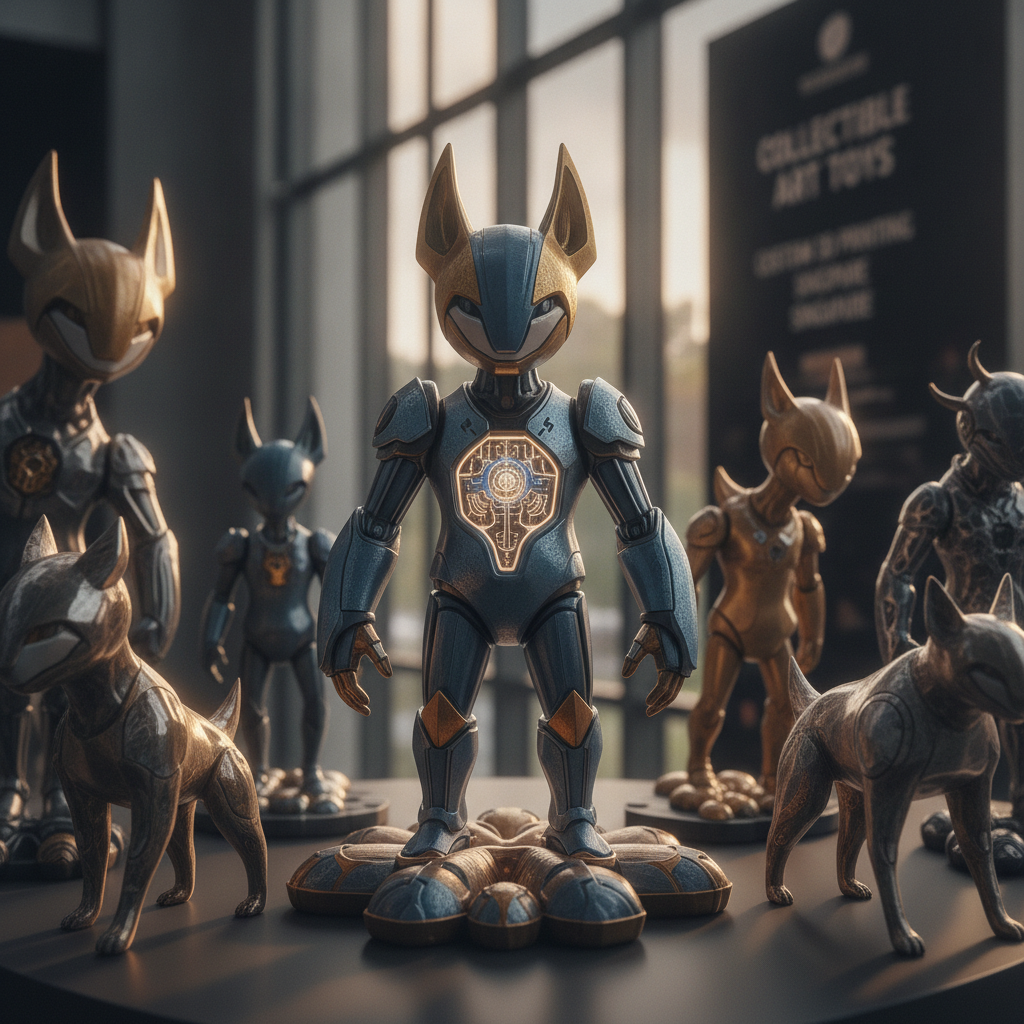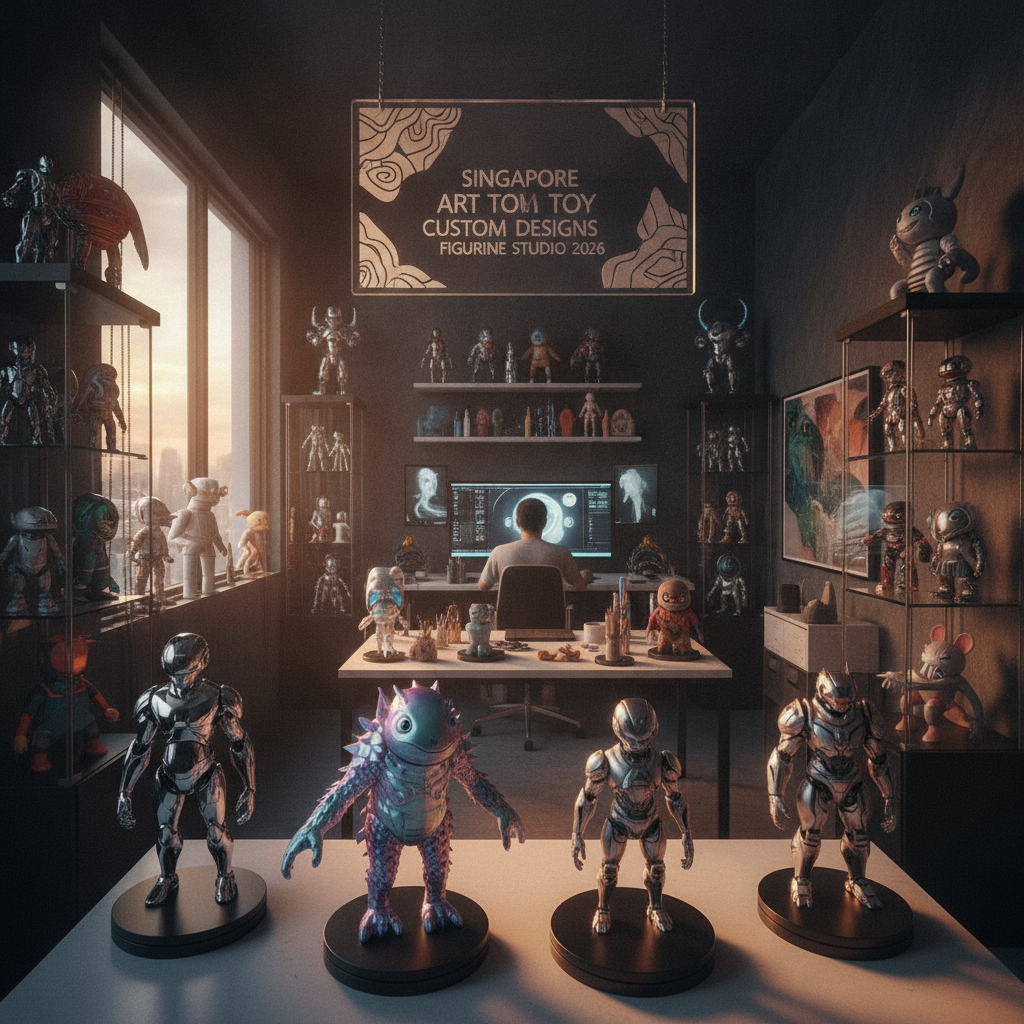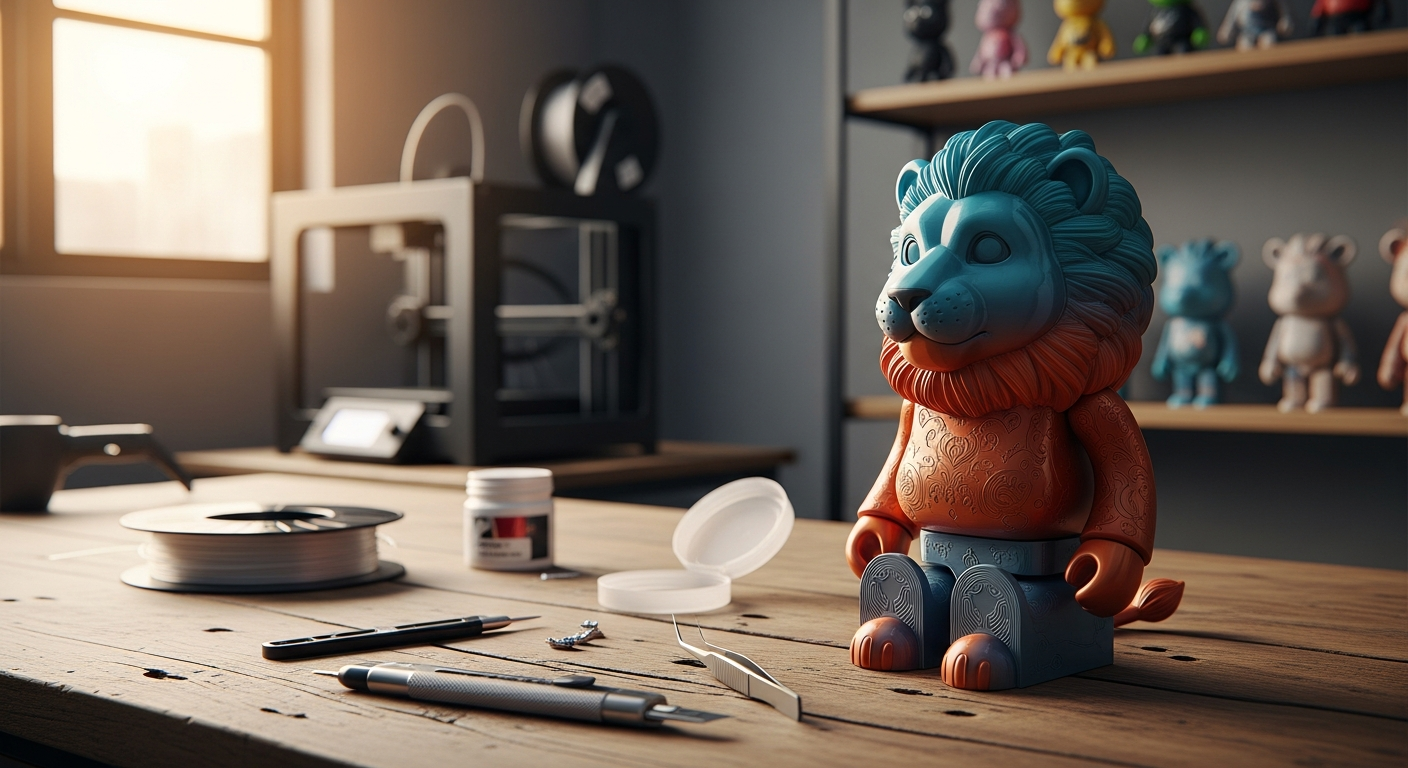
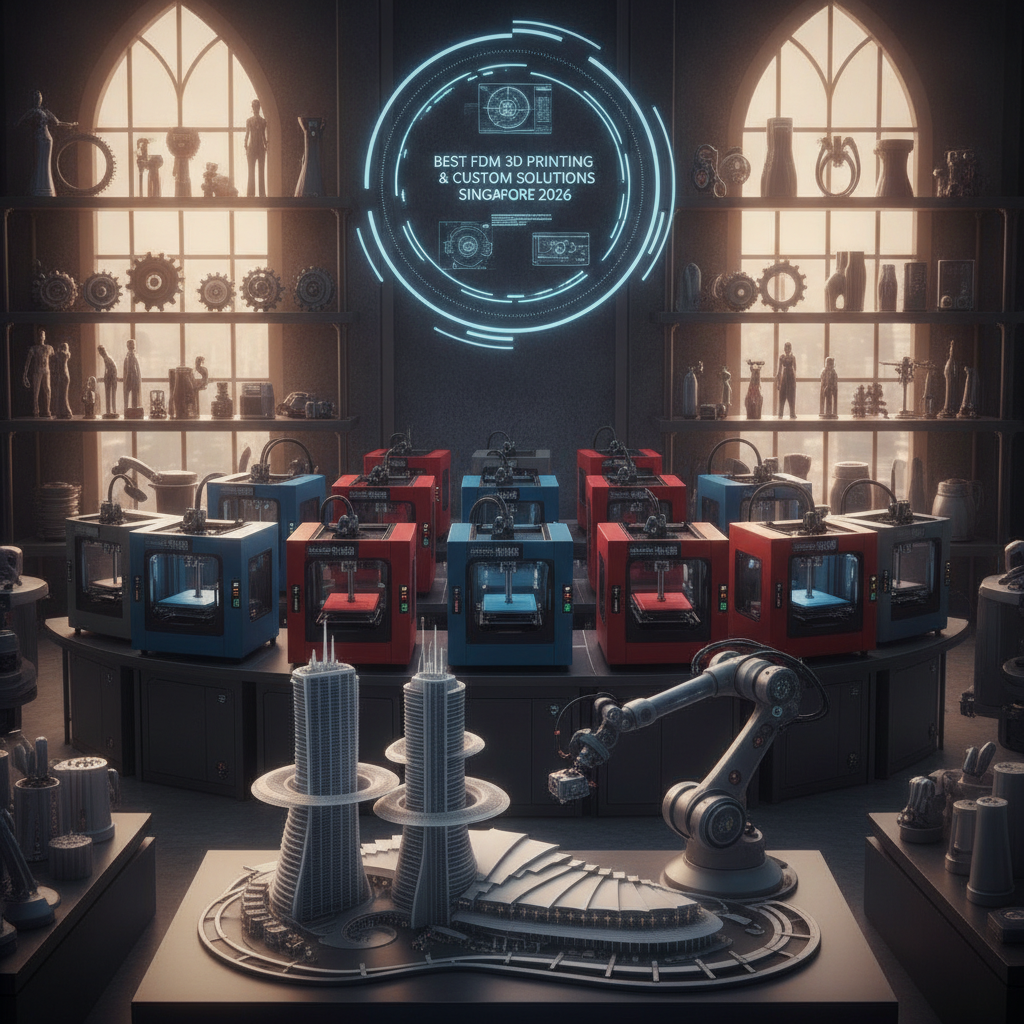

Collectible art toys have moved from niche gallery corners into mainstream design culture. Artists, designers and independent brands are using sculptural storytelling to create limited-run pieces that blend fine art, pop culture and product design. At the same time, custom 3d printing singapore has matured into a reliable production pathway, enabling high-detail, small-batch manufacturing without the upfront cost and lead time of traditional tooling.
This article explains why art toys are uniquely suited to 3D production, which 3D printing processes and materials produce the best results, and practical workflows for turning a concept into a collectible series.
Art toys are more than figurines: they are storytelling objects. Collectors value originality, finish quality, edition numbers and the narrative behind each release. Characteristics that drive desirability include:
Because many artists want to keep runs small and maintain control over design, production methods that support economical low-volume runs are ideal. This is where custom 3d printing singapore becomes a strategic choice.
Custom 3D printing in Singapore offers designers fast iteration, precision and a local supply chain with short lead times. Benefits for art toys include:
Singapore-based studios also integrate modern CAD workflows and AI-assisted modeling to shorten concept-to-sample cycles, making it easier to launch timed releases and collaborations.
Not all printing technologies are equal when creating collectible art toys. Pick a process based on surface finish, structural needs and post-processing expectations:
SLA / DLP (Resin): Excellent for ultra-fine detail, smooth surfaces and complex forms. Ideal for limited-run, display-quality toys. Resin prints are rigid and take paint well, but require careful post-curing and handling.
SLS / MJF (Powder-based): Good for durable, functional parts and for multi-part assemblies that require strength. Surface can be slightly grainy and benefits from finishing.
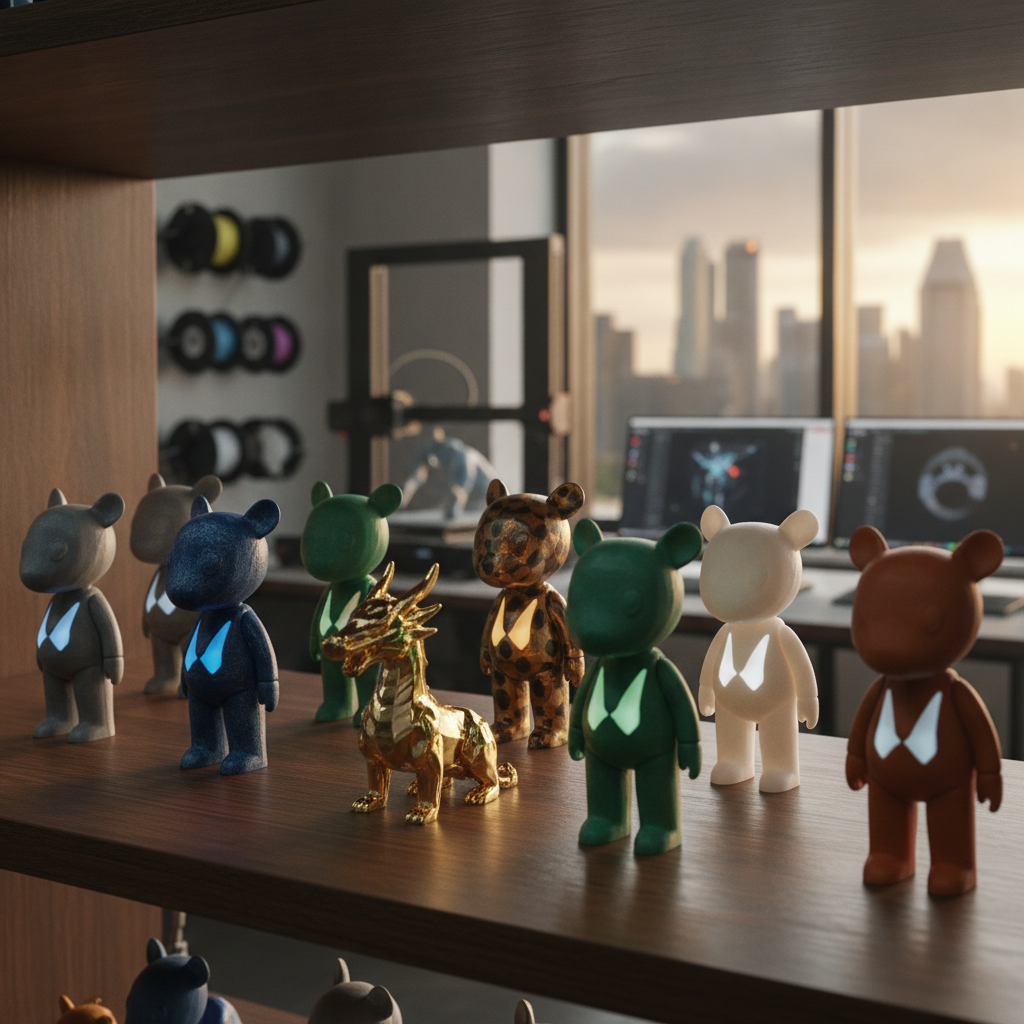
FDM (Fused Deposition Modeling): Cost-effective for larger-scale, less detailed pieces or for internal structural components. When combined with professional finishing, FDM can be used effectively for art toys — especially for on-demand small series. See a practical on-demand approach to FDM in Singapore on-demand FDM 3D printing.
Full-colour binder jetting / PolyJet: For photo-realistic, full-colour prints and rapid prototyping of finished pieces. These can be costly but remove the need for painting for some designs.
Match material properties to the toy’s intended use: display-only pieces can prioritize surface detail, while articulated or playable toys need durable materials and reinforced joints.
A rigorous design workflow increases the chance of a successful release. Typical phases include:
Many studios combine traditional sculpting sensibilities with digital automation. AI-assisted CAD modeling accelerates repetitive tasks, helps explore variations rapidly, and generates production-ready geometry. For designers in Singapore exploring these tools, resources on AI-assisted CAD workflows can be useful; learn more about AI CAD modeling Singapore.
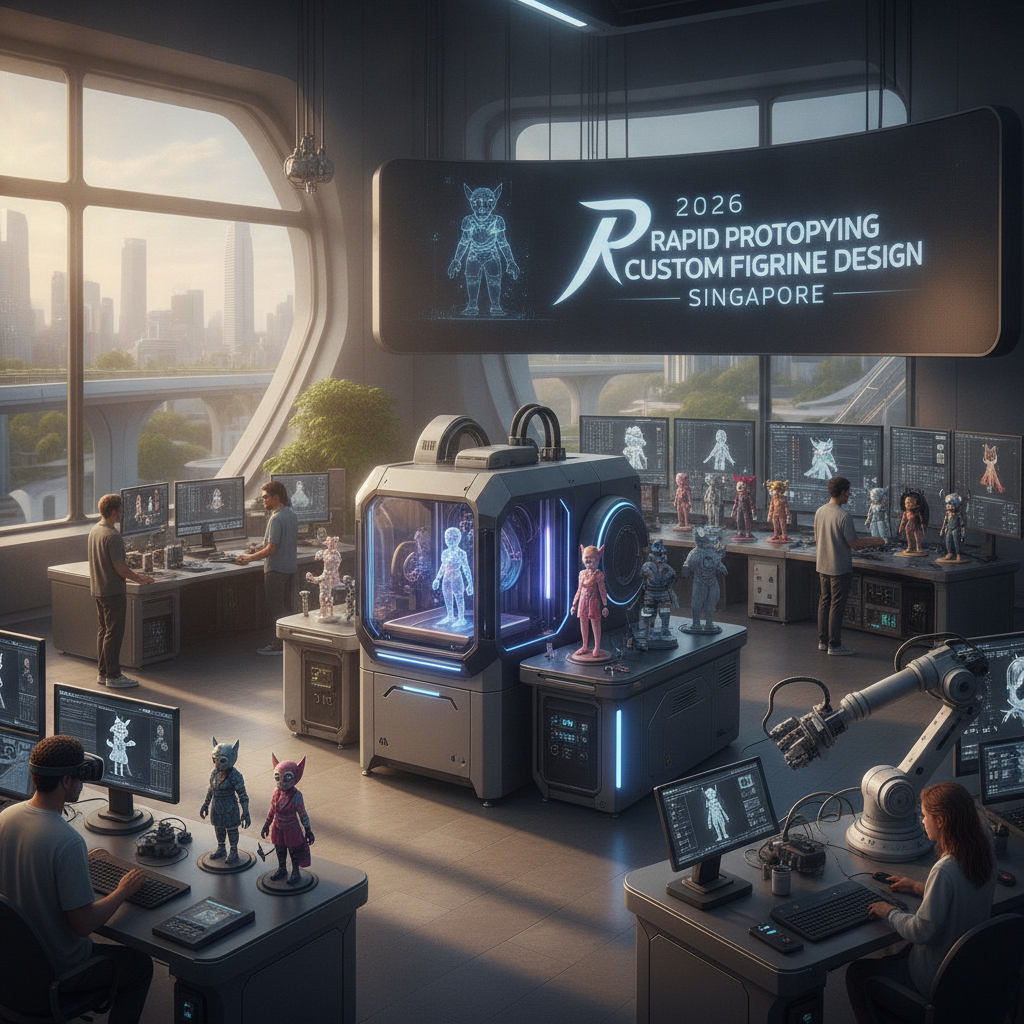
Rapid prototyping is a core part of this workflow: fast iterations let you validate pose, balance and joint action before committing to finishing. Local rapid prototyping services streamline this cycle and reduce shipping time — an advantage highlighted by many Singapore studios that specialise in design-to-production support. See options for rapid prototyping and CAD modeling.
Finishing transforms a printed piece into a collectible. Techniques vary by process and desired aesthetic:
A consideration specific to small runs is repeatability: establishing standard finishing recipes and colour mixes ensures each piece in an edition aligns to the artist’s intent.
Art toys thrive on scarcity and storytelling. Production strategies commonly used by creators include:
For custom figurines that require a combination of sculpt detail and consistent finish, working with experienced 3D printing partners in Singapore simplifies production. They can advise on minimum viable batch sizes, expected tolerances, and finishing pipelines specific to collectible standards; read examples of custom figurine production here: 3D printing service for custom figurine design.
Pricing depends on technology, material choice, finishing hours and edition size. Typical considerations:
Quality control for collectibles must include paint consistency checks, adhesion testing, and mechanical tests for articulated parts. Establishing a QA checklist early saves time and preserves collector trust.
Sustainability is increasingly important. Options include recycled filaments, bio-resins and minimizing waste through nested printing and efficient packing. Singapore studios are also adopting greener post-processing and solvent recovery practices.
Market trends shaping the next wave of art toys:
For teams wanting a streamlined pipeline from CAD to small-batch production, integrating rapid prototype services with CAD modelling providers reduces friction and improves time-to-market. Explore partnership models that combine both services in Singapore: rapid prototyping and CAD modeling.
Collectible art toys are a compelling intersection of art, design and manufacturing. Custom 3d printing singapore enables artists and brands to realize complex sculpts, small editions and premium finishes without long waits or expensive tooling. By choosing the right printing process, refining the CAD-to-finish workflow, and leveraging local production expertise, creators can deliver collectible pieces that resonate with buyers and collectors alike.
Bring your sculptural ideas to life with thoughtful design, rigorous prototyping and professional finishing — the tools and services available in Singapore make launching a successful art toy series more accessible than ever. For designers seeking production-ready solutions that combine CAD expertise and on-demand printing, explore advanced CAD modeling and production services tailored to lifestyle products and art toys: AI CAD modeling Singapore and on-demand FDM 3D printing.