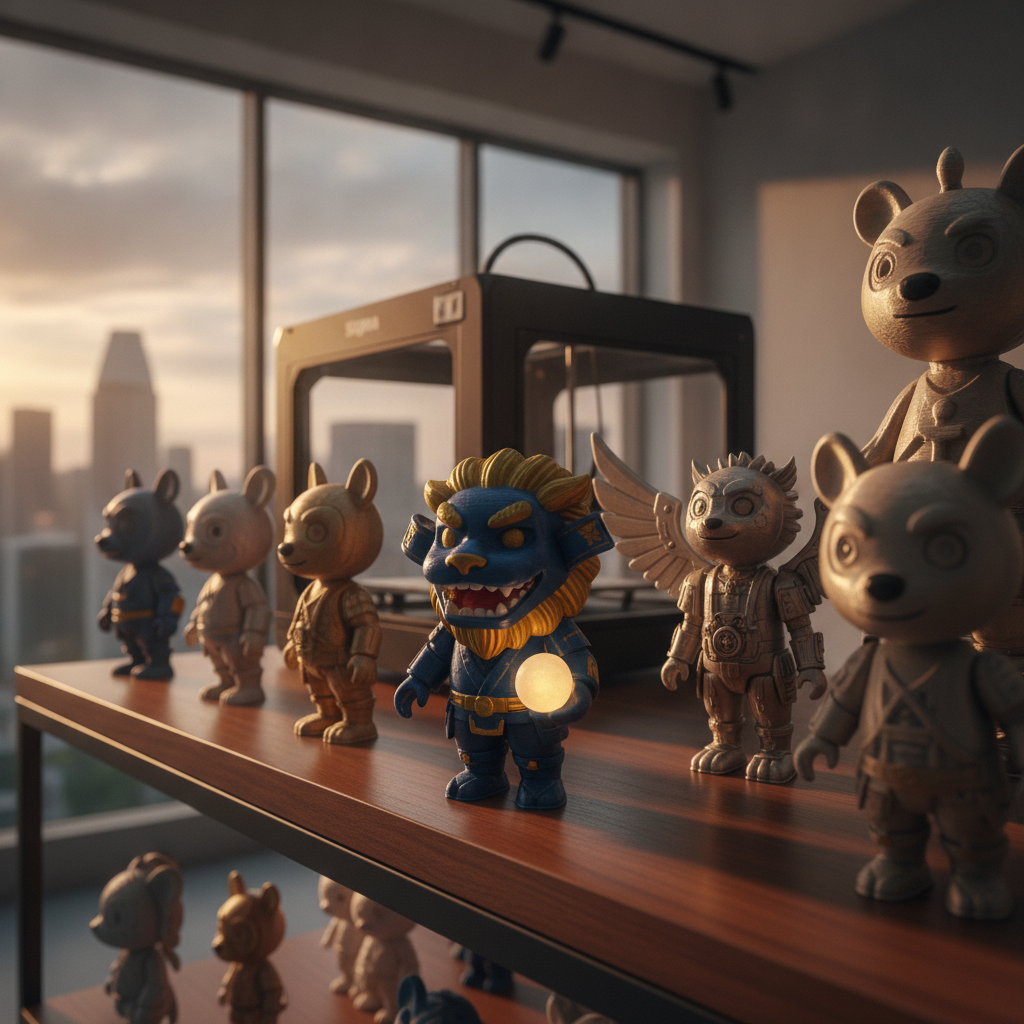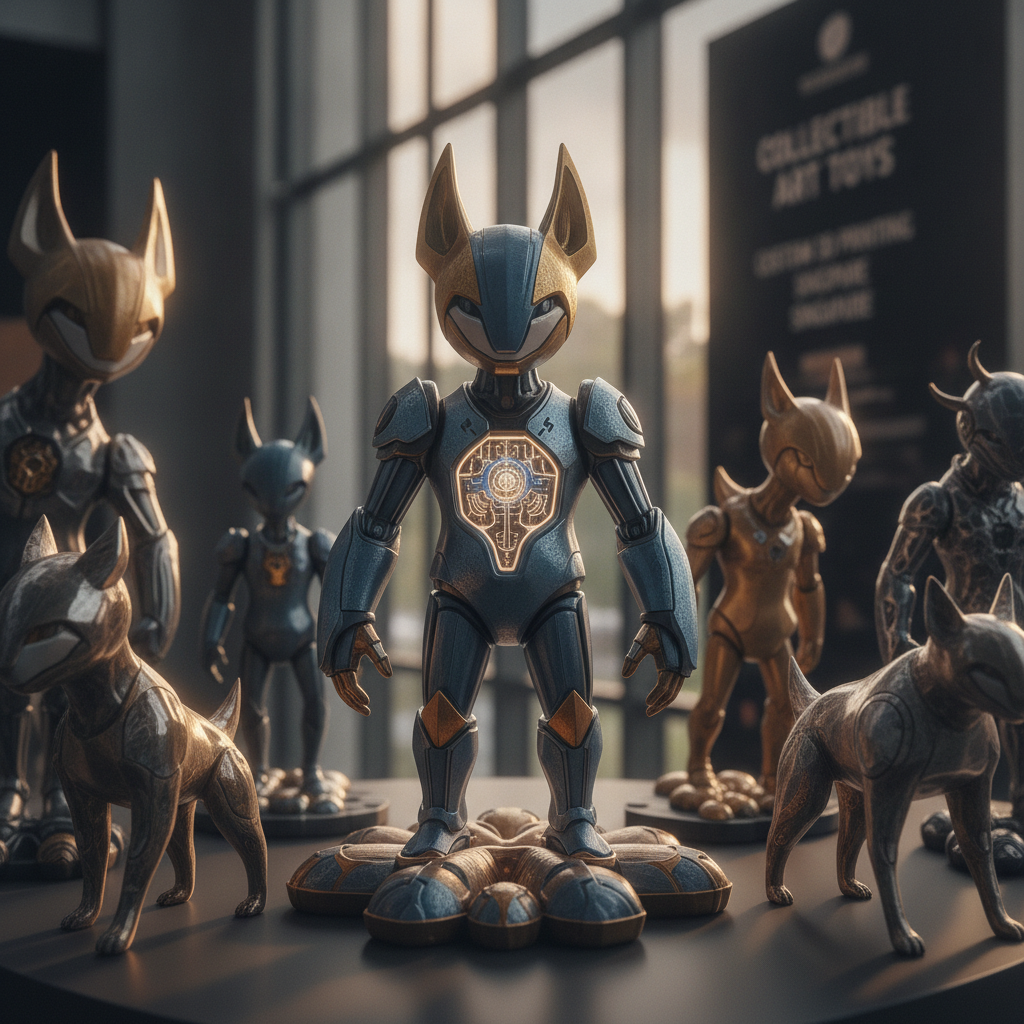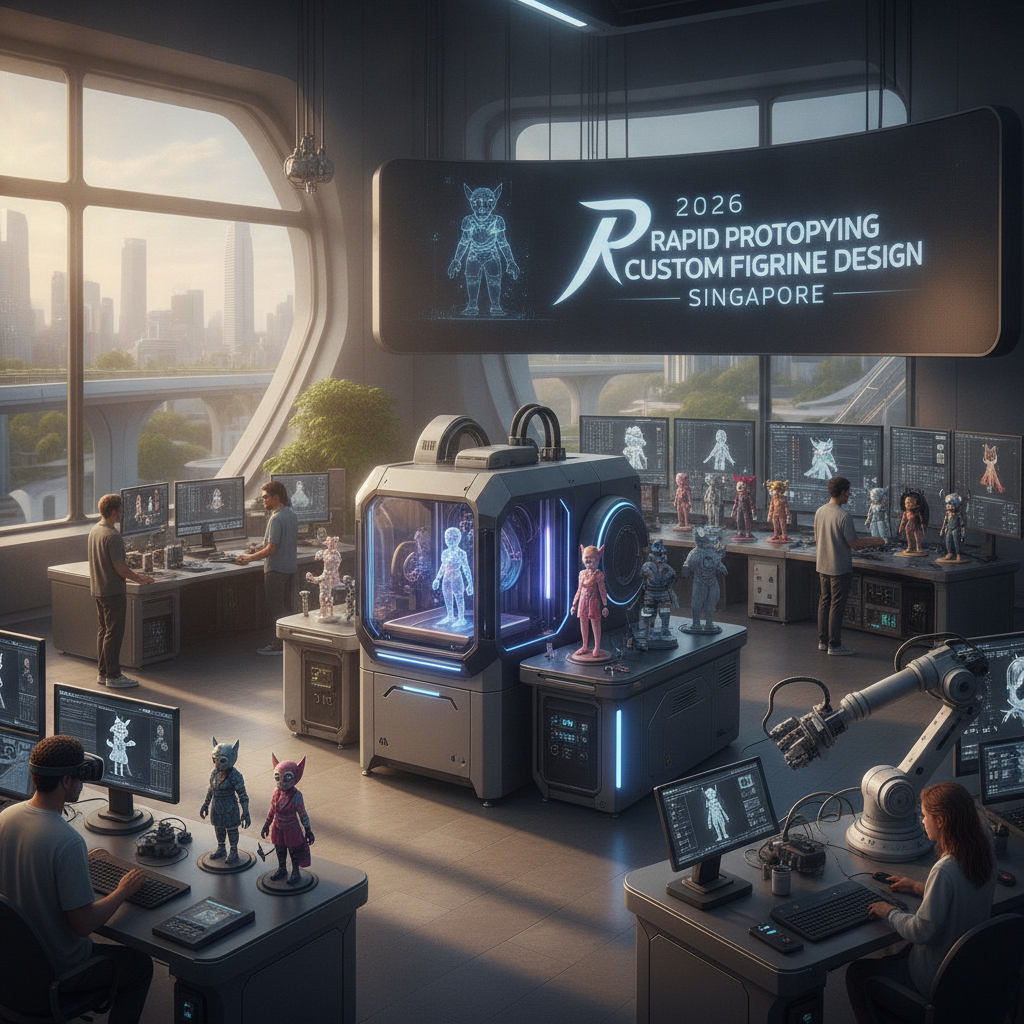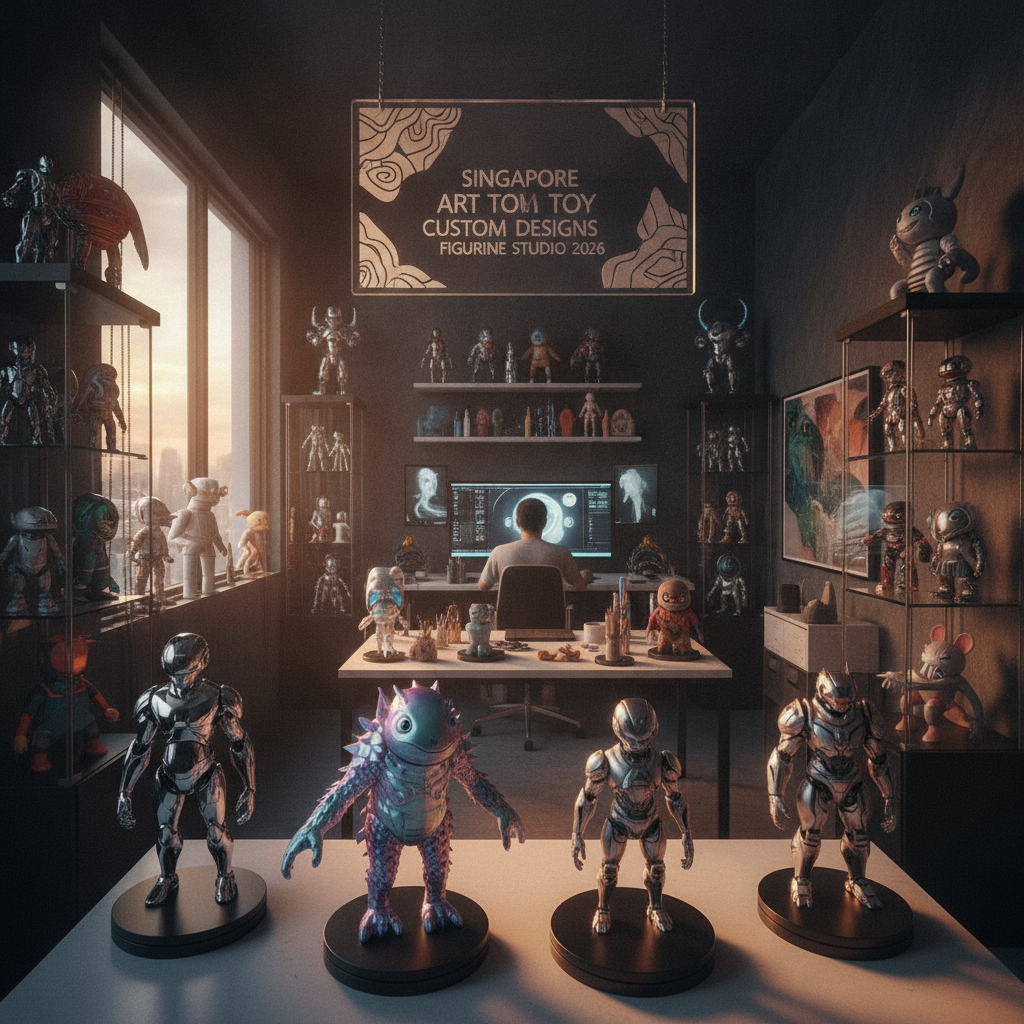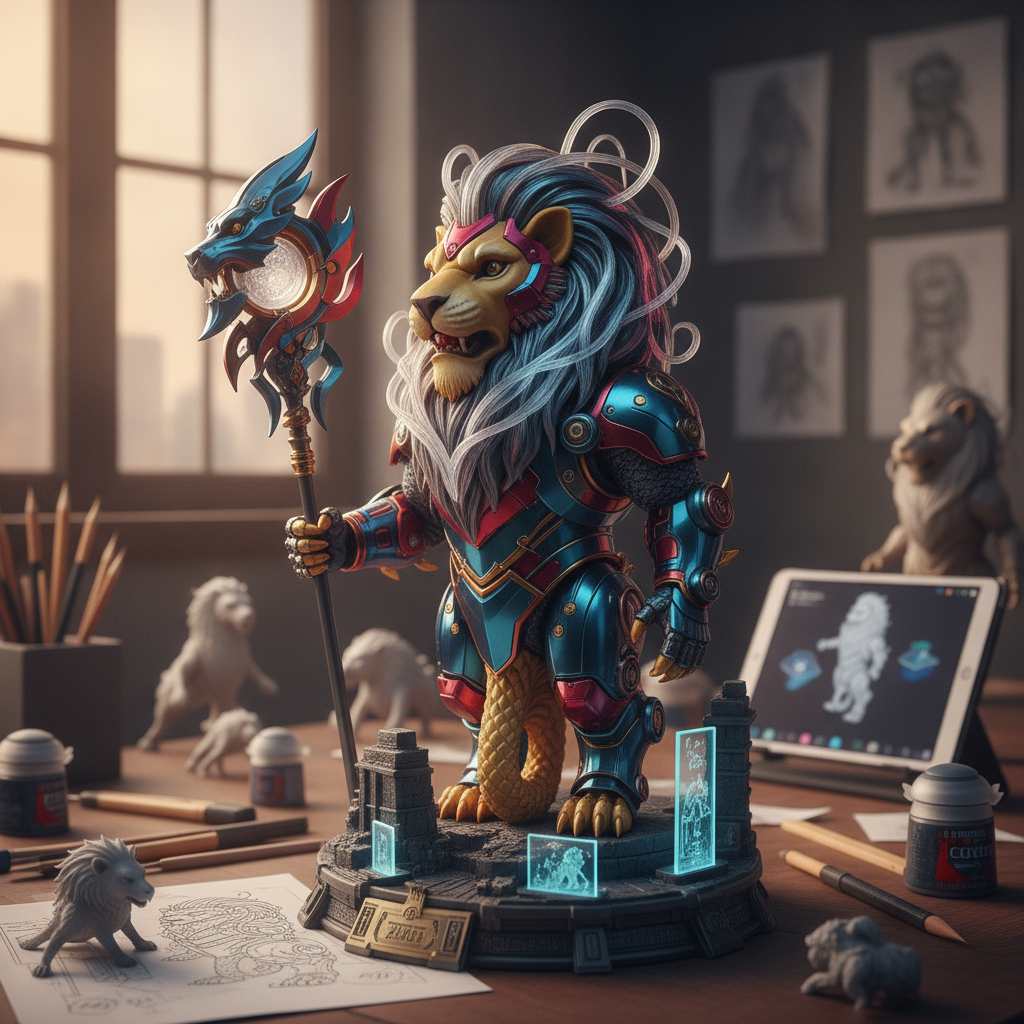

Collectible art toys have evolved from underground designer culture into a global creative economy. For artists, brands and hobbyists, Singapore is emerging as a thriving hub for custom figurine design Singapore — combining world-class fabrication, a strategic location for distribution, and a vibrant collector community. This guide breaks down what makes collectible art toys valuable, the practical steps from concept to finished piece, and how to commission or produce limited-run figures that resonate with collectors.
Collectible art toys are more than playthings; they are tangible expressions of culture, limited-edition art and lifestyle collectibles. Current trends include collaboration drops with streetwear and musicians, gallery shows, and crossovers with digital collectibles. Scarcity and craftmanship drive demand — limited editions, meticulous finishing, and unique packaging are core value drivers.
Limited-edition releases build hype and long-term value. If you want to study a model of how exclusivity and storytelling can amplify a release, see examples of carefully executed limited-edition art toys.
A predictable, professional workflow will save time and cost. Typical stages are:
Advanced CAD workflows are becoming essential for complex forms and tight timelines; resources on CAD modeling for next-gen art toys show how digital precision accelerates development.
Singapore offers several advantages for creators commissioning custom figurines:
When engaging in custom figurine design Singapore projects, prepare clear briefs: scale, articulation, intended material (resin, vinyl, ABS), edition size and a budget range. Expect iterative cycles between artist sketches, 3D files and physical prototypes — each cycle improves fidelity and reduces costly surprises during production.
Choose fabrication based on edition size, budget and desired finish:
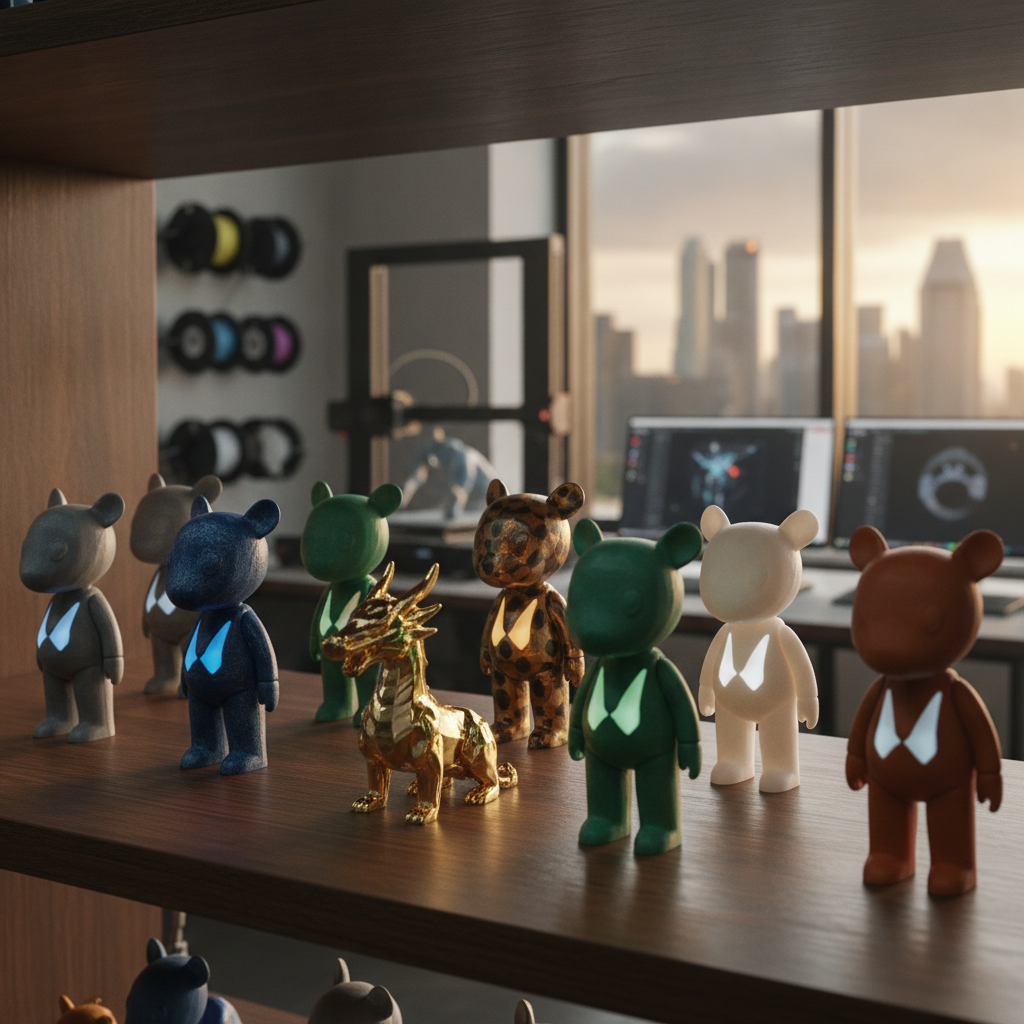
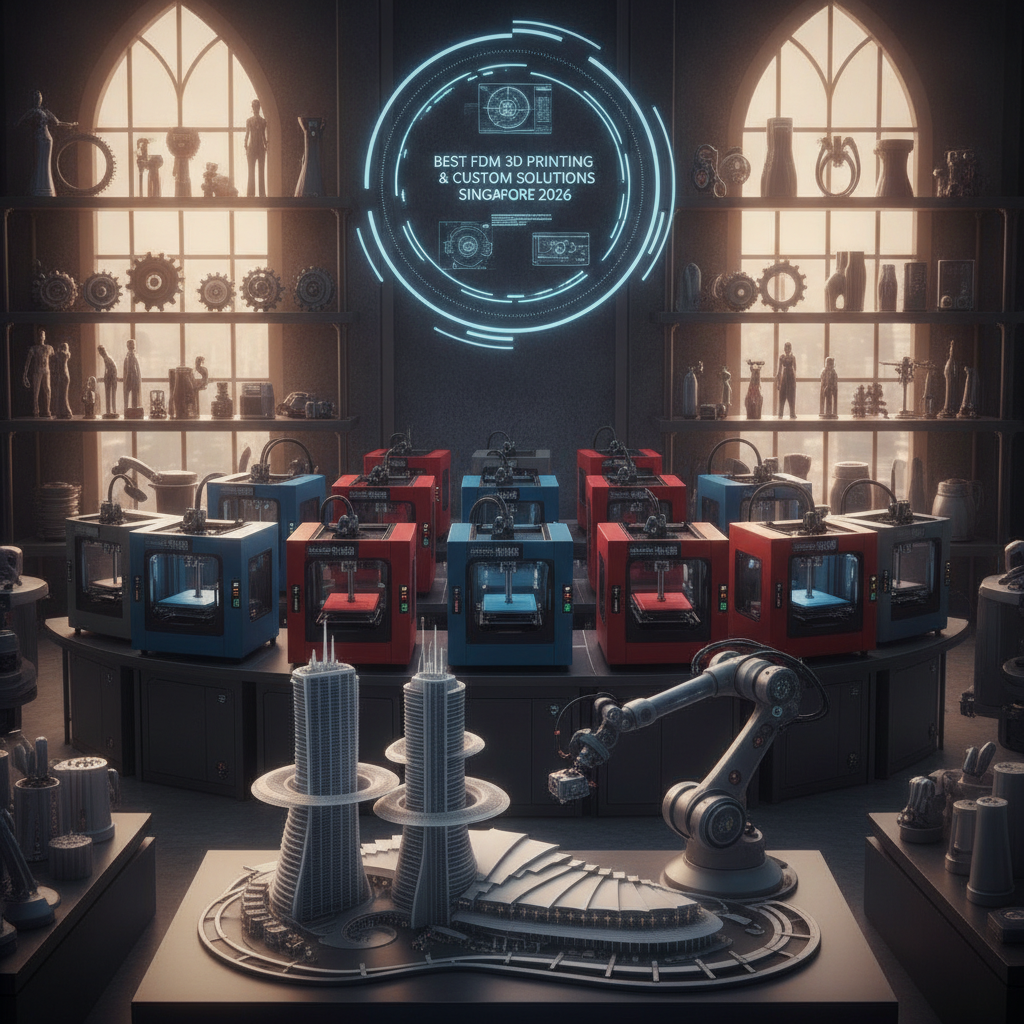
Many creators combine methods — use 3D printing for prototyping and short runs, then move to tooling for larger batches. For projects leveraging precision 3D workflows and tailored finishes, explore case studies on collectible art toys with custom 3D printing.
Surface finish and paint elevate a toy from prototype to collectible. Techniques include airbrushing, hand-paint details, metallic lacquers, and special coatings (gloss, matte, or textured). Packaging is equally important — collector-grade boxes, certificates, art cards and limited edition numbering all contribute to perceived value and resale potential.
Consider offering tiered editions (standard, artist-signed, deluxe) with distinct packaging to engage different buyer segments.
Sustainability is no longer optional; collectors and retailers increasingly expect ethical practices. Trends shaping the market:
If sustainability is core to your brand, review techniques and partners that prioritize eco-friendly materials and processes. Resources on sustainable art toys outline choices that balance ethics with finish quality.
AI-assisted design workflows and advanced CAD enable new creative directions: generative forms, pattern exploration, and rapid variant generation. These tools reduce manual iterations and help designers test multiple silhouettes quickly. For product designers and studios focusing on lifestyle items, see examples of AI CAD modeling for lifestyle product design to understand how AI integrates with CAD pipelines.
AI can accelerate texture generation, propose colorways based on audience data, and optimize internal structures for weight or strength without compromising aesthetics.
Before you engage a studio or manufacturer, prepare this checklist:
Also build extras into your budget for pre-production samples, corrective tooling and quality assurance — these steps prevent costly reworks once a run is underway.
Collectors respond to story and transparency. Some key tactics:
Strong storytelling and professional finish often differentiate projects in a crowded marketplace.
Collectible art toys and custom figurine design Singapore combine artistic vision, careful engineering and strategic production choices. By aligning creative direction with robust CAD workflows, selecting the right fabrication method and prioritizing finish and packaging, creators can produce limited-edition pieces that capture collectors’ attention and stand the test of time. With thoughtful planning and the right partners, Singapore-based projects can compete globally while reflecting local creativity and craftsmanship.