Introduction
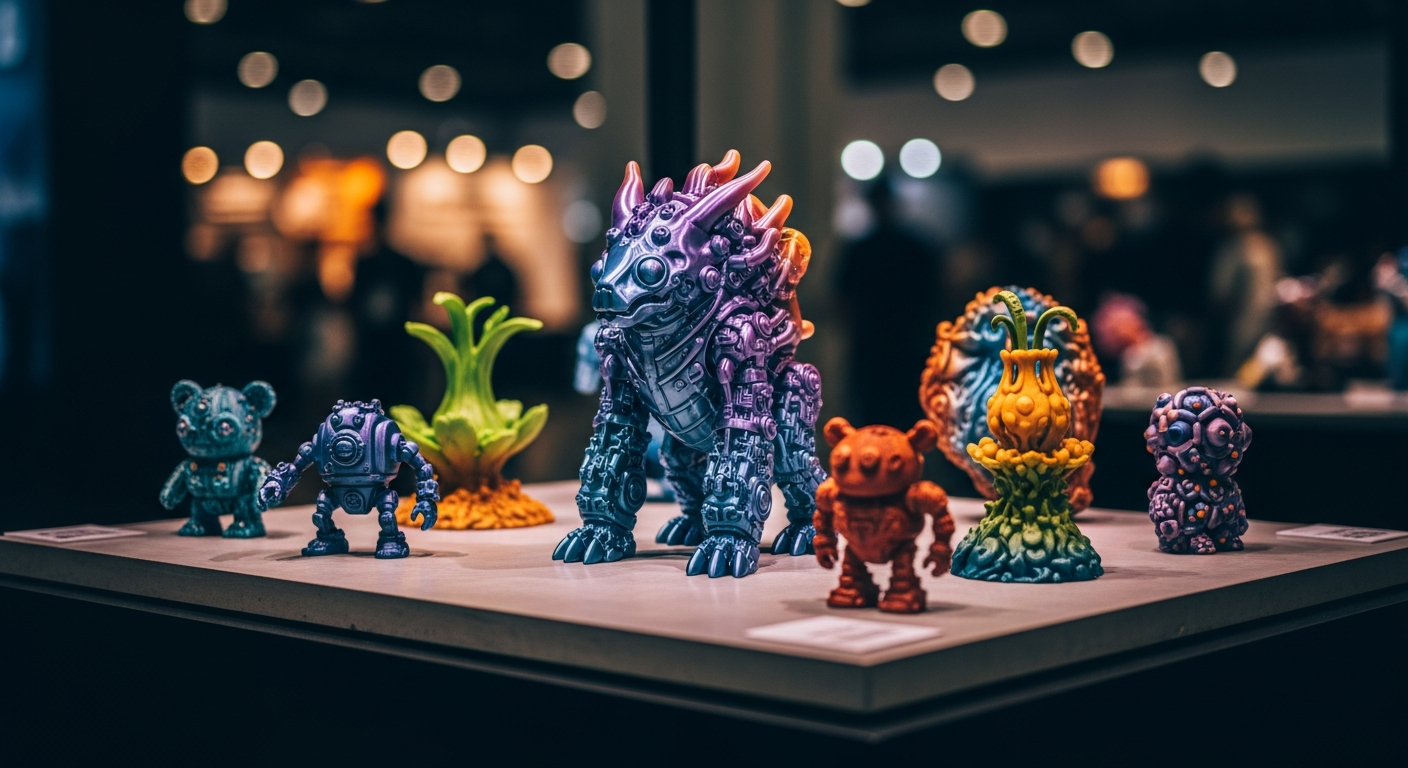
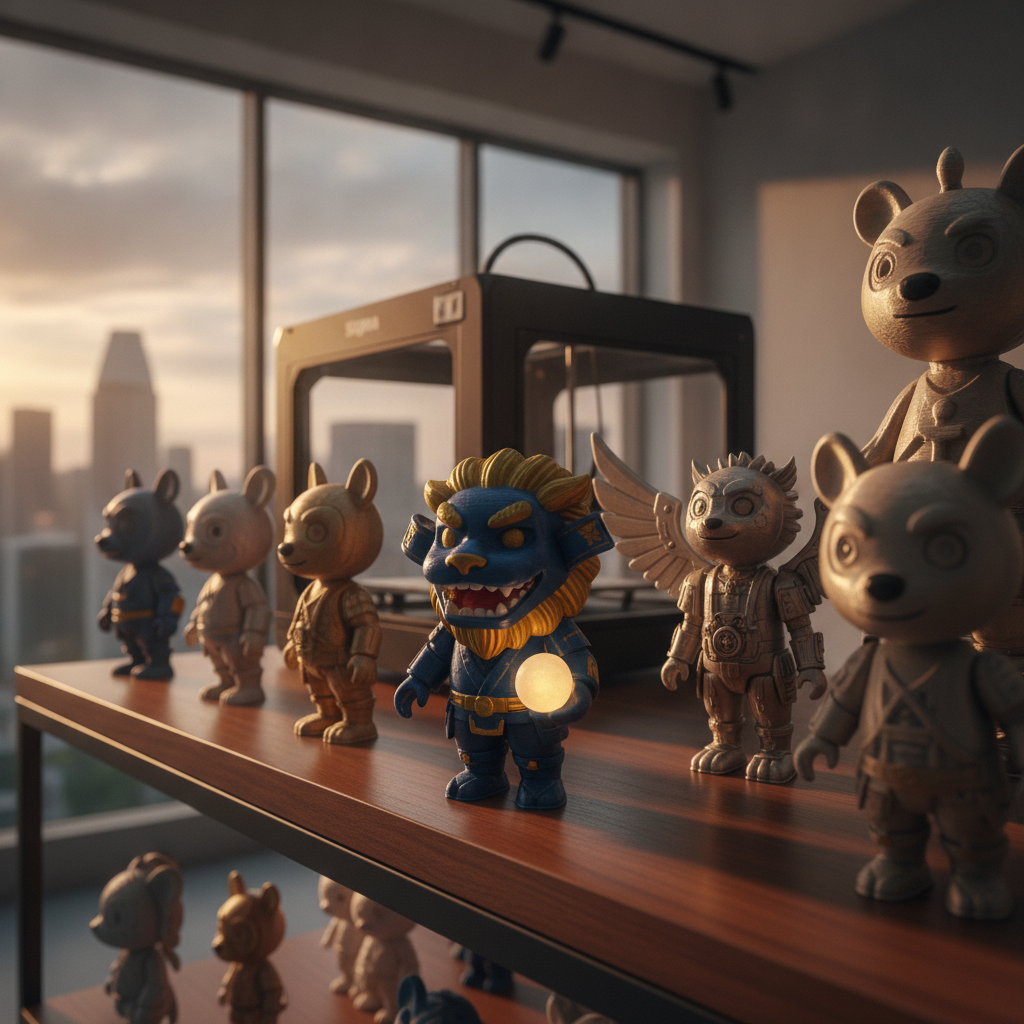
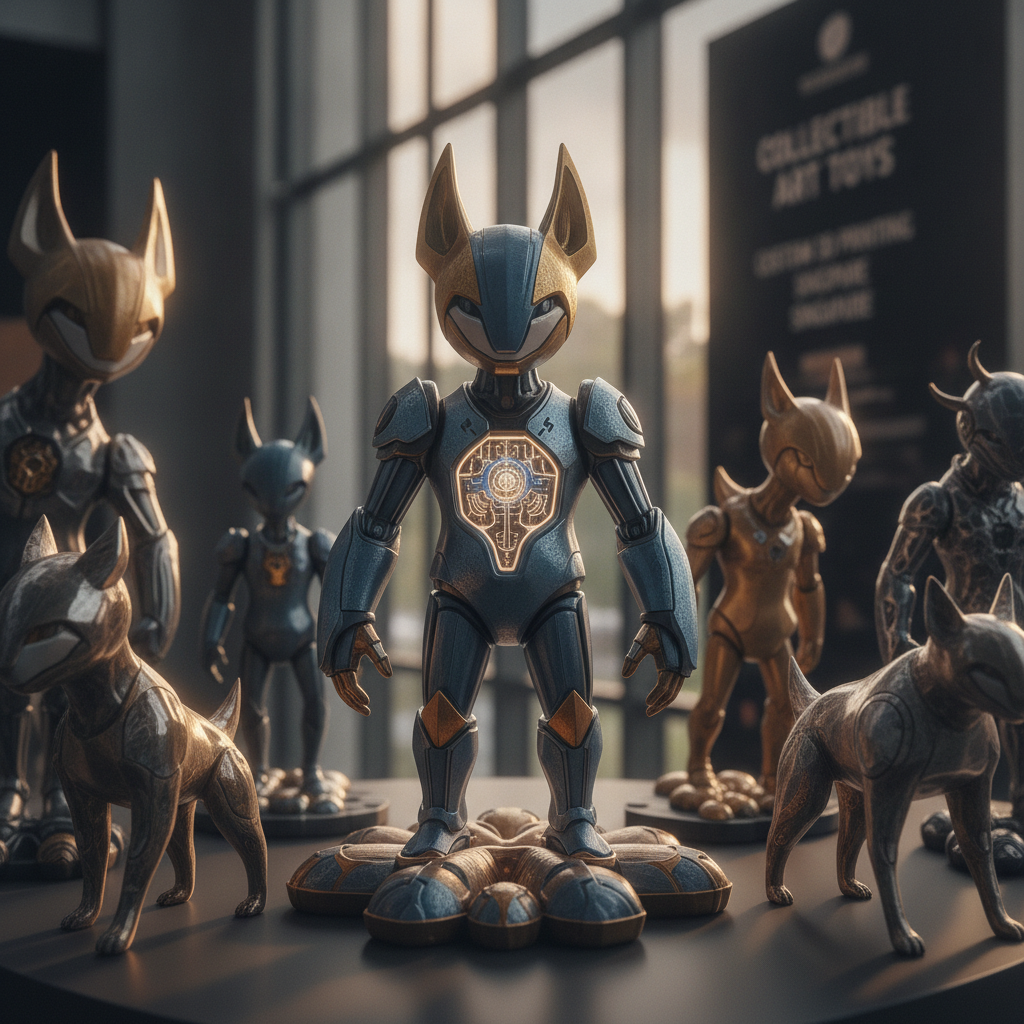
Collectible art toys have evolved from niche vinyl figures to high-detail, studio-quality objects that bridge sculpture, design and pop culture. In Singapore, an emerging cluster of specialist shops and studios now pairs traditional toy artistry with advanced fabrication—most notably, 3D printing. This article explores how 3d printing service singapore reshapes collectible art toys in 2026: the processes, materials, trends and practical guidance for artists and collectors.
Why 3D printing is transforming collectible art toys
3D printing removes many constraints of conventional mold-based production. For artists and independent brands, it enables:
- Rapid iteration and one-off prototypes without the high tooling costs of injection molding.
- Complex geometry, hollow structures and integrated mechanisms that are difficult or impossible with traditional methods.
- Short-run, limited editions that preserve exclusivity while keeping unit costs realistic.
These strengths are especially relevant to collectible art toys, where detail, finish and storytelling matter as much as the collectible’s scarcity.
Key 2026 trends shaping the market
- AI-assisted sculpting and generative design: Artists use AI tools to accelerate concepting and produce complex surface details that are then refined in CAD.
- Multi-material and multi-color capabilities: Advances in material jetting and binder-jetting allow durable, full-color pieces without hand painting.
- Sustainable materials and local manufacturing: Collectors value lower carbon footprints and recycled or bio-based resins.
- Direct-to-collector limited runs: Platforms allow pre-orders and serialized drops, aligning production closely with demand to reduce waste.
These trends are visible in Singapore’s studio scene, where hybrid workflows combine hand-sculpting, digital modeling and professional 3D printing services.
The production workflow: from concept to shelf
A reliable production pipeline for collectible art toys generally follows these stages:
- Concept and sketching: Define character, pose and articulation. Storytelling drives collectible value.
- Digital sculpting and CAD: Artists convert concepts into high-resolution digital sculpts using tools like ZBrush and Blender. Many studios offer specialized CAD modeling for art toys to refine tolerances for assembly and printing.
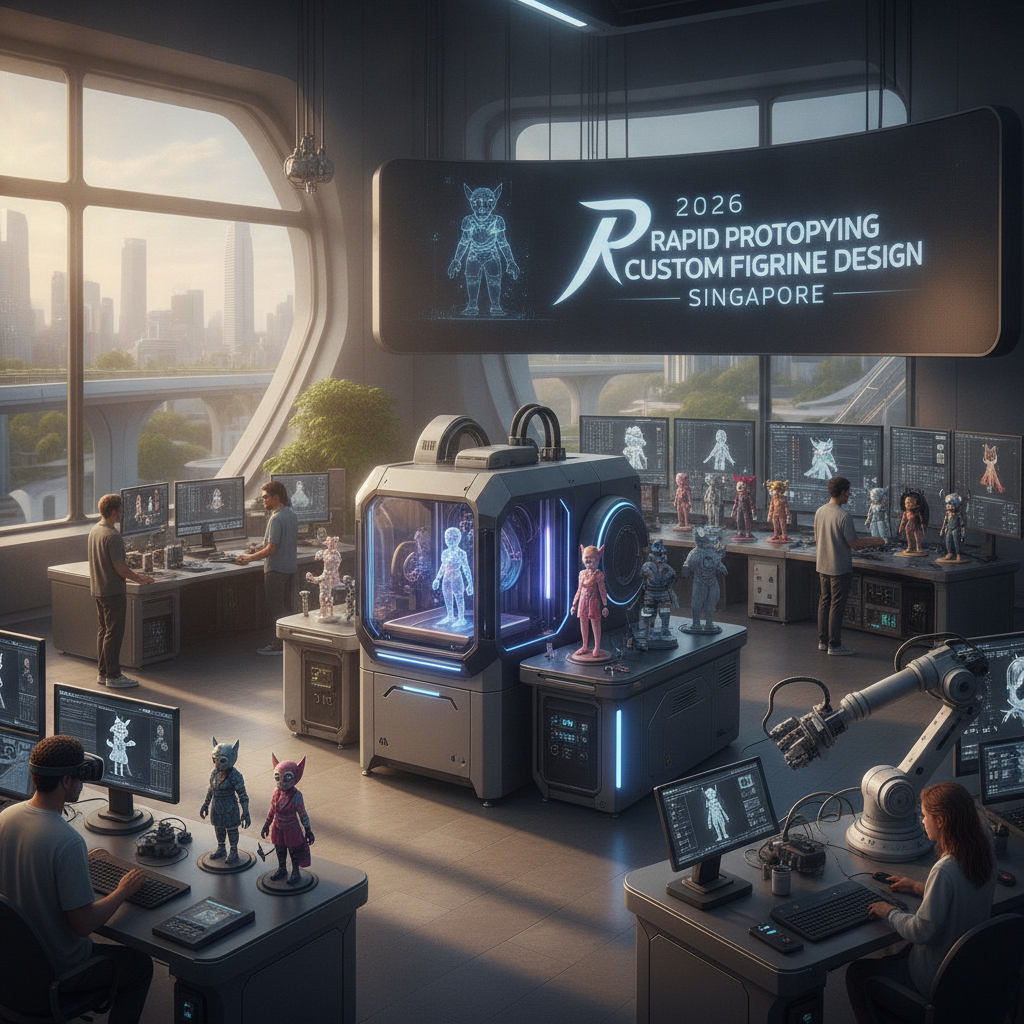
- Prototyping: Early prints test fit, balance and surface quality. Rapid prototyping helps identify design changes before committing to a production run. See examples of scale collectible art toys rapid prototyping for real-world applications.
- Final printing and finishing: Depending on the design and budget, studios choose technologies such as stereolithography (SLA/DLP), material jetting, selective laser sintering (SLS) or multi-jet fusion (MJF). High-quality finishing—sanding, priming, painting, tampo printing and assembly—defines the collectible’s final appeal.
- Quality control and packaging: Serialization, COAs (Certificates of Authenticity) and premium packaging add collector value.
For artists looking to scale their practice, partnering with a professional art toys made with custom 3D printing studio in Singapore accelerates this workflow.
Choosing the right 3D printing technology for collectible art toys
Each 3D printing process has strengths and trade-offs. Understanding them helps match production goals to the right technology:
- SLA/DLP (resin): Excellent surface detail and smooth finishes, ideal for display toys and painted pieces. Resin prints can capture organic sculpting and facial features with high fidelity.
- MJF / SLS (powder-based): Strong, durable parts suitable for articulated toys or functional components. Good for short to medium runs when mechanical properties matter.
- Material jetting (full-color): Enables vivid, full-color prints without painting—useful for prototypes and some limited-run collectibles.
- FDM (filament): Low-cost prototyping and larger-scale concept models; not typically used for premium finished collectibles.
A trusted partner offering a range of technologies streamlines decision-making and keeps the door open to hybrid approaches.
Materials and finishing: what collectors look for
Material choice affects weight, feel and finish. Common options include:
- Standard and engineering resins for high-detail collectibles.
- Nylon and PA blends for strength and mating parts.
- Composite filaments and post-processed castable patterns for metal finishes.
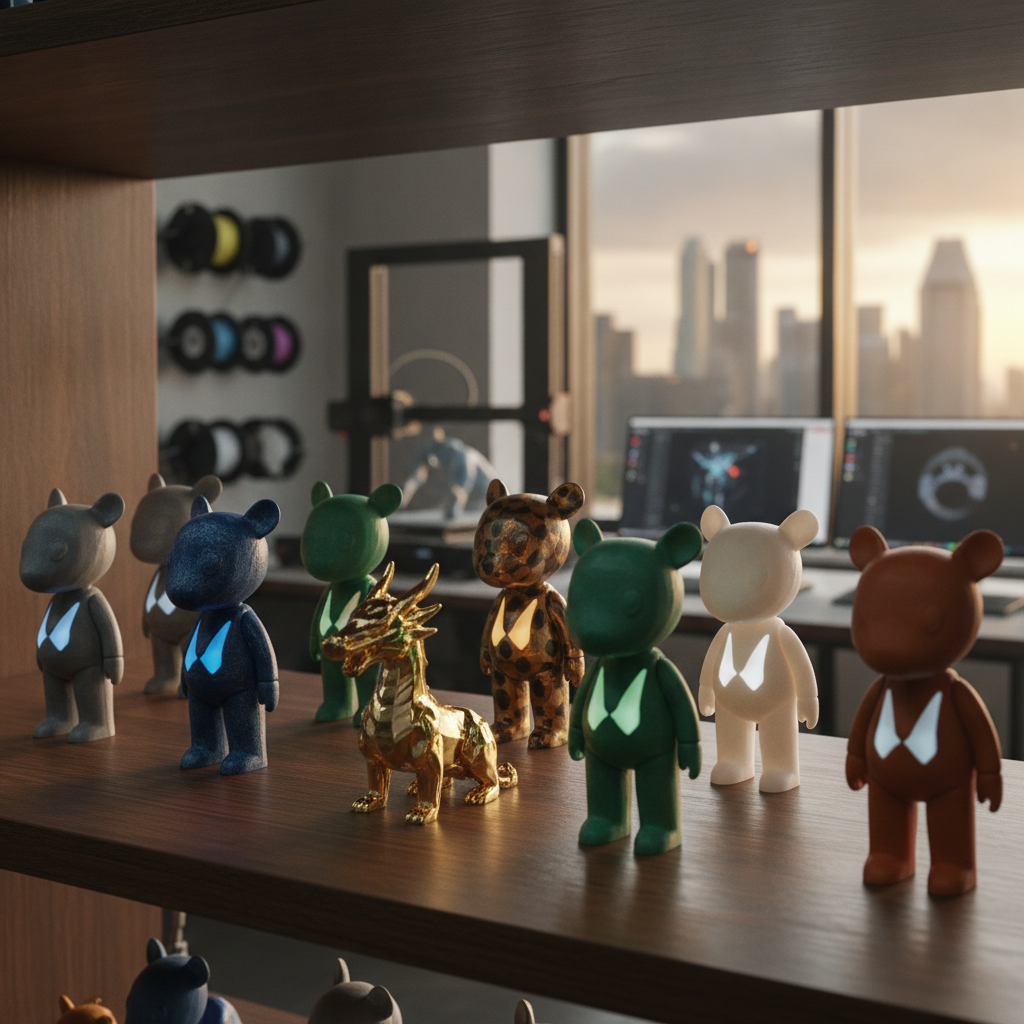
Finishing techniques—airbrushing, hydro-dipping, hand-paint, metallic plating and selective varnishing—transform a printed blank into a sought-after object. Many studios now combine automated pad printing for logos and hand-finishing for character details, offering the best of repeatability and artisanal touch.
Sustainability and responsible production
Sustainability is a rising concern among collectors and creators. Singapore studios increasingly adopt:
- Recycled or bio-based resins and filaments.
- Local short-run production to minimize shipping emissions.
- On-demand manufacturing to avoid overproduction and stock obsolescence.
Partnering with providers that prioritize material transparency and recycling programs is a practical step toward more responsible collectible production.
Working with a 3d printing service singapore: practical considerations
Choosing the right service partner is as important as design. When evaluating 3d printing service singapore providers, consider:
- Technical fit: Do they offer the specific technology and materials your design needs?
- Finish capabilities: Can they provide painting, tampo printing, plating or multi-step assembly?
- Prototype turnaround: Fast prototyping cycles reduce time-to-market and help refine designs.
- Minimum order quantities and pricing: Ensure their MOQ aligns with your business model for limited editions.
- IP protection and confidentiality: Contracts and NDAs protect original character designs.
For artists seeking an end-to-end solution, 3D printing service Singapore for collectible art toys offers tailored production packages that combine CAD, prototyping and finishing.
Design tips to optimize for 3D printing and collectibility
Designers can reduce production headaches and improve quality by following these practical guidelines:
- Plan for assembly: Use clearly defined interlocks, tolerances and snap-fit designs to simplify assembly and reduce glue points.
- Mind wall thickness and hollowing: Save material and weight by hollowing larger parts and designing escape holes.
- Break down complex geometries: Print in multiple parts when necessary to preserve detail and reduce support marks.
- Consider paint paths and masking: Design your surfaces with painting and tampo printing in mind to minimize labor and maximize consistency.
For tailored guidance, many artists collaborate with studios offering custom figurine design services to adapt their art for production.
Pricing, editioning and market positioning
Pricing collectible art toys involves balancing production costs, perceived value and collectibility. Consider:
- Edition size: Smaller editions command higher per-piece prices but may limit sales volume.
- Serialization and perks: Numbered editions, artist signatures and exclusive packaging increase perceived value.
- Production complexity: Multi-material builds, custom painting and metal parts raise costs but can justify premium pricing.
Market research and a clear brand story help position a release effectively—whether targeting niche collectors, gallery buyers or wider pop-culture audiences.
Case studies and local success stories
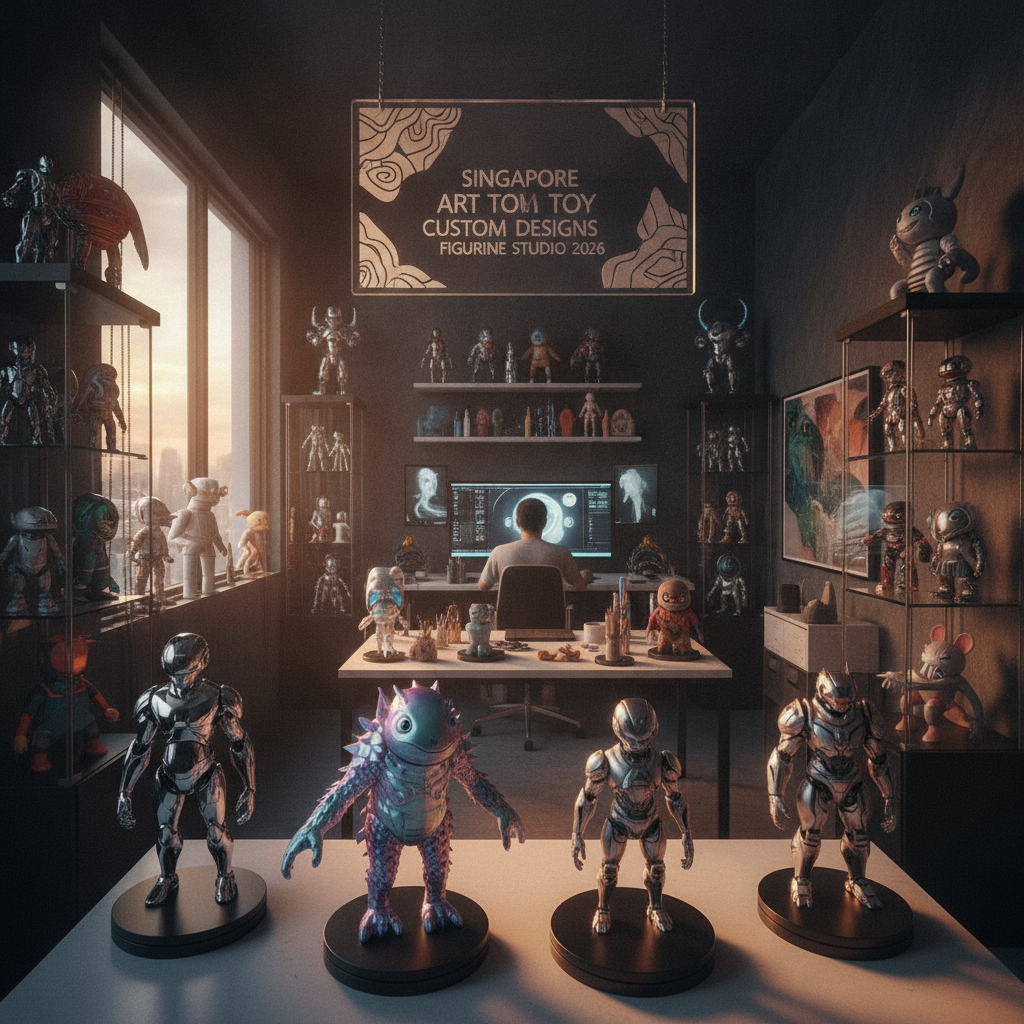
Singapore studios are producing globally competitive collectible art toys by combining local craftsmanship with advanced fabrication. Examples include collaborative drops that start with limited pre-orders, iterate via rapid prototyping and scale to small-batch releases that sell out within days. For detailed project examples and workflow breakdowns, review projects showcasing art toys made with custom 3D printing and iterative prototyping for scale collectibles at scale collectible art toys rapid prototyping.
Final thoughts: the collector and creator landscape in 2026
By 2026, 3D printing has become a central production option for collectible art toys in Singapore, enabling creativity without the constraints of high tooling costs. The best outcomes come from close collaboration between artists, CAD modelers and 3d printing service singapore specialists who understand both artistic intent and manufacturing realities. When combined with responsible material choices and smart editioning, 3D printed collectibles offer a compelling blend of artistry, scarcity and modern fabrication—reshaping how collectors and creators connect.
For artists and brands looking to move from concept to collectible, engaging a full-service partner that handles CAD, prototyping, finishing and small-batch runs streamlines the path from idea to shelf. Learn more about integrated offerings and production packages tailored to collectible art toys by exploring dedicated studio services and past projects linked throughout this article.