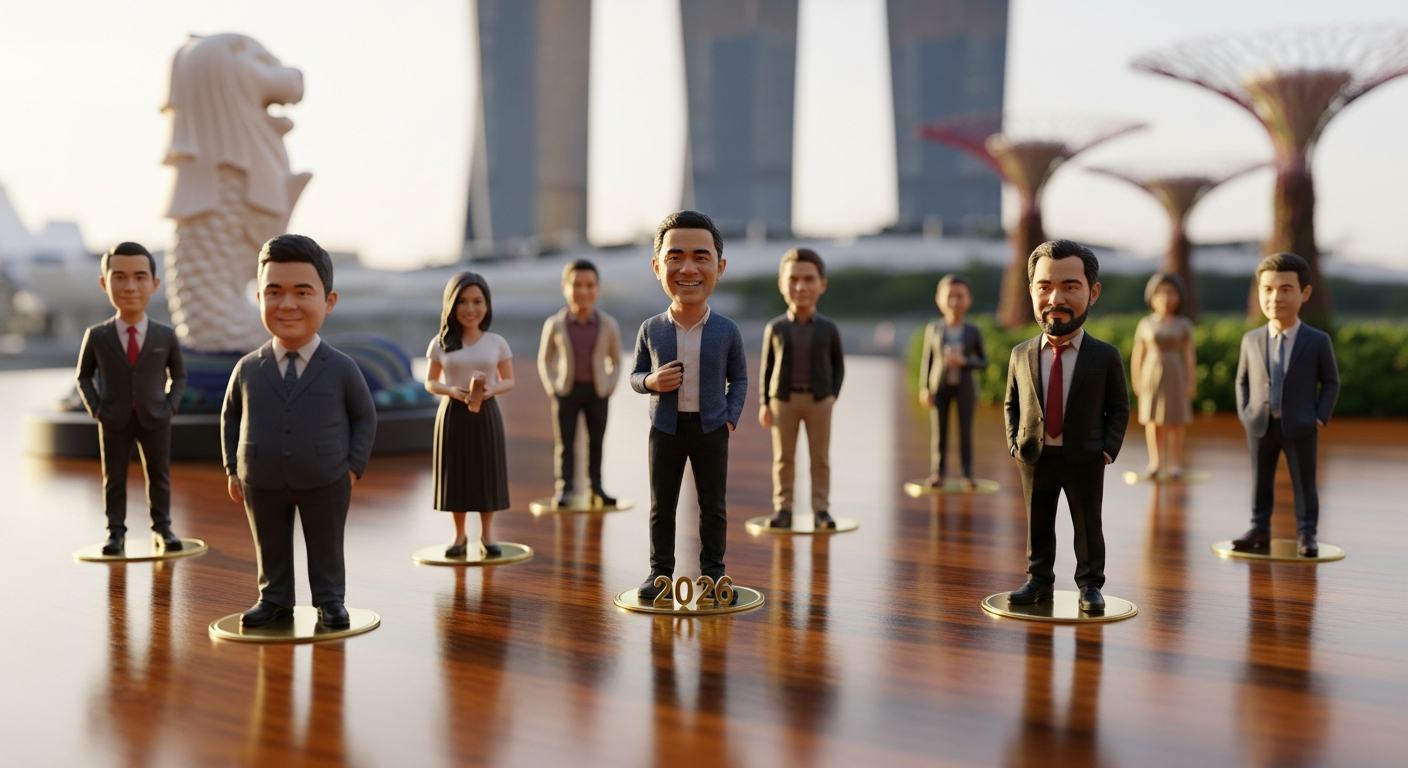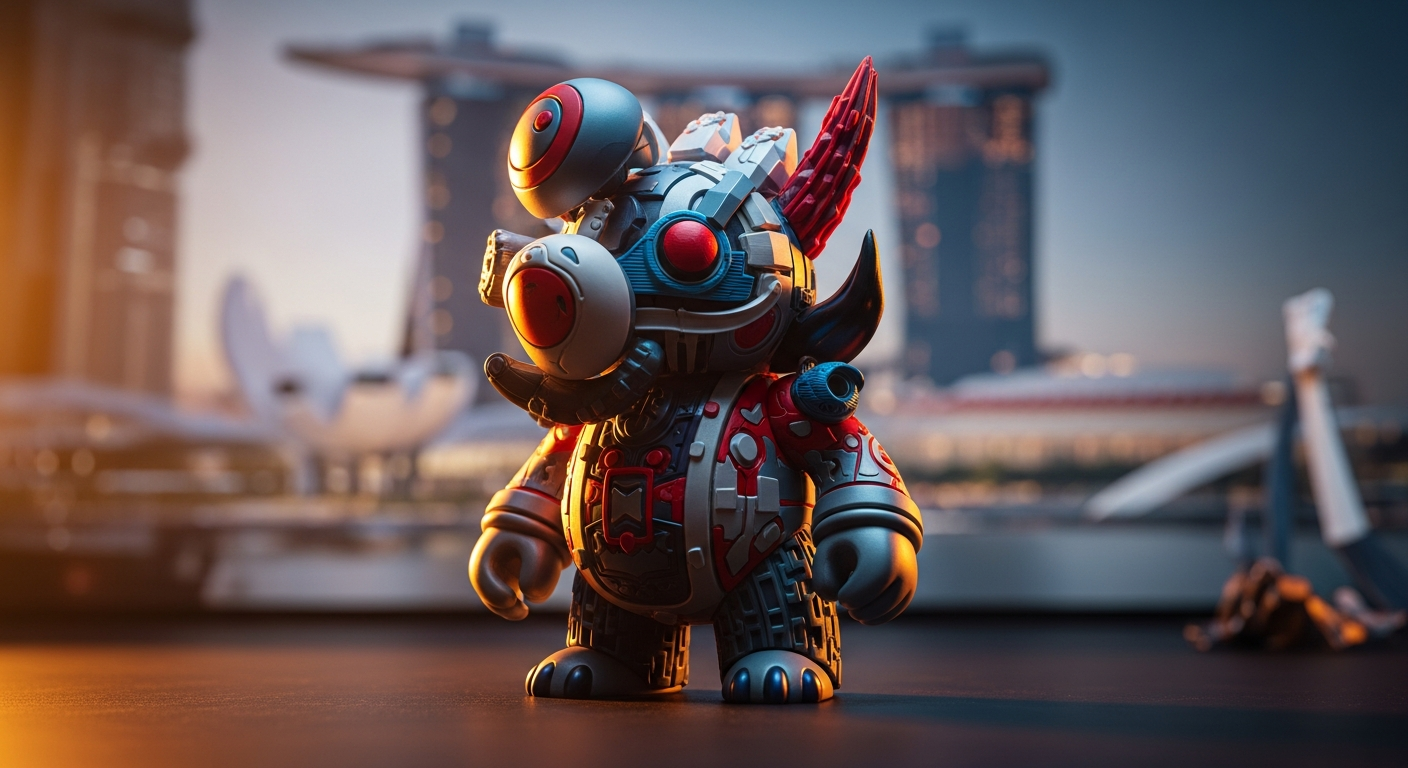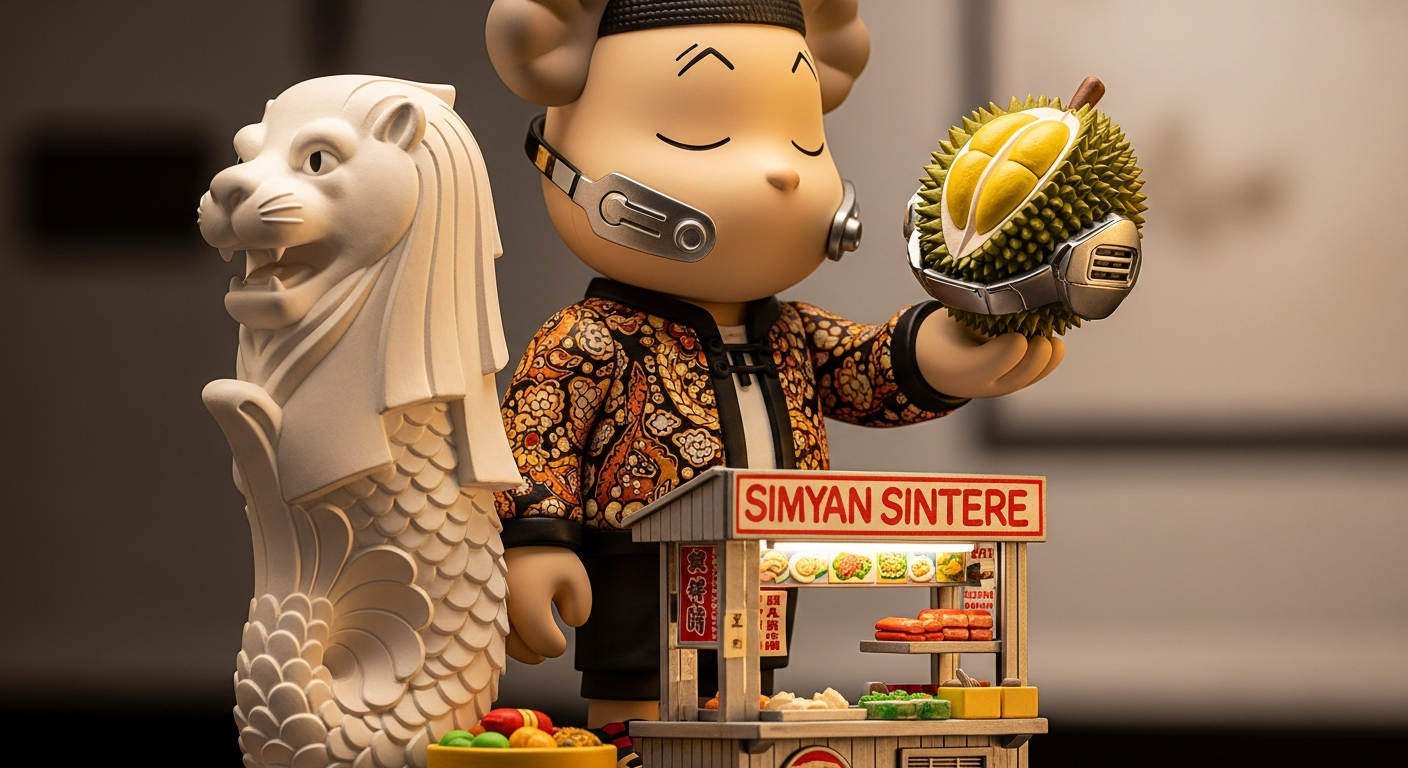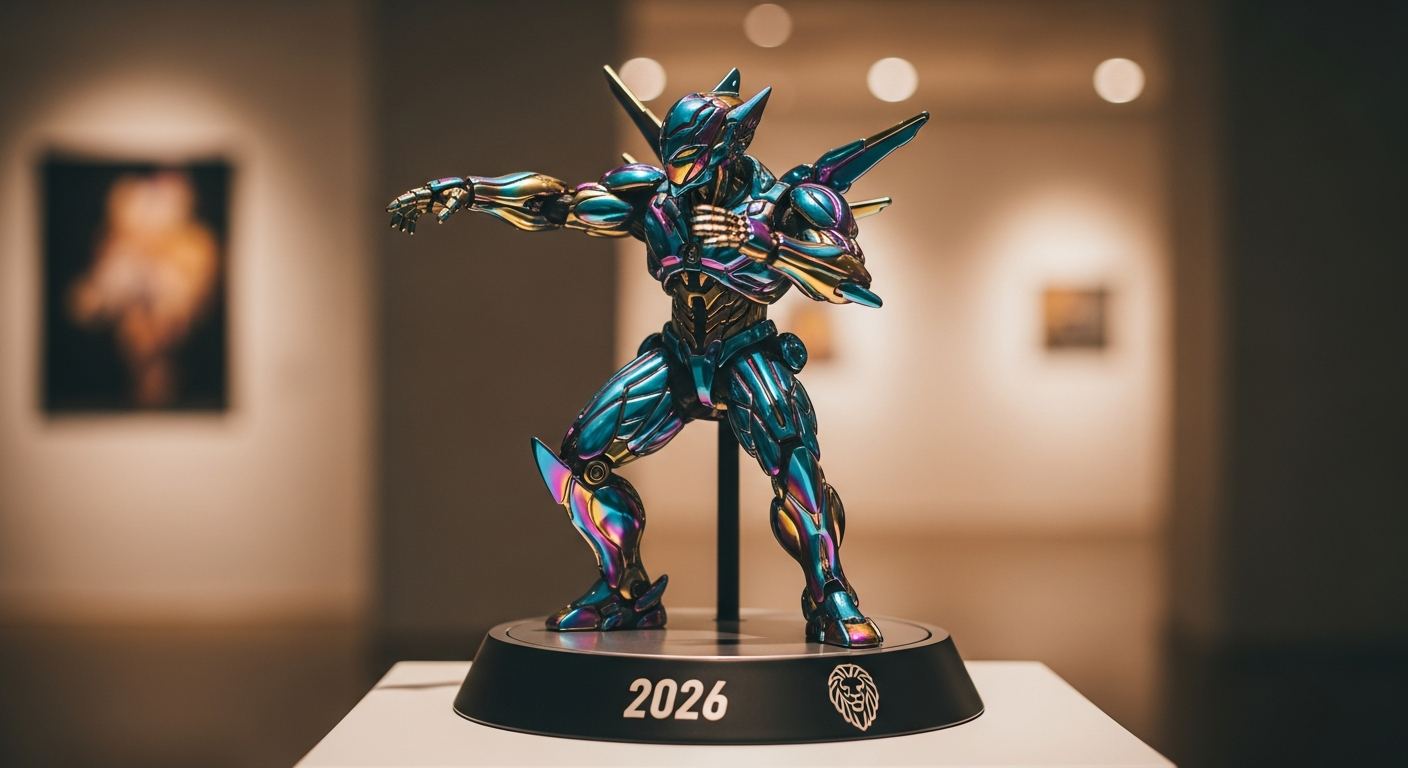
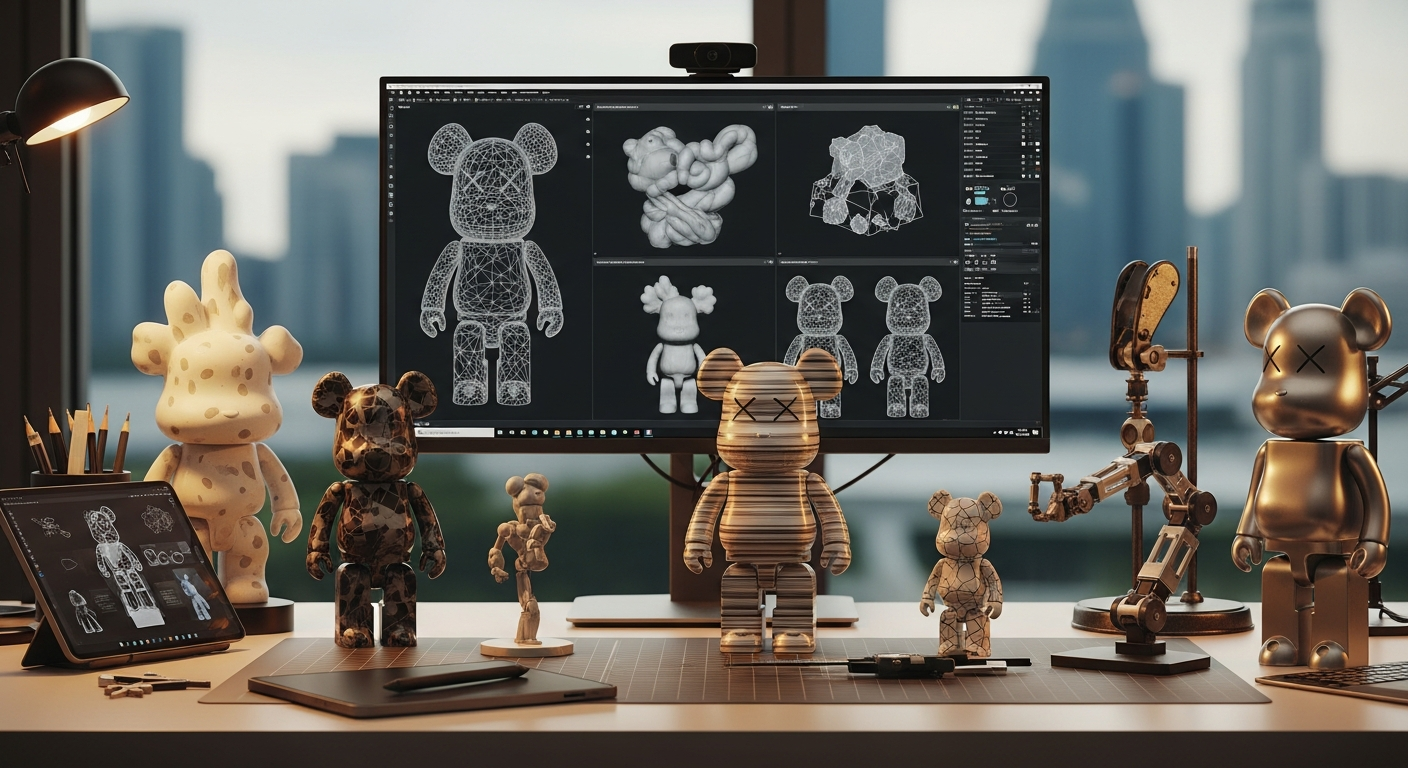

Singapore’s art toy scene has matured rapidly into a hub for designers, independent artists, and collectors seeking high-quality, limited-run pieces. As demand for collectible art toys grows globally, the local ecosystem — from concept design to final production — is evolving to support boutique runs and complex custom pieces. This article explores the practical steps, modern techniques, and market trends behind custom figurine design in Singapore, helping creators and collectors navigate the landscape in 2026.
Custom figurine design is the bridge between an idea and a sought-after collectible. Unlike mass-market toys, collectible art toys rely on strong narratives, thoughtful sculpting, and artisanal finishing to justify limited editions and premium pricing. A well-executed custom figurine achieves several objectives:
In Singapore, studios are increasingly offering end-to-end services that specialize in bespoke designs tailored for collectors and brand collaborations.
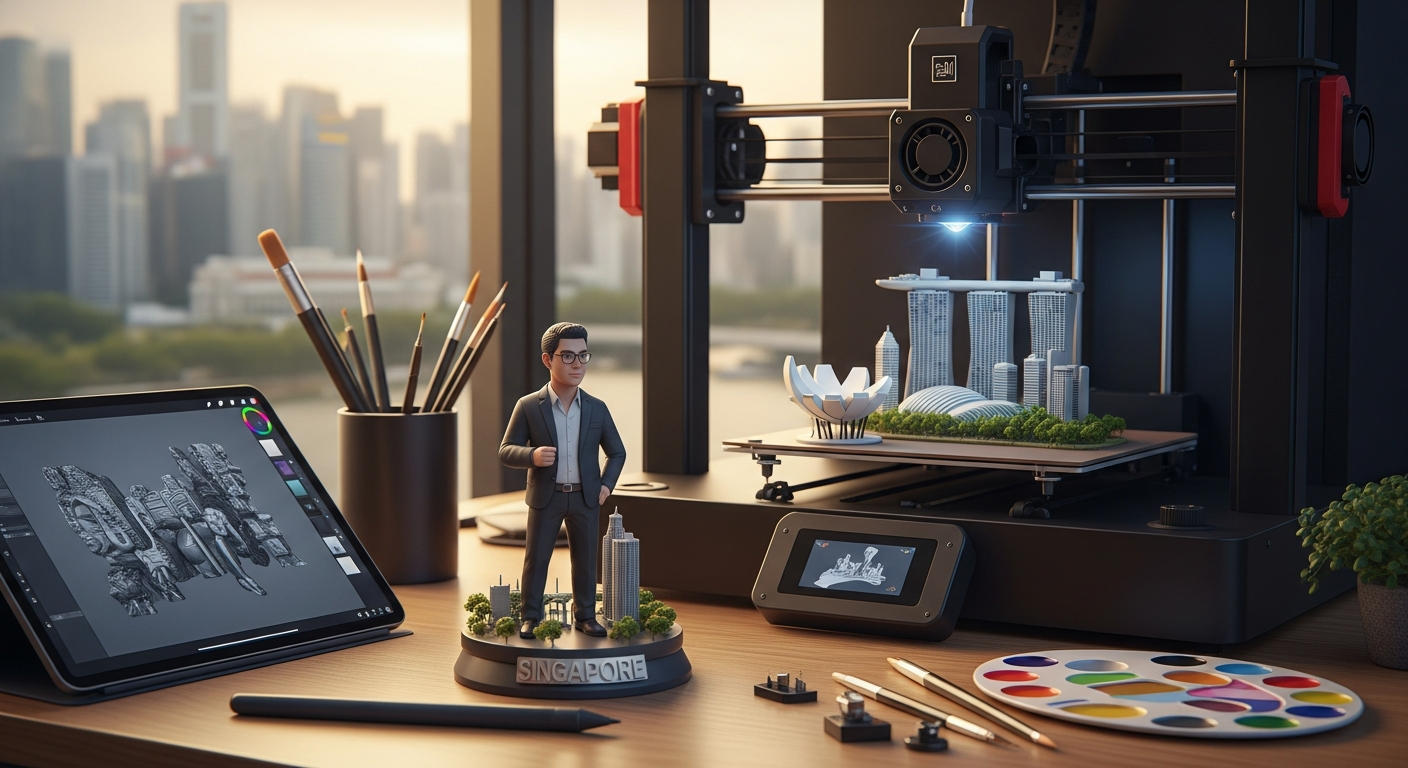
A reliable workflow reduces risk and controls cost when launching collectible art toys. Typical stages include concept development, 3D modeling, rapid prototyping, tooling or casting, finishing, and limited-edition fulfillment. Each stage benefits from specialist attention:
A coordinated studio in Singapore can compress this cycle while maintaining the meticulous finish collectors expect.
Material choice and finishing techniques determine both durability and collectibility. Common materials include PVC, ABS, polyurethane resin, and soft vinyl. Each has trade-offs:
Finishes—hand-painting, screen printing, airbrushing, and metallic or flocked treatments—create differentiation. Limited-edition variants often introduce rare finishes or artist-signed elements to increase secondary-market appeal.
For precise scaling and finish testing, many creators use specialist prototyping services that focus on scale collectible art toys prototyping to validate each edition before production: scale collectible art toys prototyping.
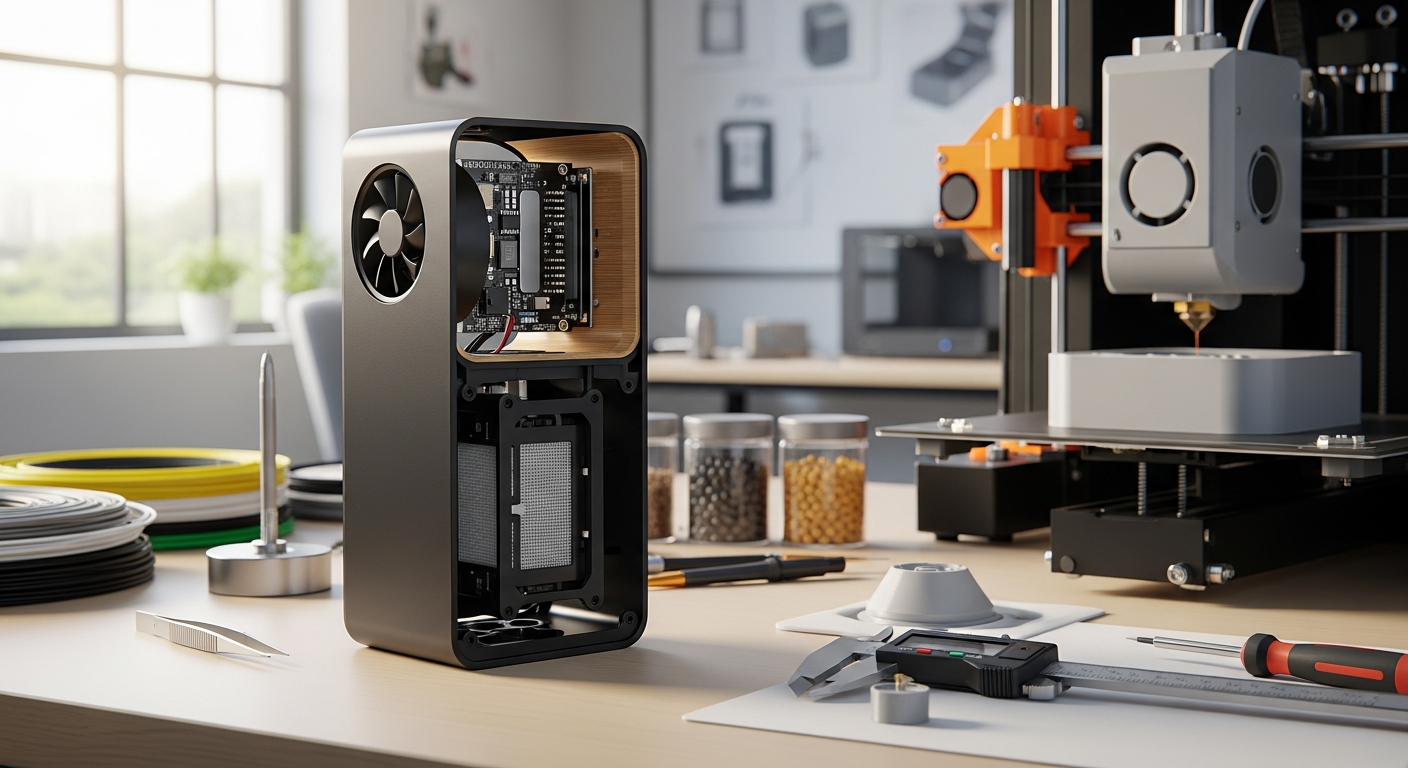
Prototyping is where theory meets reality. A well-planned prototype alerts designers to structural issues, paint challenges, and assembly tolerances that can become costly if discovered after tooling. Rapid prototyping methods commonly used in Singapore include SLA (stereolithography) for high-detail masters and SLS (selective laser sintering) for durable test pieces. After prototype approval, studios decide whether to proceed with molds for resin casting or tooling for injection molding based on expected run size and unit economics.
Because prototypes are integral to product development, Singapore studios are optimizing workflows around fast iterations and precise color proofing. Learn more about the role of prototyping in the art toy pipeline here: 3D rapid prototyping for art toys.
Limited editions are a core commercial model for collectible art toys. Editions signal scarcity: smaller numbers and signed pieces typically command higher prices. But rarity alone isn’t enough—collectors seek authenticity, provenance, and quality. Elements that strengthen an edition’s desirability include:
A measured release strategy—staggered drops, pre-orders, and edition-tiering—helps manage demand and preserves long-term brand value. For creators planning editions, this guide provides best practices and legal considerations for limited runs: limited-edition art toys guide.
Choosing the right local partner shapes craftsmanship and timeline. Leading studios offer:
If you’re seeking studio services specifically tailored to bespoke releases, explore options for custom figurine design Singapore to find partners who understand both creative vision and manufacturing constraints: custom figurine design Singapore.
Budgeting for collectible art toys requires early decisions about materials, edition size, and level of finishing. High-detail resin figures in small editions have different cost drivers than larger PVC injection runs. Typical cost categories:
A studio that integrates rapid prototyping and CAD modeling reduces iteration costs and shortens the path to production. For teams refining budgets and technical decisions, the combined CAD and rapid-prototyping approach in Singapore presents a practical model: CAD modeling and rapid prototyping Singapore.
A successful launch requires storytelling and community engagement. Best practices include:
Professional packaging, documentation, and thoughtful presentation at launch increase perceived value and improve resale performance.
Sustainability is an emerging concern in collectible production. Designers and studios are experimenting with recycled materials, eco-friendly paints, and reduced-plastic packaging. Buyers increasingly value transparency—information about materials and local manufacturing can be a differentiator. Singapore studios are well positioned to adopt greener practices while maintaining quality standards.
For creators who want proven studio support, many Singapore firms provide end-to-end services from sculpt to final packaging, including specialized rapid prototyping for scale collectible art toys: scale collectible art toys prototyping.
The convergence of refined prototyping, skilled finishing, and strategic edition planning makes Singapore an attractive base for custom figurine design and collectible art toys in 2026. Whether you’re a creator launching your first limited run or a collector seeking high-quality pieces, the right combination of technical partners and thoughtful design will determine long-term success. The market rewards attention to detail, authentic storytelling, and well-executed production—elements that Singapore studios are increasingly equipped to deliver.