
By 2026, AI-augmented CAD workflows are reshaping how designers conceive, validate and deliver lifestyle products in Singapore. The convergence of generative design, machine learning-driven optimization and fast local prototyping produces a new design velocity—shorter development cycles, better ergonomics, and more sustainable material choices. This article explains how AI CAD modeling Singapore practices are applied to lifestyle product design, practical workflows, and what product teams in Singapore should prioritize to stay competitive.
Singapore’s design industry benefits from a compact ecosystem: close ties between designers, makers and manufacturing partners, plus strong adoption of digital tools. AI features embedded in CAD accelerate work in three high-value ways:
These advantages make AI CAD modeling Singapore particularly well-suited to lifestyle product design, where aesthetics, ergonomics and market timing matter as much as technical performance.
These trends are transforming workflows for lifestyle product design teams aiming to launch consumer electronics, furniture, wearables and accessories in Singapore’s fast-moving market.
Below is a practical, repeatable workflow that combines AI capabilities with CAD best practices for lifestyle product design.
Insight & constraints
Gather user insights, retail constraints and manufacturing limits (local suppliers, print volumes, surface finish options).
Encode constraints into the design brief: budget, materials, permitted tolerances, and production turnaround times.
Rapid concept generation
Use generative design tools or AI sketch interpretation to produce multiple form families. These solutions accelerate the early-stage exploration that defines product silhouette and ergonomics.
Parametric refinement
Convert chosen AI-generated concepts into parametric CAD models to preserve flexibility for updates. AI-assisted tools can translate sketches or point-cloud scans into editable NURBS or solid models.
Embedded simulation and optimization
Run AI-driven simulations (structural, thermal, fatigue) inside the CAD environment to refine wall thicknesses, fillets and internal geometries for durability and weight.
Prototyping and localized validation
Export optimized geometries for local prototyping: FDM, SLA and selective laser sintering are all commonly used in Singapore. Rapid iteration lets designers validate fit, finish and user interaction quickly with local partners.
Manufacturing preparation
Use AI to propose tooling-aware features, part consolidation strategies and support structures for additive processes. Finalize CAD files with manufacturing metadata, such as tolerances and assembly instructions.
Launch and feedback loop
Post-launch telemetry (where applicable) informs the next iteration. AI helps prioritize updates based on usage patterns and failure data.
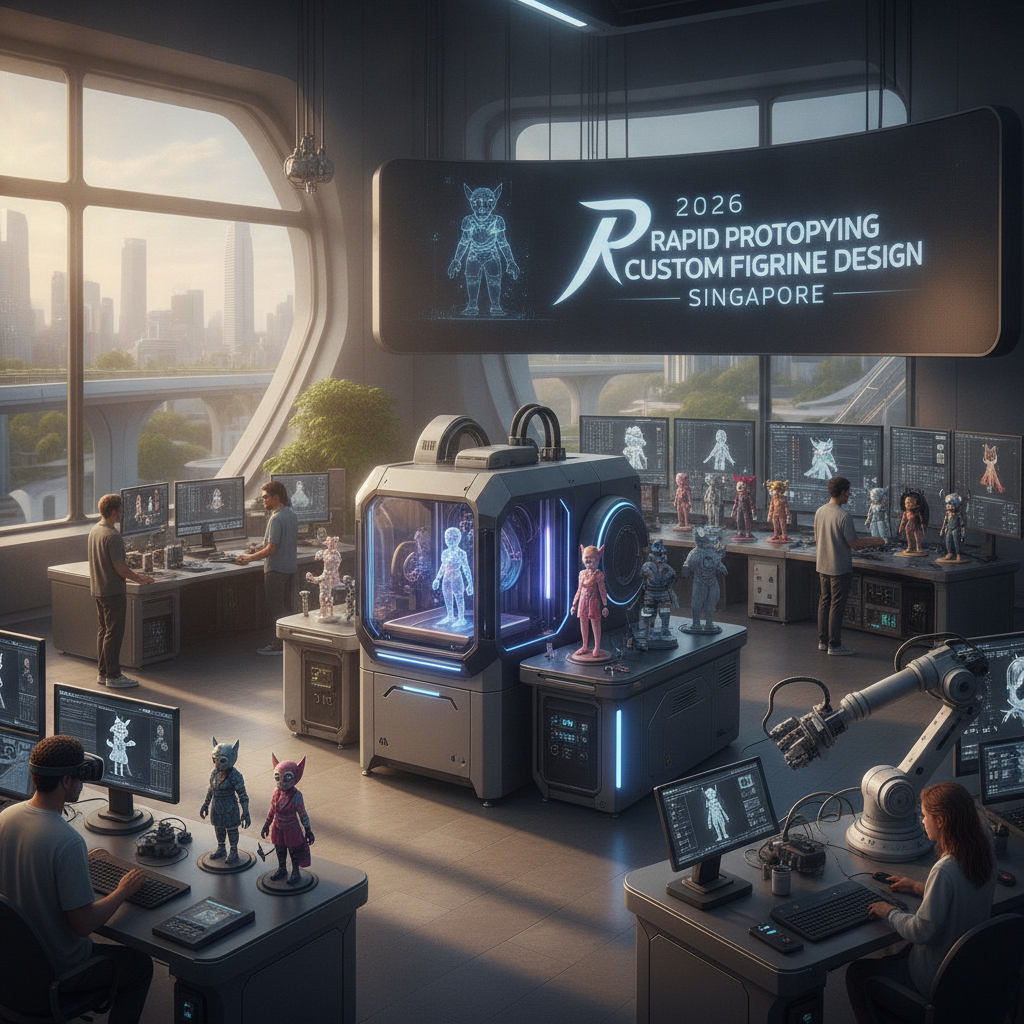
Throughout this workflow, close collaboration with prototyping services strengthens the link between digital models and physical reality — an advantage for teams leveraging local resources for lifestyle product design in Singapore. For examples of local prototyping and custom figurine workflows, explore lifestyle product design singapore.
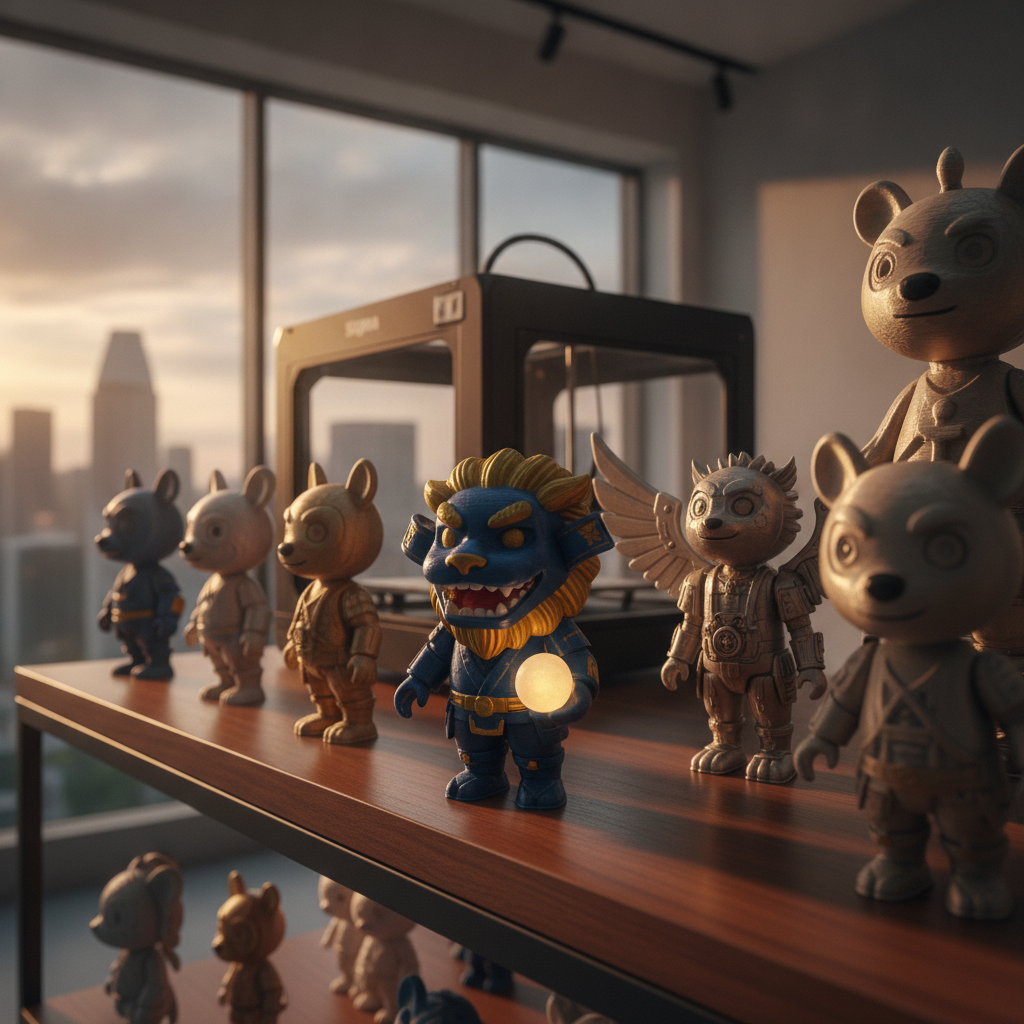
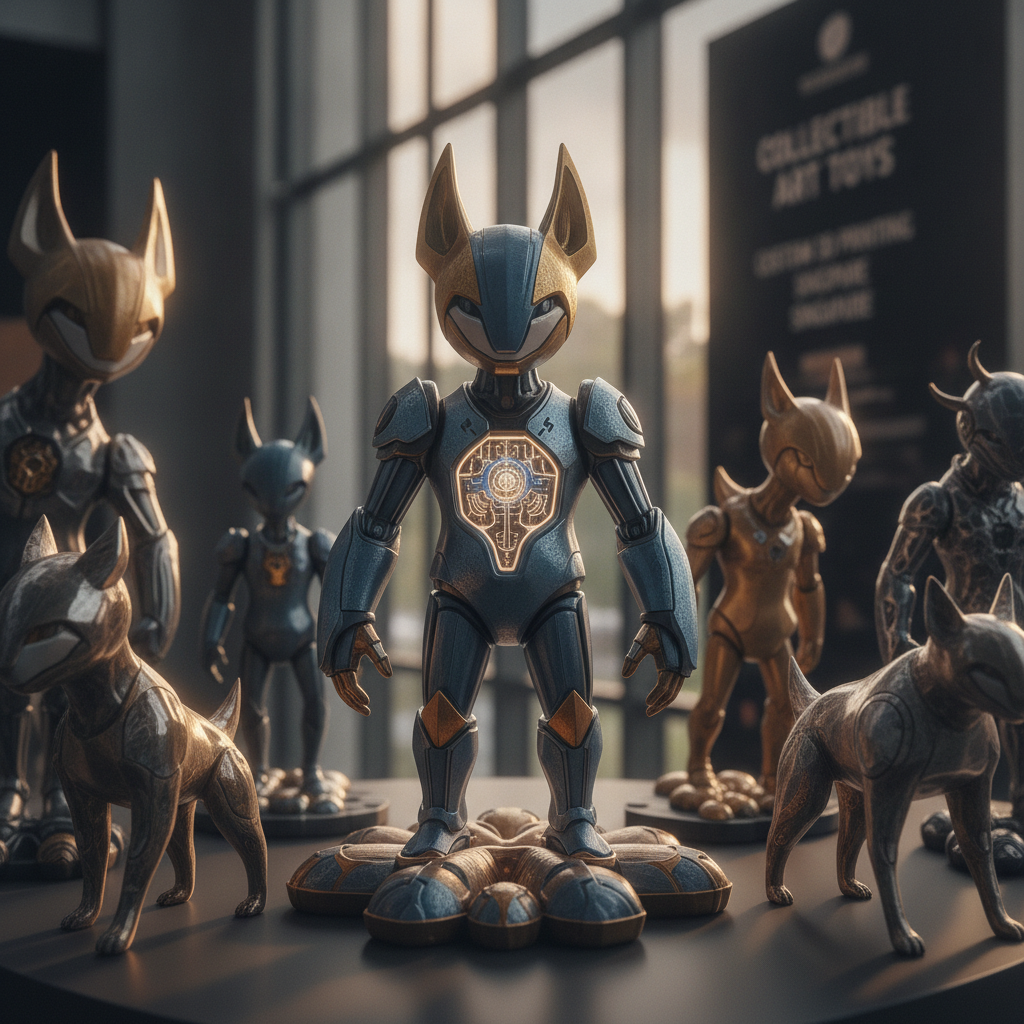
If you are working on collectible art toys, figurines or small lifestyle runs, pairing CAD outputs with local 3D printing services accelerates validation and reduces risk—see a relevant example with local custom printing here: lifestyle product design singapore.
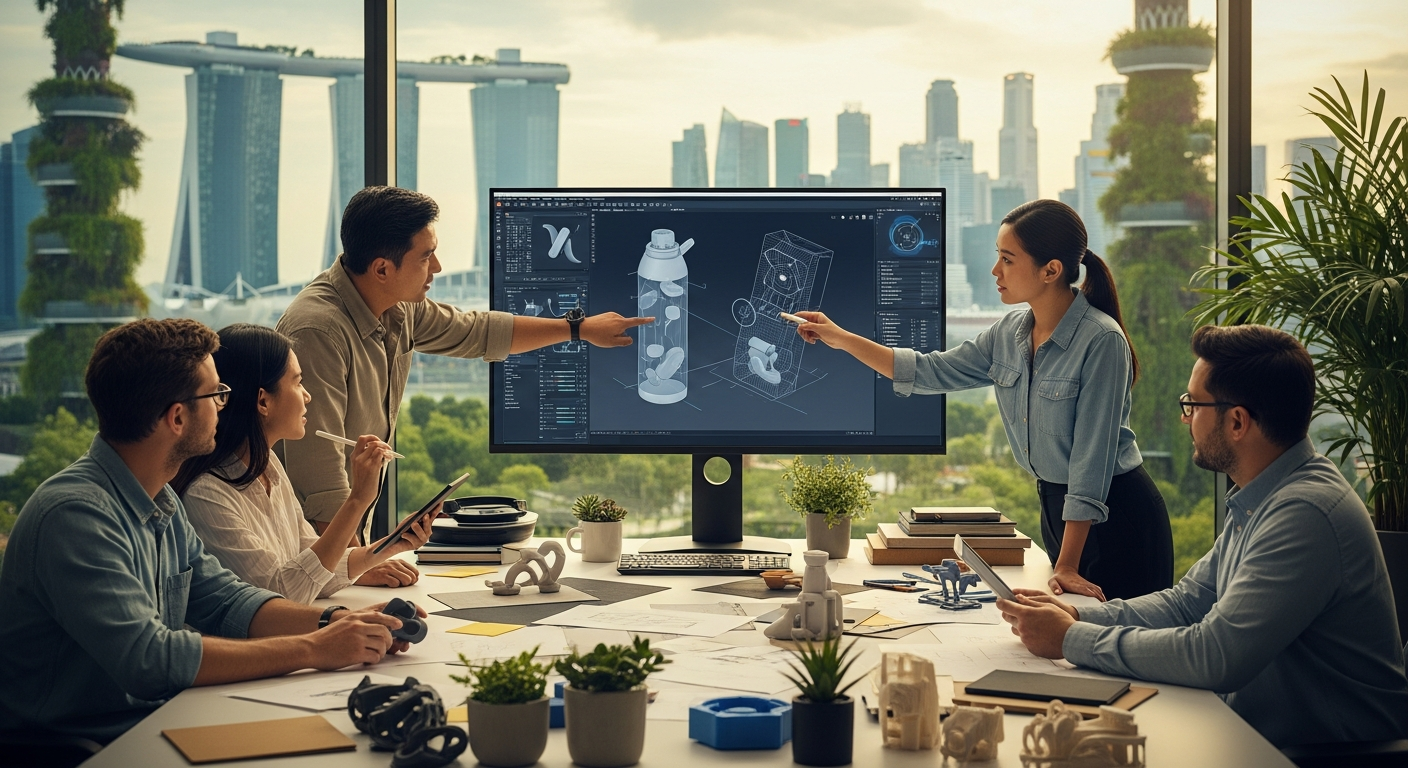
Imagine a small team in Singapore designing a Bluetooth wearable with a distinct silhouette and interchangeable bezels. Using an AI-first CAD approach, the timeline can compress substantially:
This speed depends on tight local supply chains and collaborative CAD workflows that integrate AI-driven insights. For teams focusing on custom figurines and small-batch lifestyle products, integration with local services streamlines production: lifestyle product design singapore.
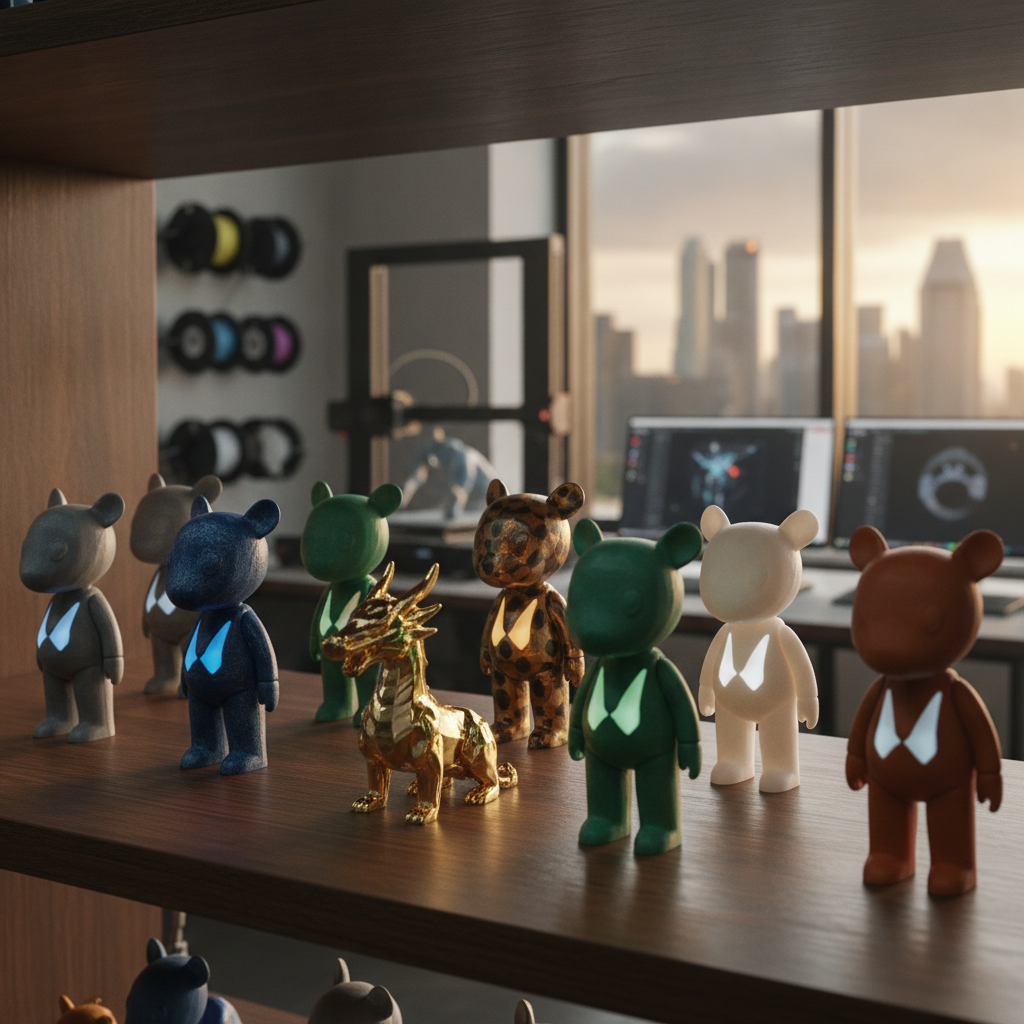
If your project includes customized figurines or art toys, ensure CAD exports are compatible with downstream printing platforms. Services that combine CAD expertise and local 3D printing can shorten the loop between design and physical product, as shown in this resource: cad modeling singapore.
Singapore’s dense cluster of prototyping shops, short-run manufacturers and design consultancies means designers can rapidly move from CAD to a functional product. Work with partners who:
A common requirement is reconciling AI-generated lightweight forms with manufacturable junctions and seams—team up with prototyping specialists early to avoid rework. For FDM-focused small-batch fabrication, check local process capabilities and how CAD files need to be prepared: cad modeling singapore.
AI CAD tools can factor sustainability into design choices by suggesting material substitutions, reducing part counts through topology optimization, and favoring designs that are easier to disassemble and recycle. For lifestyle products, this increases product appeal in environmentally conscious markets and can reduce cost through material efficiency.
Embedding lifecycle analysis into CAD early means fewer redesigns later. For teams working on collectible or decorative items, balancing visual detail with recyclable materials is a growing priority and can be supported by AI-enabled material recommendation engines.
Work with suppliers experienced in translating AI-enabled CAD models into production-ready parts to avoid these traps. For designers focusing on bespoke figurine or lifestyle ranges, partnering with studios that bridge CAD and production shortens the gap between prototype and product: cad modeling singapore.
AI-augmented CAD modeling is not a futuristic novelty for lifestyle product design in Singapore — it is a practical accelerator of quality, speed and sustainability. Teams that adopt AI tools while retaining parametric discipline, aligning with local prototyping partners and embedding simulation early will deliver better products faster. The combination of Singapore’s tight manufacturing ecosystem and modern AI CAD workflows creates a competitive advantage for designers building lifestyle products, collectibles and custom figurines in 2026 and beyond.
For applied examples of how CAD integrates with local production and 3D printing services for lifestyle and figurine work, review resources that connect design strategy with prototyping capabilities in Singapore: lifestyle product design singapore.