Why collectible art toys are driving demand for custom 3D printing
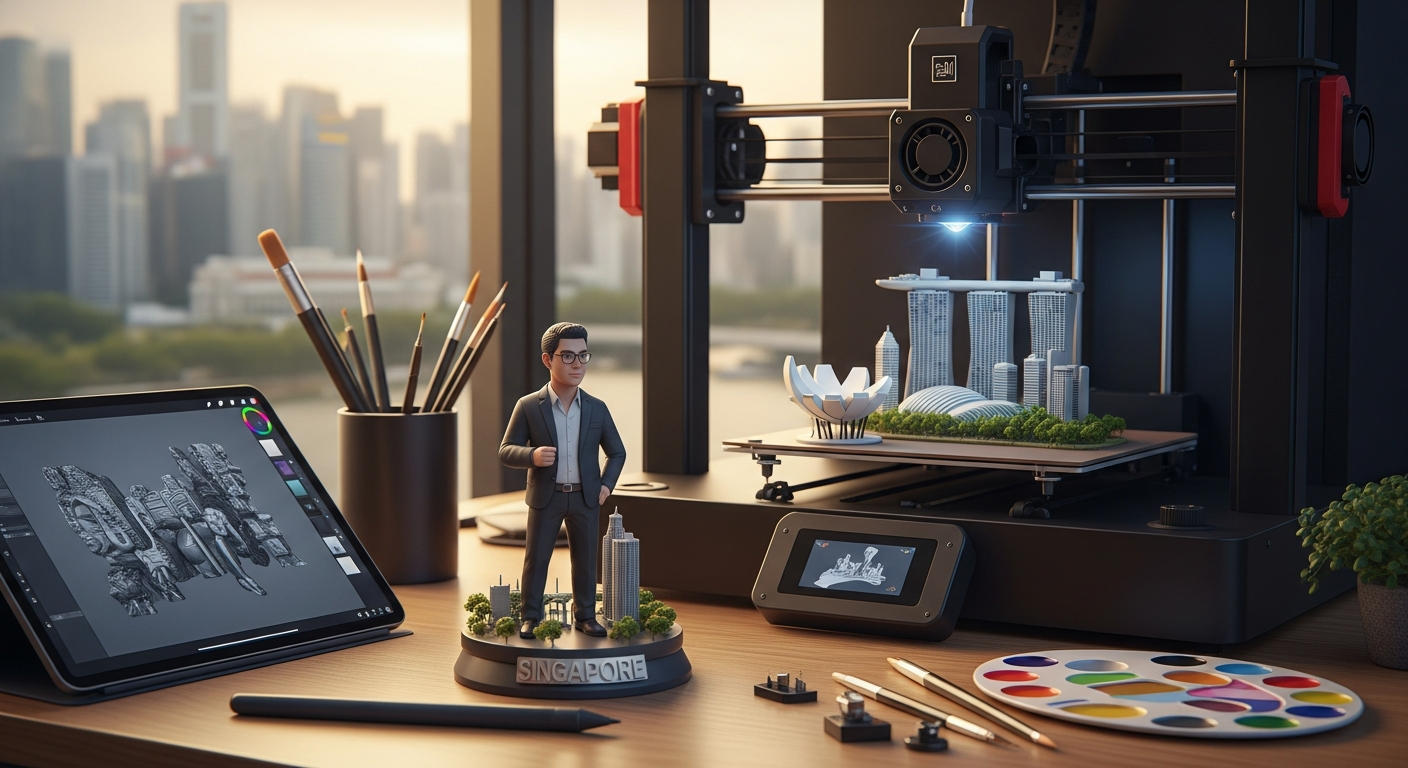
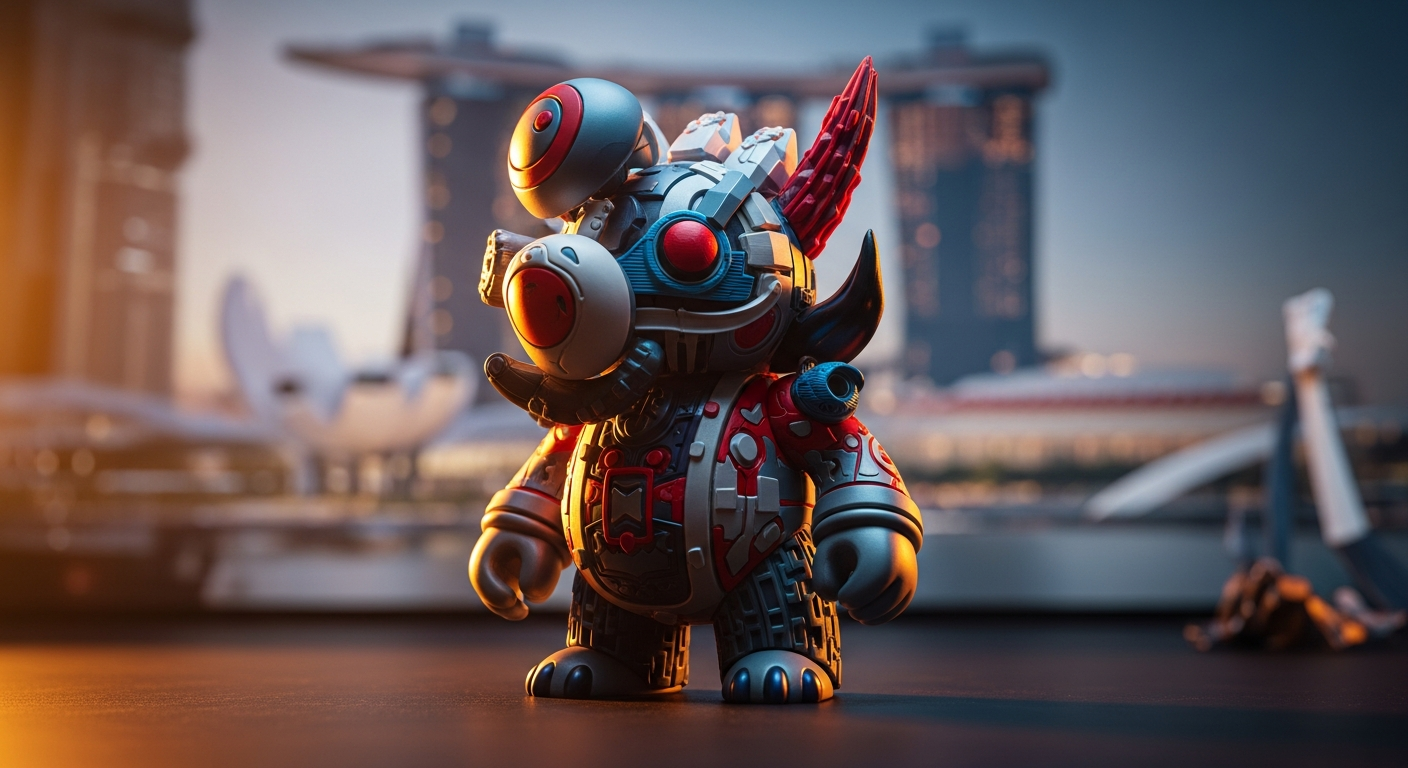
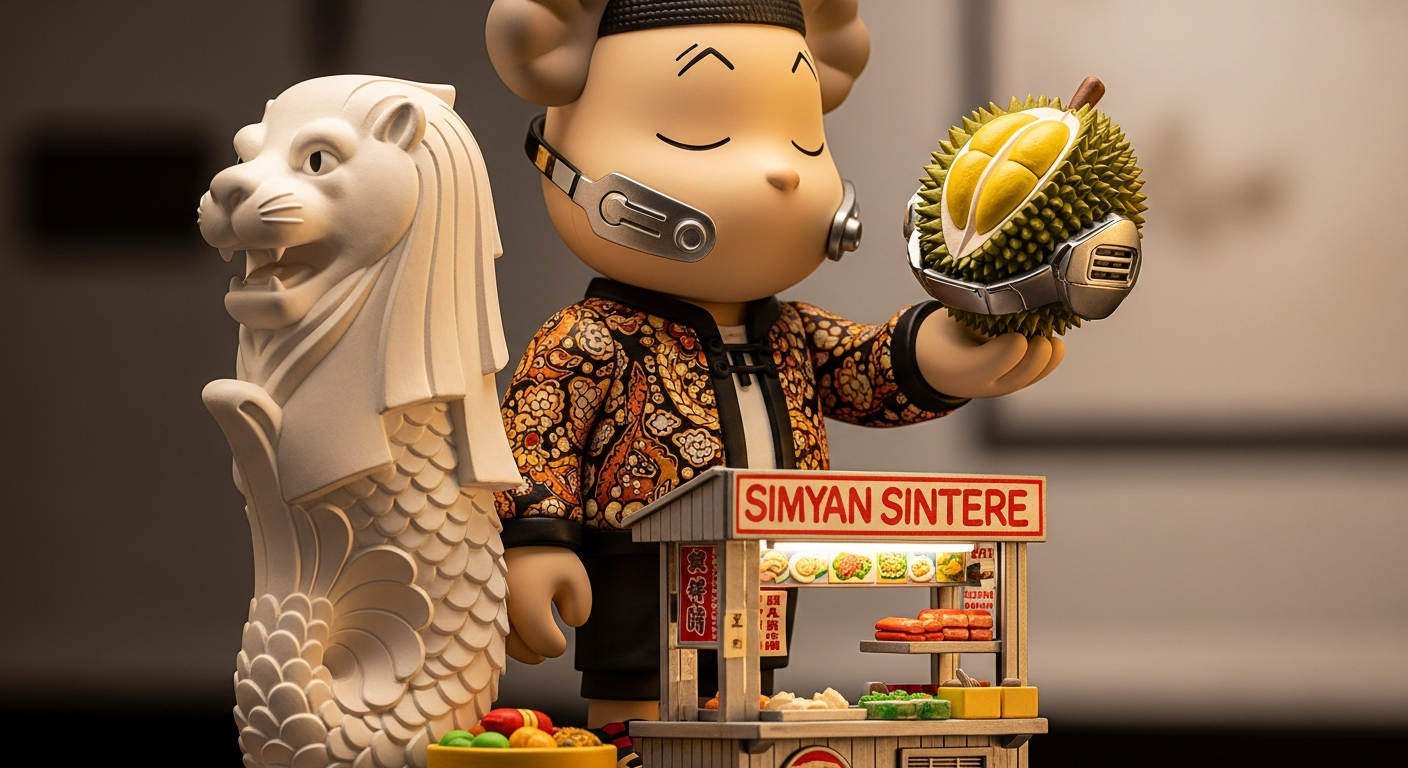
Collectible art toys have evolved from niche designer pieces into a vibrant global market that values uniqueness, craftsmanship, and limited runs. Collectors want pieces with crisp detail, consistent finishes, and the option for customization—qualities that modern additive manufacturing delivers exceptionally well. For independent artists and boutique studios in Singapore, leveraging custom 3D printing Singapore workflows can turn a sketch or clay maquette into a market-ready collectible with consistent quality and speed.
How 3D printing fits the collectible art toy workflow
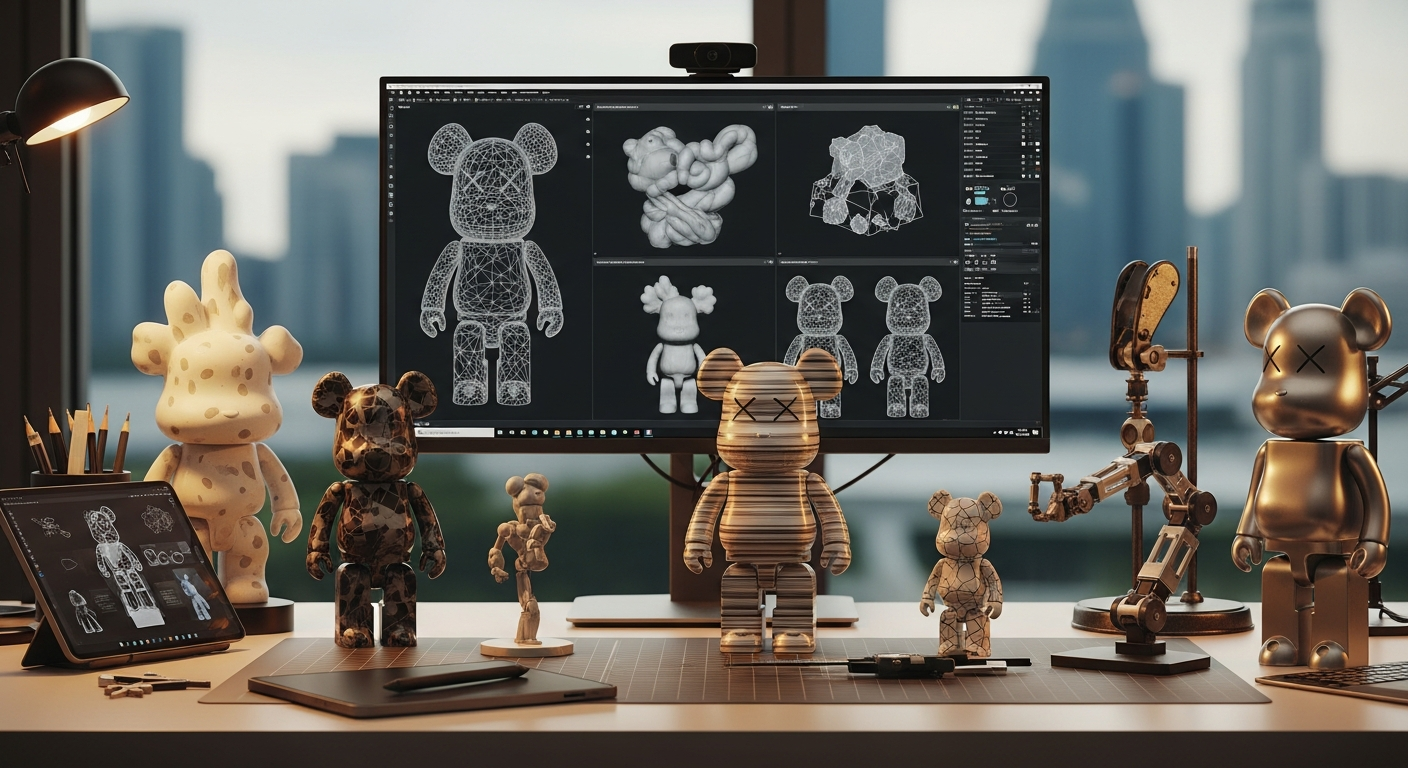
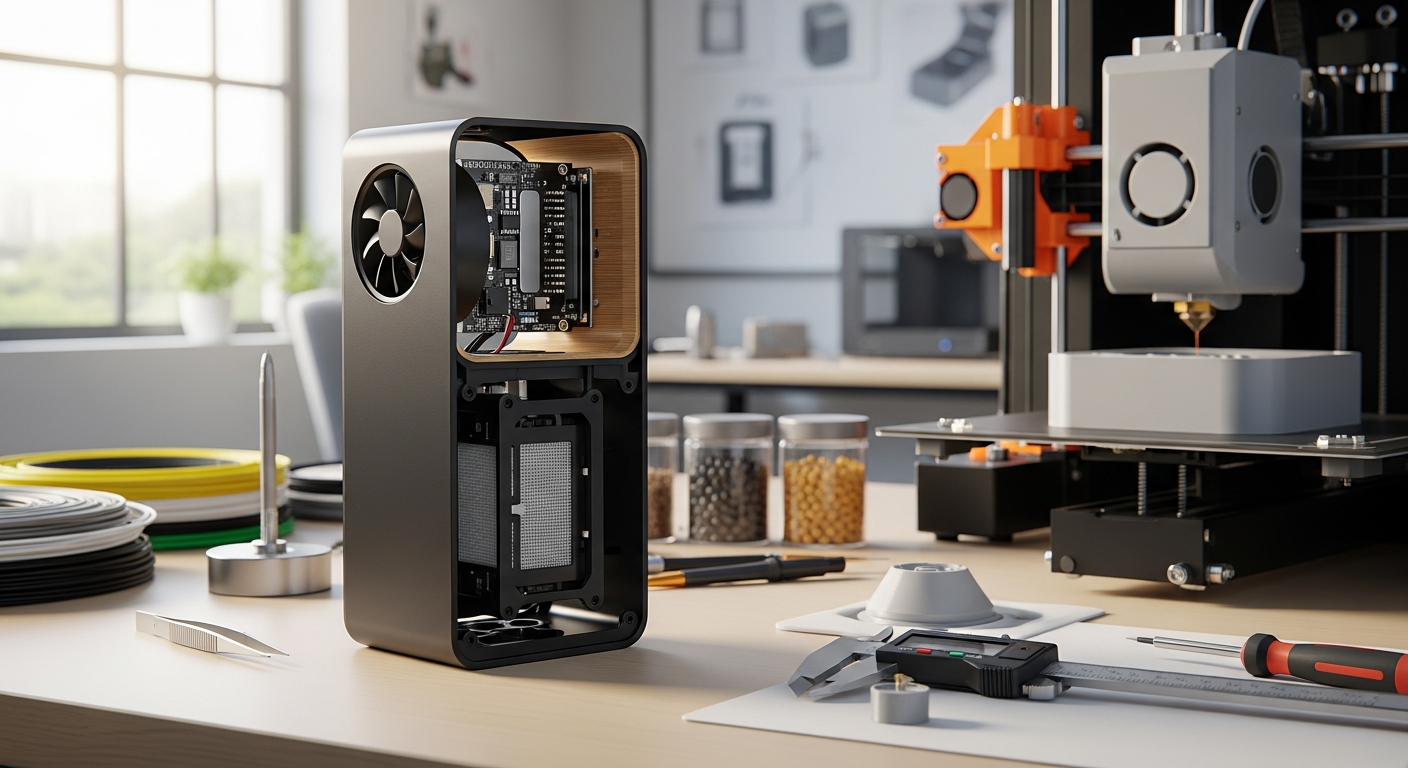
3D printing is uniquely suited to collectible art toys because it accommodates rapid iteration, small-batch production, and complex surface details without the tooling costs of injection molding. Artists can go from digital sculpt to physical prototype in days, test tolerances for assembly or joints, and refine paint-ready surfaces.
Key advantages:
- High-detail prototyping: SLA and resin printing capture fine sculptural textures and facial details that collectors prize.
- Cost-effective short runs: Produce limited editions or test series without expensive molds.
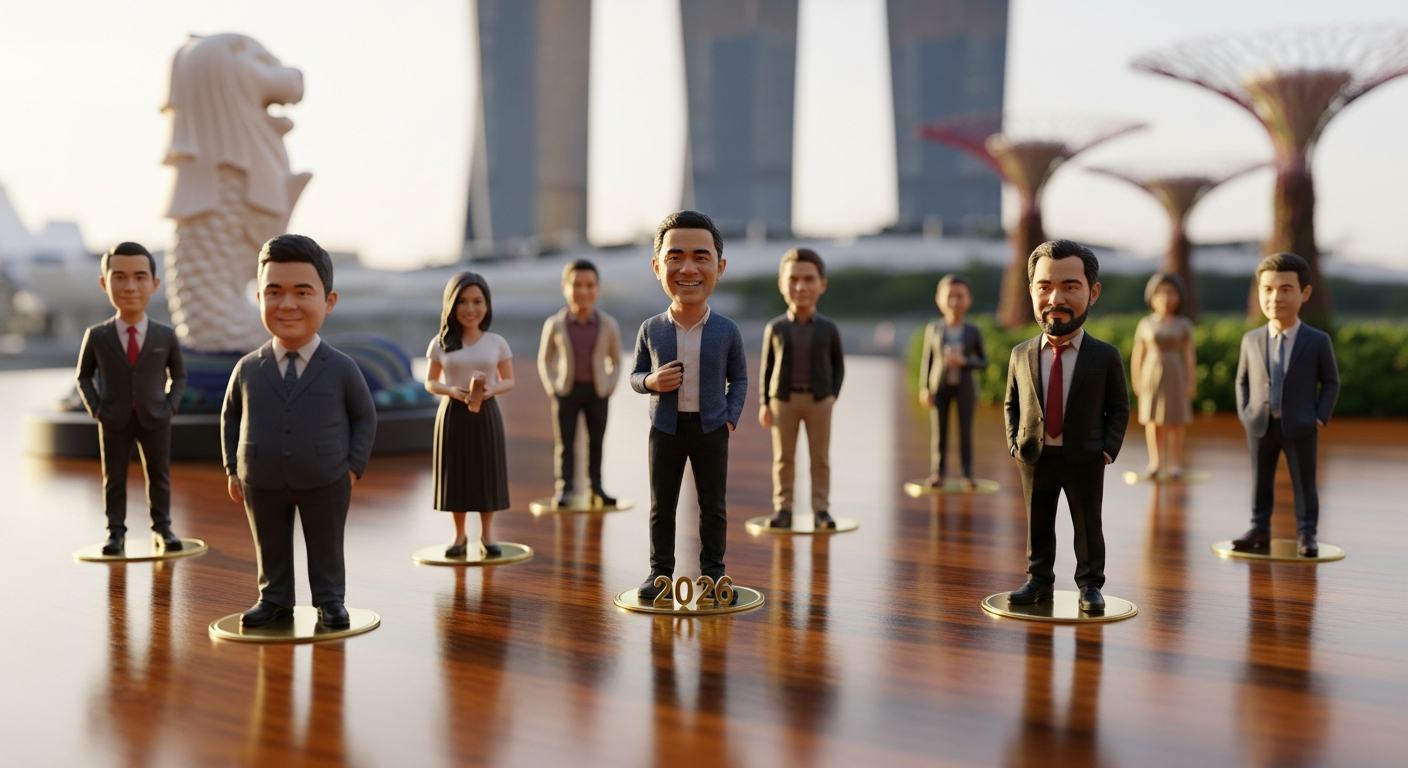
- Customization at scale: Personalization—like variant colors or signed editions—becomes viable for small batches.
These benefits have pushed more designers to partner with specialist providers that offer tailored services. If you’re researching options, check how local workshops position their expertise in custom design and 3D printing services—for example, explore detailed service overviews on custom 3D printing Singapore offerings at this design service.
Popular 3D printing technologies for art toys
Different printing technologies yield different strengths. Choosing the right process affects surface finish, paintability, durability, and production cost.
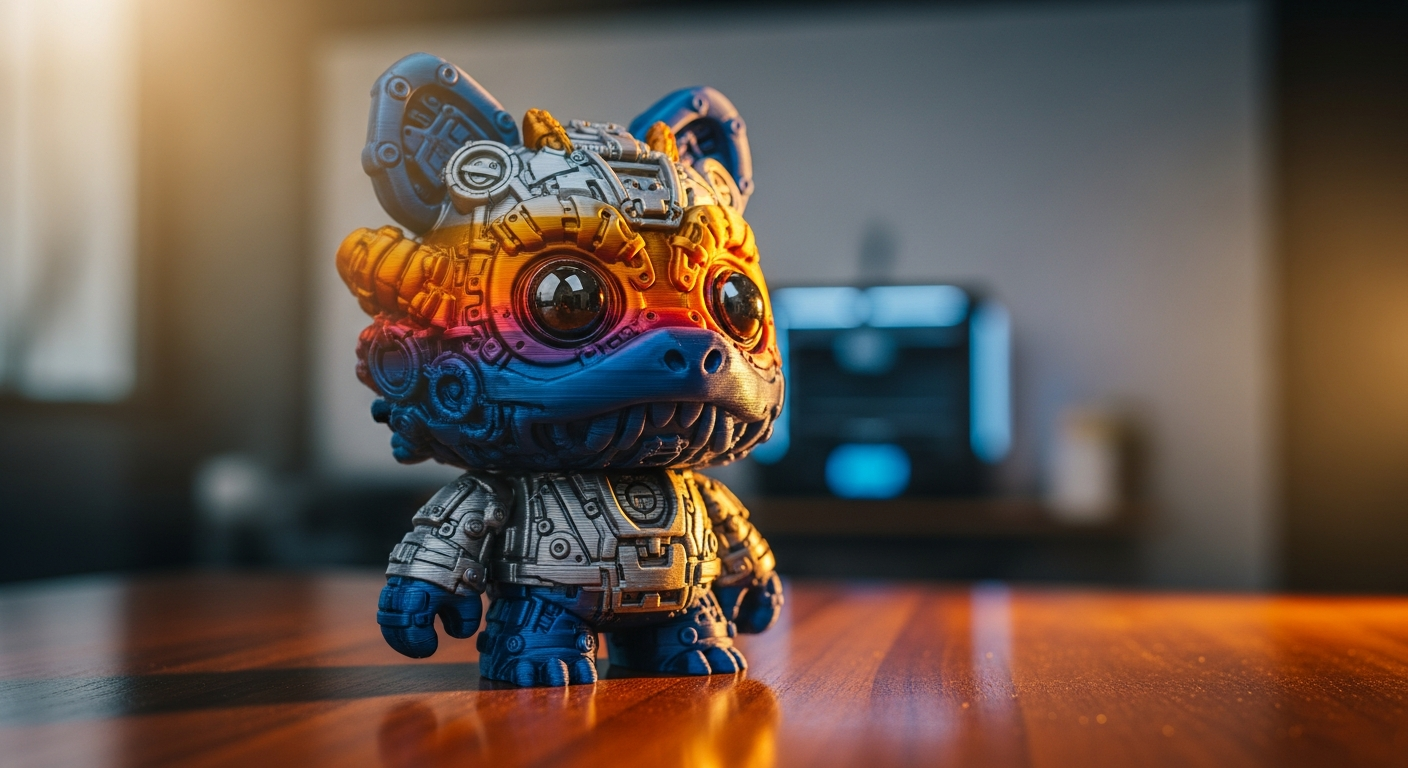
- SLA / Resin Printing: Best for highly detailed collectible art toys. Resin prints capture minute sculpting detail, are easy to sand and primer, and accept paint well—perfect for display pieces and prototypes.
- FDM (Fused Deposition Modeling): Ideal for durable, larger pieces and rapid proofs. Modern FDM with fine nozzles and post-processing can produce excellent results for low-cost runs. Learn more about FDM 3D printing in Singapore and when to choose it for figurine projects.
- SLS (Selective Laser Sintering): Produces strong, functional parts with no support structures. SLS is useful for complex interlocking assemblies or toy components requiring mechanical strength.
- Full-color and multi-material printing: Emerging for expressive collectible runs that require integrated color or mixed materials. While still pricier, these processes enable eye-catching limited editions.
Materials and finishing: turning prints into art
Material selection is central to the final look and longevity of a collectible art toy. Common material paths include:
- Photopolymer resins: Excellent detail and smooth surfaces; require curing and careful handling.
- PLA/ABS (FDM filaments): Affordable, easy to print, and suitable for larger elements or functional parts.
- Nylon (SLS): Durable, slightly grainy finish; great for mechanically complex toys.
Finishing steps that elevate prints to gallery quality:
- Cleaning and support removal: Proper removal of supports and washing prevent surface defects.
- Sanding and priming: Multiple primer coats create a paint-ready surface and reveal hidden imperfections for correction.
- Surface texturing and coatings: UV-stable coatings, varnishes, or matte/satin finishes give the piece its final aesthetic.
- Hand-painting and airbrushing: Adds depth and artisanal value—often the difference between a prototype and a sellable collectible.
For integrated services that guide you through material choice and finishing tailored to collectibles, consider studios that combine product design and manufacturing expertise for lifestyle products and custom figurine design.
Design considerations specific to collectible art toys
Designing for 3D printing is different from traditional sculpting. To ensure successful prints and production-ready toys, follow these guidelines:
- Wall thickness and tolerances: Keep minimum wall thicknesses compatible with your chosen technology to avoid fragile parts.
- Hollowing and escape holes: For resin prints, hollowing can reduce material usage and post-curing issues, but requires drain holes and strategic placement.
- Assembly and joints: Plan snap-fits or threaded inserts early if toys have removable parts or articulated limbs.
- Surface orientation and supports: Orient models to minimize supports on key visible surfaces; this reduces post-processing work.
A provider experienced in collectible workflows can review your digital file and suggest structural changes before printing. Many artists benefit from an expert design review to reduce costly reprints.
Choosing the right custom 3D printing partner in Singapore
Selecting a partner is about technical capability and alignment with your artistic goals. Key factors to evaluate:
- Technology diversity: Does the studio offer resin, FDM, SLS and color options? A wider toolkit means better matches to your project’s needs.
- Prototyping and iteration speed: Fast turnaround for prototypes shortens design cycles and helps capture market opportunities.
- Finishing skills: Look for providers that offer sanding, painting, plating, and assembly—these services transform raw prints into collectible-grade products.
- Small-batch and limited edition expertise: Some studios specialize in low-volume runs and packaging for collectible launches.
- Portfolio and client testimonials: Review completed projects for surface quality, paintwork, and consistency across batches. A showcase of designer toys or figurines often signals relevant experience.
If you want a deep dive into approaches for figurine creation and service options in the region, this custom figurine design and 3D printing service page provides useful context about offerings and turnaround expectations.
Trends shaping collectible art toys in 2026 and beyond
Several trends are influencing how designers and manufacturers approach collectible art toys:
- Limited drops and variant economies: Brands release small runs with multiple colorways or chase variants to drive community engagement and resale value.
- Collaboration culture: Cross-genre collaborations between brands, artists, and even tech platforms (AR / NFTs) create narrative-rich pieces that collectors covet.
- Sustainability and material innovation: Biodegradable resins and recycled filaments are gaining traction for eco-conscious collectors.
- On-demand personalization: Advances in digital workflows and printing speed make personalization—names, color combos, or small sculpted changes—economically viable.
For a curated look at market shifts and design trends specific to collectible designer art toys, see the trends guide that explores contemporary collector behaviors and production strategies.
Case study snapshots: from concept to collectible
1) Designer mini-series: An independent artist created a 50-piece run using SLA for prototypes and high-detail prints, then hand-painted each figure. The limited availability and artist signature created strong secondary market interest.
2) Functional toy with interchangeable parts: Using SLS for strength and FDM for larger shells, a studio produced a modular toy with snap-fit components. This hybrid approach balanced cost and durability.
3) Budget-friendly starter line: A small label used FDM for larger-scale models and local finishing teams to apply consistent paintwork, enabling a profitable entry-level collectible line.
These examples demonstrate how mixing technologies and finishing strategies can achieve different market positions—premium, functional, or affordable.
For practical implementation and design-for-manufacture tips specifically tuned to lifestyle products and custom figurine design, consult resources that combine product design insight with manufacturing know-how.
Practical tips to lower cost and speed time-to-market
- Consolidate parts where possible: Fewer components reduce assembly time and defect risks.
- Batch prints by material and orientation: Efficient production schedules cut printing and post-processing time.
- Use modular designs for color variants: Swapable shells or snap-on accessories make many SKUs achievable without remaking the core tooling.
- Outsource complex finishing: Partnering with experienced finishing teams ensures consistent paint and coating quality at scale.
If you’re considering a full-service partner in Singapore that supports both prototyping and small-batch production, the local design and fabrication guides provide a helpful checklist to evaluate providers and services.
Getting started: a checklist for artists and brands
- Finalize your digital sculpt and request a design review for 3D printing.
- Choose the right technology based on detail, strength, and finish requirements.
- Plan post-processing and paint workflows early.
- Budget for small-batch runs and packaging—presentation matters for collectibles.
- Pilot a short run to validate assembly and finish before scaling up.
For an end-to-end guide to creating art toys in Singapore—from concept to finished collectible—this practical guide on art toys and custom figurine design outlines the common steps, pitfalls, and partner roles.
Conclusion
Collectible art toys are a growth area where creativity meets precise manufacturing. Custom 3D printing Singapore services give artists and brands the flexibility to prototype rapidly, produce limited runs, and deliver collector-grade finishes without the overhead of large-scale tooling. By understanding the strengths of each printing technology, planning design-for-manufacture details, and partnering with experienced finishing teams, creators can bring high-value collectibles to market efficiently and with strong aesthetic impact.
For designers looking to explore these workflows in Singapore, reviewing detailed service portfolios and trend analyses can help match project goals to the right production partner—ensuring your collectible art toys stand out for both design and quality.
Links to explore: