Introduction
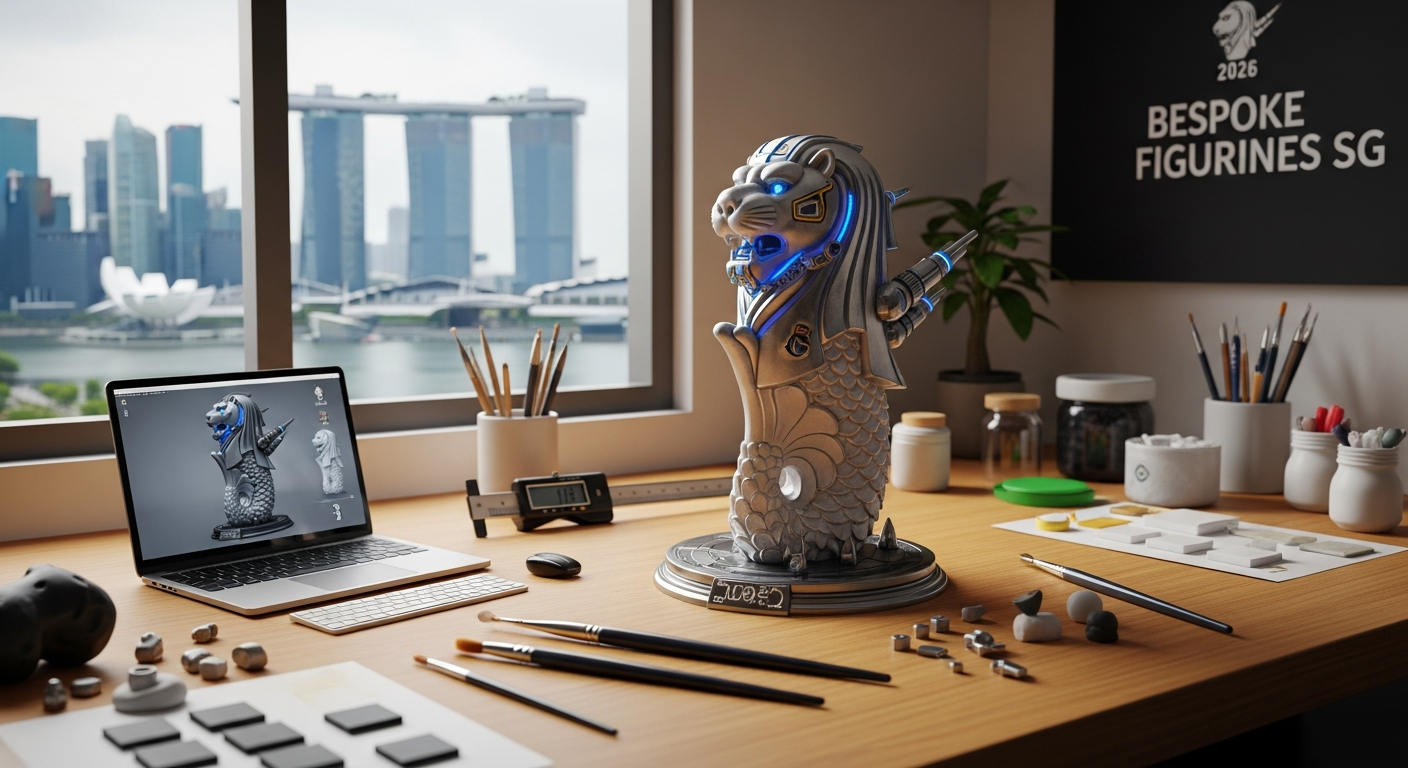
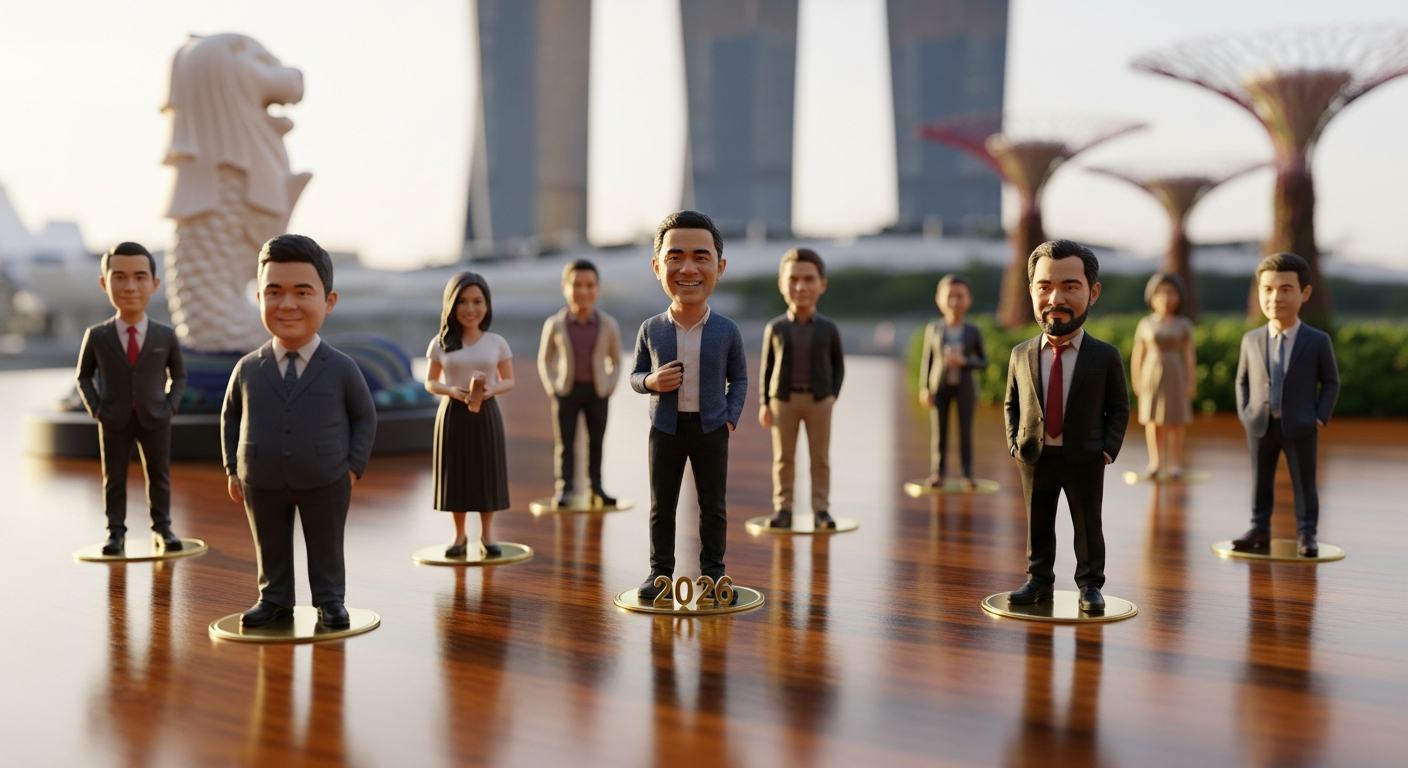
Bespoke figurines and lifestyle products are no longer niche curiosities. By 2026, Singapore has solidified its role as a regional hub for lifestyle product design Singapore clients trust, blending artisanal craft with industrial-grade digital manufacturing. This article explains what to expect from custom figurine design Singapore projects in 2026, maps modern workflows, highlights material and production choices, and gives practical guidance for brands, artists, and collectors.
What’s driving demand in 2026
Several converging trends are fueling interest in bespoke figurines and lifestyle products:
- Personalization and micro-batches: Consumers want one-off pieces and short-run collections rather than anonymous mass-produced items. That makes custom figurine design Singapore studios attractive for brand collaborations and limited-edition drops.
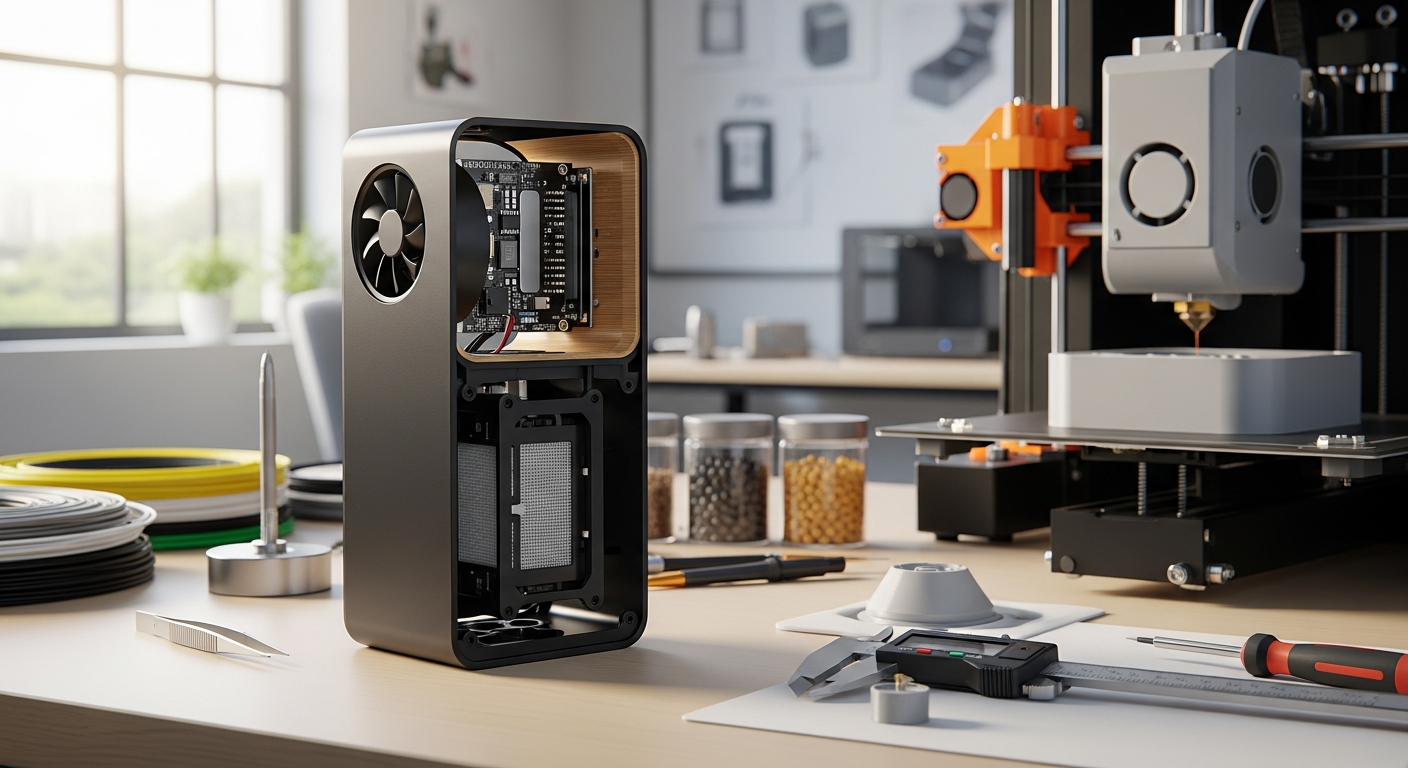
- Advanced 3D printing and hybrid processes: High-resolution resin printing, FDM for rapid prototyping, and CNC for tooling combine to shorten development cycles.
- Sustainability and material innovation: Recycled plastics, plant-based resins, and low-VOC paints are increasingly used to meet consumer and regulatory expectations.
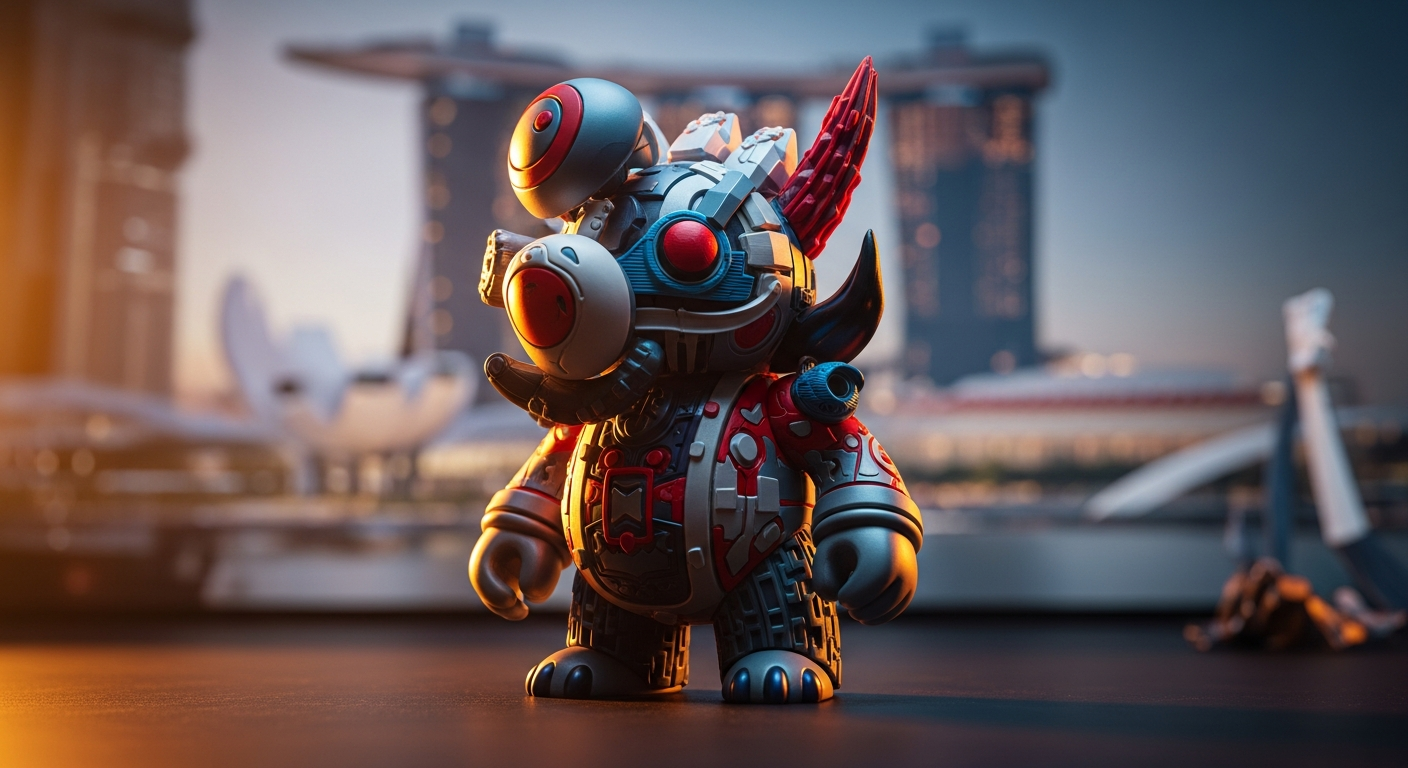
- Collector culture and art toys: The crossover between designer art toys and lifestyle product design Singapore has grown; many studios now design pieces that function as both decorative objects and collectible assets. Explore collectible designer art toys trends for context and inspiration: https://artsoustudio.com/collectible-designer-art-toys-trends-2026/.
Why choose bespoke lifestyle product design Singapore services?
Bespoke design brings clear advantages for brands, agencies, and creators:
- Differentiation: A custom figurine with intentional design language signals brand values and creates a tactile identity.
- Flexibility: Short runs and variable configurations (colors, accessories, base designs) allow staggered drops and A/B testing.
- Faster iteration: Local studios with integrated CAD and printing capabilities reduce the feedback loop between concept and prototype.
- Higher perceived value: Hand-finishing and small-batch production increase collectibility and resale value.
If you want a practical overview of combining lifestyle products with custom figures in Singapore, this in-depth guide is useful: https://artsoustudio.com/lifestyle-product-and-custom-figurine-design-singapore-2026/.
Typical workflow for custom figurine design Singapore studios
A clear, repeatable workflow ensures cost control and quality. A common pipeline in Singapore studios runs like this:
- Brief and research — establish target audience, use case (desk toy, shelf art, brand mascot), size, durability, and price point.
- Concept sketching — 2D exploration and mood boards to align aesthetics.
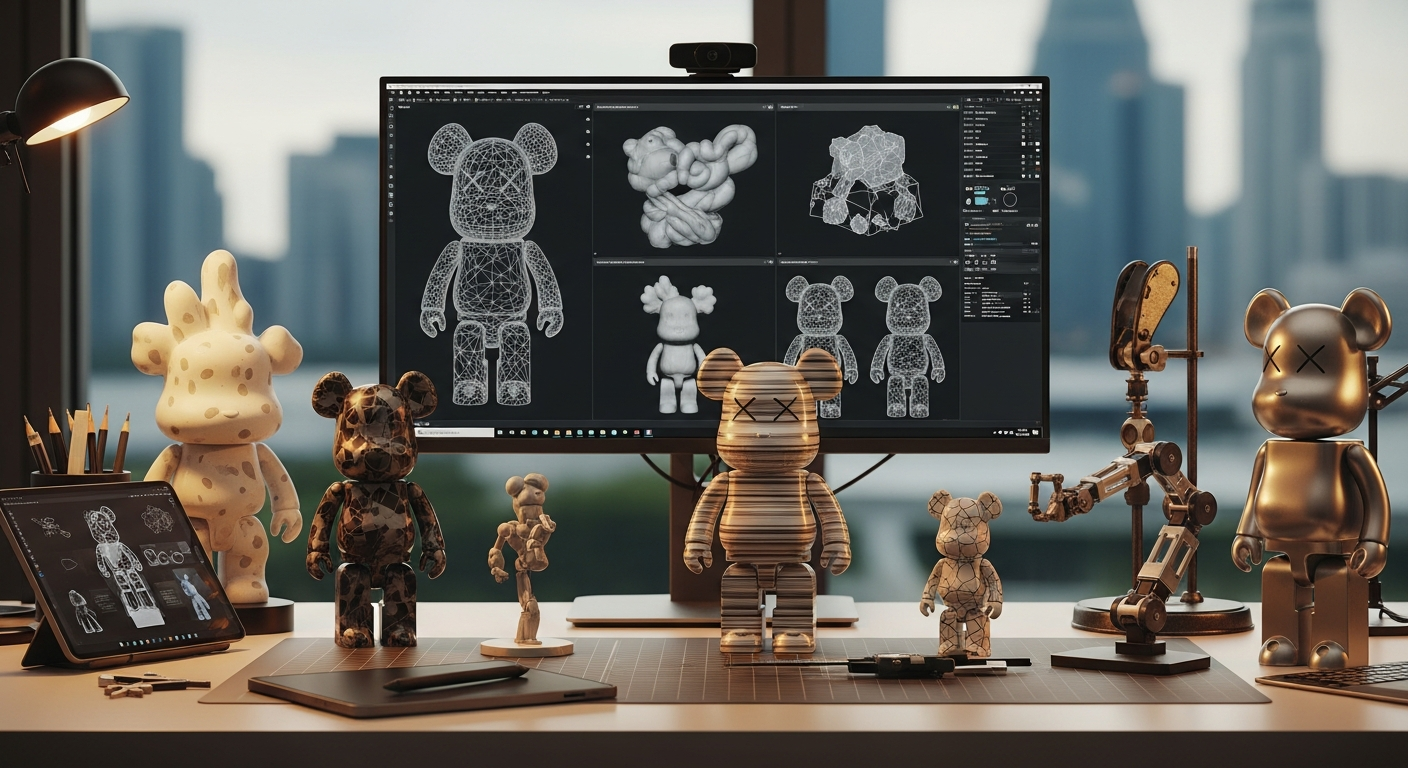
- CAD modeling — create a precise 3D model for prototyping and manufacturing; this step considers tolerances, assembly points, and printability.
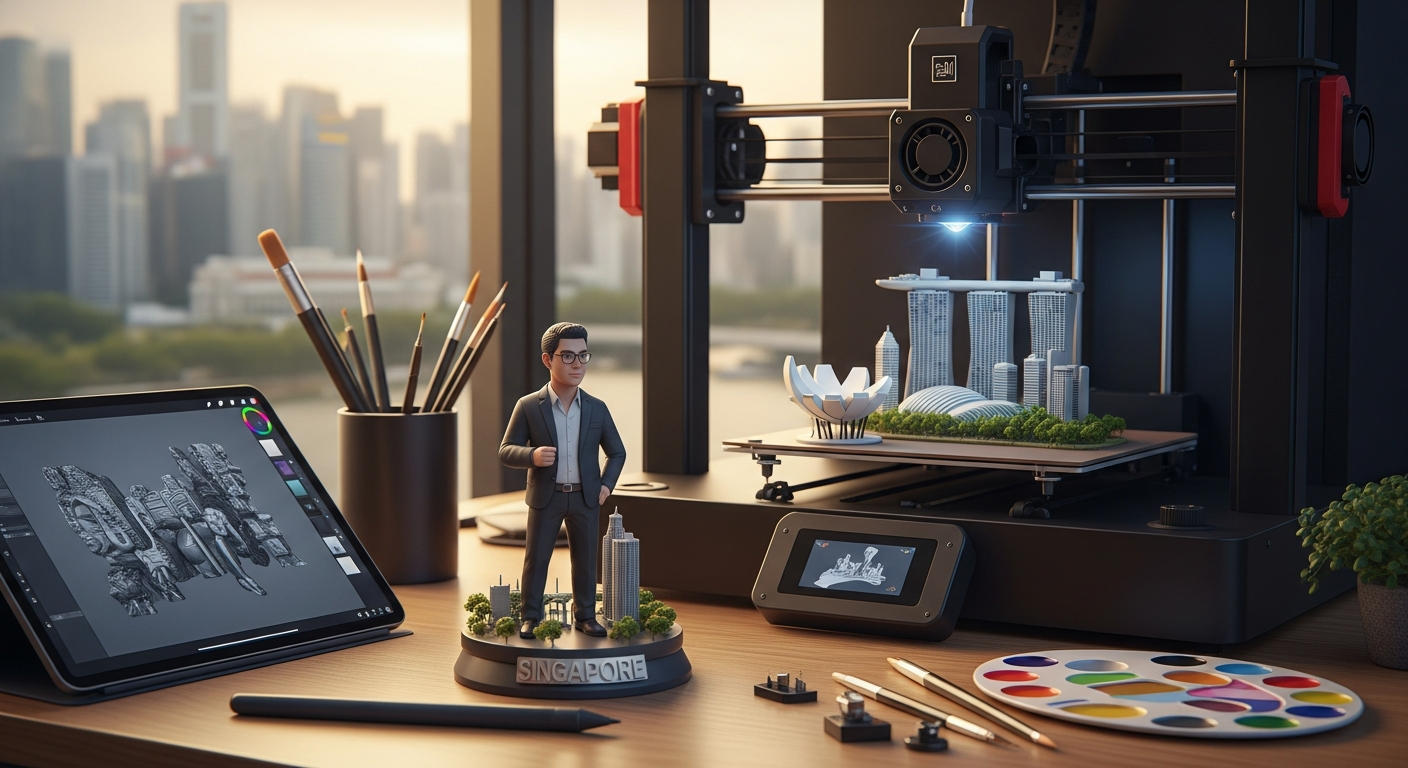
- Rapid prototyping — fast FDM or resin prints to validate scale and articulation. For a practical case, see examples of custom figurine design Singapore using FDM and 3D printing: https://artsoustudio.com/custom-figurine-design-singapore-with-fdm-3d-printing-2026/.
- Surface finishing & painting — sanding, priming, UV curing, hand- or pad-printing, and protective coatings.
- Tooling & small-batch production — silicone molds, vacuum casting, or short-run injection molding depending on volume.
- Packaging and distribution — bespoke packaging can be part of the product’s lifestyle appeal.
Materials and production methods to consider
- Resin (SLA/DLP): Ideal for crisp detail on collectible figurines. Best for limited editions and highly detailed sculpts.
- FDM (PLA, PETG, ABS): Useful for quick iterations and larger, less-detailed pieces. Affordable and fast.
- TPU and flexible filaments: For parts that require give (accessories, soft bases).
- Vacuum casting and silicone molds: Great for small runs with material variety (rigid, flexible, translucent).
- Short-run injection molding: Cost-effective when volumes justify tooling investment; suitable for lifestyle products that move beyond the collector market.
Each choice affects feel, finish, durability, and environmental footprint. Singapore studios increasingly offer eco-conscious options, such as recycled fillers and bio-resins, to satisfy both regulatory and market pressures.
Cost and timeline expectations in Singapore (2026)
Costs vary by complexity, finish, and run size. Typical ranges:
- Concept & CAD: SGD 500–2,500 (single-piece concept and revisions).
- Prototype (high-res resin): SGD 150–800 per piece depending on size and print time.
- Hand paint & finishing: SGD 50–400 per unit depending on detail.
- Small-batch vacuum casting (10–100 units): SGD 30–150 per unit.
- Short-run injection molding (500+ units): tooling SGD 1,000–10,000+, unit costs drop significantly.
Timelines:
- Concept to first prototype: 1–4 weeks.
- Iteration cycles: 1–2 weeks per round.
- Small production runs: 2–6 weeks after final approval.
- Injection molding: 6–12+ weeks including tooling.
Clear briefs, realistic schedules, and early material choices reduce surprises and expedite delivery.
Design considerations specific to figurines and lifestyle products
- Scale and display: Determine intended display context (desk, shelf, wearable) and design proportions accordingly.
- Joints and assembly: Plan mechanical interfaces early to avoid late reworks.
- Color strategy: Decide between painted finishes, multi-material prints, or pre-colored materials.
- Texture and tactile cues: Matte vs gloss, soft-touch coatings, and mixed materials strongly influence perceived quality.
- Packaging as part of the product: For collectors, packaging becomes part of the experience and resale value.
For designers seeking a complete production guide in Singapore, a curated resource can help: https://artsoustudio.com/singapore-art-toys-and-custom-figurine-design-guide-2026/.
Choosing the right studio in Singapore
When selecting a studio for lifestyle product design Singapore and custom figurine design Singapore projects, evaluate the following:
- Portfolio and featured work: Look for examples similar in scale and finish to your vision.
- In-house capabilities: CAD, 3D printing, paint & finishing, and packaging shorten lead times.
- Communication and project management: Clear milestones, revision policies, and sample approvals matter.
- IP and licensing experience: Especially important for brand mascots and licensed characters.
- Local production advantages: Faster physical reviews, on-site quality control, and easier coordination with local marketing and retail partners.
Ask for references and request a small paid test job if the project has critical quality or timing constraints.
IP, licensing, and legal considerations
- Ownership of CAD files: Clarify whether the studio provides source files and under what terms.
- Licensing for characters: Ensure all necessary rights for likenesses or brand marks are secured before production.
- Safety and compliance: For toys or items used by children, compliance with EN71, ASTM, or local standards may be required.
- Trademarked designs and derivative works: When creating art toys inspired by pop culture, legal counsel can prevent costly takedowns.
Case uses and creative opportunities
- Brand merchandise: Limited-edition figurines create connection and brand affinity.
- Interior lifestyle pieces: Sculptural objects that double as home decor expand product lines.
- Event exclusives and corporate gifting: Custom figurines are premium, memorable gifts for VIP programs.
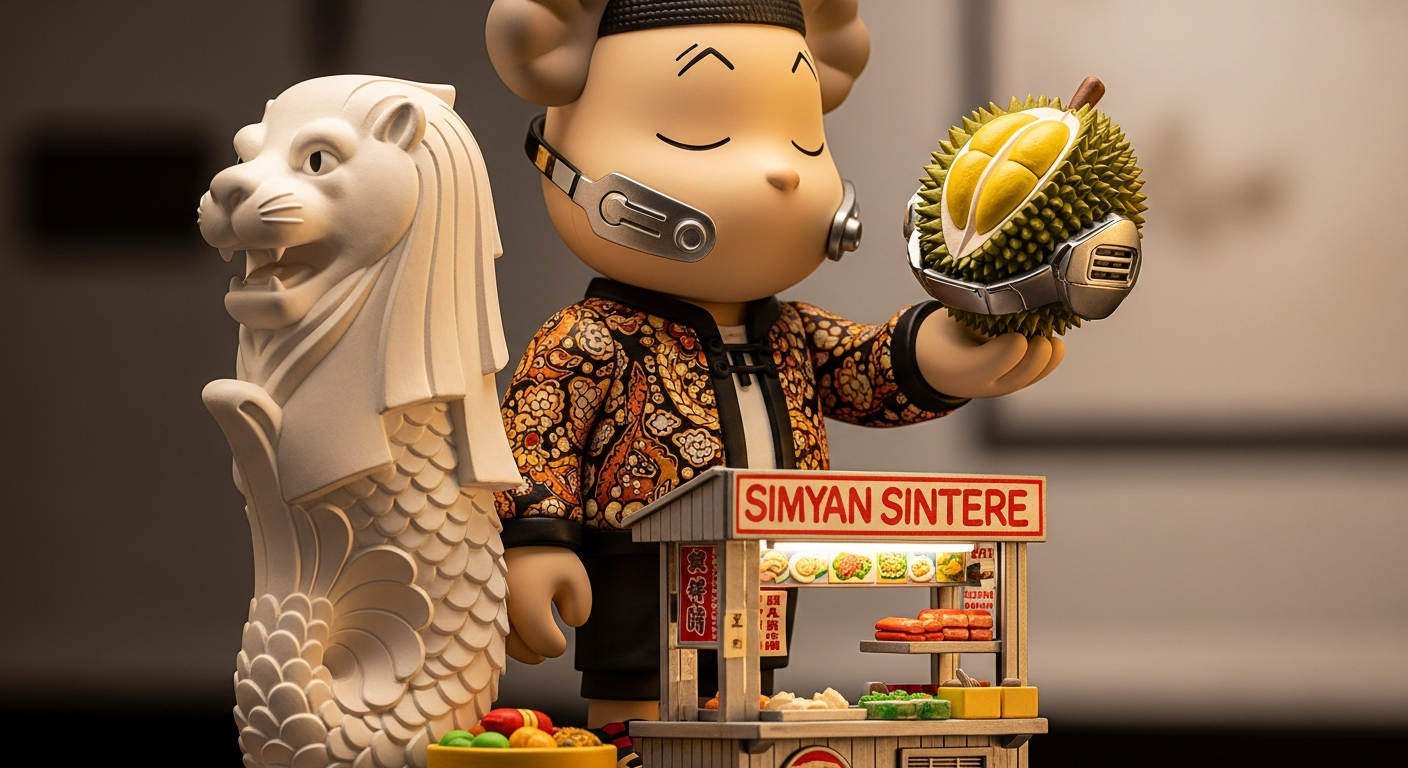
- Artist collaborations and drops: Partnering with local illustrators and sculptors taps into Singapore’s creative scene.
For current design and CAD modeling trends that influence art toys and collectible launches, review these insights: https://artsoustudio.com/art-toys-design-trends-2026-with-cad-modeling-singapore/.
Future outlook through 2026 and beyond
Expect continued hybridization of craft and technology: AI-assisted sculpting, automated color-matching, and augmented reality previews that let customers view a figurine at scale in their home before purchase. Singapore’s ecosystem — tight cluster of makers, supply chain partners, and design-savvy buyers — will keep it at the forefront for lifestyle product design Singapore solutions and custom figurine design Singapore services.
For professionals and hobbyists alike, staying informed about production techniques and collector culture helps craft products that sell and delight.
Practical next steps
Define a clear brief with target size, finish expectations, and a projected budget. Request a timeline and prototype quote from local studios with proven experience in both lifestyle product design Singapore and custom figurine design Singapore. When evaluating proposals, prioritize studios that communicate transparently about materials, lead times, and IP ownership.
Start the design-to-production journey with a small prototype run to validate the concept, then scale with short-batch casting or injection molding as demand justifies. Local expertise accelerates iteration and reduces risk — make use of Singapore-based resources and partners to bring a distinctive, well-crafted figurine or lifestyle product to market.