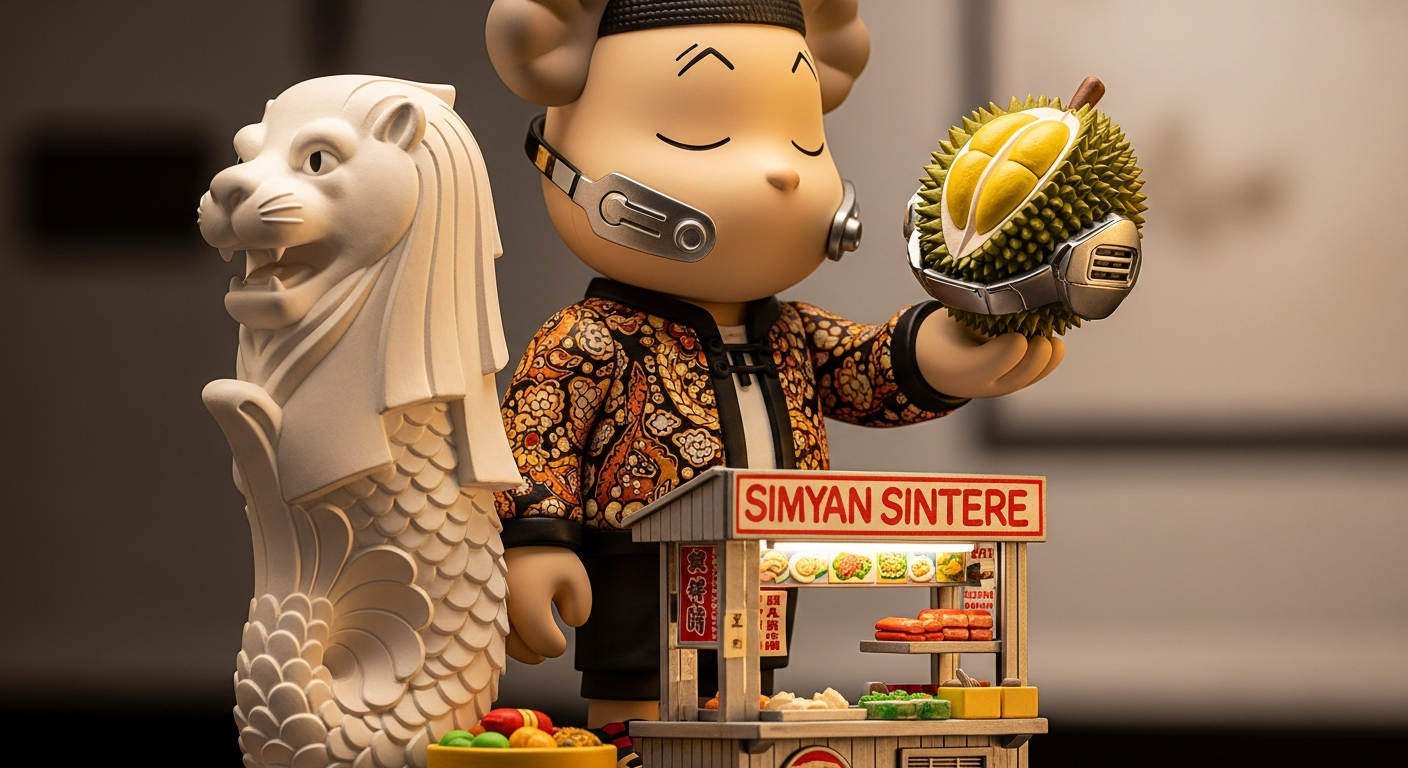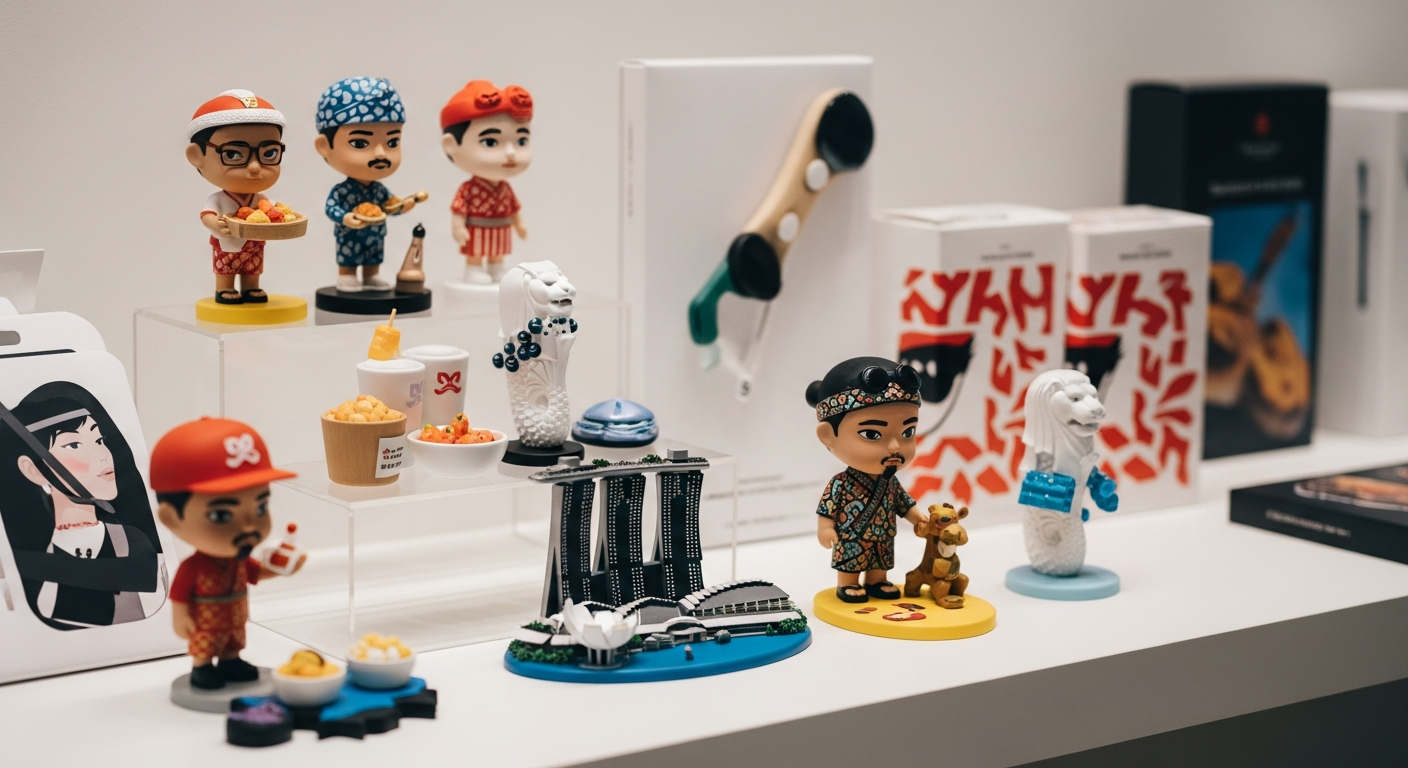
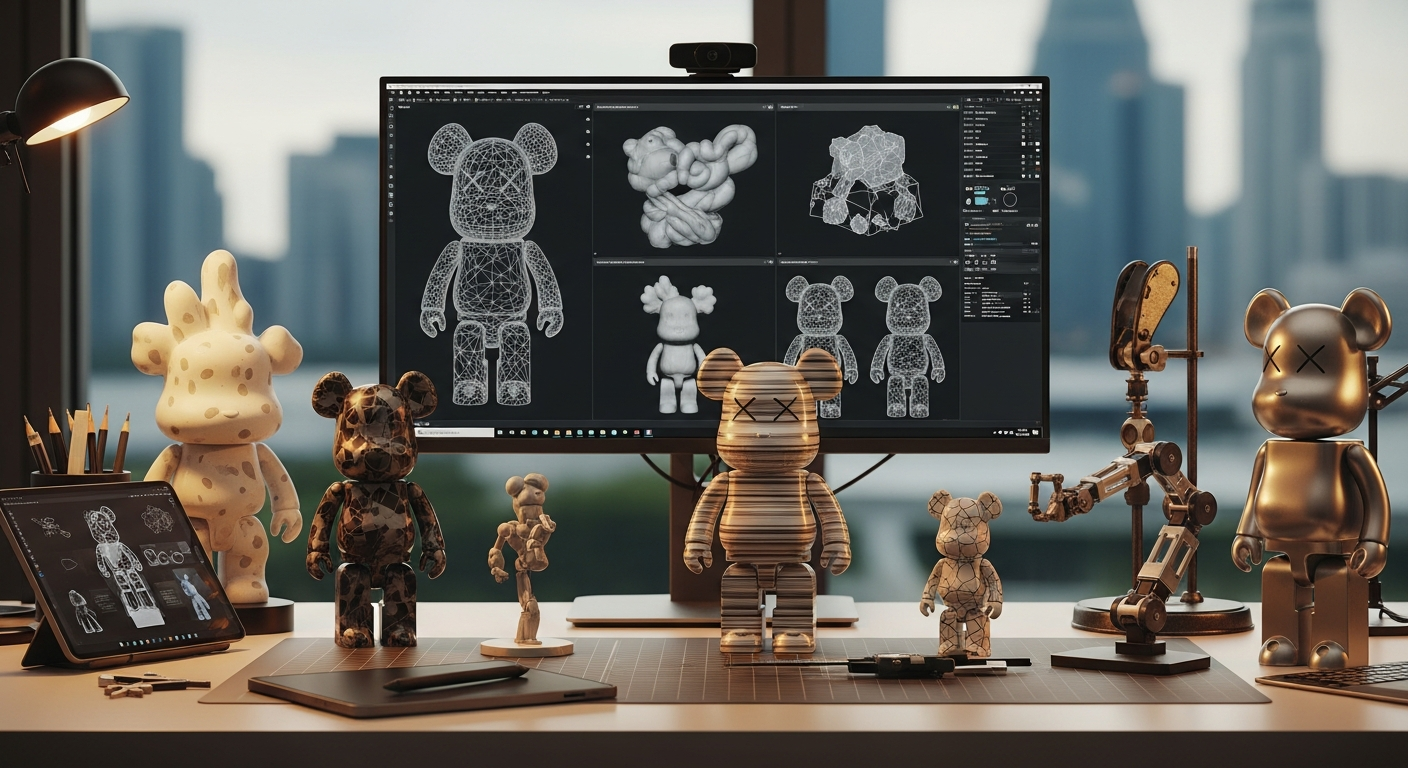

Singapore’s design scene continues to evolve rapidly into 2026, blending high-precision manufacturing, consumer-driven aesthetics, and an appetite for locally-made, sustainable goods. Whether you are a brand designer, an independent creator, or a collector, understanding the practical processes and trends behind lifestyle product design Singapore and custom figurine design Singapore will help you move from concept to market with higher confidence and lower risk.
This article breaks down the current landscape, practical workflows, material choices, and business considerations that matter most in 2026.
Singapore’s strategic position — as a gateway between East and West — is coupled with a robust supply-chain network, a strong services economy, and design-forward consumers. The country’s established design institutions and maker communities create an ecosystem where small-batch production, rapid prototyping, and premium artisan work can coexist with more industrial approaches.
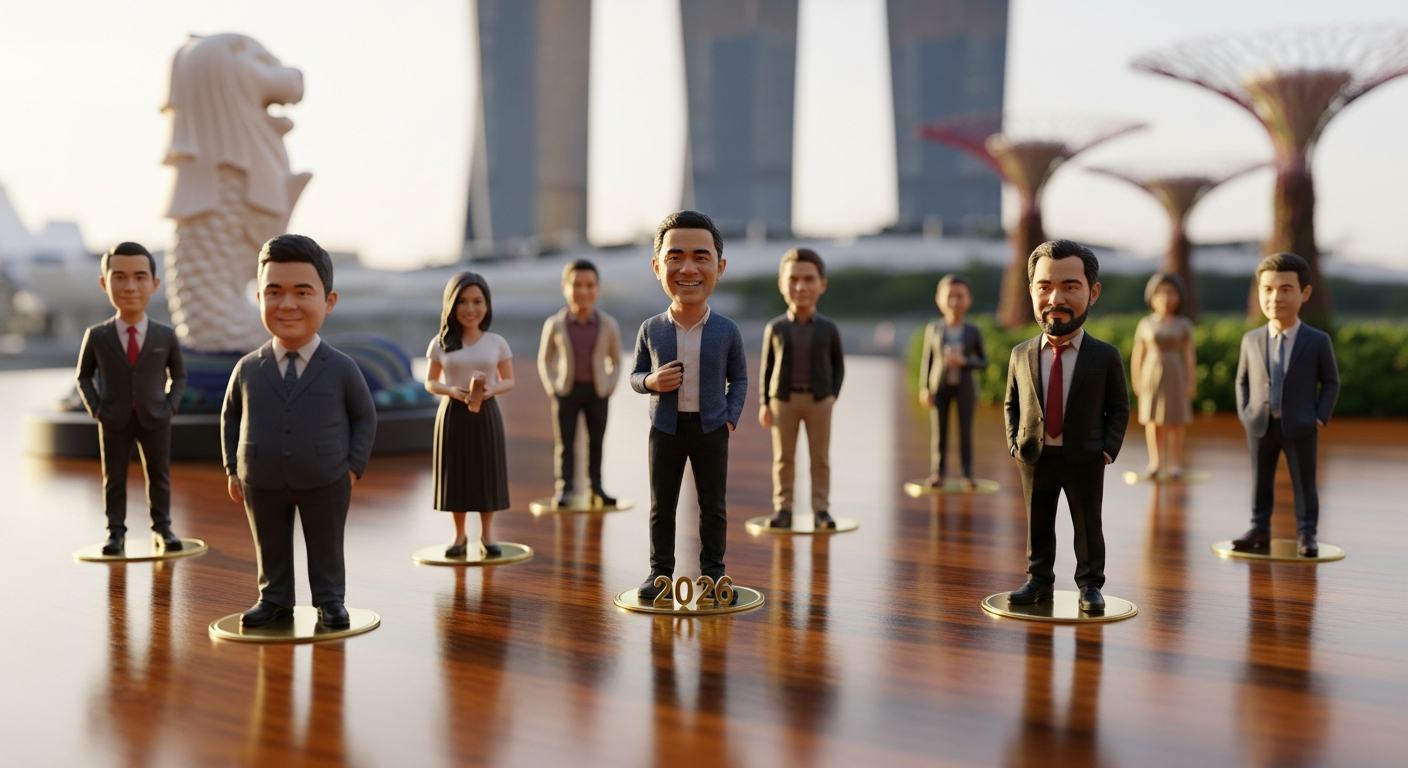
For creators focused on lifestyle product design Singapore offers clear advantages: fast turnaround for prototypes, proximity to Southeast Asian manufacturing partners for scaling, and a local market that values craft, sustainability, and limited-edition drops. Similarly, the city-state is fertile ground for custom collectibles: hobbyists, KOLs, event organizers, and lifestyle brands look to bring narrative-driven, tactile objects into physical form.
These trends are practical drivers for anyone focused on lifestyle product design Singapore or custom figurine design Singapore: they influence lead times, pricing and the choice of partners.
A repeatable workflow reduces cost and improves final quality. A typical path in 2026 looks like this:
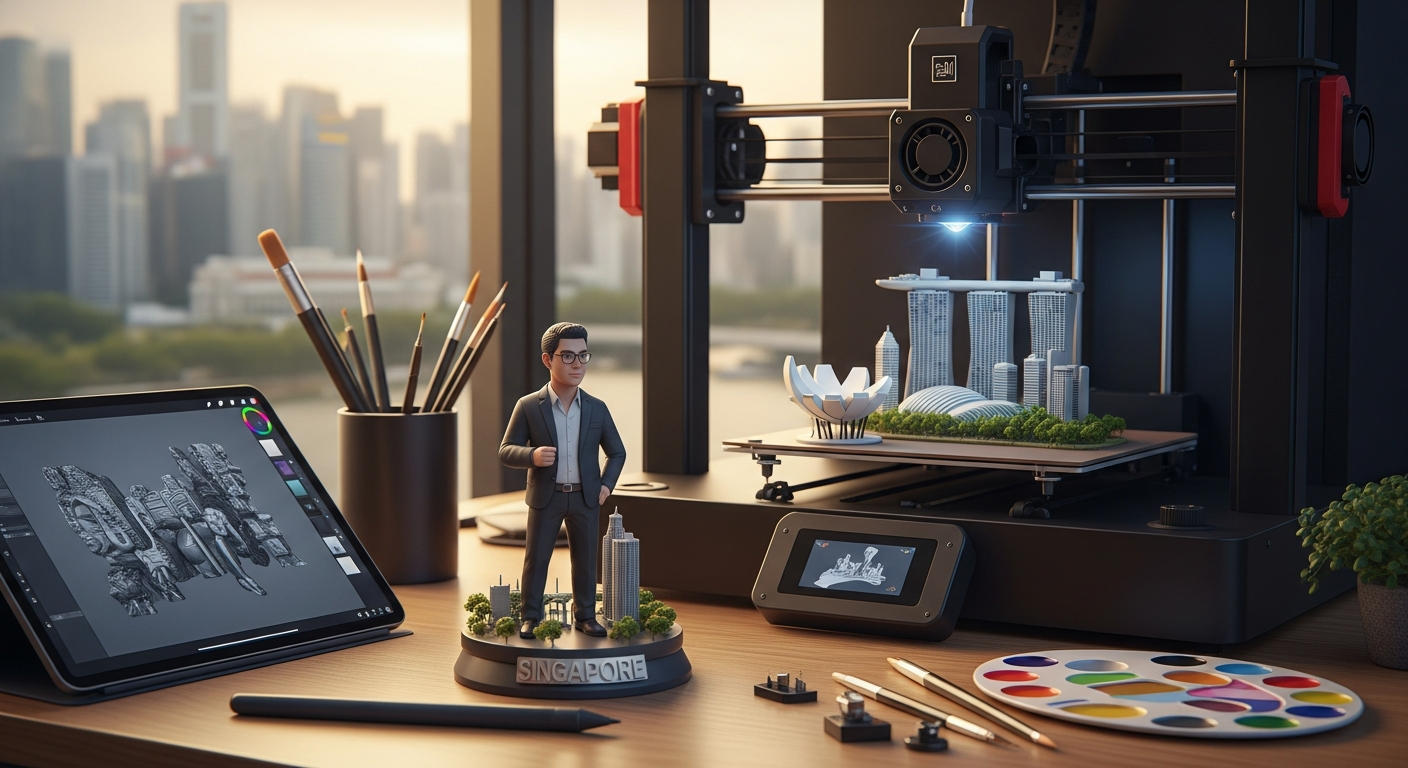
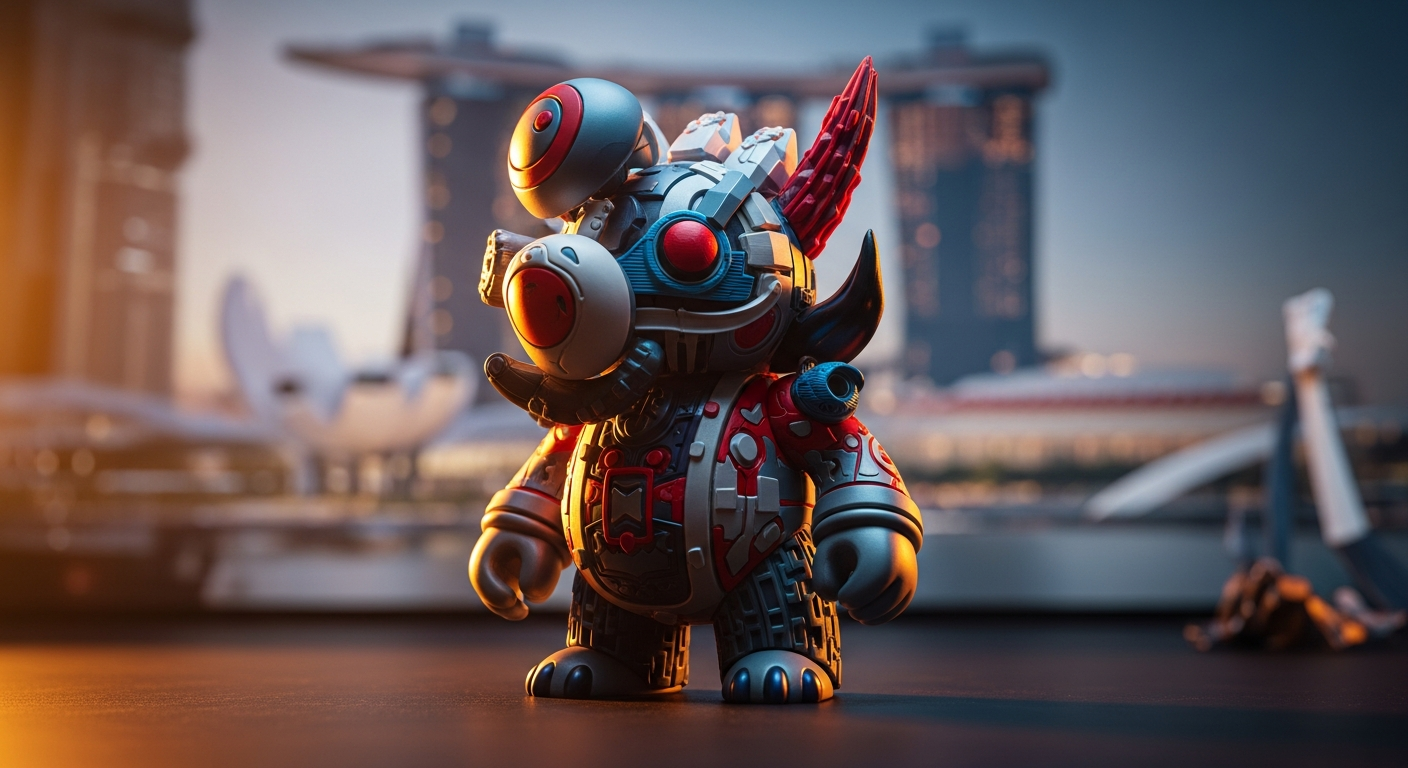
For art toys and collector figurines, CAD modeling is central to creating repeatable, production-ready parts while preserving sculptural nuance. See a focused look at CAD modelling workflows and market trends in local art toy design here: art toys design trends 2026.
Choosing the right materials early reduces rework. Common options:
Finishing matters for lifestyle products: soft-touch coatings, rubberized paints, translucency effects, and metallic lacquers change perceived value dramatically. Designers should define target finish levels in the prototype phase to avoid surprises in tooling.
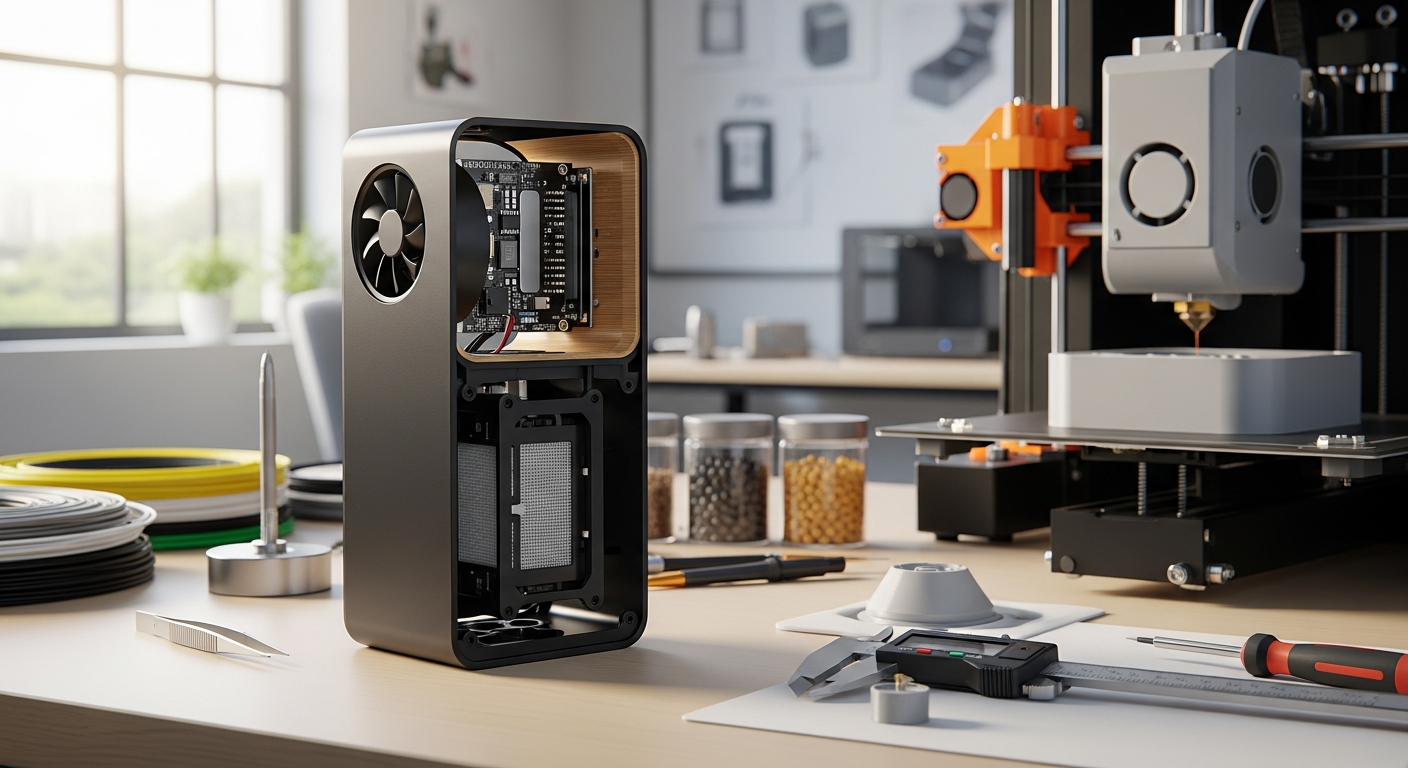
To understand how FDM-driven prototyping supports quick product iterations and rapid scaling in Singapore, review these practical insights: FDM 3D printing Singapore rapid prototyping 2026.
Figurines demand attention to character, structural integrity, and ease of finishing. Key design rules:
If you’re exploring how to convert character concepts into collectible runs or one-off commissions, the Singapore-focused guide to custom figurine production outlines common workflows and business models: custom figurine design Singapore.
Sustainability isn’t just a trend: it’s becoming a baseline expectation. For lifestyle brands, sustainable product design can mean material selection (recycled PETG, bio-PHA filaments), designing for repairability, and choosing local manufacturing to reduce logistics emissions.
Local production in Singapore enables tighter quality control, smaller MOQs (minimum order quantities), and faster feedback loops. That combination is ideal for designers testing multiple colorways or limited-edition figurines. Learn how sustainable approaches integrate with modern manufacturing in this resource: sustainable lifestyle design.
For creators who want to use additive manufacturing as part of an accessible go-to-market plan, read practical case studies that show how FDM and complementary processes enable lifestyle launches: FDM 3D printing for lifestyle product design.
Operational discipline is what turns good design into a profitable product. Keep production-ready files, color recipes, and finishing specifications centralized to allow fast reorders and consistent quality.
In 2026, the intersection of design thinking, accessible prototyping and thoughtful manufacturing gives Singapore-based creators a competitive edge. Whether you focus on lifestyle product design Singapore or specialize in custom figurine design Singapore, the path to market depends on tight iterations, strong material choices, and partnerships that understand both craft and scale.
The market rewards designers who balance creative ambition with practical execution: clear CAD models, smart material selection, and adaptable production strategies. Armed with the right workflow and the ecosystem Singapore provides, makers can bring compelling, collectible and sustainable products to life.