
Introduction
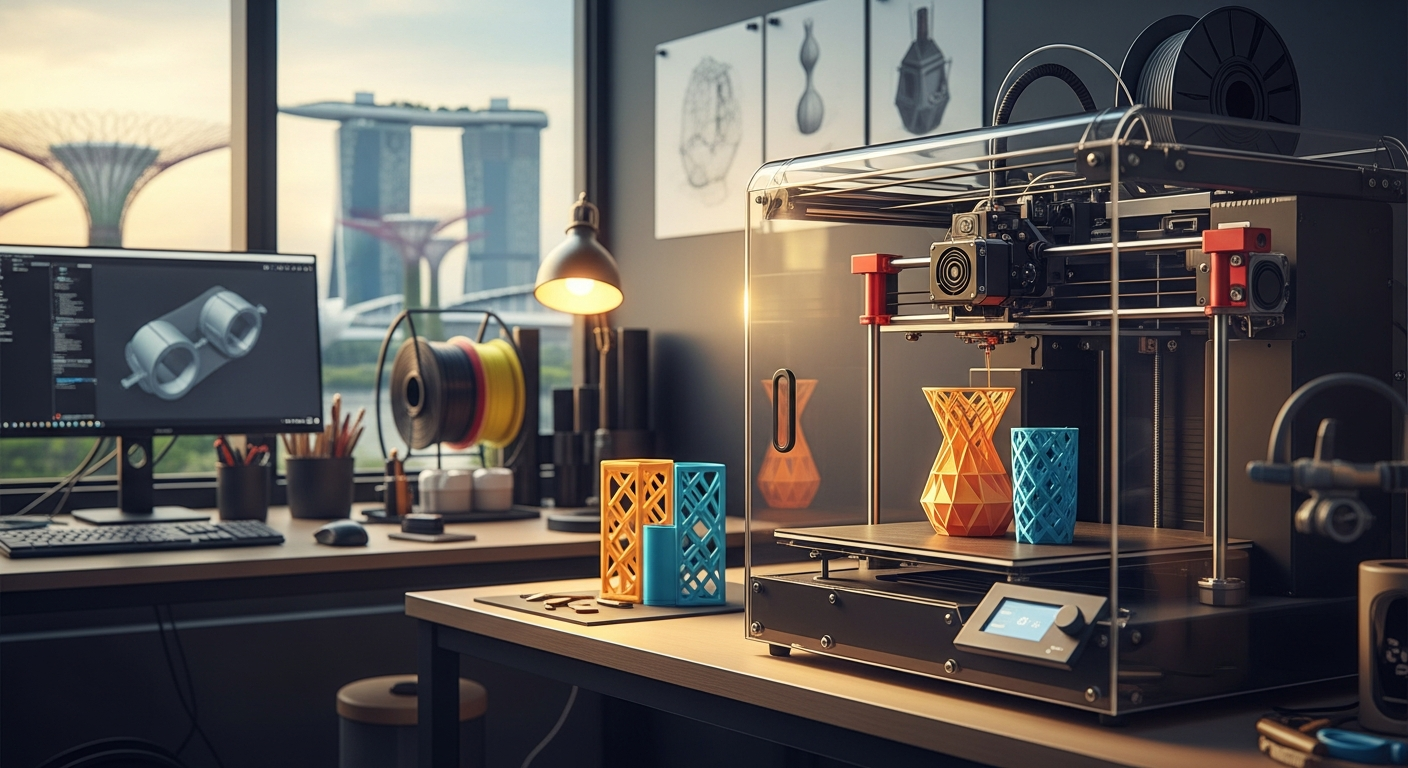
In 2026, lifestyle product makers in Singapore are using FDM 3D printing to compress design cycles, reduce upfront costs, and experiment with forms that were once costly or impossible to produce. This technology is now an indispensable tool for independent designers, small studios, and brands looking to bring differentiated consumer goods to market quickly. This article explores practical workflows, design-for-manufacturing tips, materials and finishes, and where to access services locally so you can leverage FDM capabilities effectively for lifestyle product design in Singapore.
Why FDM is a Smart Choice for Lifestyle Product Design in Singapore
Fused Deposition Modeling (FDM) remains one of the most accessible and scalable additive manufacturing methods. For lifestyle product design in Singapore, FDM offers several advantages:
- Cost-efficiency: Desktop and industrial FDM printers lower the barrier for prototyping and short production runs compared with injection molding.
- Speed: Rapid iterations let designers test ergonomics, assembly, and aesthetics within days rather than weeks.
- Material variety: From rigid PLA and ABS to flexible TPU and advanced engineering filaments, designers can mimic final-material behavior early in development.
- Local ecosystem: Singapore’s maker spaces, specialized service bureaus, and design studios provide both hands-on access and contract manufacturing options.
These strengths make FDM ideal for tangible products like home accessories, wearables, small furniture components, and collectible objects that require tactile refinement.
Design-for-FDM: Practical Principles for Better Parts
Designing for FDM (DfAM) means thinking about layer-based construction, anisotropy, and post-processing from the start. Useful rules-of-thumb for lifestyle product designers:
- Orient for strength and finish: Align load-bearing features with filament paths to improve strength. Orient visible surfaces to minimize support contact for a cleaner finish.
- Manage overhangs and bridges: Keep overhangs under 45 degrees or add chamfers. Short bridges are usually fine without supports; long ones will need design changes or temporary supports.
- Specify tolerances for mating parts: Typical FDM clearance is 0.2–0.5 mm depending on printer precision. Design snap-fits with material flexibility and expected print variance in mind.
- Simplify assembly: Design for snap-fit assembly, living hinges with TPU, or integrate fastener channels to reduce post-assembly labor.
- Use fillet radii and chamfers: Sharp corners concentrate stress and print poorly; fillets help flow and finish.
These principles help translate a concept sketch into a printable, functional prototype or a limited-production component.
Materials and Finishes: Matching Look, Feel, and Function
Material selection is crucial for lifestyle products where aesthetics and tactile experience matter as much as function. Common and emerging filament options in 2026 include:
- PLA & PLA++: Easy to print, biodegradable options exist; good for visual prototypes and many consumer goods.
- PETG: Tougher and more chemically resistant than PLA—suitable for functional components.
- ABS & ASA: Higher temperature resistance and better long-term outdoor performance; ASA resists UV better—useful for outdoor lifestyle products.
- TPU & TPE: Flexible filaments for wearable elements, grips, and soft-touch features.
- Composite filaments: Carbon fiber or wood-filled filaments provide unique textures and enhanced stiffness.
- Recycled-biomass filaments: Increasingly available in Singapore, supporting circular product strategies.
Post-processing finishes elevate an FDM part from prototype to product-ready: sanding and primer, chemical smoothing (where safe and permitted), epoxy coatings for a smooth, glossy surface, and multi-stage painting or hydro-dipping for premium aesthetics.
From Prototype to Small-Batch Production: Workflows and Economics
FDM bridges the gap between prototyping and low-volume production. Here’s how to scale sensibly:
- Rapid iteration loop: Use in-house printers for 1–5 prototypes per day to refine ergonomics and assembly. Once shapes and mechanics are validated, move to higher-quality printers or service bureaus for final parts.
- Batch printing strategies: Nest multiple parts in a build plate, optimize orientation to balance strength and surface finish, and utilize soluble supports for complex geometries.
- Cost drivers: Print time, material, post-processing, and labor dominate unit costs. For small runs (10–500 units), FDM can be competitive if design minimizes per-part finishing.
- Hybrid production: Combine FDM with CNC, laser cutting, or molded inserts for a premium finish. Use FDM for customized or decorative parts and traditional methods for structural elements.
Local service providers in Singapore now offer integrated CAD-to-part pipelines and small-batch production that can be a cost-effective alternative to international fabrication and long tooling lead times.
Sustainability and Compliance in Product Design
Sustainability is no longer optional. Designers in Singapore are applying circular principles to lifestyle products:
- Material choice: Selecting bio-based, recycled, or easily recyclable filaments reduces lifecycle impact.
- Modular design: Make parts replaceable so products can be repaired rather than discarded.
- Waste reduction: Optimize print orientation and packing to minimize support material and scrap.
- End-of-life planning: Design parts to be separable by material for easier recycling.
Additionally, compliance for consumer goods—electrical safety, chemical exposure, and labeling—must be considered early. For instance, when printing parts for food-contact or wearables, choose certified materials and follow Singapore’s relevant product safety guidelines.
Real-World Use Cases: How Artists and Brands Are Leveraging FDM
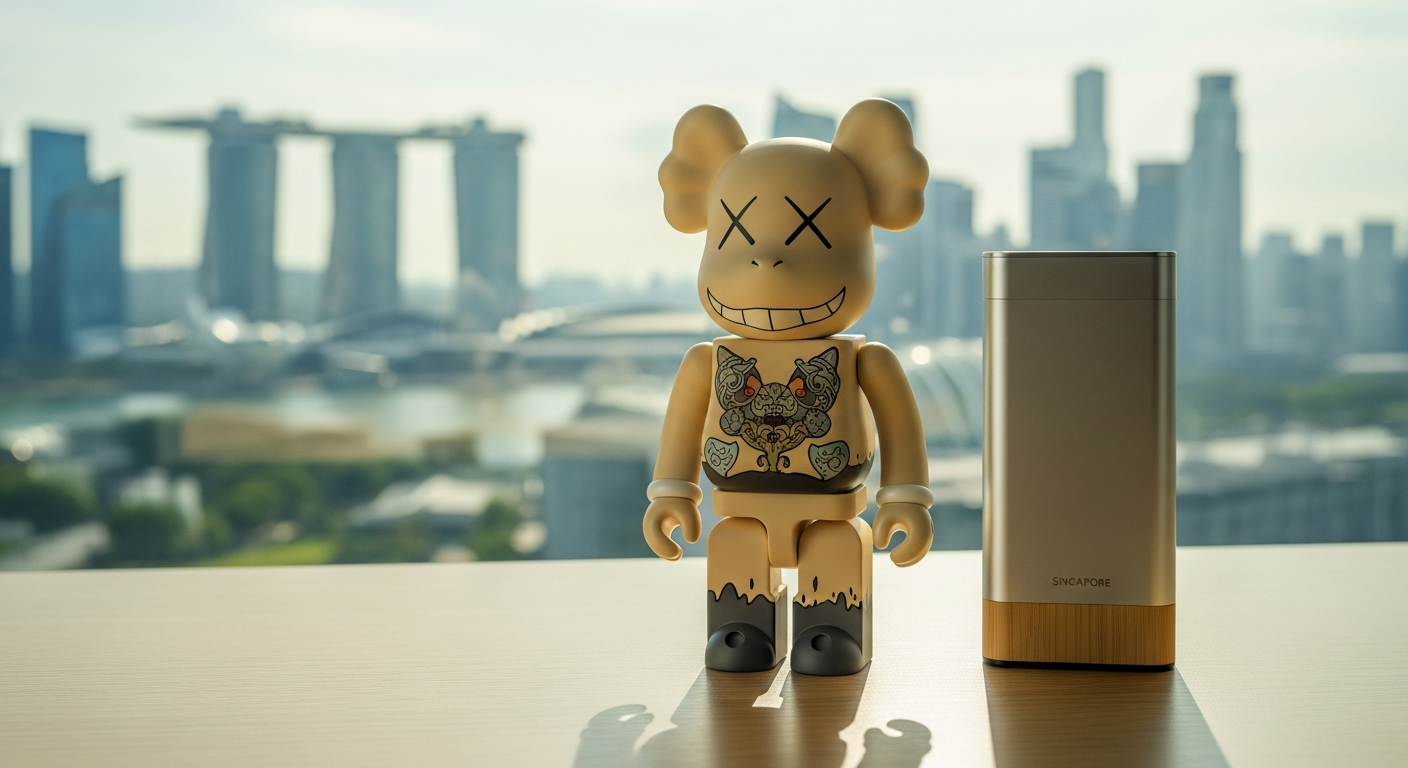
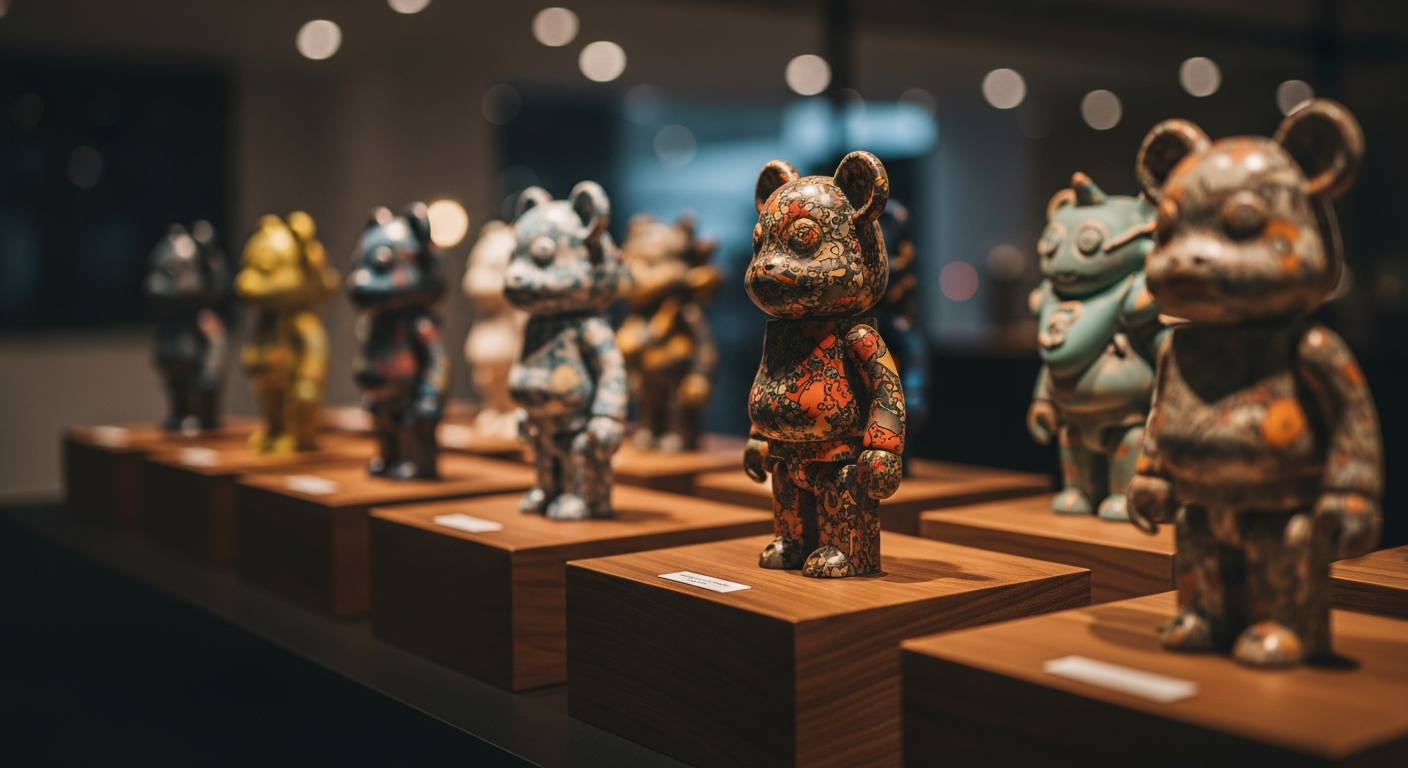
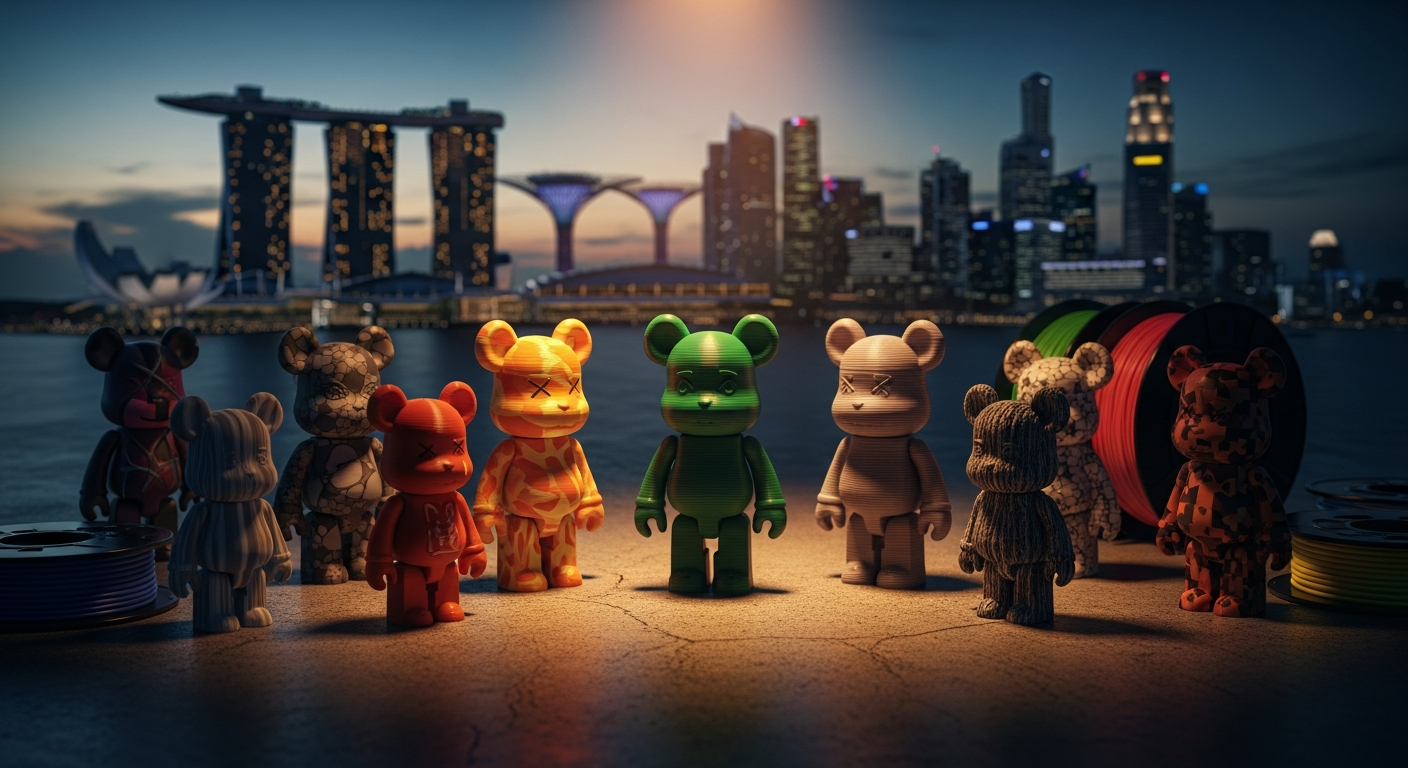
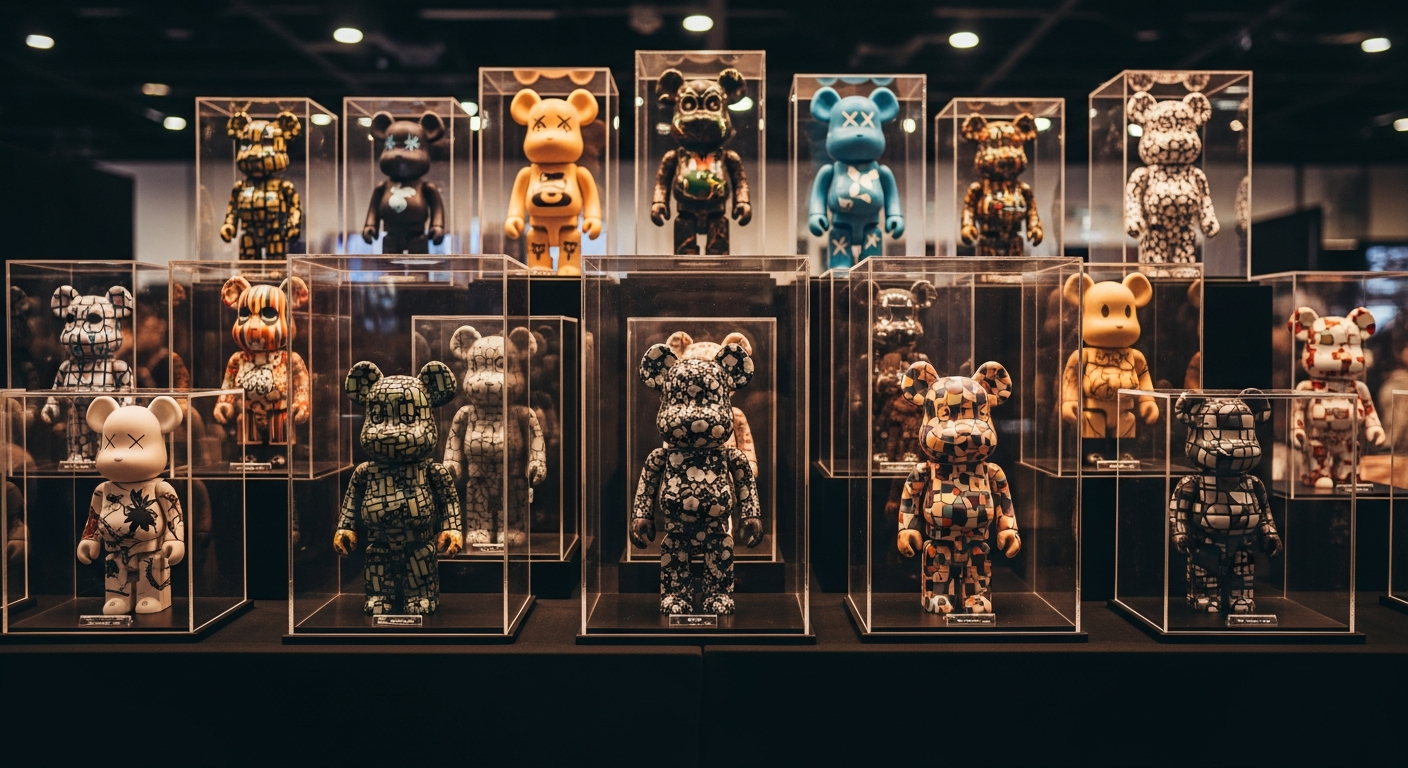
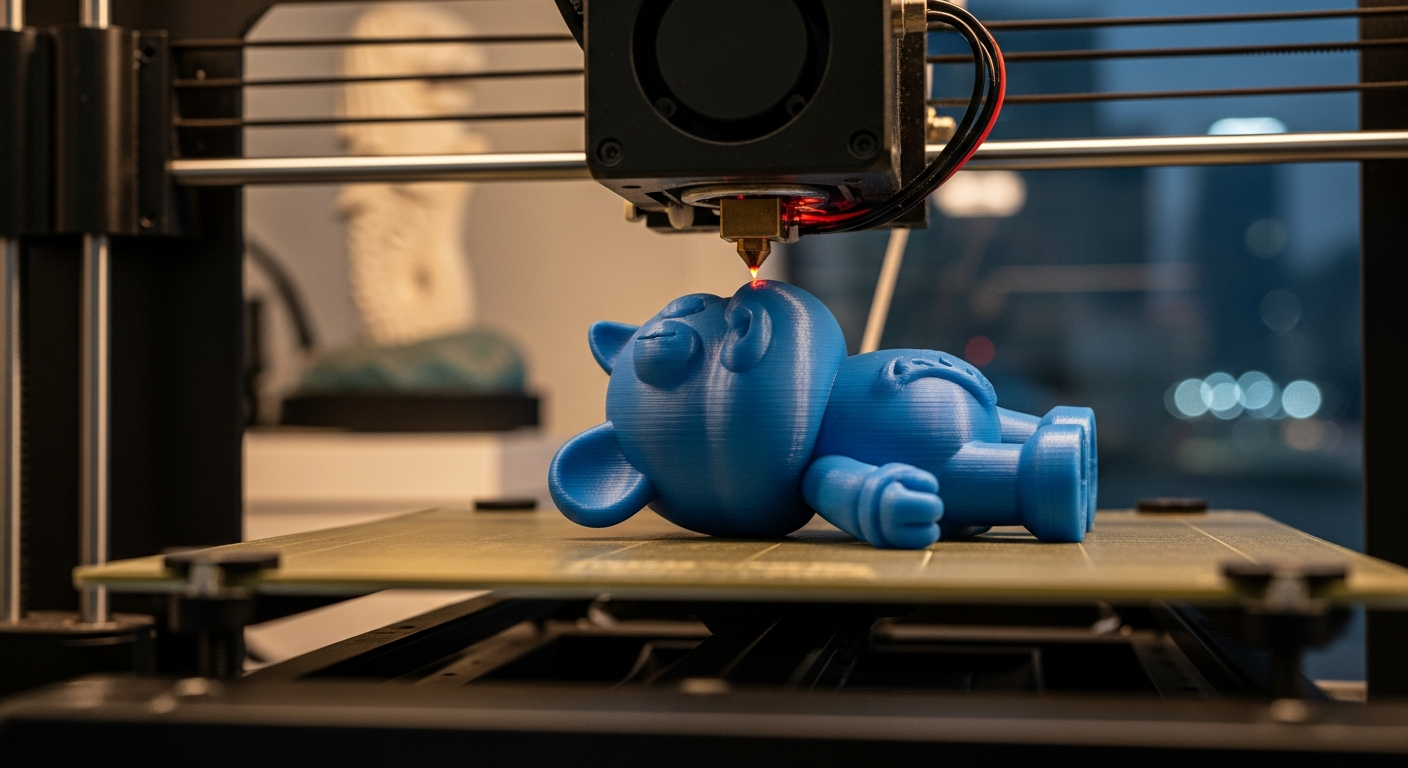
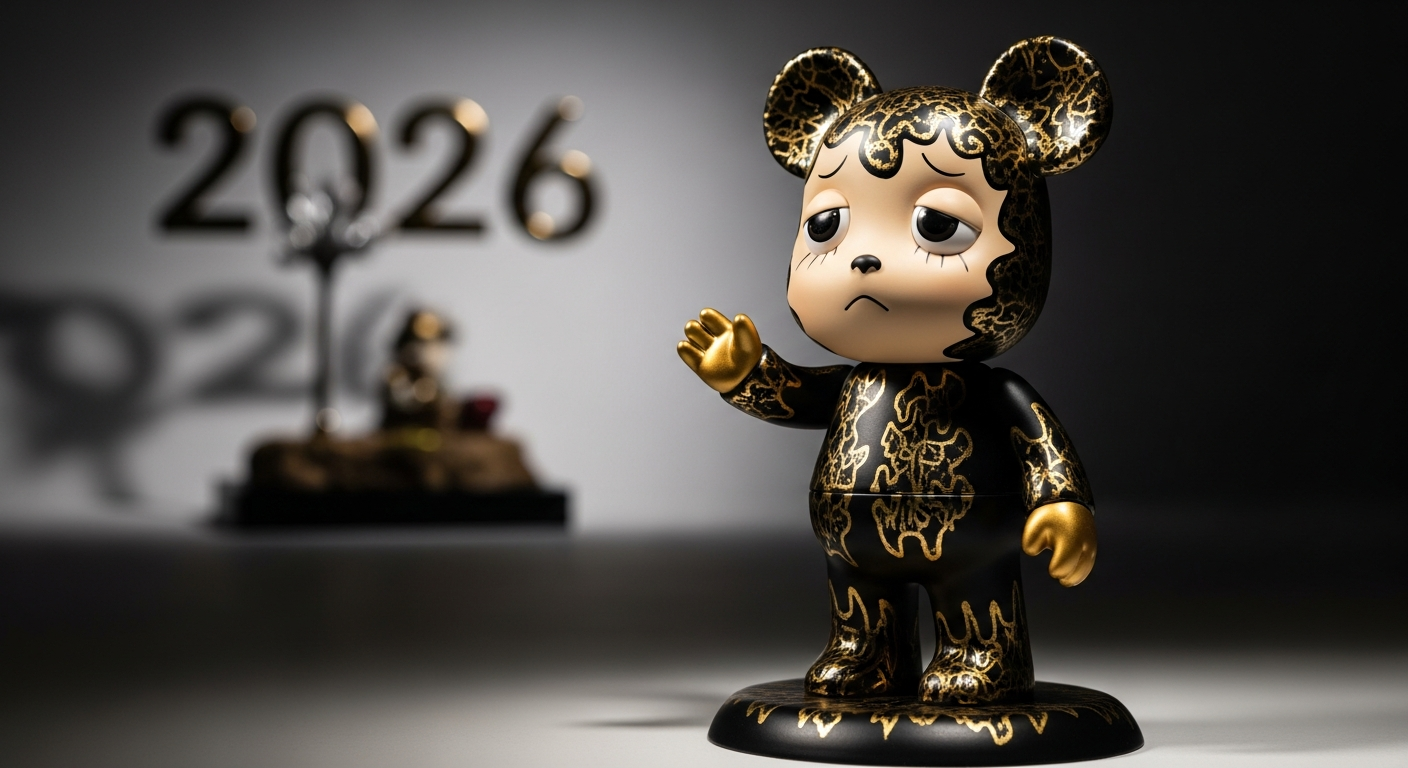
Across Singapore, artists and small brands are using FDM to produce collectible objects, lifestyle accessories, and limited-run goods. Examples include art toys with complex internal cavities, tactile homewares featuring multi-material assemblies, and personalized consumer goods produced in micro-batches. For inspiration and practical insights into local use, see how Singapore artists harness FDM for art toys and limited editions in these resources: how Singapore artists use FDM 3D printing for art toys, and the limited edition art toys collectible guide.
Where to Access FDM Services and CAD Support in Singapore
If you don’t run your own fleet of printers, Singapore has an emerging network of studios and bureaus offering everything from prototyping to small-batch production. These services often include CAD optimization, material consulting, and post-processing. Useful entry points:
- Studio-based 3D printing and consulting for lifestyle product makers: Singapore 3D printing for lifestyle product design.
- Integrated CAD modeling plus FDM production for fast turnarounds: 3D printing service Singapore and CAD modeling.
- Rapid prototyping experts who pair design for FDM with production-ready CAD strategies: best CAD modeling and rapid 3D prototyping.
These local options reduce shipping time and make iterative collaboration—design reviews, test prints, and finishing trials—far easier.
Practical Checklist for Your First FDM Product Project
Use this checklist to keep development efficient:
- Define product constraints: target price, materials, expected lifetime, and regulatory needs.
- Create a rapid prototyping schedule: plan sprints for form, fit, and function tests.
- Choose material families early: prototype in representative filaments to validate feel and strength.
- Design with assembly and finishing in mind: minimize separate parts and simplify post-processing.
- Engage a local service for a production trial run: print a small batch to refine processes and costs.
A deliberate process reduces surprises and ensures the final product meets both brand expectations and user needs.
Closing: Embrace Iteration and Local Networks
FDM 3D printing in Singapore has matured into a practical, cost-effective pathway for lifestyle product design in 2026. By combining thoughtful DfAM, modern materials, sustainable practices, and local service partnerships, designers can go from idea to market faster while retaining control over customization and quality. For hands-on production and CAD collaboration tailored to small brands and artists, consider the full-service options and creative case studies available through local studios and bureaus, including integrated design-to-print providers: Singapore 3D printing for lifestyle product design, 3D printing service Singapore and CAD modeling, and best CAD modeling and rapid 3D prototyping. For creative product applications and collectables, explore insights on limited editions and artist practices at limited edition art toys and how Singapore artists use FDM 3D printing for art toys.
Start with a small prototype, iterate quickly, and use Singapore’s local resources to scale thoughtfully.