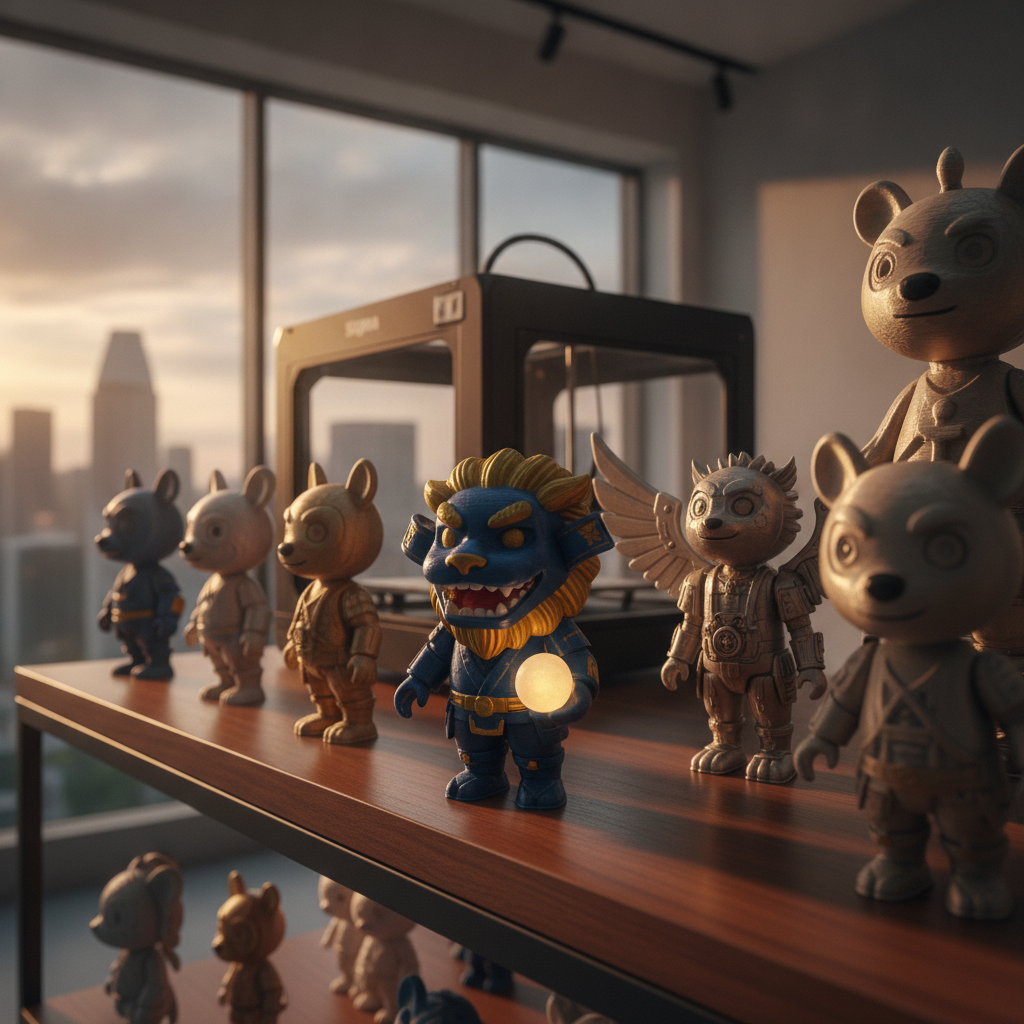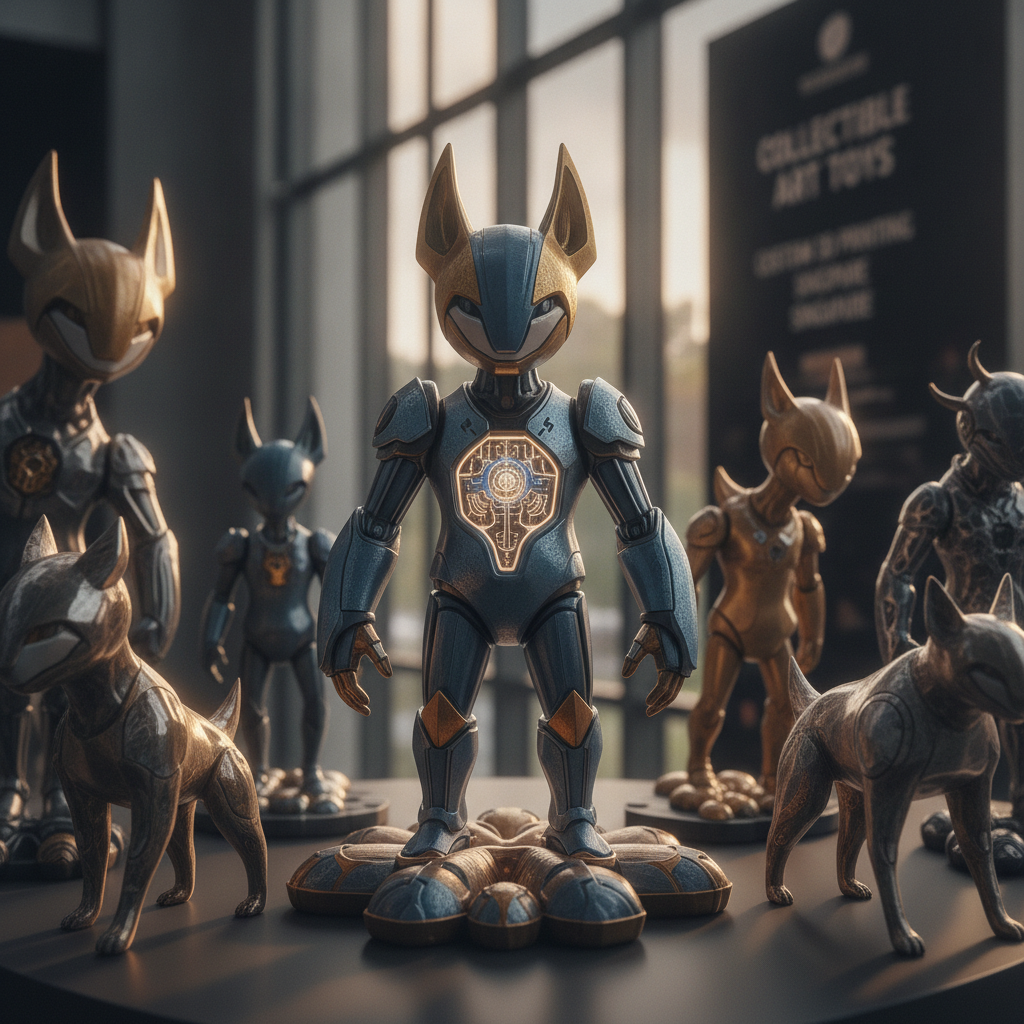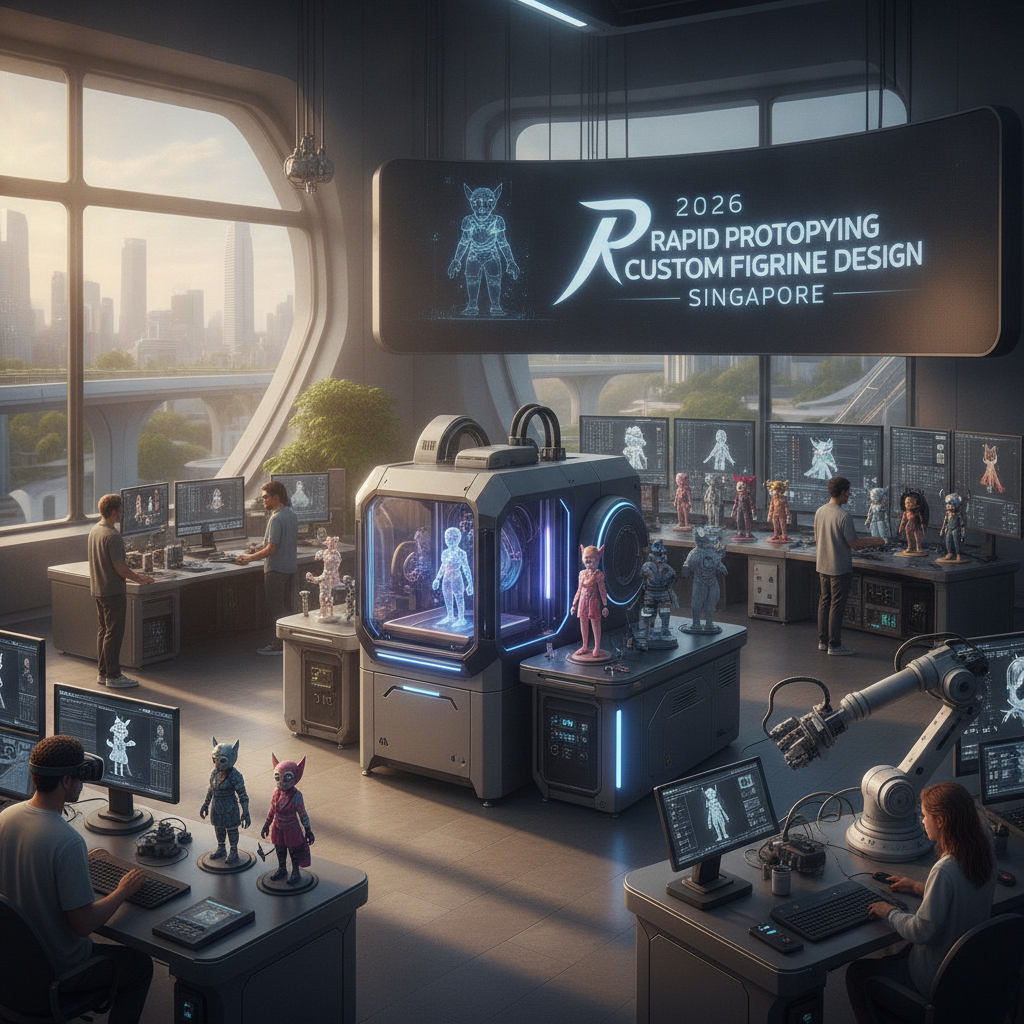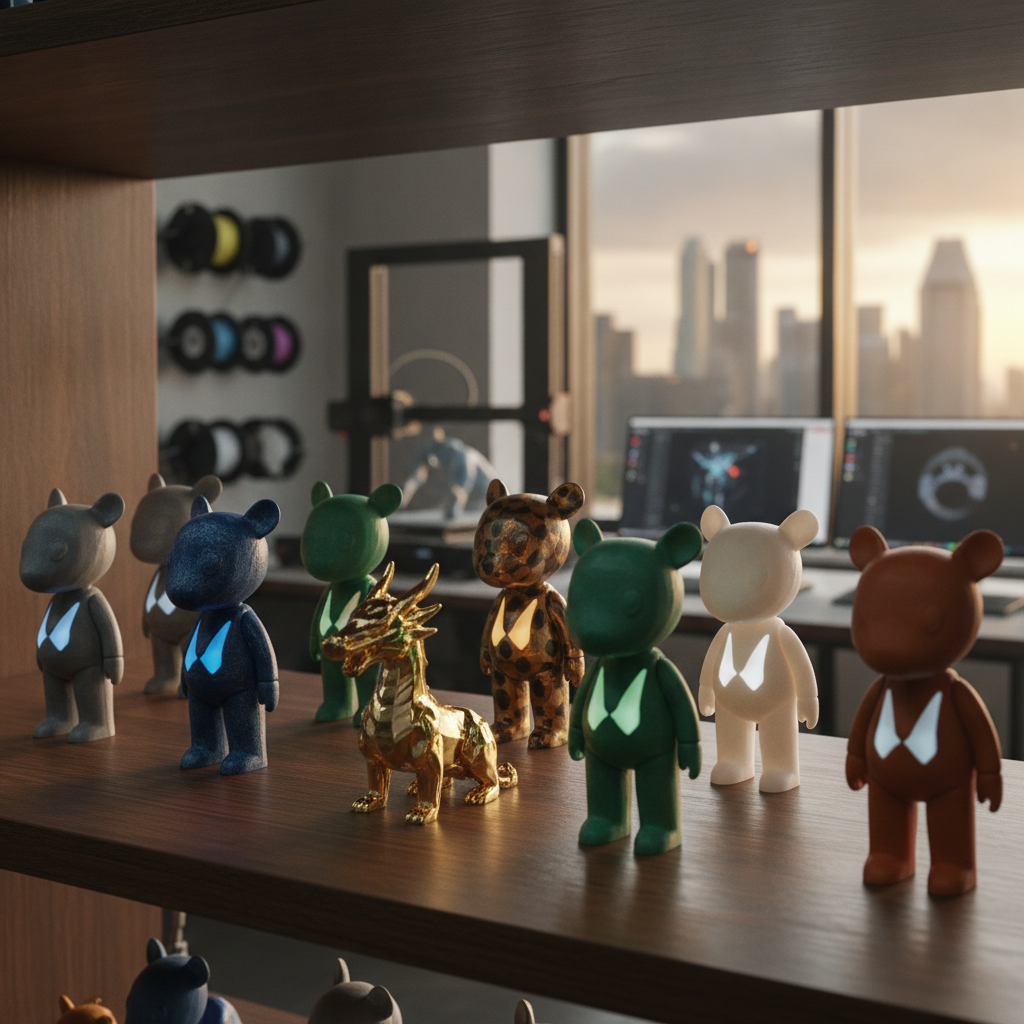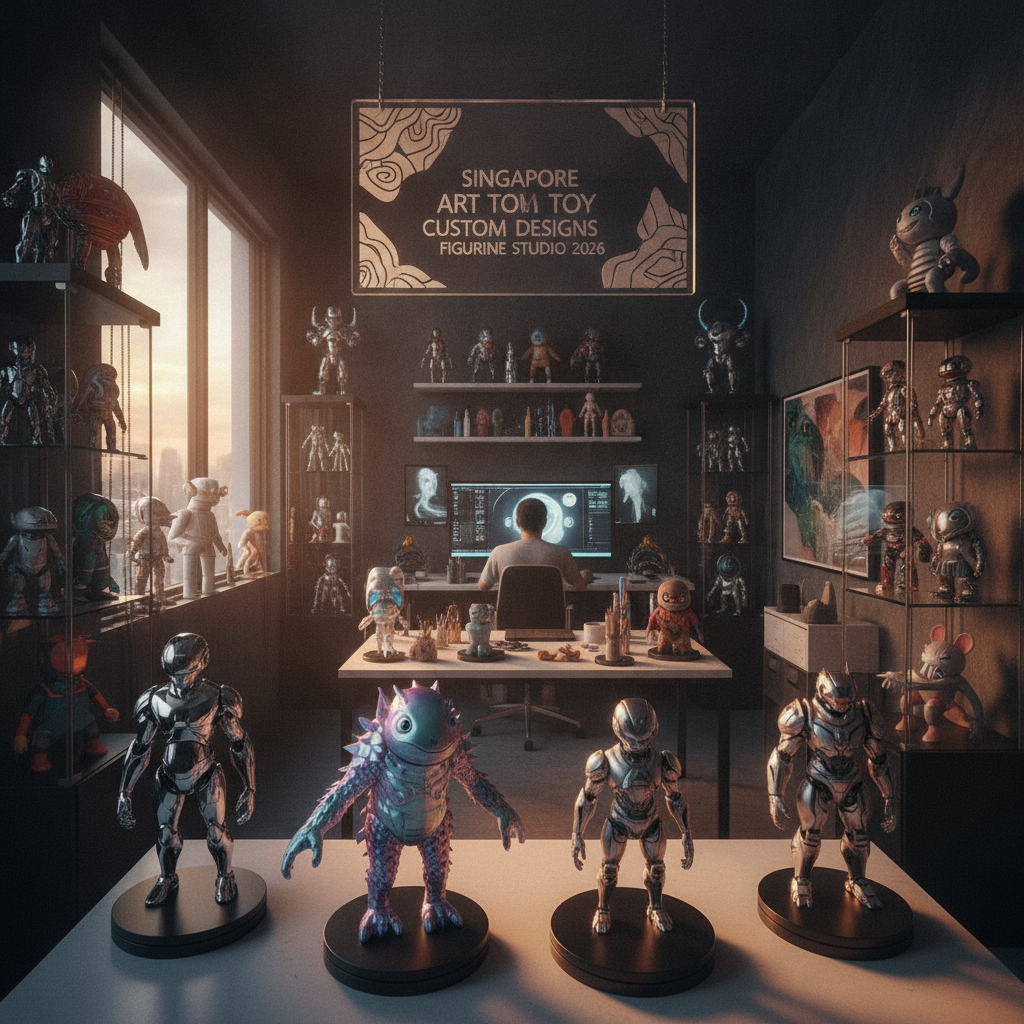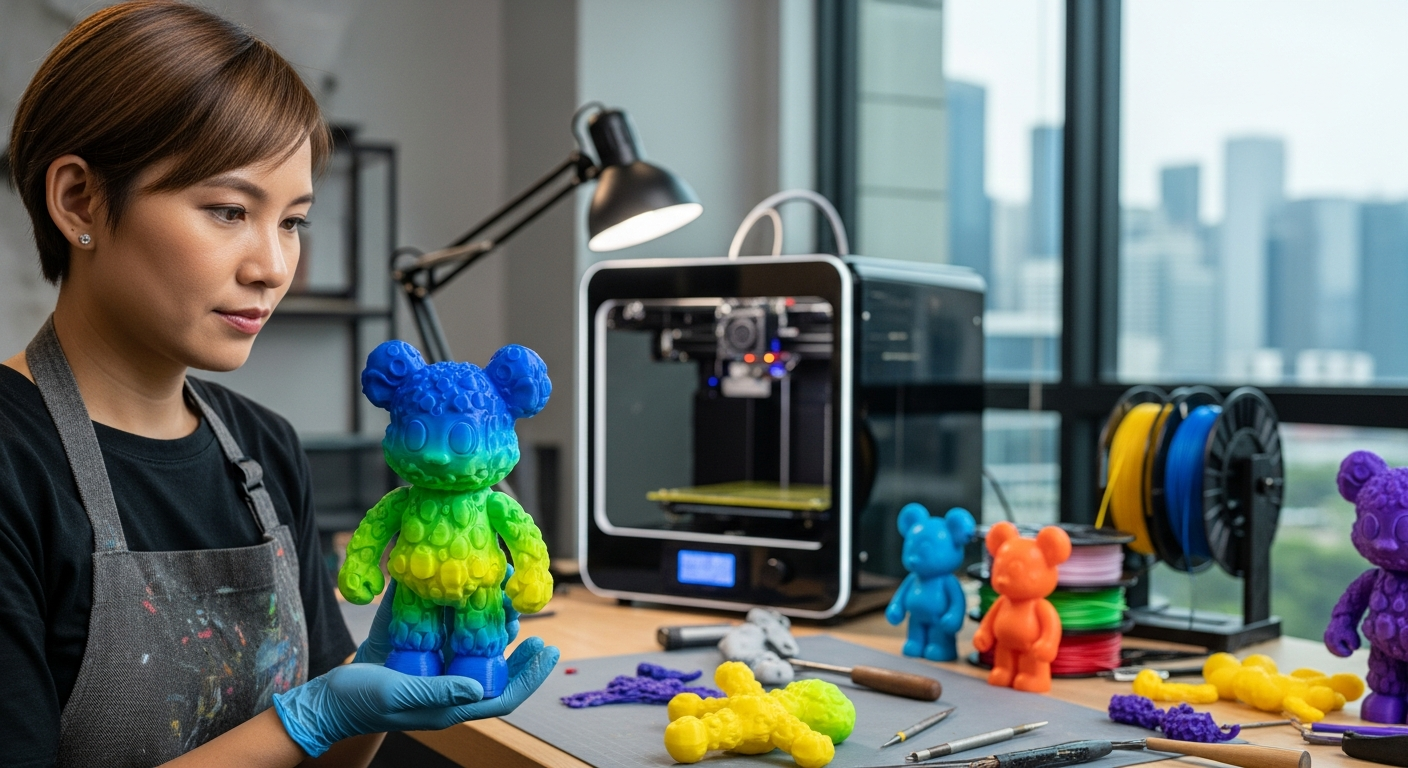
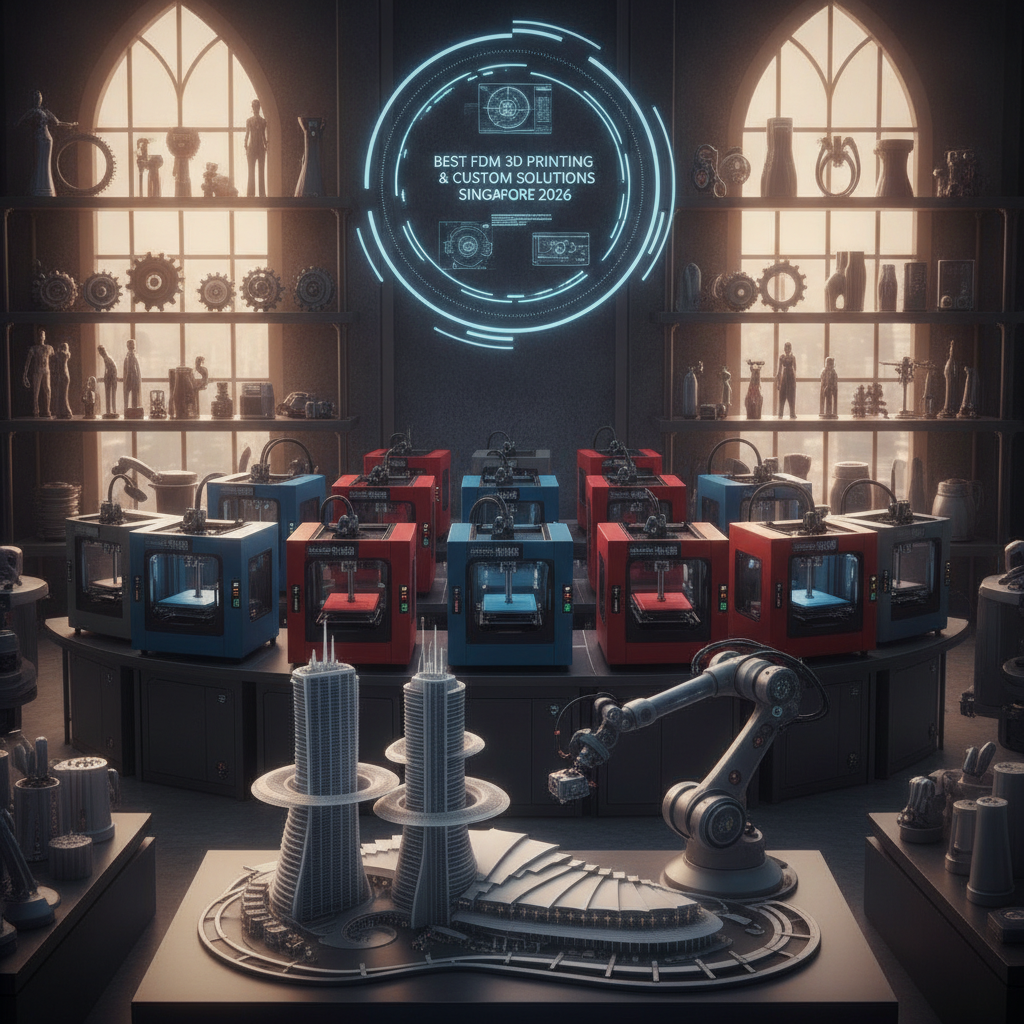

In 2026, Singapore’s creative scene has embraced FDM 3D printing as a practical, affordable way to produce art toys and collectible figurines. From independent illustrators experimenting with limited drops to studios producing small-batch collectibles, FDM (Fused Deposition Modeling) has become central to how artists iterate, prototype, and commercialize physical designs. This article breaks down why FDM is popular here, the techniques artists use, and how local resources and services support high-quality art toys that stand out in a crowded market.
FDM printing is widely used because of its accessibility and cost-effectiveness. For Singapore-based artists operating on tight studio budgets or navigating small production runs, FDM printers deliver a balance of speed, material options, and scalability. Key reasons artists choose FDM include:
Local creative entrepreneurs also benefit from Singapore’s dense design ecosystem, where rapid prototyping and finishing services are readily available. Artists who prefer to outsource stages of production often connect with specialised studios for refined finishes and castings; artists exploring full-service options can find targeted support such as Singapore custom figurine design.
Material choice shapes the look, feel, and durability of art toys. PLA remains popular for its ease of printing and vibrant color availability, while PETG and ASA are chosen when artists need more toughness or outdoor resistance. For higher heat tolerance and more robust parts, nylon blends and carbon-fiber-filled filaments are used, though they demand more advanced printers.
Common hardware used by Singapore artists ranges from desktop prosumer machines to industrial-grade FDM systems for larger batches. Key features artists prioritize:
Artists balancing cost and quality often combine in-house printing for prototyping with outsourced high-end FDM services for final runs. A directory of local specialists and service providers can help identify the top custom 3D printing and rapid prototyping partners.
A reliable workflow helps keep production predictable and quality high. Typical stages for an art toy project look like this:
Designers often pay special attention to print orientation, wall thickness, and support structures to minimize seam marks and optimize strength. For projects needing a professional design hand, many creators consult on-demand custom art toys 3D printing services to refine files and manage production.
Printing is only part of the journey. Finishing transforms raw FDM parts into museum-quality art toys. Common finishing steps include:
Several Singapore studios specialize in finishing and assembly, helping artists produce collectible-grade runs. Those attempting to scale should consider professional finishing partners and may explore custom figurine design Singapore collectible art toys for advanced finishing workflows.
Art toys are often sold as limited editions, and FDM enables flexible production strategies:
FDM’s affordability makes short-run production financially viable. It also supports rapid redesigns if an early batch reveals a necessary change. Smart artists combine pre-orders with staged production to balance cash flow and fulfillment timelines.
Sustainability is increasingly important to collectors and creators alike. Singapore artists leverage several strategies to reduce environmental impact:
These practices not only reduce waste but also appeal to eco-conscious collectors, creating a marketing advantage for studios that highlight sustainable production.
Singapore’s maker and design communities are tight-knit and resources are abundant. Artists tap into workshops, maker spaces, and private studios for learning and production. Educational institutions and community labs offer courses on 3D modelling, finishing, and hardware maintenance. For artists without studio space or who require professional production, reliable partners provide full-service design-to-delivery pipelines. To explore practical partner options, consider resources like collectible art toys and custom figurine trends Singapore and the specific Singapore custom figurine design services mentioned earlier.
While FDM is central to many projects, artists frequently combine technologies for best results:
This hybrid approach helps artists maximize cost-efficiency while achieving premium surface quality where needed.
A realistic estimate helps maintain profitability. Consider these practical rules of thumb:
If you need design or production support, specialized services for on-demand custom art toys 3D printing can manage timeline-sensitive projects.
Emerging trends shaping the next wave include:
Singapore artists who understand these trends can harness them to lower costs, reduce environmental impact, and deliver distinctive collectible art toys that resonate with global collectors.
FDM 3D printing has matured into a practical, creative tool for Singapore’s art toy makers. It supports rapid experimentation, economical short runs, and hybrid workflows that achieve both quality and scalability. By combining smart material choices, professional finishing, and sustainable practices—and by leveraging local design and production services—artists in Singapore are producing art toys that are competitive on the international stage in 2026.
For creators seeking partner studios, file optimisation, or full production services, resources focused on top custom 3D printing and rapid prototyping and specialised design teams provide the operational backbone for turning designs into collectible realities.