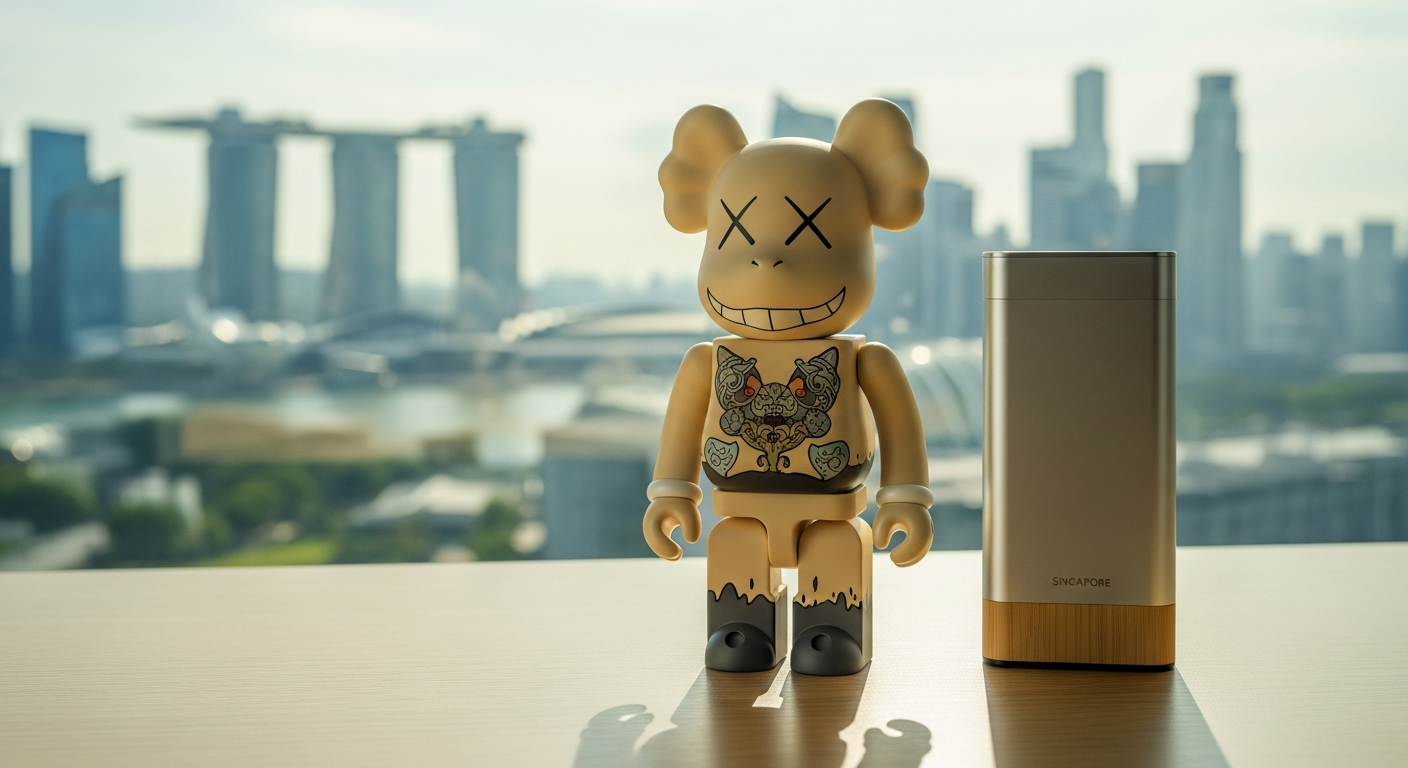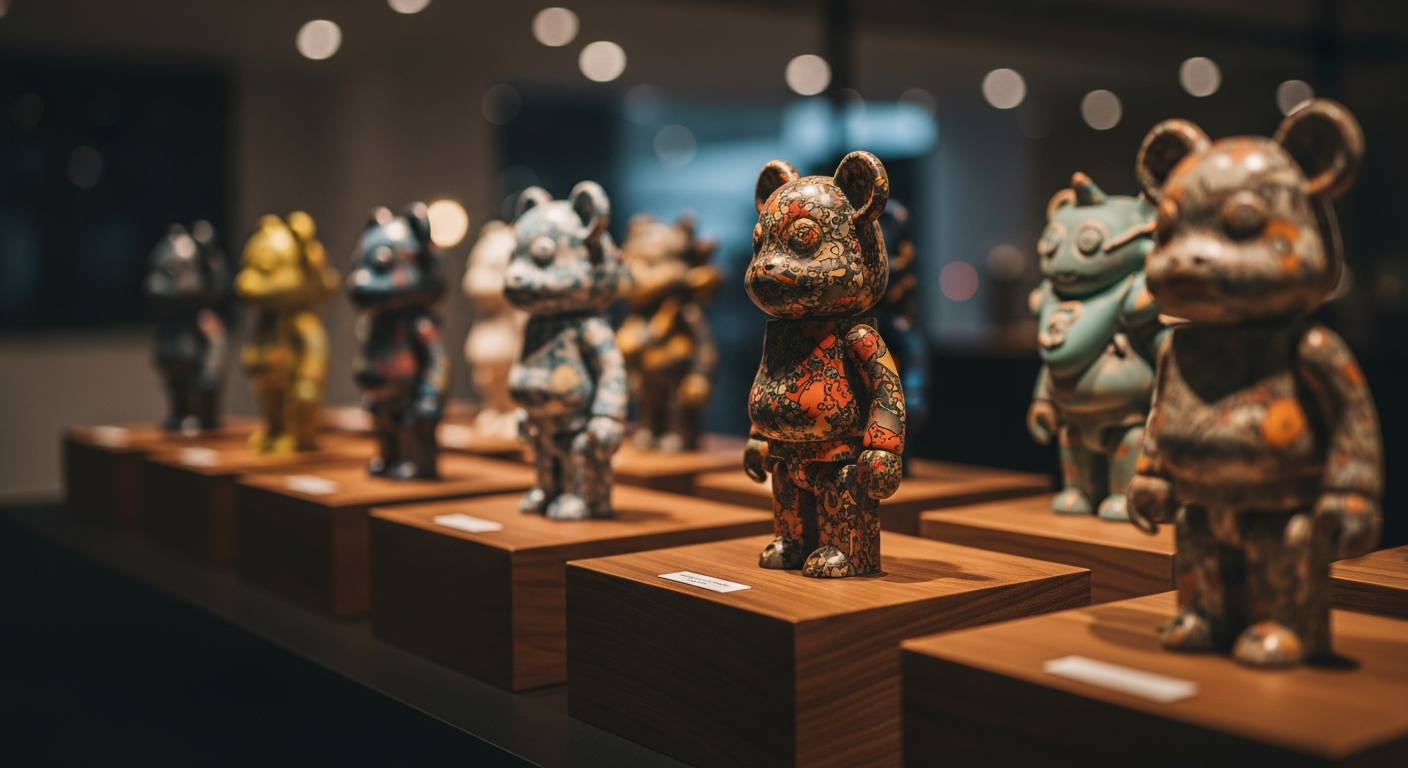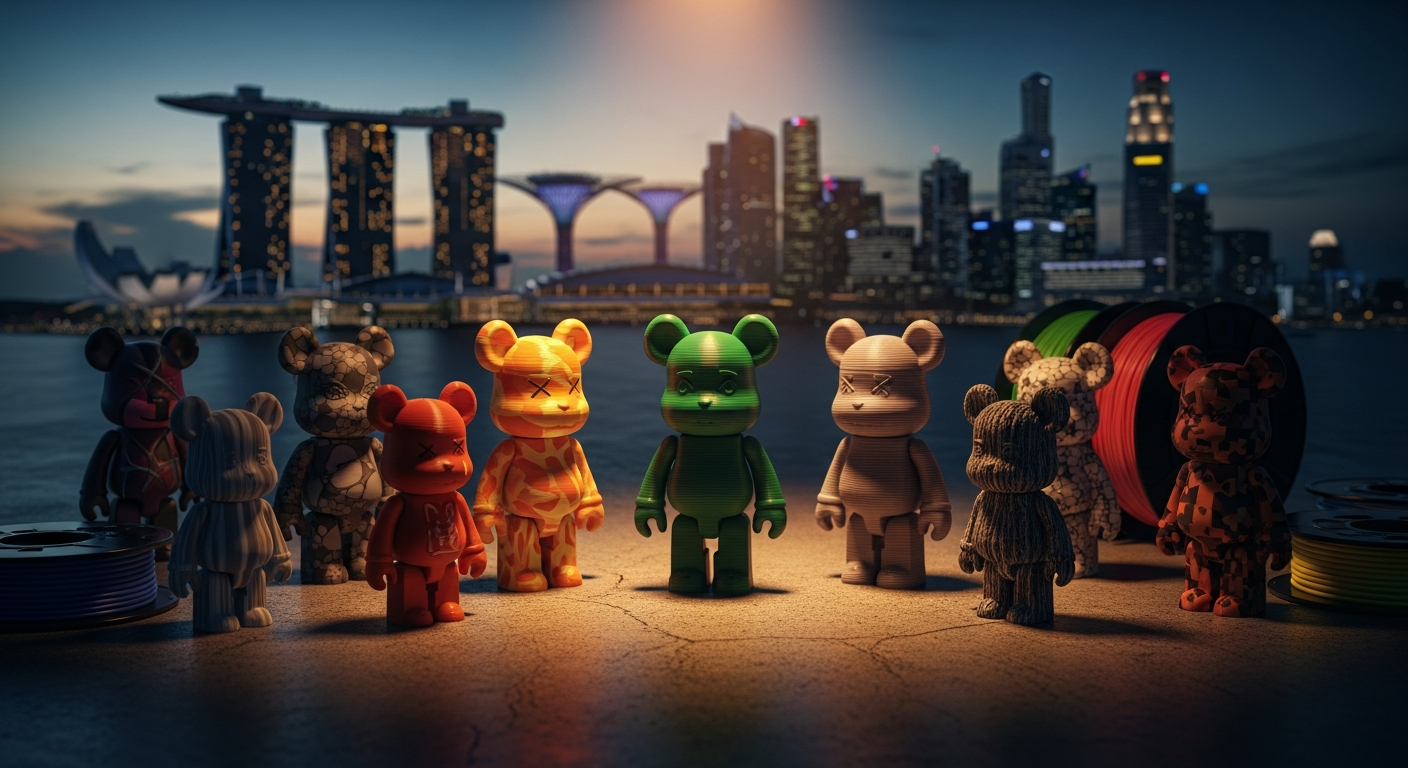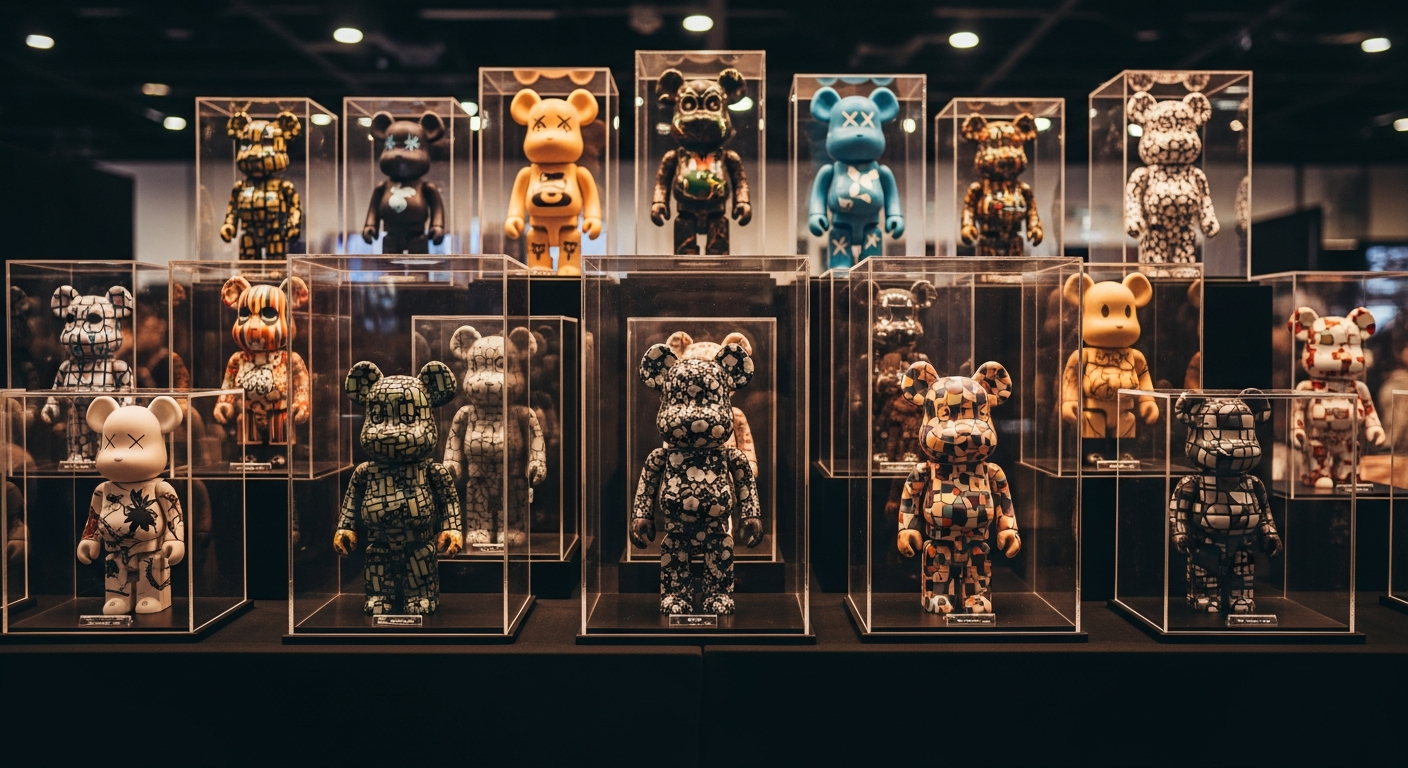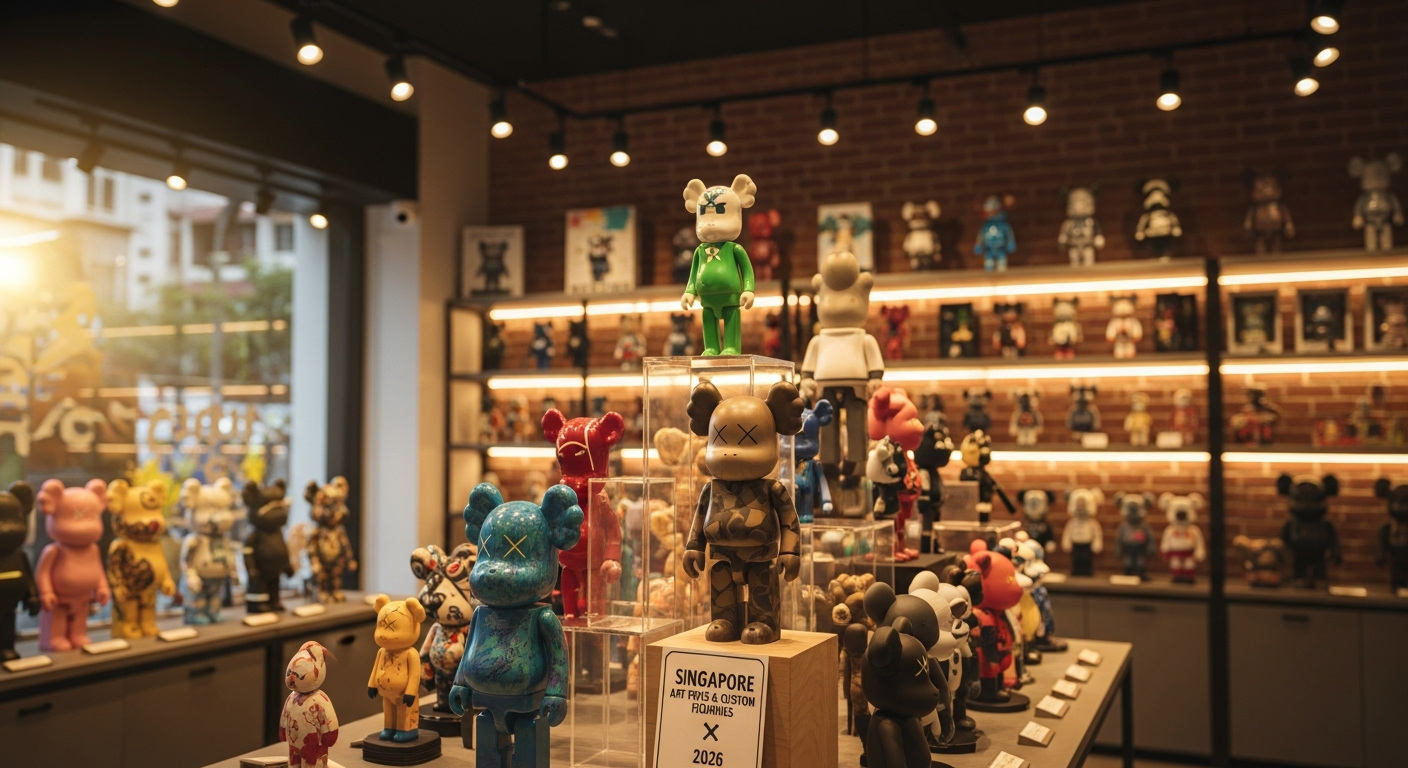
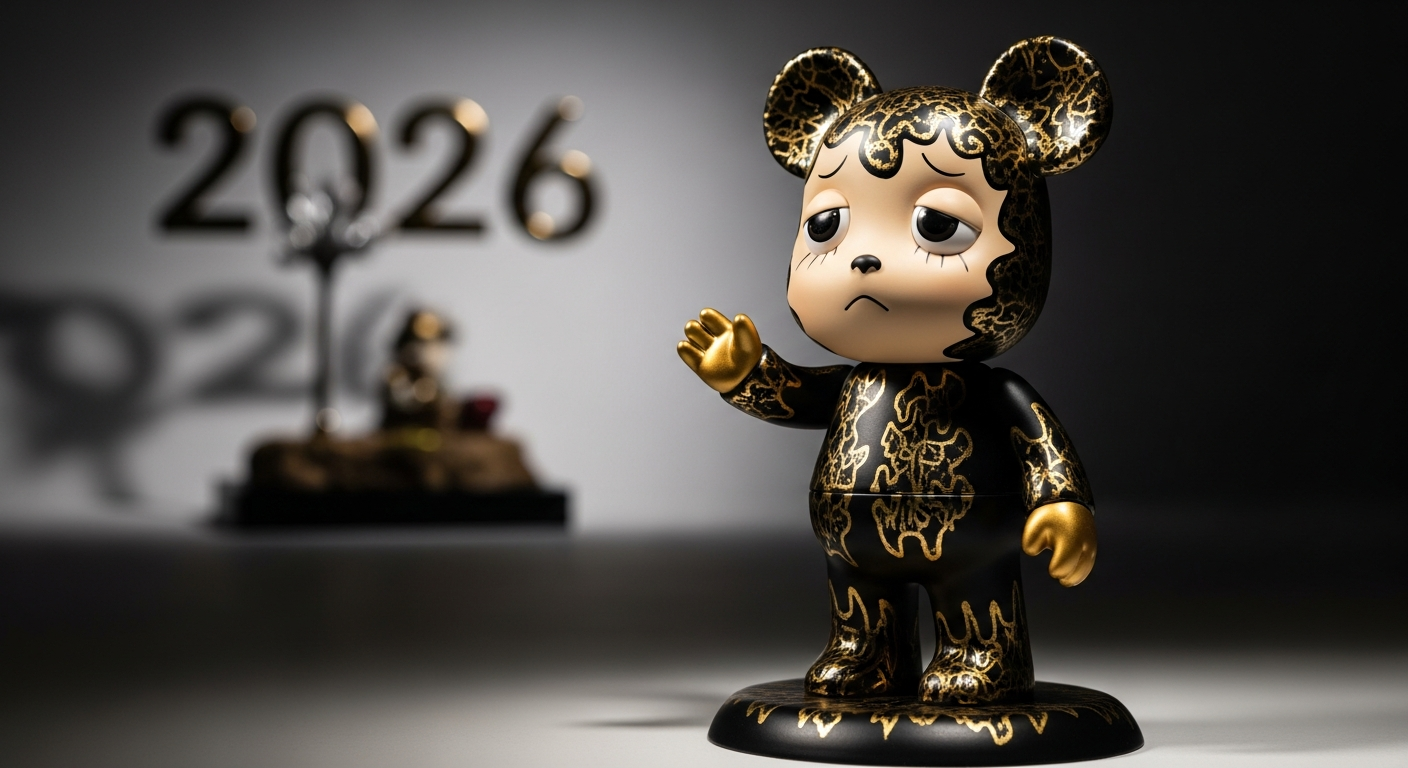

Art toys have matured from niche vinyl collectibles into a dynamic part of Singapore’s creative economy. By 2026, the scene blends independent artists, boutique studios, and advanced manufacturing technologies to deliver collectible pieces that are as expressive as fine art. Whether you’re a collector, an artist, or a brand exploring promotional collectibles, understanding how to buy art toys and commission custom figurines in Singapore will save time, control cost, and ensure museum-quality results.
Singapore’s compact creative ecosystem gives art toys a unique advantage: proximity. Artists, fabricators, galleries and collectors are only a short logistics chain apart, which supports fast turnarounds and smaller limited runs. The market values scarcity, storytelling, craftsmanship and cross-disciplinary collaborations — from street artists to product designers. Local collectors increasingly seek custom figurines with provenance, local narratives, and high production quality.
The collector base has diversified beyond traditional vinyl fans to include design-minded buyers, tech-savvy collectors who want phygital tie-ins, and corporate clients commissioning branded figurines for events and campaigns. This makes 2026 an ideal time to explore custom figurine design Singapore offerings.
Commissioning a custom figurine or art toy typically follows a clear path. Knowing the stages helps manage expectations and budgets:
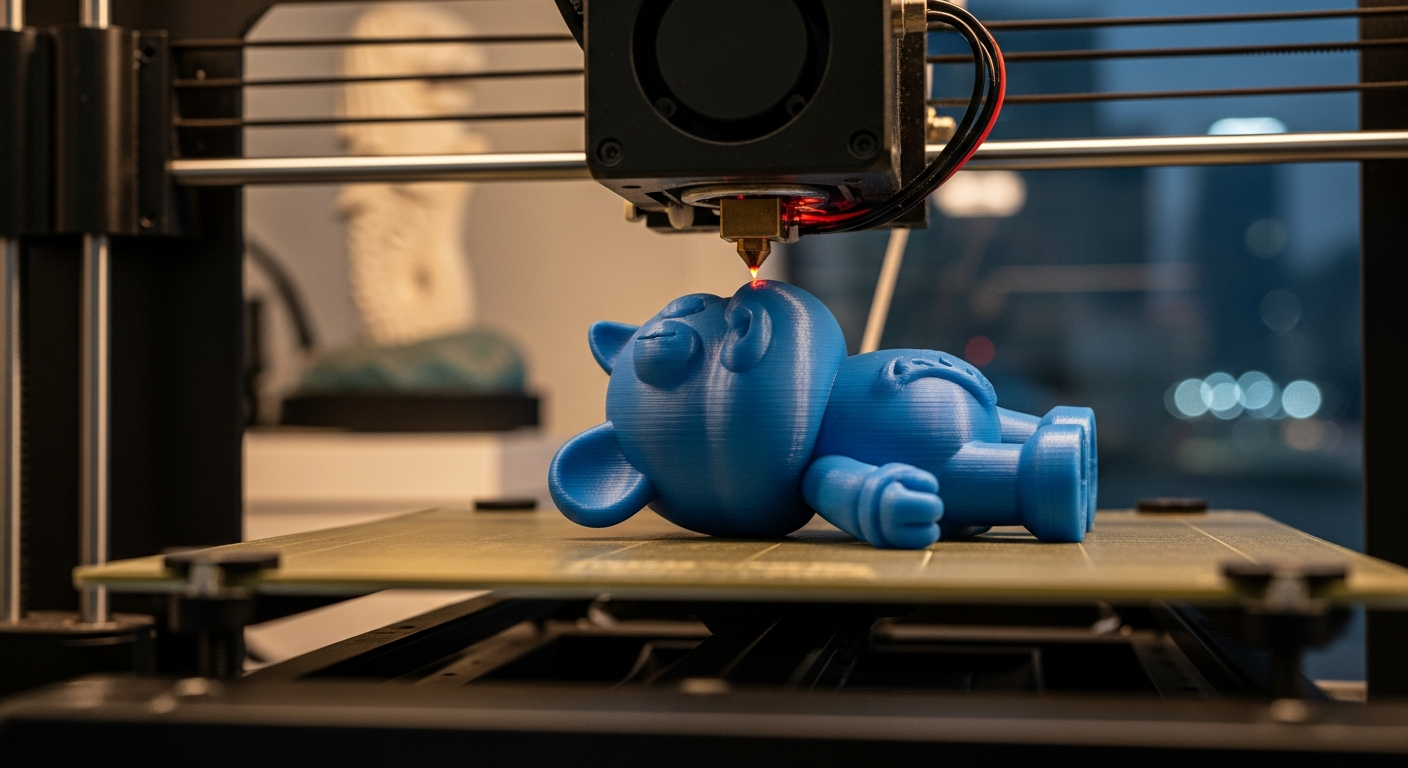
For a practical look at studios offering end-to-end services, explore top custom 3D printing and rapid prototyping options in Singapore here: top custom 3D printing and rapid prototyping Singapore 2026.
Material and process choices dramatically affect aesthetic, production time, and unit cost:
Surface finishing options — primer, wet-sanding, airbrushing, tampo and pad printing, and UV-cured varnishes — elevate perceived quality. When planning a custom figurine design Singapore project, discuss intended display conditions (UV, humidity) and handling frequency to choose the right coatings and materials.
The demand for limited editions and bespoke pieces has driven an on-demand model where studios print and finish per order or produce runs of 10–500 units. This cuts inventory risk and supports collaborations between artists and brands. If you’re exploring small-batch production or a direct-to-collector model, consider studios that specialise in on-demand custom art toys and 3D printing workflows. A good resource to evaluate on-demand production capabilities is: on-demand custom art toys 3D printing Singapore.
Advantages of on-demand:
– Lower upfront tooling costs
– Faster time-to-market for artist drops
– Flexibility to test colorways or limited variants
Limitations:
– Per-unit cost is higher than mass production
– Some finishes and materials remain cost-prohibitive at tiny scales
A few trends dominate the 2026 art toys landscape in Singapore and globally:
For a deep dive into local movements and collector behaviour, explore curated insights on collectible art toys and custom figurine trends in Singapore: collectible art toys and custom figurine trends Singapore.
Costs vary widely by scale, complexity and finish. Typical price brackets in 2026 (indicative):
Additional cost drivers: packaging design, limited edition numbering, legal clearances for IP, licensing fees for branded characters, and custom paint treatments. A practical example of a complete collectible project, including design and production steps, can be found here: custom figurine design Singapore collectible art toys 2026.
When commissioning or buying art toys, clarify intellectual property rights up front. Common arrangements include:
Resale market and provenance: Limited serial numbers, certificates of authenticity, and artist signing increase aftermarket value. Ensure agreements cover future reproductions and derivative works to avoid disputes.
Look for partners with transparent processes, example portfolios, and a track record of deliveries. Key questions to ask prospective studios:
To review studios that balance design and manufacturing, start with profiles of established local providers and production workflows: top custom 3D printing and rapid prototyping Singapore 2026.
If you’re aiming for an on-demand model or testing a new character, tools and services for small-batch production are mature and accessible. For hands-on examples of studios who handle concept-to-delivery art toy workflows, see: on-demand custom art toys 3D printing Singapore.
Buying art toys and pursuing custom figurine design Singapore projects in 2026 is now straightforward for anyone with a strong concept and an understanding of materials, manufacturing choices and IP arrangements. Use prototyping to validate aesthetics, choose the production method that matches your edition size and budget, and document rights early to protect resale and future collaborations. The local ecosystem supports hybrid models — from artisanal one-offs to small commercial runs — so you can focus on storytelling and craftsmanship while professionals handle the technical production.
Start with a clear brief, validate with a prototype, and work with a studio that offers both creative insight and technical excellence to ensure a collectible that lasts.