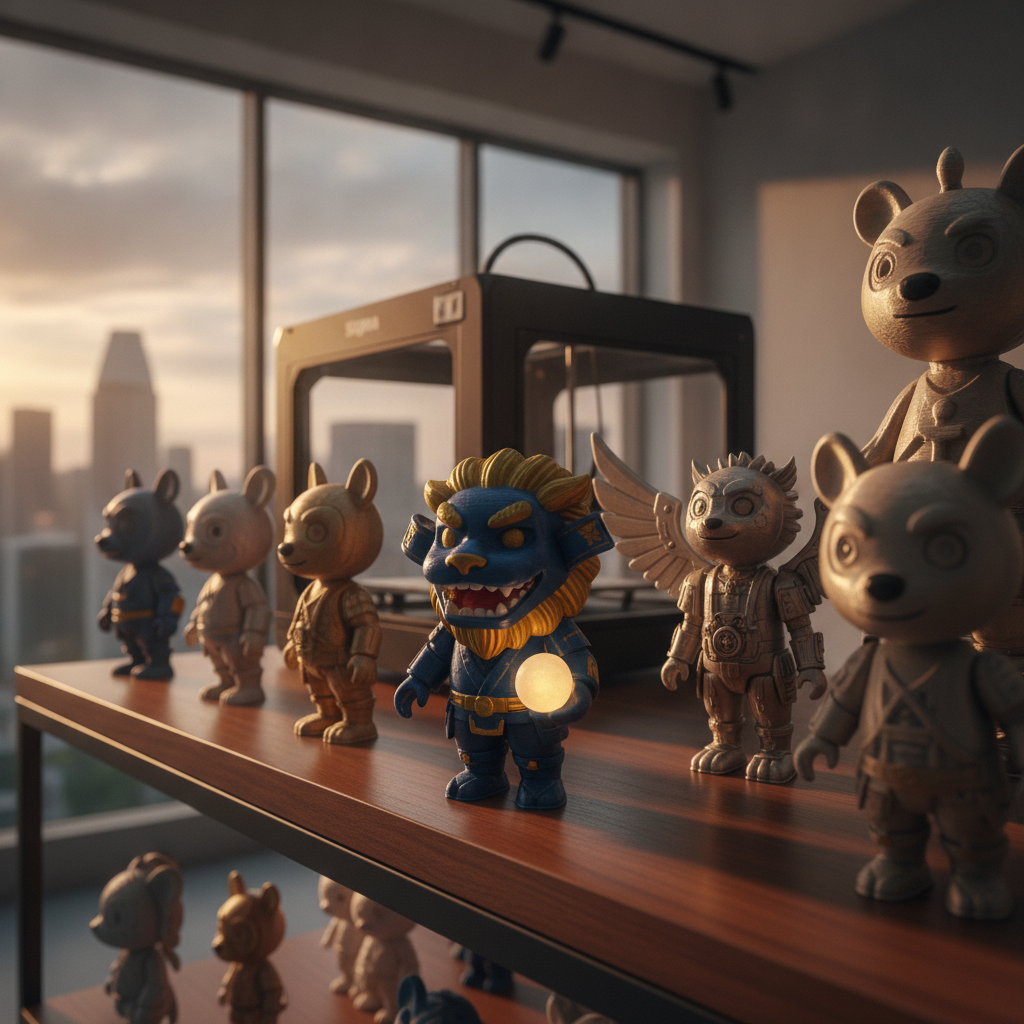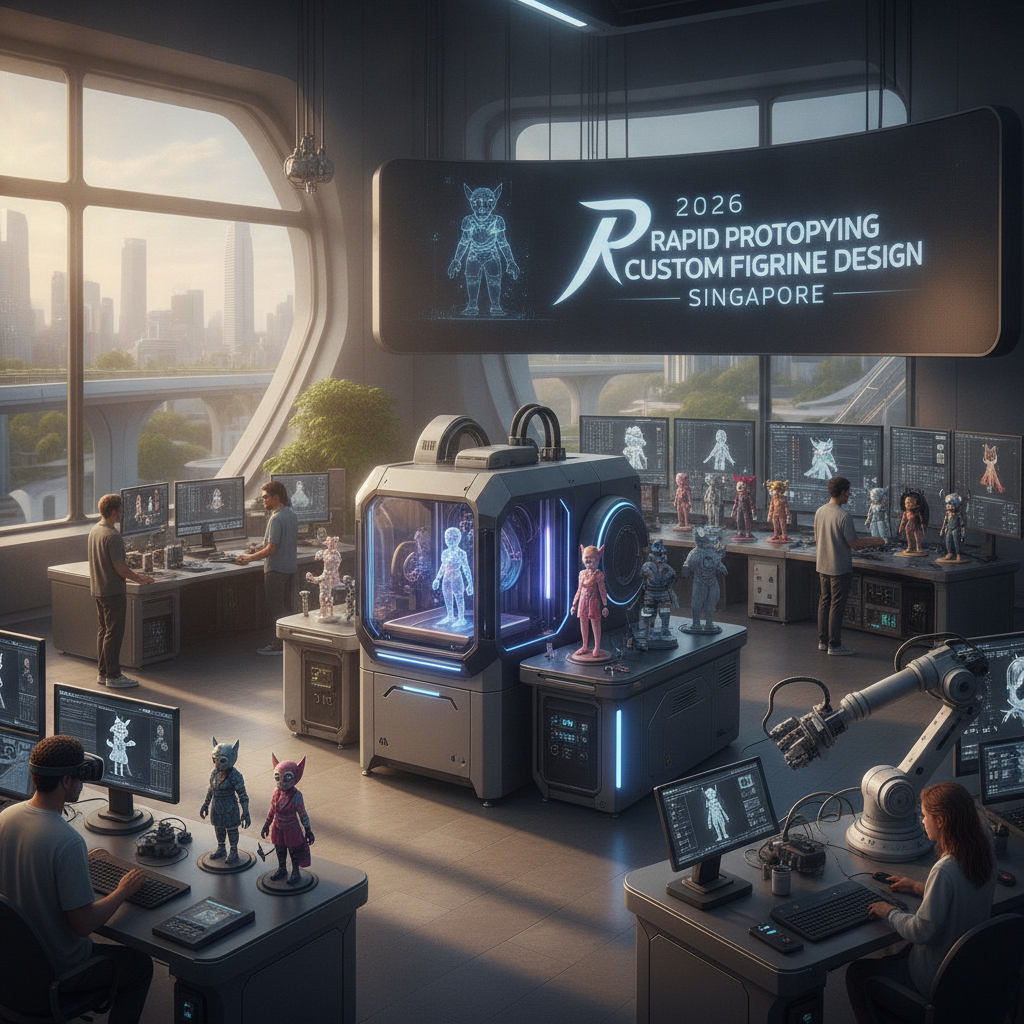

By 2026 Singapore has solidified its role as a regional hub for additive manufacturing. The city-state’s dense manufacturing ecosystem, strong IP protections, and government support for Industry 4.0 create an ideal environment for product teams, designers, and hobbyists seeking custom 3d printing singapore and rapid prototyping singapore services. Fast turnaround, access to a wide range of materials, and proximity to supply chains mean ideas move quickly from CAD to physical parts.
Custom 3D printing singapore often connotes one-off or small-batch production tailored to a specific design — think custom enclosures, figurines, and consumer product parts. Rapid prototyping singapore is broader and emphasizes speed: quick iterations of parts for functional testing, fit checks, or stakeholder demonstrations. Both overlap widely in tooling and technology, but choosing the right provider depends on your goals:
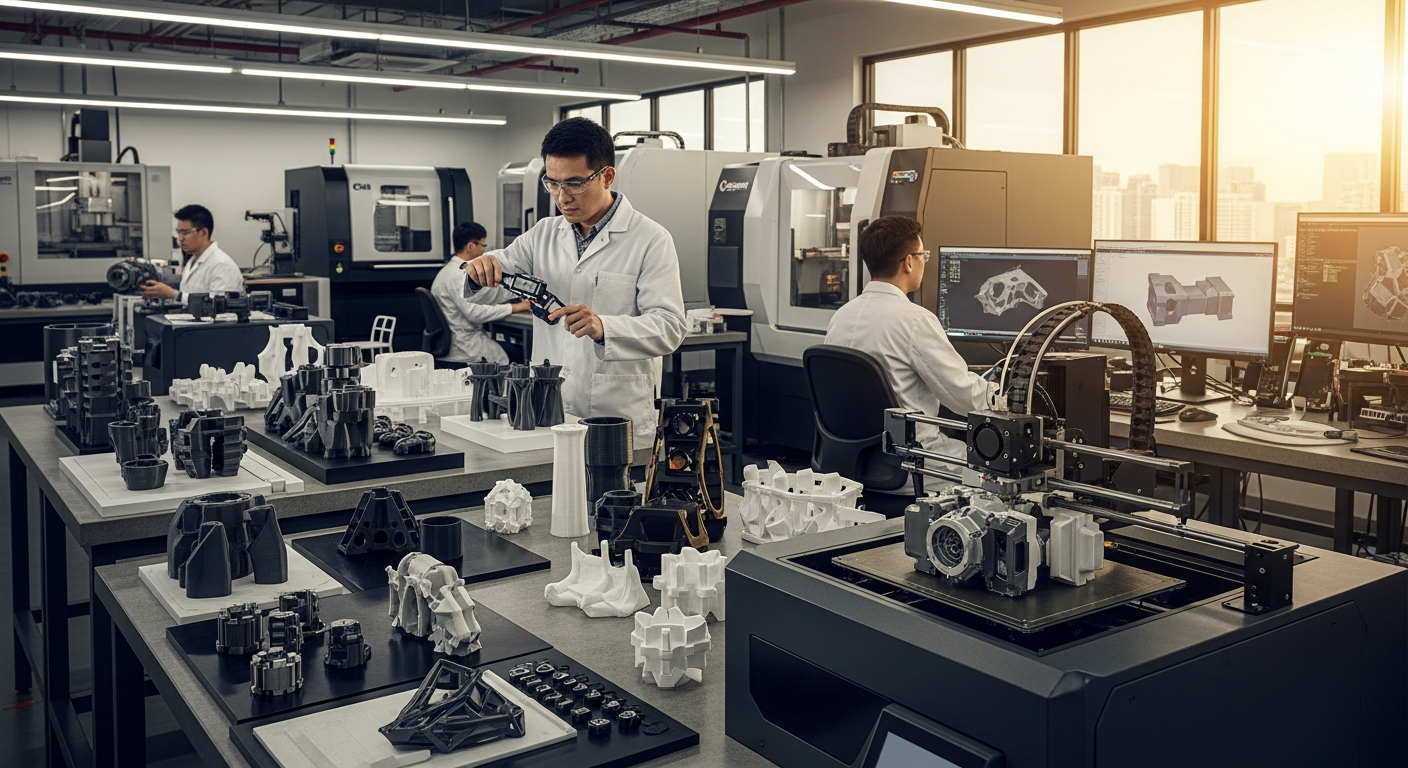
Technological maturity and material variety distinguish providers. The top workshops in Singapore typically offer a mix of:
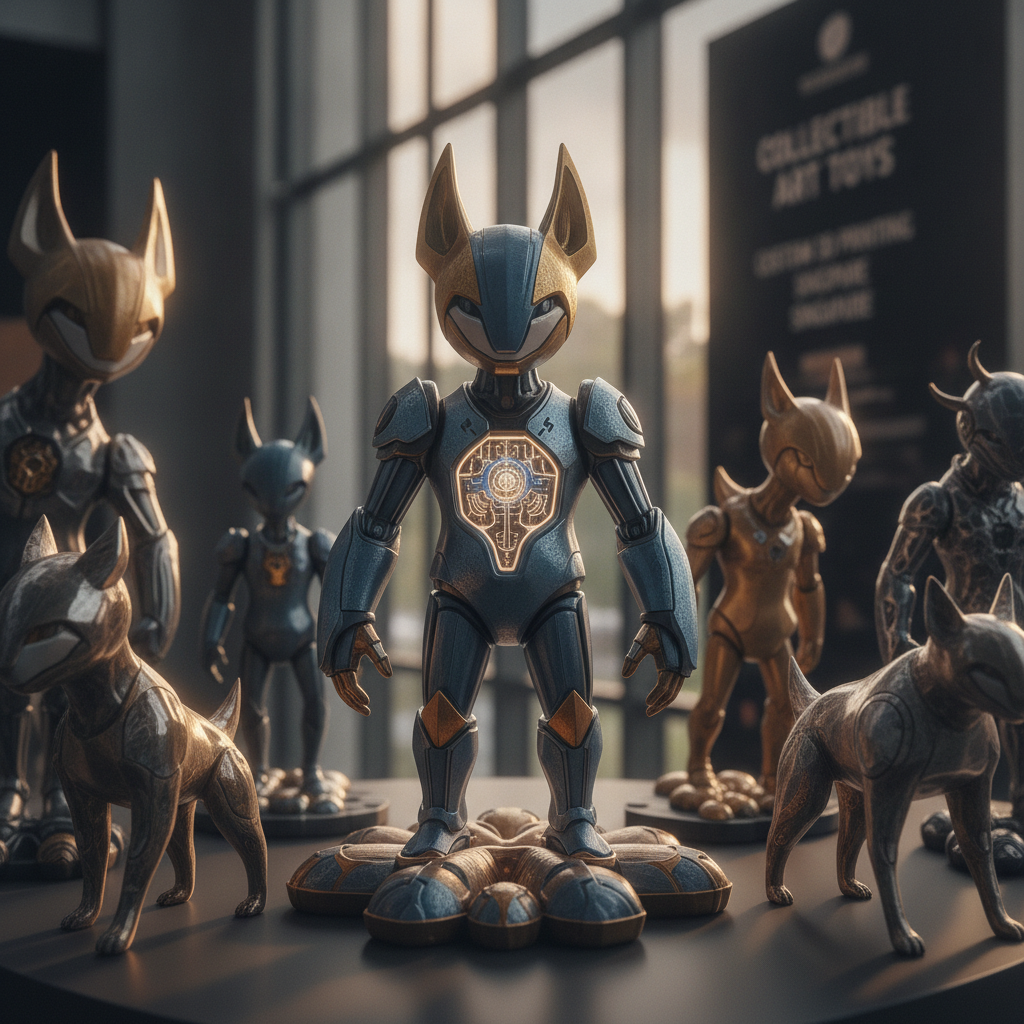
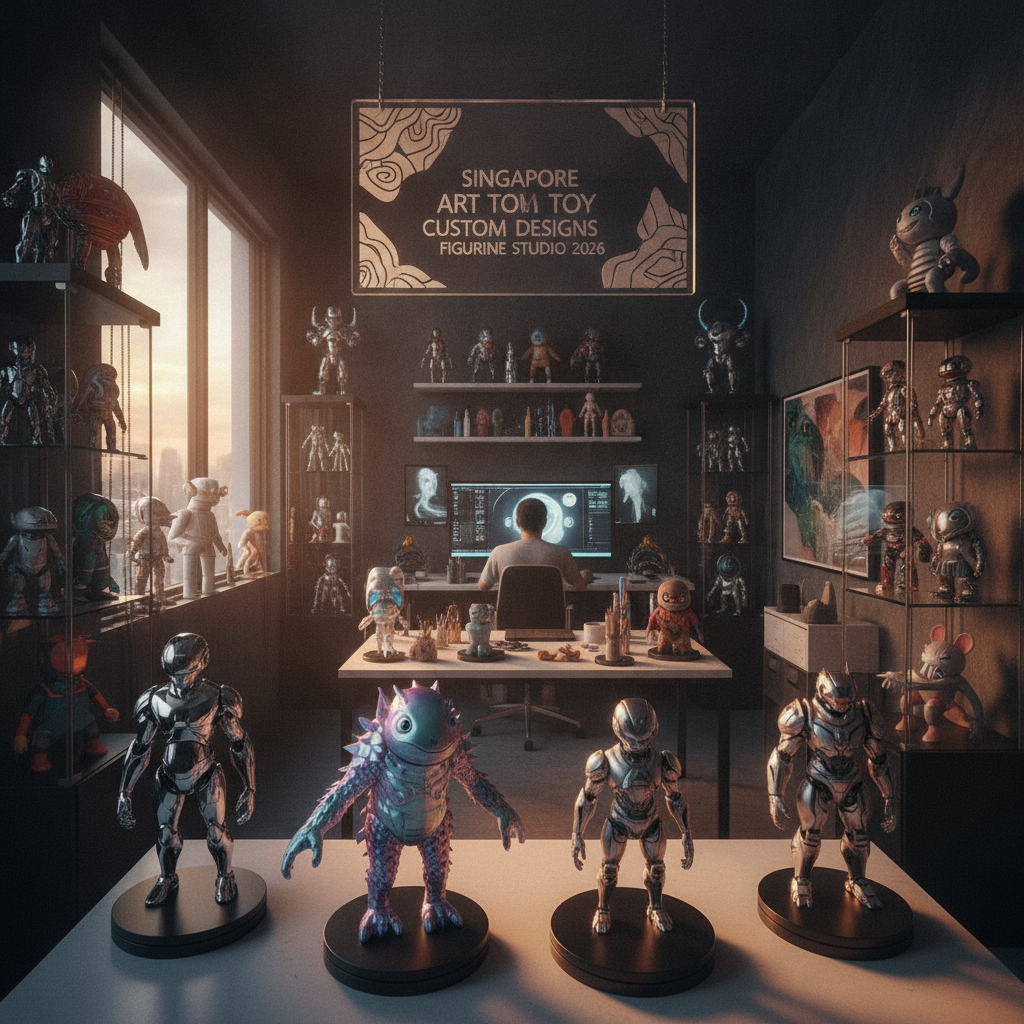
Specialists in custom figurine production now commonly integrate post-processing like sanding, priming, and hand painting — essential for designer toys and collectibles. For teams focused on product design, hybrid offerings that combine AI CAD modeling with additive workflows streamline iterations; see examples of AI-enabled modeling in lifestyle products through practical case studies linked below.
Material selection drives functionality, durability, and aesthetics. Common options include:
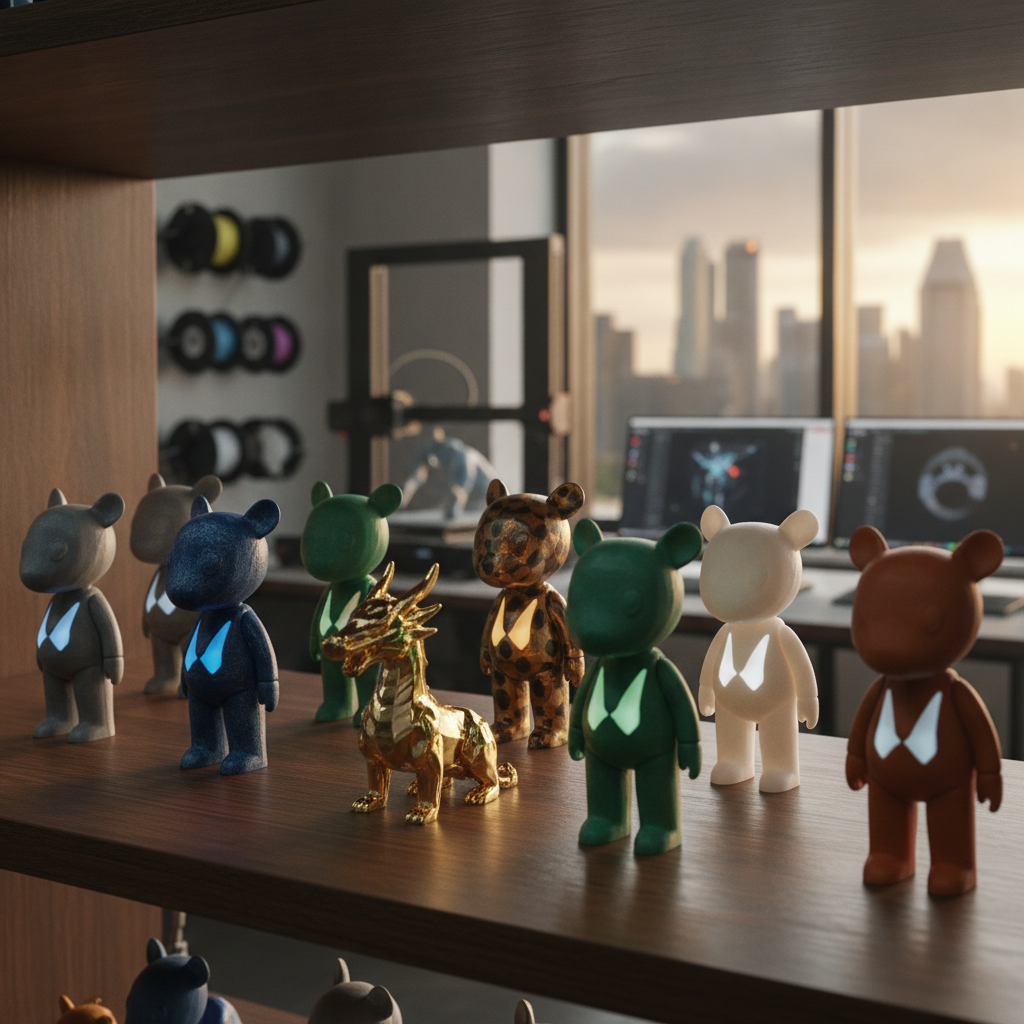
Finish capabilities—such as vapor smoothing, UV curing, painting, and hydrographic printing—can transform a raw print into a market-ready object. If you’re producing collectible art toys or custom figurines, pick providers who offer coordinated finishing packages and color matching.
Rapid prototyping singapore providers advertise lead times from same-day (for simple FDM parts) to 5–10 business days for SLA/SLS parts with basic post-processing. Metal parts and complex assemblies can take several weeks.
Costs vary by technology and material but plan around these ranges in 2026 Singapore market conditions:
Volume discounts and batch processing (especially with MJF) reduce per-piece cost significantly. For teams balancing speed and quality, it’s common to combine technologies—use inexpensive FDM parts for internal design checks and SLA or SLS for client-facing prototypes.
Selecting the best partner for custom 3d printing singapore or rapid prototyping singapore means matching capabilities to your product stage. Use this checklist:
Companies making limited-edition collectibles or designer toys will value providers who can both print and deliver high-end finishing work; see deeper design-to-collectible workflows and trends at the link below.
See an example of how collectible art toys blend design, prototyping and finishing in Singapore’s evolving scene here: collectible art toys and custom figurine trends Singapore.
A Singapore-based studio wanted a 100-piece limited run of hand-painted figurines with interchangeable accessories. The workflow that minimized cost and time was:
This hybrid approach leveraged the strengths of rapid prototyping singapore and custom 3d printing singapore to achieve a market-ready product with a short development window.
Environmental impact and regulatory compliance are front of mind. Singaporean providers increasingly offer recycled and bio-based resins, and processes to reclaim nylon powder (SLS) for reuse. When selecting a partner, check for:
For creators of collectible items, ensuring compliance with toy safety and chemical regulations (e.g., heavy metals in paints) protects both consumers and brands.
Beyond raw printing costs, good providers will suggest value engineering to reduce material use, simplify assemblies, and lower post-processing time. Tactics include:
For lifestyle products and custom figurines, combining print technologies—printing fine details via SLA and structural parts via SLS—can optimize both cost and aesthetic fidelity. Explore product-focused design and manufacturing approaches in this project guide: custom figurine and lifestyle product design Singapore 2026.
For collectible toy creators, collaborating with a studio experienced in limited-edition releases offers advantages in mold-making, finishing, and packaging. A practical designer’s guide for limited editions is available here: collectible art toys 2026 limited edition designer guide.
Singapore’s strength is its ecosystem: materials suppliers, post-processing workshops, and logistics providers are close by. If your project spans design and small-batch production, working within this network reduces risk and shipping time. For inspiration on collectible and custom figurine design approaches, view this hands-on design portfolio: custom figurine design Singapore collectible art toys 2026.
Custom 3D printing singapore and rapid prototyping singapore services in 2026 offer mature, versatile pathways from idea to market. Choose providers by matching technology, materials, and finishing capabilities to your use case. Prioritize firms that provide clear lead times, transparent costing, IP protections, and the ability to scale from prototypes to small production runs.
Use the checklists and links above to narrow options and plan the most efficient route for your product, collectible or experimental project. With the right partner, iterative design cycles become faster, more affordable, and better suited to meeting launch timelines and quality expectations.