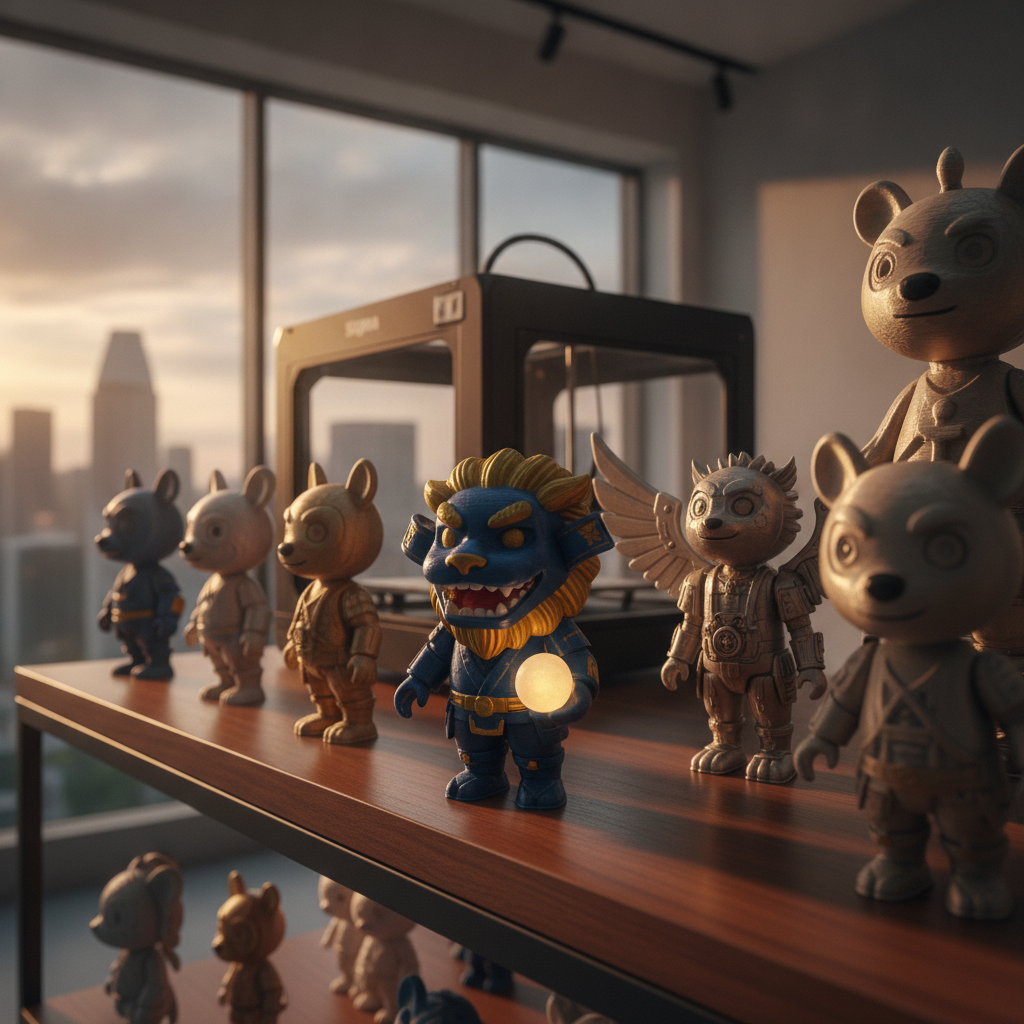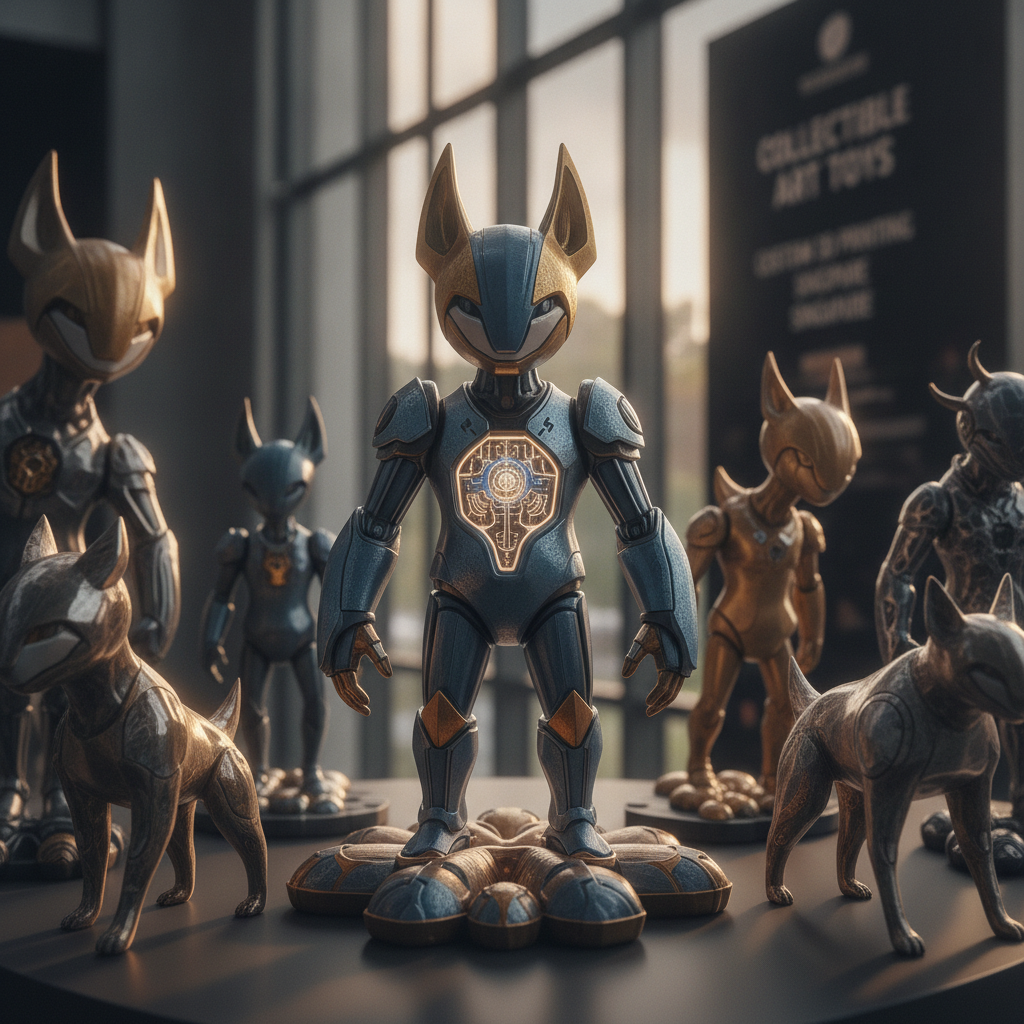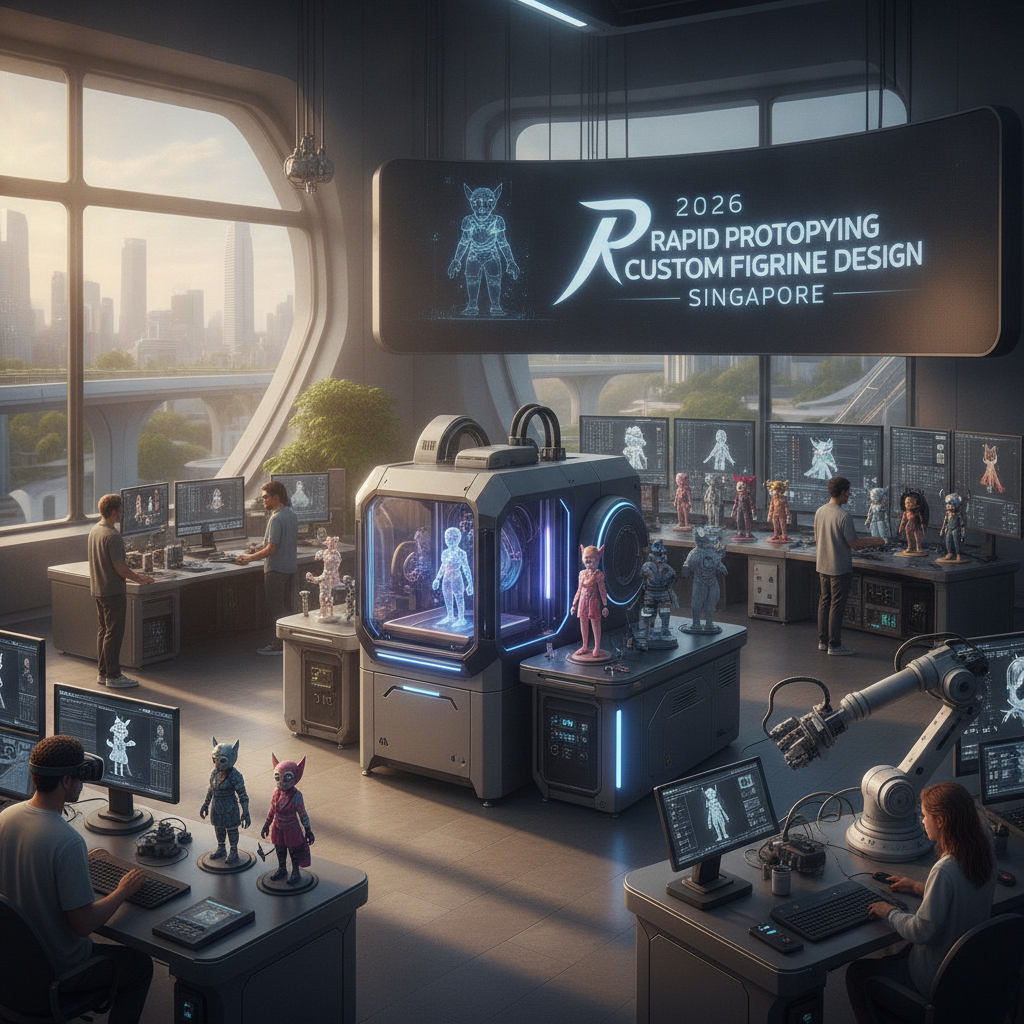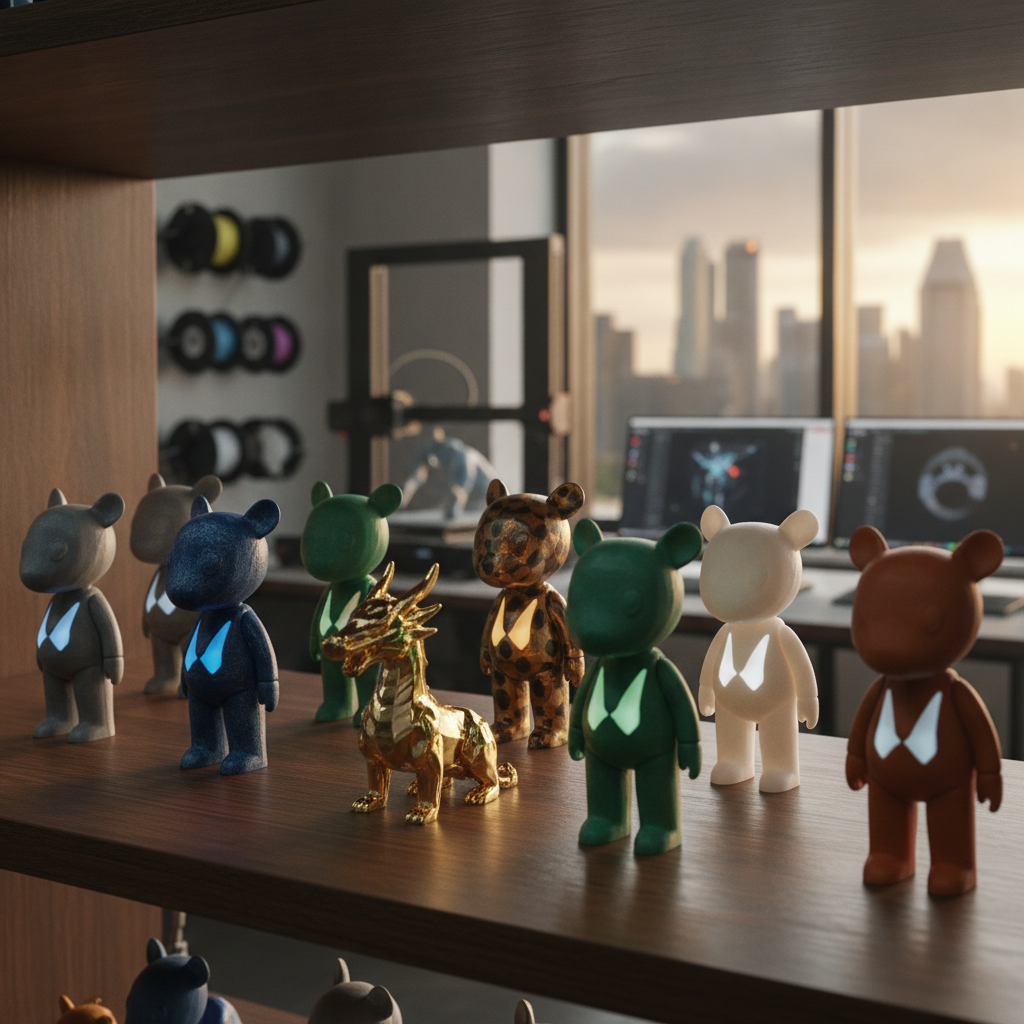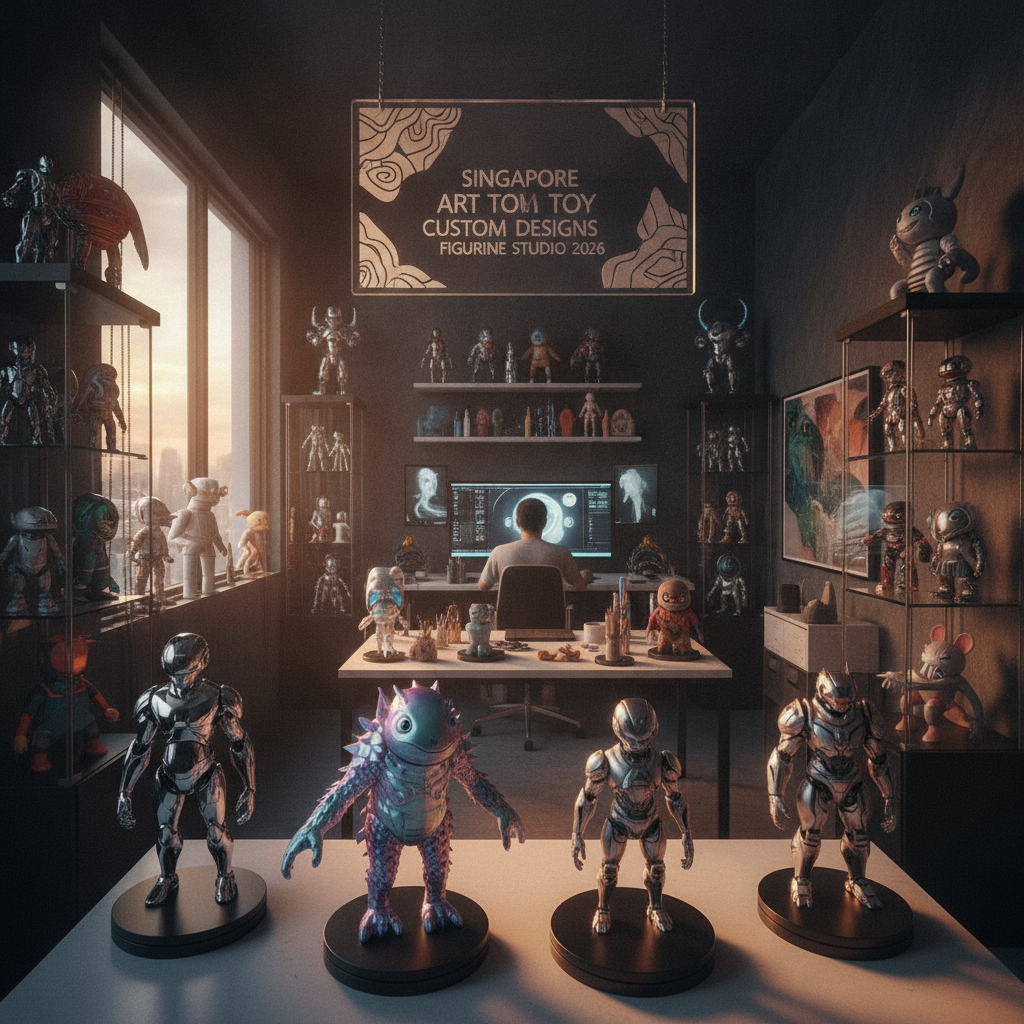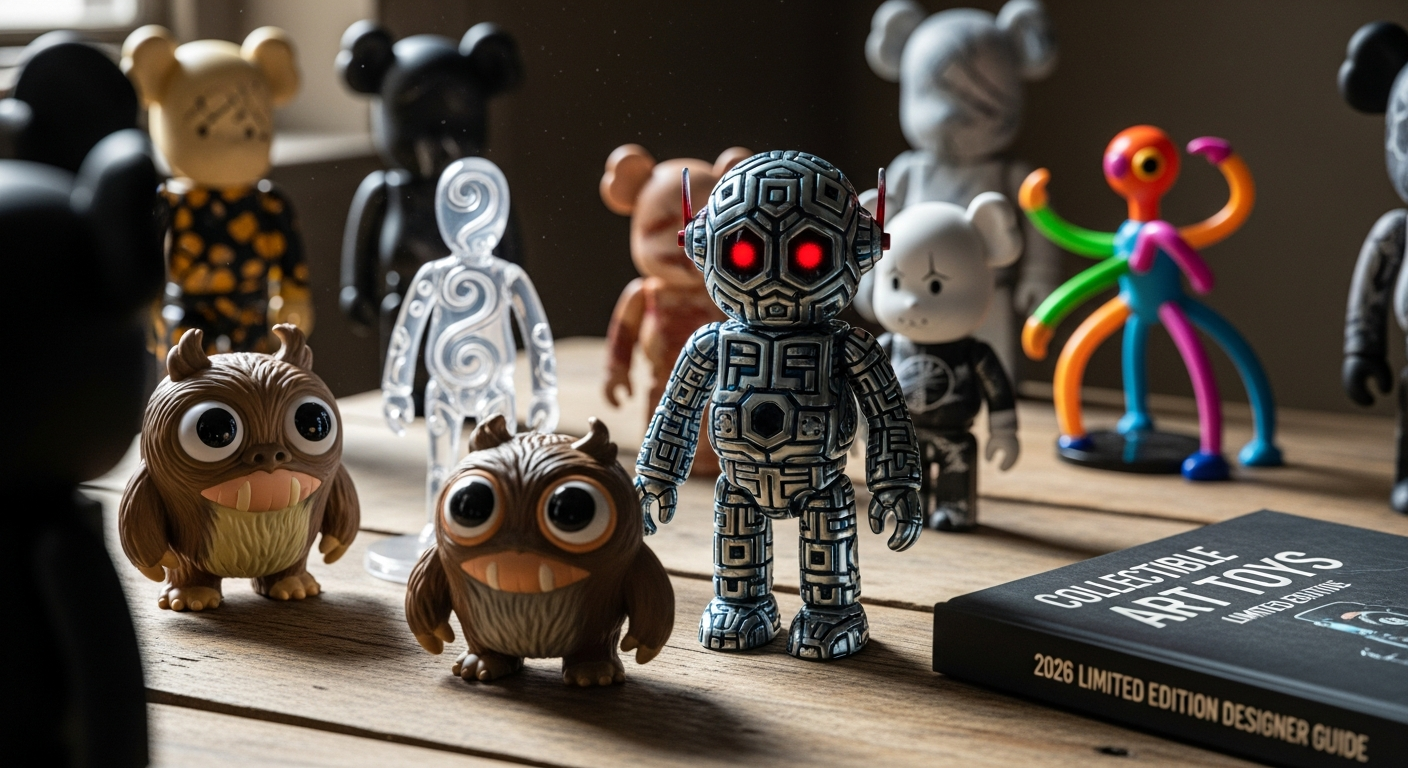
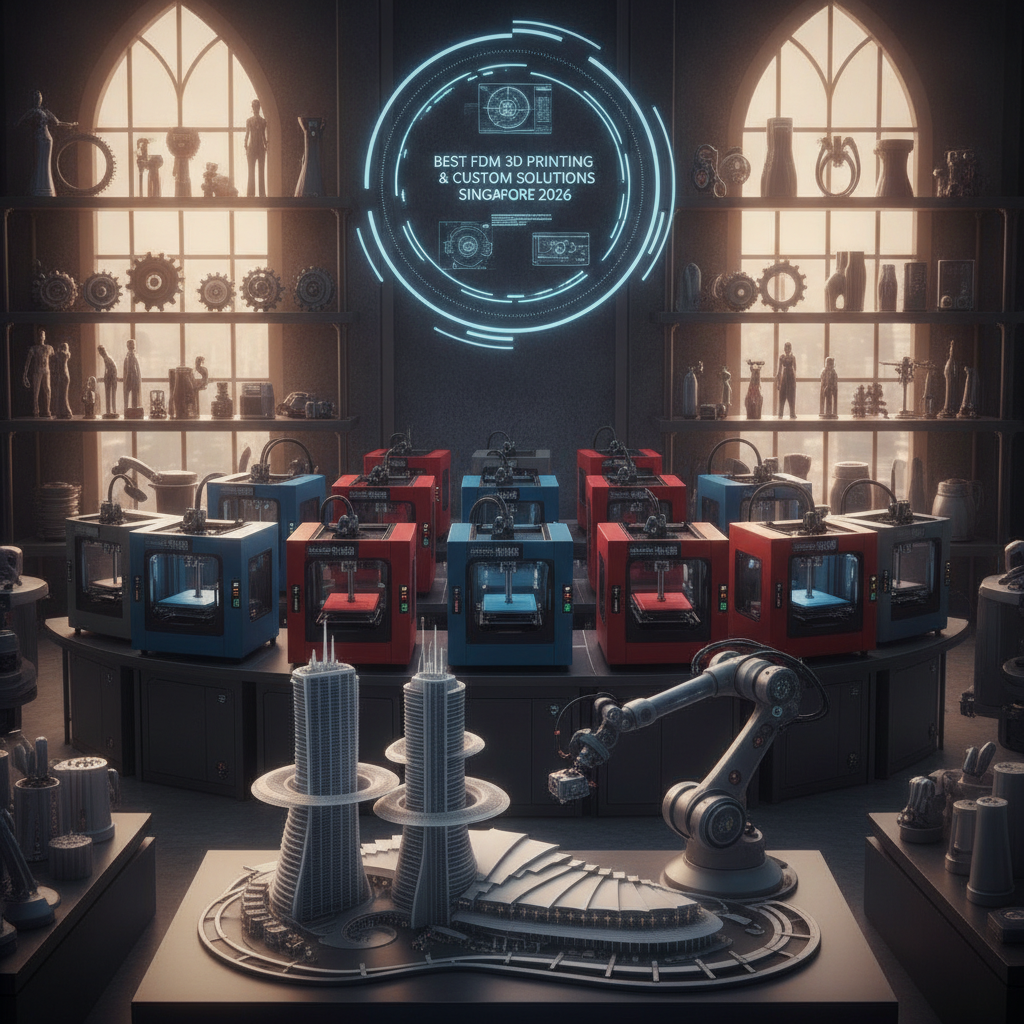

Collectible art toys have moved far beyond kids’ shelves. In 2026 they occupy a unique space between fine art, limited-run designer goods and enthusiast-led collectibles. This guide is for designers, makers and small studios aiming to create limited edition pieces that stand out in an increasingly sophisticated market. You’ll find practical design frameworks, production workflows, pricing approaches and current trends — all geared toward collectible art toys that sell out and appreciate.
The collectible art toys market has matured: collectors seek provenance, scarcity and narrative as much as aesthetics. Social platforms, dedicated marketplaces and an increasing number of independent galleries now treat designer toys as legitimate contemporary art. For designers, this means greater opportunity but also higher expectations in quality, storytelling and production transparency.
Key drivers in 2026:
Great collectible art toys start with a clear concept. Limited editions need a narrative that justifies scarcity — whether the story is about the character, the technique, the collaborator, or the iteration.
Design checklist:
Think in systems: how will the toy scale from prototype to final finish? Mapping design decisions early reduces costly reworks.
Rapid prototyping is essential to refine form, balance and articulation. High-resolution prototypes let you test paint, decals and assembly before committing to a production run.
For fast, precise prototyping tailored to art toys, try integrated rapid-prototyping services that understand the specific needs of designer toys, including surface finishing and accurate color proofs. Many studios now use professional rapid-prototyping workflows to shorten iteration cycles and preserve sculpt detail. See a tailored rapid prototyping approach for art toys here: 3D printing for art toys.
Choosing the right production method affects costs, finish and collector perception.
If you’re exploring newer production pipelines, consider modern FDM approaches optimized for lifestyle and collectible art toys. These workflows can reduce lead times and allow for on-demand reprints while maintaining acceptable aesthetic standards. Learn more about FDM workflows for lifestyle products here: FDM 3D printing for lifestyle products.
Custom figurines require tight iteration between sculpt, CAD, and manufacturing. Designers who embrace CAD early gain control over tolerances for joints, hollowing strategies to save material and internal supports for assembly.
A seamless pipeline often looks like this: hand-sculpt/discrete 3D sculpt -> retopology for production -> CAD detailing and assembly features -> prototype -> pilot production. For studios looking to streamline this workflow, dedicated services for custom figurine design can be a game-changer: custom figurine design.
Small limited editions benefit from flexible digital manufacturing. Custom 3D printing now supports multiple materials and post-processing finishes that mimic injection-molded quality. For many designers, the ability to produce 20–200 units without high tooling costs changes the economic model of limited releases.
Consider using a hybrid approach: produce critical components via high-resolution 3D printing and pair with simple injection-molded parts for repeatable geometry. For production partners who specialize in bespoke art toy runs, explore targeted services for limited editions: custom 3D printing for limited edition art toys.
Good CAD modeling anticipates production constraints. Hollowing, wall thickness, internal supports, and snap-fit features are all decisions that should be designed into the CAD phase.
Best practices:
If CAD optimization is new to you, seek CAD modeling services tailored to limited edition art toys to ensure manufacturability and cost efficiency. See professional CAD workflows here: CAD modeling for limited edition art toys.
Finish quality often determines a toy’s perceived value. Premium finishes that collectors prize include hand-applied weathering, layered lacquers, metallic foils and soft-touch coatings.
Finishing tips:
Packaging does more than protect; it tells the product’s story and secures its collectible status. Limited editions should include clear edition numbers, certificates and artist signatures where possible.
Packaging considerations:
These details are important for resale value and collector trust.
Limited-edition pricing balances production cost, perceived value and market positioning. Use tiered releases — example: general edition, artist-signed run, and a very limited chase variant — to create multiple price points and collector interest.
Effective release strategies in 2026:
Community is the engine behind many successful collectible art toys. Invest in storytelling, behind-the-scenes content and exclusive access for early supporters.
Practical steps:
The secondary market has become more transparent. Platforms and marketplaces now provide sales history, helping collectors track appreciation and liquidity. Limited series with clear provenance and premium finishes tend to perform best.
Trends to watch:
Collectors are more conscious about sustainability. Designers should consider material choices, local production to reduce transport emissions, and recyclable packaging. Using small-batch 3D printing or local FDM production can reduce waste and carbon footprint while keeping production flexible.
To preserve value, educate buyers on care: store away from direct sunlight, keep original packaging for display or resale, and avoid harsh cleaning agents. For painted pieces, handle minimally or offer display stands to reduce wear.
Designing collectible art toys in 2026 is about more than a great sculpt: it requires thoughtful production choices, clear storytelling, and community engagement. By combining smart prototyping, appropriate manufacturing methods and considered release strategies, designers can create limited editions that resonate with collectors and hold value over time. For teams looking to streamline prototyping and production with art-toy–specific services, the right partners can help turn thoughtful designs into sought-after collectible art toys.