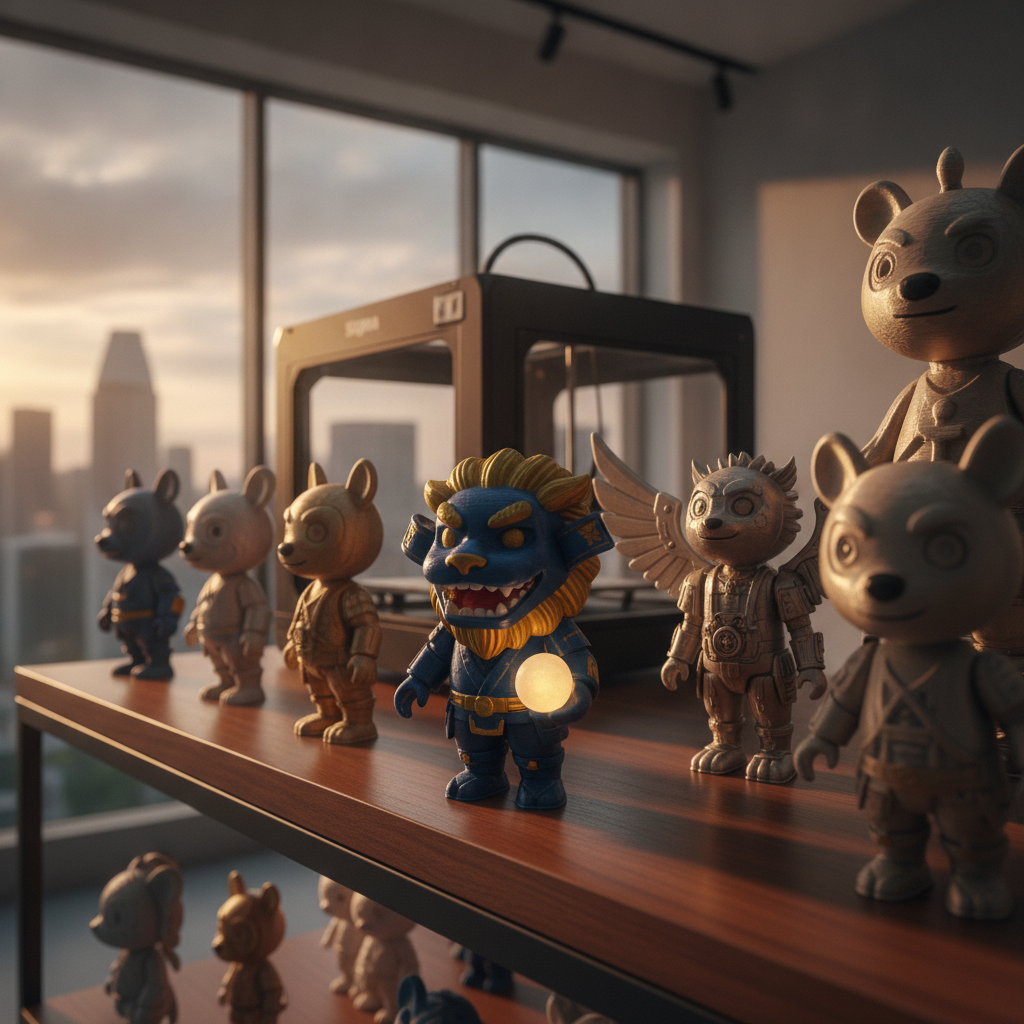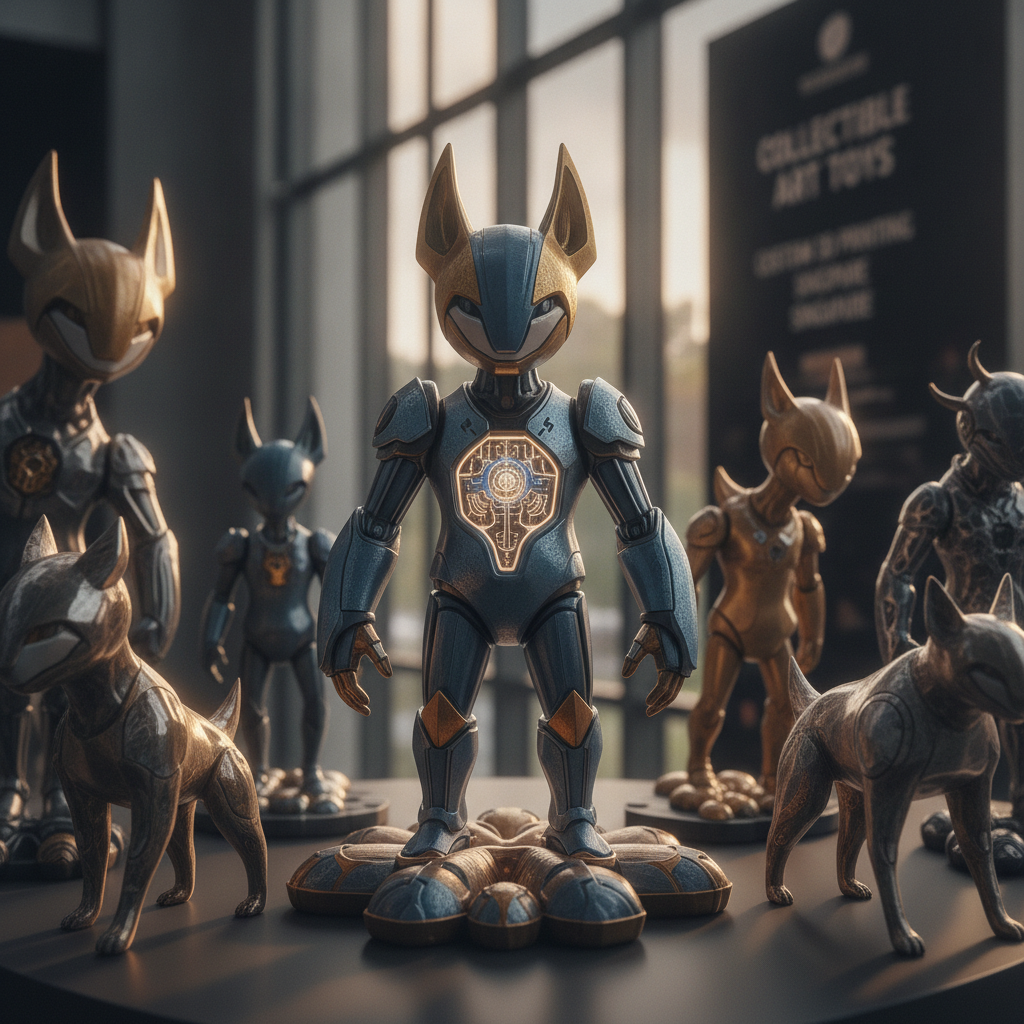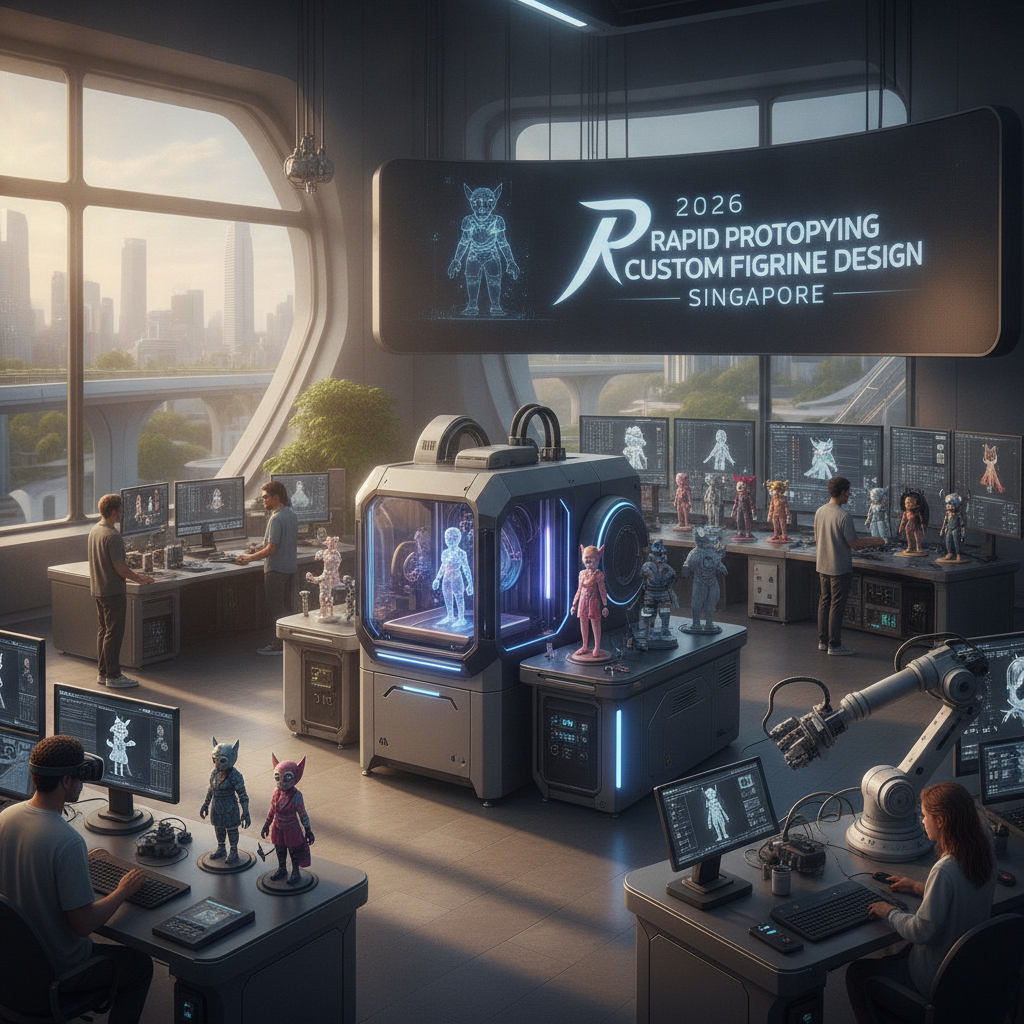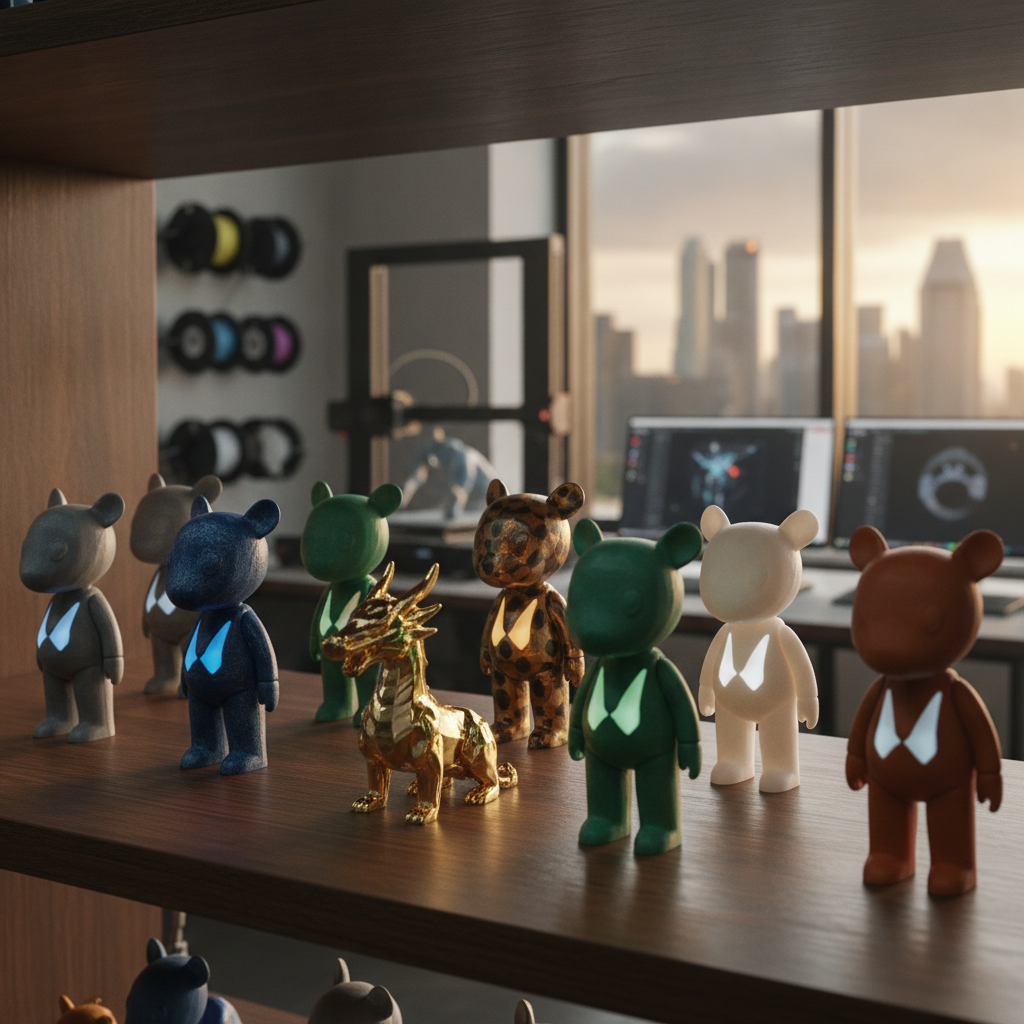

Singapore has been quietly sharpening its edge as a hub for rapid prototyping and lifestyle product design. By 2026 the convergence of advanced additive manufacturing, AI-driven CAD, and local small-batch production is changing how designers, startups, and established brands bring lifestyle products from concept to market. This article explains the practical pathways and modern workflows that make rapid prototyping Singapore an essential capability for lifestyle product design Singapore projects.
Rapid prototyping used to be synonymous with speed-only: produce a mock-up fast and iterate. Today, it means speed plus fidelity, functionality, and manufacturability. For lifestyle products—home goods, wearables, personal accessories, and collectible items—rapid prototyping Singapore now supports:
Designers in Singapore are using these capabilities to compress product development timelines from months to weeks, reducing cost and risk while enabling dynamic product strategies like limited editions and personalization.
The tooling and methods powering fast iteration have matured. Important technologies include:
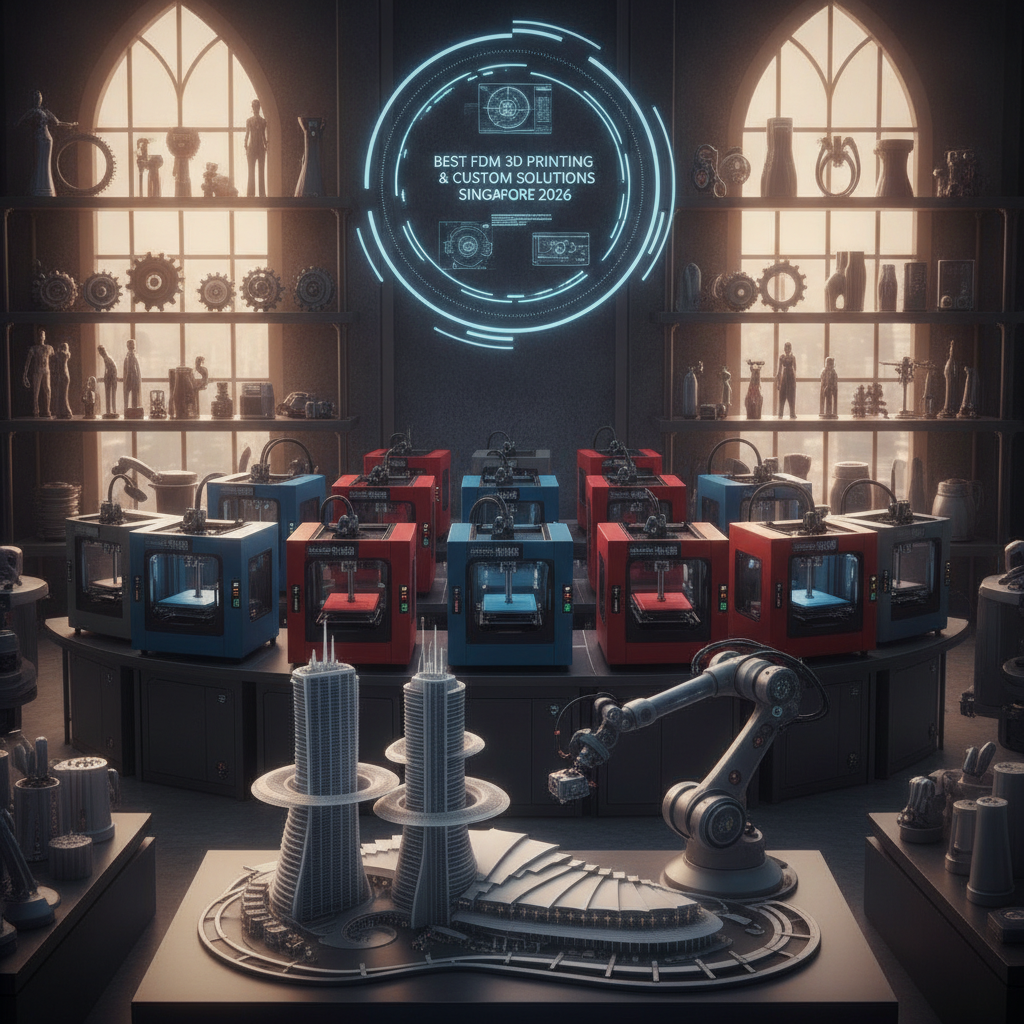
These technologies are accessible through local service bureaus and maker hubs across Singapore, where designers can test materials, finishes, and assembly methods quickly and affordably.
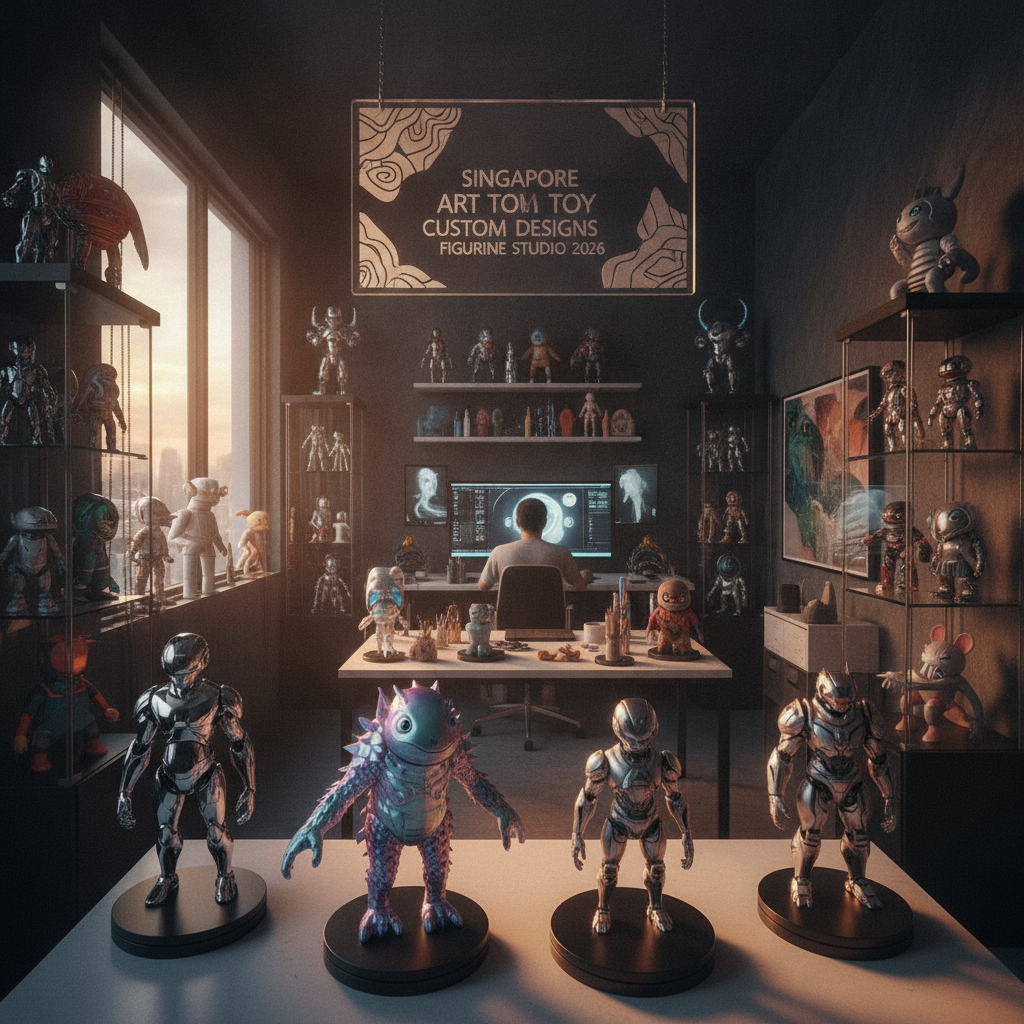
A robust digital workflow is the backbone of rapid prototyping. CAD models must be production-aware and ready for multiple manufacturing methods. Singapore teams increasingly rely on cloud CAD, parametric modeling, and real-time simulation to accelerate decisions. For specialized collectible and designer toys, high-quality CAD translates to better tooling outcomes and fewer surprises during molding or scale-ups—learn how professional CAD pipelines support creativity in the collectible market in this guide to CAD modeling and next-gen art toys.
For teams focused on designer figurines and limited runs, leveraging professional CAD services speeds up the path from sketch to production-ready files—see this resource on designer art toys and CAD modeling in Singapore.
Lifestyle consumers increasingly demand sustainability and responsible materials. In Singapore, product designers are balancing aesthetics, functionality, and circularity:
Rapid prototyping Singapore now includes material selection as a strategic decision, not just a technical one. Designers are testing finishes and tactile coatings early to ensure the final product meets both user expectations and environmental goals.
Lifestyle product design Singapore often intersects with culture—limited editions, artist collaborations, and collectible series are popular. Rapid prototyping enables rapid experimentation with sculptural forms, custom colorways, and packaging concepts. Services that combine prototyping and small-batch manufacturing allow creators to run pre-sales and validate demand before committing to expensive tooling.
For collectible creators, integrating custom 3D printing and finishing can produce pilot batches that look and feel like the final product. Explore practical approaches for custom 3D-printed collectibles in Singapore via this article on collectible art toys with custom 3D printing.
If you’re developing a guided collectible series, using rapid iterations to refine scale, articulation, and paint masks reduces rework when preparing for injection molding or resin casting. For a hands-on guide to developing unique figurines, this collectible art toys design guide is a practical reference.
Rapid prototyping Singapore accelerates user-centered design. Typical workflow improvements include:
By validating critical assumptions early, teams reduce the chances of late-stage redesigns that derail timelines and budgets.
Design for manufacturability (DFM) is crucial. Rapid prototyping helps teams confirm DFM assumptions before committing to tooling. Singapore’s ecosystem favors suppliers that can handle both prototyping and short-run manufacturing—allowing designers to iterate with the same partners who will scale the product. For creators planning limited editions or small series, aligning prototypes with manufacturing constraints is essential; learn more about meeting product design goals for limited runs here: limited edition art toys and product design.
Cost and lead times depend on fidelity, material, and quantity. Typical scenarios in Singapore in 2026:
By combining on-demand prototyping with localized finishing services, teams can validate market fit without high upfront tooling expenses.
Several trends are shaping rapid prototyping and lifestyle product design in Singapore:
For art toys and collectible designers, the convergence of these trends is enabling unprecedented creative control and production agility. See how CAD and production workflows combine in the collectible art toy space: designer art toys CAD & modeling resource.
For creators focusing on collectibles, partnering early with specialists who understand small-run finishing and casting can save significant time—learn practical production approaches for collectible launches: collectible art toys guide.
Rapid prototyping Singapore is more than a fast turn-around; it’s a competitive advantage for lifestyle product design Singapore teams that want to test ideas, delight users, and manage production risk. By combining modern materials, AI-assisted design, and local manufacturing networks, Singapore designers can deliver products that are timely, tactile, and commercially viable. The most successful teams in 2026 will be those that treat prototyping as a strategic capability—integrated with design, marketing, and manufacturing from day one.
For teams developing collectible or designer items, the right CAD and prototyping partners can turn imaginative concepts into tangible, sellable objects with speed and quality—start by exploring specialized resources on CAD, production, and 3D printing tailored to the Singapore market: collectible 3D printing and production approaches.
End-to-end integration of rapid prototyping, smart material choices, and lean production workflows will continue to define the next wave of lifestyle products emerging from Singapore in 2026 and beyond.