Overview: Why Singapore for 3D printing in 2026
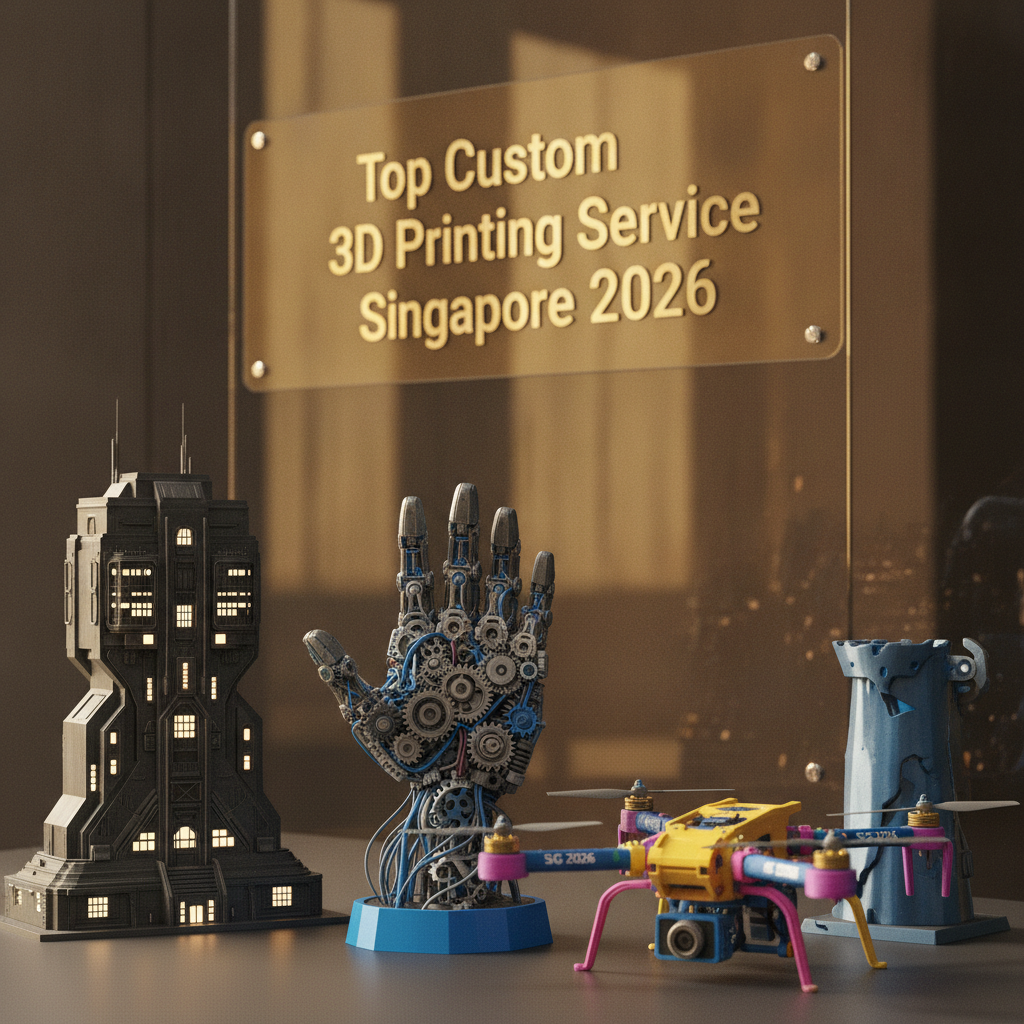
Singapore remains a regional hub for innovation, supply-chain resilience, and technology adoption. For designers, product teams, and artists looking for precision and speed, a reliable 3d printing service Singapore partner can shorten development cycles, reduce costs, and enable customization at scale. This guide covers what matters in 2026: technologies, materials, pricing trends, quality checks, and how to pick a custom 3d printing singapore provider that fits your project.
The market landscape: trends shaping custom 3D printing Singapore
- On-demand and localized manufacturing: Businesses are moving away from mass overseas runs for short production and limited-edition runs, favoring local services for faster turnarounds and better IP control.
- Multi-material and color printing: Advances in binder jetting, full-color resin, and multi-extruder FDM systems let designers combine textures and functional materials in a single print.
- Sustainable and recycled materials: PLA blends, recycled nylon, and bio-resins are mainstream options for environmentally conscious projects.
- Integrated digital workflows: Cloud-based quoting, automated DFM checks, and AI-assisted slicing reduce human error and speed up iterations.
These trends affect both cost and capability — good providers will present clear options rather than one-size-fits-all pricing.
Key 3D printing technologies to consider
Understanding the core processes helps you select the right 3d printing service singapore for your needs:
- SLA/DLP (resin): Highest surface detail and smooth finishes. Best for collectible figures, visual prototypes, and jewelry masters.
- SLS (powder): Strong, functional parts without support structures — ideal for durable prototypes and small production runs.
- FDM/FFF: Affordable and fast for larger parts and mechanical prototypes. Newer industrial FDM systems offer improved accuracy and materials.
- MJF / Binder Jetting: Good for faster color or production runs with consistent mechanical properties.
- Metal printing (SLM/DMLS): For functional, load-bearing parts and tooling, though cost and lead times are higher.
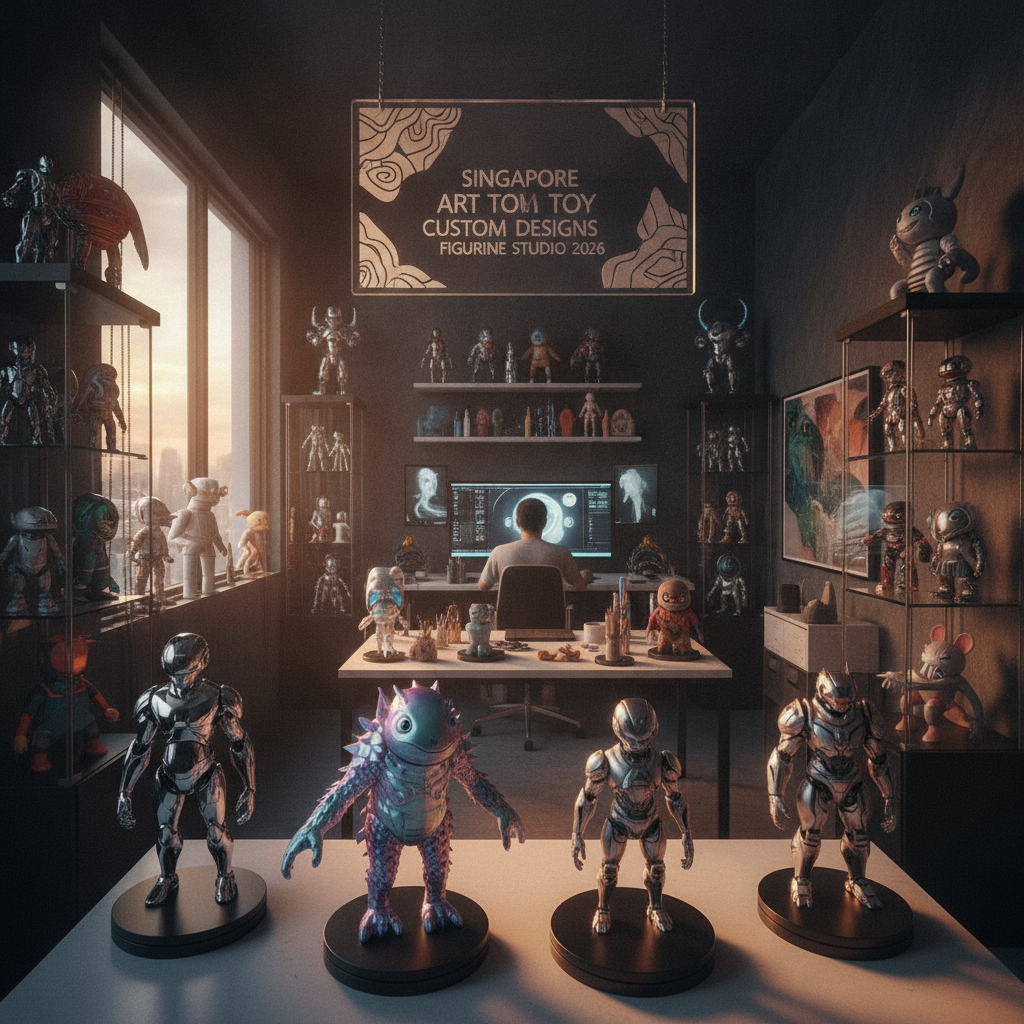
For collectible and art-driven projects, specialized resin workflows often deliver the best detail and finish. See an example of custom work for collectible art toys to understand expectations for surface quality and post-processing.
Materials and finishing: matching function and aesthetics
Choosing a material is a trade-off between appearance, mechanical performance, and cost.
- Visual prototypes/collectibles: High-resolution resins, polishes, and hand-painting deliver gallery-ready results. A service experienced in post-processing will offer smoothing, priming, and painting.
- Functional prototypes: Nylon (SLS) and engineering-grade thermoplastics provide strength and thermal resistance.
- Consumer products and lifestyle pieces: Consider food-safe certifications, UV resistance for outdoor use, and tactile finishes; lifestyle product specialists can guide material selection.
If color or texture matters, confirm whether the 3d printing service offers in-house finishing or partners for painting and assembly. For lifestyle product design, integrated finishing reduces hand-offs and keeps lead times tight.
How to evaluate and pick a 3D printing partner in Singapore
When comparing providers, use a checklist to separate marketing claims from real capability:
- Portfolio and case studies: Look for projects similar to yours (collectibles, product design, tooling). A relevant portfolio shows repeatable quality and process maturity.
- Technology breadth: Does the provider have SLA, SLS, FDM, and production-grade options? Access to multiple processes lets you choose the right trade-offs.
- Material specs and certifications: Ask for datasheets, tensile strengths, and any regulatory compliance if your product contacts skin or food.
- Tolerances and inspection: Can they provide dimensional inspection reports or first-article inspection (FAI)? For functional parts, this matters.
- Turnaround and capacity: Confirm lead times for prototype vs small-batch production and whether the shop handles urgent orders.
- Communication and quoting: Fast, transparent quoting with DFM feedback saves time and cost.
If you need collectible-grade finishes, check examples of studio projects that combine high-resolution printing with skilled post-processing to reach display quality.
Pricing and lead times: what to expect in 2026
Pricing depends on technology, material, and finishing. Typical patterns:
- FDM prototypes: Low cost per part, fast (24–72 hours) for simple geometries.
- Resin SLA: Moderate cost, higher for ultra-high-detail resins and heavy post-processing; typical lead times 3–7 business days.
- SLS / MJF: Higher base cost but competitive for batches; lead times 5–14 days depending on capacity.
- Metal printing: Highest cost and longest lead times (2–8 weeks), often with additional heat treatment and post-machining.
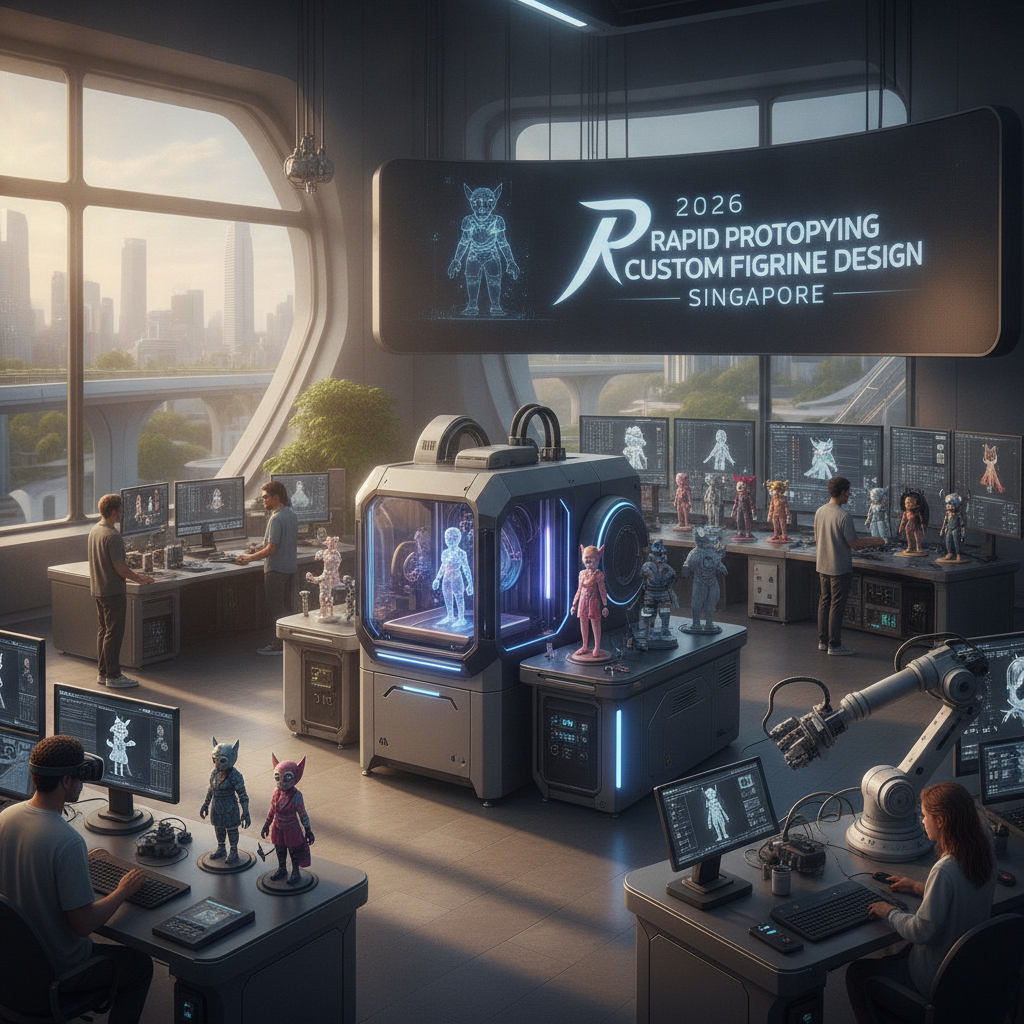
Request cost breakdowns (material, machine time, post-processing, and finishing) to compare apples to apples. Some providers offer expedited services and rapid prototyping lanes for urgent product sprints — useful for time-sensitive launches.
Quality control and IP protection
A trustworthy 3d printing service singapore should have clear IP safeguards (NDAs, secure file handling) and documented QC processes. Ask whether they:
- Keep files confidential and restrict downstream use.
- Use inspection tools like CMM or 3D scanners for critical dimensions.
- Provide sample approvals before small-batch runs.
For startups and brands, an established rapid prototyping workflow that includes sample sign-offs prevents costly reworks later.
Real-world use cases and examples
- Limited-edition art toys: Small studios have shifted to specialized FDM and SLA shops to produce high-detail limited runs with consistent paint-ready surfaces. For a look at production-ready limited editions, review case studies that combine FDM and finishing for collectible art toys.
- Lifestyle product development: Teams developing consumer goods often rely on services that integrate prototyping with user-testing iterations — from ergonomic mockups to production-ready parts — so the transition to injection molding or small-batch manufacturing is smoother.
- Rapid prototyping for functional parts: Engineers use fast FDM lanes for iterative testing and SLS for more durable prototypes that mimic final-product strength.
If your project crosses art and product boundaries, consider providers that specialize in both creative finishes and engineering validation.
Working with your chosen provider: best practices
- Prepare files correctly: Provide watertight meshes, indicate intended orientation, surface finish expectations, and tolerances.
- Specify critical dimensions: Call out fit and interface areas that require tighter tolerances.
- Start small: Run a single prototype or a short pilot batch to validate materials and finishing before a larger order.
- Plan post-processing: Clarify whether painting, assembly, or electronics integration is included or handled by partners.
- Use iterative feedback: Request photos and dimension reports during production to catch issues early.
For collectible and art-driven projects, request pre-paint mockups to verify color and texture before the entire run is finished.
Checklist: Questions to ask before ordering
- Which printing processes do you recommend for my part and why?
- Can you provide a lead time and cost breakdown (material, printing, finishing)?
- Do you supply inspection reports or test data for mechanical properties?
- What IP protections and file storage policies do you have?
- Can you handle small-batch production and scale to larger volumes if needed?
For teams focused on lifestyle product design, ask about integrated product workflows that bridge prototype and production stages efficiently.
Final considerations: balancing cost, quality, and speed
Choosing the best 3d printing service Singapore partner means balancing the classical triangle: cost, quality, and speed. If finish and detail are paramount (collectibles, display pieces), invest in high-resolution resin and expert finishing. If iterations and function matter most, prioritize rapid FDM or SLS with documented tolerances.
To explore specialized applications like collectible art toys, lifestyle product design, or rapid prototyping lanes, review studio case studies and specialized service pages that show end-to-end workflows and real outcomes. These will help you gauge whether a provider has the technical depth and creative craft to execute your project.
Resources and next steps
- If your project requires highly detailed finishes with reliable post-processing, search for providers that showcase collectible art toy workflows and finished samples.
- For consumer product teams, look for partners with integrated lifestyle product design capabilities and clear paths from prototype to production.
- For engineering-first projects, prioritize shops that provide dimensional inspection and mechanical testing data.
Selecting the right 3D printing partner in Singapore transforms your timeline and product quality. Evaluate portfolios, confirm capabilities, and run a pilot to validate fit before committing to larger production runs.
Custom 3D printing Singapore for collectible art toys | Custom 3D printing for lifestyle product design | FDM 3D printing Singapore for limited-edition art toys | Fast FDM 3D printing Singapore rapid prototyping | Custom 3D printing Singapore rapid prototyping