Introduction
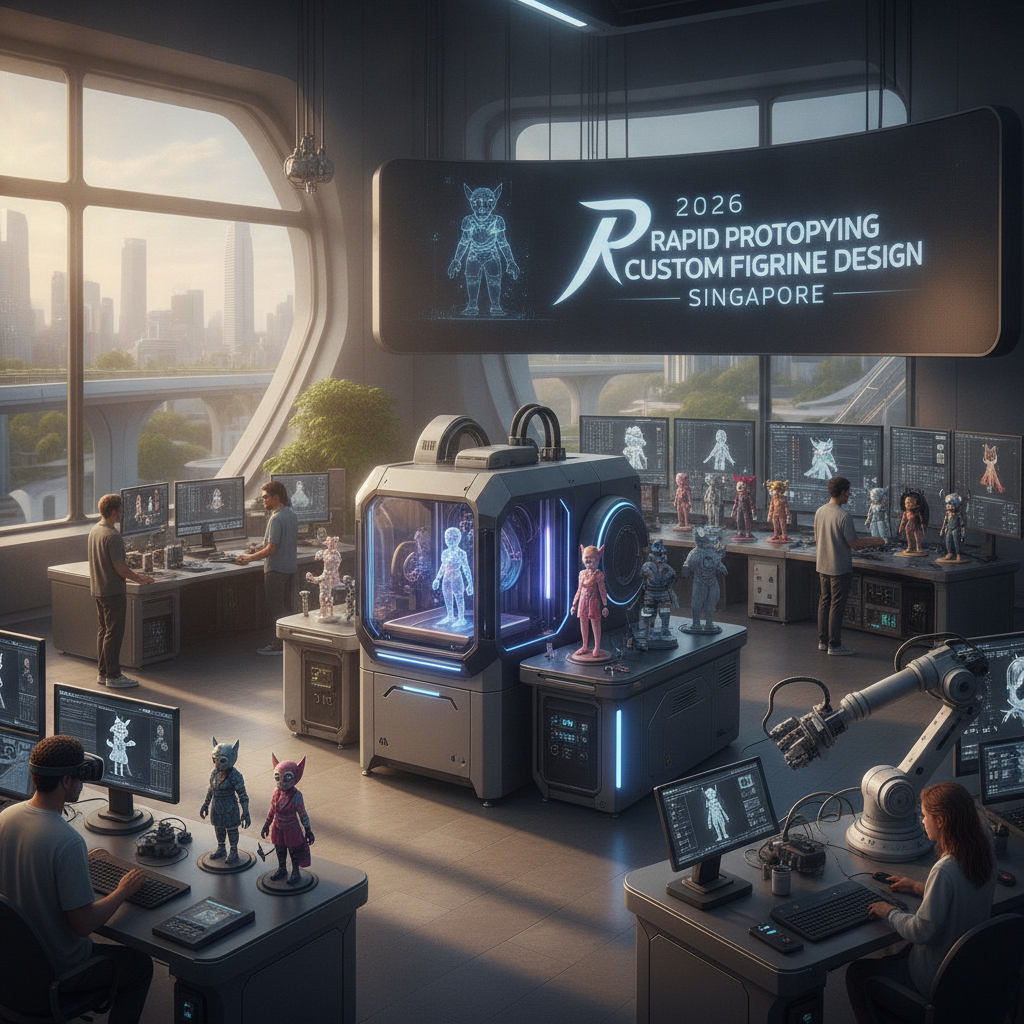
The intersection of designer art toys and industrial-grade CAD workflows is reshaping how creatives bring collectible characters to life. By 2026, designers in Singapore and beyond are using advanced CAD modeling, 3D printing and AI-assisted design tools to shorten development cycles, improve surface fidelity and scale small-run production without sacrificing craft. This article explains practical CAD practices for art toys, highlights material and finishing choices, and maps the local Singapore ecosystem that makes rapid, high-quality collectible production possible.
Why CAD modeling matters for art toys
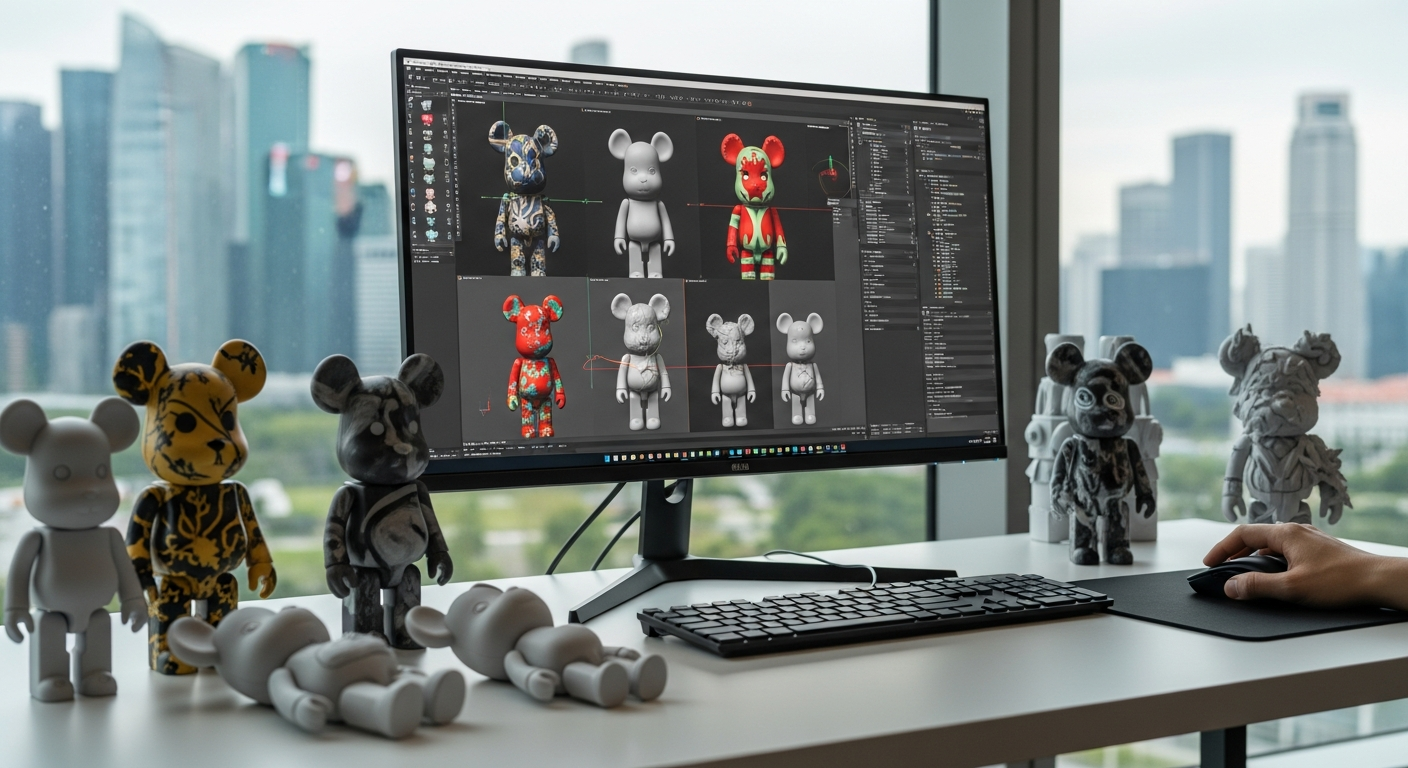
CAD modeling is more than just a way to produce a digital file for 3D printing. For art toys it becomes the central repository for form, tolerances, assembly points, and surface detail. Accurate CAD models ensure:
- Repeatable parts and consistent assemblies across editions.
- Predictable wall thicknesses and structural strength, which reduces print failures and costly rework.
- Clean interfaces for molds or multi-part prints, important for hybrid production strategies.
- A single source of truth for color separations, decals and paint masks.
In Singapore, designers are increasingly turning to specialized workflows such as CAD modeling for next-gen art toys that combine sculpting fidelity with engineering checks tailored to collectibles.
Typical CAD-to-prototype workflow for art toys
- Concept & sketching: Traditional sketching or digital concept art defines character, pose and scale.
- Sculpting: ZBrush, Blender or similar tools create organic shapes; retopology readies meshes for CAD or animation.
- Engineering & CAD: Rhino, Fusion 360 or SolidWorks handle hard interfaces, snap-fit mechanisms, and shelling for hollow prints.
- Print preparation: Check wall thickness, add drain holes, and orient parts for optimal support removal.
- Prototyping: SLA, SLS or FDM prototypes validate fit and finish.
- Post-processing & finishing: Sanding, priming, painting, tampo printing, and coating deliver display-ready pieces.
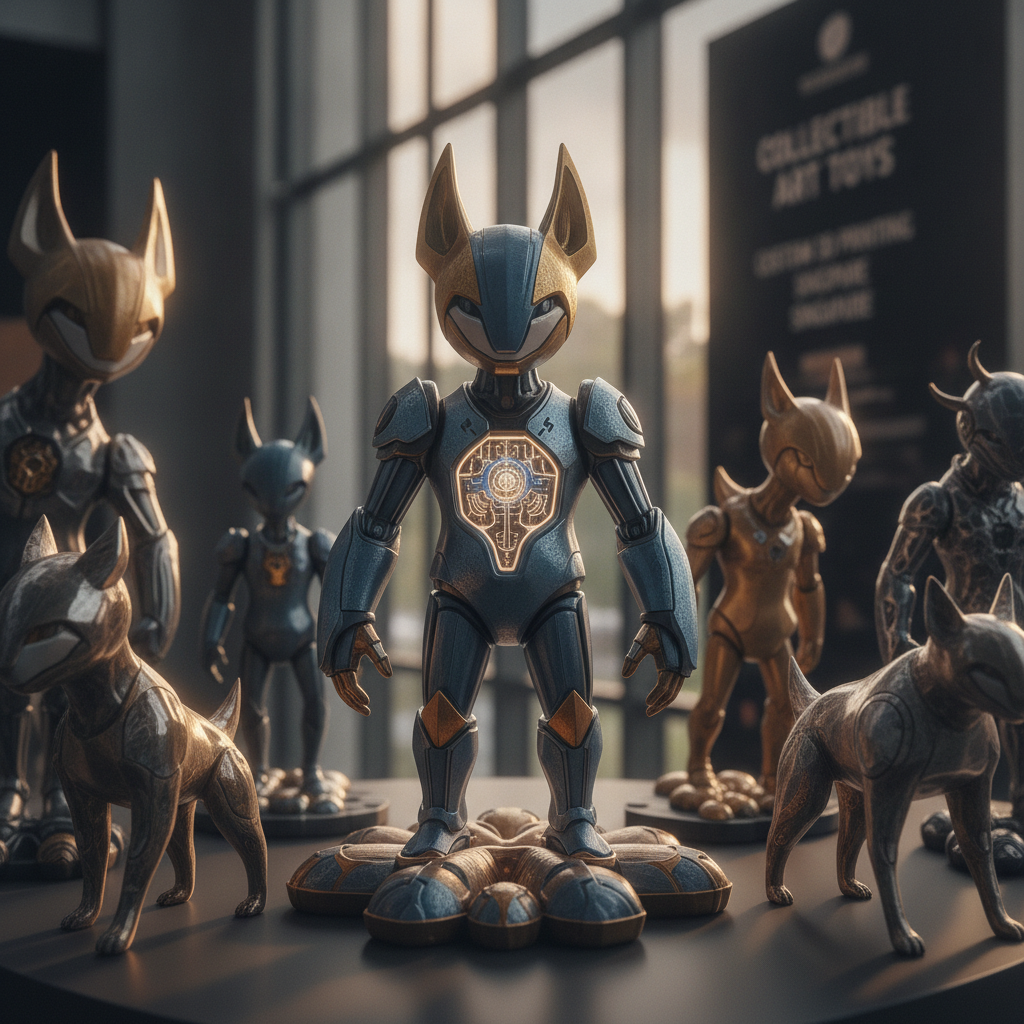
This hybrid approach keeps the sculptural quality while ensuring manufacturability. For designers focused on collectible value, services geared toward collectible art toys in Singapore offer combined sculpting, CAD engineering and small-batch production.
Choosing the right modeling approach
For art toys, modeling techniques fall into three broad categories:
- Pure digital sculpting for highly organic, expressive characters. Best for single-piece sculpts and limited editions.
- CAD-driven design for toys requiring mechanical interactions, interchangeable parts or articulated joints.
- Hybrid workflows that convert high-resolution sculpts into watertight solids suitable for engineering refinements.
A sound pipeline uses retopology to convert dense sculpt meshes into manageable topology, then uses boolean operations and surface tools in CAD to create accurate seams and mounting features. That is where the term cad modeling singapore becomes critical: local studios often specialize in translating sculptural intent into production-ready CAD.
Materials and printing technologies — what works for art toys
Material choice affects aesthetics, durability and cost. Common technologies and material notes:
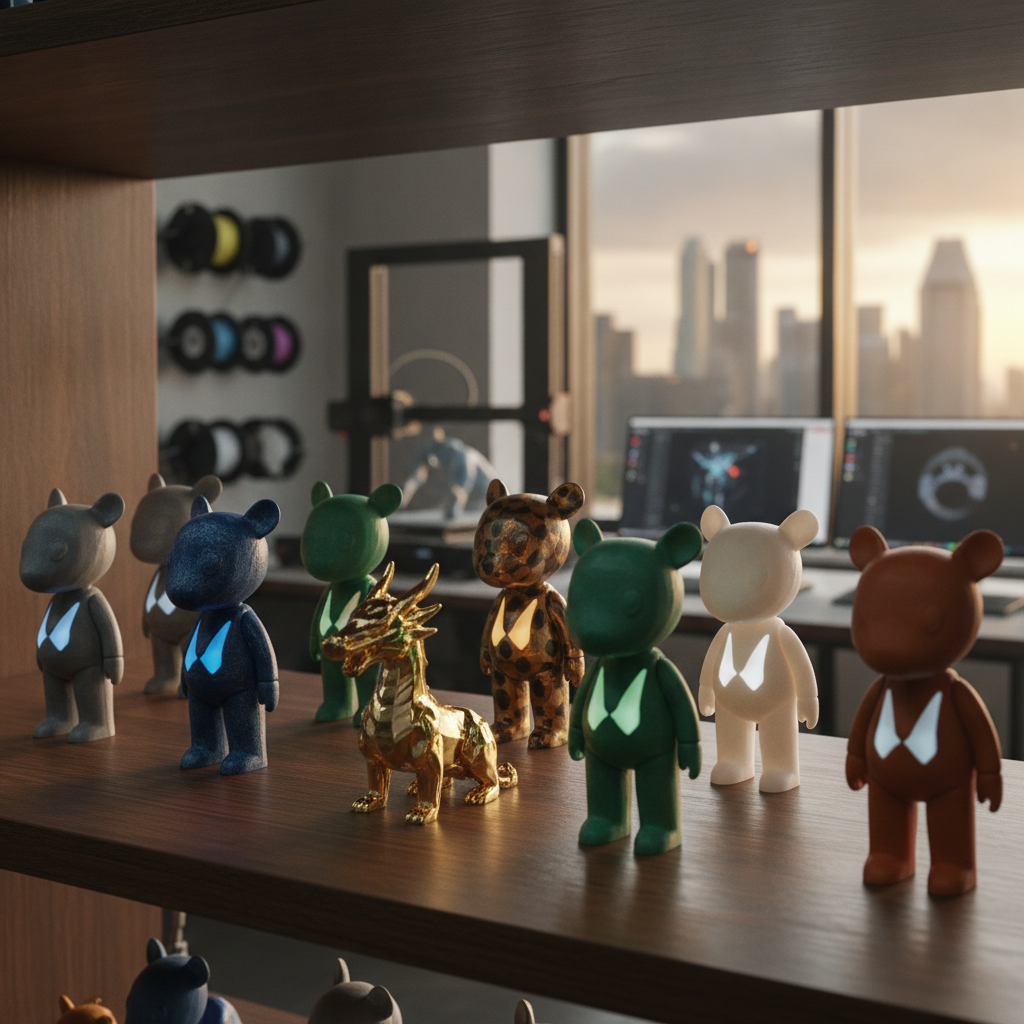
- SLA Resin: Best for high-detail prototypes and limited resin collectibles. Layer lines are minimal; post-cure resin can be fragile without sufficient wall thickness.
- SLS Nylon: Good for durable, flexible parts and complex geometry without supports. Surface finish is slightly grainy and often requires smoothing.
- FDM (Fused Deposition Modeling): Cost-effective for quick proofs and structural components. On-demand FDM options offer fast turnaround for iterations — many creators use on-demand FDM 3D printing to iterate shapes before committing to higher-fidelity techniques.
- Injection Molding: Best for larger runs and commercial releases; requires mold design and substantial upfront cost, but yields consistent finish and material options.
Sustainability is also a growing consideration. Many studios now offer workflows for sustainable art toys using recycled filaments, bio-based resins or low-VOC coatings to reduce environmental impact.
Surface finishing and painting techniques that add collectible value
Surface finish can define a toy’s perceived value. Common finishing steps:
- Gap filling and micro-sanding: Removes layer lines and prepares the surface for paint.
- Primer and sealer: Establishes adhesion and evens out surface porosity.
- Airbrushing: Smooth gradients, metallics and custom colorways.
- Tampo printing and pad printing: Apply small, precise graphics such as eyes, logos or edition numbers.
- Clear coats: Satin, gloss or matte topcoats protect the paint and set the final look.
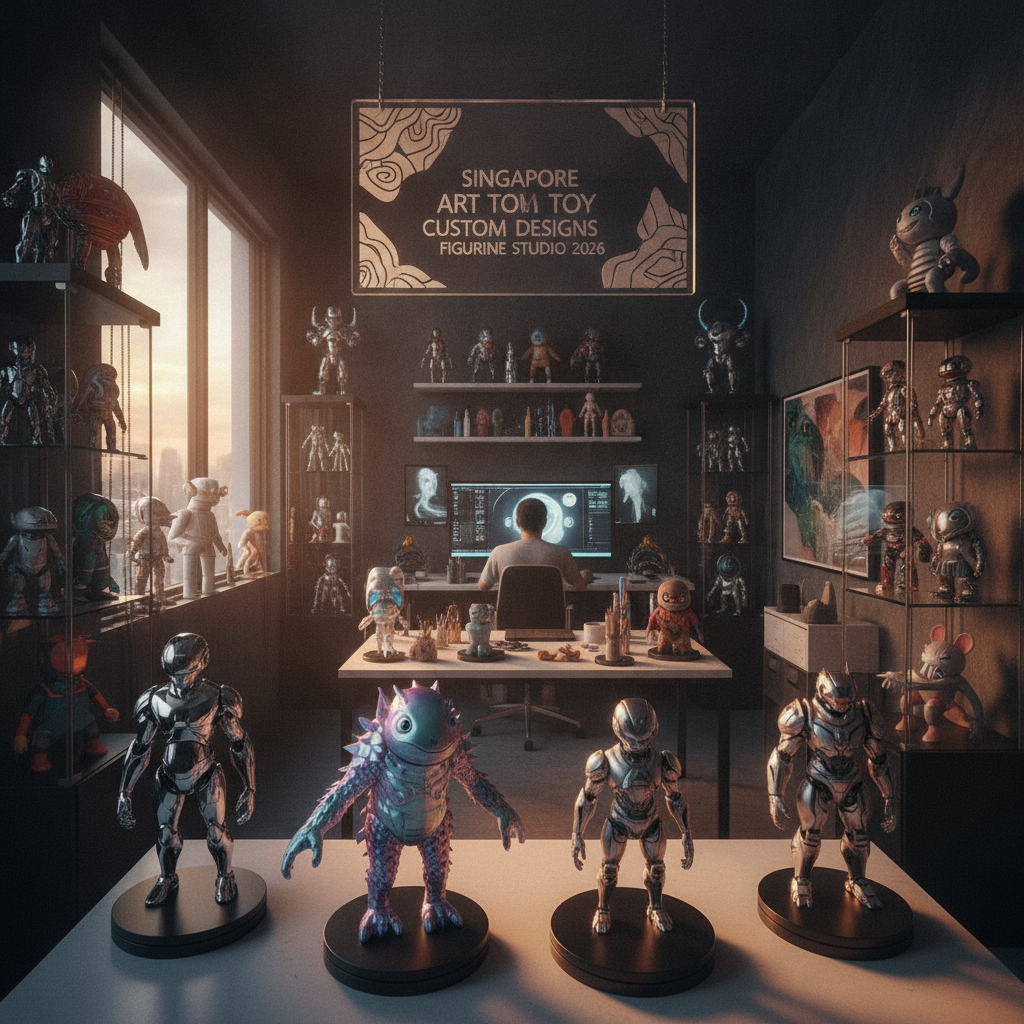
Advanced studios in Singapore provide integrated finishing services, blending hand-paint techniques with digital printing for limited editions and artist proofs.
AI and generative tools in CAD workflows (2026 outlook)
By 2026, AI-derived tools are not just for ideation but integrated into CAD pipelines. AI can:
- Accelerate retopology and surface reconstruction from high-density sculpts.
- Suggest structural reinforcements and wall thickness adjustments based on intended material and print process.
- Generate multiple style variants from a single sculpt, enabling rapid limited-edition colorways.
Local practices are experimenting with AI CAD modeling to automate repetitive tasks, freeing artists to focus on expression and storytelling.
Small-batch production and monetization strategies
The collectible market rewards scarcity and authenticity. Common production and monetization strategies include:
- Limited runs with serialized pieces, using CAD-based mold or print controls to guarantee consistency.
- Pre-order campaigns combined with staged releases to fund tooling costs.
- Hybrid drops: digital NFTs paired with physical pieces, where CAD models serve as the digital twin.
- Customization services that allow buyers to select colorways, accessories or minor sculpt variants.
Designers often rely on a mix of 3D printing for low-volume releases and injection molding when demand justifies the tooling cost.
Singapore as a hub for art toy production
Singapore offers several advantages for designers working on art toys and CAD modeling:
- Proximity to advanced fabrication labs and post-processing facilities with tight delivery windows.
- A dense network of creative studios experienced in cross-disciplinary workflows that mix sculpting, CAD and surface finishing.
- Strong IP and business infrastructure, which helps designers protect and commercialize their characters regionally.
- Access to suppliers for environmentally friendly materials and small-batch manufacturing partners.
Studios positioned in Singapore increasingly offer end-to-end services, combining design consulting, prototyping, small-batch printing and finishing under one roof — a model seen in specialized offerings for collectible art toys.
Intellectual property and quality control best practices
When turning a character into a collectible, creators should adopt clear IP and production controls:
- Register designs, document concept provenance and maintain file version control.
- Lock down final CAD assemblies and create production-ready files with embedded revision notes.
- Establish QA checklists for dimensions, color matching and fit tolerances.
- Produce a small pilot run and review finished pieces before scaling.
A mature CAD process reduces surprises at the finishing stage and preserves collectible value across an edition.
Selecting a CAD partner in Singapore
Look for partners who can bridge sculptural aesthetics with engineering rigor. Key capabilities to evaluate:
- Experience with art toys and knowledge of manufacturability constraints.
- Tools and expertise in both organic sculpting and solid CAD modeling.
- In-house or partnered finishing and painting services for turnkey delivery.
- Familiarity with sustainable materials and small-batch production models.
Many studios advertise combined services and case studies that demonstrate their ability to deliver from concept to shelf-ready pieces; for example, some provide integrated CAD and 3D printing packages that emphasize fast iteration and market-ready finishes.
Conclusion
As designer art toys continue to mature as a creative industry, CAD modeling in Singapore is becoming a strategic differentiator. The right CAD pipeline not only preserves sculptural intent but also unlocks reliable production, sustainable choices and flexible business models. Whether you are an independent artist or a studio scaling collectible releases, combining sculptural craft with refined CAD workflows and modern prototyping options will define success in 2026 and beyond.
For creators seeking integrated services, resources that combine CAD expertise, 3D printing and finishing capabilities can accelerate time-to-market and elevate collectible quality.