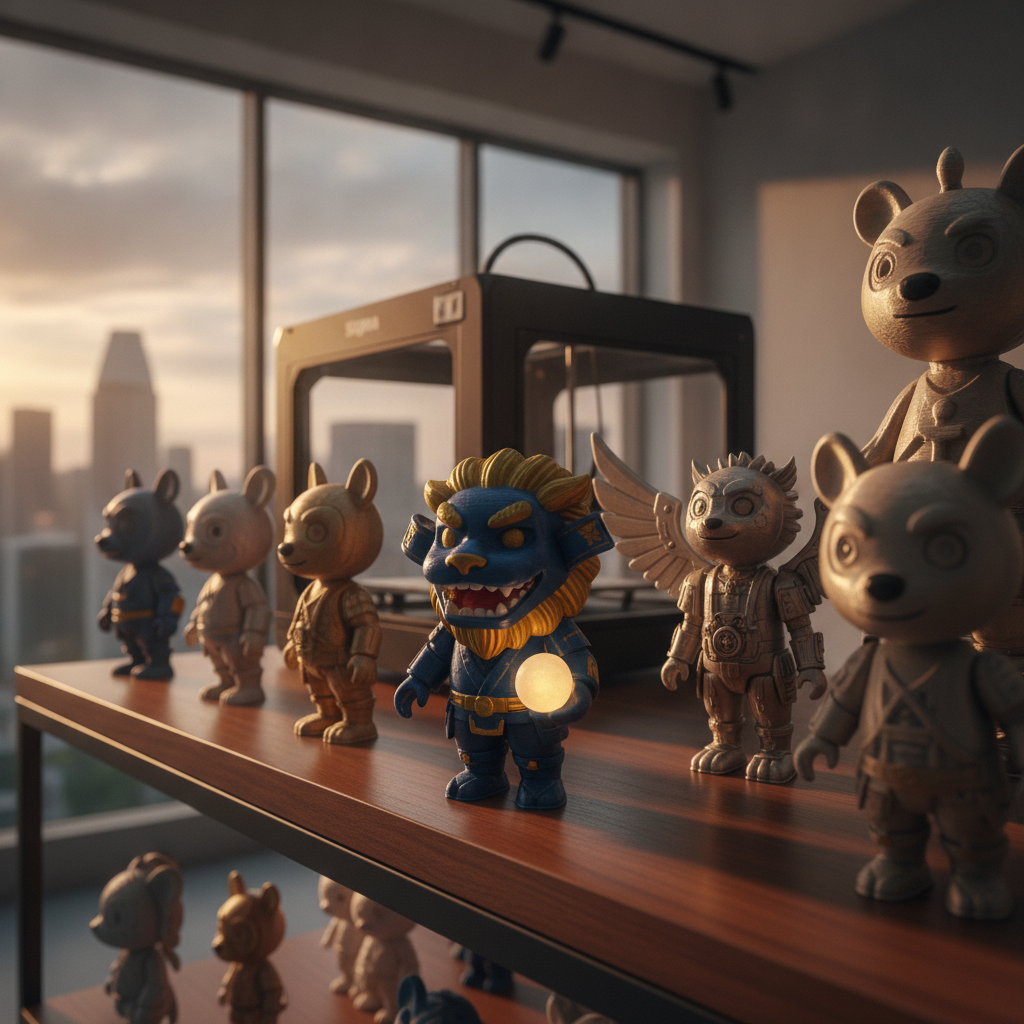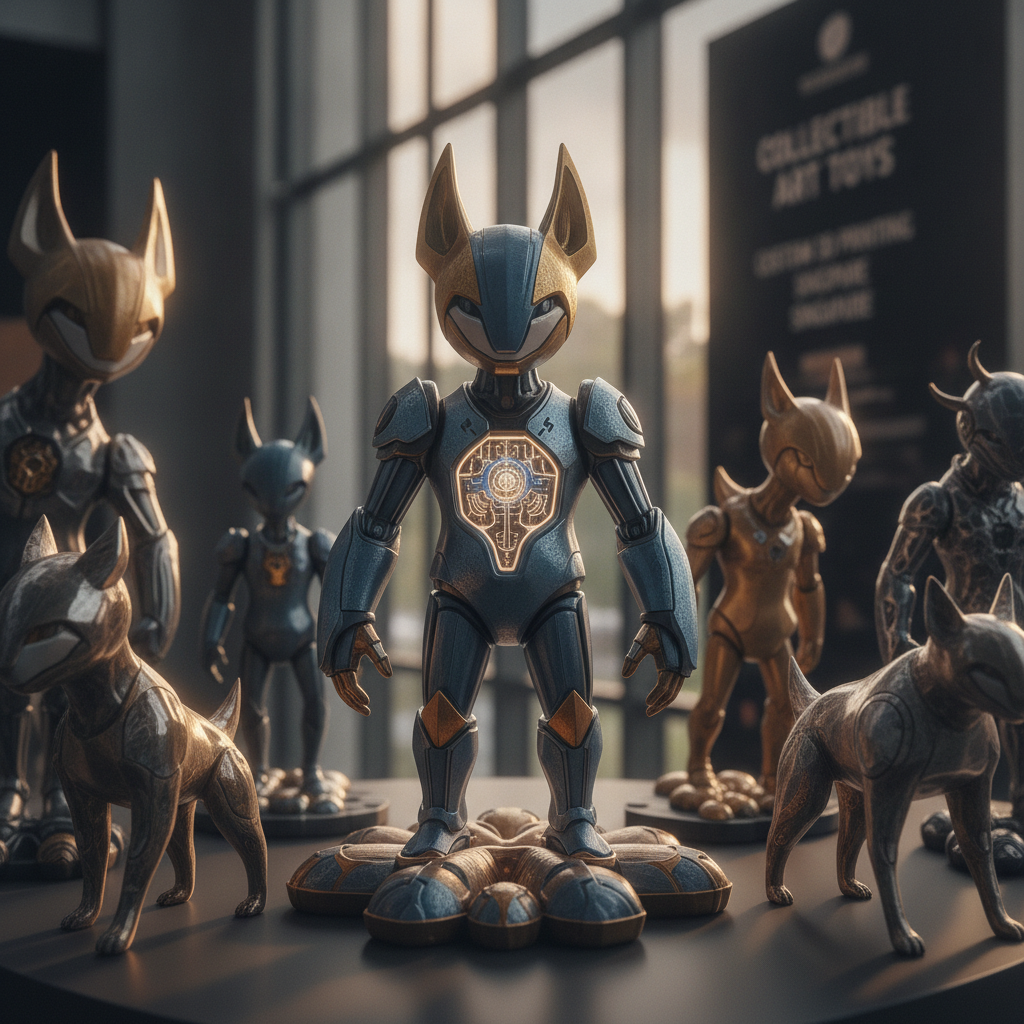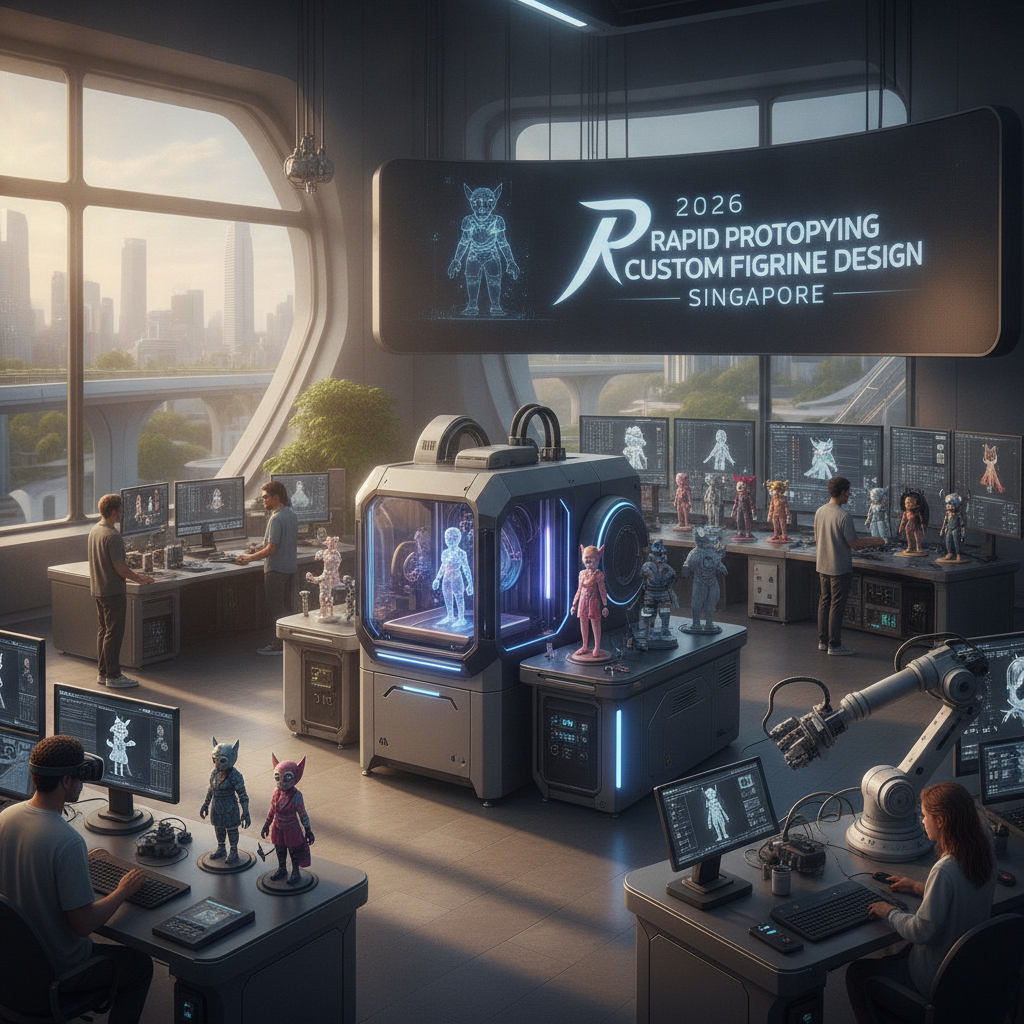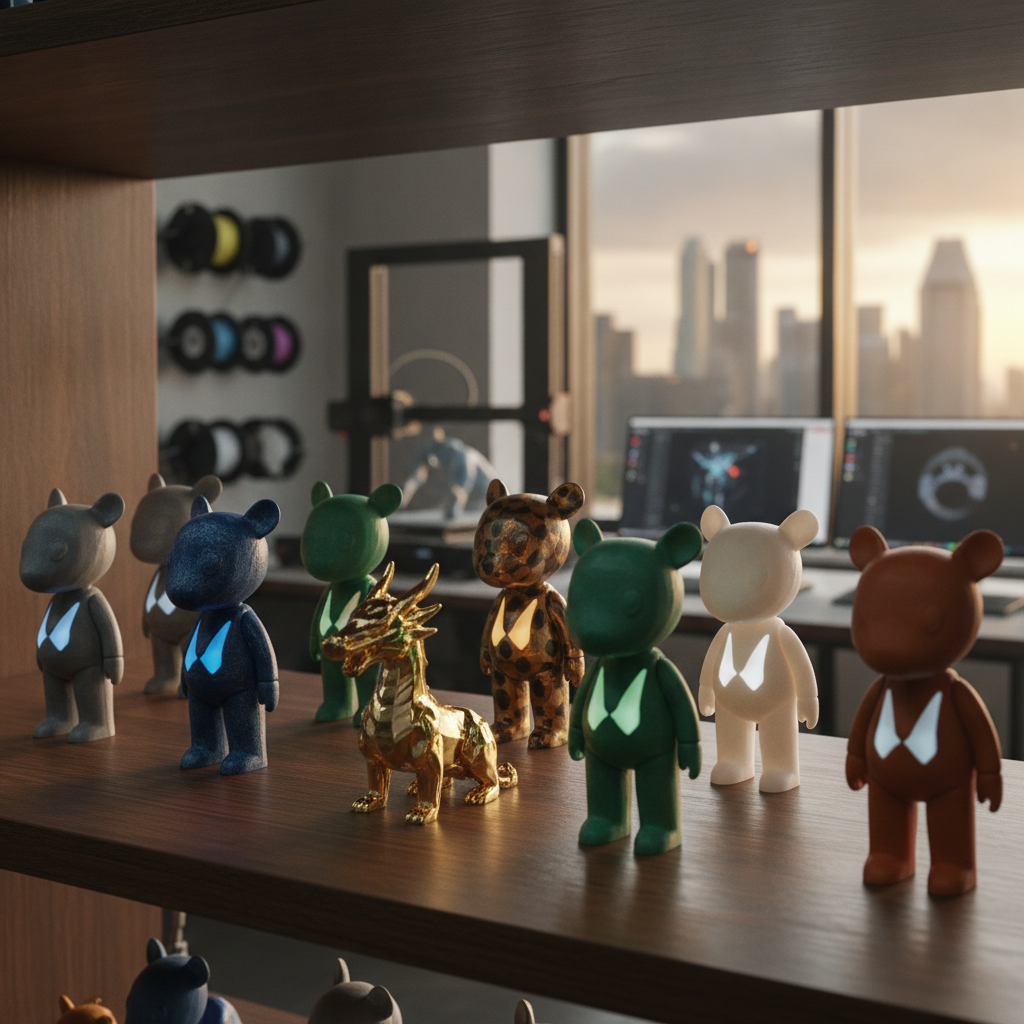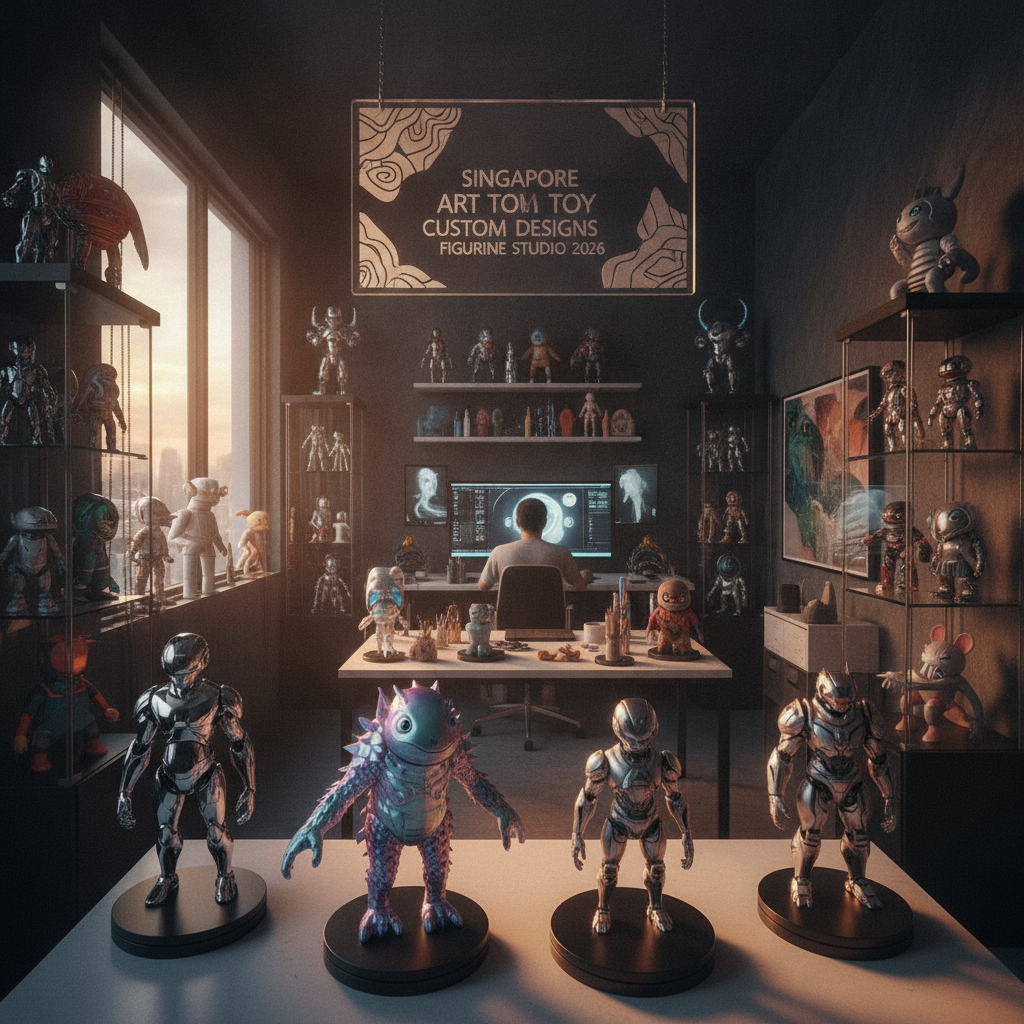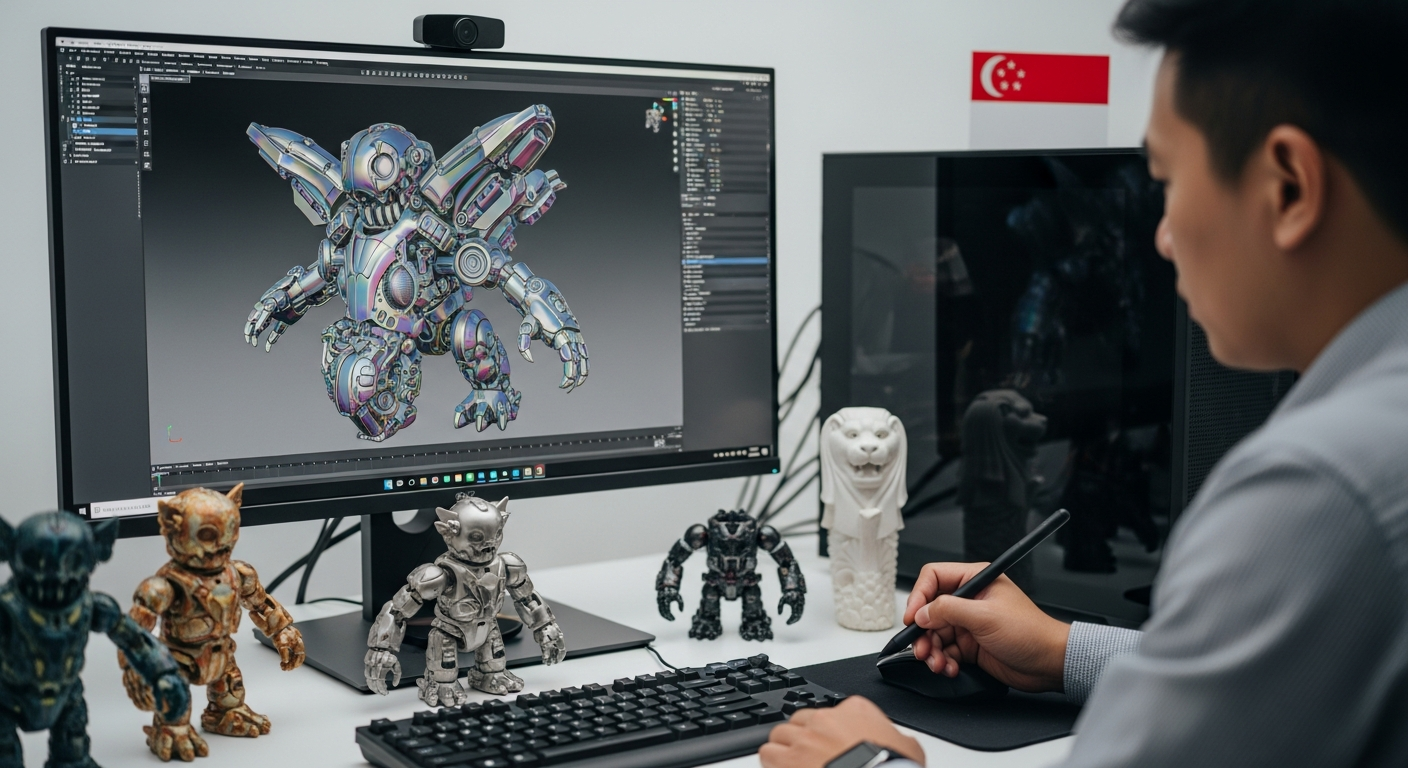

The intersection of CAD modeling Singapore studios and the global art toys scene is reshaping how collectible characters, designer figures and experimental sculptures are conceived, prototyped and produced. Art toys have graduated from small-run vinyl pieces to digitally engineered collectibles with complex joints, interlocking parts and embedded electronics. In this context, precision CAD is no longer a luxury — it’s the backbone of reliable production, iterative design and scalable customization.
For Singapore-based creators and brands targeting international collectors, CAD modeling Singapore services offer several distinct advantages: proximity to advanced 3D printing and manufacturing infrastructure, fast iteration cycles, and access to AI-augmented toolchains that speed concept-to-physical timelines. These capabilities make it easier to deliver limited editions, collaborative drops and hybrid physical-digital collectibles.
CAD modeling for art toys blends sculptural freedom with engineering constraints. Unlike purely utilitarian products, art toys demand emotional expression, textured surfaces and visual storytelling — yet they also need draft angles, tolerances and assembly strategies that a manufacturer can realize.
Modern workflows in Singapore emphasize:
These approaches are increasingly supported by localized studios that provide end-to-end services, from concept CAD to production-ready files and post-processing. For creators focused on environmental impact, look into practices that couple design for disassembly with recyclable materials and local production options like sustainable art toys and custom 3D printing.
AI tools are transforming both the creative and engineering sides of art toy development. Generative design can suggest internal geometries that save material without compromising durability, while AI-assisted retopology reduces manual cleanup of scanned or sculpted meshes.
In Singapore’s CAD ecosystem, designers are experimenting with machine learning models that: generate poseable skeletons, suggest split lines for molds or print assemblies, and automate render-to-CAD reverse engineering. If you’re tracking how this affects product design, explore how AI CAD modeling Singapore for lifestyle product design 2026 services package these capabilities for artists and brands.
Benefits to watch for:
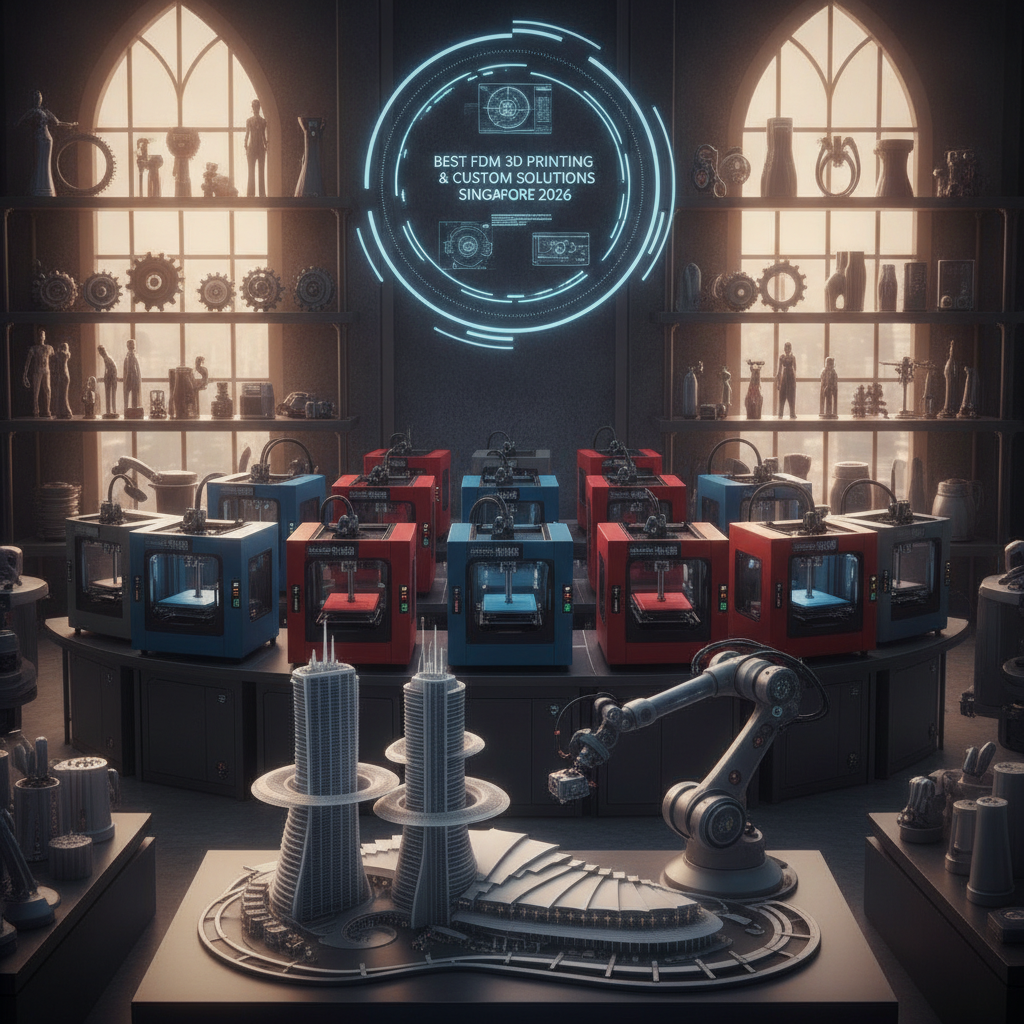
Rapid prototyping is a critical bridge between digital CAD and collectible reality. Singapore’s densifying additive manufacturing network supports everything from fine-detail resin prints to durable FDM parts used for jigs, articulation testing and low-cost functional prototypes.
On-demand services make it possible to iterate quickly and cost-effectively. Local studios offering on-demand FDM 3D printing and CAD modeling enable designers to test playability, balance and assembly before committing to larger fabrication runs.
Common prototyping strategies:
For turnkey small-batch production — where you want a partner to move from CAD to collectible — consider services that combine modeling, printing, finishing and packaging such as the 3D printing service for custom figurine design.
Collectors are increasingly conscious of materials and provenance. Sustainable design choices not only reduce environmental footprint but can enhance storytelling and market positioning.
Materials commonly used in next-gen art toys include:
Designers can incorporate sustainability by optimizing wall thicknesses, designing for disassembly, and choosing local additive processes that reduce shipping. For concrete workflows and case studies, studios now advertise sustainability-first approaches through combined CAD and 3D printing solutions like sustainable art toys and custom 3D printing.
Art toy producers often juggle the economics of scarcity and the demand for variant-rich releases. CAD modeling Singapore teams help brands optimize for small batch tooling or full additive production depending on volume.
If your pipeline needs fast turnaround and proven prototyping capabilities, look into the top rapid prototyping and CAD modeling options available in Singapore.
Next-gen art toys increasingly live in both physical and digital realms. CAD models created for manufacturing can be repurposed for AR previews, 3D configurators and even NFT metadata. Key uses include:
A disciplined CAD approach makes it simple to export LODs (levels of detail) and optimized meshes for these digital channels without sacrificing the fidelity needed for physical production.
A streamlined pipeline that Singapore studios are adopting looks like this:
Multiple Singapore studios now offer one-stop solutions that cover these stages, reducing friction between design intent and manufacturability. For many independent designers, partnering with a studio that can also handle production and fulfillment is a competitive advantage.
These trends will continue to push CAD modeling Singapore teams toward more integrated, tech-forward offerings.
When selecting a CAD and production partner in Singapore for art toys, prioritize: proven experience with figurine and jointed assemblies, access to multiple prototyping technologies, and a clear sustainability stance. If tight iteration and reliable finishing are important, look for providers that advertise integrated services — from CAD to printing to finishing — such as on-demand FDM and CAD modeling.
For designers who want full-service ideation-to-market support, investigate firms that combine AI workflows, low-volume production and logistics: a consolidated partner can dramatically shorten your route to market and improve collectibility outcomes through better tolerances and consistent finishes. A concise list of turnkey offerings and prototypes can be found at top rapid prototyping and CAD modeling.
By 2026, CAD modeling Singapore studios will be vital collaborators for artists and brands that want to push the boundaries of collectible design. The combination of AI-assisted modeling, sustainable materials, local prototyping and digital extensions will make it easier to deliver imaginative, high-quality art toys that collectors crave.
Invest in CAD workflows that consider both emotional design and production constraints, partner with prototyping experts, and keep sustainability and digital interoperability front of mind. For teams aiming to create market-ready figures with fast turnarounds, integrated 3D printing services and figurine design partners will be the differentiator that turns strong concepts into celebrated collectibles.