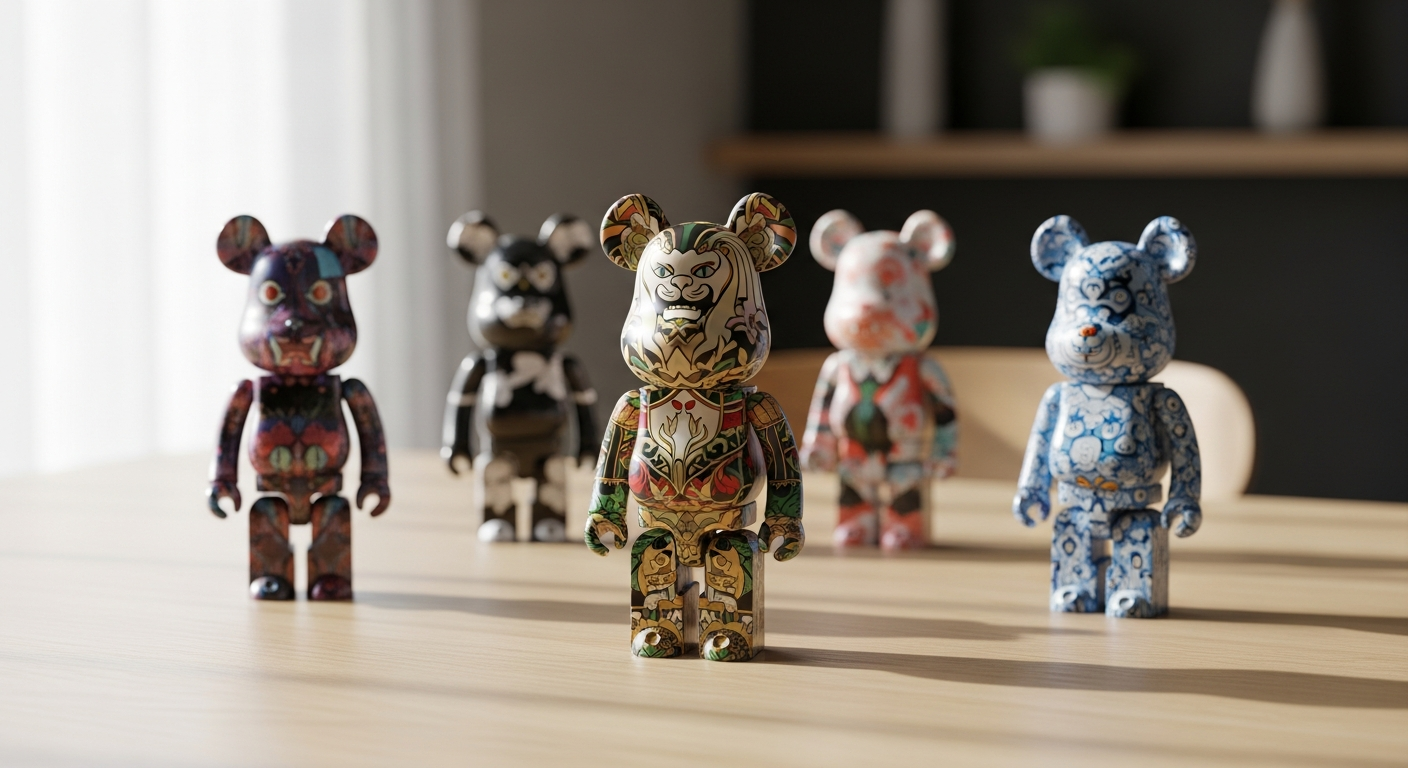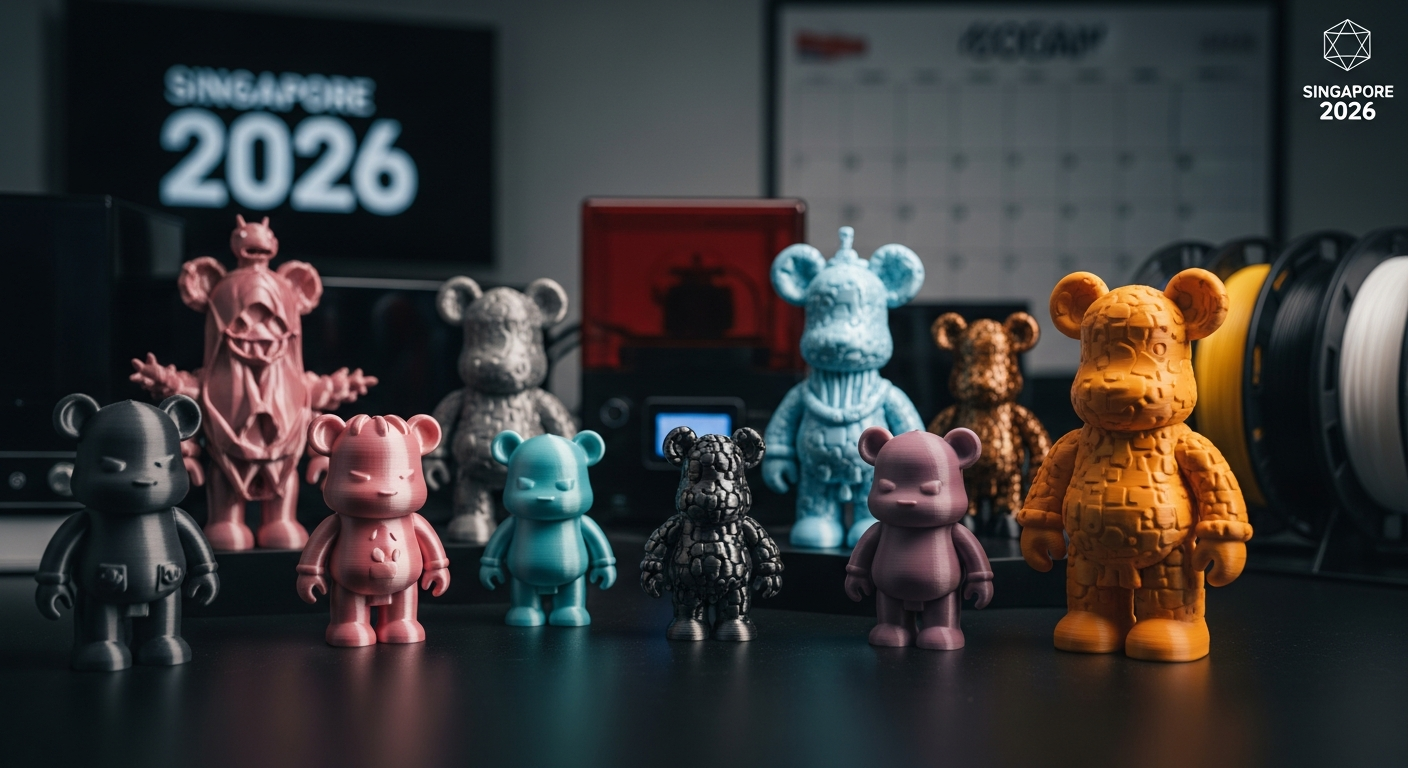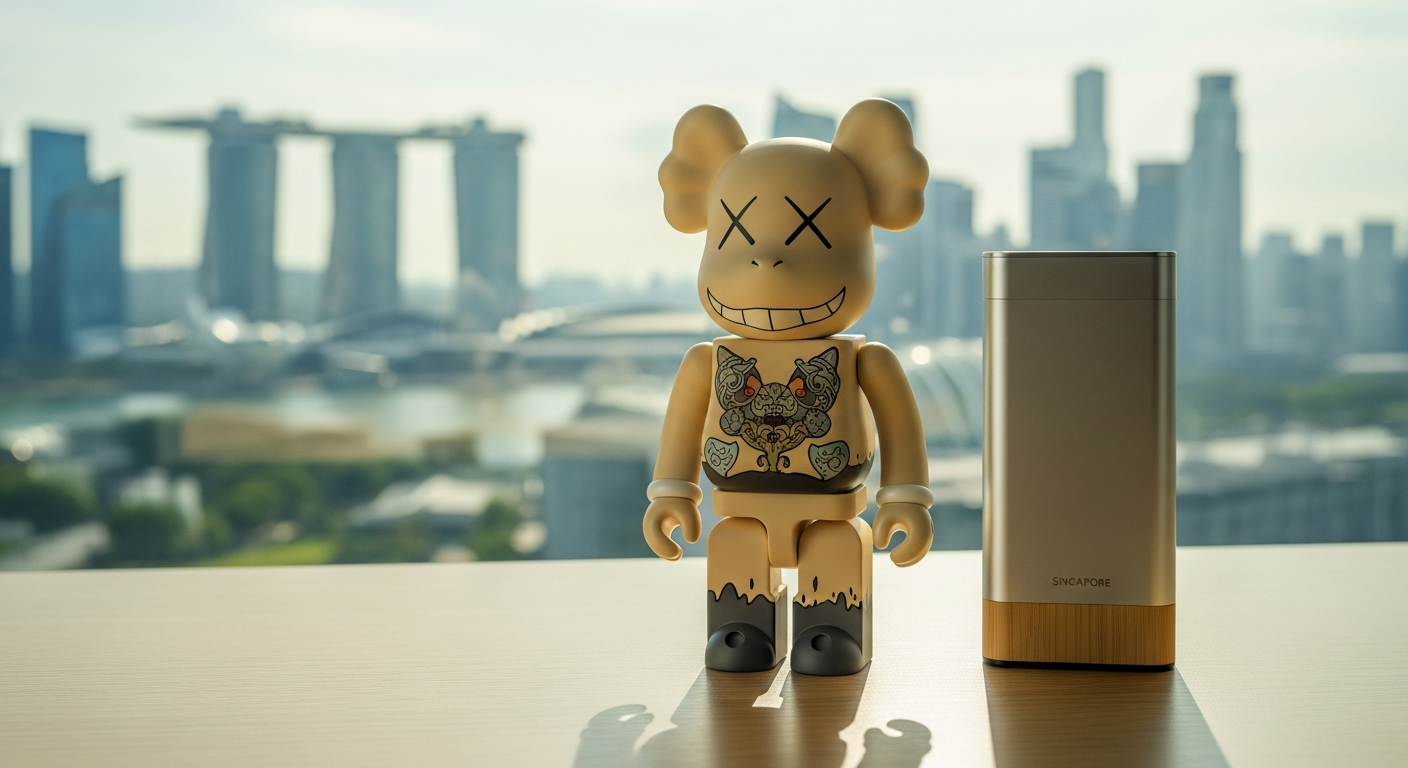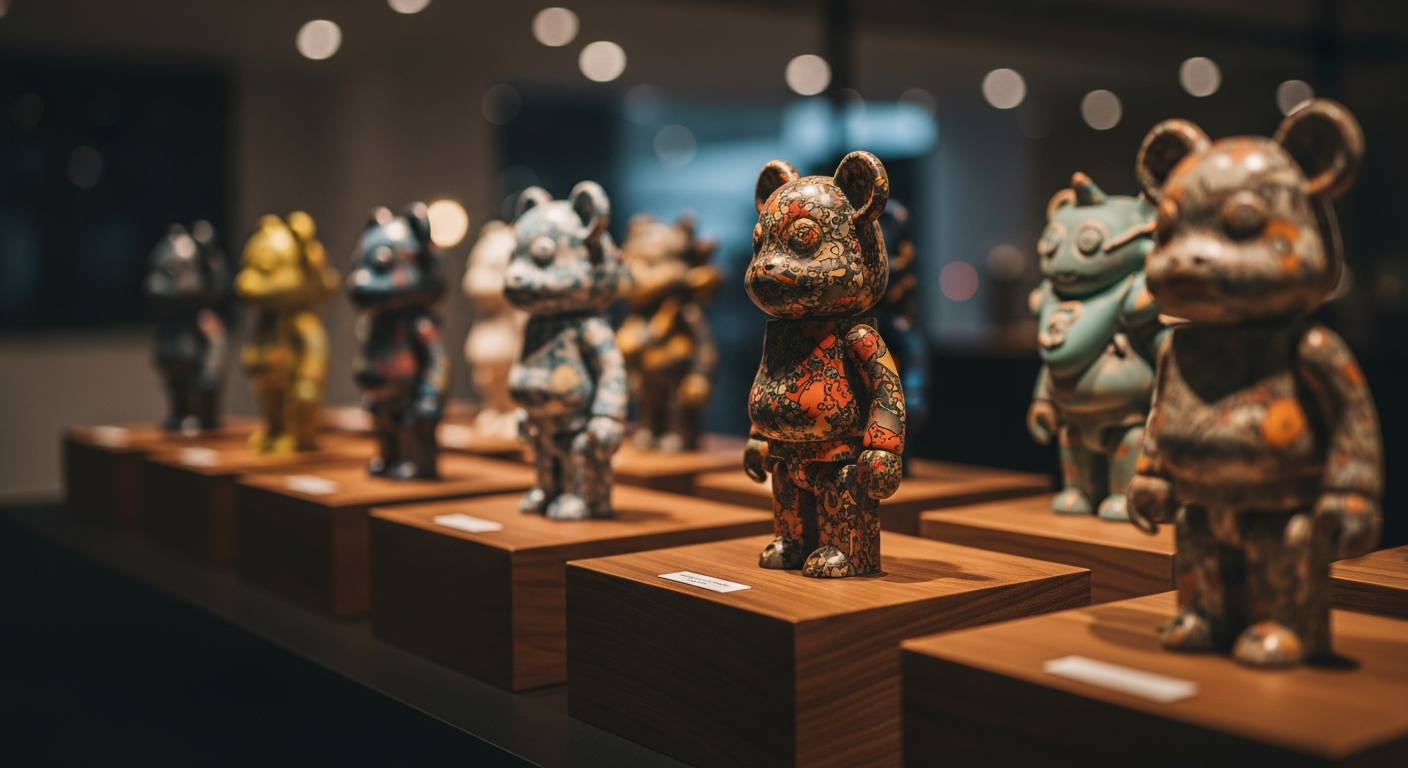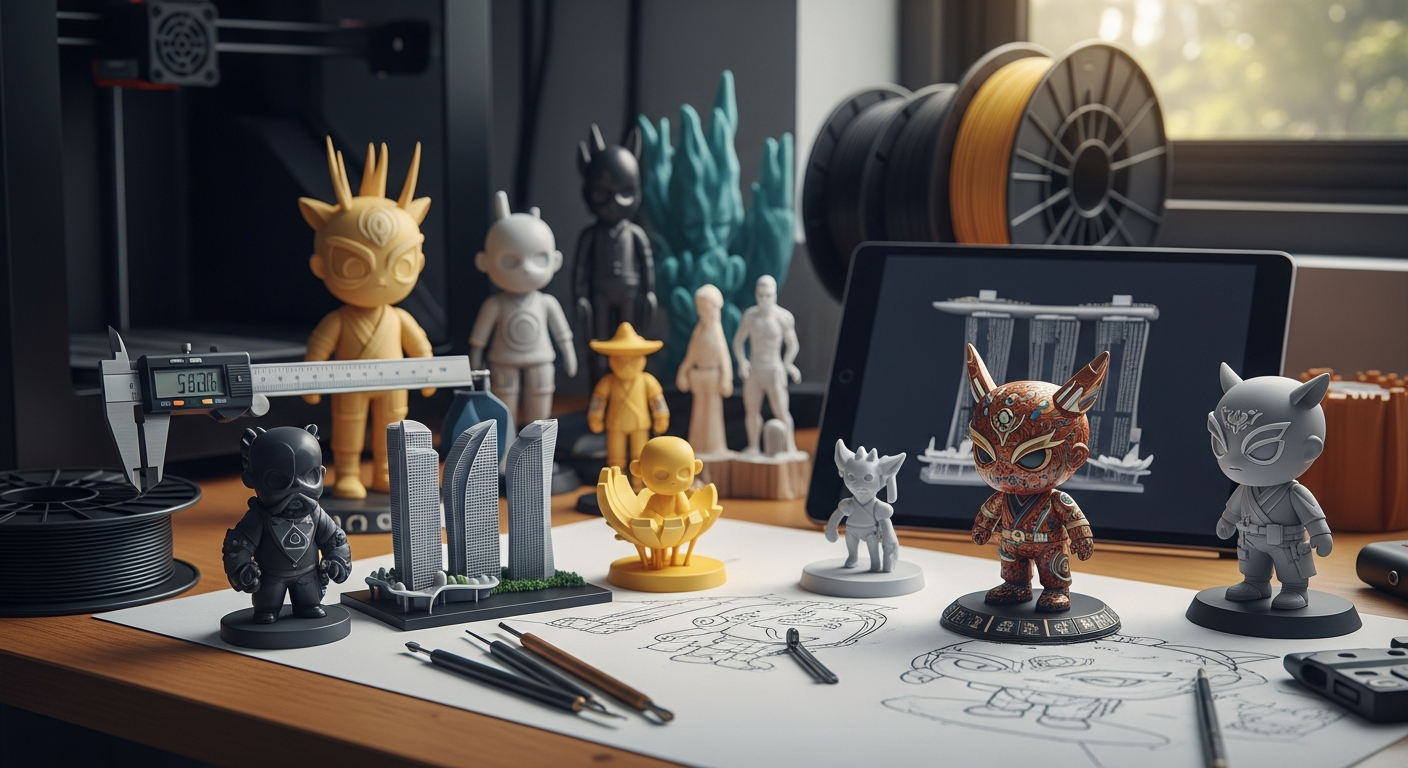
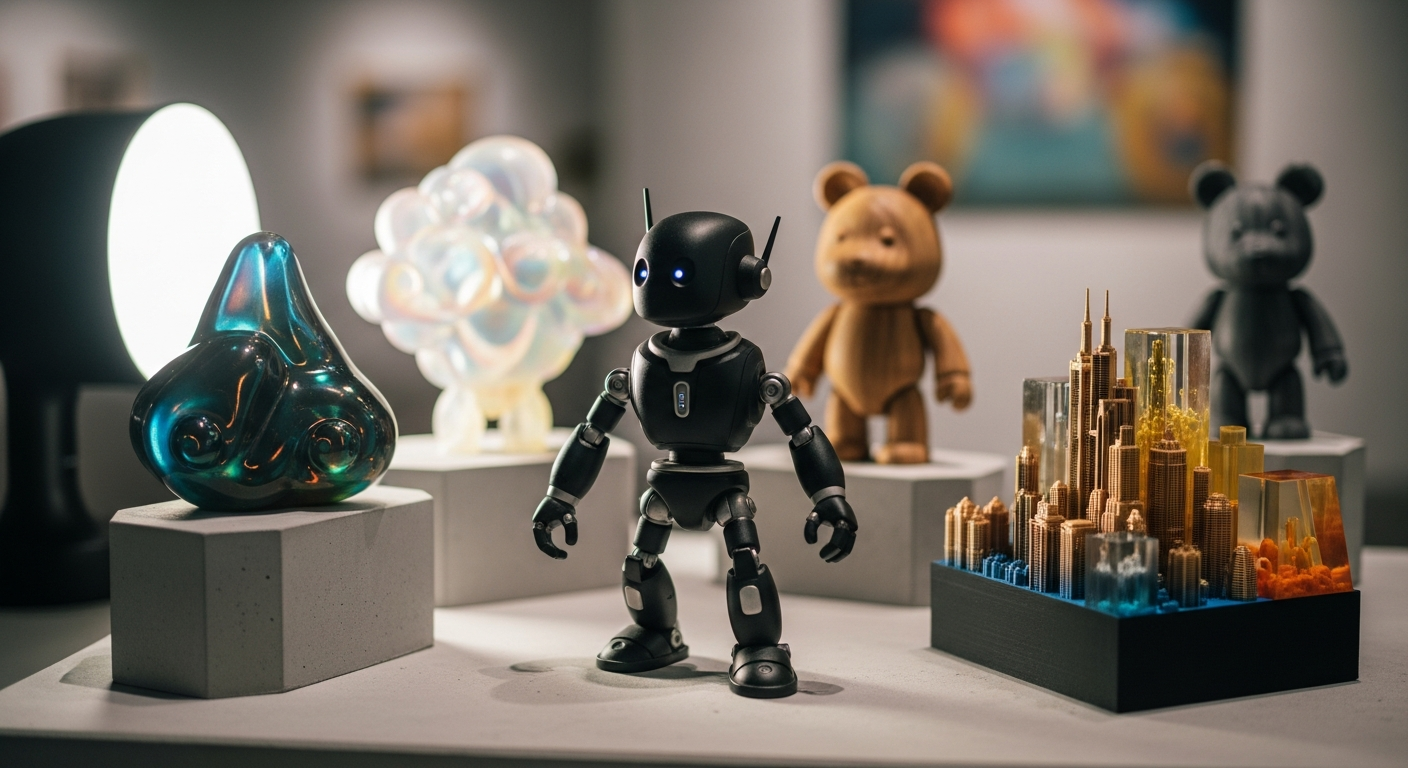

Singapore’s creative and manufacturing ecosystem has matured quickly. By 2026 the city-state combines world-class prototyping labs, accessible fabrication services and designers who bridge art and product development. For artists, brands and independent toy makers, this makes Singapore an efficient place to move from concept to collectible — often faster and more cost-effectively than regional alternatives.
The convergence of micro-manufacturing, advanced 3D-printing services and specialist finishing studios supports everything from single bespoke pieces to limited-edition runs. If you are searching for custom figurine design Singapore or rapid prototyping Singapore, understanding local capabilities will help you choose the right workflow.
Throughout these stages, close collaboration between sculptors, engineers and finishers shortens development time and reduces costly rework. For local resources, many teams rely on the trusted services found through specialist providers of bespoke art toys and design services in Singapore. See a practical example of bespoke custom figurine design Singapore here.
Rapid prototyping is not a single technology; it’s a toolbox. Choosing the right tool saves time and ensures accurate test results.
Local vendors in Singapore have invested in many of these technologies to offer integrated prototyping workflows. If you’re scouting options for manufacturing-ready prototypes, consider the best 3D printing service for art toys in Singapore linking to a specialist service.
Material choice impacts final appearance, durability and the amount of finishing work needed:
Finishing methods include primer sanding, epoxy smoothing, plating for metallic finishes, and hand or digital painting. Many Singapore studios combine printing with artisanal painting to deliver collectible-grade pieces. For integrated design and lifestyle product approaches, explore designer art toys and lifestyle product design options here.
Rapid prototyping is about iteration speed, but there’s a constant trade-off between turnaround time and surface fidelity.
Singapore’s proximity to high-end finishing houses allows teams to do quick iterations and still produce exhibition-grade samples for launch and investor demos. If production speed matters, consider local studios that offer combined custom 3D printing Singapore and finishing in one workflow to reduce shipping and handover time: custom 3D printing Singapore solutions.
Key cost drivers:
– Complexity and resolution of the model
– Number of prototype iterations
– Choice of printing technology and material
– Post-processing (sanding, painting, plating)
– Assembly and hardware
Typical approach to budgeting: allocate 15–30% of the total project budget for prototyping and revisions when launching limited-edition figurines. This ensures you can iterate multiple times without compromising final quality or timelines.
Several trends are shaping the landscape:
Designers and studios in Singapore are actively adopting these trends to offer new product models and faster go-to-market options. Many lifestyle-focused studios showcase integrated services for limited-edition art toys and product design, which can help brands realize distinctive collector series — see an example of lifestyle product design offerings here.
When choosing a studio in Singapore, evaluate:
A studio that combines art direction with technical prototyping will shorten your learning curve and improve final results. For a service that focuses on art toys and design plus prototyping, check this provider’s combined offerings on bespoke art toys and production workflows: bespoke art toys and prototyping.
Protect your IP: use clear contracts, registered design options where applicable, and work with vendors who agree to non-disclosure. For small-batch production, methods include:
Structuring production in phases — limited pre-release runs followed by larger production if demand warrants — reduces upfront risk and allows you to test market reception.
For teams that want a single partner to manage both design and print workflows, there are studios in Singapore that provide designer art toys and product design services with end-to-end capabilities: designer art toys and services.
Singapore’s combination of creative talent, advanced prototyping services and efficient supply chains makes it an excellent base for launching collectible figurines. Using the right rapid prototyping Singapore methods ensures you iterate quickly without sacrificing the premium finishes collectors expect. Whether you’re an independent artist launching a limited run or a brand preparing a 2026 collection, aligning sculpting, prototyping and finishing in a coordinated workflow delivers better quality, reduced timelines and stronger market launches.
For hands-on projects that combine art direction with practical production pathways, consider studios that unify design and printing to streamline the route from idea to shelf-ready figurine.