Introduction
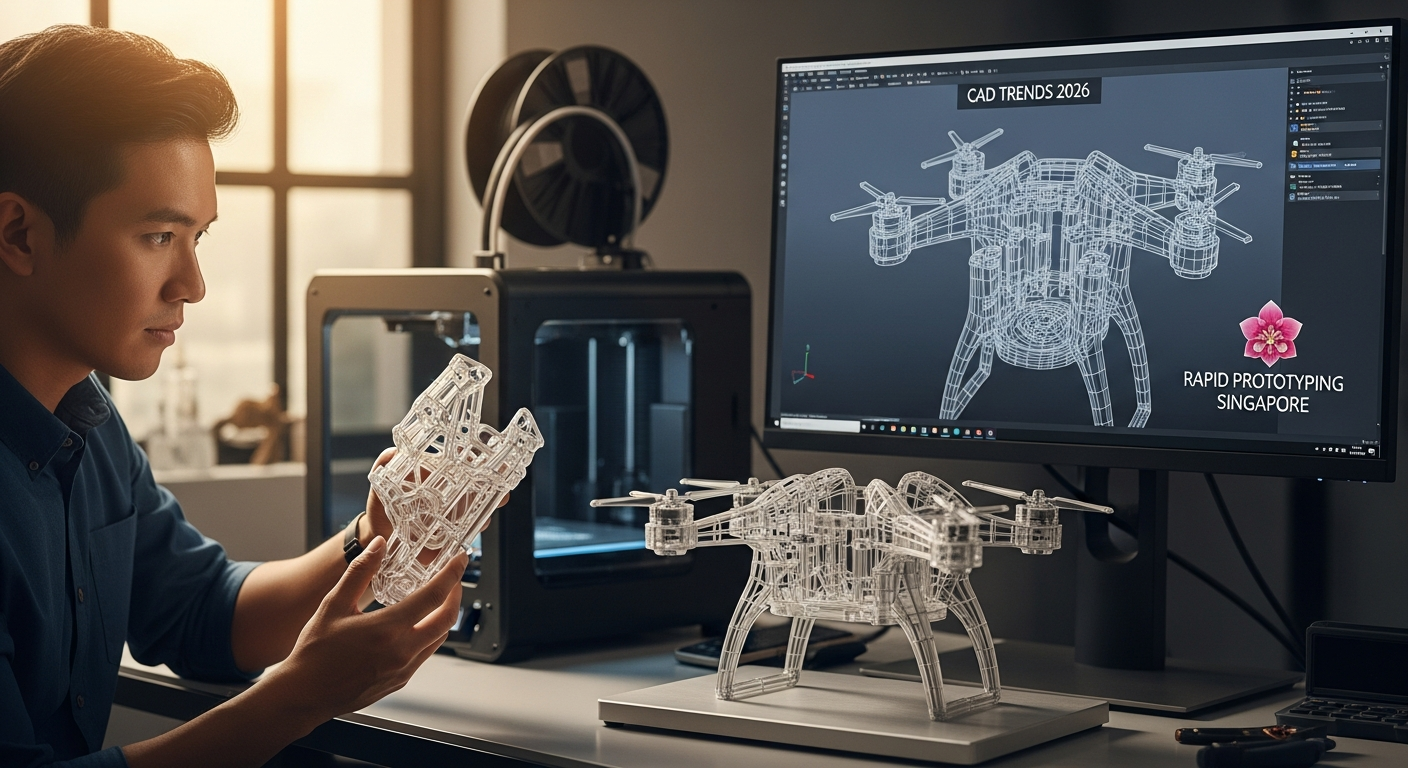
Singapore’s design and manufacturing scene continues to evolve quickly. By 2026, cad modeling singapore and rapid prototyping singapore are no longer just enablers of product development — they’re strategic capabilities that compress time-to-market, improve design quality, and unlock hybrid physical-digital products. This article explains the major trends shaping CAD and rapid prototyping in Singapore, how businesses are leveraging them, and practical guidance for choosing the right partner.
Macro trends reshaping cad modeling singapore
Several converging forces are redefining how CAD is used across Singapore’s product ecosystem:
- AI-assisted and generative design: Designers use machine learning inside CAD to explore forms and optimize for weight, cost, or performance. These tools reduce repetitive modeling tasks and create novel geometries that traditional workflows might miss.
- Cloud-native collaboration: Distributed teams — designers, engineers, and manufacturers — work in the same CAD environment through cloud platforms, enabling real-time iteration and reducing handoff errors.
- Simulation-integrated modeling: Engineers increasingly embed structural, thermal, and manufacturability simulation earlier in the CAD process to catch issues before prototyping.
- Design for additive manufacturing (DfAM): CAD workflows now include tools and templates that optimize geometry for specific 3D printing processes, accelerating the move from virtual model to physical prototype.
These trends are producing higher-fidelity CAD models in shorter times, which directly benefits rapid prototyping Singapore operations.
Rapid prototyping singapore: speed, materials, and fidelity
Rapid prototyping in Singapore has matured into a diverse ecosystem. Several capabilities have become differentiators:
- Multi-process portfolios: Leading prototyping houses maintain SLA, SLS, DLP, Multi Jet Fusion, FDM, binder jetting, and metal AM — allowing designers to pick the process that balances cost, speed, and fidelity.
- Advanced polymer and composite resins: Tough engineering plastics, elastomers, and fiber-reinforced composites enable functional prototypes that behave like production parts.
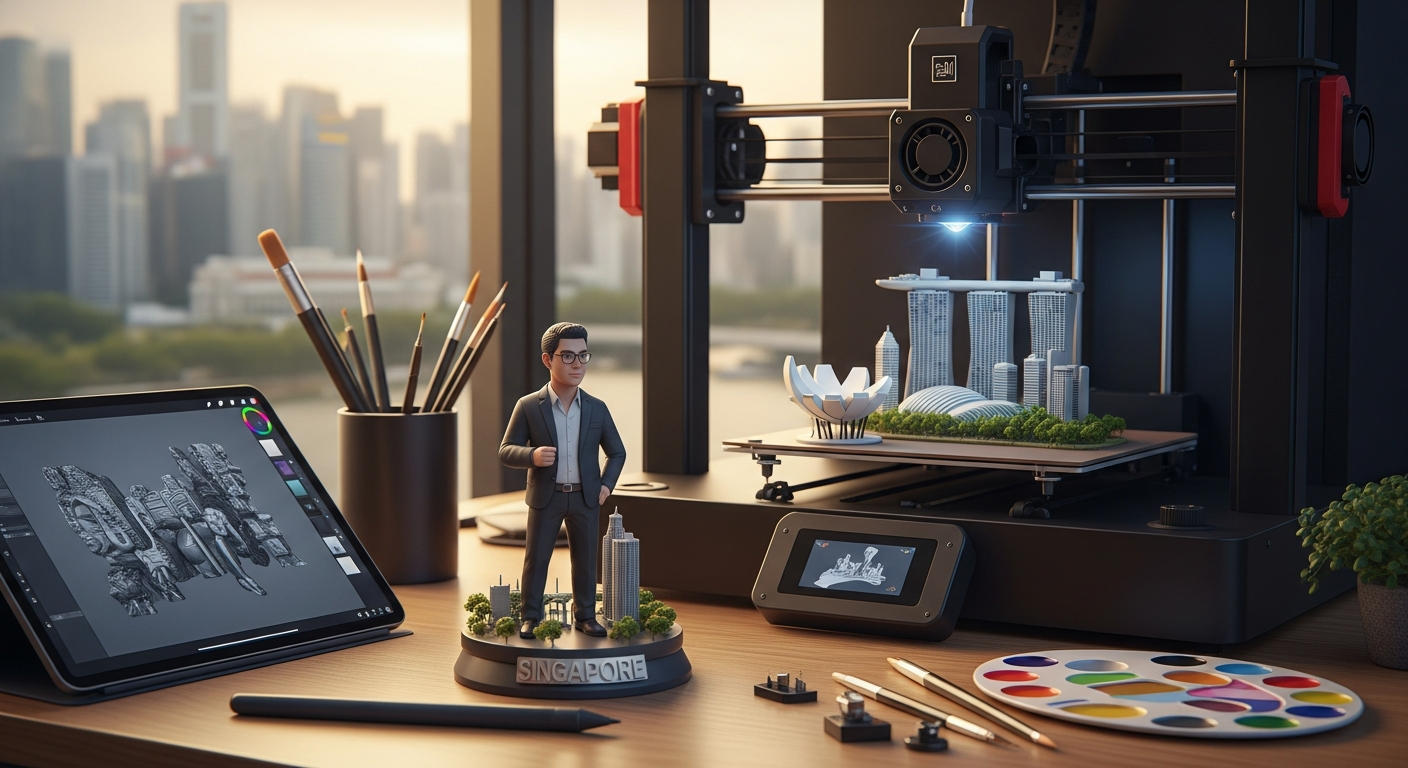
- High-resolution color and surface finishing: Post-processing, painting, and custom finishes are now standard for product validation and marketing prototypes.
- Faster turnarounds through cellular production: Flexible, small-batch production cells and hybrid subtractive/additive workflows let teams iterate within days instead of weeks.
These service capabilities are why many Singapore studios are attracting international clients for both proof-of-concept and pre-production runs.
How AI and automation accelerate the loop
AI is not only changing CAD — it’s making rapid prototyping smarter too:
- Automated print preparation: Slicing, support generation, and orientation optimization using AI reduces setup time and material waste.
- Predictive quality: Machine learning models predict print defects and recommend parameter tweaks, improving first-run success rates.
- Generative assembly planning: For multi-part prototypes, AI helps design interlocks and assembly sequences that are easier to validate.
As these capabilities become standard, the overall prototype cycle shortens and risk of rework decreases.
Materials and sustainability trends
Sustainable considerations are rising in importance:
- Recyclable and bio-based resins: Suppliers are expanding portfolios of recyclable photopolymers and PLA alternatives for lower lifecycle impact.
- Material traceability: More prototyping houses can certify material origins and provide data sheets for regulatory compliance or low-volume production.
- Efficient nesting and powder reclamation: Processes like MJF and SLS have improved waste recovery, reducing material costs and carbon footprint.
For brands focused on conscious manufacturing, these options make rapid prototyping Singapore an ethically viable choice.
Use cases — where CAD and prototyping deliver the most value
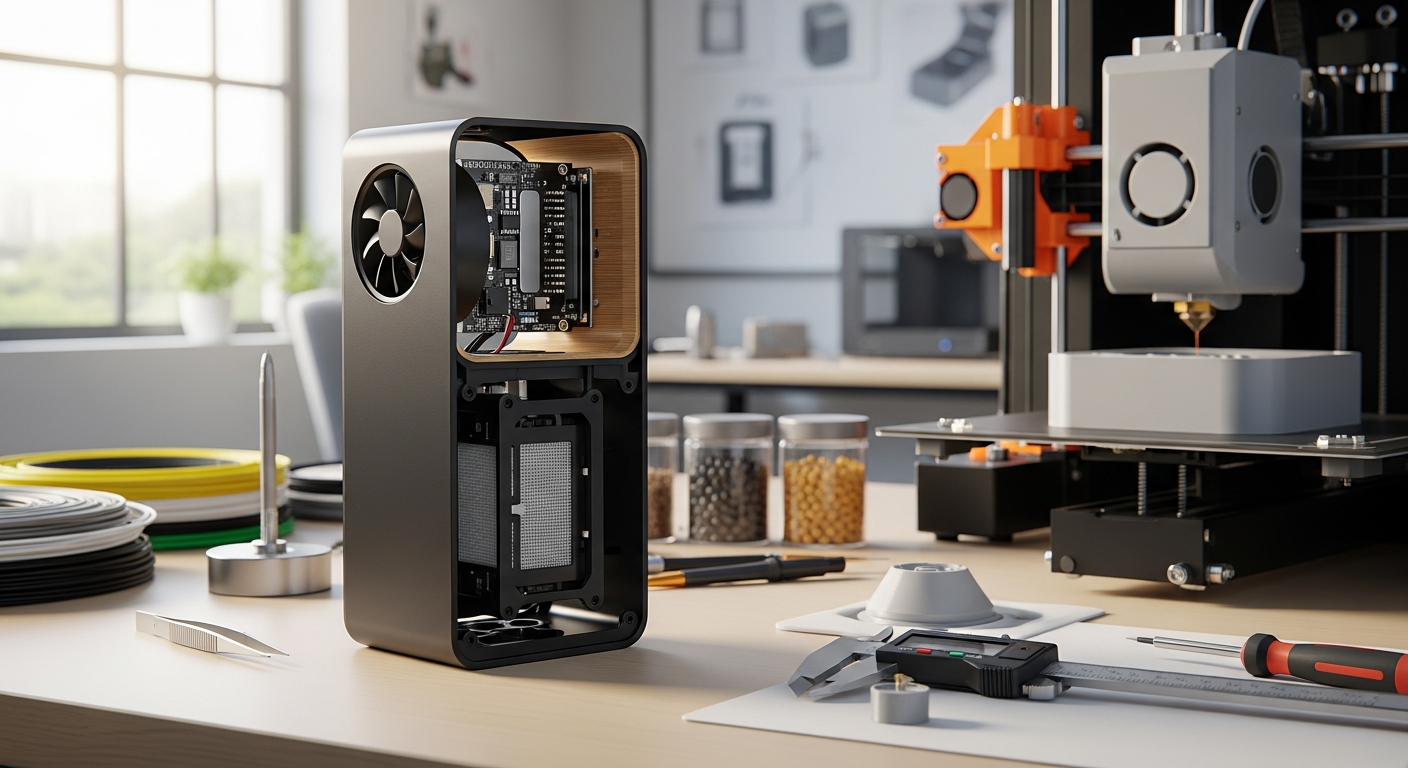
- Consumer electronics: Rapid functional prototypes validate ergonomics, heat management, and tolerance stacks before tooling.
- Medical devices: High-fidelity polymer and metal prototypes support regulatory submissions and clinical simulations.
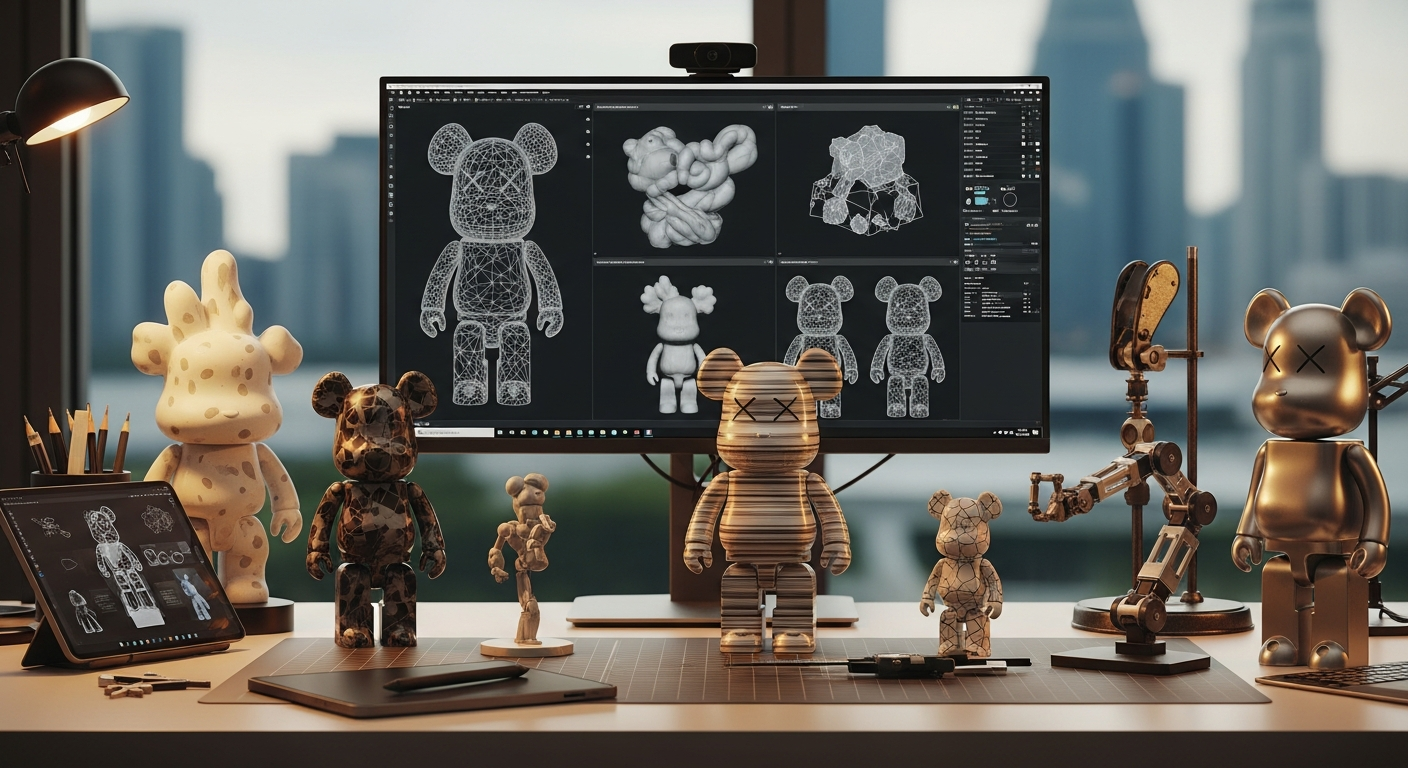
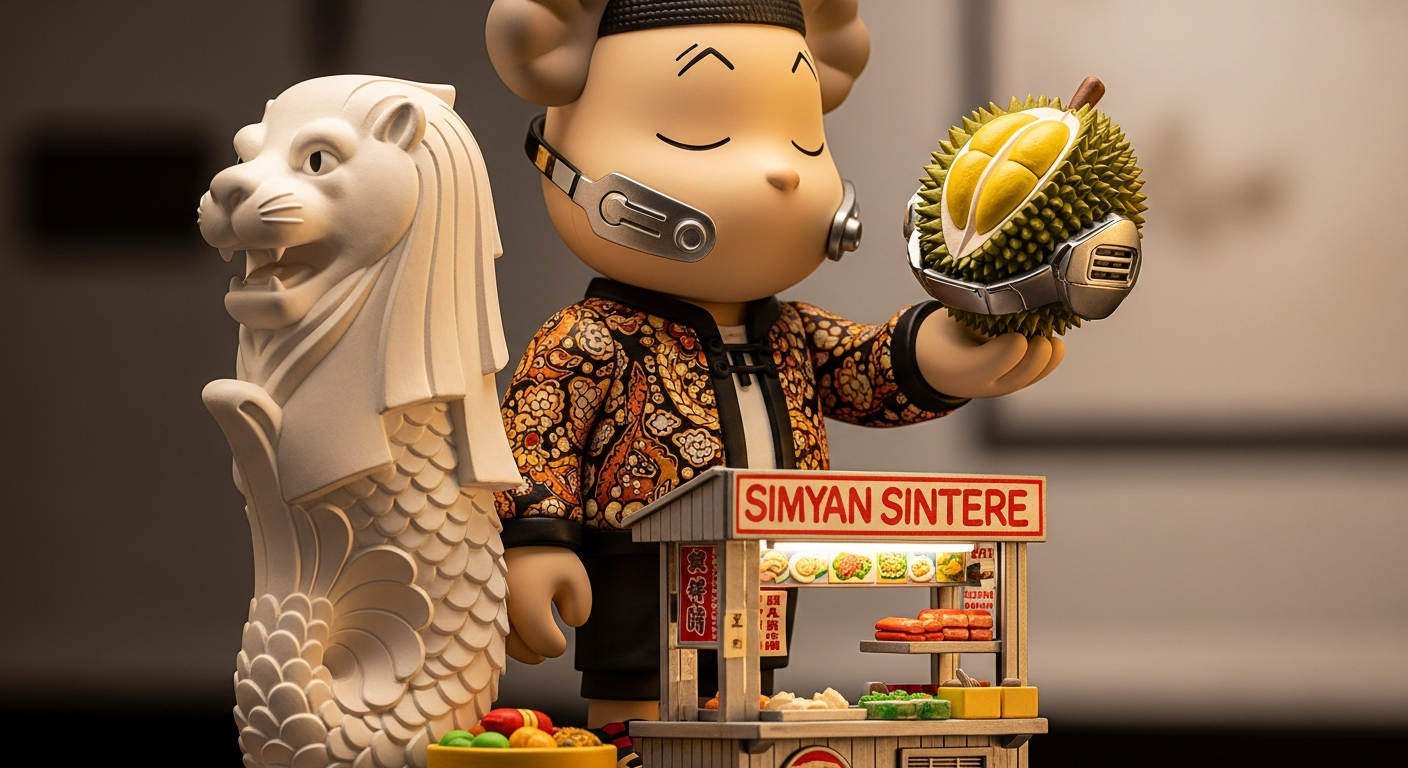
- Lifestyle and collectibles: Small-batch, high-detail runs power limited-edition releases and market testing for art toys and lifestyle products. In this space, studios that combine design sensibility with rapid manufacturing strengths stand out — examples of market activity and studio approaches can be seen on resources like top art toy and lifestyle product design studios in Singapore.
Art toy designers, in particular, often rely on specialized workflows that pair refined CAD modeling with precise finishing to produce collector-grade pieces — a process explored in depth in the limited edition art toys rapid prototyping Singapore 2026 showcase.
Best practices for integrating CAD and prototyping in your product program
To extract maximum value from cad modeling singapore and rapid prototyping singapore services, follow these steps:
- Start with production intent: Model with the intended manufacturing process in mind (DfAM), not as an afterthought. Use CAD templates and constraints that match the prototyping method.
- Define validation goals: Is the prototype for fit-check, functional testing, or marketing photography? The goal determines which materials and processes to choose.
- Iterate digitally first: Use simulation and lightweight digital prototypes to reduce the number of physical iterations.
- Partner for end-to-end service: Choose providers that can accept CAD files, handle print preparation, post-processing, and finish to save coordination time.
- Maintain a materials library: Keep records of material properties and supplier certificates to speed regulatory or compliance tasks.
If your product sits at the intersection of design and lifestyle — for example, limited-run collectibles or premium consumer goods — collaborating with specialized studios that blend CAD excellence with prototyping know-how can be decisive. For targeted lifestyle product workflows, see this practical exploration of lifestyle product design Singapore rapid prototyping 2026.
Choosing the right prototyping partner in Singapore
When selecting a vendor, evaluate these criteria:
- Technical breadth: Do they support the processes and materials you need (polymer, elastomer, metal)?
- Turnaround and capacity: Can they meet your sprint cadence and scale for small production runs?
- Surface and finish capabilities: Do they provide painting, plating, and texture replication for marketing-ready prototypes?
- IP and confidentiality: Are NDAs and secure file handling standard practice?
- Case studies: Look for portfolio work in your sector; designers often rely on firms that have produced Singapore designer art toys and lifestyle product work.
Ensure the vendor can translate your CAD intent into measurable prototype acceptance criteria and provide iterative feedback.
Typical timelines and cost considerations
Turnaround expectations in 2026 are often as follows (subject to complexity):
- Concept to DFM-ready CAD iteration: 2–10 business days
- SLA/DLP prototype for form-check: 1–5 business days
- Functional MJF/SLS prototype: 3–10 business days
- Metal AM prototype: 2–4 weeks (including heat treatment and post-process)
Costs vary by process, material, and finish. Early-stage prototypes should prioritize speed and learning; later-stage prototypes justify higher fidelity and finishing for stakeholder buy-in. A balanced roadmap often moves from low-cost, fast iterations to higher-fidelity validation runs.
Integration with marketing and limited editions
Brands are increasingly using prototypes directly in their go-to-market strategy. High-quality prototypes serve as photo assets, display pieces at launch events, and limited-run SKUs. For teams launching limited editions, combining robust CAD modeling and agile prototyping helps plan scarcity, control quality, and protect margins—an approach highlighted in this cad modeling Singapore rapid prototyping guide 2026.
Regulatory, quality, and IP considerations
- Documentation: Maintain versioned CAD files, BOMs, and test reports to support compliance and scale to production.
- Validation: Use appropriate test protocols — mechanical testing, biocompatibility, or EMI checks — before qualifying production tooling.
- IP protection: Register designs where applicable and choose providers who guarantee secure handling and contractual IP assignment.
These controls reduce surprises when transitioning from prototype to production.
What to expect through the rest of 2026
- Faster prototyping cycles driven by better AI integration across CAD and print preparation.
- Broader availability of production-grade materials in additive processes, blurring the line between prototype and low-volume production.
- More vertical studios in Singapore offering one-stop services: ideation, CAD, prototyping, and finishing under one roof.
- Increased demand for sustainable materials and transparent supply chains.
Demand will concentrate around studios that can deliver both creative insight and engineering rigor quickly.
Practical checklist for teams using cad modeling singapore and rapid prototyping singapore
- Confirm prototype purpose and acceptance criteria before modeling begins.
- Choose CAD practices that include manufacturability constraints for chosen AM processes.
- Shortlist vendors based on process portfolio, finish capabilities, and IP policies.
- Plan a staged fidelity approach: fast form-checks, mid-fidelity functional prototypes, final high-fidelity runs.
- Budget for post-processing and finishing — these often account for 20–40% of prototype cost.
For teams working on design-driven products, partnering with specialists who understand both the creative and technical needs of limited editions and lifestyle items accelerates outcomes; studios specializing in design-led prototyping can be found through focused portfolios such as the one exploring limited edition art toy workflows and prototyping in Singapore.
Conclusion
By 2026, cad modeling singapore and rapid prototyping singapore have become a strategic pairing: CAD generates smarter, simulation-backed designs while prototyping enables fast physical validation and market testing. Singapore’s ecosystem — characterized by advanced materials, hybrid manufacturing capabilities, and design-focused studios — gives product teams a platform to iterate quickly and bring higher-quality products to market. Apply the practices outlined here to shorten development cycles, reduce risk, and deliver prototypes that truly represent your intended product vision.
For practical examples of studios and workflows that merge CAD precision with prototyping craftsmanship in Singapore’s lifestyle and art toy sectors, review curated studio pages and project guides to inform supplier selection and process planning.