
The rise of designer art toys in Singapore’s lifestyle product scene
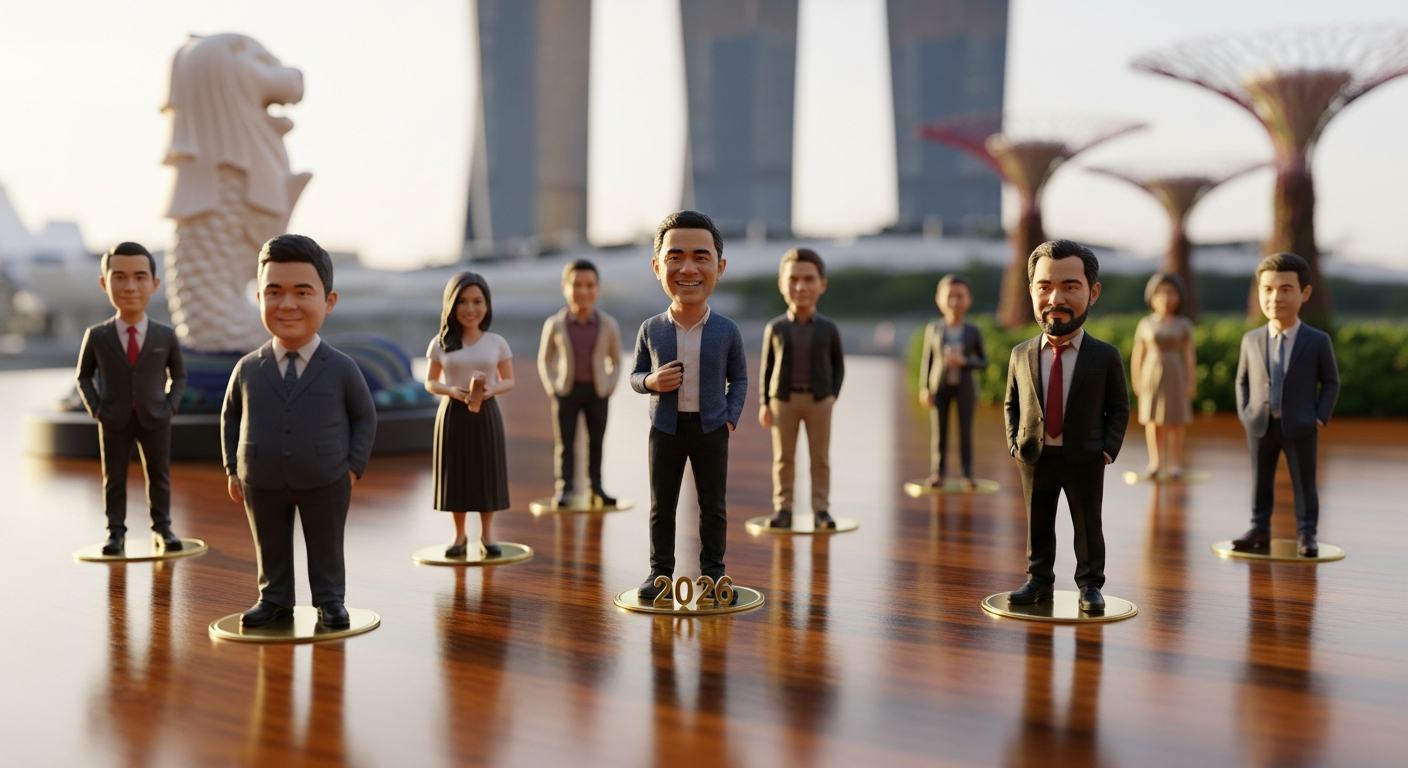
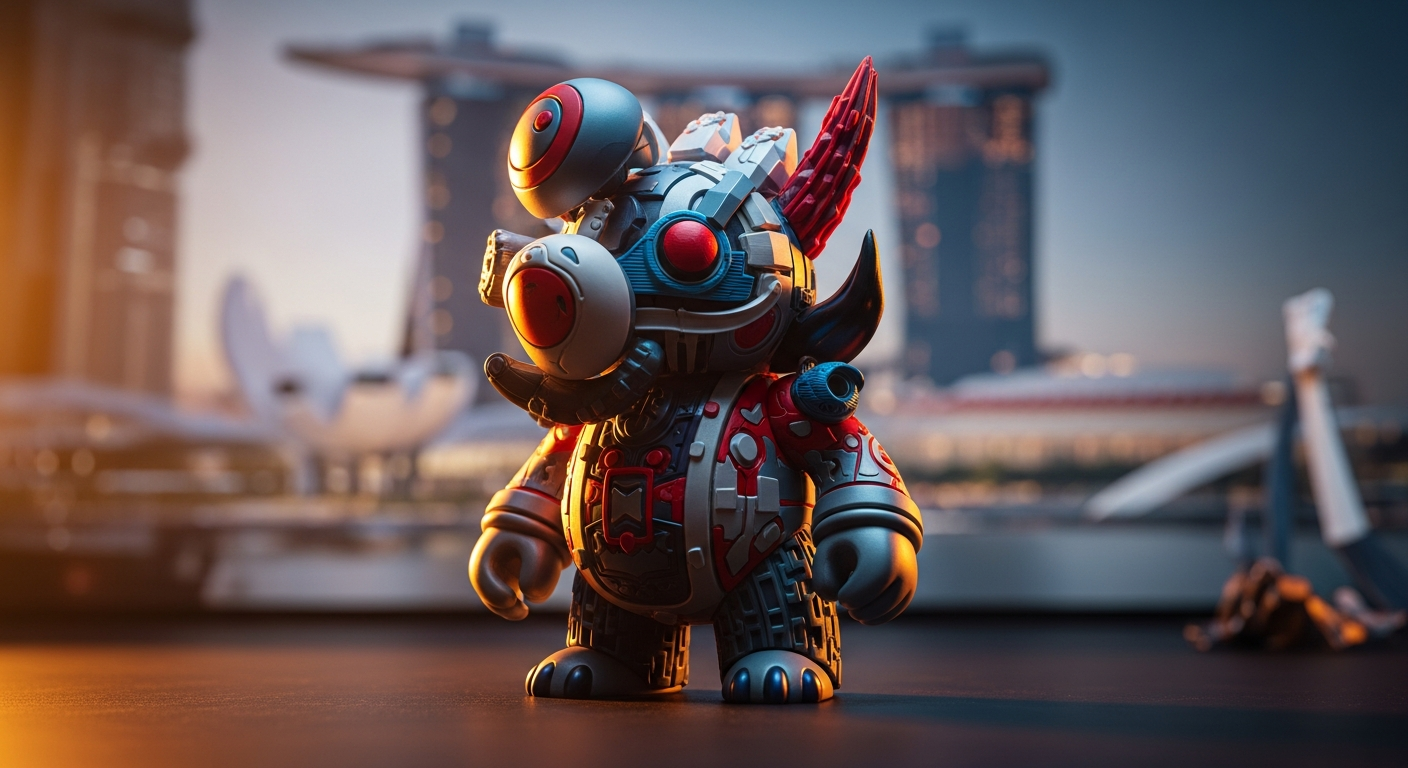
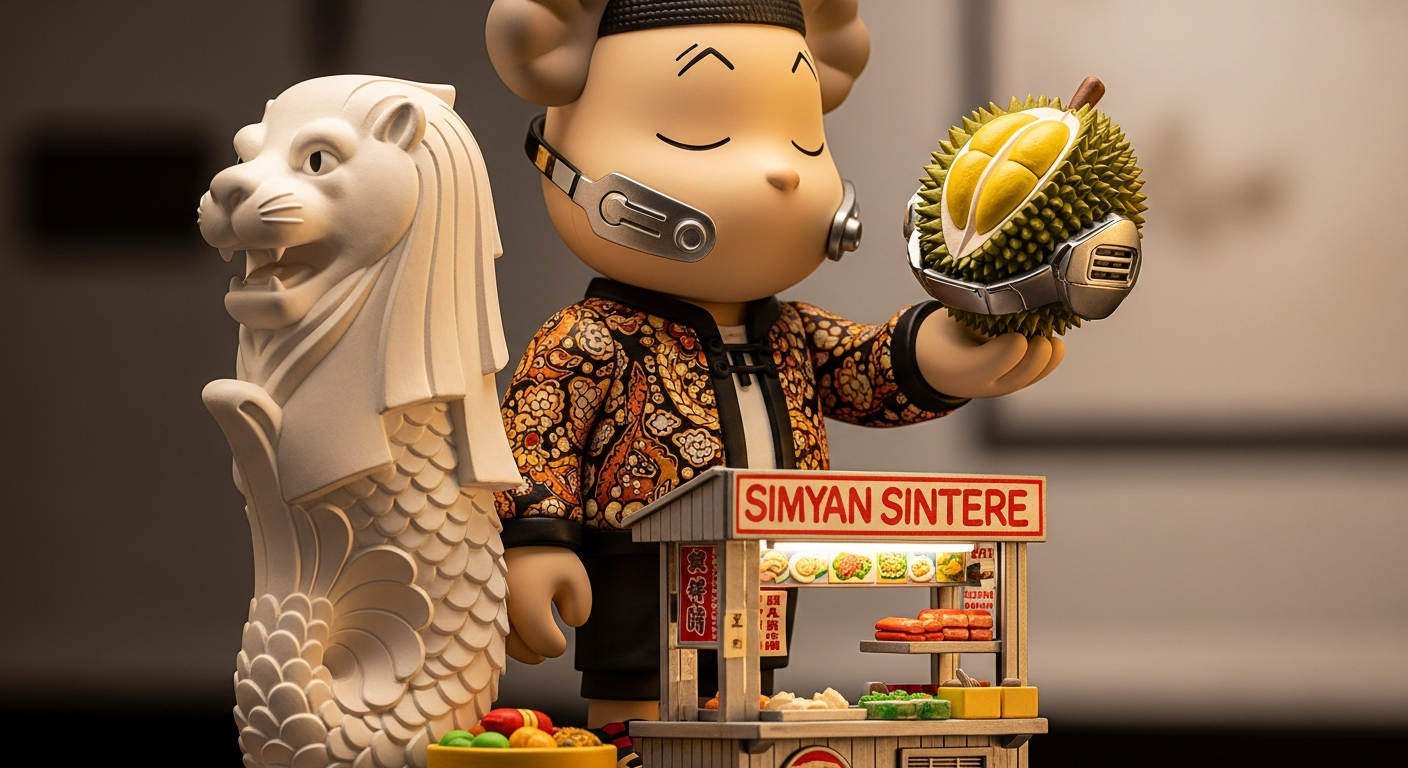
Art toys are no longer niche shelf items for collectors; they are strategic lifestyle products that communicate brand values, drive engagement and create new revenue streams. In Singapore, a compact market with global reach, designer art toys have evolved from vinyl figures and garage kits into sophisticated lifestyle product design Singapore projects—blending illustration, product engineering, and storytelling.
This article unpacks how Singapore-based designers transform art toys into lifestyle objects, explores current trends, and explains practical steps from concept to limited-edition release.
Why art toys fit lifestyle product design Singapore
Art toys sit at the intersection of art, design and commerce. For lifestyle brands and independent designers in Singapore, they offer several strategic advantages:
- Tangible brand expression: a sculpted figure communicates a brand’s aesthetic and narrative in three dimensions.
- Collectibility: limited runs create urgency, community and secondary-market buzz.
- Cross-category relevance: art toys translate into apparel, prints, and digital assets.
- Experiential commerce: unboxings, live drops and events drive deeper engagement than traditional product launches.
These benefits make art toys a natural extension of lifestyle product design Singapore, especially for brands seeking a premium, culturally resonant touchpoint.
Current trends shaping Singapore designer art toys
-
Limited editions and scarcity-driven drops: Limited runs bolster perceived value and encourage repeat engagement from collectors.
-
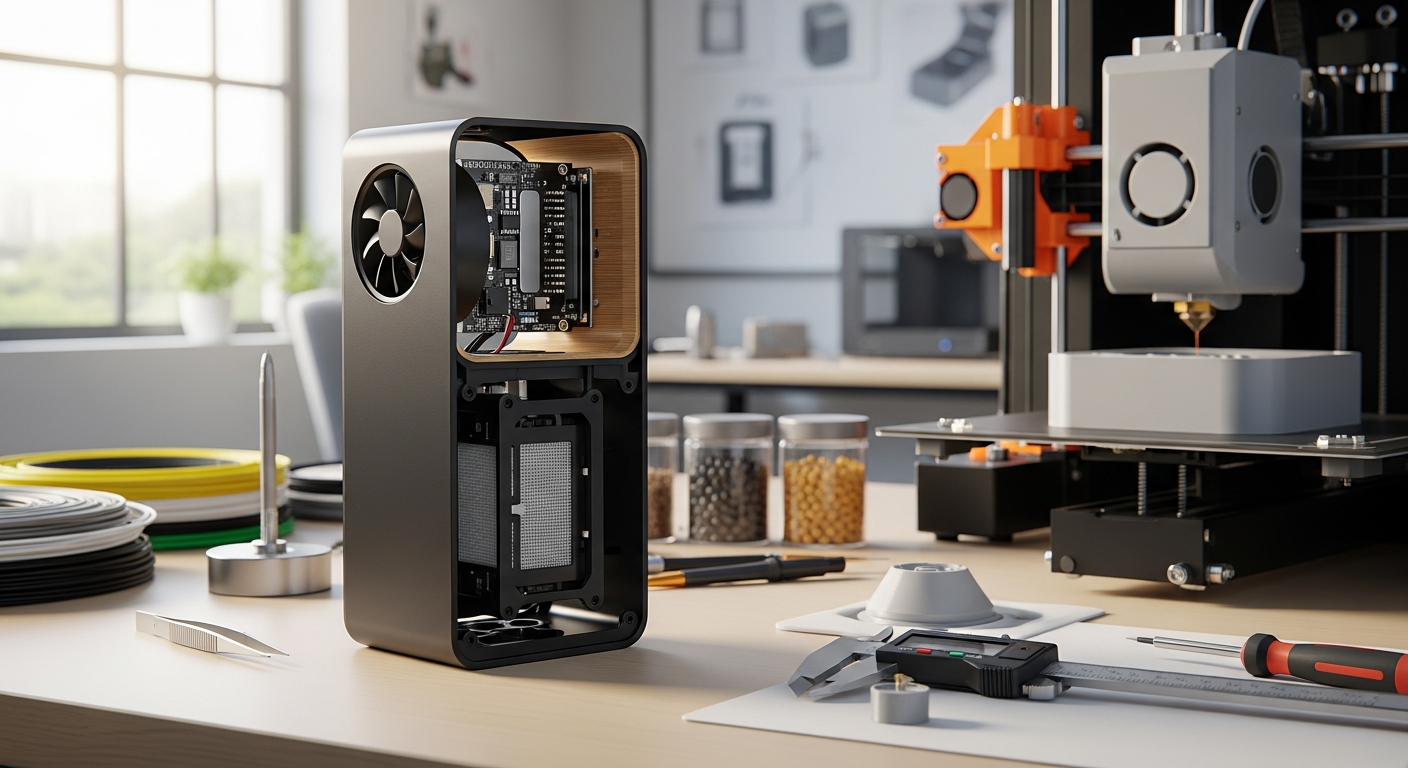
Rapid prototyping integration: Faster iteration cycles through advanced prototyping reduce time-to-market and allow more experimental runs. Learn how studios use rapid prototyping to scale limited editions.
-
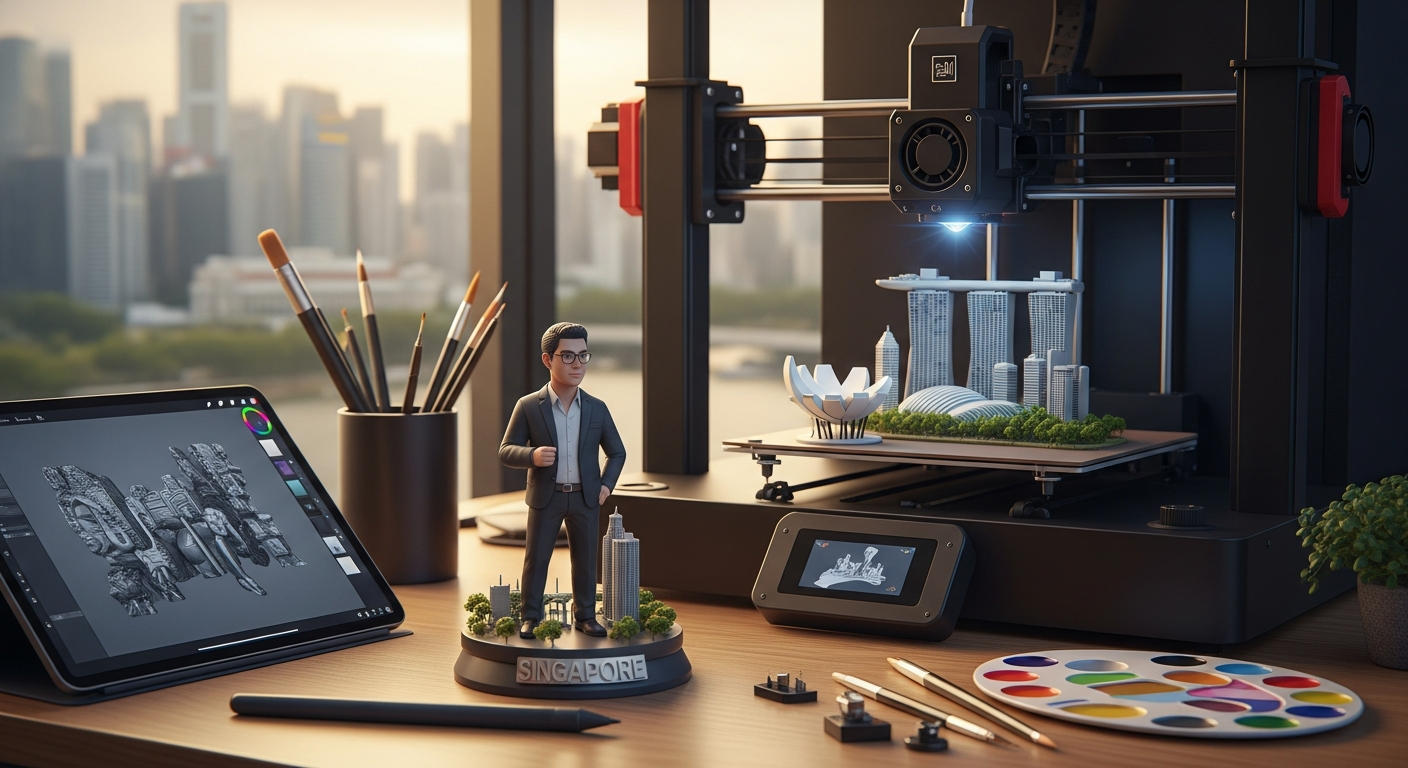
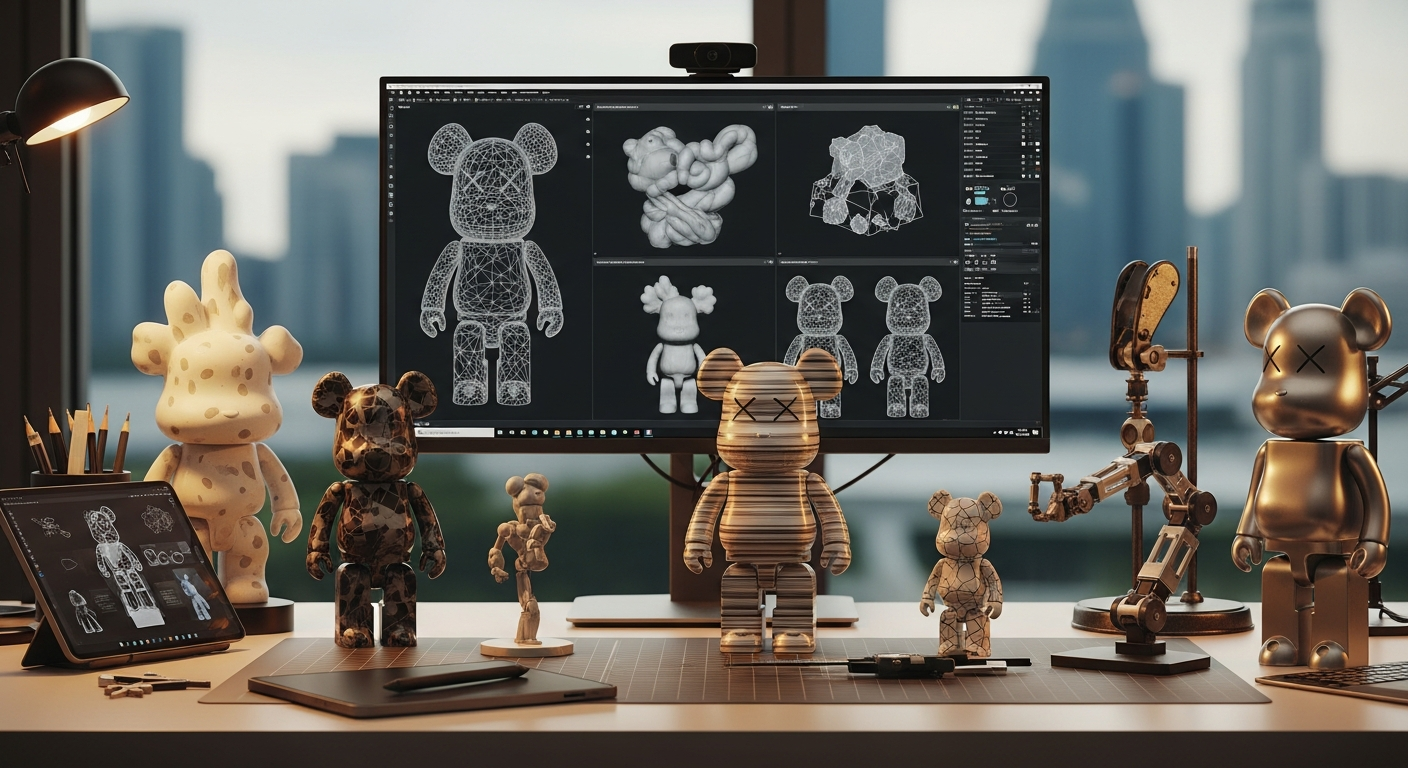
AI-assisted design and CAD workflows: AI tools streamline modeling for complex forms and customization. See examples of AI CAD modeling applied to custom figurines.
-
Sustainability and material innovation: Non-toxic resins, recycled plastics and modular designs that reuse components reduce environmental impact.
-
Hybrid physical-digital experiences: NFTs, AR integrations and unlockable digital content add long-term engagement and provenance.
-
Collaborative crossovers: Partnerships between local artists, fashion labels and lifestyle brands create unique narrative-driven releases.
Design principles for successful art toys
Designing an art toy as a lifestyle product requires balancing artistry with practical production considerations. Key principles include:
- Strong silhouette and read-at-a-glance identity: The figure should be instantly recognizable, even at thumbnail size.
- Clear storytelling: Every detail—pose, expression, accessory—should serve a narrative that aligns with the brand or artist.
- Consideration for scale and finish: Decide early whether the toy will be vinyl, resin, or mixed-media; finishes (matte, gloss, flocking) drastically affect perception.
- Modularity for variants: Design parts that can be recolored or swapped to create variants without remolding the entire figure.
- Packaging as part of the experience: Thoughtful packaging enhances perceived value and social sharing.
These principles align closely with broader concepts in lifestyle product design Singapore, where user experience and aesthetic coherence are paramount.
Prototyping and manufacturing workflows
Moving from concept to product requires a pragmatic workflow:
- Concept sketches and mood boards: Define persona, color palette and scale.
- 3D sculpting and CAD: Use digital sculpting to refine anatomy and details.
- Rapid prototyping and test prints: Rapid prototyping lets designers validate form, joints and articulation. Studios often pair prototyping with pre-production testing to refine tolerances—learn practical approaches to launch limited-edition runs with rapid prototyping.
- Tooling and mold-making: For larger runs, silicone or metal tooling is created. For micro-editions, hand-cast resin remains viable.
- Painting and finishing: In-house hand-finishing or contracted painting services apply the final aesthetic.
- Quality control and packaging: QC is critical for limited editions to maintain brand reputation.
By integrating prototyping early, Singapore designers can iterate quickly, reduce costly tooling errors and explore more ambitious designs.
Limited editions, drops and market mechanics
Limited-edition art toys function like luxury product drops. Strategies that work in Singapore include:
- Staggered release tiers: Artist proof (AP), numbered standard editions, and rare chase variants.
- Community-first drops: Early access for newsletter subscribers, club members, or patrons.
- Local launch events: Pop-ups and gallery spaces in Singapore create press and social momentum.
- Secondary market seeding: Collaborating with reputable retailers and collectors to establish a healthy resale value.
Studios that specialize in collectible launches often showcase curated lists of the best limited-edition art toys to highlight what drives demand and secondary-market success.
Packaging, merchandising and lifestyle integration
An art toy’s value is often amplified by how it’s presented:
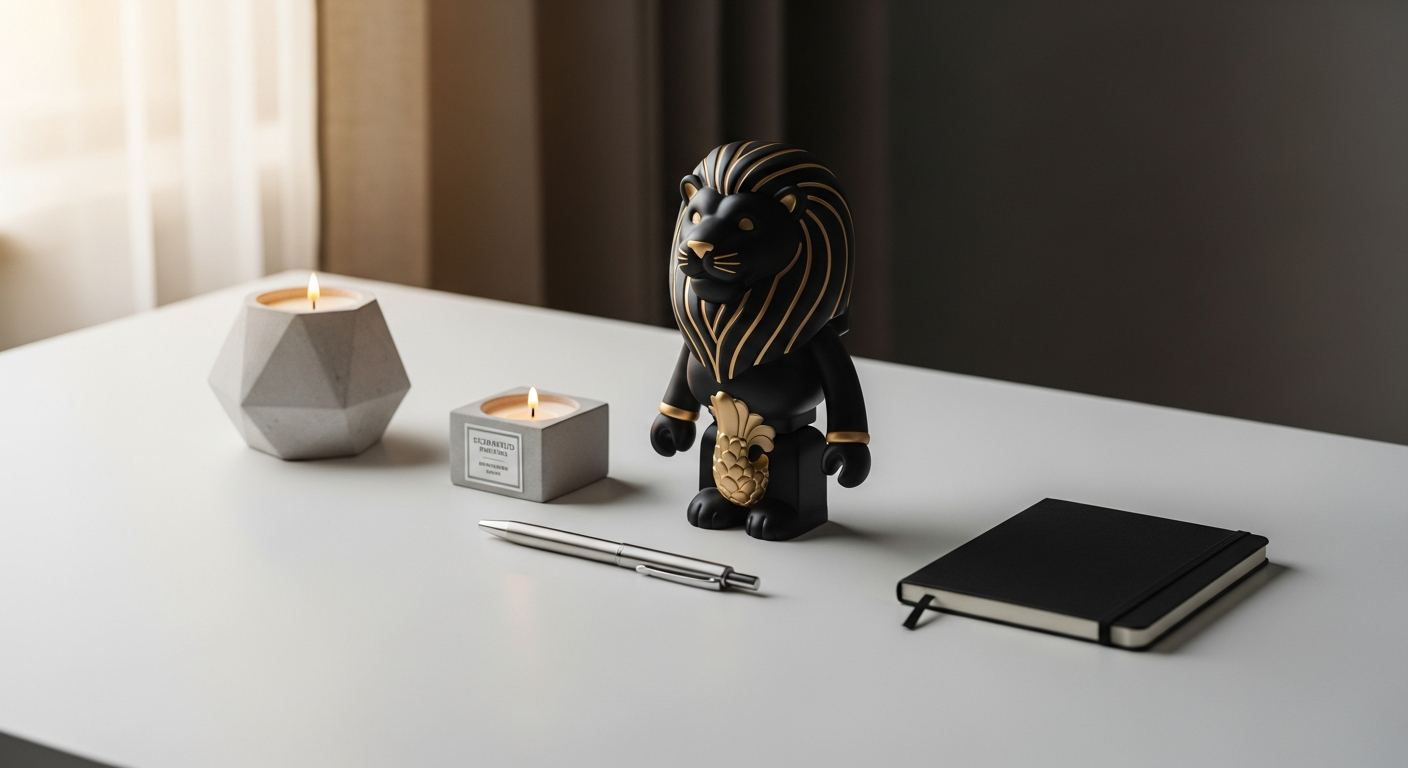
- Lifestyle photography: Position figures in context—shelf, desk, café table—to show how they integrate into modern living spaces.
- Merchandise tie-ins: Prints, apparel, and accessories extend the product line and create multiple price entry points.
- Premium packaging: Magnetic closures, numbered certificates, and eco-friendly materials elevate the unboxing experience.
Integrating an art toy into a broader lifestyle assortment turns a collectible into a holistic brand asset.
Sustainability and materials in the Singapore context
Sustainability is no longer optional. Designers in Singapore face both ecological expectations from consumers and strict regulatory frameworks for manufacturing. Practical approaches include:
- Choosing recycled or bio-based resins where possible.
- Designing modular toys to reduce waste when creating variants.
- Using recyclable or compostable packaging.
- Working with local prototyping partners to reduce shipping emissions and lead times.
Sustainable choices resonate strongly with Singapore’s urban consumer base and can be a differentiator in lifestyle product design Singapore.
Storytelling, community and the collector economy
The long-term value of art toys depends on storytelling and community-building:
- Document the creative process: Share sketches, 3D progress, and behind-the-scenes content to build anticipation.
- Offer authenticity: Limited numbering, artist signatures, and production transparency increase trust.
- Foster local communities: Events, meetups and collaborations with Singapore artists create a loyal customer base.
- Leverage digital platforms: AR try-ons, NFT drops or VR showrooms can enhance collectibility.
To keep momentum after launch, many brands release curated updates, collaborations and new releases that surprise and re-engage collectors.
Commercial models and pricing strategies
Commercial success depends on aligning production economics with perceived value:
- Micro-editions (50–300 pieces): Higher per-unit costs, higher price positioning—ideal for artist-run projects.
- Small commercial runs (300–2,000 pieces): Balance between exclusivity and profitability, often used by lifestyle brands.
- Mass collectibles (2,000+ pieces): Lower price points for broader distribution, sometimes paired with variant strategies.
Pricing should factor in design prestige, finish quality, packaging, and community demand. Successful Singapore releases often pair a flagship limited run with accessible merchandise to broaden reach.
Case studies and inspiration
Look to regional and local studios that blend design and commerce well. Curated lists of standout projects and the best limited-edition art toys provide practical inspiration—study their storytelling, drop mechanics and production quality to apply lessons to your own projects.
Practical checklist for designers and brands
- Define your narrative and target collector profile.
- Design for manufacturability: plan for prototyping and finish early.
- Choose the right edition size and pricing model.
- Use rapid prototyping to validate form and finishes—studios in Singapore now routinely use this to boost limited-edition art toys.
- Invest in premium packaging and lifestyle photography.
- Activate community pre-launch and sustain post-launch engagement with new releases.
Conclusion: art toys as a strategic lifestyle product in Singapore
Designer art toys have matured into a sophisticated channel for lifestyle product design Singapore. They combine artistry, product engineering and marketing innovation to produce objects that people want to live with—not just collect.
By embracing rapid prototyping, sustainable materials, thoughtful storytelling and smart drop mechanics, Singapore designers can create art toys that resonate locally and scale globally. For projects aiming at high-quality figurines, explore technical approaches like AI CAD modeling early in the process to accelerate development and unlock customization.
Well-executed art toys are more than products; they are cultural artifacts that amplify brand identity and create lasting relationships with audiences in Singapore and beyond.