
Singapore has spent the last decade positioning itself as a regional design and advanced manufacturing hub. By 2026, the convergence of consumer demand for personalization, a stronger focus on sustainability, and advances in additive manufacturing means lifestyle brands and independent designers now expect much more from local partners. For anyone exploring lifestyle product design Singapore, rapid iteration, short-run production and high-fidelity finishing have become standard expectations rather than luxuries.
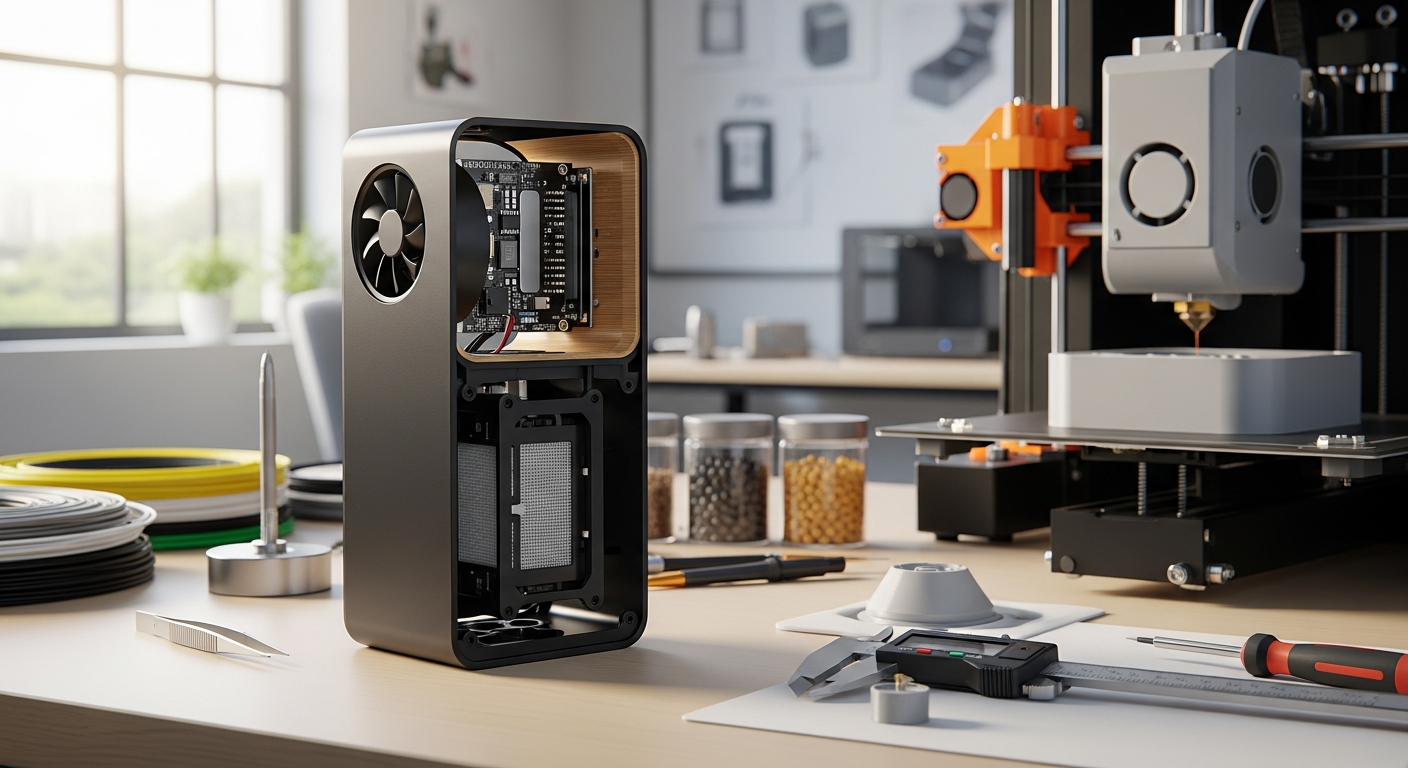
3d printing service singapore is no longer just a prototyping option — it’s central to the product lifecycle. Rapid prototyping reduces time-to-market by enabling multiple design iterations within days instead of weeks. Beyond speed, modern 3D printing techniques allow designers to test functional parts, realistic textures, and complex assemblies that would be costly or impossible with traditional tooling.
Local 3D printing services also improve supply-chain resilience: designers can produce short runs or on-demand replacements without long overseas lead times. The result is a tighter feedback loop between user testing, refinement, and production — critical for lifestyle items where form, feel, and finish drive purchase decisions.
Understanding which process suits your concept is the first step when engaging a 3D printing partner in Singapore.
Materials influence not only durability but tactile perception and finishing options. Thermoplastics like PA12 (nylon) and ABS-like materials provide robustness. Photopolymers bring exceptional detail for display pieces. Emerging composite filaments and multi-material printing allow integrated soft-touch grips or flexible features in a single part.
Sustainability is a growing differentiator. Recyclable nylons, bio-based resins, and closed-loop material programs are becoming available through forward-thinking 3D printing service providers in Singapore.
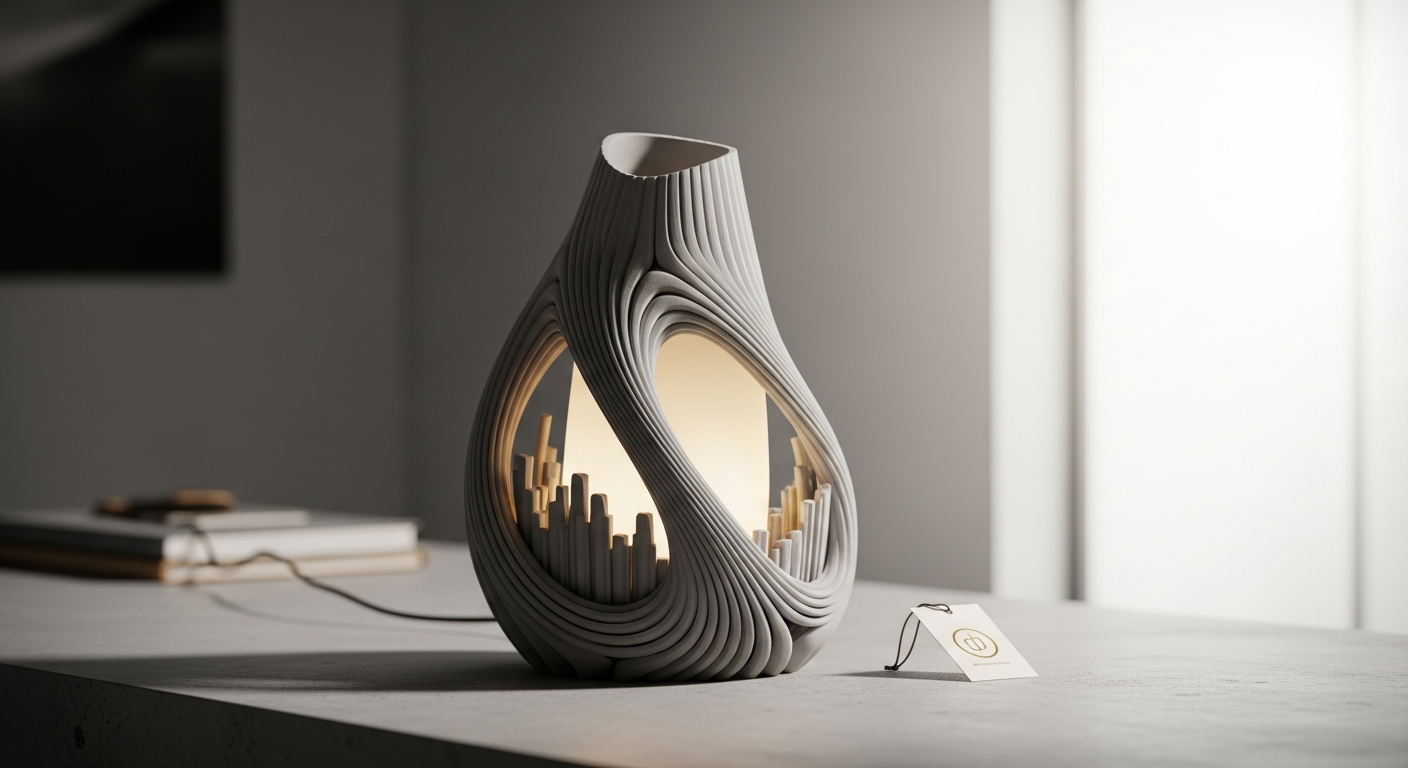
DfAM is a practical skillset for lifestyle product design Singapore teams. It shifts the mindset from subtractive limitations to leverage additive strengths: consolidated assemblies, internal lattice structures to reduce weight, and topology-optimized forms.
Good DfAM practice reduces post-processing time and production cost. If you’re looking for hands-on examples and prototyping workflows, check an in-depth guide on CAD modeling Singapore rapid prototyping.
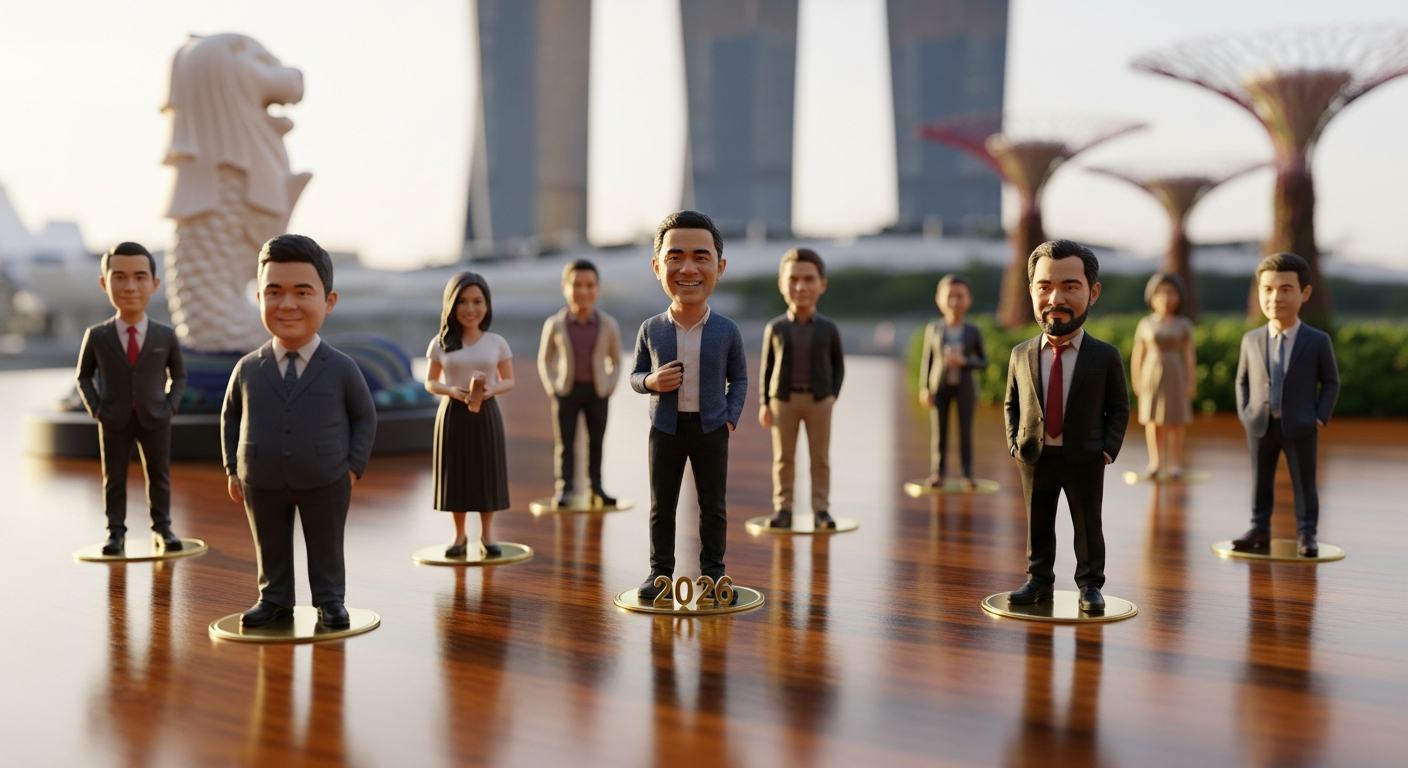
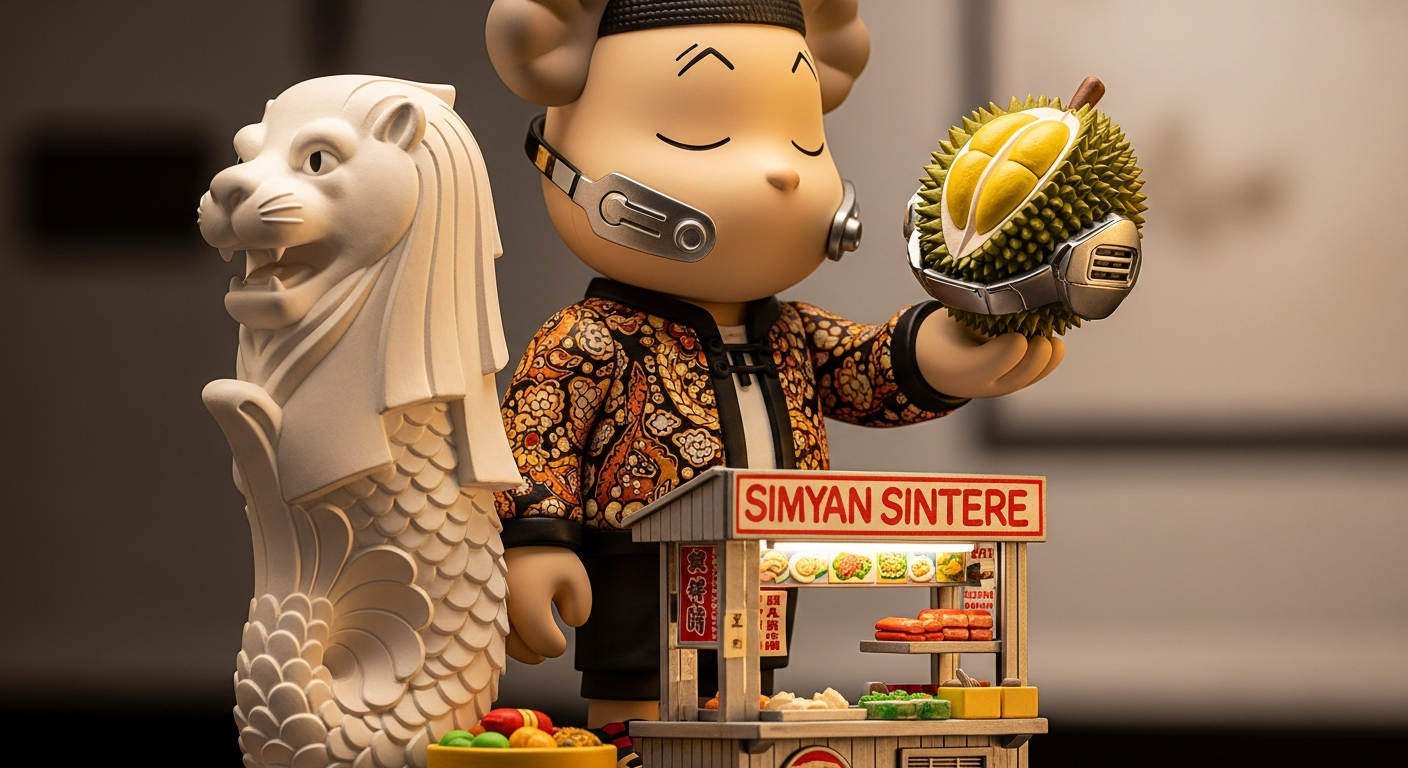
Consumers increasingly buy stories and rarity. 3D printing makes limited-edition runs and hyper-personalized items economically viable. Designer collectables, customized home decor, bespoke phone accessories and small-batch wearables are all categories that benefit.
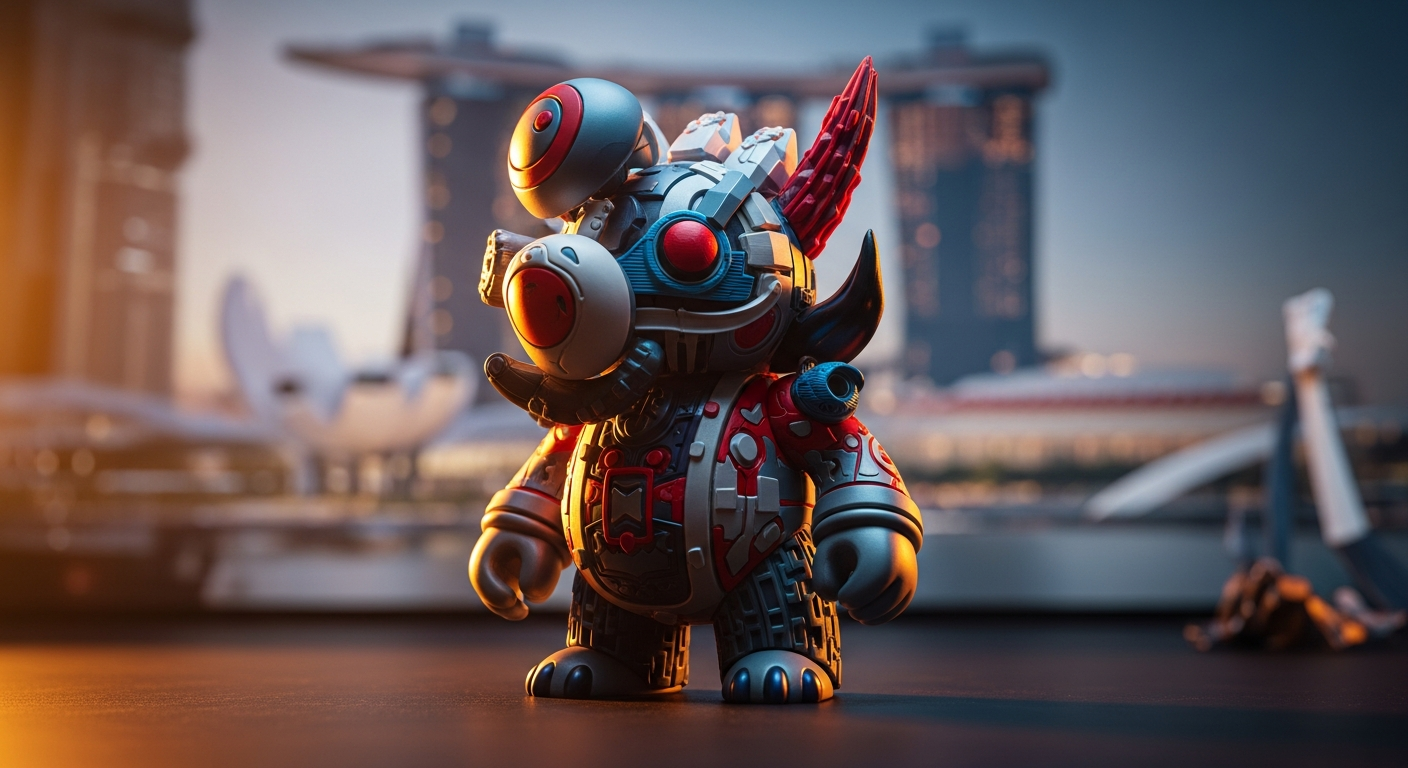
A good showcase of limited-run designer work and how rapid prototyping supports it can be found in this feature about limited edition art toys and rapid prototyping.
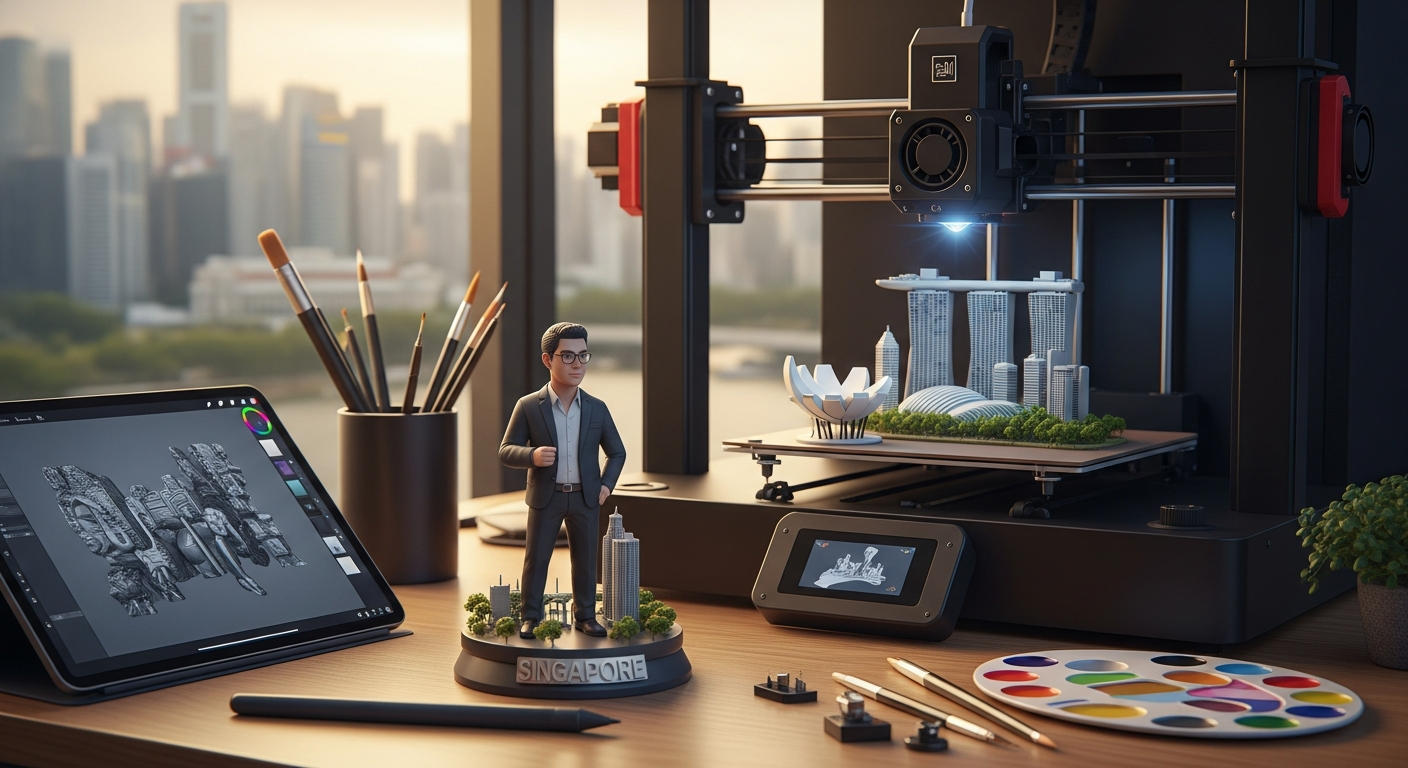
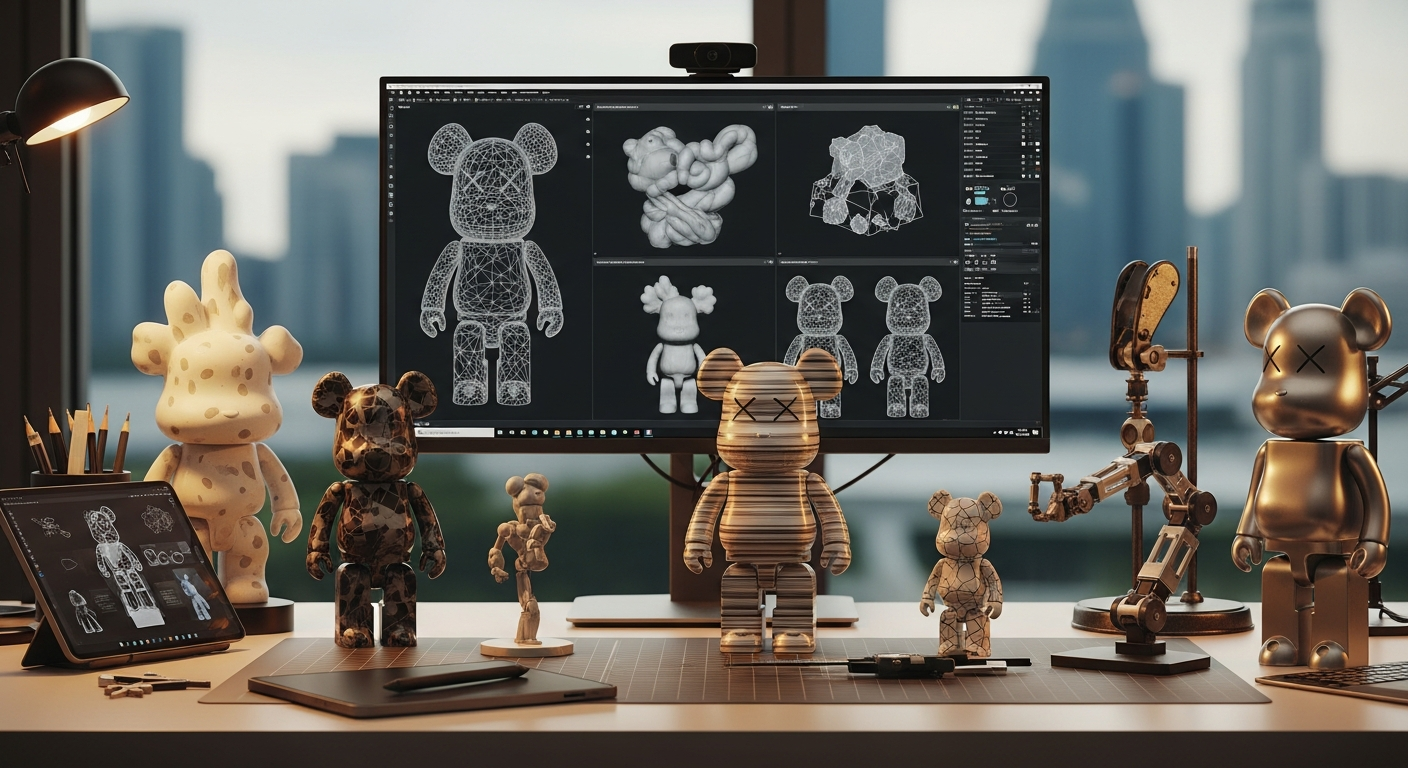
Using AI-accelerated design tools is now common; for teams interested in automated refinement and fast turnaround, explore techniques like AI CAD modeling Singapore for custom figurine design.
When selecting a partner, prioritize these criteria:
A practical reference for working with local prototyping services and lifestyle product designers is available at lifestyle product design rapid prototyping Singapore.
A local 3D printing service helps you model costs precisely and decide when to switch between additive and traditional manufacturing.
Sustainability is central to consumer choice in 2026. Designers are using recyclable materials, designing modular products for repair, and choosing local production to cut carbon from transport and reduce overproduction. Many Singapore-based 3D printing services now offer recycling programs for unused powder and take-back schemes for end-of-life products.
The most successful lifestyle product launches happen when designers, engineers and 3D printing specialists collaborate from the earliest stages. A partner who advises on material selection, print orientation, support minimization and finishing will reduce expensive iterations and improve product-market fit.
For designers focused on art-driven lifestyle pieces, partnering with experienced prototyping studios is especially valuable. Studios that combine creative direction with technical execution can turn a sketch into a finished collectible—see best practices in designer art toy workflows.
If you need a hands-on guide to CAD best practices before printing, review this CAD-focused resource: CAD modeling Singapore rapid prototyping guide.
By late 2026, expect further improvements in multi-material prints, faster metal printing workflows and more automated post-processing that reduce labor costs. AI tools will be increasingly integrated into CAD workflows to optimize structures and suggest print-ready adjustments automatically. For lifestyle product design Singapore teams, these advances mean faster iteration cycles, more affordable personalization, and increasingly sustainable local manufacturing choices.
Combining thoughtful lifestyle product design Singapore practices with a capable 3d printing service singapore partner unlocks faster innovation, better product-market fit and new business models around personalization and limited editions. Choosing the right local service and adopting DfAM principles will turn creative concepts into market-ready products with greater speed and lower risk than ever before.