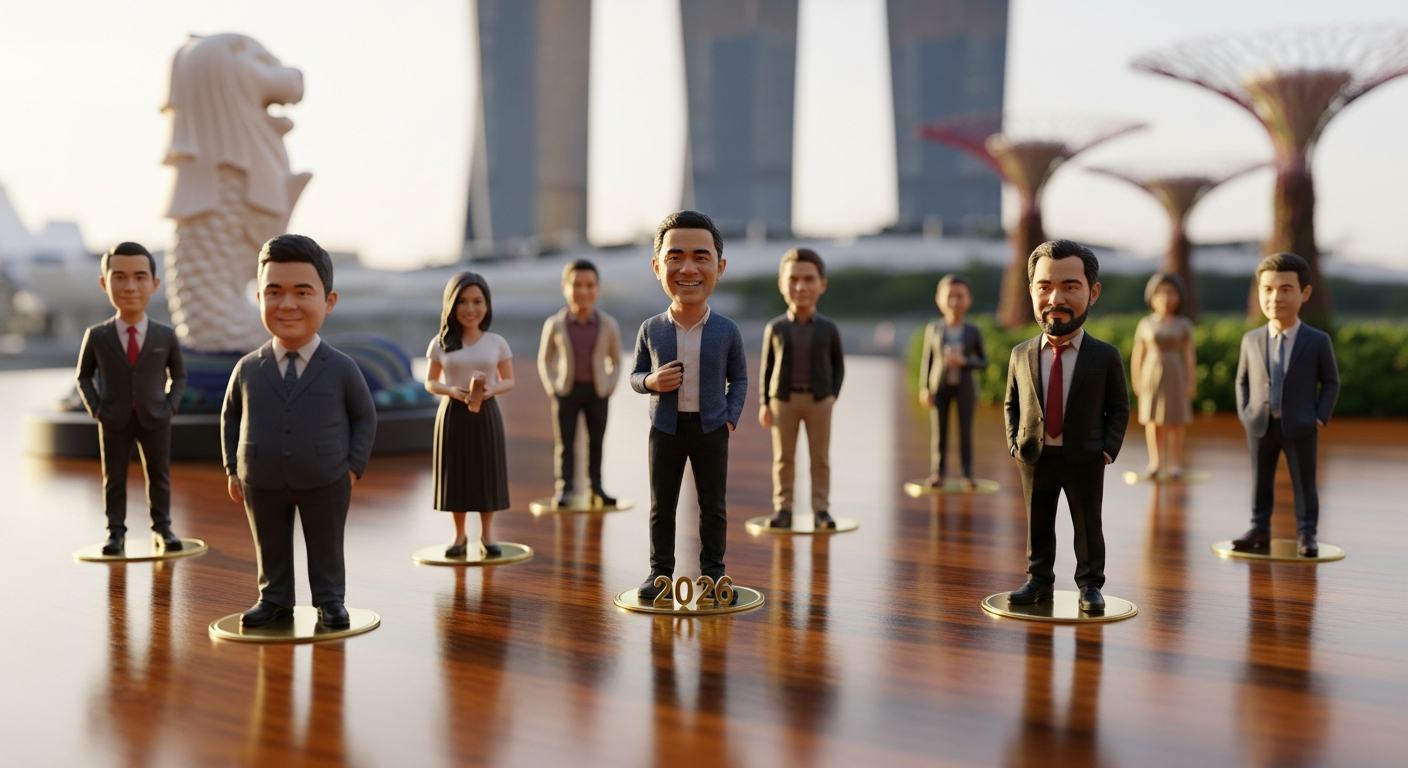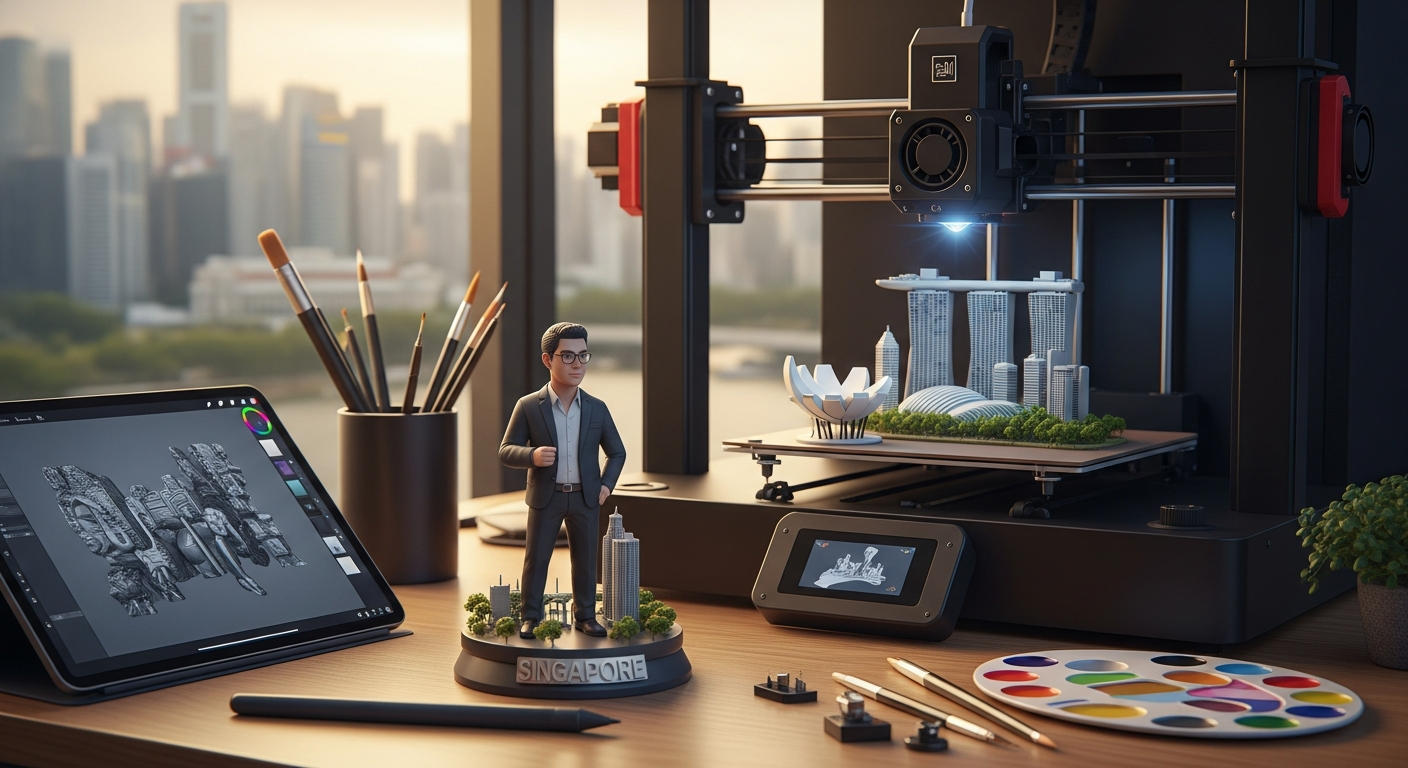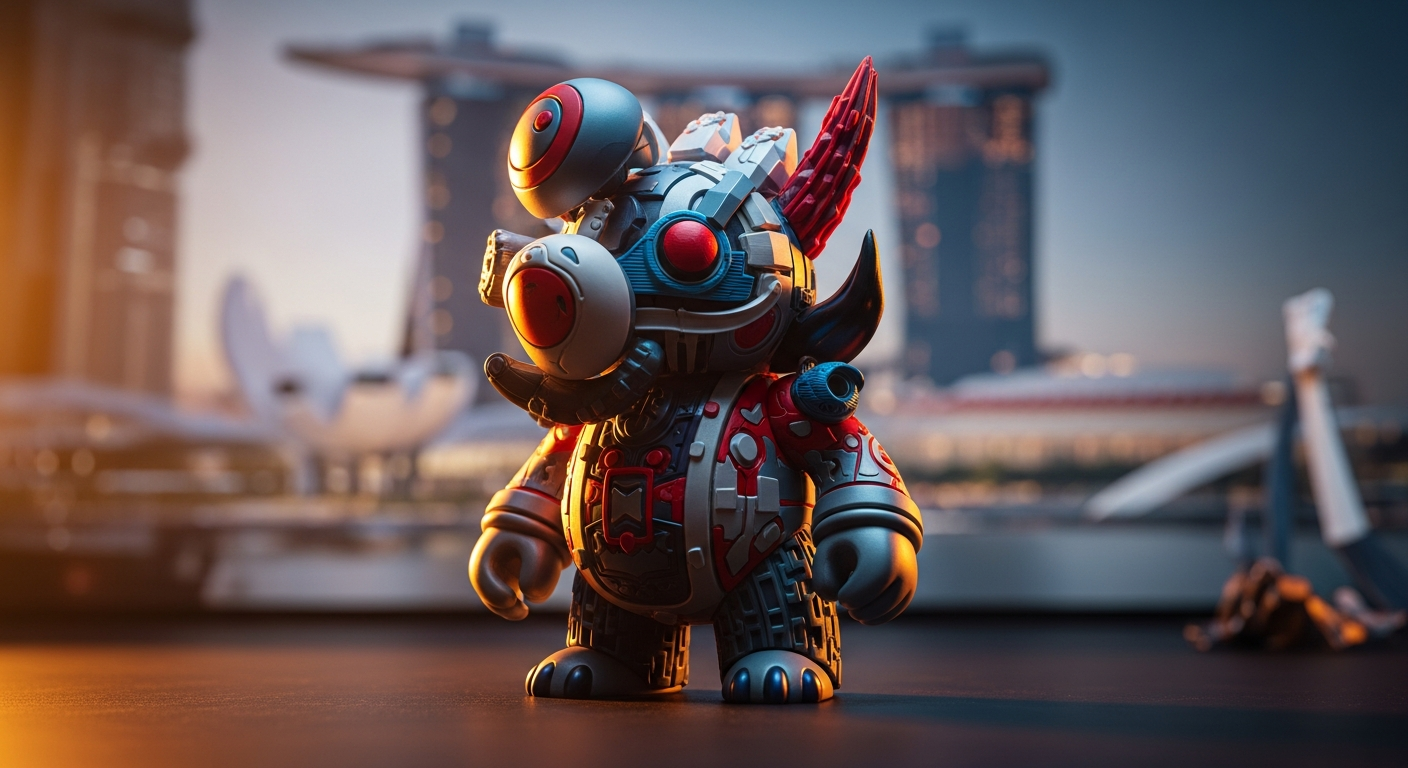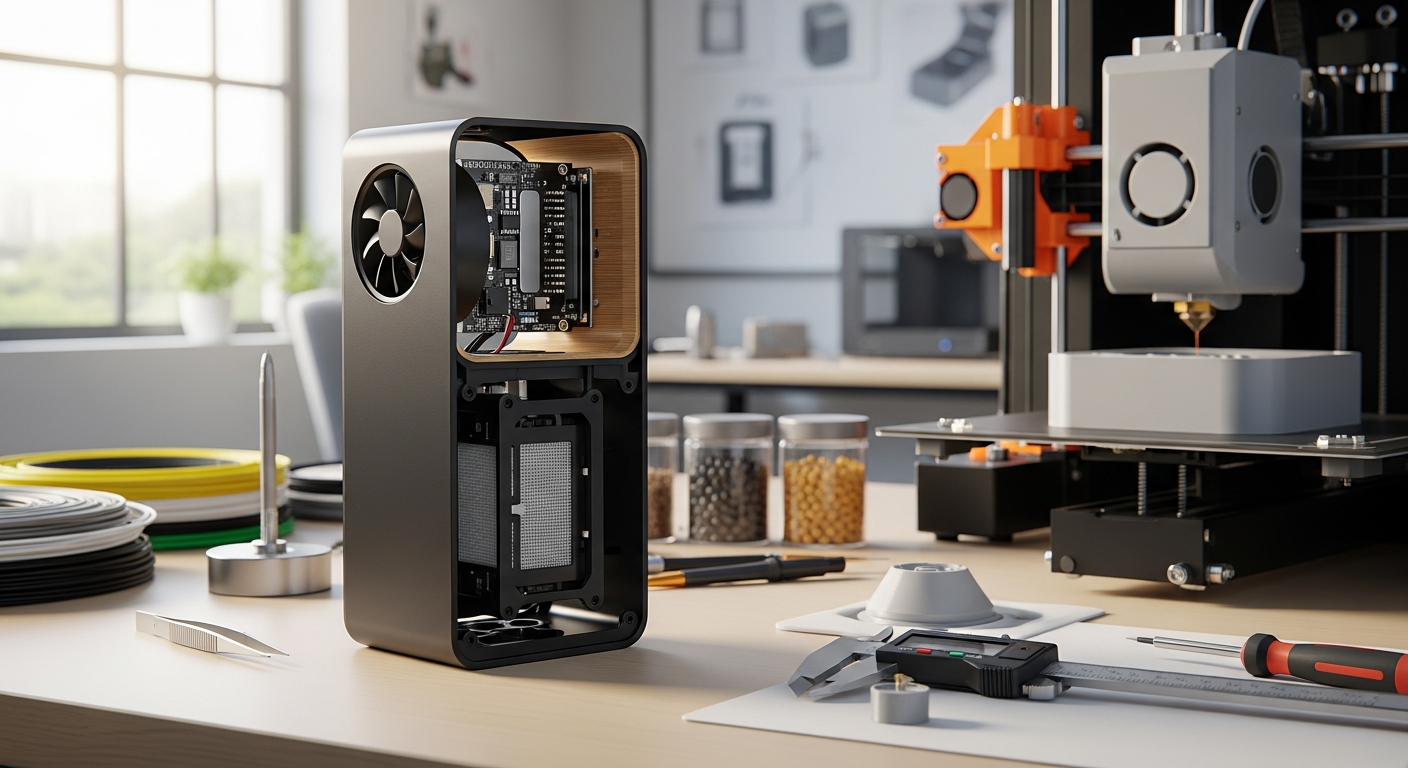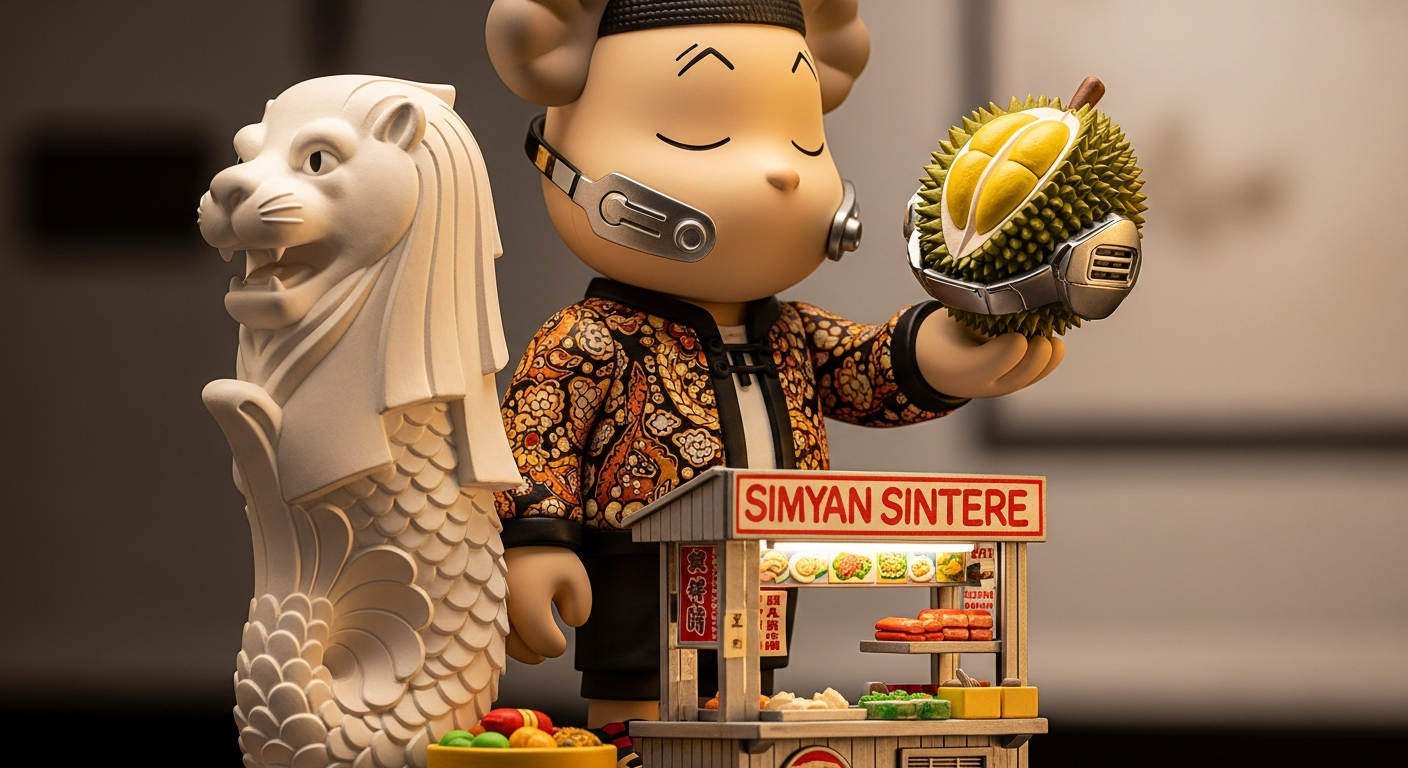

Singapore has quickly positioned itself as a dynamic hub for art toys and lifestyle product design. From collectible vinyl figurines to boutique lifestyle objects, Singaporean studios combine Asian craftsmanship with global design sensibilities. This article helps collectors, brands, and independent designers understand the landscape, choose the right studio partner, and navigate today’s trends: rapid prototyping, limited-edition drops, and sustainable production practices.
Singapore’s strengths are concentrated infrastructure, strong IP protection, and proximity to specialist manufacturers in the region. Designers benefit from fast turnarounds, professional CAD and prototyping services, and a growing local market that embraces collectible culture and design-led lifestyle products. The city-state is also increasingly visible in international toy fairs and design showcases, which helps studios refine global-ready products while maintaining local authenticity.
These trends mean you should prioritize studios that offer flexible prototyping, clear sustainability options, and strong digital design capabilities.
Selecting a studio for art toys or lifestyle product design in Singapore requires evaluating both creative and technical capabilities. Key considerations:
A full-service studio that supports art toys and lifestyle product design will typically provide:
If your project sits at the intersection of collectible culture and product design, confirm that the studio knows consumer expectations for both display-quality finish and durable everyday use.
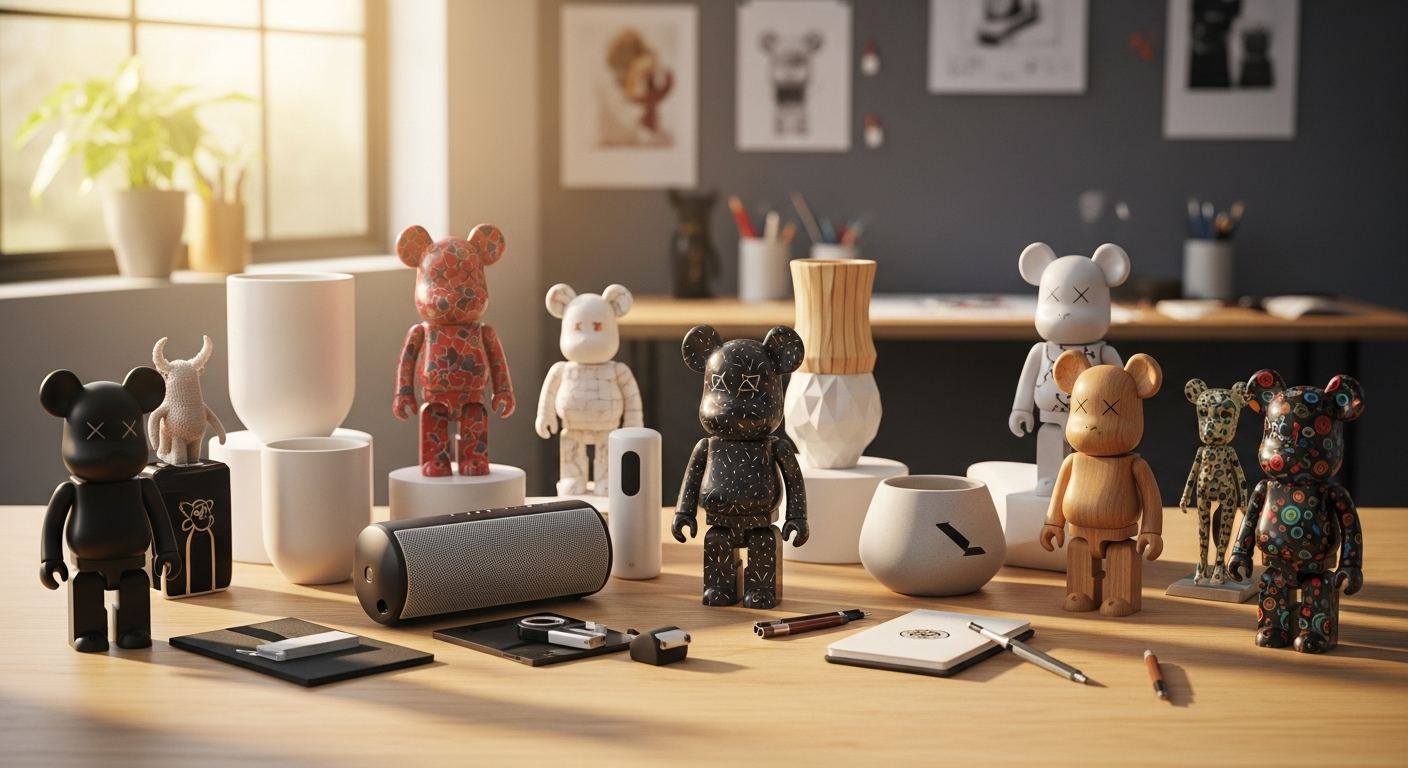
Designers and studios in Singapore often collaborate across disciplines—illustrators, product designers, and toy makers—to create pieces that are both expressive and manufacturable. When searching for a creative partner, review portfolios of Singapore designer art toys to understand how studios balance artistic intent with production constraints.
Look for examples that demonstrate:
Studios that pair strong art direction with technical processes are the most reliable partners for catalogue or gallery-quality releases.
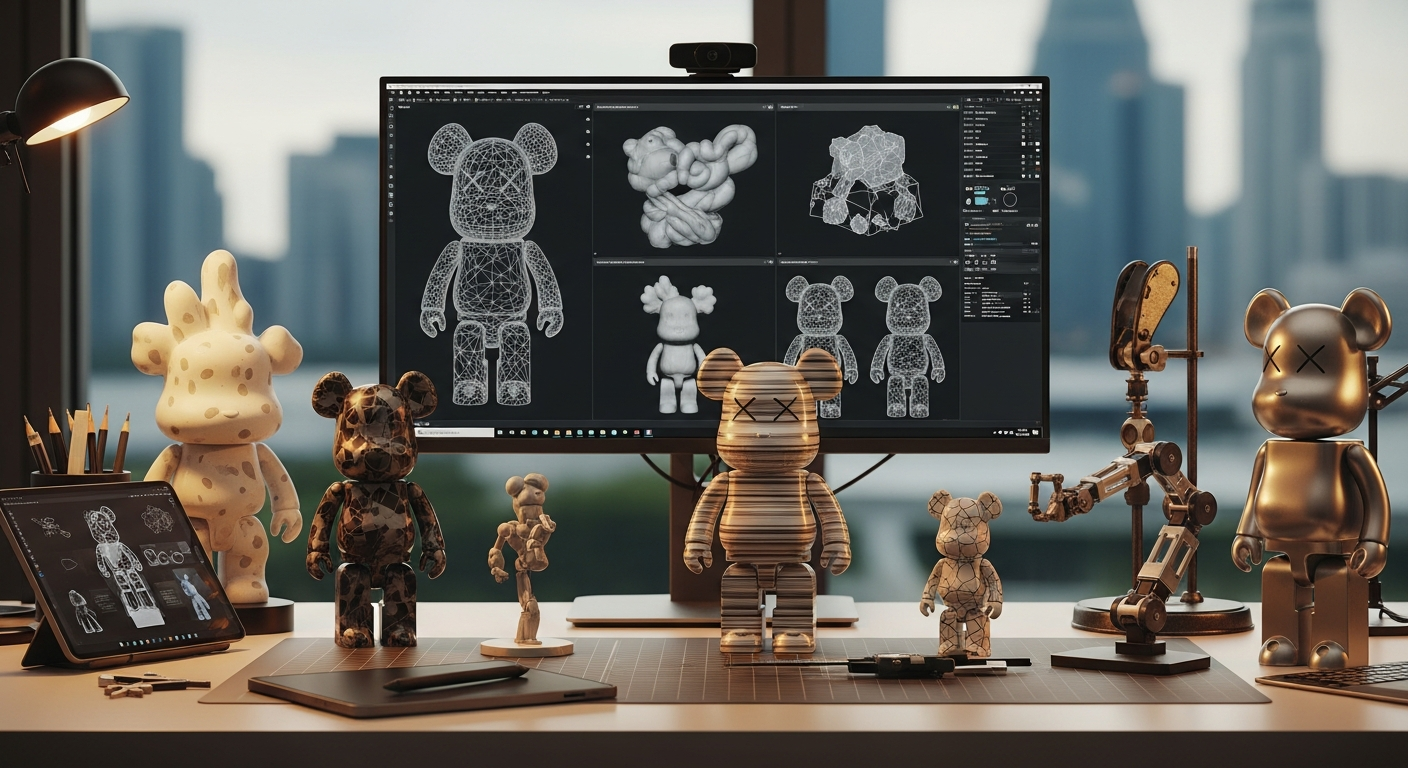
Rapid prototyping is the backbone of contemporary product development. Fast, accurate prototypes let you validate scale, articulation, and surface preparation before committing to tooling. Singapore studios often position themselves as rapid-prototyping specialists, helping clients iterate quickly from one prototype to the next.
For lifestyle products where ergonomics, fit, and material feel matter, prototyping reduces risk. To learn more about how studios manage timelines and iterations, explore articles on lifestyle product design Singapore, which outline typical lead times and the trade-offs between fast proofs and production-ready masters.
Costs vary depending on complexity, material, finish, and run size. Typical price drivers:
Timelines: allow 6–12 weeks for a polished small-run release (concept to final units) when working with local Singapore studios—faster if you prioritize digital-first drops and limit surface complexity.
Edition sizes: collectible culture supports very small runs (50–500 units) priced as art objects; lifestyle products often require larger minimums. Discuss edition strategy with your studio early—short runs need different QA and fulfillment approaches than ongoing product lines.
A clear brief gets better results. Include:
Sharing visual references, a mood board, or rough sketches accelerates the sculpting and CAD phases.
Sustainable production is no longer optional—collectors and buyers care. Choose studios that can:
Sustainability can be a differentiator: limited-edition pieces with an eco-conscious story often attract premium collectors.
Great outcomes rely on transparent project management. Indicators of a reliable studio:
Demand a simple contract that clarifies IP ownership, revisions, and delivery terms.
Singapore’s ecosystem for art toys and lifestyle product design is robust: studios combine rapid prototyping, CAD expertise, and boutique production capabilities to support everything from gallery-grade collectibles to market-ready lifestyle goods. By prioritizing studios that demonstrate strong CAD workflows, prototyping proficiency, and sustainable practices—and by preparing a clear brief—you’ll reduce risk and accelerate time-to-market.
Whether you’re launching a limited art toy series, refining a lifestyle accessory, or experimenting with AI-assisted design, a well-chosen Singapore partner can translate ideas into desirable, well-made products that stand out in a crowded marketplace.