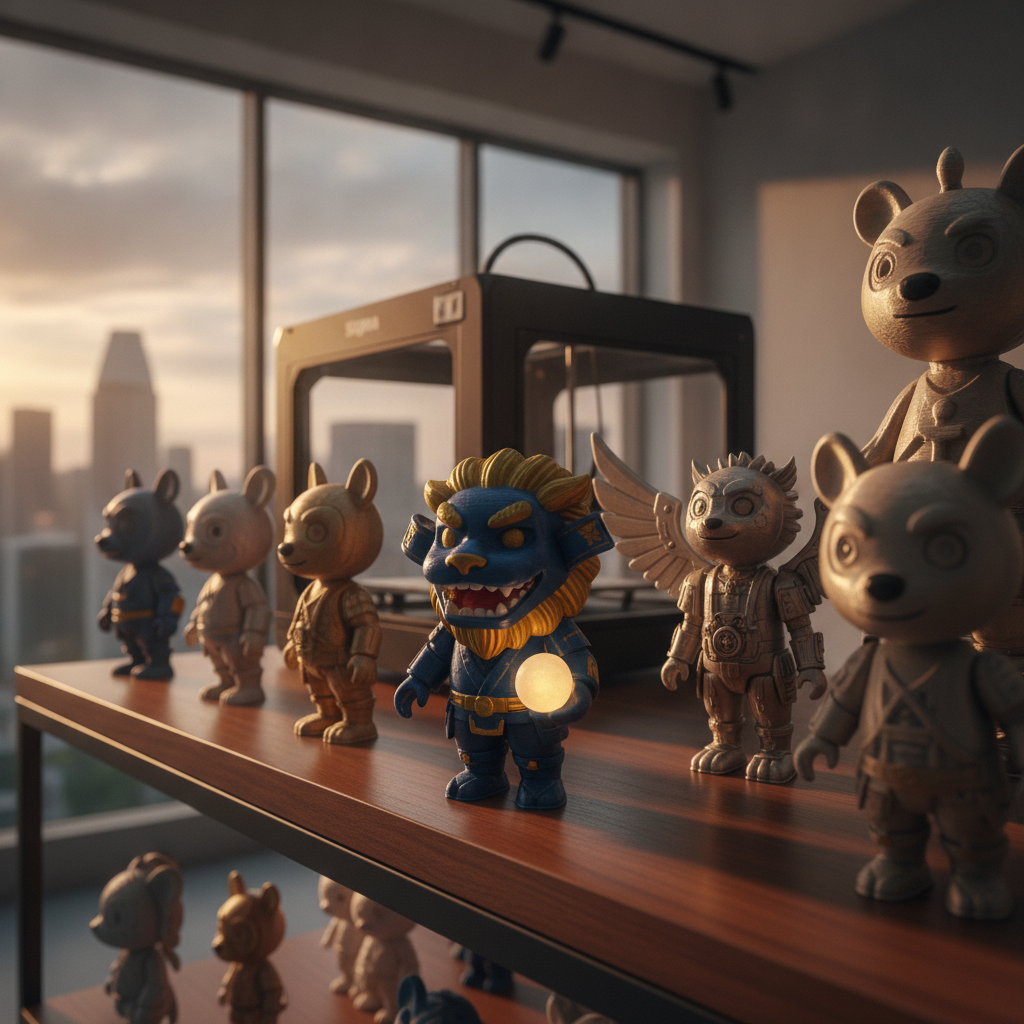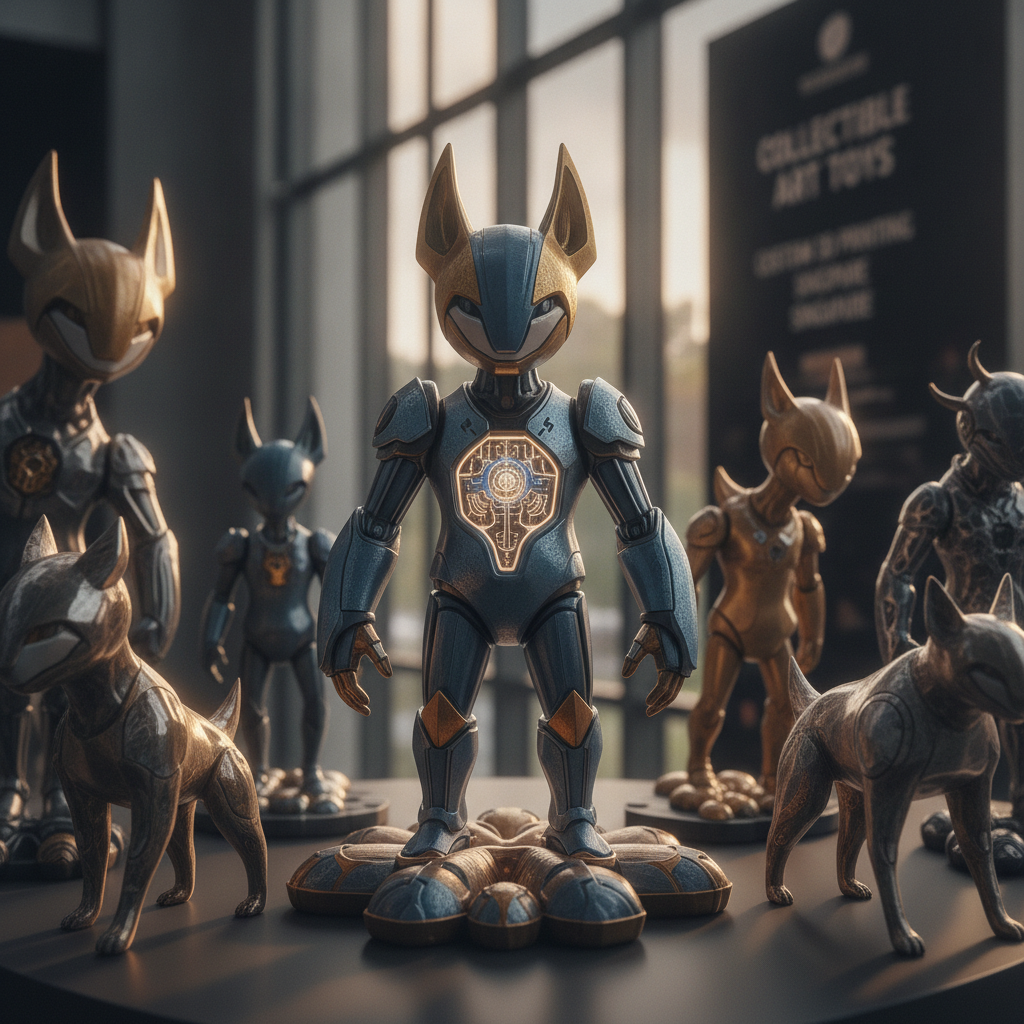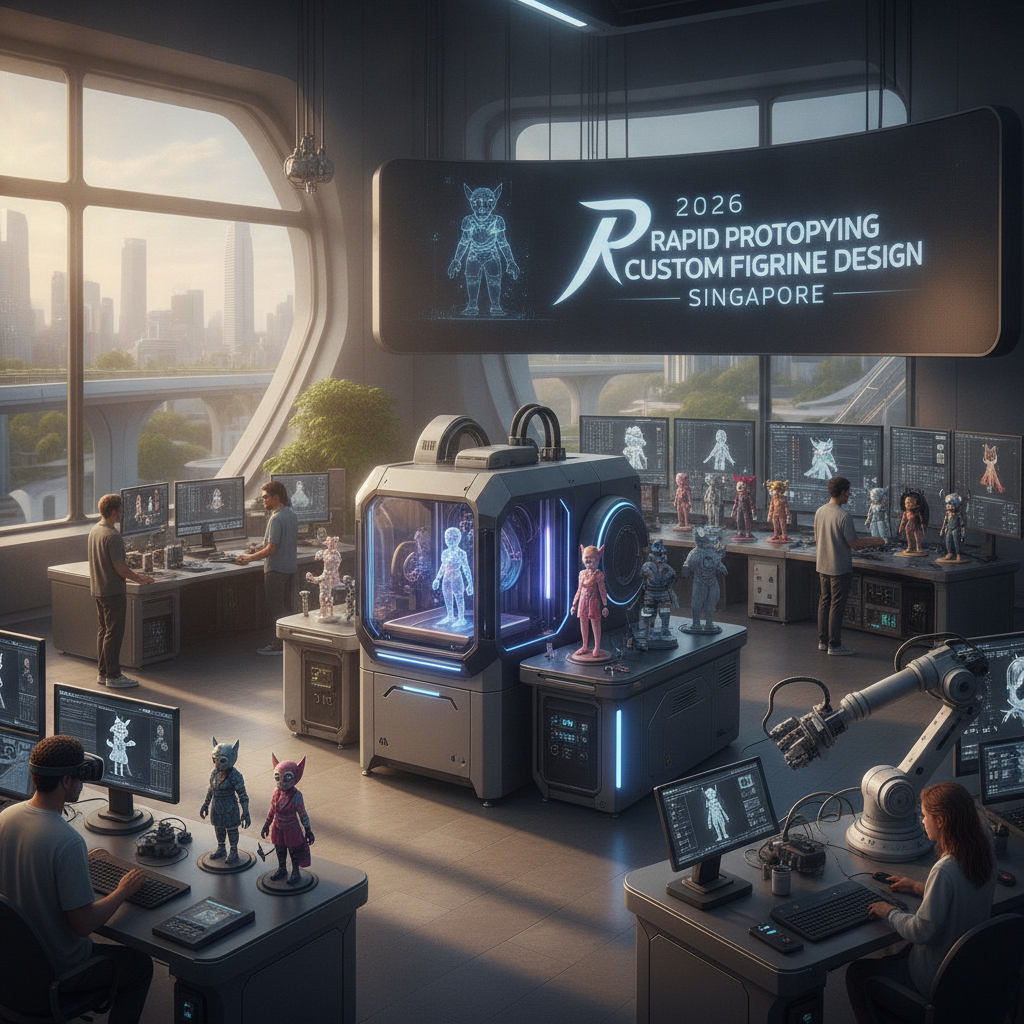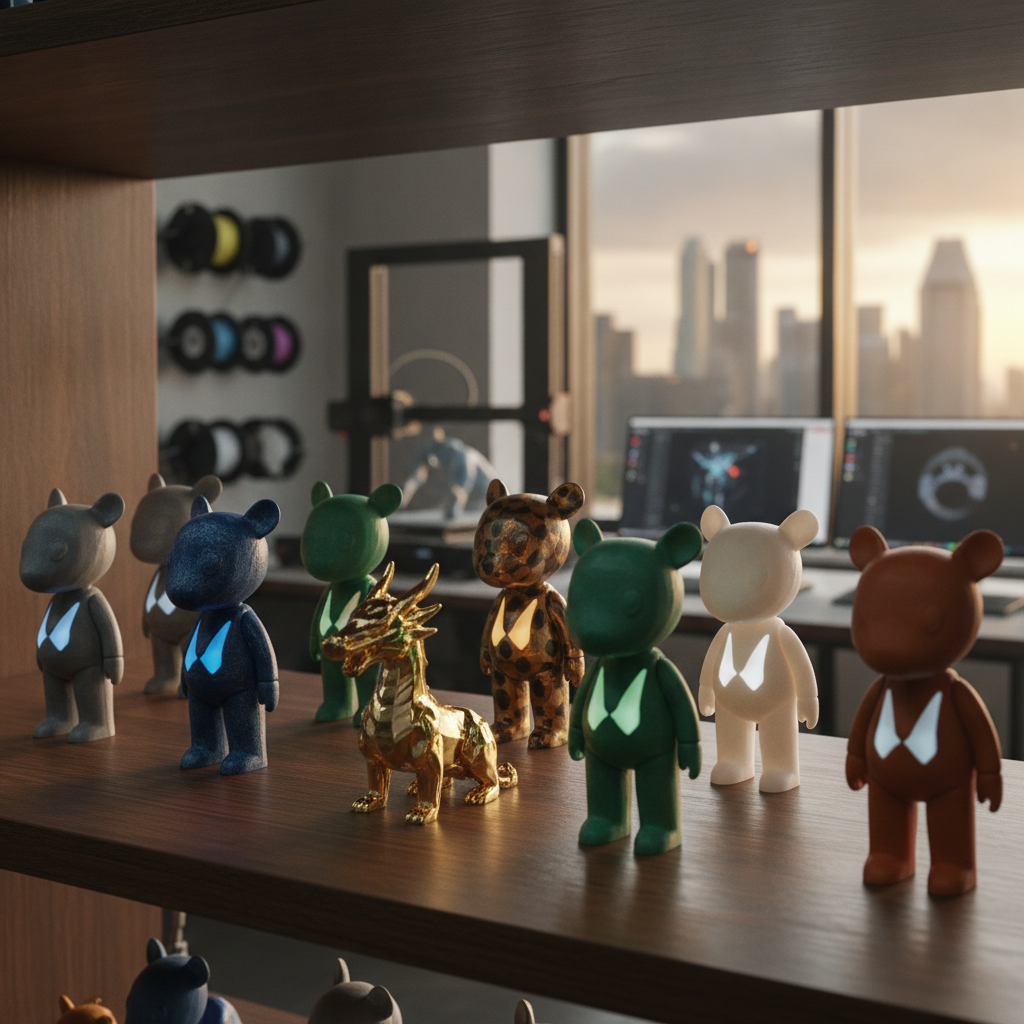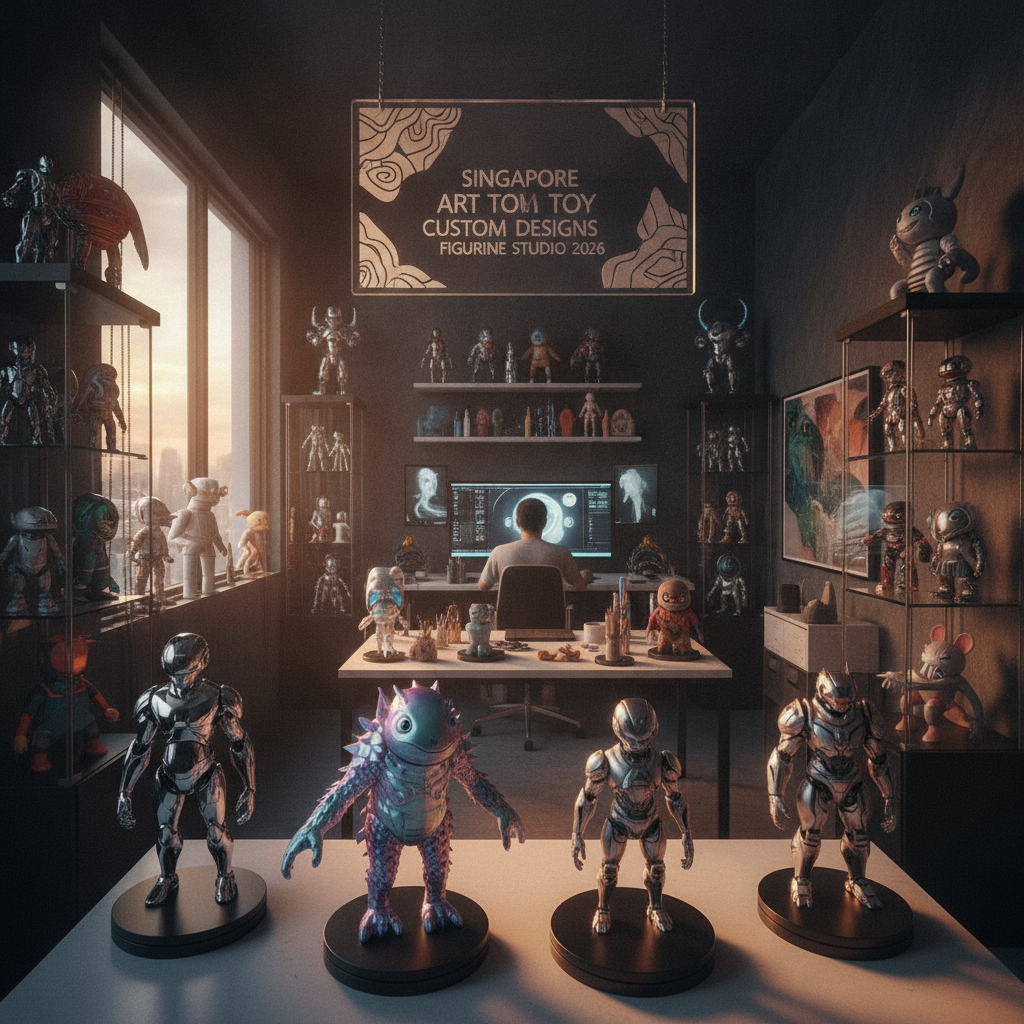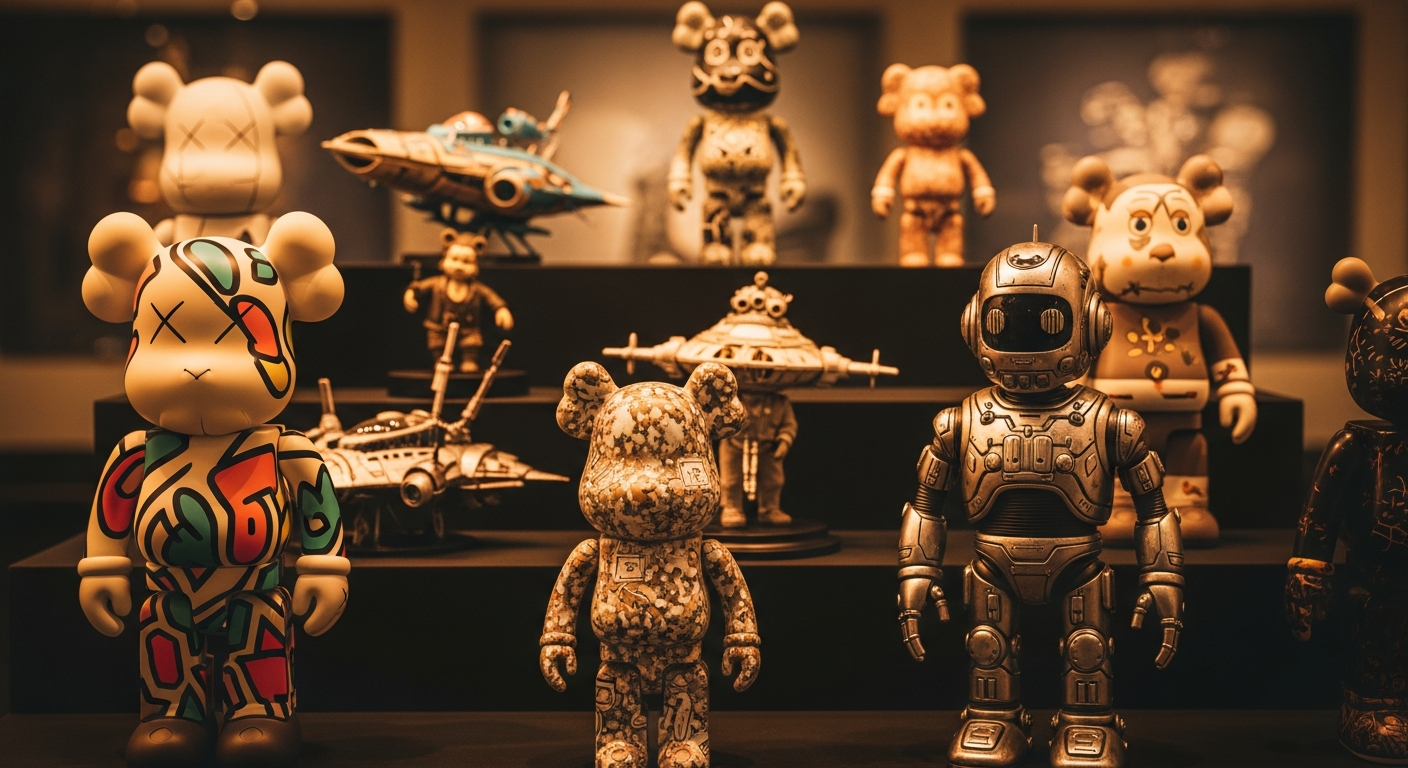
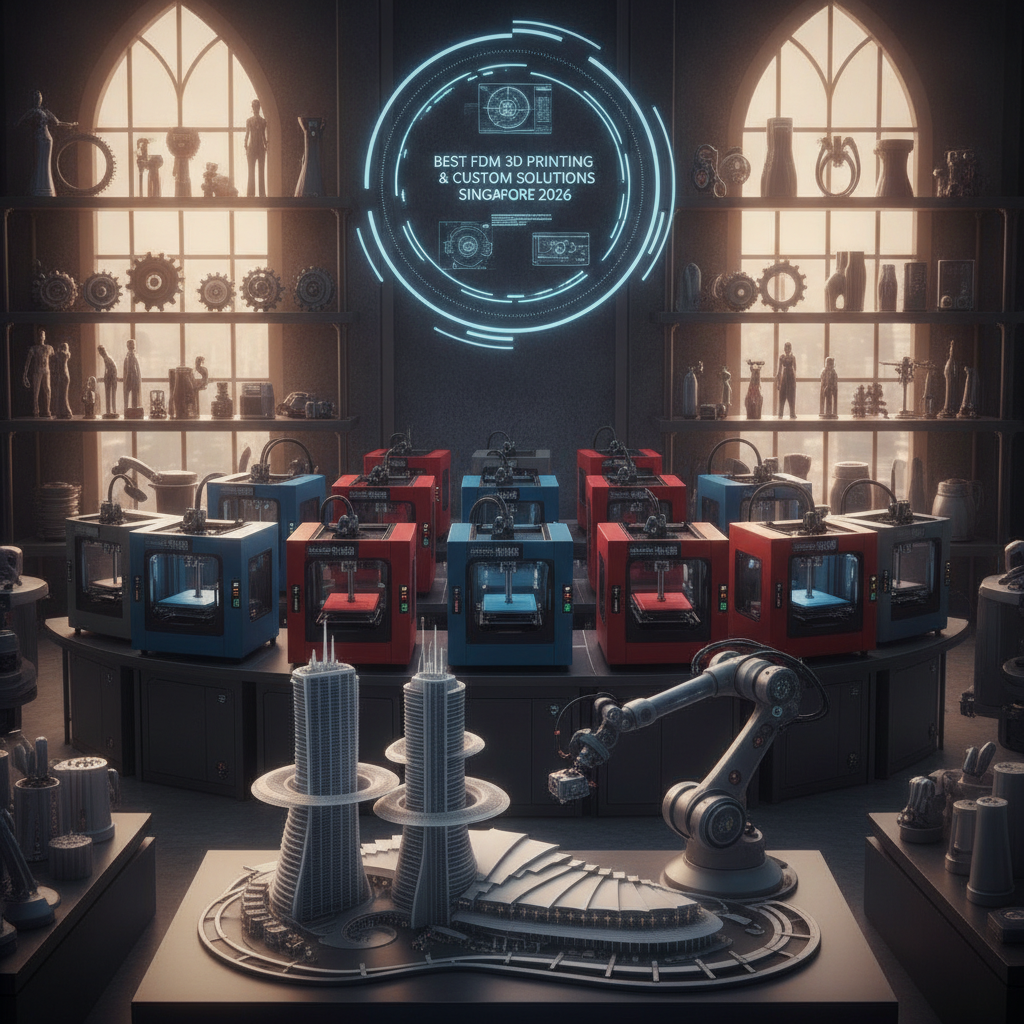

Collecting designer figures has moved well beyond a niche hobby. In 2026, limited edition art toys and collectible art toys remain cultural signifiers, museum-ready pieces, and increasingly smart investments. This guide breaks down the trends shaping the market, practical tips for sourcing and preserving pieces, and why production innovations like 3D printing and rapid prototyping matter for both creators and collectors.
Limited edition art toys distinguish themselves from mass-market items through scarcity, artist intent, and often higher production quality. A small run — whether 50 or 2,000 units — creates demand and narrative. Collectors prize provenance: signed editions, numbered bases, and documented release histories all shape value.
Beyond scarcity, collaborations between street artists, illustrators, and established toy studios have elevated the art toy category into the mainstream. Galleries now curate designer toy exhibitions, and crossover drops with fashion brands or digital artists give pieces cultural momentum. For makers looking to turn concepts into tangible products, integrating prototyping and production expertise is critical — many studios now offer dedicated services for limited-run projects like these. Learn how manufacturers tailor processes for limited runs through targeted resources on limited edition art toys.
For independent artists and boutique studios, modern prototyping accelerates iteration and reduces upfront tooling risk. Techniques from SLA resin prototyping to cost-effective FDM runs allow teams to validate a design’s scale, articulation, and finish before committing to a limited edition.
If you’re designing collectible objects, partnering with experts in custom 3D printing speeds development. For makers producing lifestyle-focused figurines, options like top Singapore custom 3D printing combine aesthetic precision with small-batch scalability. When durability and final-surface quality matter, targeted methods such as FDM 3D printing for structural parts and resin finishing for visual components are commonly blended.
When surveying the market, evaluate pieces along several axes to separate a decorative buy from a collectible acquisition:
Primary markets (official drops) are still the best source for guaranteed authenticity. Follow gallery calendars, studio mailing lists, and verified reseller marketplaces. Secondary markets—auction sites, collector forums, and specialized resellers—are where rarities surface, but authenticate carefully.
Regional manufacturing and prototyping partners also play a role. Artists often collaborate with production specialists to maintain quality and remain nimble in limited runs. Some makers use local studios to prototype and oversee small-batch production, ensuring finishes meet expectations and edition sizes stay controlled.
Collectors should balance passion with prudence. While certain designer toy categories have demonstrated strong appreciation, not every piece will gain value. Tips for a more investment-minded approach:
Many collectors emphasize that long-term value often follows cultural relevance: pieces tied to artists who continue to expand their careers across mediums tend to maintain or increase worth.
Creators should approach limited productions with clarity on scale, budget, and audience. Steps that consistently yield better outcomes:
For creators exploring how prototyping informs production viability and cost for limited runs, resources on limited edition art toys and manufacturing support are helpful launch pads.
Limited edition art toys and collectible art toys in 2026 are defined by quality, story, and the smart use of modern production methods. Collectors seeking pieces that hold emotional and financial value will prioritize provenance, condition, and cultural relevance. Creators who harness prototyping, dependable small-batch manufacturing, and clear community-building will continue to lead the market.
Whether you’re a seasoned collector or a creator planning a first drop, understanding how design, production, and market dynamics intersect is key. The right partnerships — from skilled prototyping to specialized 3D printing and manufacturing — transform promising designs into coveted limited editions.