

Best Cad Modeling And Rapid 3D Prototyping Singapore 2026

Introduction

Singapore has solidified its position as a regional hub for precision engineering, medtech innovation, and creative manufacturing. For engineers, product designers, and startups the combination of expert CAD work and fast additive workflows means shorter development cycles and improved product-market fit. This article breaks down what to expect from CAD modeling Singapore providers in 2026 and how rapid prototyping Singapore services can accelerate product development with confidence.

Why CAD modeling matters for product success

High-quality CAD modeling is more than just creating attractive 3D visuals. It’s the backbone of efficient product development: accurate geometry, validated assemblies, and manufacturable features that translate one-to-one into prototypes and production. A good CAD workflow reduces iteration, avoids costly mistakes, and enables simulation-driven decisions early in the design process.

Key CAD outcomes to require:

  • Fully constrained parametric models for quick edits and design variants.
  • Embedded tolerancing and GD&T to reflect real-world fit and function.
  • Simulation-ready geometry for FEA, thermal or fluid analysis.
  • Export-ready files (STL, STEP, IGES) and clear BOMs for downstream processes.

Local providers that specialize in CAD modeling Singapore typically offer cross-disciplinary services — tying in industrial design, engineering validation, and prototyping so your model is not just pretty but production-ready.

Rapid prototyping technologies you’ll find in Singapore

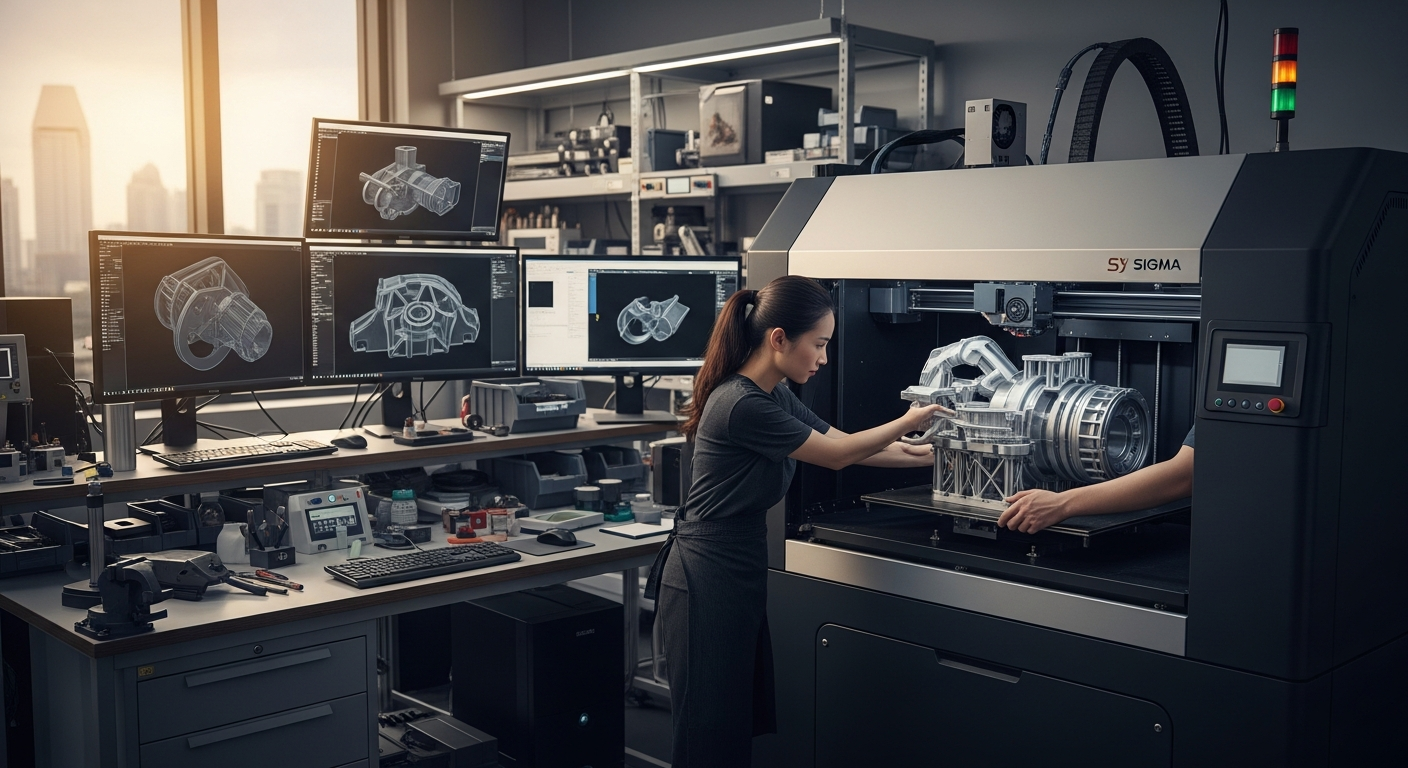
Rapid prototyping Singapore covers a wide spectrum of technologies. Choosing the right method depends on part function, surface finish, mechanical properties, and lead time.

  • SLA (Stereolithography): Exceptional surface finish and precision; ideal for detailed visual models and injection molding patterns.
  • SLS (Selective Laser Sintering): Good for functional parts and low-volume use where strength and heat resistance matter.
  • FDM (Fused Deposition Modeling): Cost-effective for concept models and larger geometries; good for quick fit checks.
  • MJF (Multi Jet Fusion): Competitive mechanical properties, fast throughput for nylon parts.
  • DLP and CLIP: Ultra-fast resin printing for intricate parts and smooth finishes.
  • Metal AM (SLM/EBM): For end-use metal parts and high-strength prototypes.

Pairing the right CAD approach with the right printing technology is where most time and cost savings occur. For example, a thin-walled enclosure might require CAD revisions to meet FDM printing constraints, whereas a snap-fit component needs precise tolerancing and perhaps SLS for its mechanical performance.

Materials and finishing — what to expect

Material choice drives both function and aesthetics. In 2026, service providers in Singapore will typically offer:

  • Engineering thermoplastics (PA12, PA11, ABS-like materials) for functional testing.
  • High-detail resins (tough, flexible, castable) for jewelry, dental, or art toys.
  • Composite and fiber-filled filaments for stiffness and lightweight parts.
  • Metal powders (stainless steel, titanium, aluminium) for structural prototypes.

Post-processing options commonly available include vapor smoothing, dyeing, CNC machining, plating, and painting. Look for rapid prototyping Singapore shops that can handle end-to-end finishing, not just raw prints—this reduces handoffs and improves timeline predictability.

Design-for-Additive-Manufacturing (DfAM) and DFM tips

Designers who understand DfAM generate better prototypes faster. Key principles:

  • Consolidate assemblies where possible to reduce parts count.
  • Orient parts for optimal strength and surface finish; consider support removal.
  • Add internal lattice structures to reduce weight while maintaining stiffness.
  • Integrate threads, snaps, and inserts with appropriate tolerance allowances.
  • Use fillets and chamfers to avoid stress concentrations and printing artifacts.

For cost-effective prototypes, clearly document tolerances and critical dimensions in the CAD file rather than relying on assumptions. This saves back-and-forth communication and ensures rapid prototyping Singapore vendors can meet functional requirements first time.

Choosing a service provider in Singapore: criteria that matter

When selecting CAD modeling Singapore and rapid prototyping Singapore partners, evaluate them on these dimensions:

  • Technical depth: Do they employ experienced mechanical engineers and industrial designers who can advise on manufacturability and material selection?
  • Process capability: Is their machine fleet diverse (SLA, SLS, MJF, metal) and well-maintained?
  • Communication and project management: Can they deliver prototypes with clear milestones and expected tolerances?
  • Quality assurance: Are inspection reports, CMM checks, or microsectioning available for critical parts?
  • Intellectual property protection: What NDAs, secure file handling, and on-site protocols are in place?

For creative products like collectible art toys, combining CAD expertise with aesthetic finishing is important. Many studios now offer hybrid services where design, prototyping and finishing are bundled — for example, on-demand artists and custom 3D printing shops that serve both functional and artistic needs such as on-demand custom 3D printing.

Cost drivers and realistic timelines

Prototype costs vary widely depending on technology, materials, post-processing, and complexity. Typical considerations:

  • Geometry complexity and volume: More support structures or internal features increase cost.
  • Material selection: Engineering polymers and metal powders cost more than basic PLA or resin.
  • Surface finish and painting: High-end finishing adds time and expense.
  • Turnaround: Express services accelerate time but at a premium.

In Singapore, a simple desktop resin prototype can be ready in 24–48 hours; an SLS functional batch or metal print may take several days to weeks, especially with post-processing. Request lead-time estimations tied to specific AM technologies from rapid prototyping Singapore providers up front.

Applications and industry examples in Singapore

Singapore’s compact but dense industrial ecosystem favors quick iteration. Typical use cases where CAD modeling Singapore and rapid prototyping Singapore add measurable value include:

  • Medtech: Patient-specific fixtures, surgical guides, and low-volume device components that require tight tolerances and biocompatible materials.
  • Consumer electronics: Enclosures, snap-fit prototypes, and heat-dissipation testing where multiple iterations are needed.
  • Startups and hardware accelerators: Rapidly validating features and ergonomics prior to crowdfunding or mass production.
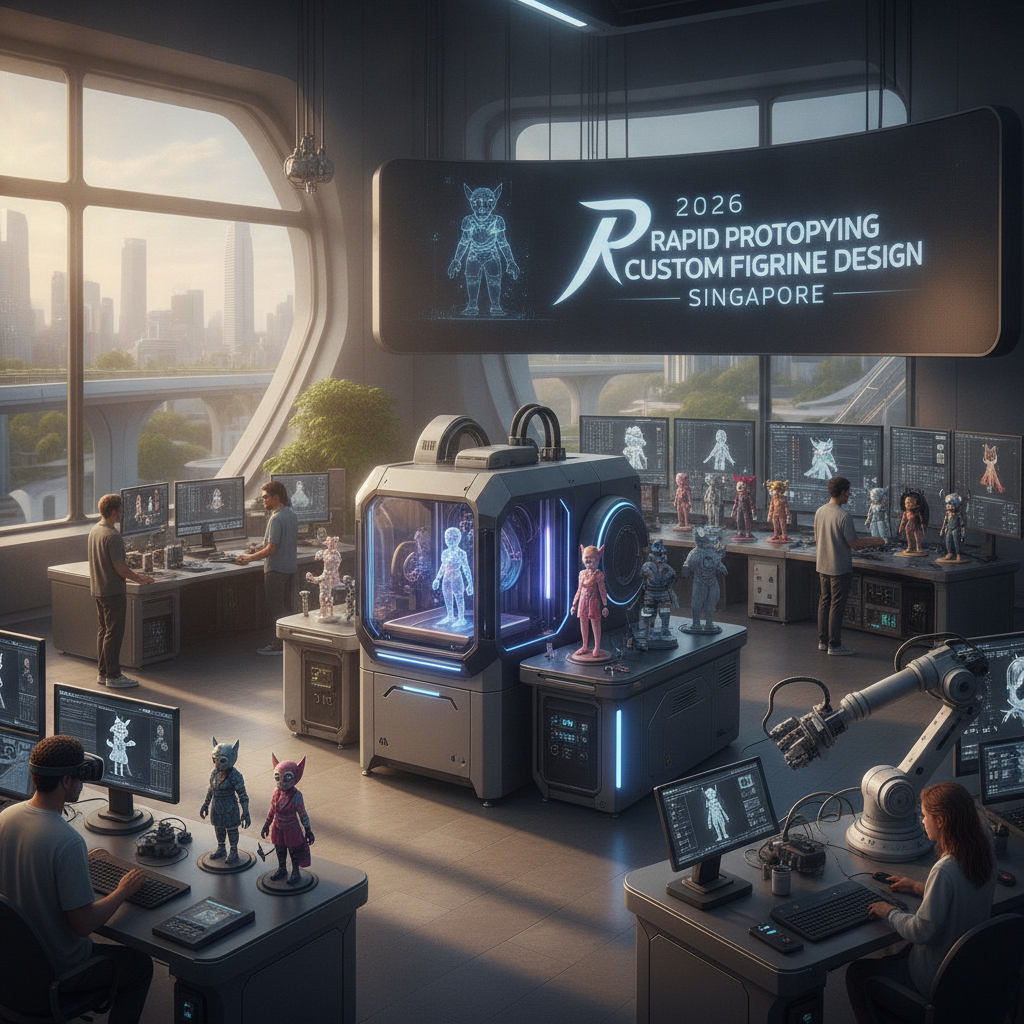
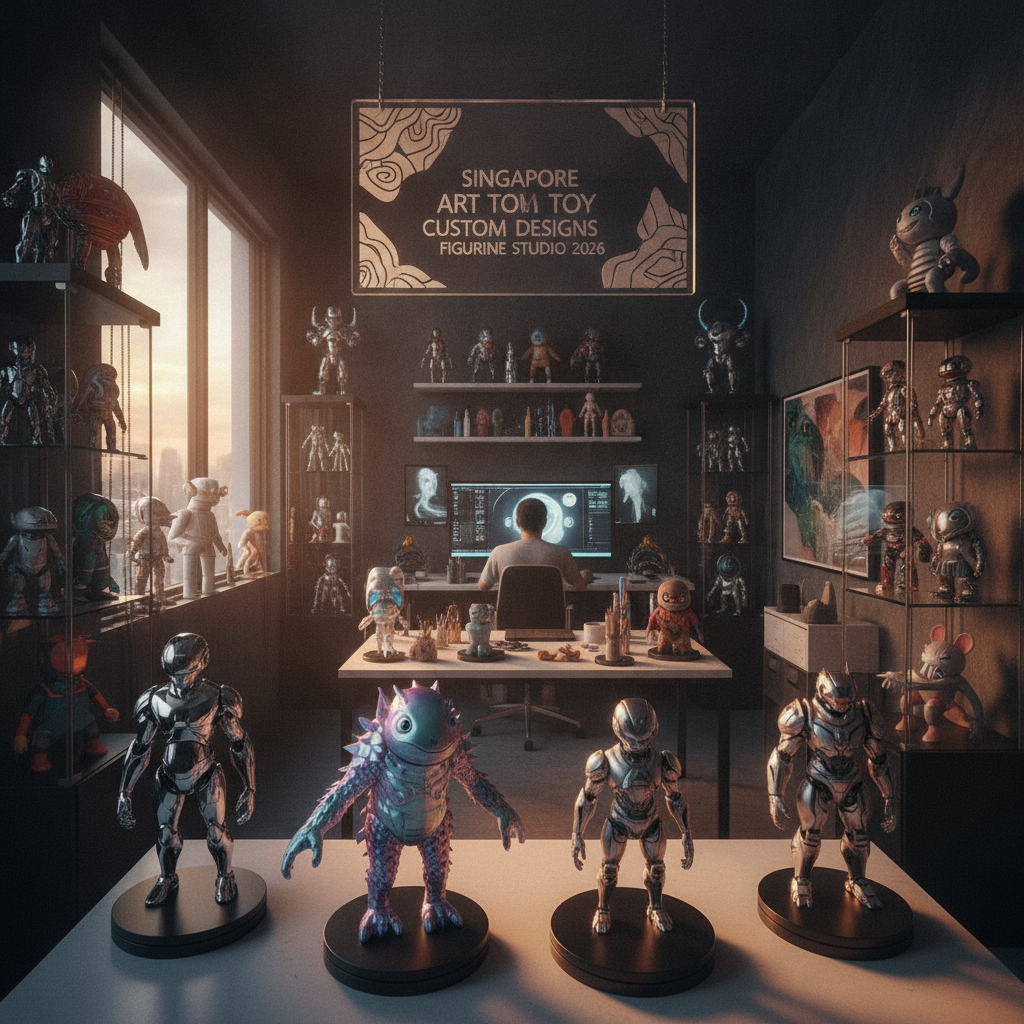
  • Creative industries: Limited-run collectible figurines and art toys that combine detailed CAD with premium finishing, often sold through platforms after small-batch production. Services for custom figurine design and buying art toys locally are examples of this integration: see buy art toys Singapore.

Trends shaping 2026 and beyond

Several trends are reshaping CAD and prototyping in Singapore:

  • Generative design and AI-assisted CAD: Automating topology generation and optimizing material usage for performance and cost.
  • Cloud CAD and collaboration: Remote teams iterate on shared models with version control, accelerating review cycles.
  • Multi-material and color 3D printing: Enabling more lifelike prototypes and reducing assembly.
  • Sustainable materials and recycling: Recyclable powders and bio-resins reduce environmental impact.
  • Digital thread and on-demand manufacturing: Tight integration from CAD to production, enabling localized, just-in-time manufacturing.

Companies combining deep CAD modeling Singapore skills and flexible prototyping capacity will be best positioned to help clients exploit these trends. For specialized creative manufacturing, look for studios that offer complete workflows such as singapore custom figurine design for art toys and integrated prototyping solutions like rapid prototyping Singapore resources.

Practical checklist before you submit your CAD for prototyping

  • Provide native CAD files (STEP/IGES) and an exported STL with your preferred resolution.
  • Annotate tolerances and critical dimensions; specify surface finish expectations.
  • Share intended function, load cases, and assembly mates so the prototyping partner can recommend material/process choices.
  • Confirm post-processing needs and whether you need painting, plating, or finishing.
  • Agree on inspection criteria and acceptance thresholds before manufacturing begins.

If your project has artistic components, choose suppliers who understand both engineering tolerances and aesthetic finishing needs — many studios now promote combined services for design, prototyping, and finishing to meet both technical and visual objectives, as shown in offerings for custom 3D art toys and figurines.

Conclusion

In 2026, the interplay between refined CAD modeling Singapore practices and fast, flexible rapid prototyping Singapore services will continue to shorten development cycles and open new possibilities for startups, manufacturers, and creators. By choosing partners who combine engineering rigor with material and finishing expertise, teams can go from concept to validated prototype faster and with greater confidence. For projects that blend technical precision and artistic quality, integrated studios offering custom figurine design and end-to-end prototyping provide a reliable path from CAD file to finished product, improving speed to market and product fidelity.


Share this story: