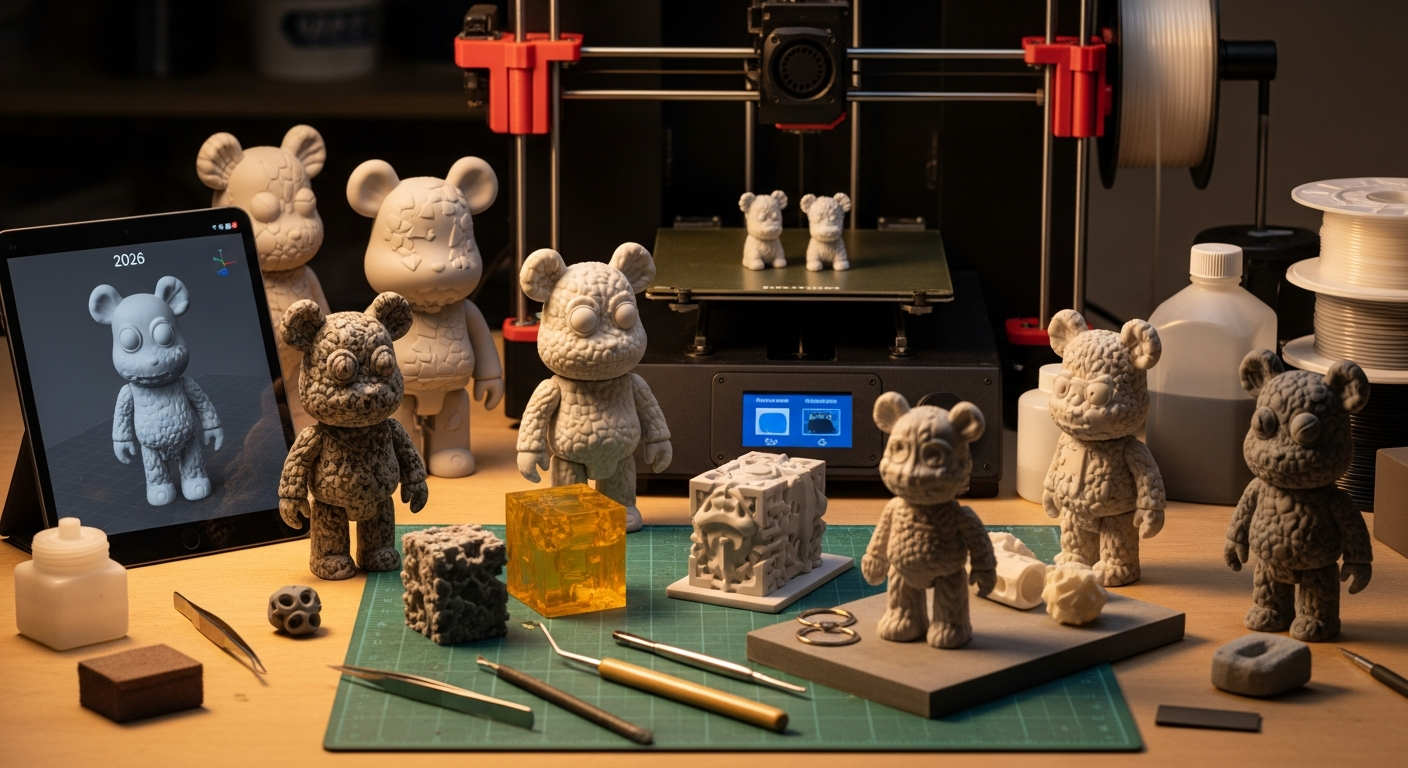
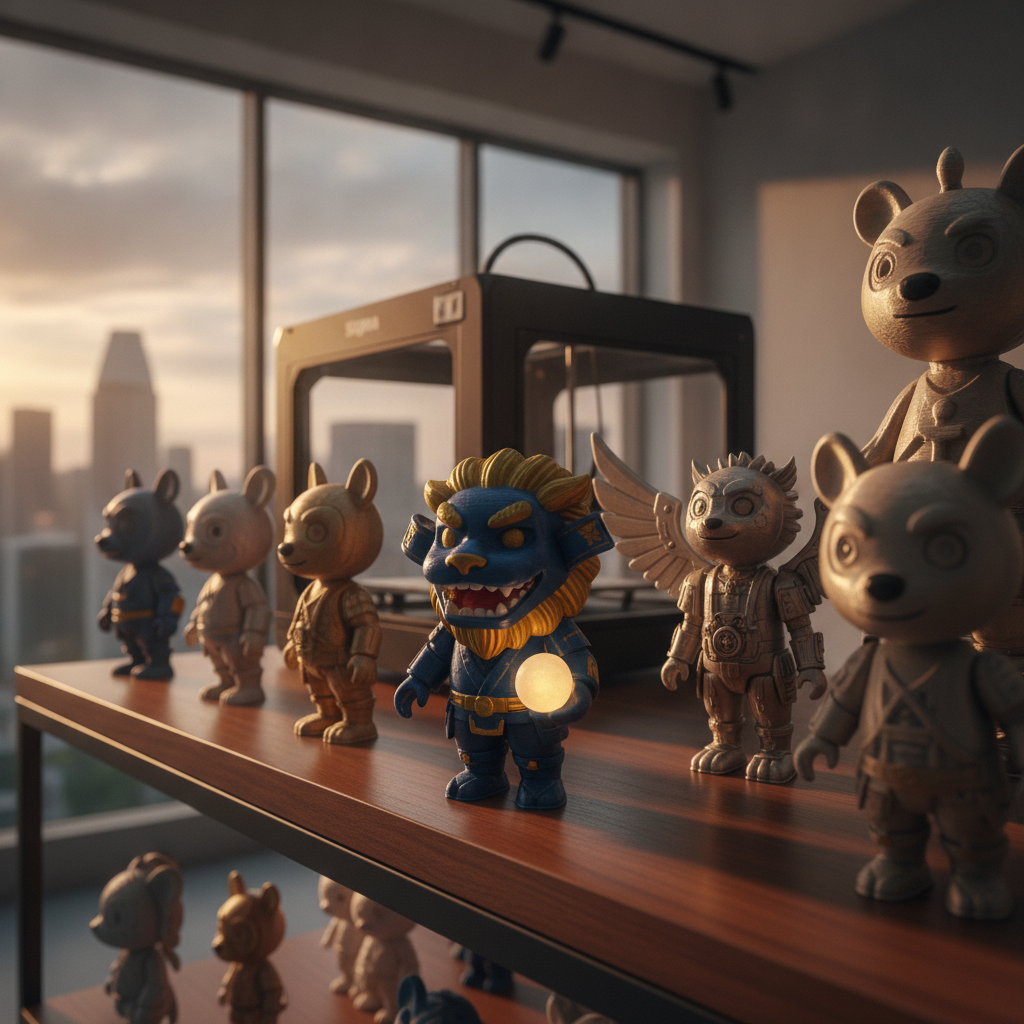
Why 2026 is the year for limited edition art toys and custom 3D printing
Designers and independent studios are turning to custom 3D printing to produce limited edition art toys that combine sculptural detail with collectible scarcity. In 2026, advances in materials, multi‑color and multi‑material printing, and localized manufacturing mean designers can iterate quickly, control quality, and deliver premium, short‑run drops without the overhead of traditional tooling.
For creators targeting collectors and brand collaborations, the combination of design agility and precise production offered by custom 3d printing singapore makes limited edition art toys more economically viable and creatively ambitious than ever.
Hottest trends shaping limited edition art toys in 2026
- Phygital collectibles: Limited edition releases increasingly pair physical toys with digital assets (AR experiences, verifiable NFTs, or exclusive web content). This creates cross‑channel engagement and adds provenance to each piece.
- Sustainable resins and recycled filaments: Eco‑conscious collectors expect materials that reduce environmental impact, and many makers now offer certified or recycled options without sacrificing finish.
- Hybrid finishing: Producers combine high‑resolution 3D printing with traditional hand finishes (airbrushing, plating, soft‑goods) to deliver truly unique pieces.
- Micro‑drops and subscription models: Instead of mass launches, brands run tiny, serialized drops and membership boxes to maintain scarcity and community buzz.
How custom 3D printing elevates limited edition art toys
Precision and detail: Modern SLA, DLP, and high‑resolution resin printers capture fine sculptural detail — textures, facial subtleties, and intricate accessories — that scale well from prototype to limited runs.
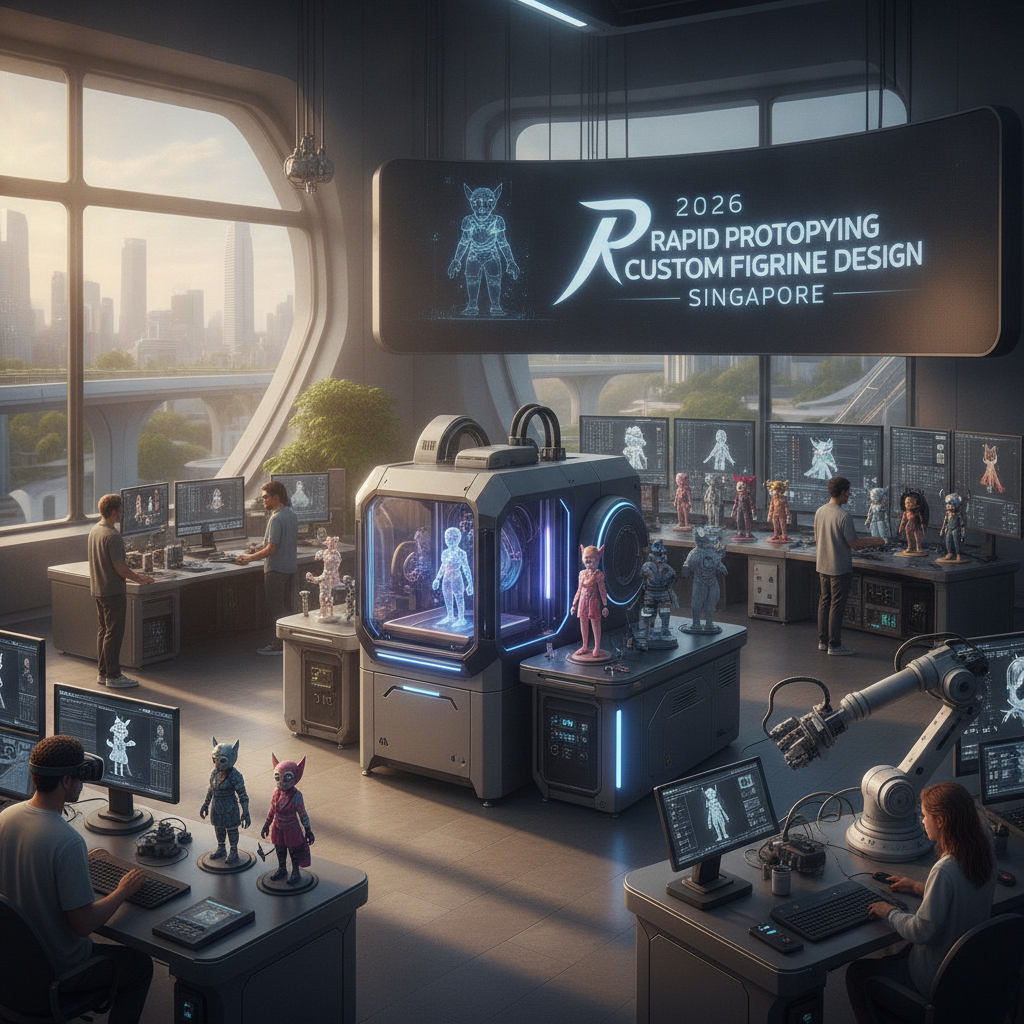
Speed and iteration: Rapid prototyping workflows allow designers to test proportions, articulation, and paint schemes in days rather than weeks. This shortens development cycles for seasonal drops and collaborations.
On‑demand small runs: Custom 3D printing eliminates the need for expensive molds and long lead times, making short runs of 10–500 units practical. That’s ideal for limited edition art toys where scarcity is part of the value proposition.
Localized production: Choosing a manufacturing partner in Singapore reduces shipping time and import complications for APAC markets, and provides easier oversight during production.
Materials and finishes that collectors expect
- Photopolymer resins (SLA/DLP): Best for ultra‑fine detail and smooth surfaces. Ideal for highly detailed faces and ornamental pieces.
- Nylon (SLS): Durable, flexible options for articulated parts or utility pieces where strength matters.
- FDM with specialty filaments: Good for large forms or proof‑of‑concept pieces; advanced filaments (wood‑fill, metal‑filled) create unique textures.
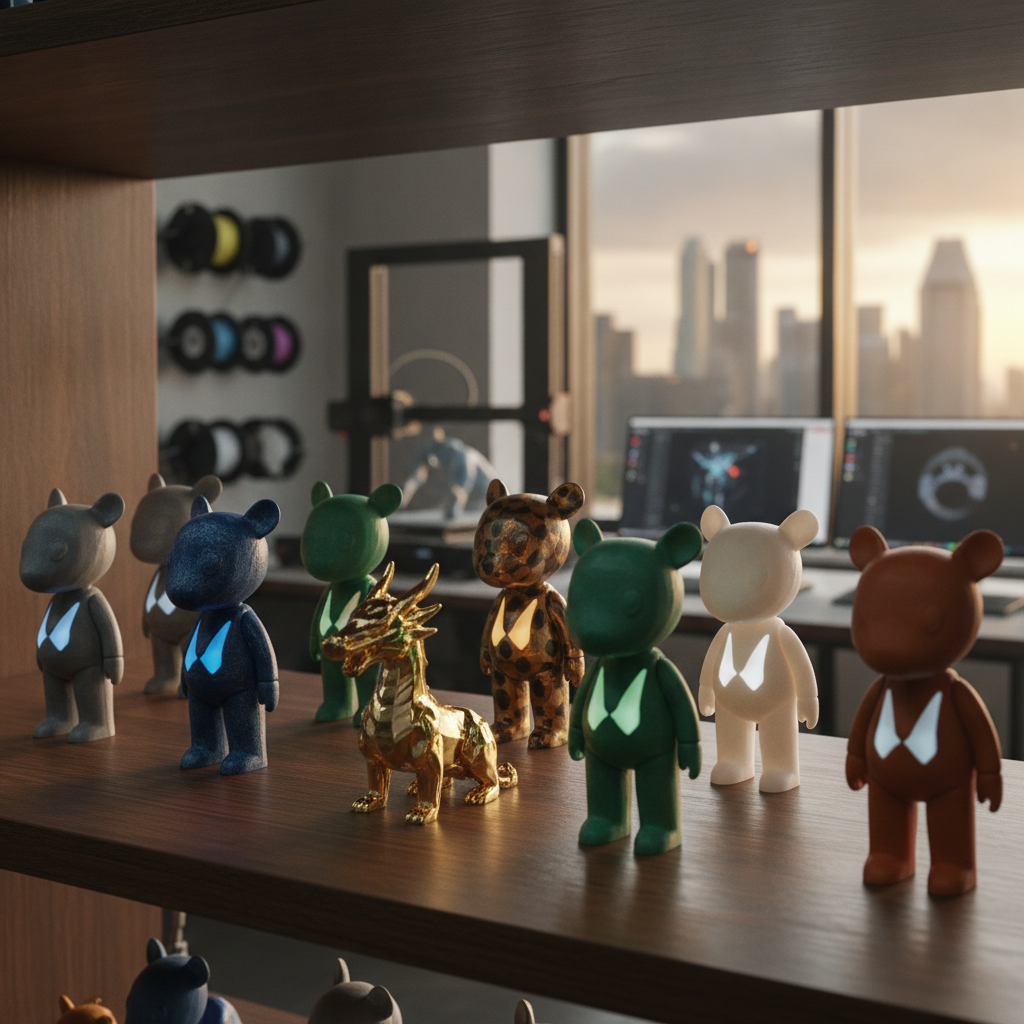
- Post‑processing finishes: Sanding, priming, vacuum metalizing, electroplating, and hydrographic printing transform prints into studio‑quality collectibles.
Many studios now offer mixed‑material assemblies, combining printed parts with cast silicone, die‑cut fabrics, or metal pins to add premium weight and tactile appeal.
Prototyping to production: a practical workflow
- Concept & sculpt: Start with clay maquettes or digital sculpting in ZBrush or Blender.
- Rapid prototype: Produce a high‑resolution print to validate scale and articulation.
- Test finishes: Apply base coats, try colorways, and document preferred painting processes.
- Finalize parts & assembly: Optimize for print orientation, supports, and assembly tolerances.
- Small‑batch production: Print the limited run with consistent quality control; finalize packaging and certificates of authenticity.
For teams looking to streamline this, services offering integrated design and fabrication help move projects from design to market faster — see examples of agile production workflows like those used in rapid prototyping and custom figurine design.
Pricing, inventory and ROI strategies for limited editions
- Set clear edition sizes: Common tiers are micro (10–50), small (50–300), and medium (300–1000). Rarer pieces command premium pricing and stronger secondary‑market potential.
- Price for rarity and finishing: Factor in printing time, hand finishing, packaging, and any digital perks (AR unlocks, NFTs). Highly finished or plated pieces should carry a commensurate price premium.
- Preorders & deposits: Use preorders to fund production runs and reduce inventory risk. Limited preorders create urgency and ensure the edition sells through.
- Bundling: Offer numbered certificates, artist signatures, or bundled digital assets to increase perceived value.
When managed properly, short‑run manufacturing via custom 3D printing can improve margins by eliminating tooling costs and reducing unsold inventory.
Sustainability and supply chain resilience
Sustainability is no longer optional. In 2026 collectors value transparent material sourcing and lifecycle considerations:
- Choose recyclable or biodegradable materials where possible.
- Minimize waste by printing on demand and optimizing packing to reduce transit volume.
- Partner with local vendors for shorter supply chains and lower carbon footprint.
If sustainable small‑batch production is a priority, consider service partners that explicitly offer eco‑friendly filaments and post‑processing recycling programs.
Marketing limited edition art toys: scarcity, story and community
- Storytelling: Emphasize origin, design intent, and the creative process — collectors buy the narrative as much as the object.
- Controlled scarcity: Stagger drops, reveal teasers, and release artist proofs to build anticipation and community discussion.
- Collaborations: Artist collabs and brand tie‑ins increase discoverability and justify higher price points.
- Community platforms: Leverage social platforms, Discord, and collector forums for direct engagement and to cultivate a loyal collector base.
Platforms that support phygital experiences (AR, authentication) can also help distinguish a drop and increase long‑term collectibility.
Case study highlights and best practices
- Prototype fidelity matters: A high‑resolution prototype that accurately reflects the final finish reduces repaint and rework, and improves collector satisfaction.
- Balance automation and handcraft: Use 3D printing for complex or repeatable parts, then apply hand finishing to impart uniqueness and premium texture.
- Local partners reduce friction: Working with a Singapore‑based studio enables faster turnarounds for APAC releases and better oversight during final QC.
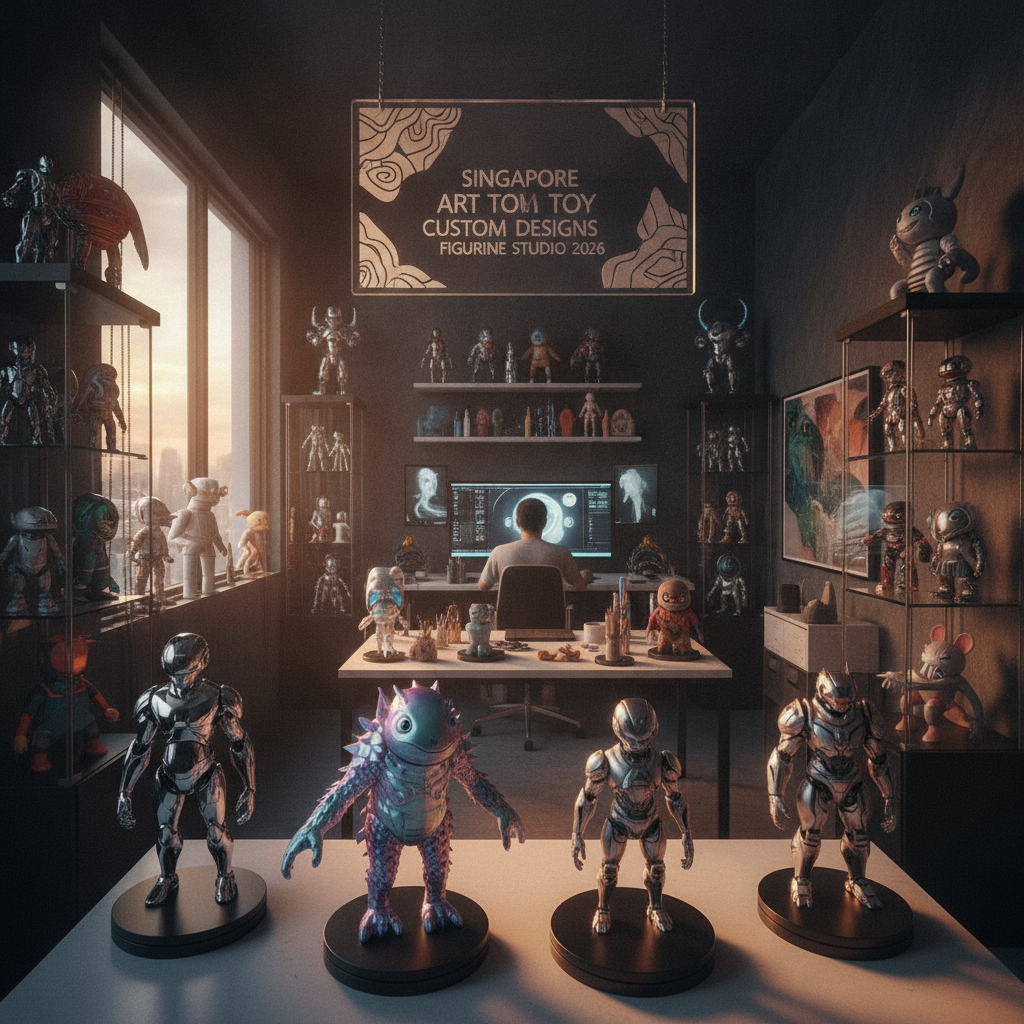
For teams interested in full‑service production — from sculpt to limited release — services focusing on custom figurine and lifestyle product design provide streamlined options.
Choosing a custom 3D printing partner in Singapore
When evaluating suppliers, prioritize:
- Technical capabilities: Can they print your desired resolution, color options, and material types?
- Post‑processing expertise: Do they offer finishing, painting, plating, and assembly at scale?
- Turnaround and small‑run experience: Look for partners accustomed to limited edition runs and serialized numbering.
- Communication and transparency: Regular updates, QC photos, and sample approvals are crucial.
A shortlist can include studios that advertise as the top 3D printing service Singapore for figurine design, as well as boutiques specialized in affordable custom figurine design.
Practical checklist for launching a limited edition art toy
- Define edition size and release schedule.
- Finalize sculpt and test a high‑res prototype.
- Lock materials, finishes, and assembly processes.
- Prepare packaging, certificates, and any digital assets.
- Plan marketing cadence: teasers, preorders, community drop.
- Confirm shipping logistics and warranties for collectors.
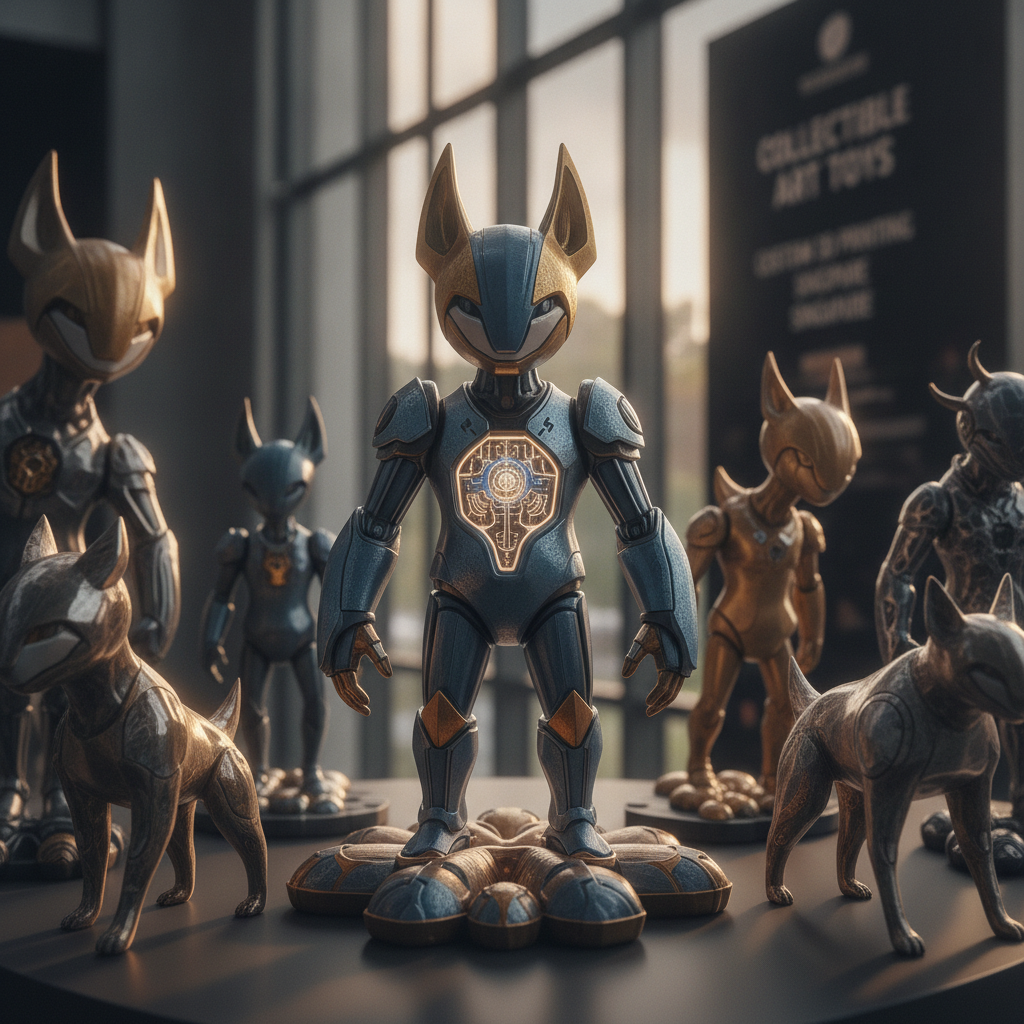
If you want to evaluate different approaches to finish and editions, studying contemporary collectible projects such as curated collectible art toys and designer drops provides actionable inspiration.
Final thoughts: scale creativity, not risk
Custom 3D printing in Singapore now offers a compelling model for creators who want to produce limited edition art toys that are both high quality and financially sensible. By leveraging localized production, advanced materials, and smart drop strategies, designers can maintain artistic control while delivering collectible value.
The intersection of physical craftsmanship and digital experiences will continue to define the collector market in 2026 — and the right partner can make the difference between a one‑off prototype and a sought‑after, well‑executed limited edition release.