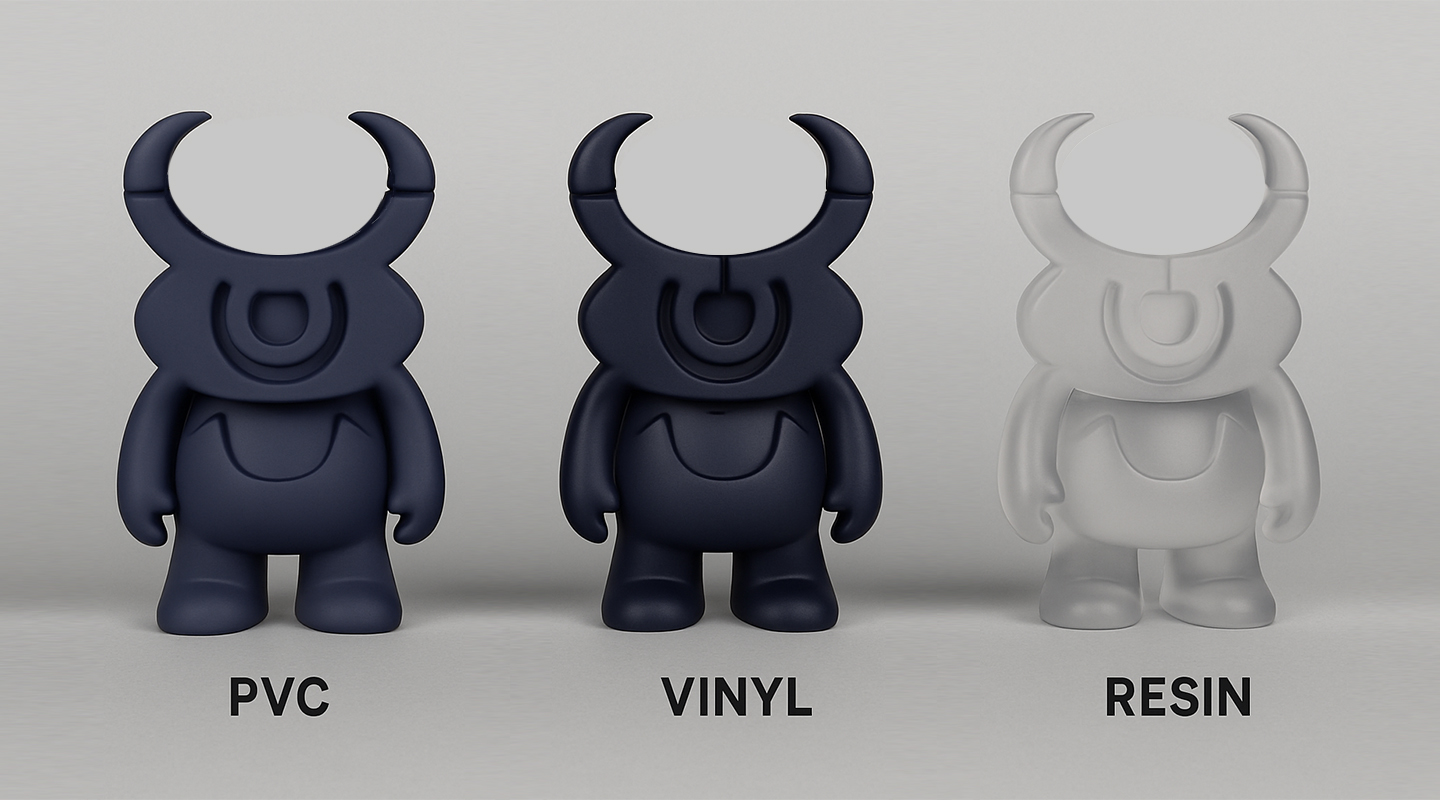


Understanding the fundamental differences between materials used in art toy materials manufacturing empowers collectors to make informed purchasing decisions while building collections that maintain value and aesthetic appeal over time. The choice between PVC, vinyl, and resin significantly impacts durability, detail resolution, cost, and long-term preservation characteristics of designer toys.
As discussed in our comprehensive art toy collecting guide, material knowledge forms the foundation of smart collecting strategies. Each material offers distinct advantages and limitations that influence everything from display considerations covered in our professional display techniques to photography approaches detailed in our art toy photography guide.
Malaysia and Singapore’s tropical climate presents unique challenges for art toy preservation, making material understanding crucial for local collectors who must navigate high humidity, temperature fluctuations, and intense UV exposure that can accelerate material degradation if proper precautions aren’t implemented.
Polyvinyl Chloride (PVC) represents the most widely used material in commercial art toy production due to its excellent moldability, durability, and cost-effectiveness for large-scale manufacturing. This thermoplastic polymer can be repeatedly heated and reshaped, making it ideal for injection molding processes that produce thousands of identical figures efficiently.
PVC’s chemical stability provides excellent resistance to environmental factors including moisture, UV radiation, and temperature variations commonly encountered in Malaysia and Singapore’s tropical climate. This stability makes PVC figures particularly suitable for long-term display without significant degradation, addressing concerns raised in our designer toy collection display regarding preservation challenges.
The material’s versatility allows manufacturers to adjust hardness, flexibility, and surface texture through additive incorporation during production. Plasticizers create softer, more flexible variants suitable for bendable figures, while hardeners produce rigid constructions ideal for detailed sculptural elements.
Detail reproduction capabilities make PVC excellent for mass-produced collectible toys requiring consistent quality across large production runs. The material accepts fine surface textures, sharp edges, and intricate geometric patterns that maintain definition throughout the manufacturing process.
Color consistency remains stable throughout PVC production runs, ensuring that collectors receive figures matching promotional photographs and prototype examples. This reliability proves crucial for limited edition releases where color accuracy affects collectible value and collector satisfaction.
Cost-effectiveness enables affordable pricing for entry-level collectors while maintaining quality standards that satisfy serious enthusiasts. Many successful art toy lines use PVC for base figures while reserving premium materials for special editions or artist collaborations.
Heat sensitivity can cause PVC deformation in extreme conditions, particularly relevant for Malaysia and Singapore collectors who must protect displays from direct sunlight and high-temperature environments. Proper display setup, as outlined in our display guide, prevents heat-related damage.
Plasticizer migration over time can cause surface tackiness or discoloration in poorly formulated PVC compounds. Quality manufacturers use stable plasticizer systems that resist migration, but budget figures may experience these issues after several years of display.
Limited detail resolution compared to premium materials constrains the finest surface textures and micro-details achievable in PVC production. While adequate for most applications, collectors seeking maximum detail fidelity may prefer alternative materials for showcase pieces.
Vinyl, technically a specific type of PVC formulation, has become synonymous with high-end designer toy production due to its superior surface quality and detail retention capabilities. Rotocasting production methods create hollow figures with consistent wall thickness and exceptional surface smoothness.
The material’s slightly softer nature compared to rigid PVC provides pleasant tactile qualities that enhance collector experience during handling and display arrangement. This tactile appeal contributes to the premium perception of vinyl designer toys among serious collectors.
Vinyl’s chemical composition allows excellent paint adhesion and color vibrancy that remains stable over extended periods. This stability proves crucial for art toys featuring complex paint schemes or special finishes that define their aesthetic appeal and market value.
Surface smoothness achieved through vinyl rotocasting eliminates the mold lines and surface imperfections common in injection-molded PVC figures. This quality enables the fine detail work and sophisticated paint applications that characterize premium designer toys.
Paint compatibility with vinyl surfaces allows artists and manufacturers to achieve complex color gradations, weathering effects, and special finishes impossible with other materials. These capabilities enable the sophisticated aesthetic treatments that distinguish designer toys from mass-market alternatives.
Hollow construction reduces material costs while maintaining structural integrity for display purposes. The weight reduction also simplifies shipping and handling, though collectors should exercise care during photography setups as discussed in our toy photography article.
Artist collaboration projects frequently specify vinyl due to its premium associations and superior surface quality that showcases artistic vision effectively. Many established art toy brands use vinyl exclusively to maintain consistent brand positioning in the premium collectibles market.
Limited edition releases often utilize vinyl to justify higher price points while delivering tangible quality improvements that collectors can see and feel. The material’s associations with exclusivity and craftsmanship support premium pricing strategies.
Customization potential makes vinyl ideal for one-off pieces and artist commissions where surface quality and paint adhesion prove critical for achieving intended artistic effects. As detailed in our custom figurine design process, material selection significantly impacts final results.
Art Sou Studio’s collaboration with young artists often involves vinyl applications where superior surface quality enhances the artistic vision while providing the durability expected by discerning collectors who appreciate both aesthetic and technical excellence.
Resin casting, particularly using polyurethane and epoxy formulations, enables detail resolution impossible with injection molding or rotocasting techniques. The liquid-to-solid curing process captures microscopic surface textures, sharp edges, and complex undercuts that define premium collectible quality.
Small batch production capability makes resin ideal for limited edition pieces, prototype development, and custom work where tooling costs for traditional manufacturing would be prohibitive. This flexibility enables independent artists and small studios to compete with established manufacturers.
Surface quality straight from molds often requires minimal finishing work, though proper mold preparation and casting technique prove crucial for consistent results. As covered in our 3D printing tutorial, resin printing represents one application of this versatile material family.
Microscopic detail capture allows resin figures to reproduce textures, patterns, and surface variations impossible with other materials. This capability enables direct translation of digital sculptures and hand-carved masters without detail loss during production.
Complex geometry accommodation includes deep undercuts, interlocking elements, and multi-part assemblies that challenge traditional manufacturing methods. Resin’s fluid nature during casting enables these complex forms while maintaining structural integrity.
Artist-direct production enables creators to maintain complete control over quality, finish, and artistic integrity throughout the manufacturing process. This control appeals to artists who view each piece as individual artwork rather than mass-produced merchandise.
Technical expertise requirements include mold making, resin selection, curing optimization, and quality control procedures that exceed the skill sets required for other manufacturing methods. Successful resin production demands significant learning investment and ongoing technique refinement.
Material costs per unit typically exceed PVC or vinyl alternatives, though low tooling costs can offset this disadvantage for small production runs. Cost-effectiveness depends on production volume and complexity requirements specific to each project.
Handling and safety concerns require proper ventilation, protective equipment, and disposal procedures for uncured resins and solvents. These requirements may limit home-based production options while increasing operational complexity for commercial producers.
Environmental resistance varies significantly between materials, with PVC generally offering superior long-term stability compared to some resin formulations that may yellow or become brittle over time. Vinyl provides excellent middle-ground performance suitable for most collection environments.
UV stability becomes crucial for Malaysia and Singapore collectors who must protect displays from intense tropical sunlight that can cause fading, discoloration, or material degradation. Proper display lighting, as discussed in our display techniques guide, prevents UV damage regardless of material choice.
Temperature cycling from air conditioning systems can cause expansion and contraction that stresses joints and paint layers. Material selection should consider local climate conditions and display environment stability to ensure long-term preservation.
Value proposition assessment must balance material quality against price premiums to determine optimal choices for individual collecting goals and budgets. Entry-level collectors may prefer PVC options that offer good quality at accessible prices.
Investment potential considerations include material longevity, artist reputation, and market demand factors that influence long-term value retention. Premium materials often support higher values but require corresponding premium pricing that may limit market appeal.
Collection coherence may benefit from consistent material choices that create unified aesthetic presentations. However, strategic mixing of materials can provide variety while optimizing budget allocation across different collection categories.
Manufacturer reputation significantly influences material quality and consistency within each category. Established producers typically maintain higher standards and quality control procedures that ensure reliable results regardless of chosen material.
Production method understanding helps collectors evaluate appropriate pricing and set realistic expectations for surface quality, detail resolution, and durability characteristics. This knowledge prevents disappointment while supporting informed purchasing decisions.
Quality indicators include surface finish consistency, paint adhesion quality, and structural integrity that reflect proper material selection and processing techniques. Learning to recognize these indicators improves collecting success rates while avoiding problematic pieces.
A: PVC offers the best combination of affordability, durability, and quality for new collectors. It provides excellent introduction to art toy appreciation while building knowledge and preferences that inform future premium purchases. Many successful collections begin with quality PVC pieces before expanding into vinyl and resin options.
A: Check product descriptions, packaging information, or manufacturer websites for material specifications. Physically, PVC feels harder and more rigid, vinyl has slight flexibility and smoother surfaces, while resin tends to be heavier with extremely fine detail resolution. Weight and surface texture provide reliable identification clues.
A: Yes, though basic care principles apply universally. PVC and vinyl tolerate gentle cleaning with damp cloths, while resin may require more careful handling to avoid chipping delicate details. All materials benefit from dust-free display environments and protection from direct sunlight and extreme temperatures.
A: Resin production involves higher material costs, more labor-intensive casting processes, and typically smaller production runs that increase per-unit costs. However, the superior detail resolution and artisan production values often justify premium pricing for collectors seeking maximum quality and exclusivity.
Understanding material differences enhances your collecting journey with Art Sou Studio’s diverse range of premium collectibles, where material selection supports the artistic vision of talented young creators who push the boundaries of contemporary art toy design.