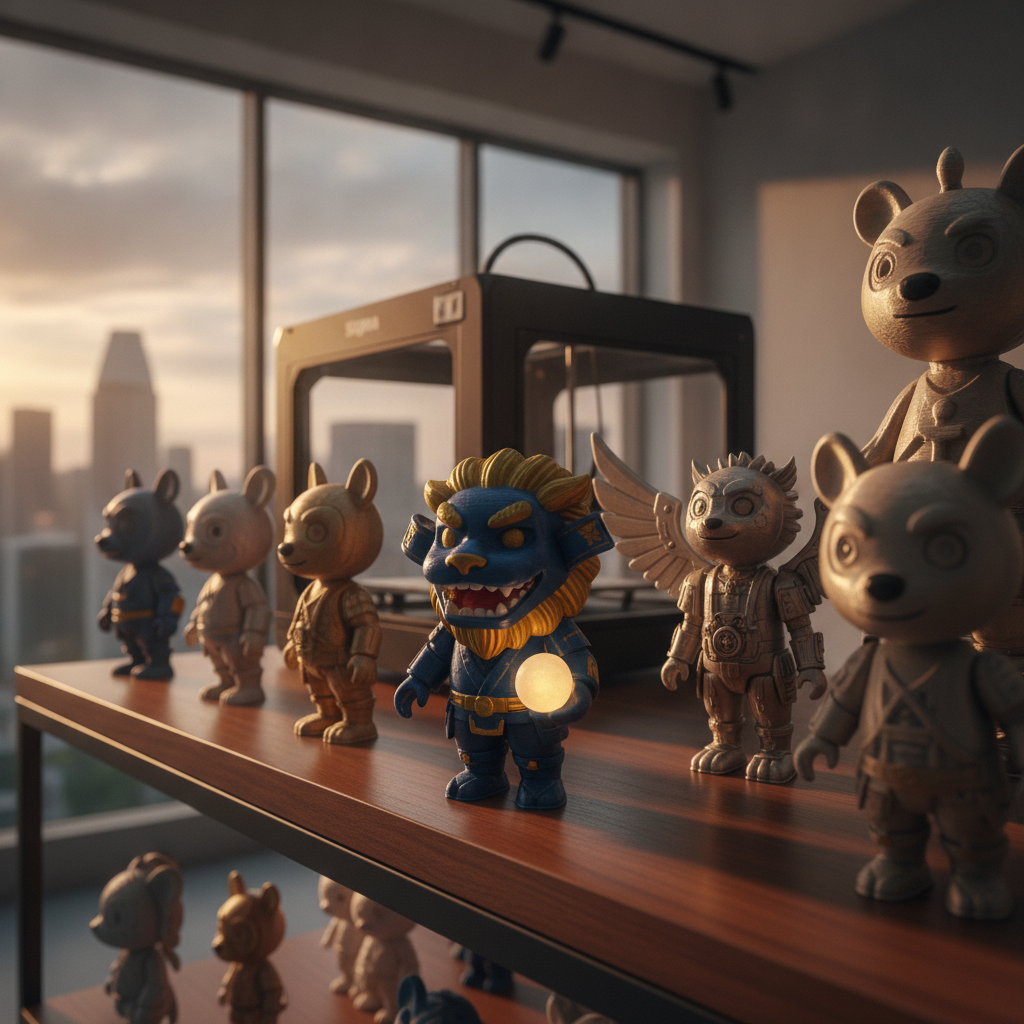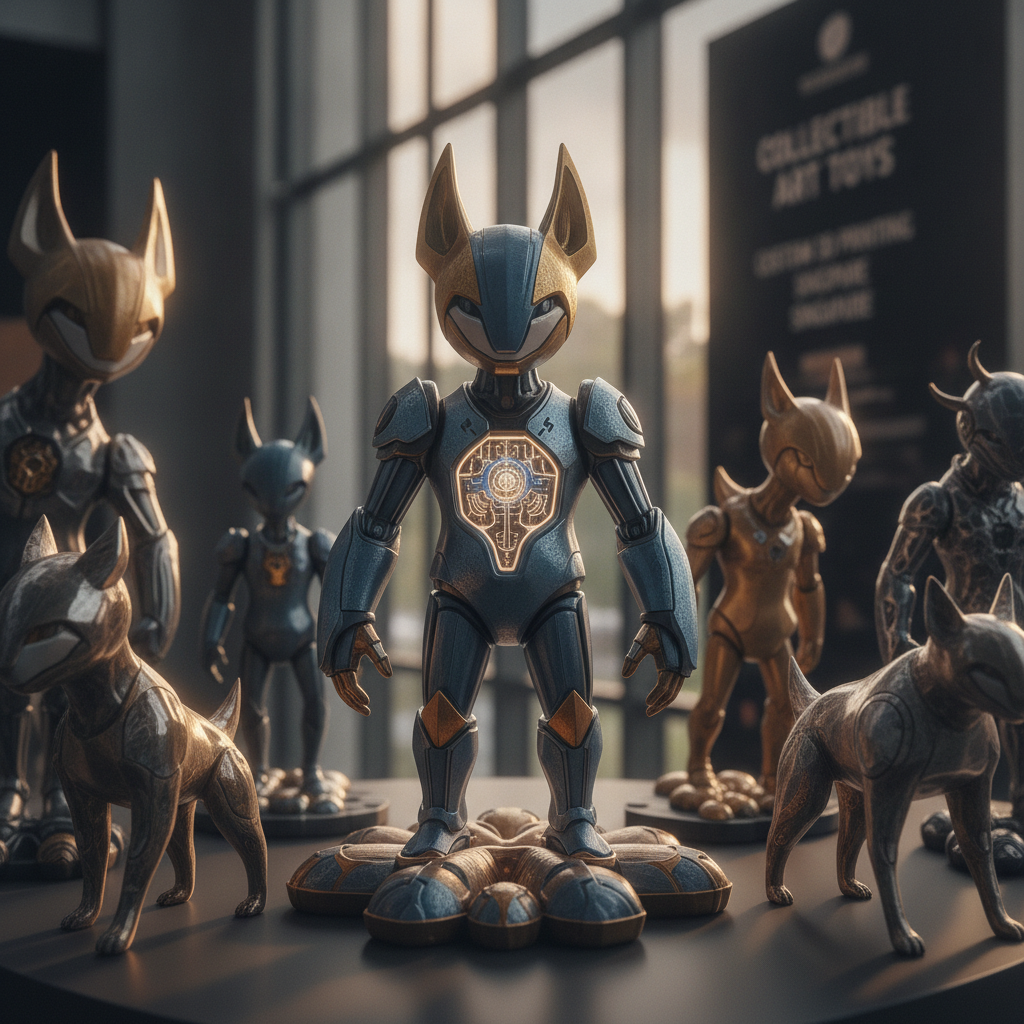

The art of photographing art toy photography has evolved into a sophisticated creative discipline that transforms simple collectible documentation into compelling visual storytelling. Professional-quality toy photography not only preserves memories of your collection but also enhances appreciation for the artistic craftsmanship and design details that make each piece special.
In Malaysia and Singapore’s vibrant collector community, exceptional photography has become essential for sharing collections on social media, participating in online communities, and documenting valuable pieces for insurance or resale purposes. The tropical climate and urban environment present unique opportunities and challenges for toy photographers seeking to create memorable images.
Modern art toy photography extends far beyond basic product shots, incorporating cinematic lighting techniques, environmental storytelling, and creative composition principles that rival professional commercial photography. Whether documenting custom figurines, limited edition releases, or entire collection displays, mastering these techniques elevates hobby documentation to artistic expression.
DSLR and mirrorless cameras provide optimal control over exposure settings, focus accuracy, and image quality essential for detailed toy photography. While smartphone cameras continue improving, dedicated cameras offer superior low-light performance and precise manual controls necessary for professional results.
Macro lenses excel at capturing intricate details that define art toy craftsmanship, revealing texture nuances, paint applications, and sculptural elements often invisible to casual observation. A 60mm or 100mm macro lens provides ideal working distances while maintaining sharp focus across fine details.
Tripod stability becomes crucial for consistent framing, sharp focus, and creative techniques like focus stacking or long exposures. Quality tripods with precise adjustments enable repeatable positioning while reducing camera shake that degrades image sharpness, particularly important for macro photography applications.
Natural light provides beautiful, soft illumination ideal for art toy photography, though Malaysia and Singapore’s intense tropical sun requires careful management through diffusion or indirect positioning. Golden hour lighting during sunrise and sunset creates warm, dramatic atmospheres perfect for storytelling images.
LED panel lights offer consistent, controllable illumination with adjustable color temperatures that complement various art toy aesthetics. Modern LED panels provide high color accuracy while generating minimal heat that could damage delicate collectibles during extended photography sessions.
Softbox and diffuser systems create even, professional lighting that eliminates harsh shadows while maintaining detail visibility across complex sculptural forms. These tools transform harsh direct lighting into gentle, wraparound illumination that enhances rather than overwhelms toy features.
Rule of thirds application creates dynamic compositions that guide viewer attention naturally through images while avoiding static, centered positioning that lacks visual interest. Position key elements along intersection points to create more engaging, professionally composed photographs.
Leading lines direct viewer attention toward featured toys while creating depth and movement within static images. Use environmental elements, lighting patterns, or carefully arranged props to create visual pathways that enhance storytelling and focal point emphasis.
Scale relationships between toys and environmental elements can create dramatic effects ranging from intimate macro studies to epic adventure scenes. Experiment with perspective manipulation to transform small collectibles into heroic characters or mysterious artifacts within larger narratives.
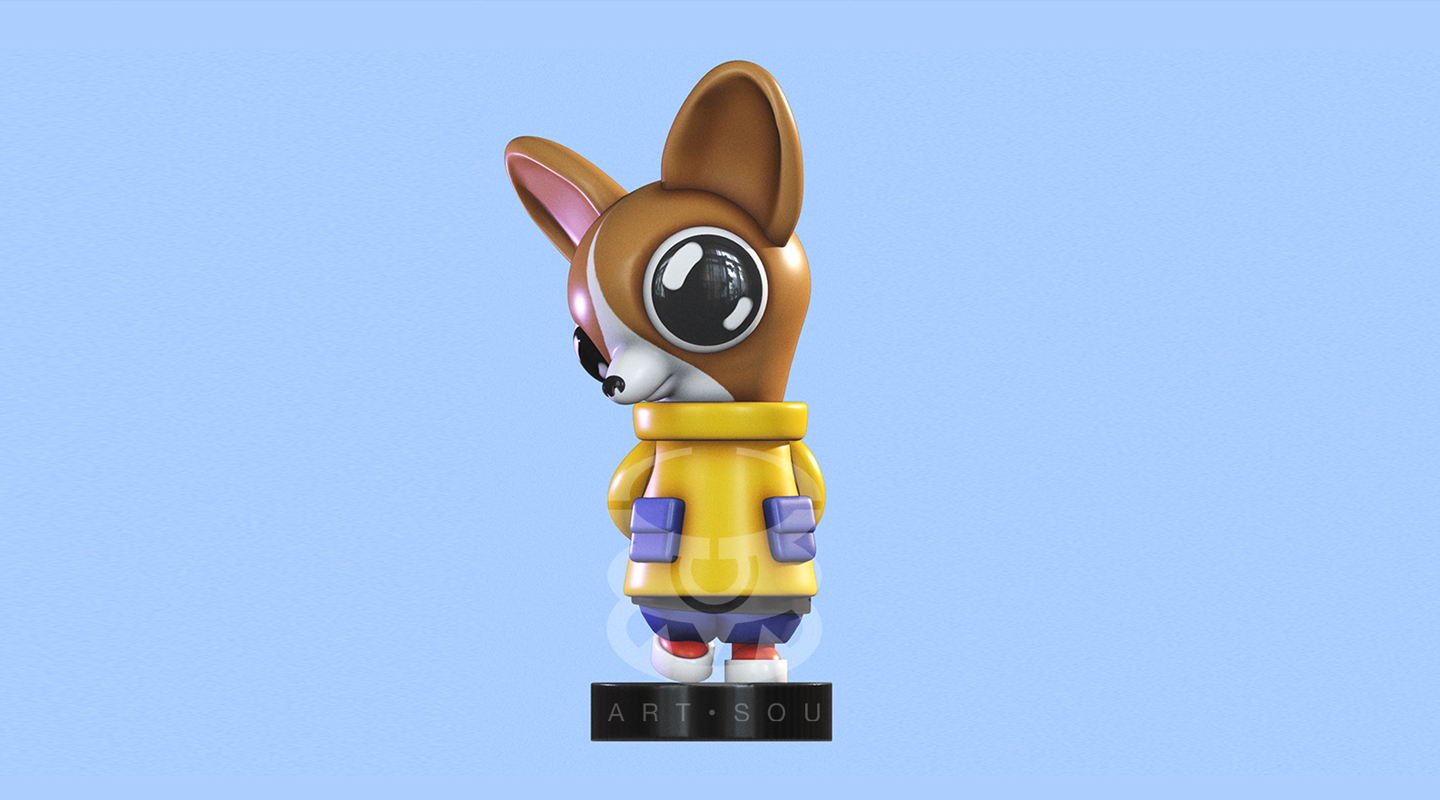
Art Sou Studio’s collaborative approach with young artists creates toys with rich visual narratives that reward careful photographic exploration, revealing new details and aesthetic relationships through thoughtful lighting and composition choices.
Focus stacking combines multiple images shot at different focus distances to achieve maximum sharpness across three-dimensional subjects. This technique proves invaluable for art toys with complex surface details that exceed natural depth of field limitations, particularly in macro photography applications.
Critical focus placement determines which elements appear sharpest and most prominent within compositions. For character toys, focus on eyes creates emotional connection, while focusing on unique design elements highlights artistic craftsmanship and manufacturing quality.
Magnification ratios affect detail visibility and working distances during macro photography sessions. 1:1 magnification reveals texture details and paint applications, while lower ratios (1:2 or 1:4) provide context while maintaining detail visibility for comprehensive documentation.
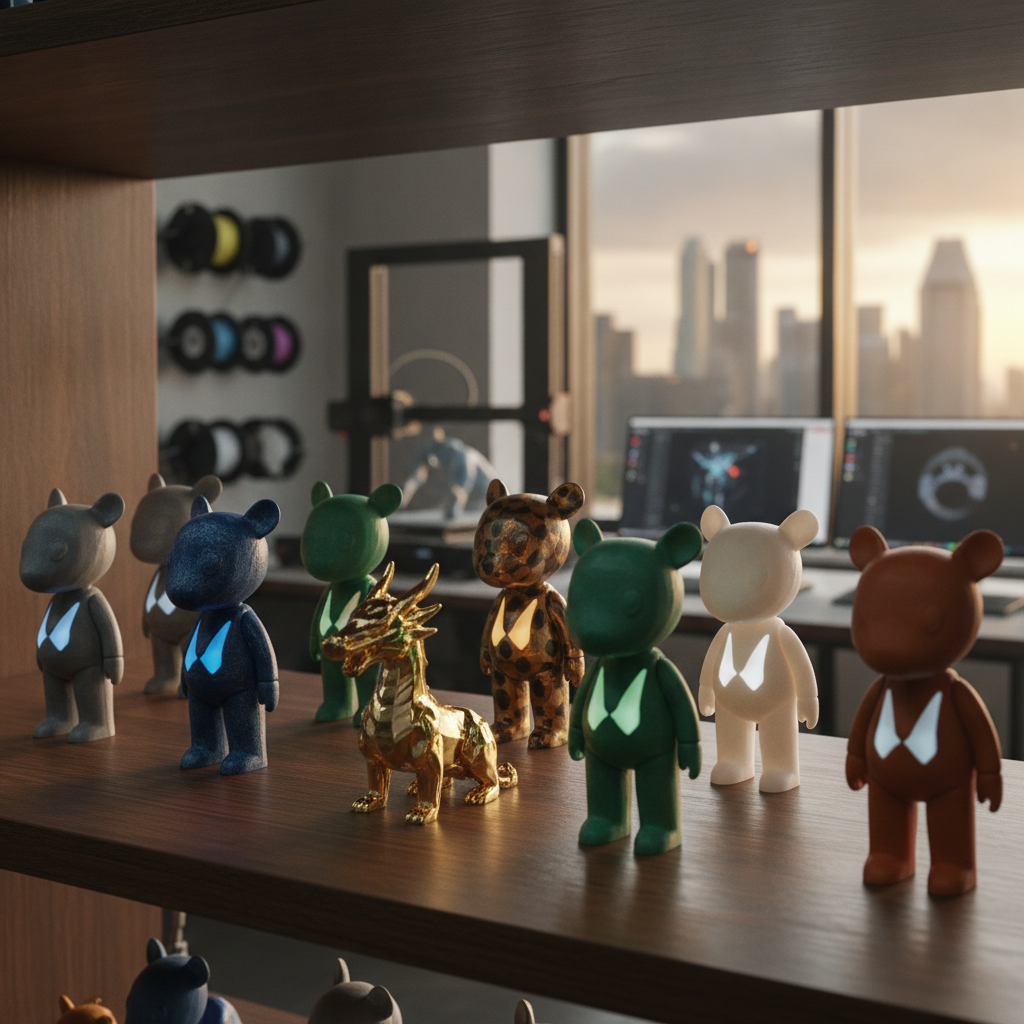
Background selection dramatically impacts mood and storytelling effectiveness within toy photography compositions. Clean, minimal backgrounds emphasize toy details, while complex environments create narrative contexts that transform simple collectibles into characters within larger stories.
Prop integration adds narrative depth and scale references that enhance viewer engagement with photographed subjects. Choose props that complement rather than compete with featured toys, maintaining clear focal hierarchies while supporting overall compositional themes.
Location scouting identifies interesting environments that provide natural storytelling contexts for toy photography adventures. Urban landscapes, natural settings, and architectural elements offer diverse backdrops that transform routine documentation into creative exploration.
Dramatic lighting creates mood and atmosphere that transforms ordinary toy photography into compelling visual narratives. Experiment with directional lighting, colored gels, and shadow patterns to enhance character personality and emotional resonance within compositions.
Rim lighting separates subjects from backgrounds while creating elegant edge definition that enhances three-dimensional form perception. Position lights behind or beside subjects to create subtle halos that add professional polish to toy photography compositions.
Color temperature manipulation affects emotional tone and aesthetic consistency within photograph series. Warm lighting creates intimate, comfortable atmospheres, while cool lighting suggests mystery, technology, or clinical precision depending on creative intentions.
Scene construction transforms individual toy photography into episodes within larger narrative frameworks. Consider character relationships, environmental contexts, and implied actions that suggest stories extending beyond single photograph boundaries.
Emotional expression capture requires careful attention to character positioning, lighting choices, and compositional elements that reinforce intended moods or personality traits. Study how professional character photographers convey emotion through technical choices rather than relying solely on subject matter.
Series development creates cohesive visual narratives that showcase collections while maintaining aesthetic consistency across multiple images. Establish lighting styles, color palettes, and compositional approaches that unify diverse toys within coherent photographic collections.
RAW file processing provides maximum flexibility for optimizing exposure, color balance, and detail enhancement without degrading image quality. Shoot in RAW format whenever possible to maintain editing flexibility throughout post-processing workflows.
Color correction ensures accurate representation of toy colors while compensating for lighting variations or camera sensor characteristics. Use color calibration targets and consistent lighting setups to maintain accuracy across multiple photography sessions.
Sharpening and noise reduction optimize image quality for intended output purposes, whether screen display, social media sharing, or high-quality printing. Apply appropriate settings based on final image dimensions and viewing contexts.
Depth of field manipulation creates selective focus effects that isolate subjects while creating pleasing background blur (bokeh) that enhances professional appearance. Wide apertures (f/1.4-f/2.8) create shallow depth effects, while smaller apertures (f/8-f/11) maintain sharp focus across entire subjects.
Motion blur techniques can suggest action and movement within static toy photography, particularly effective for vehicle-based collectibles or action figure poses. Use controlled camera or subject movement during longer exposures to create dynamic effects.
Composite imaging combines multiple photographs to create impossible scenes or enhance storytelling capabilities beyond single-shot limitations. Digital compositing enables creative scenarios while maintaining realistic lighting and perspective relationships.
Smartphone photography has advanced significantly, with modern devices capable of excellent toy photography when paired with proper lighting and composition techniques. Use manual camera apps to control exposure settings while maintaining convenience and portability.
DIY lighting solutions using household materials can create professional-quality illumination at minimal cost. White foam boards provide excellent reflectors, while parchment paper creates effective light diffusion for harsh direct lighting sources.
Natural light optimization maximizes available illumination without equipment investments. Position photography setups near large windows with northern exposure (in the Northern Hemisphere) or southern exposure (Southern Hemisphere) for consistent, soft lighting throughout the day.
Full-frame camera systems provide superior low-light performance and shallow depth of field control essential for professional toy photography applications. While more expensive than crop sensor alternatives, full-frame sensors offer enhanced image quality and creative flexibility.
Professional lighting kits including multiple LED panels, softboxes, and support systems enable consistent, controlled lighting regardless of available natural light conditions. These investments pay dividends for serious toy photographers seeking consistent, professional results.
Specialized accessories like focus rails, angle finders, and cable releases enhance precision and repeatability during critical photography sessions. These tools become invaluable when documenting valuable collectibles or creating technical reference photographs.
Art Sou Studio’s commitment to showcasing their young artists’ work through professional photography demonstrates how proper technique enhances appreciation for artistic craftsmanship while building collector confidence in quality and authenticity.
A: Use aperture priority mode (A/Av) with f/8-f/11 for good overall sharpness, ISO 100-400 for minimal noise, and adjust shutter speed as needed. For macro work, consider f/5.6-f/8 to balance depth of field with sharpness. Use manual focus for precise control over critical focus placement.
A: Use diffused lighting rather than direct sources, position lights at angles that don’t reflect into the camera, and consider polarizing filters to reduce surface reflections. Matte spray (removable) can temporarily reduce reflections on problematic surfaces, though test on inconspicuous areas first.
A: Seamless paper in white, black, or gray provides clean, professional backgrounds that don’t distract from subjects. For environmental shots, choose backgrounds that complement toy colors and themes while maintaining sufficient contrast for subject separation. Avoid busy patterns that compete for attention.
A: Backlighting reveals translucent materials beautifully while requiring careful exposure control to prevent overexposure. Use graduated lighting with stronger illumination behind subjects and softer fill lighting in front. Consider colored backgrounds that show through transparent materials for creative effects.
Showcase your Art Sou Studio pieces with professional techniques that capture every detail of these meticulously crafted collectibles, where young artists create photogenic masterpieces worthy of gallery presentation.