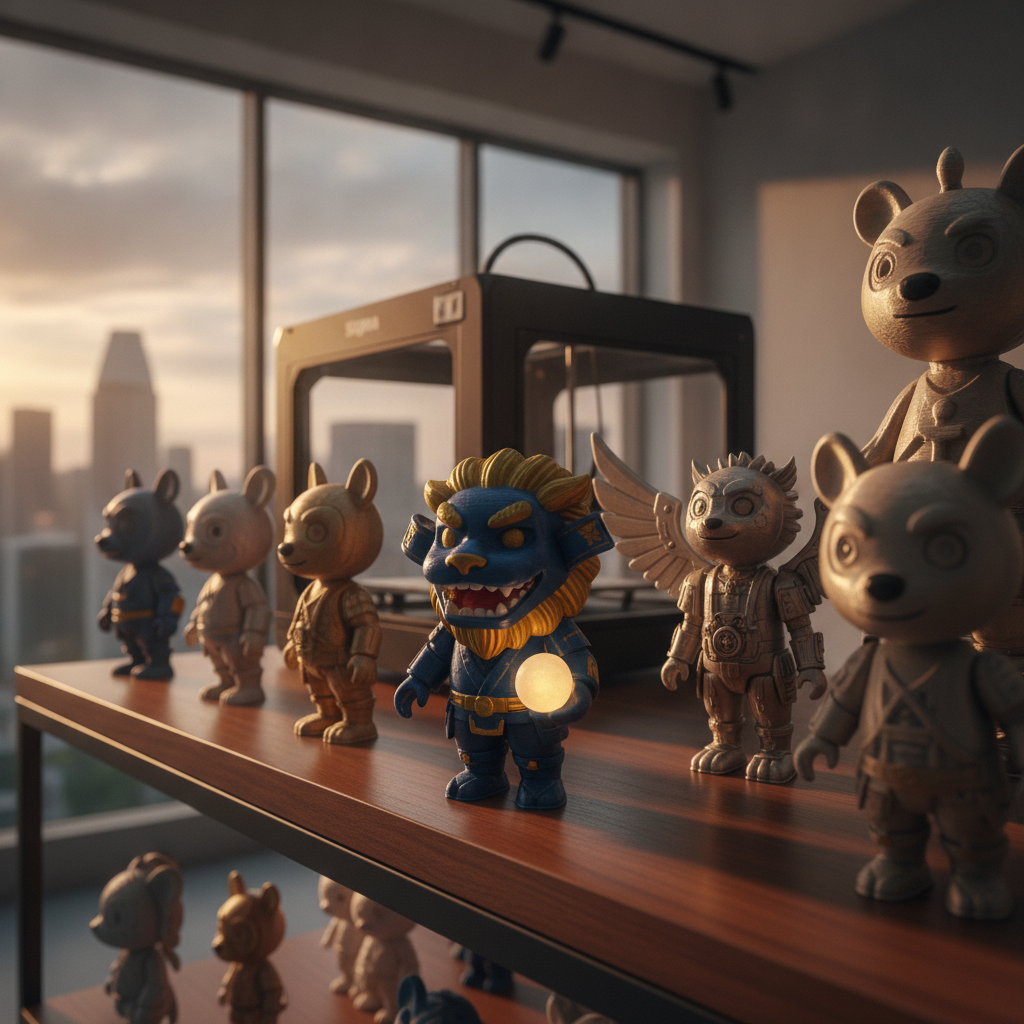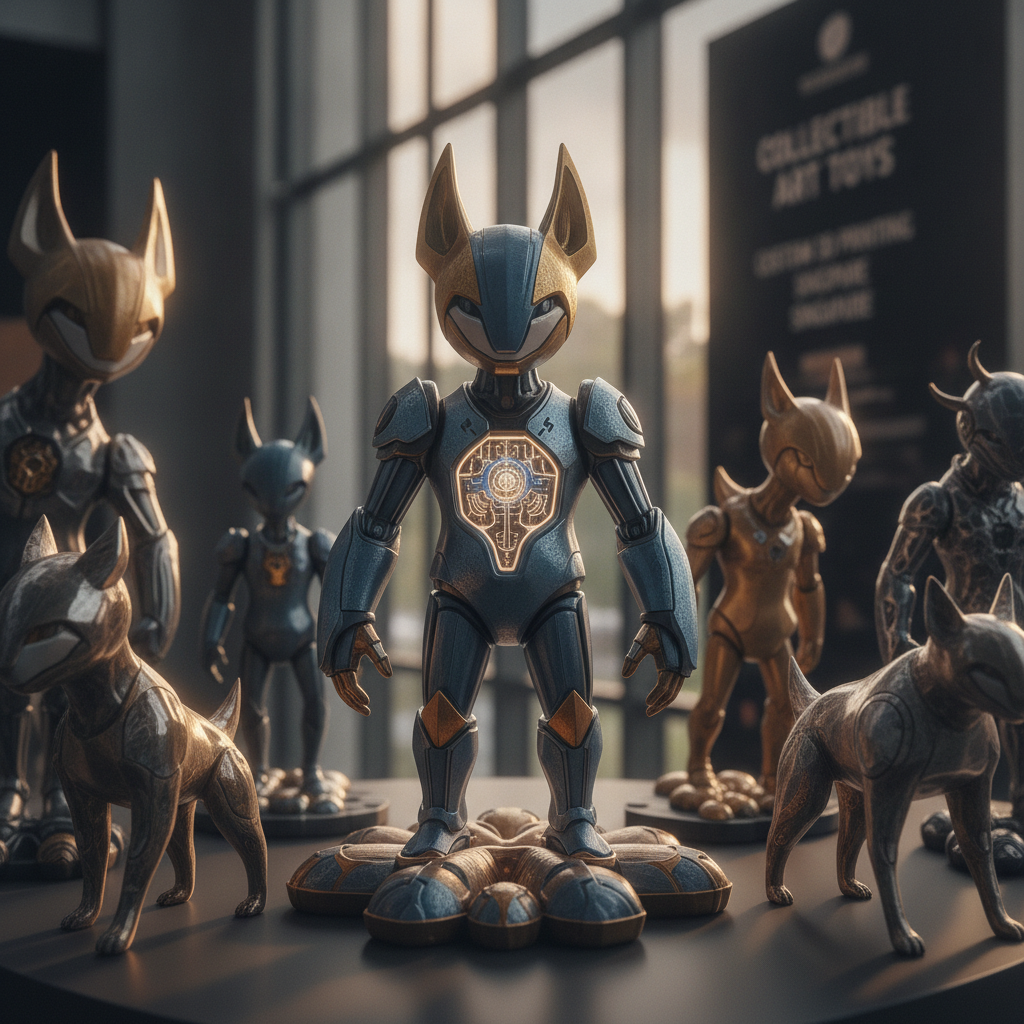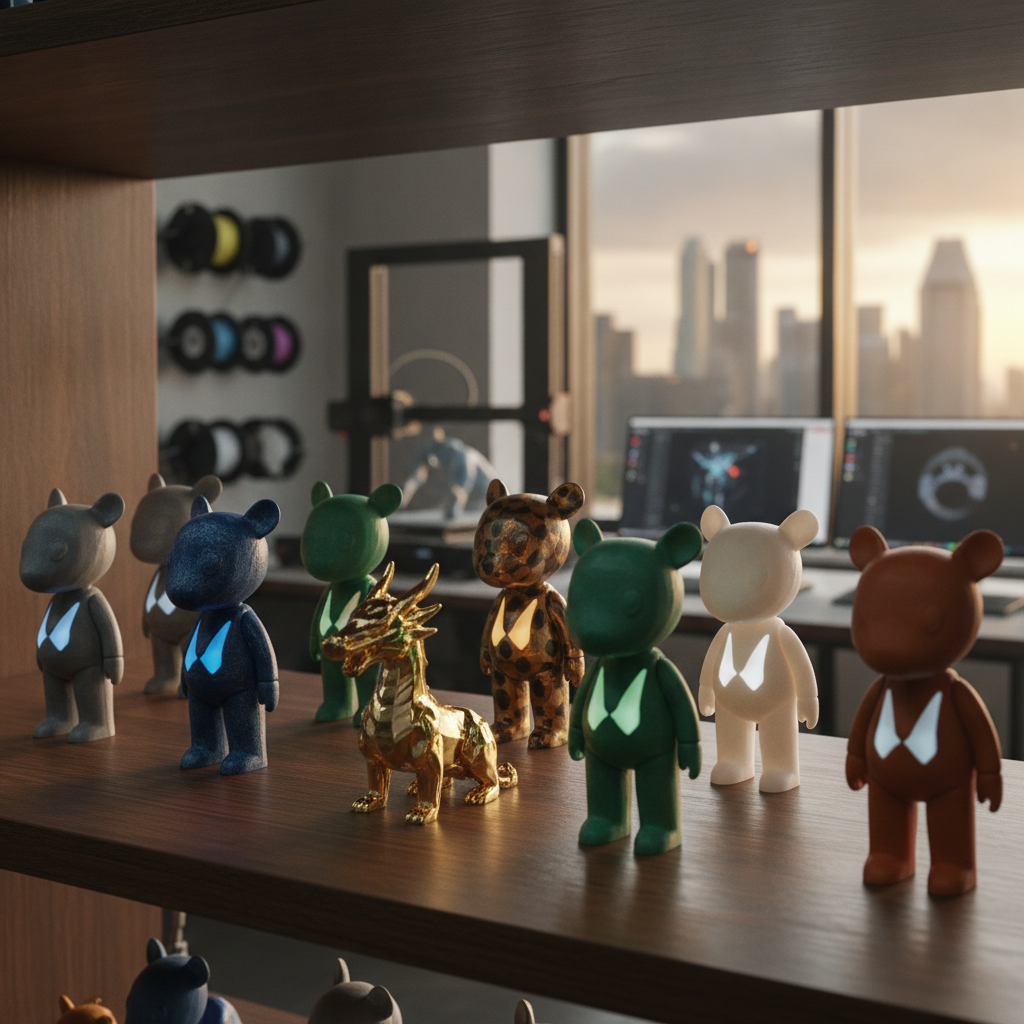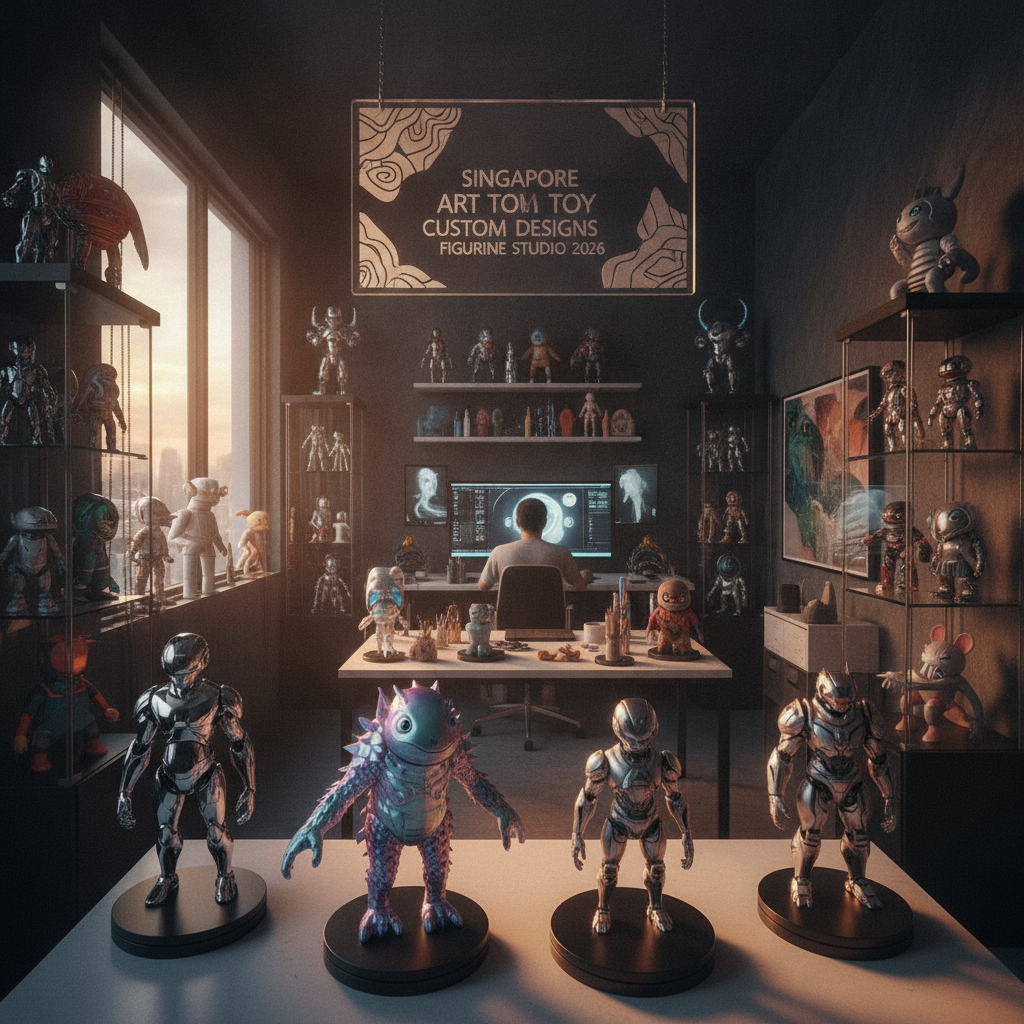

Creating an impressive display for your designer toys transforms a simple collection into a captivating visual experience that rivals professional gallery presentations. The art of displaying collectible toys goes far beyond simply placing figures on shelves – it involves understanding lighting principles, spatial relationships, and visual storytelling to create displays that honor both the artistic merit of your pieces and your personal collecting journey.
Professional display techniques not only enhance the aesthetic appeal of your collection but also protect your investment by providing appropriate environmental conditions and security measures. Whether you’re showcasing limited edition art toys, custom figurines, or 3D printed collectibles, mastering display fundamentals will elevate your collection from hobby to art installation.
Malaysia and Singapore’s compact living spaces present unique challenges and opportunities for collectors, making efficient and attractive display solutions essential for maximizing impact while conserving space. The key lies in understanding how to create depth, visual interest, and proper preservation conditions within these constraints.
Effective toy display taps into fundamental principles of visual psychology that influence how viewers perceive and appreciate your collection. The human eye naturally seeks patterns, hierarchies, and focal points, making strategic arrangement crucial for creating engaging displays that guide attention and tell compelling stories.
Color harmony plays a pivotal role in professional displays. Grouping pieces by complementary color schemes creates visual cohesion, while strategic use of contrasting colors draws attention to special pieces. Understanding color temperature – warm versus cool tones – helps create mood and atmosphere within your display areas.
Scale and proportion relationships between pieces, display furniture, and surrounding space determine whether your collection appears thoughtfully curated or cluttered. Professional displays typically follow the “rule of thirds” and golden ratio principles to create naturally pleasing arrangements that feel balanced and intentional.
Establishing clear visual hierarchy guides viewers through your collection systematically, ensuring that special pieces receive appropriate attention while supporting characters complement rather than compete with featured displays. This hierarchy typically consists of primary focal points (your most prized pieces), secondary elements (supporting collection items), and background elements (display furniture and accessories).
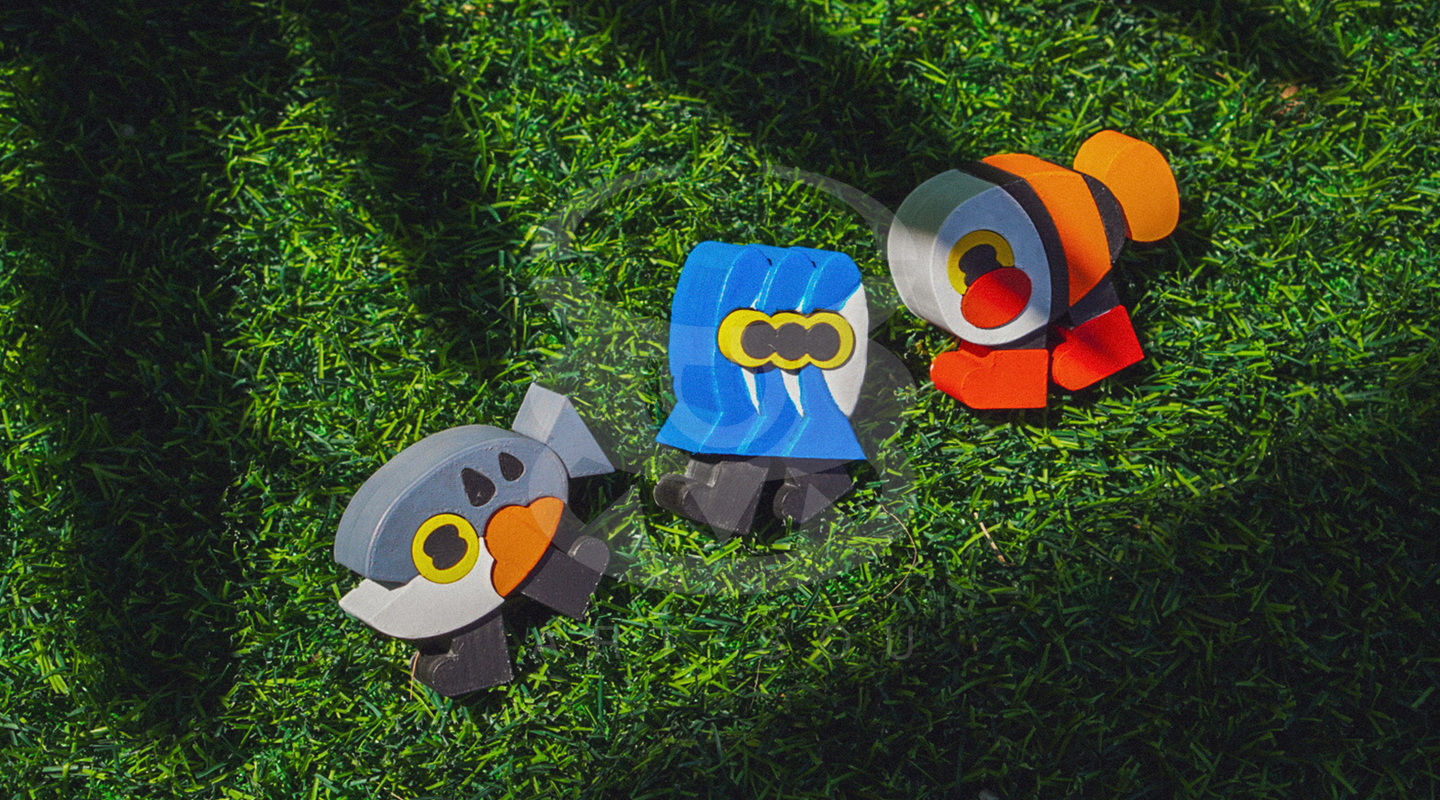
Art Sou Studio’s unique designer toys, with their distinctive artistic vision and limited production runs, often serve excellently as primary focal points due to their originality and craftsmanship quality. Their 3D printed precision and young artist collaborations create conversation pieces that naturally draw attention and admiration.
Strategic use of elevation creates natural hierarchy within displays. Varying heights through platforms, risers, and multi-level arrangements prevents the monotonous “police lineup” effect that occurs when all pieces sit at identical heights. This dimensional approach adds visual interest while allowing smaller pieces to maintain visibility alongside larger figures.
Professional lighting transforms ordinary collections into museum-quality displays by enhancing colors, creating dramatic shadows, and eliminating harsh glare that can obscure details. LED strip lights offer energy-efficient, low-heat solutions ideal for extended display periods without risking damage to vinyl or PVC materials.
Adjustable spotlights provide focused illumination for featured pieces while allowing customization as your collection evolves. Position lights at 30-45 degree angles to minimize harsh shadows while creating depth and dimension. Avoid direct overhead lighting, which flattens features and creates unflattering shadows under protruding elements.
Color temperature consistency ensures cohesive lighting throughout your display area. Cool white LEDs (5000-6500K) provide crisp, gallery-like illumination that accurately represents colors, while warm white options (2700-3000K) create cozy, inviting atmospheres suitable for living spaces.
Quality display cases serve dual purposes: protecting valuable collectibles from dust, humidity, and handling damage while creating professional presentation frameworks that enhance perceived value. Glass or acrylic cases with UV filtering prevent color fading from prolonged light exposure, particularly important for limited edition pieces with special paint applications.
Modular display systems offer flexibility for growing collections while maintaining consistent aesthetic themes. Companies like IKEA’s DETOLF series provide affordable, attractive options that accommodate various figure sizes, though serious collectors often invest in custom solutions tailored to specific collection needs.
Humidity control becomes crucial in Malaysia and Singapore’s tropical climate, where excessive moisture can damage packaging, cause paint deterioration, or promote mold growth. Silica gel packets, small dehumidifiers, or climate-controlled display cabinets help maintain optimal conditions for long-term preservation.
Neutral backdrops prevent visual competition with displayed pieces while providing clean, professional presentation frameworks. Matte black, white, or gray backgrounds work universally well, though themed backdrops can enhance specific collections when carefully coordinated with piece aesthetics.
Risers and platforms create the elevation variations essential for dynamic displays. Clear acrylic risers maintain visual transparency while providing necessary height differences, while wooden or metal platforms can add textural interest when they complement collection themes.
Ambient accessories like artificial plants, miniature furniture, or themed props can enhance storytelling aspects of displays, particularly effective with art toys that feature strong character development or narrative elements. However, restraint is key – accessories should support rather than overshadow the primary collectibles.
Effective spatial planning begins with understanding viewing angles and traffic patterns within your display area. Consider how people will approach and move around your displays, ensuring that key pieces remain visible from primary viewing positions while creating natural flow paths that encourage exploration.
The 60-30-10 rule borrowed from interior design applies excellently to collection displays: 60% of your space should feature primary display areas, 30% should provide secondary viewing opportunities, and 10% should remain empty to prevent overwhelming viewers and allow visual breathing room.
Create sight lines that guide attention naturally through your collection. Strategic placement of standout pieces at the beginning and end of sight lines creates natural stopping points, while graduated arrangements lead eyes smoothly from piece to piece without jarring transitions.
Thematic grouping creates coherent narratives within your displays while making individual pieces more impactful through contextual relationships. Consider grouping by artist, series, color schemes, size categories, or cultural themes depending on your collection’s composition and your personal collecting philosophy.
Chronological arrangements work particularly well for collections that span multiple years or represent artistic evolution over time. This approach showcases how artists or series have developed while creating educational opportunities for viewers to understand progression and growth within the medium.
Mixed groupings that combine different scales, styles, or themes can create dynamic visual interest when carefully balanced. Art Sou Studio’s contemporary 3D printed pieces might pair beautifully with traditional vinyl figures to demonstrate the evolution of art toy manufacturing techniques and aesthetic approaches.
Layered arrangements utilizing foreground, middle ground, and background elements create sophisticated displays that reward close examination while maintaining strong visual impact from distance. This technique prevents flat, poster-like presentations that fail to utilize three-dimensional space effectively.
Overlapping placement, where pieces partially obscure others, creates natural depth while allowing more figures to fit within limited space. This technique requires careful planning to ensure that partially hidden pieces remain identifiable and that the overall composition maintains balance.
Angular positioning, where figures face slightly different directions rather than all looking straight forward, creates more dynamic, lifelike displays that suggest movement and interaction between characters. This approach works particularly well with art toys that feature strong personality and character development.
Professional museum display techniques can elevate home collections to gallery standards while providing superior protection and presentation quality. Floating displays using clear acrylic supports create the illusion that pieces hover in space, drawing attention to form and detail without distraction.
Informational placards borrowing from museum practices add educational value while demonstrating serious collecting intent. Include artist names, production years, edition sizes, and brief contextual information to help viewers appreciate the significance and artistry of displayed pieces.
Rotating exhibitions prevent display fatigue while allowing large collections to receive appropriate showcasing over time. This approach also reduces prolonged light exposure for individual pieces while maintaining fresh, dynamic presentation that encourages repeat viewing.
Digital integration through QR codes linking to artist information, creation videos, or collection databases adds modern interactivity to traditional displays. This approach particularly suits tech-savvy Malaysia and Singapore collectors who appreciate innovation and connectivity.
Augmented reality applications can overlay additional information, show manufacturing processes, or provide virtual try-before-you-buy experiences for potential collectors visiting your display. While still emerging, these technologies represent exciting future possibilities for collection presentation.
Smart lighting systems with programmable colors and intensities allow dynamic presentation changes that can highlight different pieces throughout the day or create special effects for entertaining guests. These systems also enable remote control and scheduling for optimal energy efficiency.
Seasonal display rotations maintain collection freshness while celebrating holidays or cultural events relevant to your pieces. Halloween displays featuring horror-themed figures, Christmas arrangements with winter characters, or Lunar New Year presentations with Asian-inspired designs create timely, engaging presentations.
Art Sou Studio’s diverse artist collaborations and cultural inspirations provide excellent foundations for themed displays that can rotate throughout the year, showcasing different aspects of their creative vision while maintaining viewer interest and engagement.
Special occasion displays for collection milestones, new acquisitions, or artist spotlights create excitement and provide natural conversation starters when sharing your hobby with friends and family. These temporary arrangements can experiment with new techniques before implementing permanent changes.
A: Allow approximately 1-2 inches between smaller figures (under 6 inches) and 3-4 inches between larger pieces. This spacing prevents crowding while ensuring each piece can be appreciated individually. Adjust based on your display depth and viewing distance.
A: Enclosed display cases provide the best protection, but if open display is preferred, regular gentle dusting with soft brushes or compressed air works well. Anti-static sprays on display surfaces can reduce dust attraction, and maintaining proper humidity levels minimizes static buildup.
A: Yes, store original packaging separately as it significantly impacts resale value and provides optimal protection during moves or storage. Display pieces can be enjoyed while packaging preservation maintains investment value and authenticity verification.
A: Avoid direct sunlight by positioning displays away from windows or using UV-filtering glass/film. LED lighting produces minimal UV radiation compared to fluorescent or incandescent options. For valuable pieces, consider UV-protective display cases or climate-controlled storage for rotation purposes.
Explore Art Sou Studio’s stunning designer toys and custom figurines that deserve professional presentation – where young artists create pieces worthy of gallery showcase.