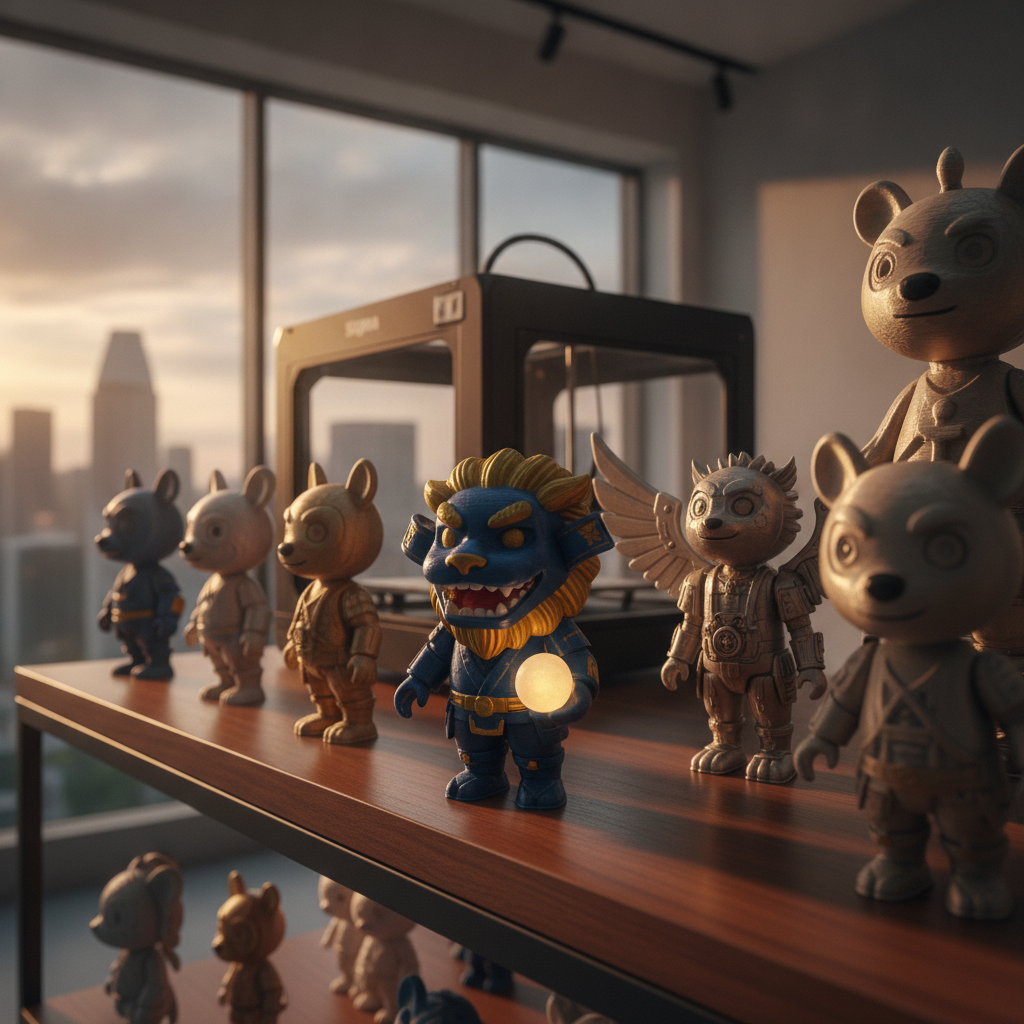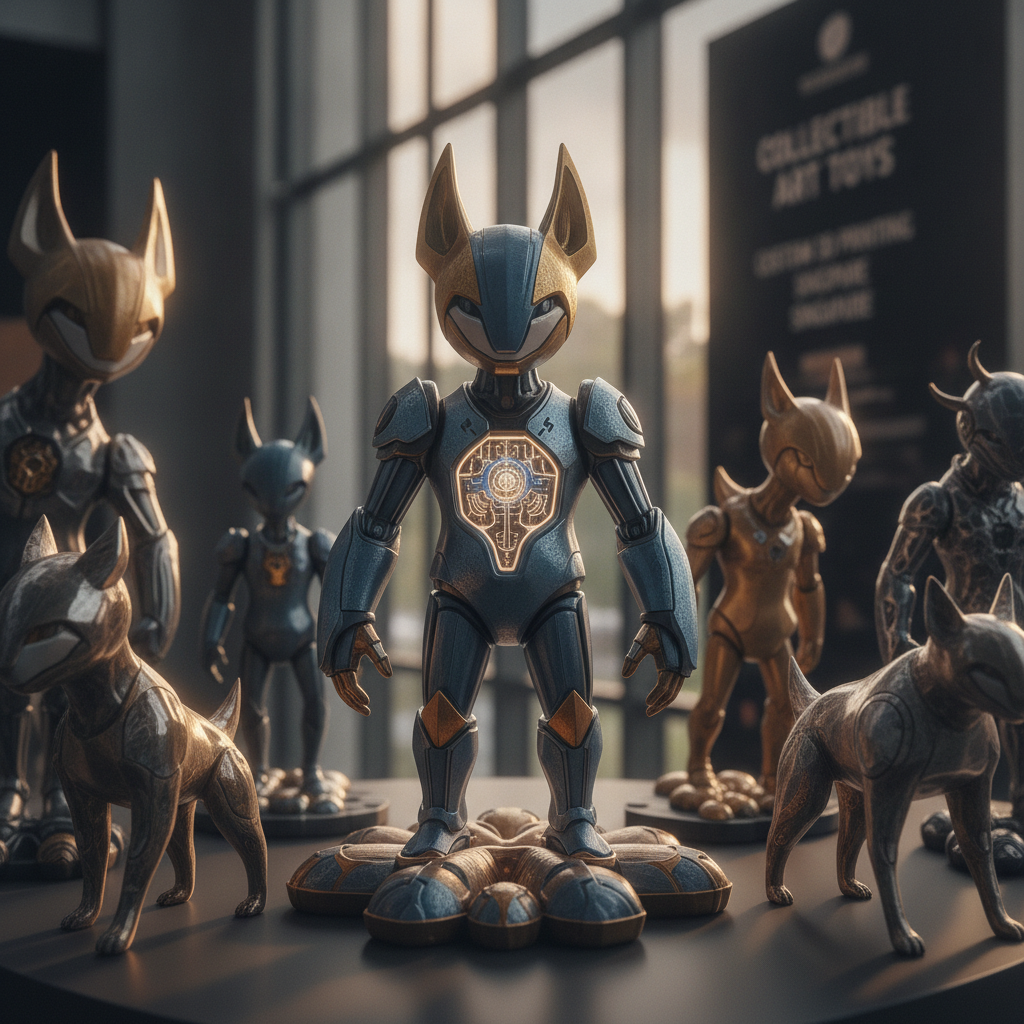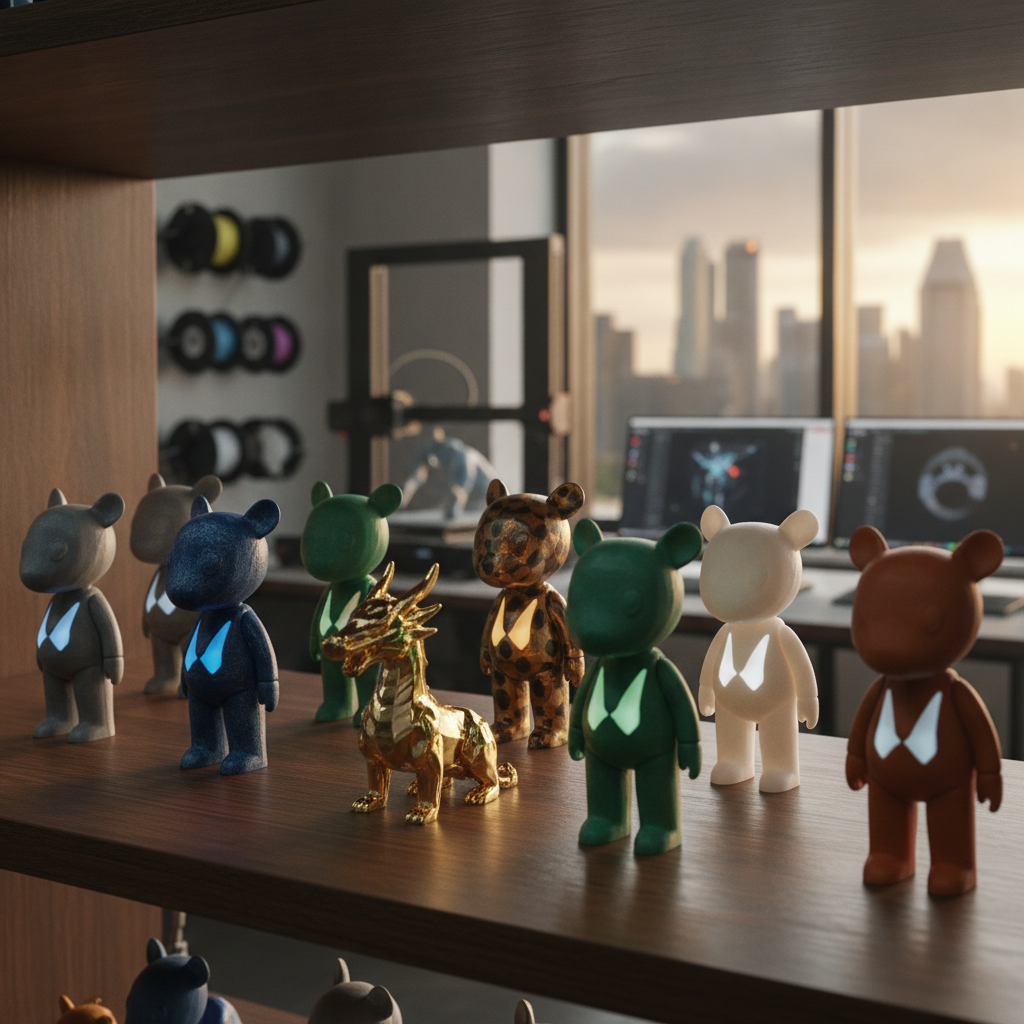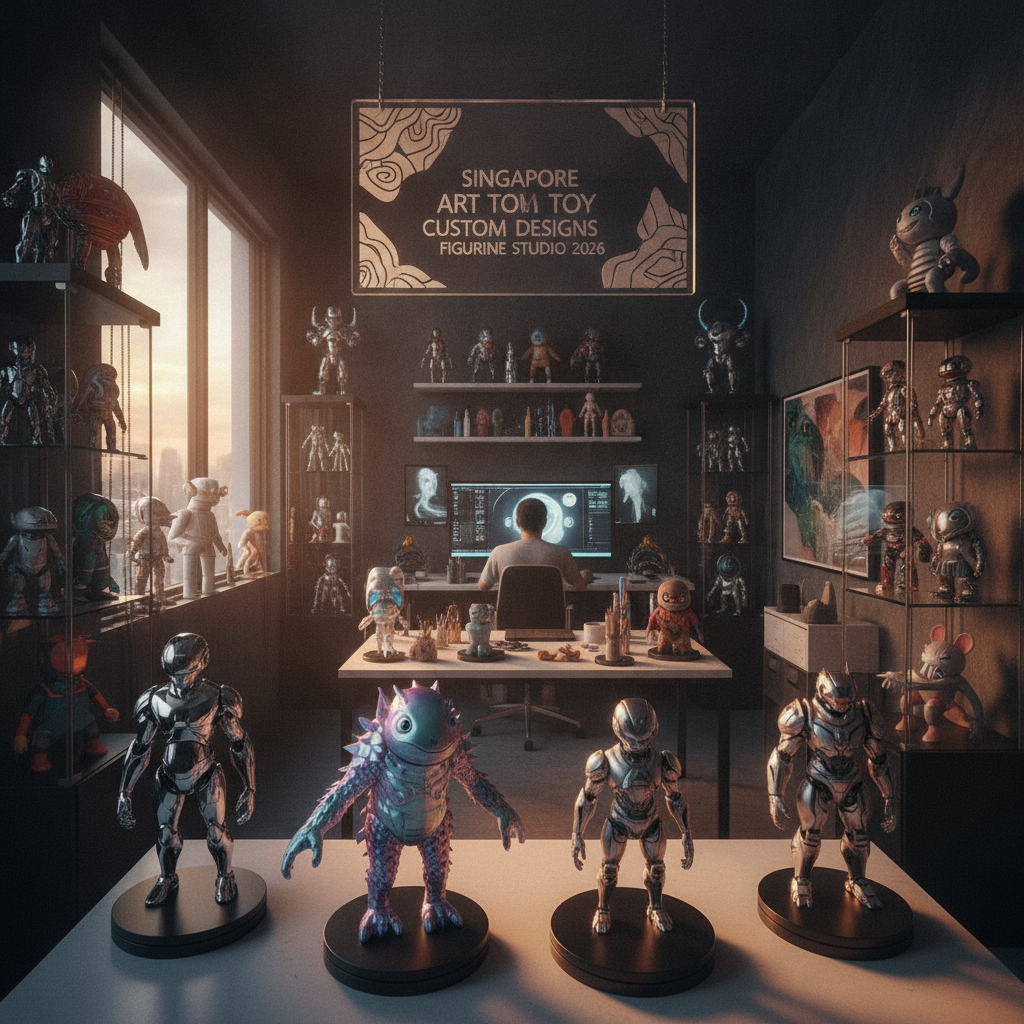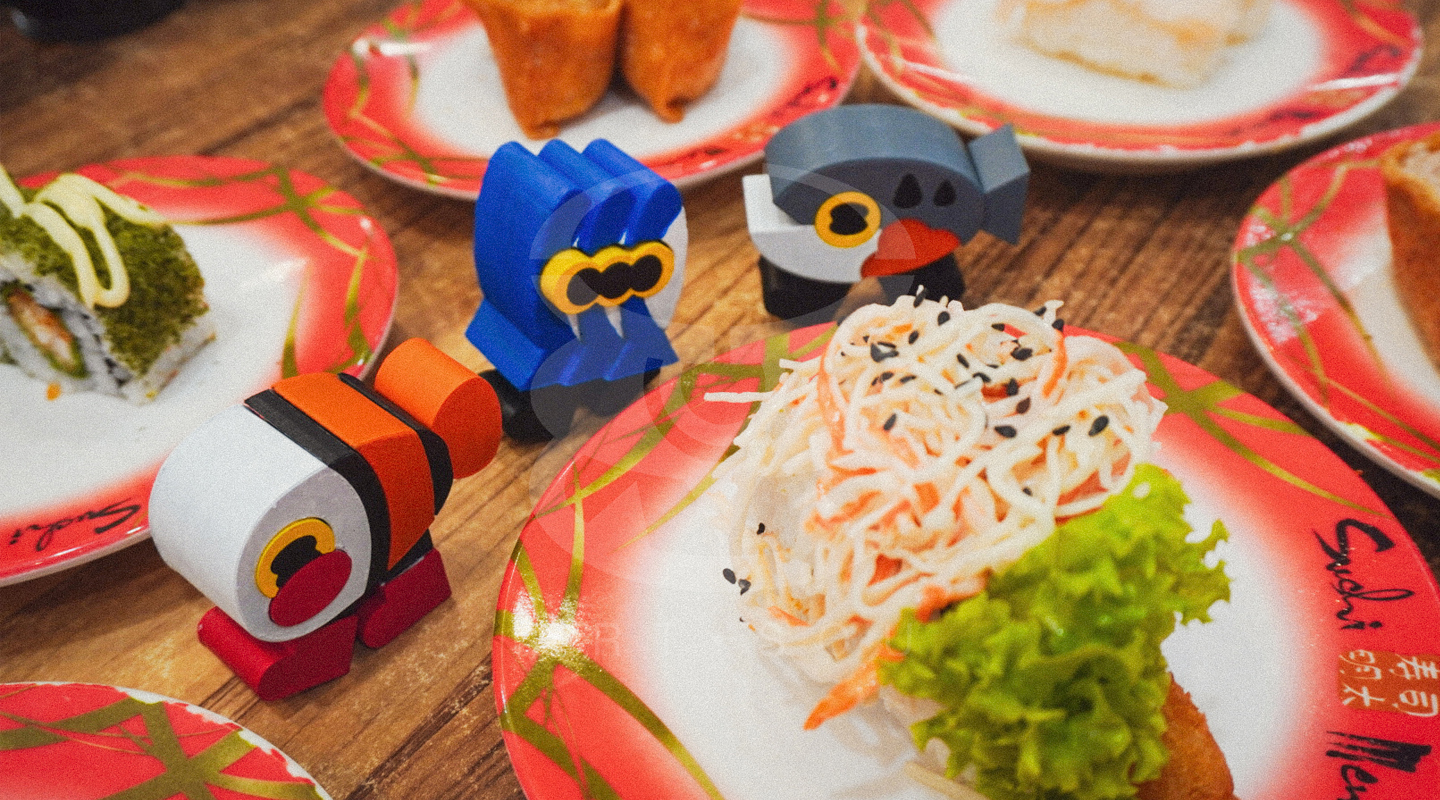

The power of storytelling transforms simple designer toy storytelling from mere collectibles into compelling characters that forge deep emotional connections with their audiences. Unlike traditional toys designed primarily for play, narrative-driven art toys function as three-dimensional storytellers, each piece carrying carefully crafted backstories, personality traits, and mythologies that elevate them beyond decorative objects.
Malaysia and Singapore’s multicultural landscape provides rich inspiration for toy narratives that blend Eastern and Western storytelling traditions, creating unique characters that resonate with diverse audiences while maintaining universal emotional appeal. The city-state’s position as a cultural crossroads enables creators to draw from multiple narrative traditions while developing original mythologies.
Modern collectors increasingly seek pieces that offer more than aesthetic appeal, desiring figures that spark imagination, provoke thought, or connect with personal experiences and cultural memories. This shift toward narrative-driven collecting reflects broader trends in contemporary art where meaning and context carry equal weight with visual impact.
Character biography development begins with fundamental questions about identity, motivation, and origin that inform every subsequent design decision. Who is this character? Where do they come from? What drives their actions and shapes their worldview? These foundational elements guide aesthetic choices while creating internal consistency that strengthens narrative believability.
Conflict and motivation provide the dramatic tension necessary for engaging characters that transcend simple visual appeal. Internal struggles, external challenges, and personal goals create depth that invites collectors to invest emotionally in character outcomes and development arcs that extend beyond individual figures.
Cultural integration allows characters to reflect diverse backgrounds and experiences that resonate with global audiences while maintaining authenticity and respect for source traditions. Malaysia and Singapore’s multicultural environment offers exceptional opportunities for creating characters that celebrate diversity while avoiding stereotypical representations.
Costume and prop selection communicates character information instantly through visual shorthand that experienced collectors recognize and appreciate. A character’s clothing style, worn accessories, and carried objects tell stories about their profession, social status, personal history, and cultural background without requiring explicit exposition.
Color psychology influences emotional responses and character perception through carefully chosen palettes that reinforce personality traits and narrative themes. Warm colors suggest approachability and energy, while cool tones imply mystery or intelligence, enabling designers to guide collector responses through chromatic choices.
Proportion and silhouette manipulation creates distinctive character profiles that remain recognizable even in silhouette form. Exaggerated features, unique postures, and characteristic proportions become visual signatures that distinguish characters while supporting their narrative roles and personality traits.
Art Sou Studio demonstrates masterful character development through their collaborations with young artists who bring fresh perspectives to character creation, developing original narratives that reflect contemporary themes while honoring traditional storytelling principles.
Setting development provides the contextual framework within which characters exist and interact, creating believable worlds that support character actions and motivations. Whether fantastical realms or contemporary urban environments, well-developed settings enhance character depth while providing expansion opportunities for ongoing series.
Historical and cultural foundations ground fictional worlds in recognizable elements that help audiences connect with unfamiliar concepts through familiar touchstones. These foundations need not be literal historical accuracy but should provide logical consistency that supports willing suspension of disbelief.
Scale and scope decisions determine whether narratives focus on intimate personal stories or epic adventures spanning multiple characters and locations. Both approaches offer valid storytelling opportunities, though scope affects production planning, character development depth, and collector engagement strategies.
Social dynamics between characters create opportunities for complex storytelling that extends beyond individual pieces to encompass entire collections. Friendships, rivalries, mentor relationships, and romantic connections provide narrative threads that encourage collectors to acquire multiple related figures.
Hierarchy and power structures within character groups reflect real-world social dynamics while providing framework for conflict development and resolution. These structures need not be permanent, allowing character growth and relationship evolution that maintains collector interest over extended series runs.
Cross-series connections enable expanded universe development where characters from different collections interact within shared narrative frameworks. This approach encourages cross-collecting while providing rich storytelling opportunities that reward dedicated followers.
Facial expression design communicates emotional states and personality traits through carefully crafted features that remain readable at typical display distances. Eye shape, eyebrow position, mouth configuration, and overall facial structure work together to create consistent character personalities that collectors recognize instantly.
Posture and gesture selection reinforces character traits while suggesting action and movement within static displays. Dynamic poses imply motion and energy, while contemplative stances suggest intelligence and introspection, enabling collectors to choose presentations that match their interpretive preferences.
Micro-expressions and subtle details reward close examination while adding depth that reveals itself through extended viewing. These elements enhance the relationship between collector and character by providing discovery opportunities that deepen appreciation over time.
Iconographic integration incorporates symbols and visual metaphors that communicate deeper meanings to culturally literate audiences while remaining accessible to casual viewers. These elements add interpretive depth without requiring specialized knowledge for basic enjoyment.
Color symbolism utilizes culturally understood color associations to reinforce character traits and narrative themes. Red might suggest passion or danger, blue implies tranquility or sadness, while gold indicates value or divinity, depending on cultural context and application.
Geometric patterns and motifs create visual consistency within character series while providing opportunities for hidden meanings and Easter eggs that reward dedicated fans. These details enhance collectibility while supporting brand identity development.
Story arc development plans character evolution across multiple releases, creating anticipation for future installments while rewarding collectors who follow complete series. Character growth, relationship changes, and plot advancement provide reasons for continued engagement beyond simple acquisition.
Seasonal and thematic variations allow familiar characters to appear in different contexts while maintaining core identity elements. Holiday versions, alternate costumes, and environmental adaptations provide collection variety while supporting ongoing narrative development.
Limited edition narrative moments capture specific story beats or character development milestones through special releases that commemorate important narrative events. These pieces often become highly sought-after among dedicated collectors who follow character stories closely.
The custom figurine design process benefits tremendously from strong narrative foundations that guide aesthetic decisions while ensuring character consistency across different scales, materials, and production methods.
Contemporary issue integration allows toy narratives to address current social concerns through metaphorical representation that encourages reflection without preaching. Characters can embody different perspectives on complex issues while maintaining entertainment value and collector appeal.
Diversity and representation considerations ensure that character lineups reflect the multicultural reality of modern audiences while avoiding tokenism or stereotypical portrayals. Authentic representation requires research, sensitivity, and often collaboration with representatives from portrayed communities.
Generational bridge-building creates characters that appeal to multiple age groups through layered narratives that offer different levels of meaning and engagement. Surface appeal attracts younger audiences while deeper themes satisfy adult collectors seeking meaningful content.
Digital integration opportunities extend physical toy narratives into online spaces through apps, social media campaigns, and interactive content that enhances character development while building community around shared interests. QR codes, AR experiences, and digital collectibles complement physical pieces.
Social media storytelling utilizes platforms like Instagram, TikTok, and Twitter to develop character narratives through ongoing posts, interactions, and user-generated content that creates living stories extending beyond static figures. This approach builds community while maintaining character relevance.
Transmedia narratives span multiple platforms and formats, using toys as anchors for stories that extend into comics, animation, games, and other media. This comprehensive approach creates multiple revenue streams while deepening character engagement across diverse audience preferences.
Professional art toy photography techniques become essential tools for visual storytelling, enabling creators to communicate character personalities and narrative moments through carefully composed images that support marketing efforts while building collector enthusiasm.
Character relatability enables collectors to see aspects of themselves or their aspirations within toy personalities, creating emotional bonds that transcend simple aesthetic appreciation. Characters who struggle with recognizable challenges or embody admirable qualities invite personal identification.
Nostalgia activation through character design elements that recall childhood memories, cultural touchstones, or formative experiences creates powerful emotional responses that drive collecting behavior. These connections often prove stronger and more lasting than purely aesthetic appreciation.
Aspirational qualities within characters allow collectors to engage with idealized versions of traits they wish to develop or experiences they hope to have. Heroes, adventurers, and wise mentors provide inspiration while serving as tangible reminders of personal goals.
Fan community development around character narratives creates social opportunities that enhance collecting experiences while building brand loyalty. Online forums, social media groups, and convention gatherings centered on shared character interests foster lasting friendships and ongoing engagement.
Collaborative storytelling opportunities invite collectors to contribute to character development through fan fiction, artwork, photography projects, and other creative expressions that deepen investment while providing user-generated marketing content.
Collection display strategies benefit from understanding narrative elements that guide arrangement decisions, lighting choices, and environmental context that support character stories while creating museum-quality presentations worthy of the artistic investment represented.
A: Strong narratives significantly enhance collector engagement and long-term value retention. Characters with compelling backstories generate emotional connections that transcend simple aesthetic appeal, creating dedicated fan bases willing to pay premium prices and follow series development over extended periods.
A: Absolutely! Many collectors enjoy creating personal narratives for their pieces, especially abstract or minimally defined characters. This creative engagement enhances the collecting experience while building deeper connections with your collection. Share your stories through photography and social media to connect with like-minded collectors.
A: Research thoroughly, consult with cultural representatives when appropriate, avoid stereotypes, focus on universal human experiences, and treat all cultures with respect and dignity. Authentic representation requires genuine understanding rather than surface-level appropriation of cultural elements.
A: Use environmental context, dramatic lighting, dynamic poses, and sequential shots to communicate character personalities and narrative moments. Consider the story you want to tell before setting up your shots, then use technical skills to support that narrative vision through composition and lighting choices.
Discover the rich narratives woven into Art Sou Studio’s innovative designs, where young artists create characters that transcend traditional toy boundaries to become compelling storytellers that resonate with collectors seeking meaningful connections with their collections.