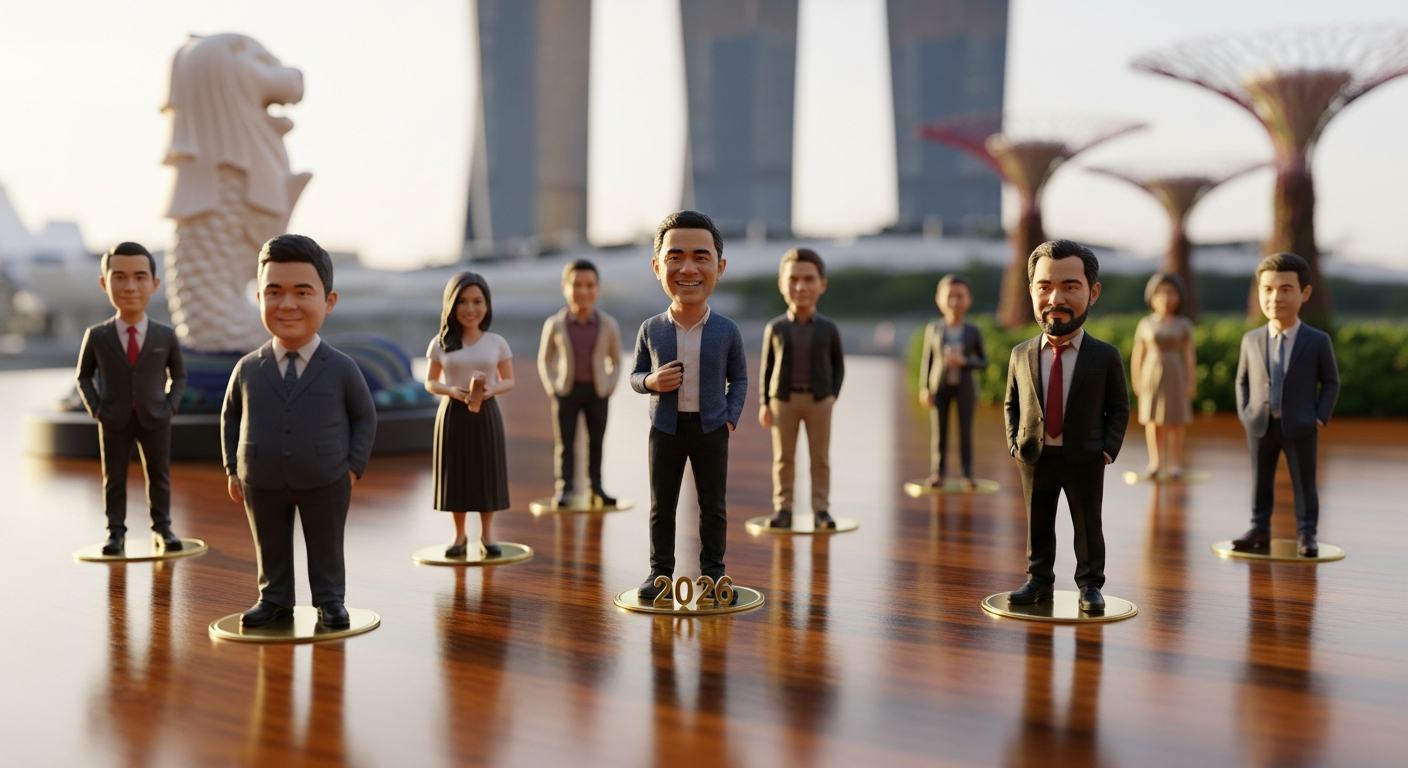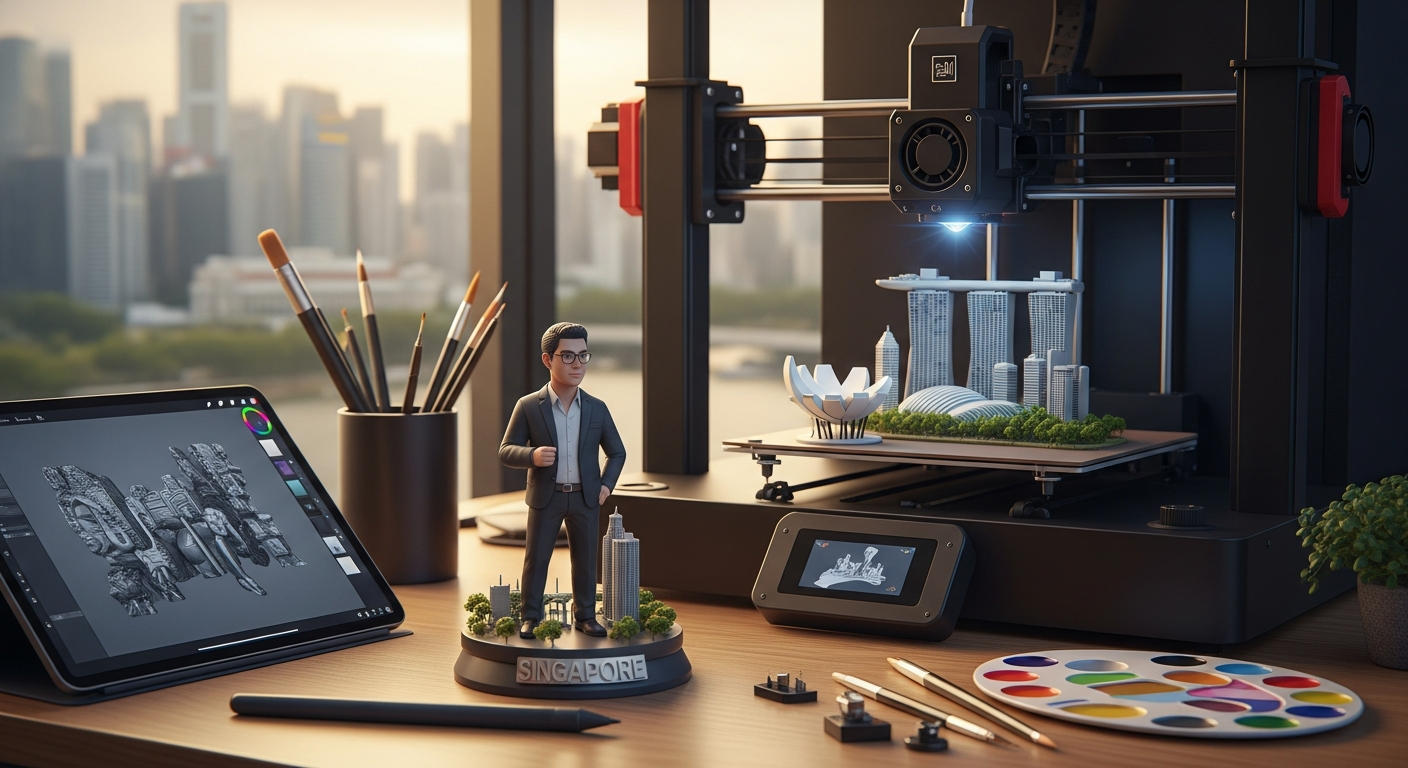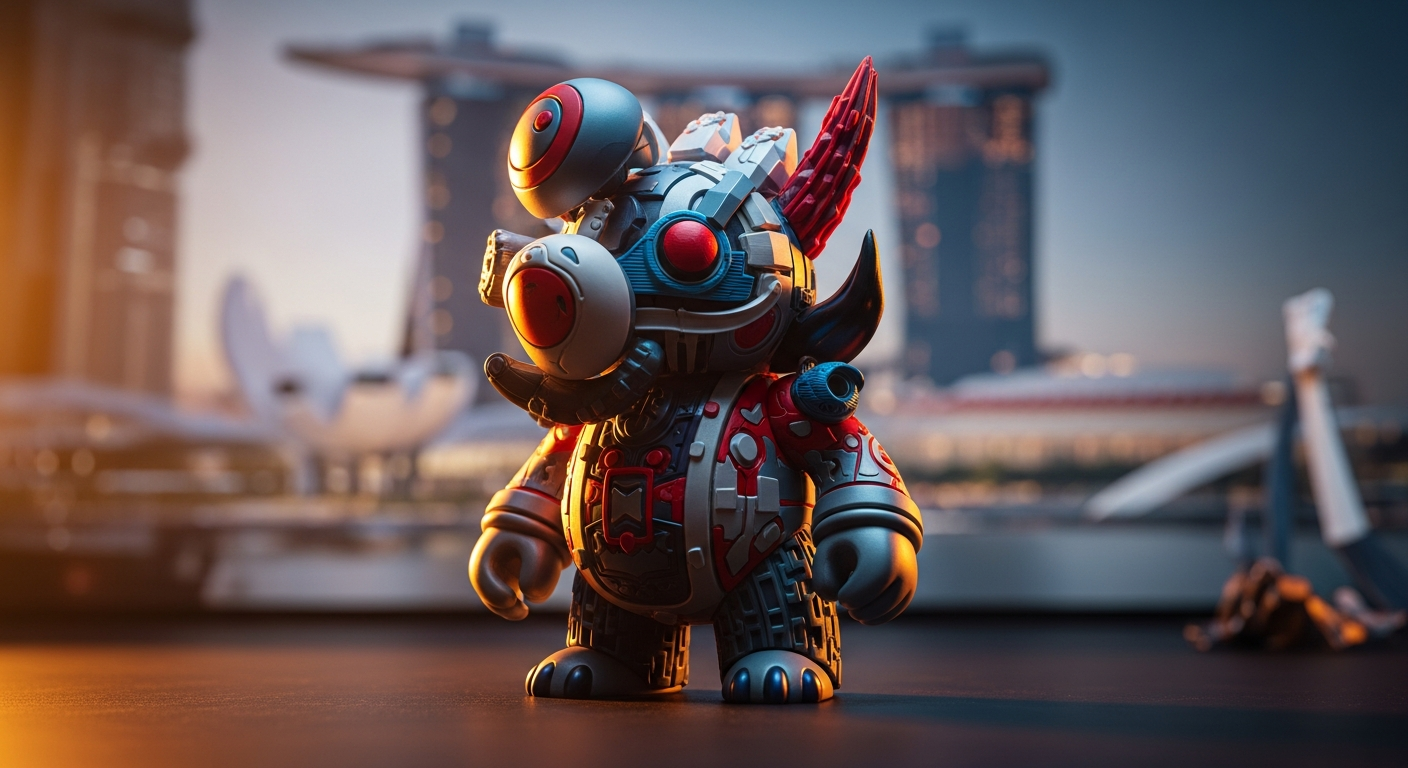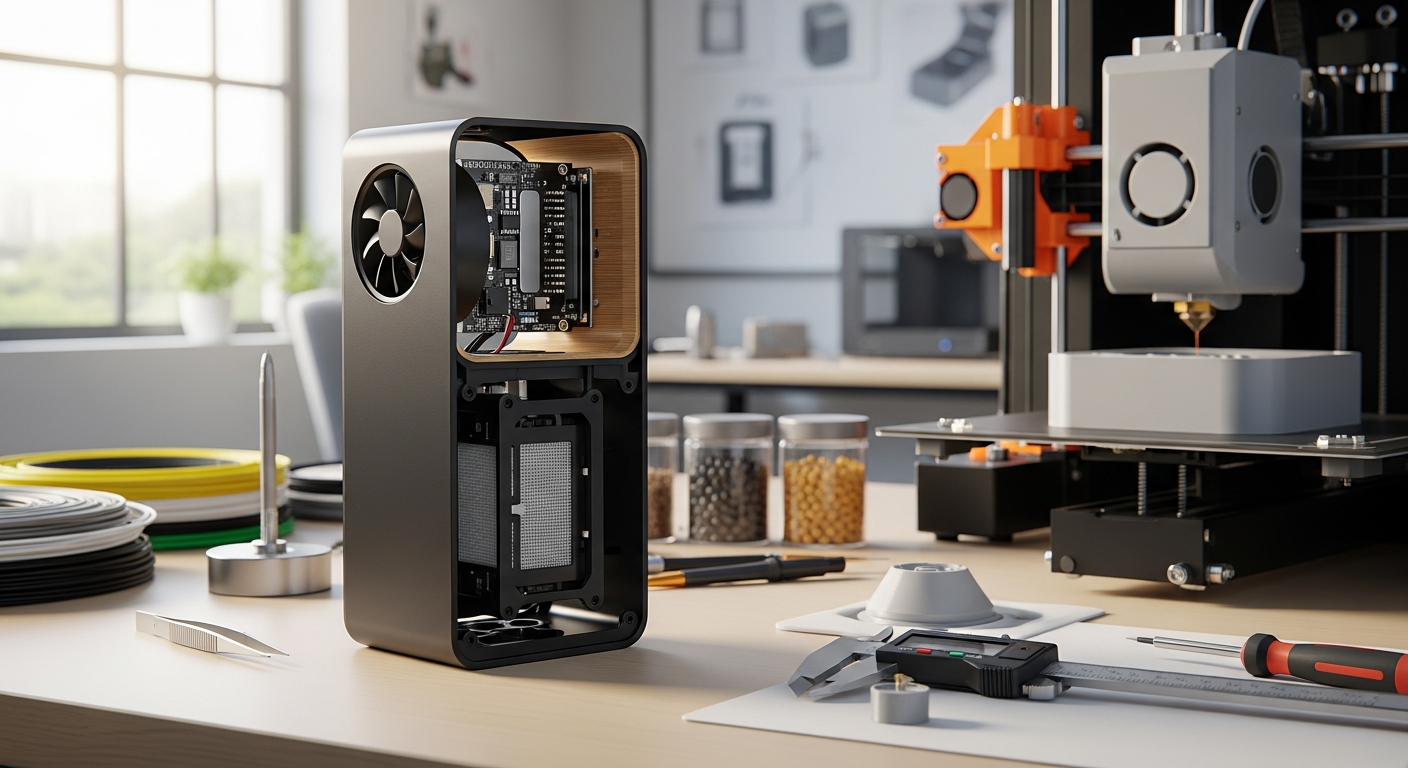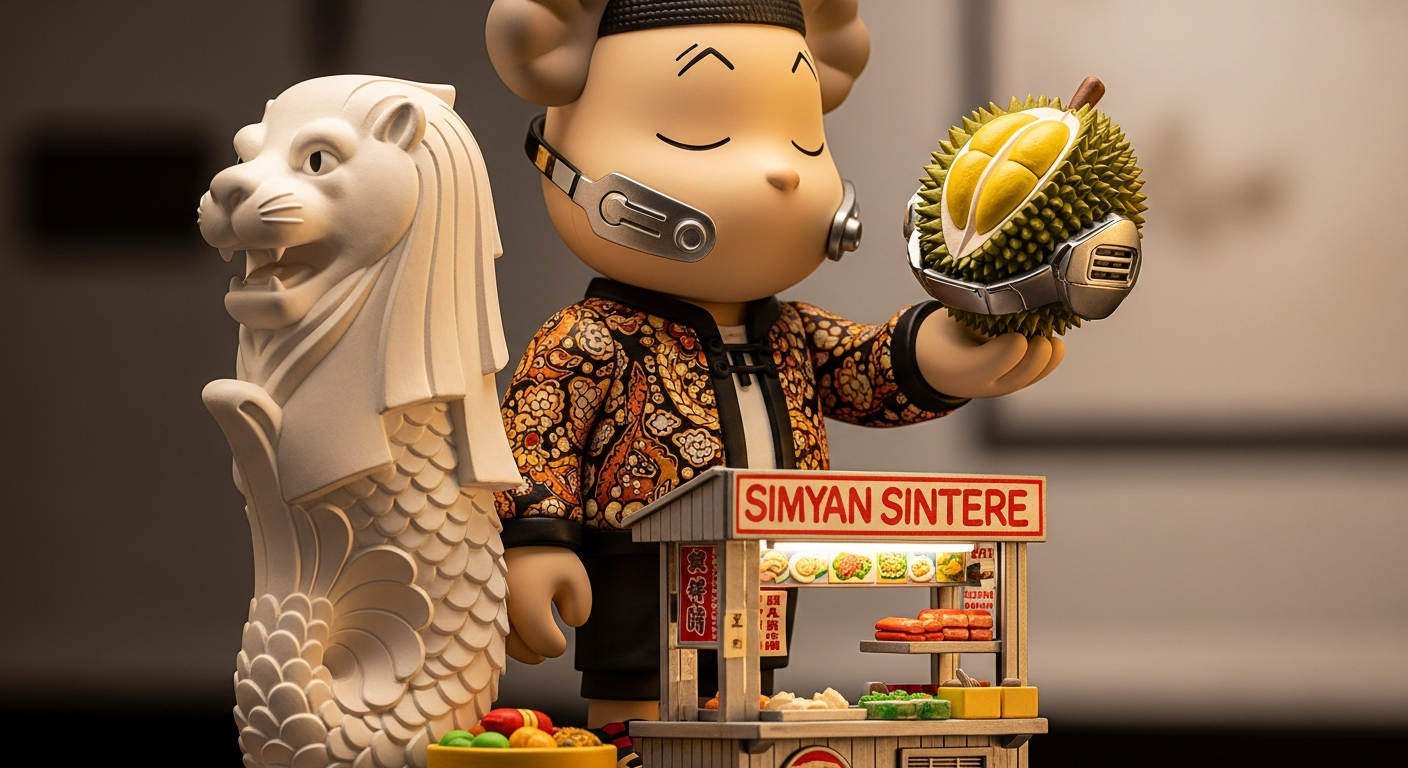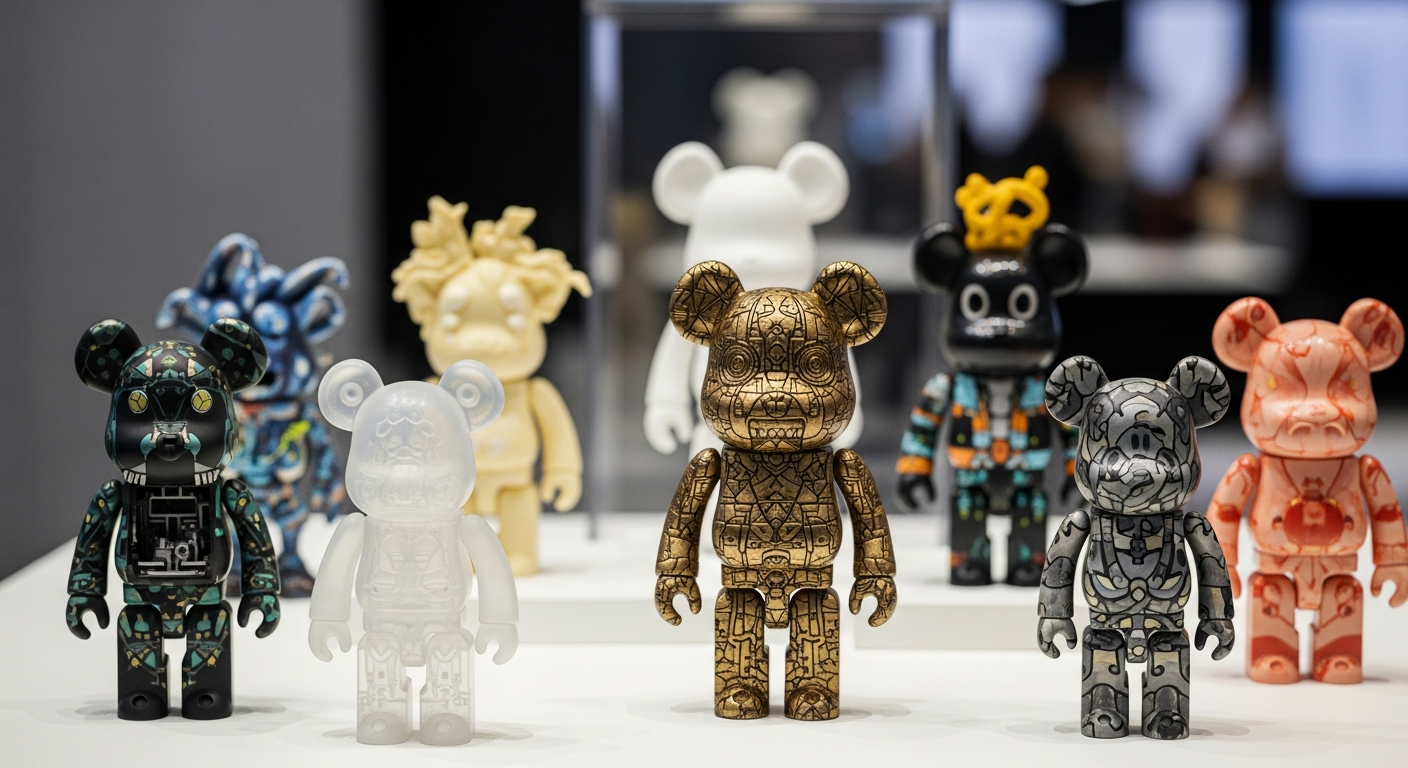
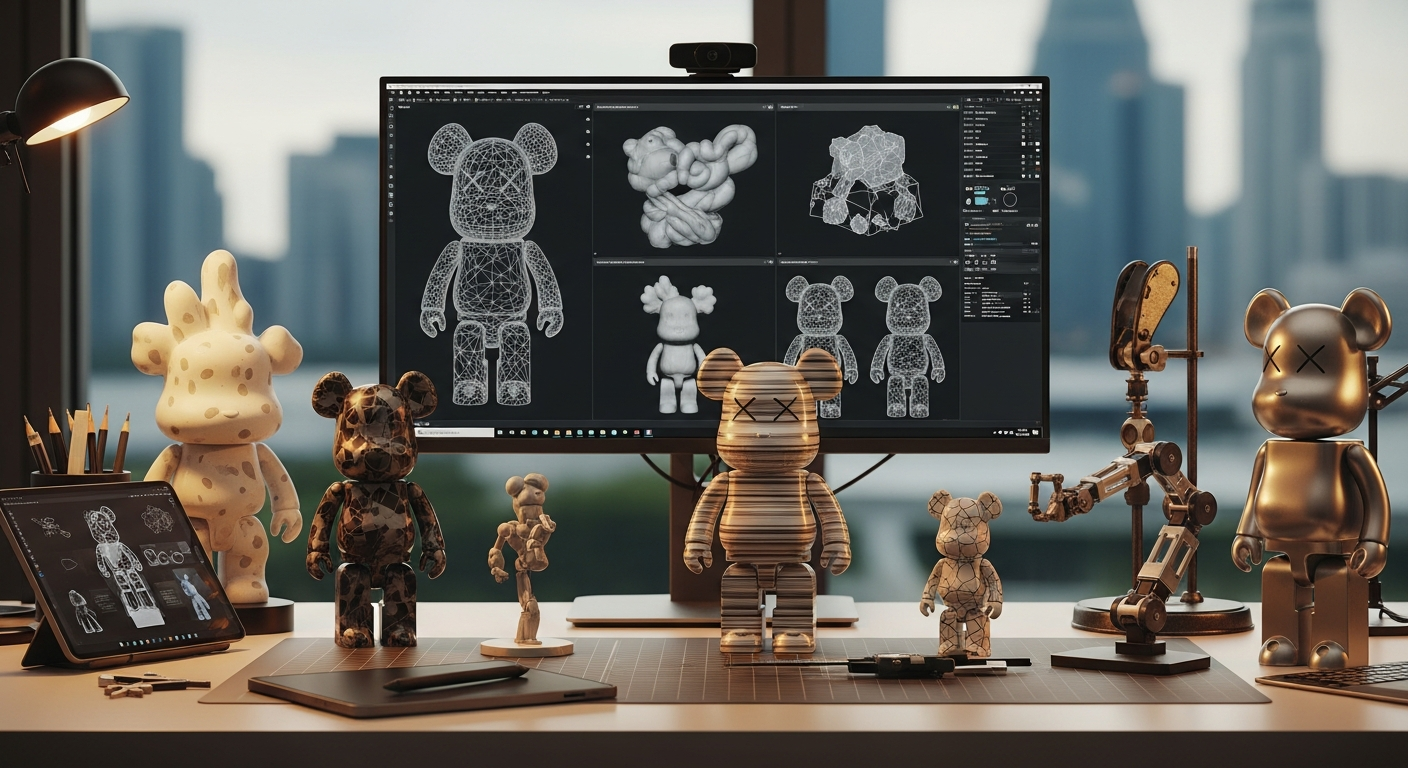

The market for limited edition art toys has matured beyond niche vinyl runs and convention exclusives. Collectors increasingly value scarcity, storytelling, and production quality, while designers want agile manufacturing that supports experimentation. In 2025, these demands converged with advances in rapid prototyping and local manufacturing infrastructure, especially in hubs like Singapore. The result: creatives can iterate faster, deliver higher-fidelity pieces, and scale short runs without burning capital on large tooling investments.
Rapid prototyping in Singapore combines world-class 3D printing, tight supply chains, and fast turnaround times. For artists producing limited edition art toys, this means:
Many creators are leveraging local services to maintain control over quality and timelines. For details on how 3D printing fuels limited drops, see this case-focused overview on limited edition art toys: limited edition art toys.
Different prototyping technologies serve different stages of the art toy lifecycle. Understanding their strengths is essential for designers aiming for collectible-grade output.
Singapore’s service providers combine several of these technologies, so creators can choose the best workflow for their limited edition art toys and quickly move from concept to sale-ready pieces. For examples oriented to collectible workflows, explore this resource on collectible art toys.
The design phase for limited edition art toys focuses on three priorities: fidelity, manufacturability, and storytelling. Rapid prototyping Singapore services allow designers to test and refine each priority quickly:
Using modular design elements (interchangeable heads, accessories, or display bases) reduces tooling costs and increases perceived value through customizable limited variants.
A typical low-risk workflow used in Singapore today follows these steps:
This workflow lets creators avoid expensive tooling until demand is proven, a model that suits limited edition art toys where scarcity and hype matter more than unit price alone. Services that combine prototyping with finishing and painting are especially valuable for creators focused on collectible-quality output; see a hands-on guide to custom work here: custom art toys.
A prototype can show shape, but finishes sell. In 2025, collectors expect museum-grade paint and consistent colorways across a run. Common techniques include:
Some studios in Singapore offer integrated finishing pipelines that transform raw prints into shelf-ready collectibles, shortening time-to-market and improving quality control. To keep up with trends and production options, review this survey of 3D printing and art toy trends: art toys 3D printing.
Limited edition art toys have unique economics. Key levers include:
Rapid prototyping Singapore providers offer transparent quoting and tiered services, enabling smart decisions about when to invest in short-run molds versus continuing with additive production.
Sustainability is now a purchasing filter for many collectors. In response, studios are using:
Balancing aesthetic expectations and sustainability can also be a selling point: limited editions marketed as eco-conscious can command loyal followings and justify higher price tiers.
Successful limited edition drops in 2025 combine physical product quality with digital engagement. Effective tactics include:
Partnering with a prototyping and production partner that can produce display samples and small VIP runs quickly helps align marketing timelines with manufacturing confidence. See how prototype-ready services support creators here: rapid prototyping Singapore.
Limited edition art toys must protect creative IP and authenticate scarcity. Considerations:
Combining legal safeguards with physical and digital provenance tools helps protect value for both artists and collectors.
For creators looking to explore local partners and production options in detail, this practical overview of services for collectible-focused creators is a helpful reference: collectible art toys.
Limited edition art toys are entering a new era where design ambition no longer needs to be constrained by tooling budgets or long lead times. Rapid prototyping Singapore provides the technical capability, local infrastructure, and finishing expertise that modern creators need to ship high-quality, collectible pieces at meaningful scales. By combining thoughtful design, smart manufacturing choices, and clear collector-focused storytelling, artists can turn limited drops into sustainable creative businesses that respect both craft and market realities.