The state of 3D printing for art toy creators in 2025
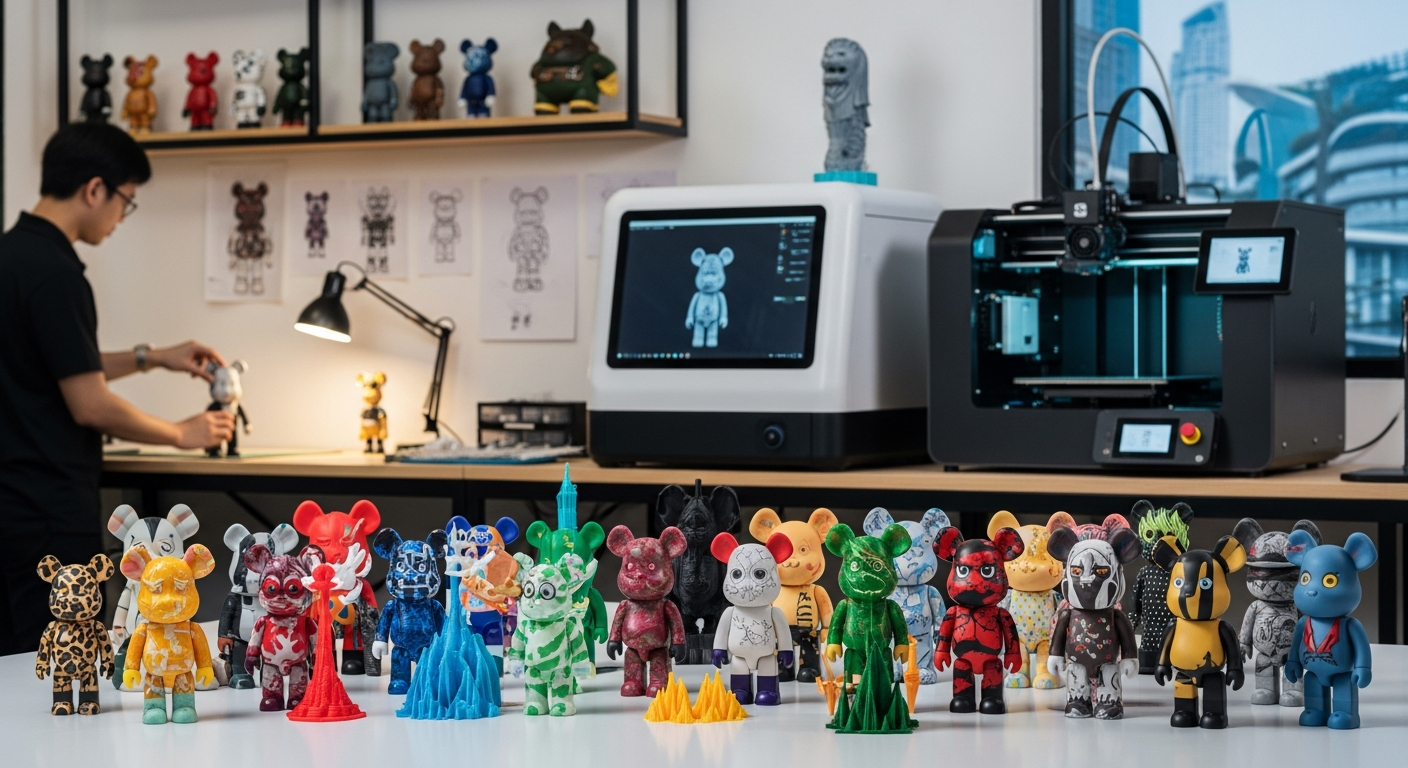
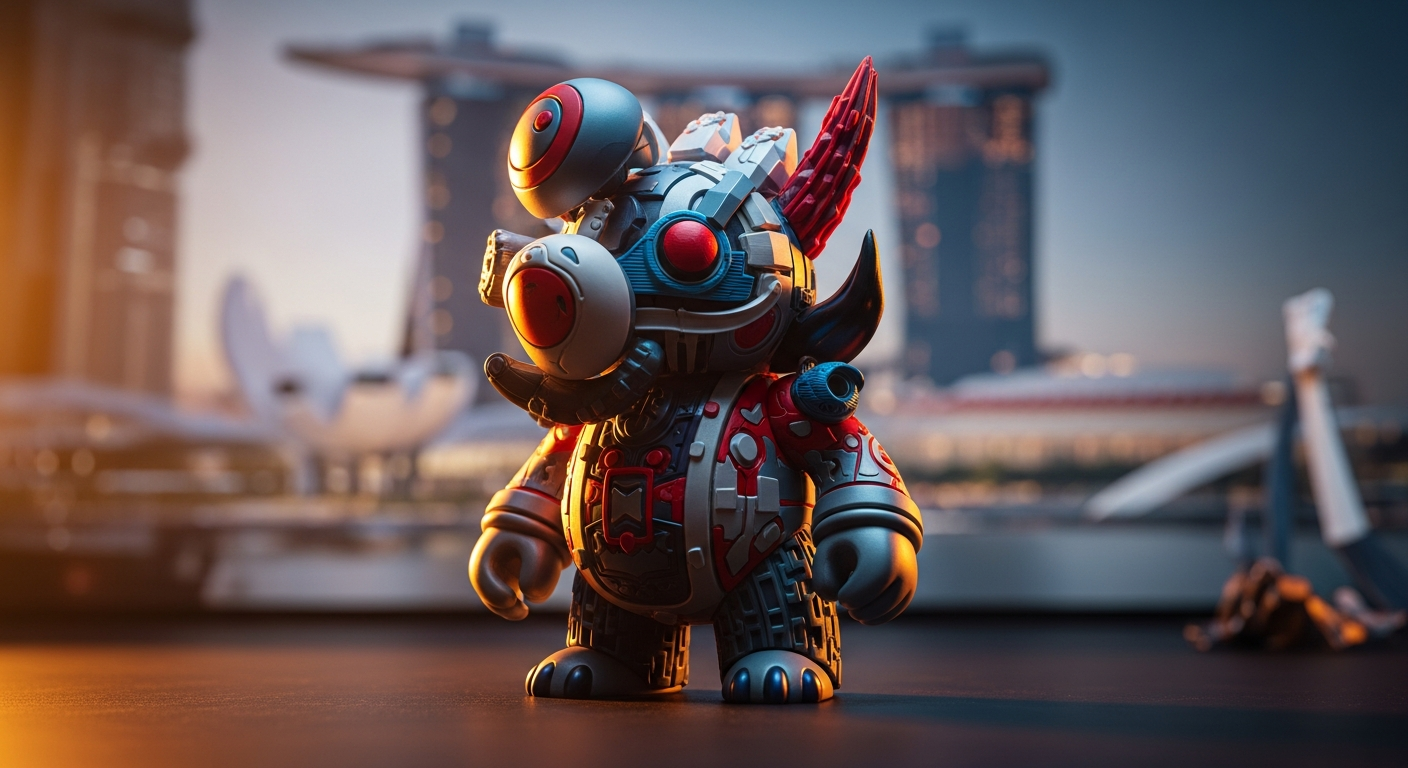
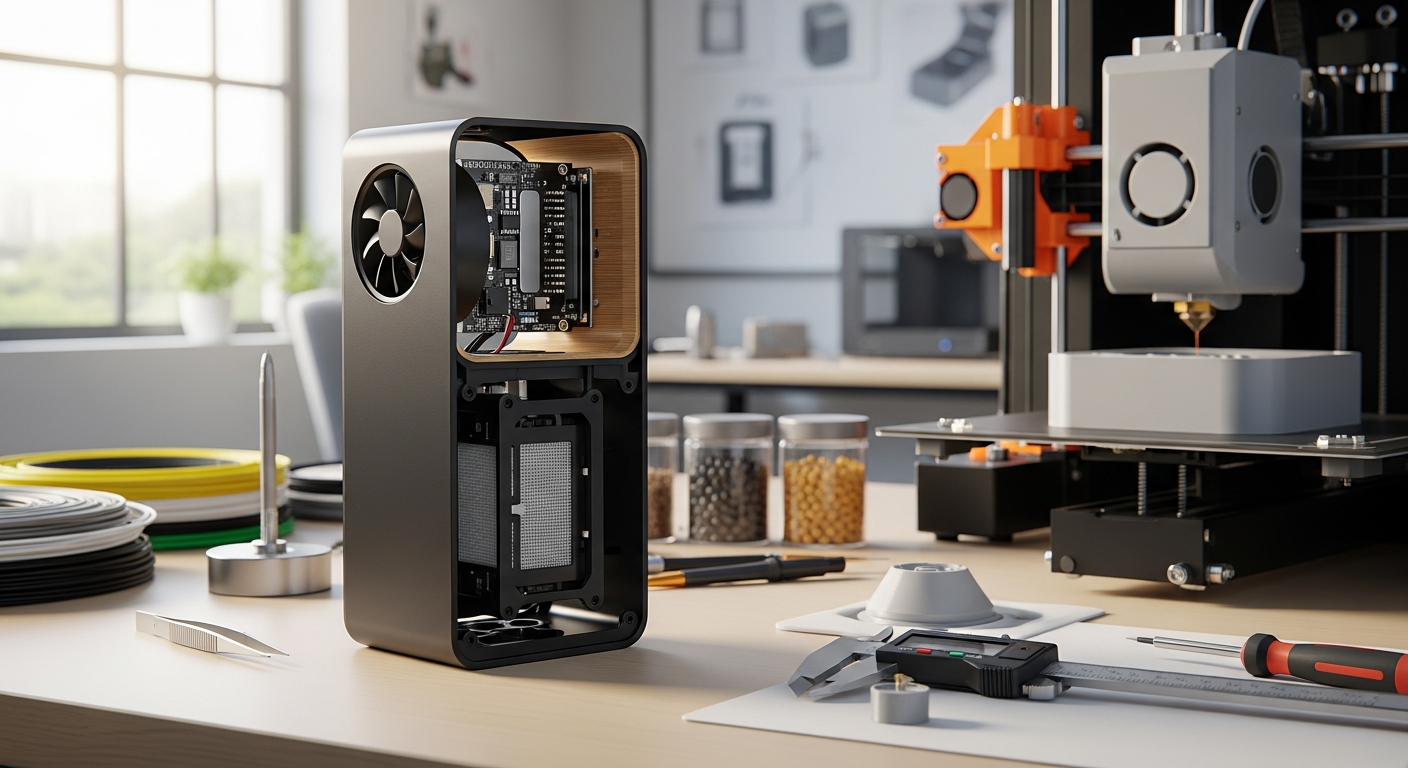
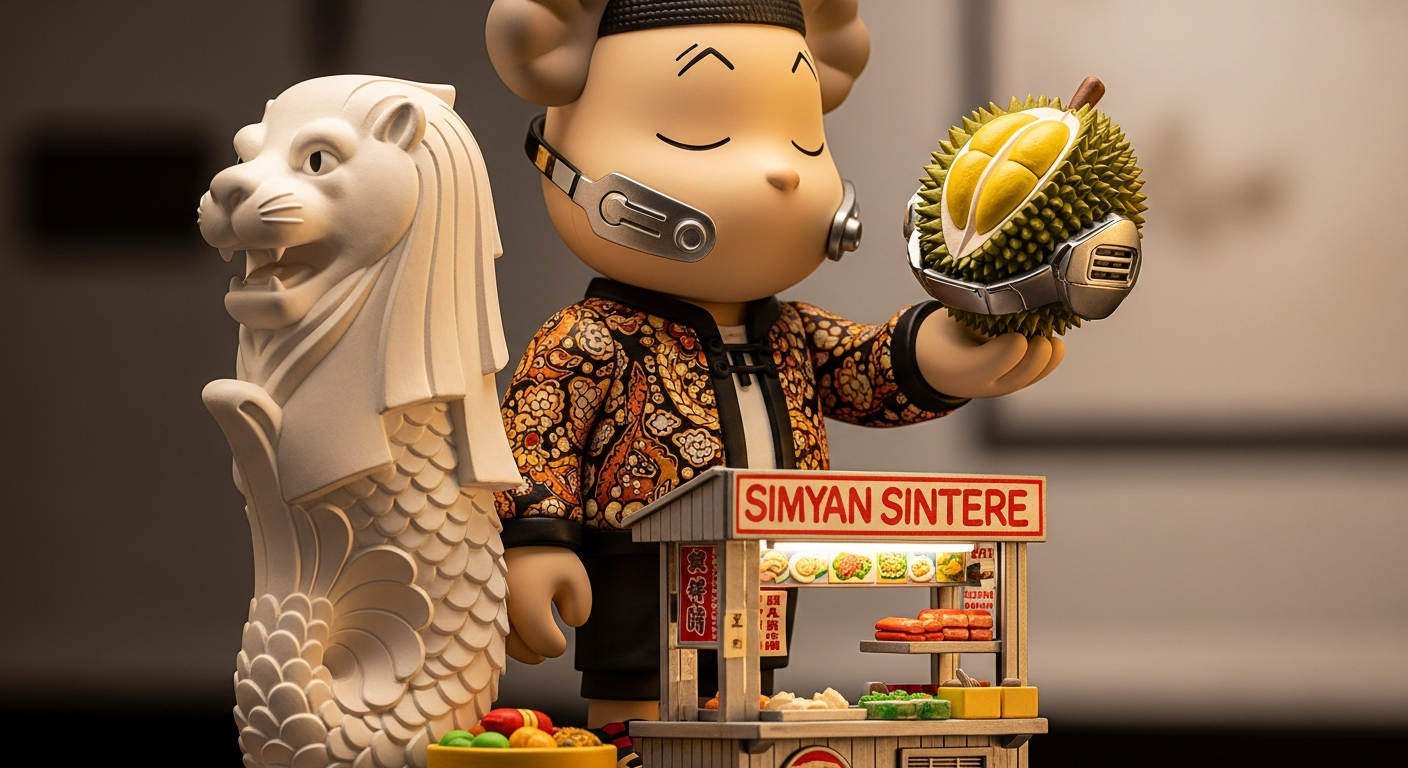
The art toy scene continues to flourish, and 3D printing service Singapore providers have evolved into full-service partners for artists, designers and small brands. From ultra-detailed resin prototypes to durable production parts, these services close the gap between concept and collectible. This guide breaks down the practical choices, production workflows and trends you should know when bringing art toys to market in 2025.
Why choose a local 3D printing service Singapore partner
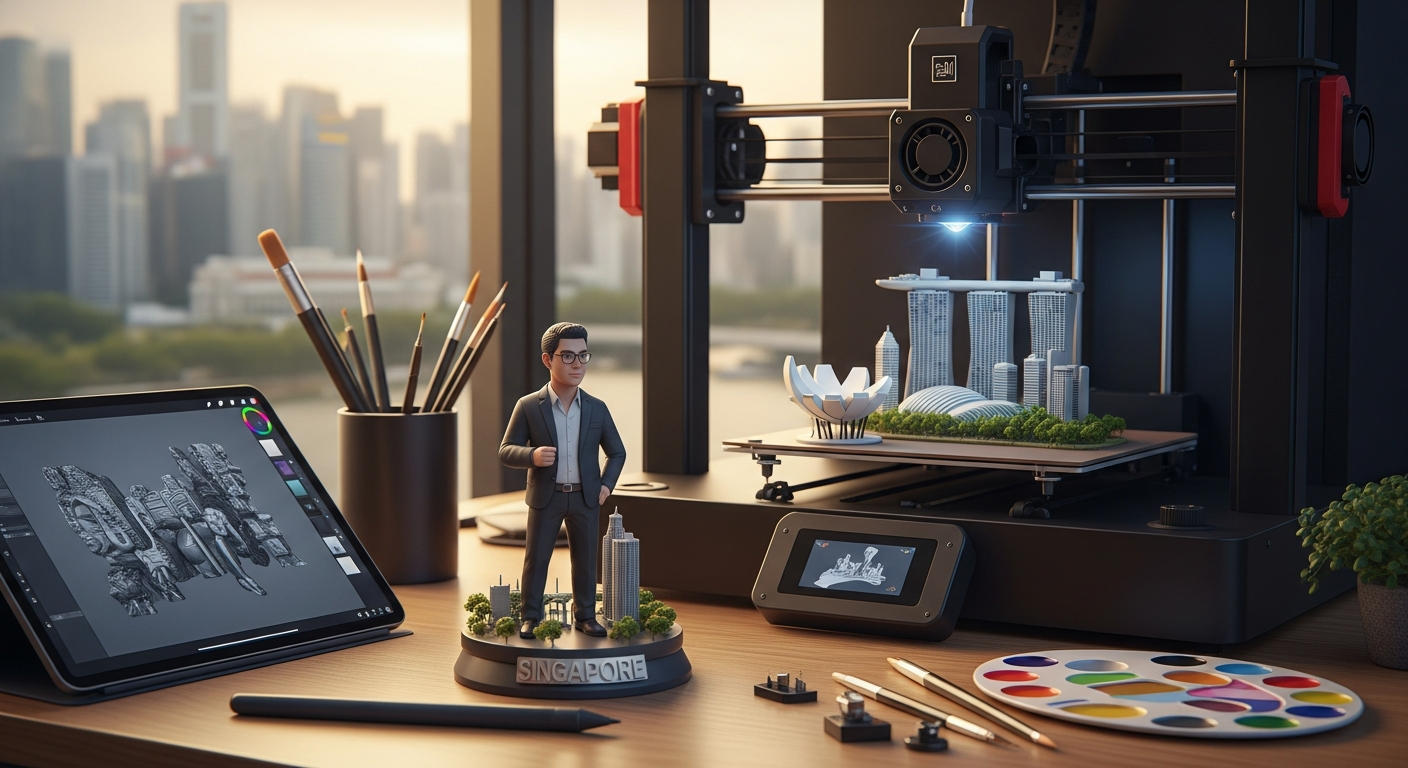
Working with a local shop reduces lead times, eases communication and streamlines shipping — crucial when you’re iterating designs or preparing limited edition drops. A Singapore-based vendor can help with rapid prototyping, advise on material selection and provide finishing services tailored to the expectations of collectors.
- Faster feedback loops for design revisions
- Easier physical fit checks and color approvals
- Access to local finishing and painting services
Learn how a dedicated 3d printing service singapore can shorten development cycles and improve final quality.
Popular 3D printing technologies for art toys and when to use them
Different technologies serve different stages and styles of art toys. Understanding the strengths and limits will help you choose the right process for prototypes and production.
- SLA (Stereolithography): Best for highly detailed figures and smooth surfaces — ideal for character sculpts and display pieces.
- SLS (Selective Laser Sintering): Strong, flexible nylon parts for functional assemblies or toys requiring durability.
- MJF (Multi Jet Fusion): Good for consistent mechanical properties in small runs with finer detail than typical FDM.
- FDM (Fused Deposition Modeling): Cost-effective for large, simple parts or early mock-ups.
- Full-color Binder Jetting / Color 3D Printing: Useful for one-off display pieces or when you want color straight off the printer but expect lower durability.
If you need consultation, a local 3d printing service singapore can match your design goals to the right technology.
Materials, finishing and paint — making your art toys collectible
Material choice impacts surface finish, paint adhesion, weight and collector perception. Common choices in 2025 include photopolymer resins (standard, durable, high-temp), nylon (PA12), TPU (flexible parts) and increasingly bio-resins or recycled nylon for sustainability-minded creators.
Finishing options to consider:
- Sanding + priming: Standard workflow for a smooth painting surface on resin prints.
- Resin filling & polishing: For seamless joints and glossy finishes.
- Vacuum casting: After a master print, vacuum casting in polyurethane allows tens or hundreds of replicas with a very collectible feel.
- Electroplating and metallic coatings: Adds heft and premium appearance for special editions.
For painting, many creators combine airbrush base coats with hand-detailed washes and sealed varnishes. If you prefer a hands-off approach, outsource to a professional painter or finishing team at a local art toys studio.
Prototyping to production: tips for efficient workflows
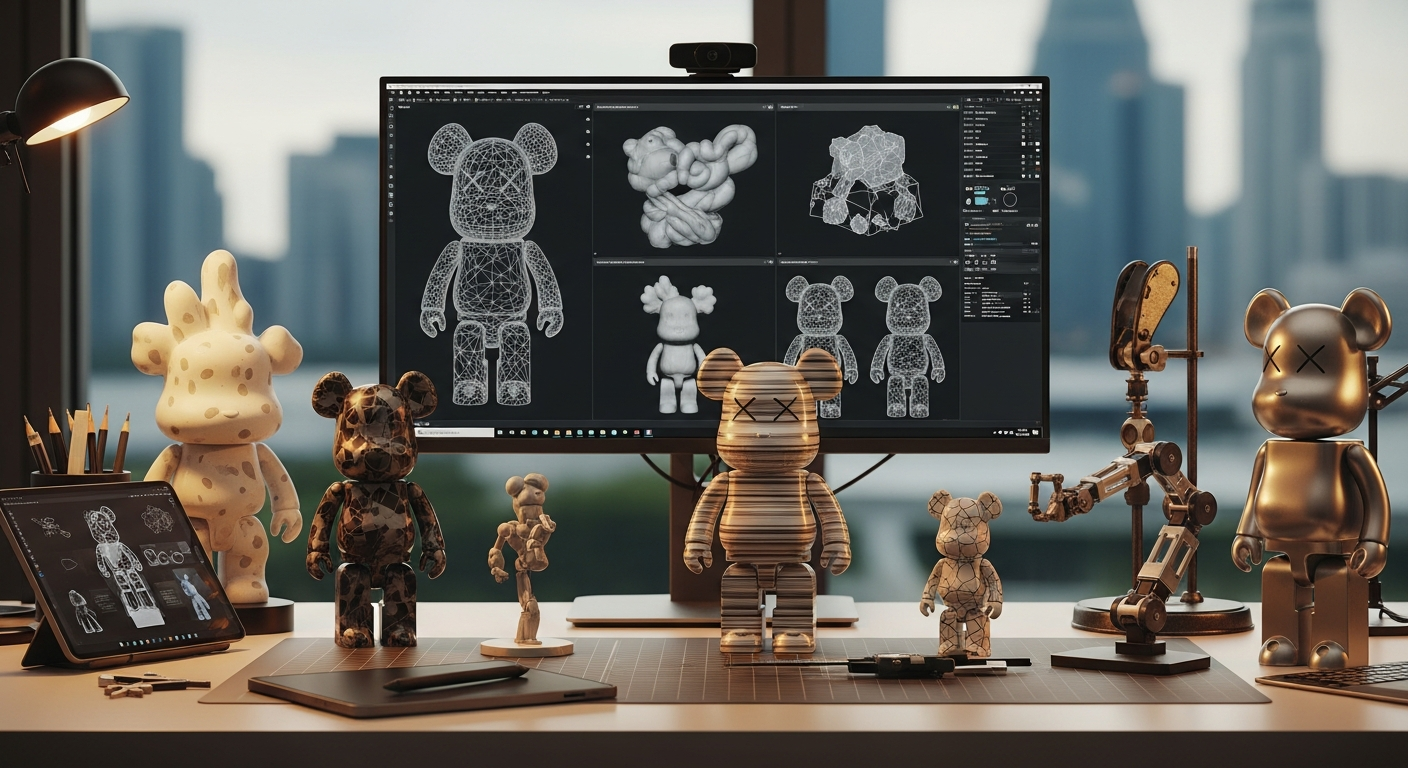
A clear, repeatable workflow reduces cost and time. Typical stages include digital sculpt → test prints → functional checks → tooling or short runs.
Design tips for fewer iterations:
- Hollow large parts (with escape holes) to reduce material cost and post-processing labor.
- Add consistent registration features for multi-part assembly.
- Respect minimum wall thickness and supported overhangs for your chosen technology.
- Use integrated supports or removable pins where possible to reduce sanding and fill.
When moving from prototype to small production, consider a short-run approach using SLS or MJF, then switch to vacuum casting or injection molding if quantities rise. A reputable 3d printing service singapore can advise on this transition and cost trade-offs.
Cost considerations and budgeting for art toy projects
Pricing depends on part volume, material, print technology and finishing. Typical cost drivers:
- Machine time and part packing in SLA and SLS
- Post-processing (washing, curing, sanding, priming)
- Paint, coatings and special effects
- Tooling costs if moving to injection molding
Budget examples (2025 ranges, approximate):
- Single detailed resin prototype: moderate cost (SLA) — good for one-off sculpts
- Short run (50–300 units) in vacuum casting: cost-effective per unit after master production
- Injection-molded parts (1000+ units): highest upfront tooling but lowest unit cost
Discuss realistic timelines and budget estimates early with your provider. A local art toys partner can produce accurate quotes and timeline projections.
Quality control, testing and collector expectations
Collectors expect crisp sculpts, consistent paint application and secure assembly. Implement basic QC routines:
- Dimensional checks against the digital file
- Sample batch painting approval
- Stress testing for moving parts
- Packaging and labeling trials
Also document serial numbers, certificates of authenticity or artist signatures for limited editions — these add perceived value and help with resale credibility.
Sustainability and trends shaping art toy production
2025 brings increased focus on sustainable materials and circular practices. Notable trends:
- Bio-resins and recycled nylons for lower environmental impact
- On-demand printing to reduce overproduction
- Digital provenance (limited use of blockchain or verified certificates) to authenticate editions
- Hybrid processes: 3D print masters paired with eco-friendly casting materials
By selecting eco-conscious materials and producing to demand, creators reduce waste and appeal to environmentally-aware collectors.
Preparing files and working with printers: practical checklist
A clean file speeds production and reduces errors. Provide your 3D printer with:
- Watertight STL or OBJ with correct scale
- Layered files or exploded views for multi-part assemblies
- Notes on intended surface finish, paint zones, and tolerances
- Preferred materials and color references
Ask your 3d printing service singapore contact to run a pre-print feasibility check — it can catch thin walls, unprintable overhangs or unsupported islands early.
Scaling from hobby to small brand: logistics and go-to-market
If you plan to sell, consider these operational steps:
- Limited editions and numbered runs to build scarcity
- Pre-order or crowdfunding to fund tooling and runs
- Packaging design that protects the piece and reinforces brand identity
- Local fulfillment vs. third-party logistics for international shipping
Integrate production timelines into marketing calendars to avoid delays between promotion and delivery.
Final checklist for art toy creators working with 3D printing services
- Define target print technology based on detail and durability
- Prepare watertight files and allow for designer–printer feedback
- Plan finishing, painting and QC before committing to a production run
- Factor in sustainability and collector expectations for premium editions
- Work with a trusted local 3d printing service singapore to shorten cycles and improve finish quality
3D printing has reshaped how art toys are conceived and manufactured. By combining informed material choices, realistic budgeting, and the right local partners, creators can turn imaginative sculpts into high-quality collectibles that resonate with collectors in 2025 and beyond.