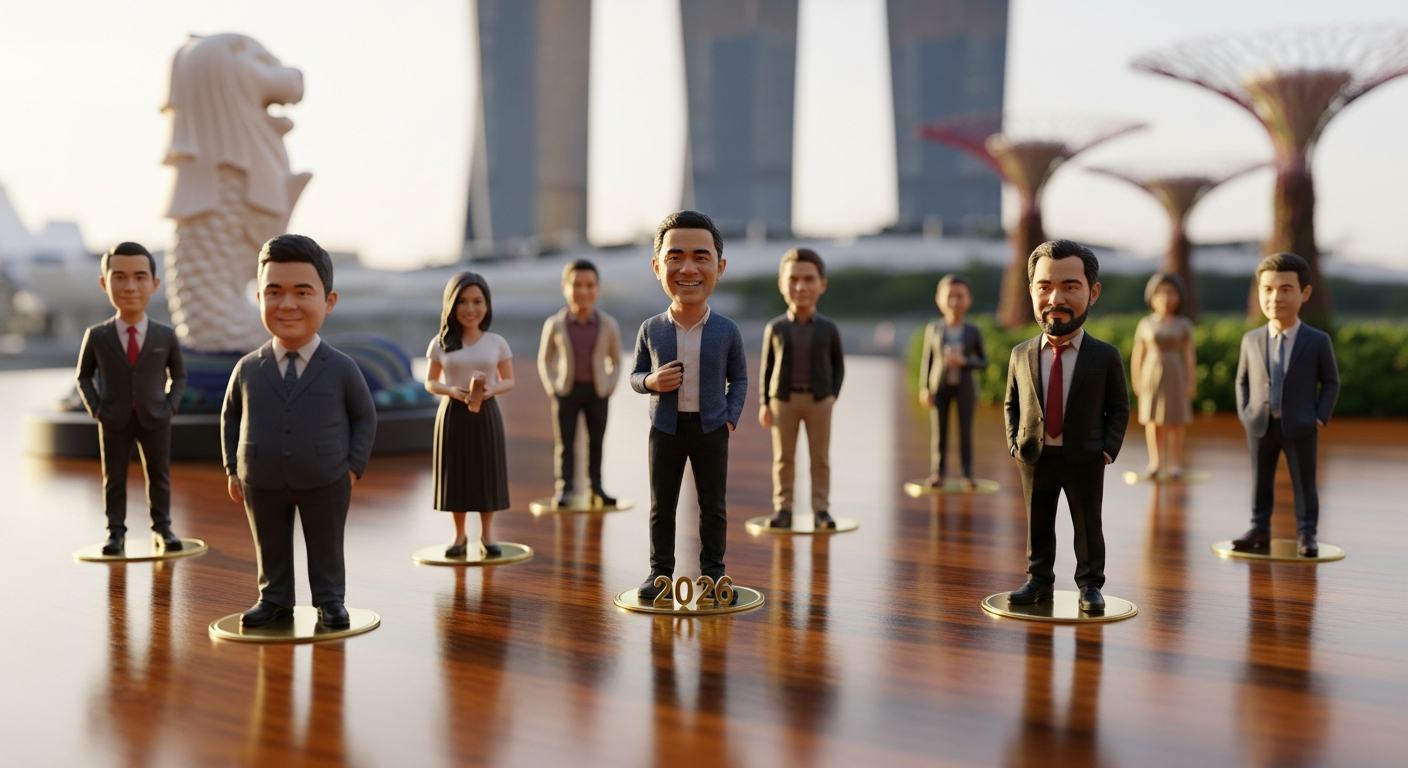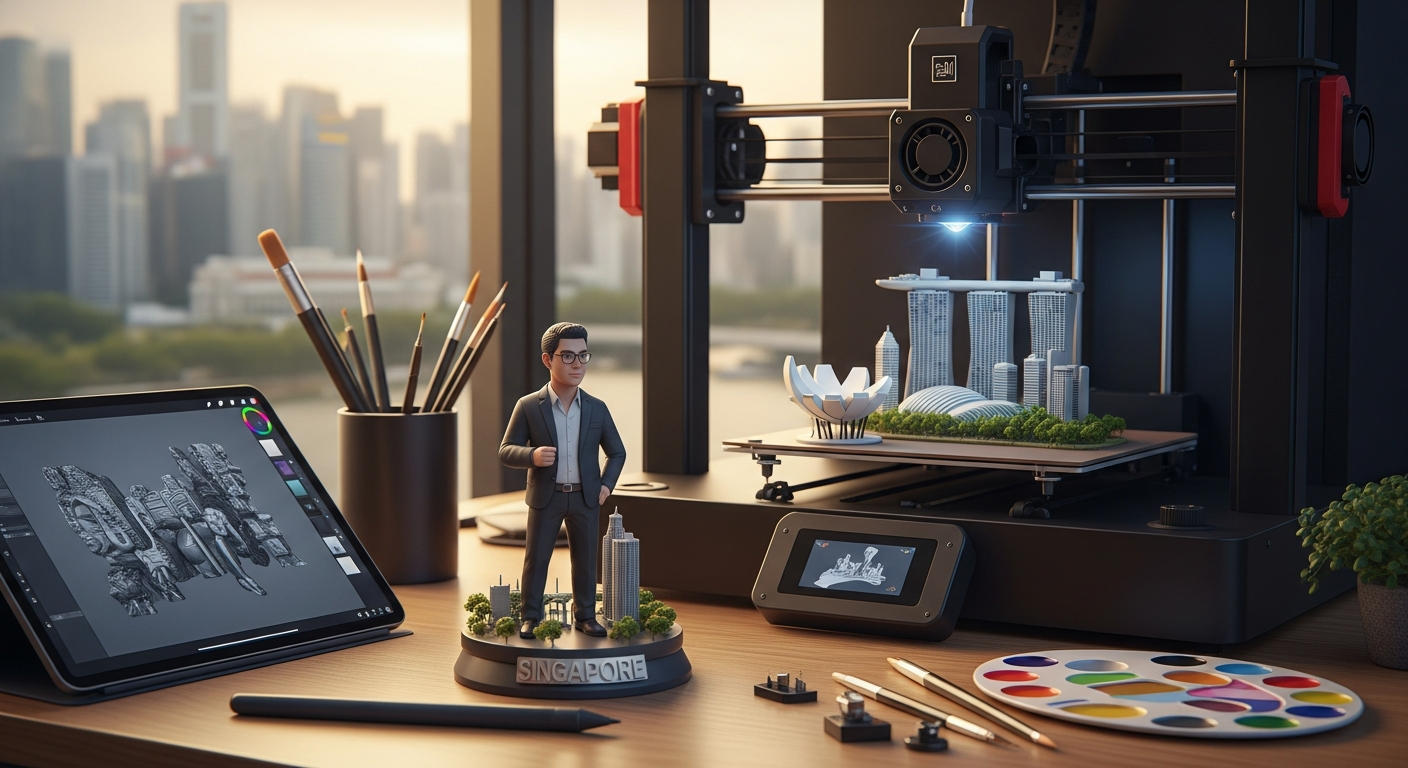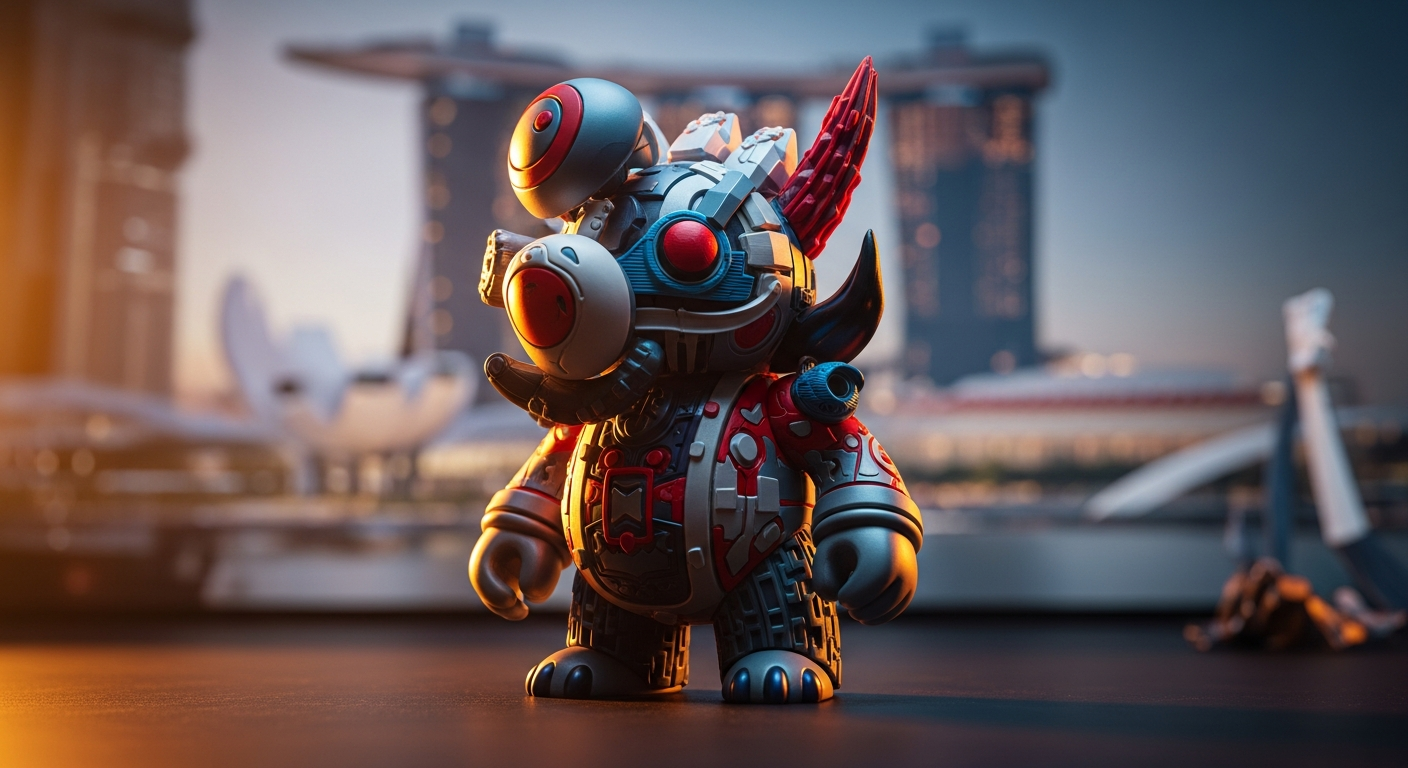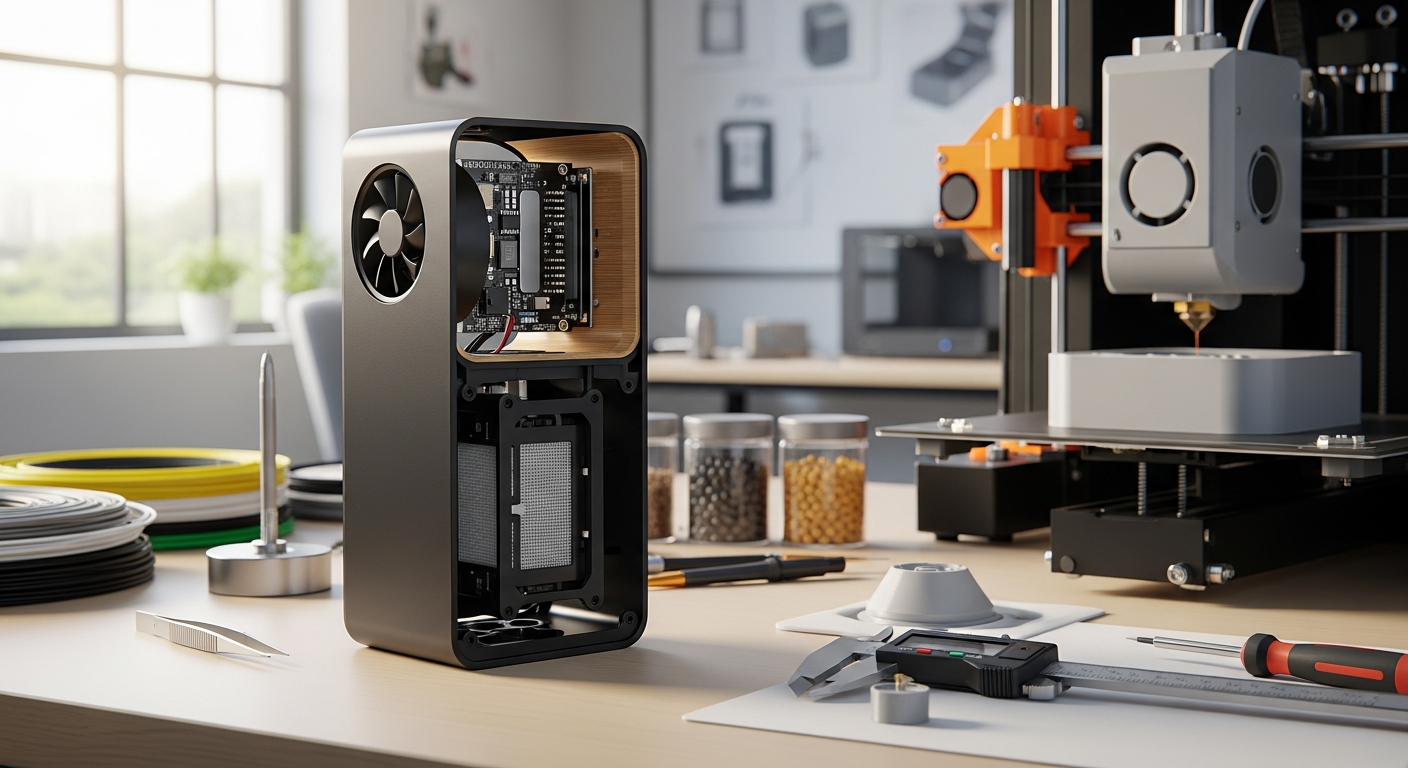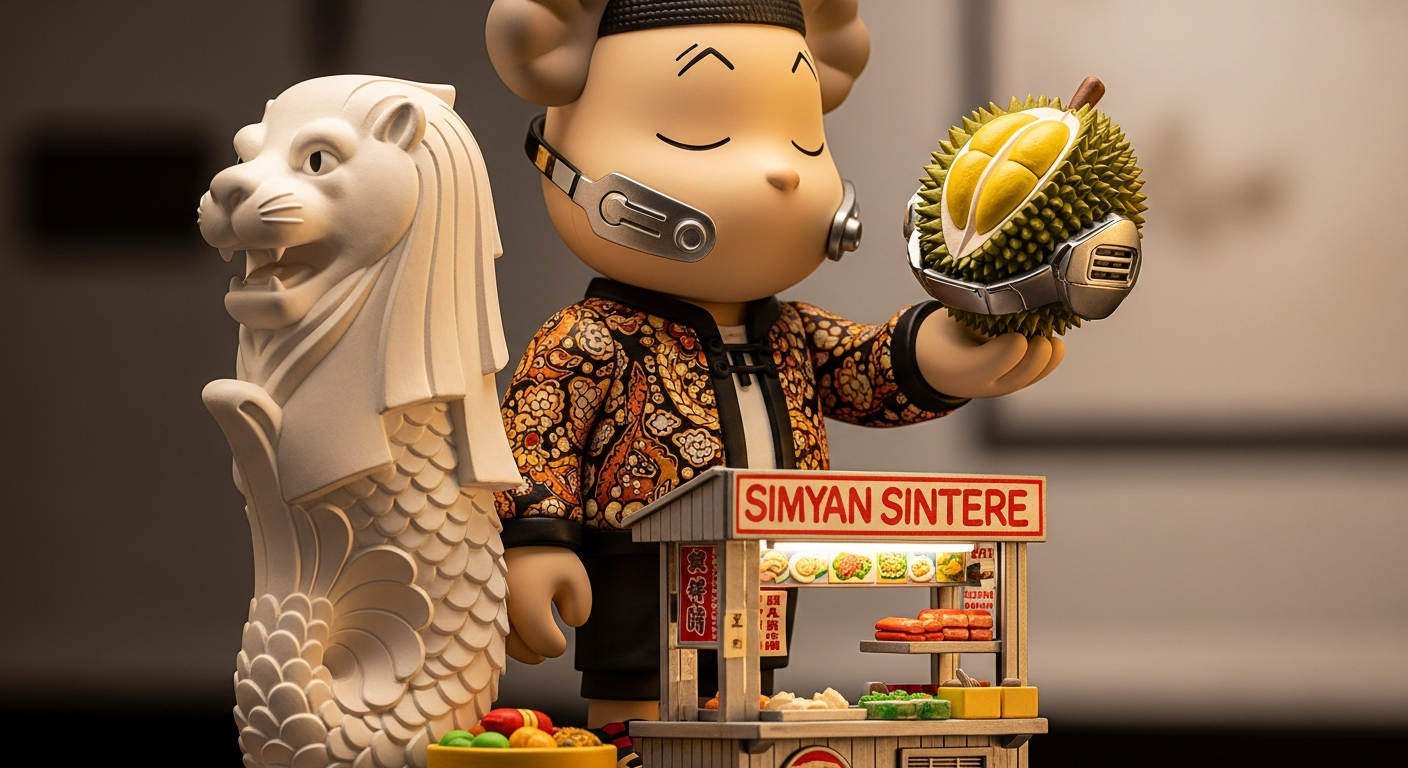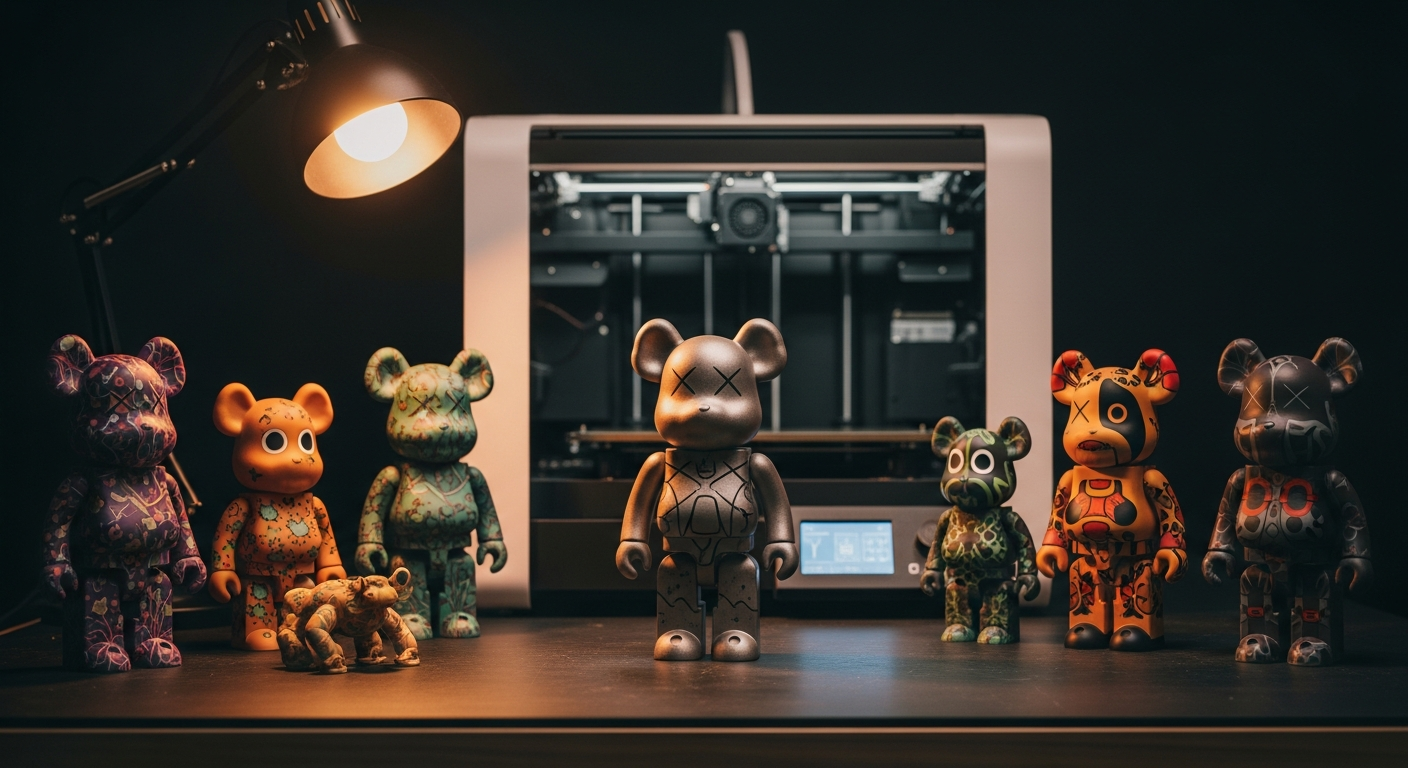
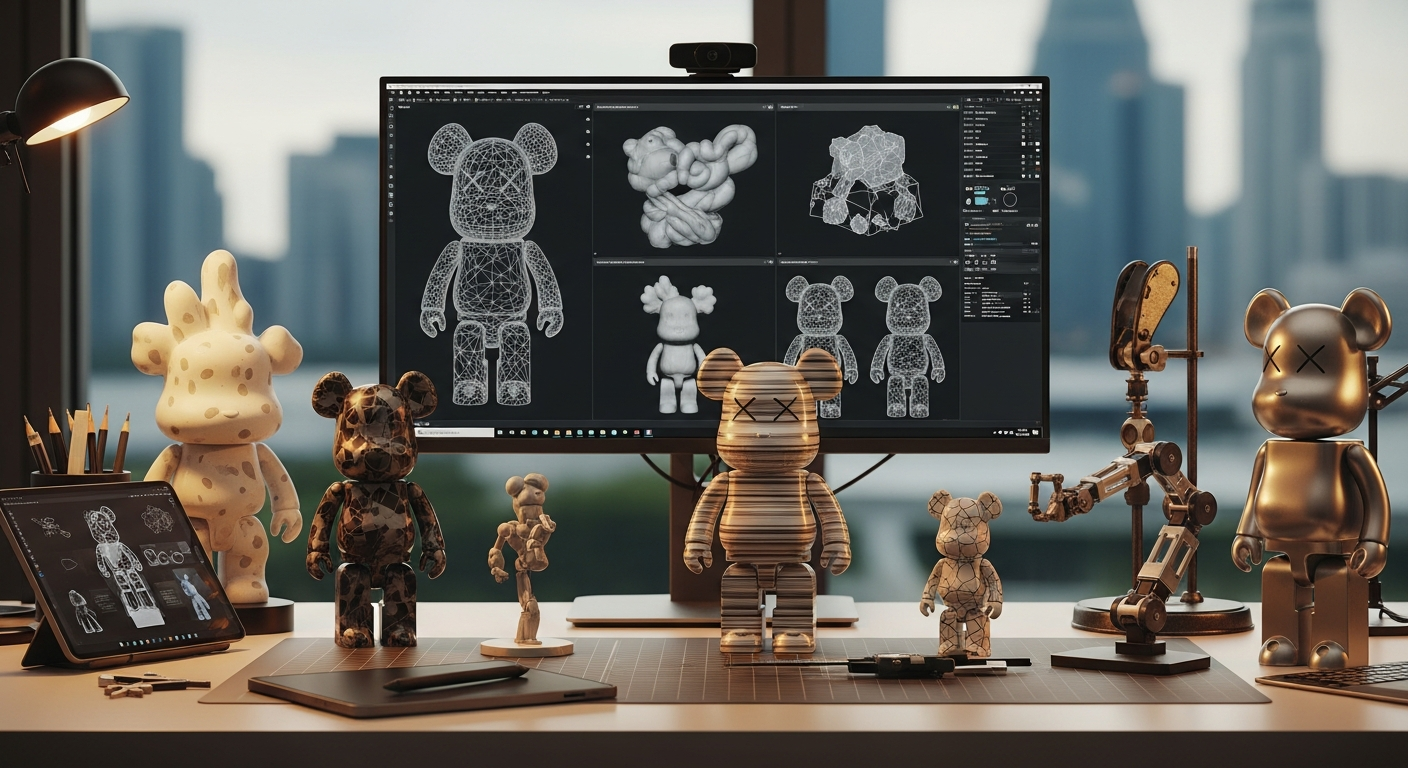

Collectors and creators are reshaping how toys are made, marketed and collected. Limited edition art toys have become cultural artifacts, blending designer storytelling with scarcity-driven desirability. For makers in Singapore and the region, access to advanced 3D printing turns ambitious concepts into collectible realities quickly and affordably. This article explains how a modern 3d printing service singapore is powering limited edition art toy drops, the workflows and technologies involved, and practical strategies for designers who want to capitalize on this trend.
Limited edition art toys are not just playthings; they are small-scale sculptures, statements and sometimes investments. Several forces make limited drops attractive today:
Designers use scarcity to create narrative tension—edition sizes of 50, 200 or 1,000 become part of the story. But scarcity only works when every unit feels premium and consistent, which is why production quality is essential. A professional 3d printing workflow can preserve detail and finish while keeping small runs economical.
Traditional manufacturing paths—hand-sculpting prototypes and injection molding—require high upfront costs and long lead times. A reliable 3d printing service singapore flips that model:
Working with an experienced provider also lets creators iterate visually and technically. Instead of committing to a final mold, a designer can test pose, articulation, surface texture and paint separations on several printed prototypes before freezing a final edition.
For hands-on guides to collectible workflows and print specifications, many creators refer to specialized resources on local services such as 3d printing service singapore.
The choice of print technology affects appearance, durability and post-processing time. Key options used for art toys include:
Material selection should align with the toy’s intended finish. For premium art toys that will be hand-painted, a high-resolution SLA print often provides the best canvas. If you need structural durability for moving parts, SLS or reinforced resins may be a better fit.
Practical finishing techniques include sanding, priming, pinning for assembly, and professional paintwork—processes that a quality 3D printing partner can execute or advise on.
A streamlined workflow is critical when planning a limited edition release. Typical stages are:
A Singapore-based 3d printing partner often helps reduce friction across these stages by handling engineering adjustments, providing color matching, and offering small-assembly services that are essential for high-value limited runs. For creators who need practical tips on translating prototypes into collectible products, resources like 3d printing service singapore for creators can be helpful.
Several trends are influencing how designers approach limited editions:
Designers aiming to stay ahead should consider how a local 3D printing partner enables flexible production and supports alternative finishes that match emerging tastes. Read more about market and tech shifts at art toys 3d printing service singapore trends.
3D printing excels at prototyping and small-batch production. Price per unit for additive manufacturing is higher than large-scale injection molding, but total project cost is often lower for editions under several thousand units because tooling costs are eliminated.
Consider these thresholds:
Many creators use a hybrid strategy—launch an initial limited run with 3D printing to validate demand, then scale with injection molding for subsequent larger releases. Services that specialize in scaling can help transition smoothly; see approaches to scaling at scale art toys with 3d printing service singapore.
If you want a deep dive into custom production workflows optimized for collectors, specialized pages on local services cover best practices, like how to approach custom art toys.
Collectors care about provenance and environmental impact more than ever. 3D printing can reduce waste compared with traditional methods when used smartly:
However, disposal of resin wastes and the energy footprint of some systems remain concerns. Choose providers with transparent material handling and recycling programs to ensure your limited edition aligns with ethical expectations.
A successful drop relies on more than manufacturing. Marketing strategies that resonate with collectors include:
Digital platforms and direct-to-collector storefronts make it easier to execute small but high-impact launches underpinned by precise production from a professional 3D printing partner.
Limited edition art toys combine storytelling, scarcity and craftsmanship. A mature 3d printing service singapore provides the technical fidelity, material options and flexible capacity that designers need to bring high-quality collectible drops to market quickly. From rapid prototyping to small-run production and finishing, additive manufacturing reduces risk, enables creative freedom and supports contemporary collector expectations. For creators planning a drop, aligning design, material strategy and a capable local production partner is the fastest route from idea to a memorable collectible that commands attention and preserves value.