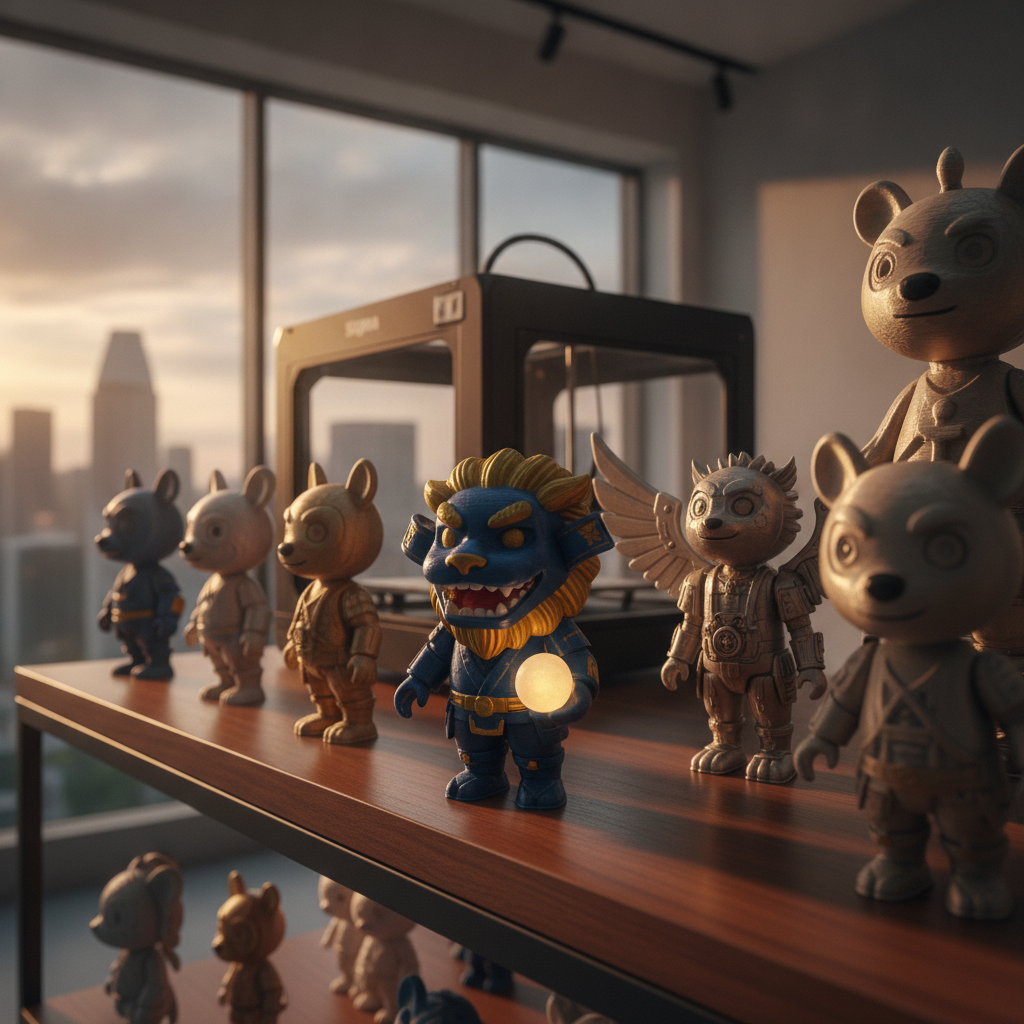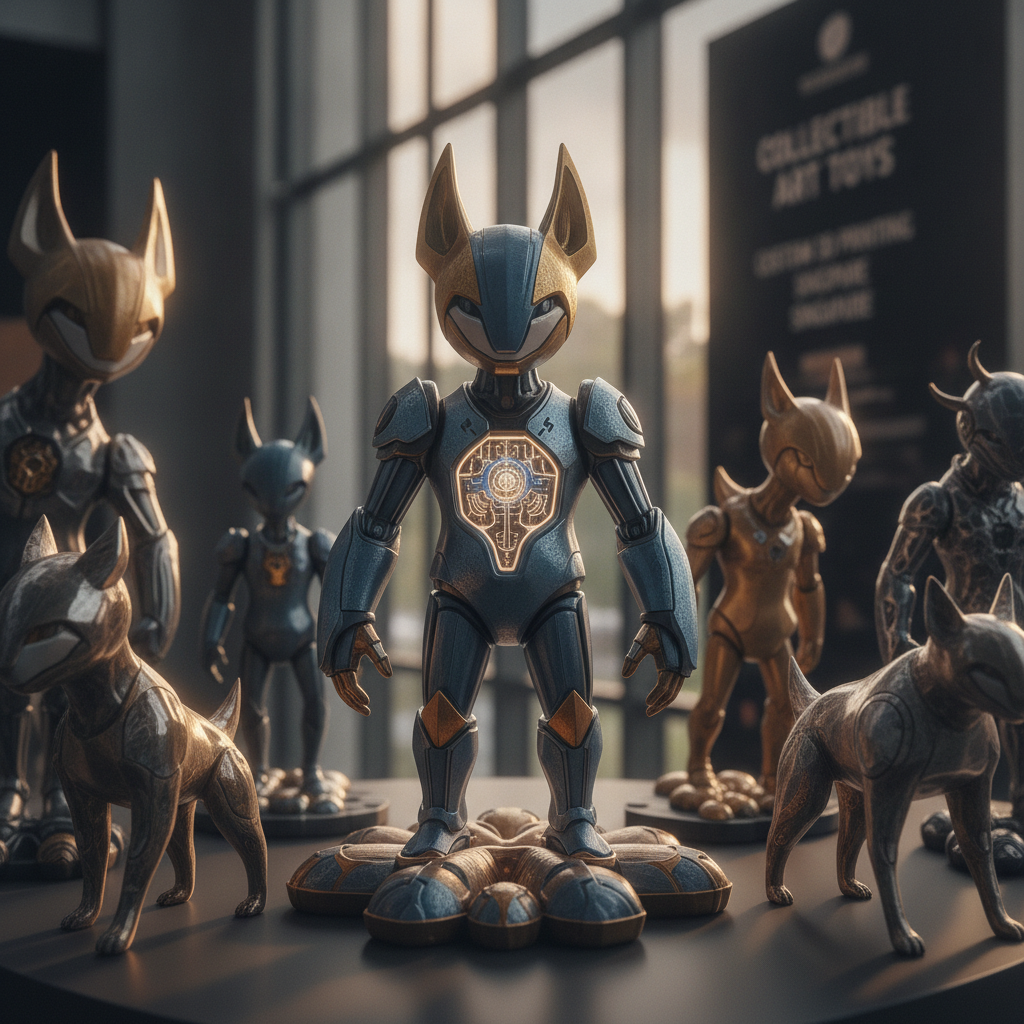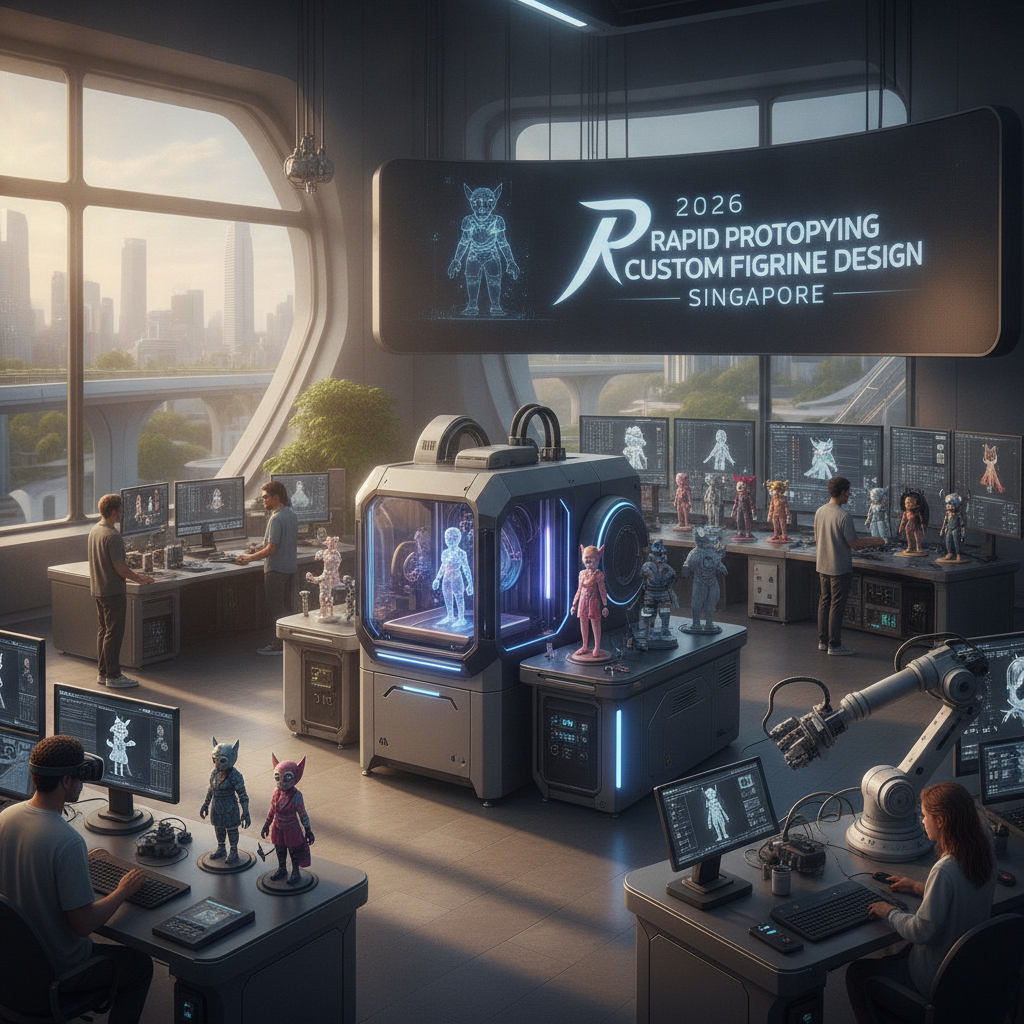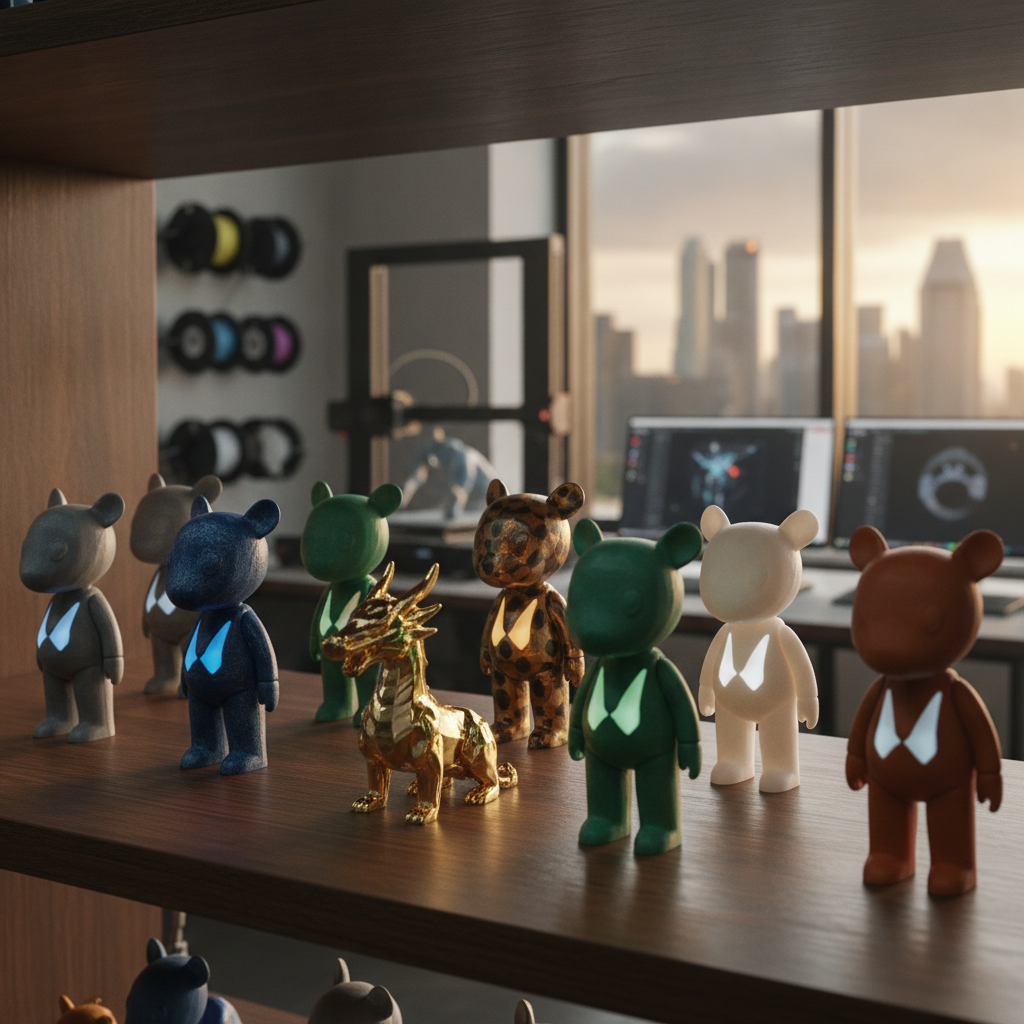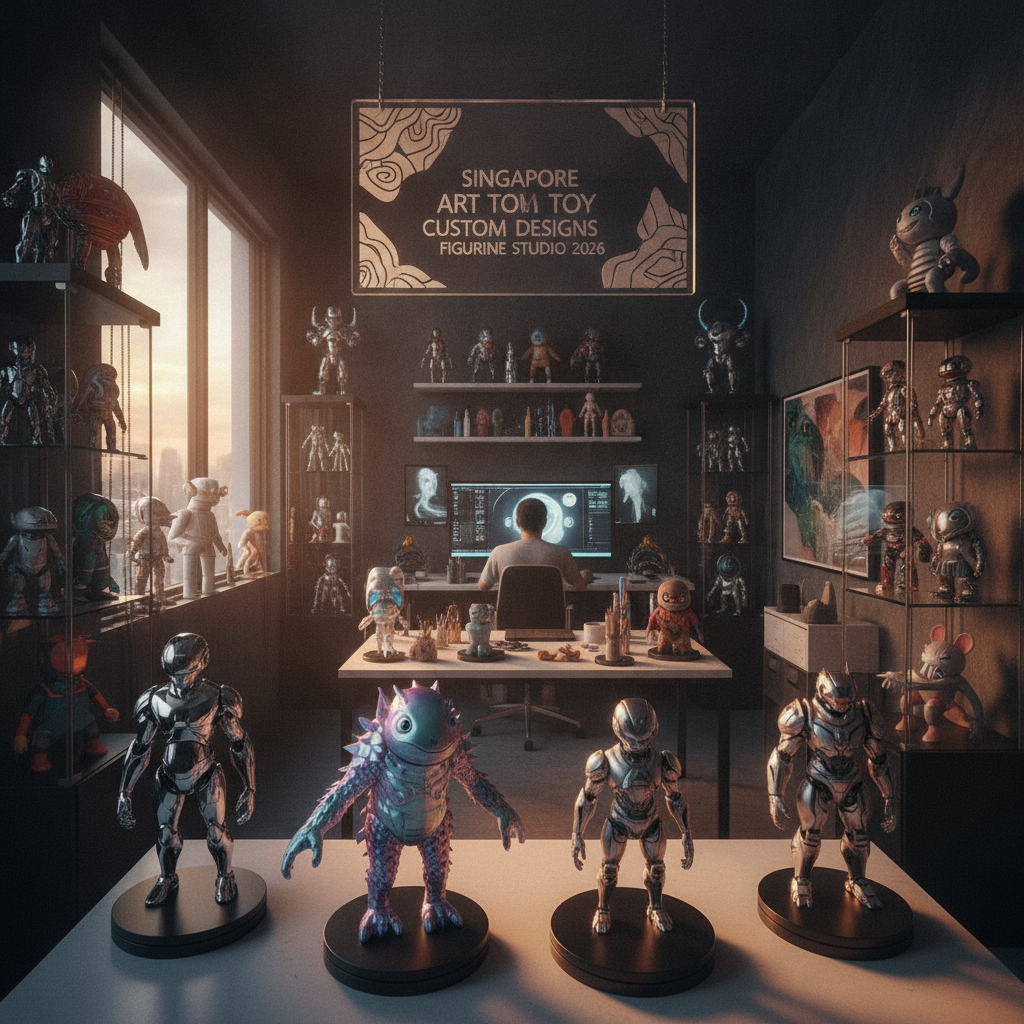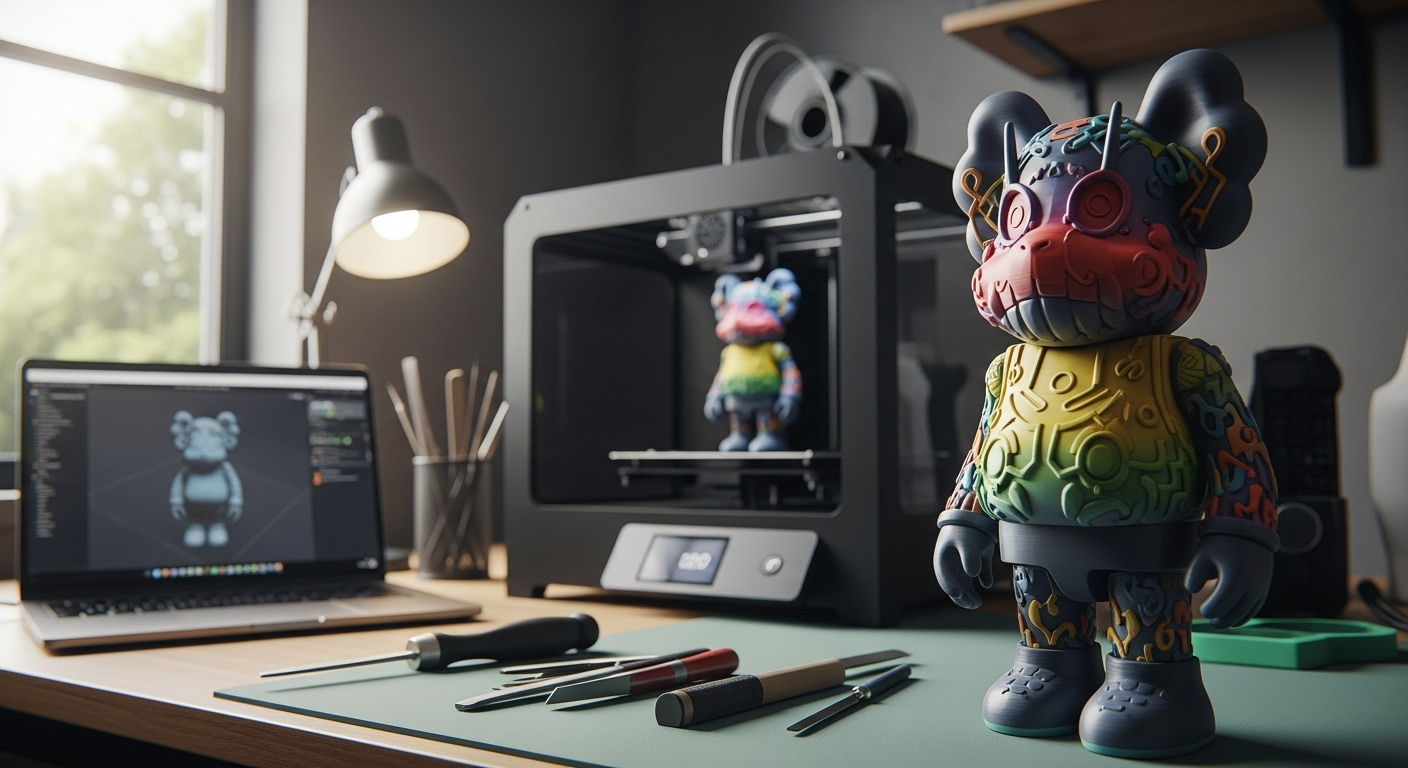

The convergence of collectible culture and manufacturing tech has propelled art toys from niche shelf displays to highly collectible designer objects. In 2025, demand for personalized, limited edition pieces is rising, driven by social media, collaborations between artists and brands, and rapid advances in additive manufacturing. For creators and small studios in Singapore, selecting the right 3D printing partner is now a strategic decision that affects design fidelity, production cost, finish quality and environmental impact.
Whether you are an established toy artist designing a new run or a first-time creator exploring small-batch production, understanding how 3D printing works for art toys will help you deliver a distinctive product. Below is an actionable guide that covers materials, processes, workflow tips and what to expect when working with a 3d printing service singapore.
Several trends are fueling the art toy market. Collectors increasingly seek scarcity, provenance and craftsmanship, while artists leverage limited drops, collaborations and digital marketing to reach global audiences. Augmented reality try-on tools and digital twins add new value propositions, letting buyers preview toys in their space or collect a verified digital companion.
Technological advances also matter. Full-color 3D printing, improved resin technologies, and hybrid manufacturing let creators realize complex textures, undercuts and integrated joints without months of tooling. These innovations reduce time to market and enable cost-effective runs of dozens to thousands of units, a sweet spot for indie brands and galleries.
If you are exploring this space, start by prototyping a single piece and then iterate on finishes and assembly. For design resources and professional fabrication options, many artists refer to established studios that specialize in art toys and collectibles like art toys.
Working with a professional 3D printing service singapore brings several advantages. First, Singapore is a logistics and manufacturing hub in Southeast Asia, so turnaround and shipping are efficient for regional and global distribution. Second, local providers understand compliance, small-batch requirements and finishing techniques sought by collectors.
Services typically offer an end-to-end workflow: file review, structural optimization, choice of printing technology, post-processing, painting and final assembly. For complex figures, they can produce master prototypes suitable for silicone molding if you later plan resin casting. For a digital-first approach, many providers also assist with color management for full-color 3D prints, ensuring the final piece matches the designer’s palette.
To quickly move from concept to market, partner with a provider experienced in collectibles and designer toys. If you need a reliable studio to prototype or produce your figures, consider checking portfolios from specialized suppliers such as 3D printing.
Material choice dictates the final look and durability of an art toy. Common options include:
Post-processing options transform a raw print into a gallery-ready piece. Sanding, primer coats, hand painting, airbrushing, flocking and chrome plating are common finishes. For ultra-premium runs, consider pad printing or tampography for fine text and logos.
Some studios provide integrated finishing in-house. If surface finish is central to your concept, look for providers who demonstrate consistent painting and finishing work in their portfolio, such as examples listed under custom art toys.
A successful print starts with a well-prepared 3D file. Key design guidelines include:
Export formats such as STL and OBJ are standard, but for color and texture information consider VRML/X3D or 3MF. Many production shops in Singapore offer file checks and will send a DFM (design for manufacturing) report before printing.
Pricing varies by technology, material and finish. Expect higher per-unit costs for small runs, especially with complex hand-finishing. Typical considerations:
Sustainability is becoming central. Recyclable nylons, lower-VOC paints, and reclaimed support material processes reduce environmental impact. Many modern shops emphasize waste reduction and solvent recycling, and they can advise on material choices that balance longevity and eco impact.
For realistic quotes and lead times, send a clear brief including desired material, finish, target run size and reference images to a trusted provider, or start with a partner known for art toy production like 3d printing service singapore.
For hands-on collaboration and consistent quality, many artists choose local studios that balance creative sensibility with manufacturing expertise, such as those featured among trusted partners like art toys.
The combination of creative vision and modern 3D printing technologies makes 2025 an exciting year for custom art toys. With the right partner, detailed file preparation and informed material choices, creators can produce highly collectible, market-ready figures without the lengthy lead times and costs of traditional tooling. Approach the process methodically, prioritize prototypes and finishes, and select a Singapore-based 3D printing service that understands the collectible market. Partnering with an experienced provider ensures your art toys stand out for design, quality and sustainability.