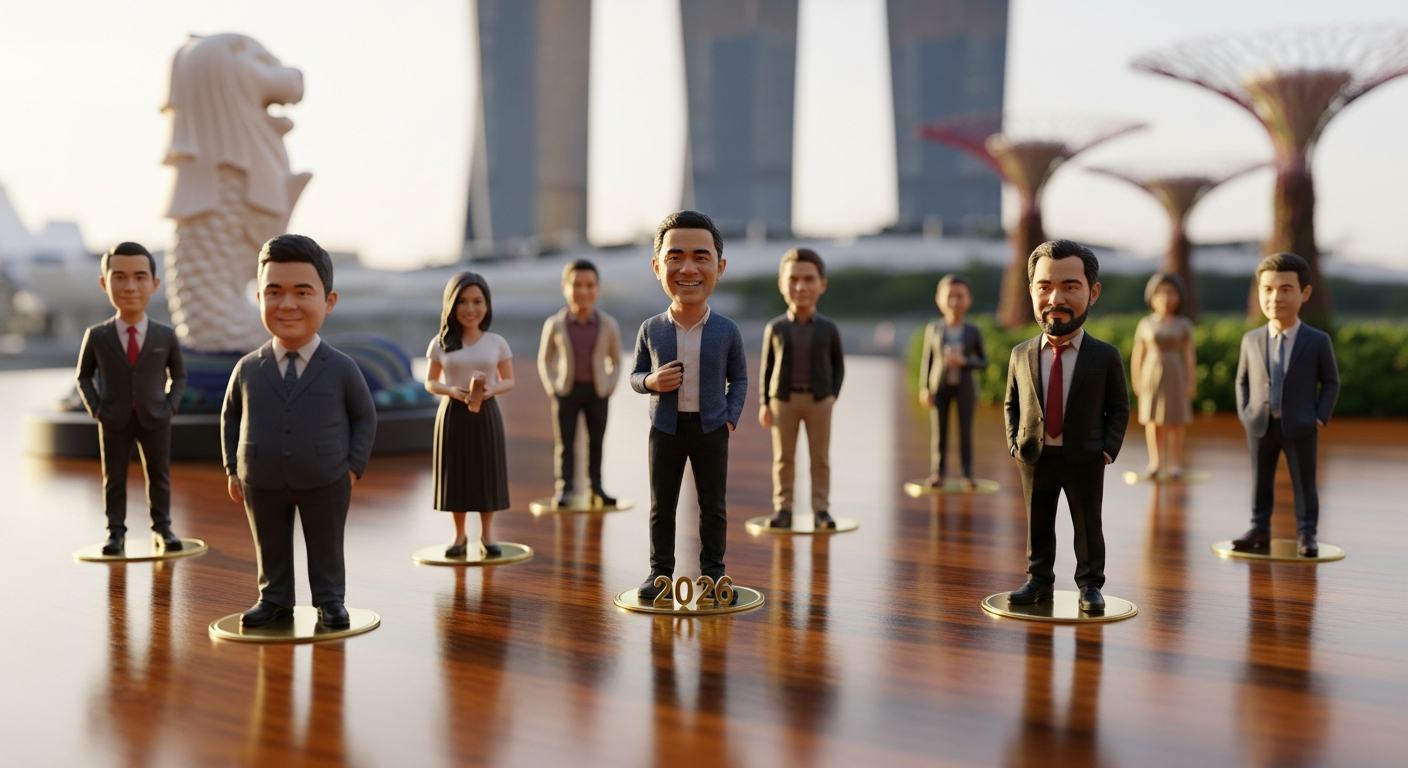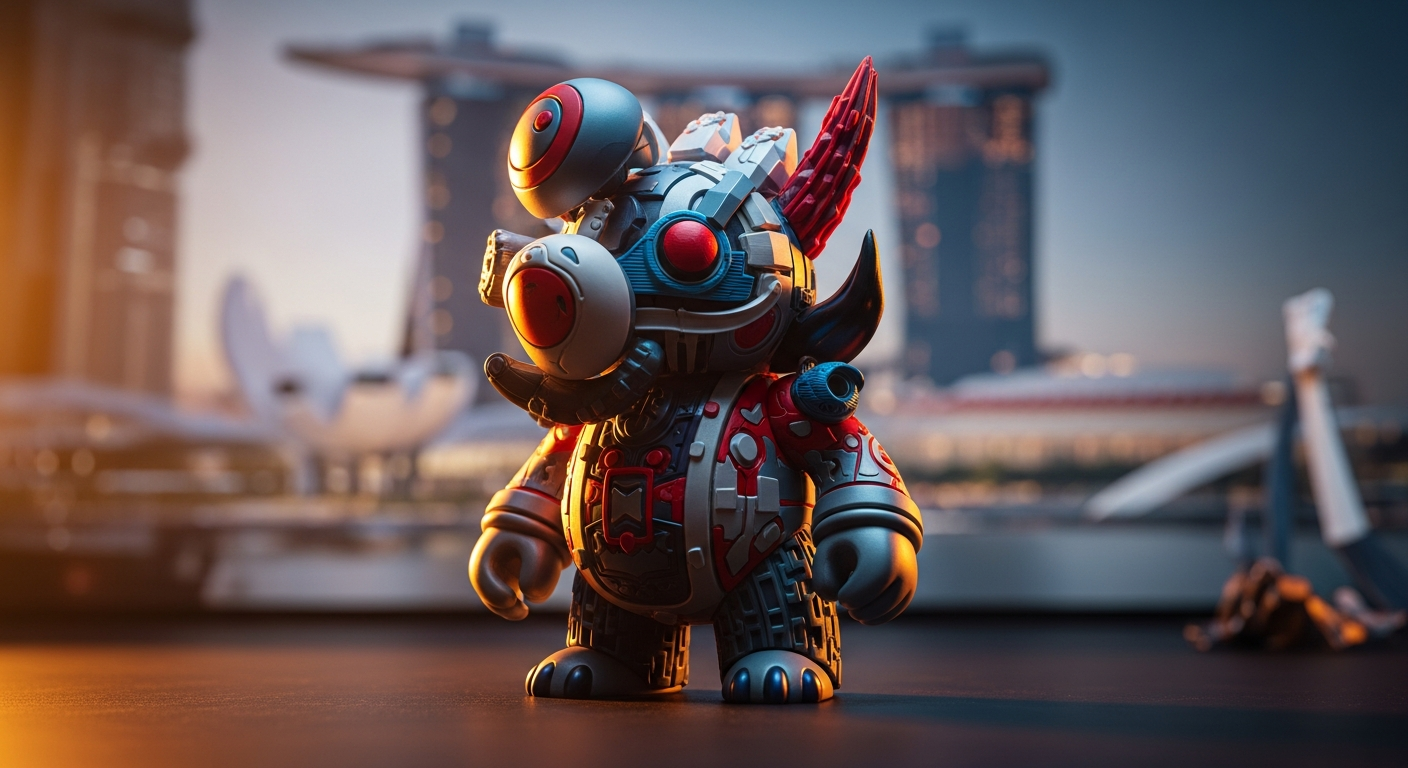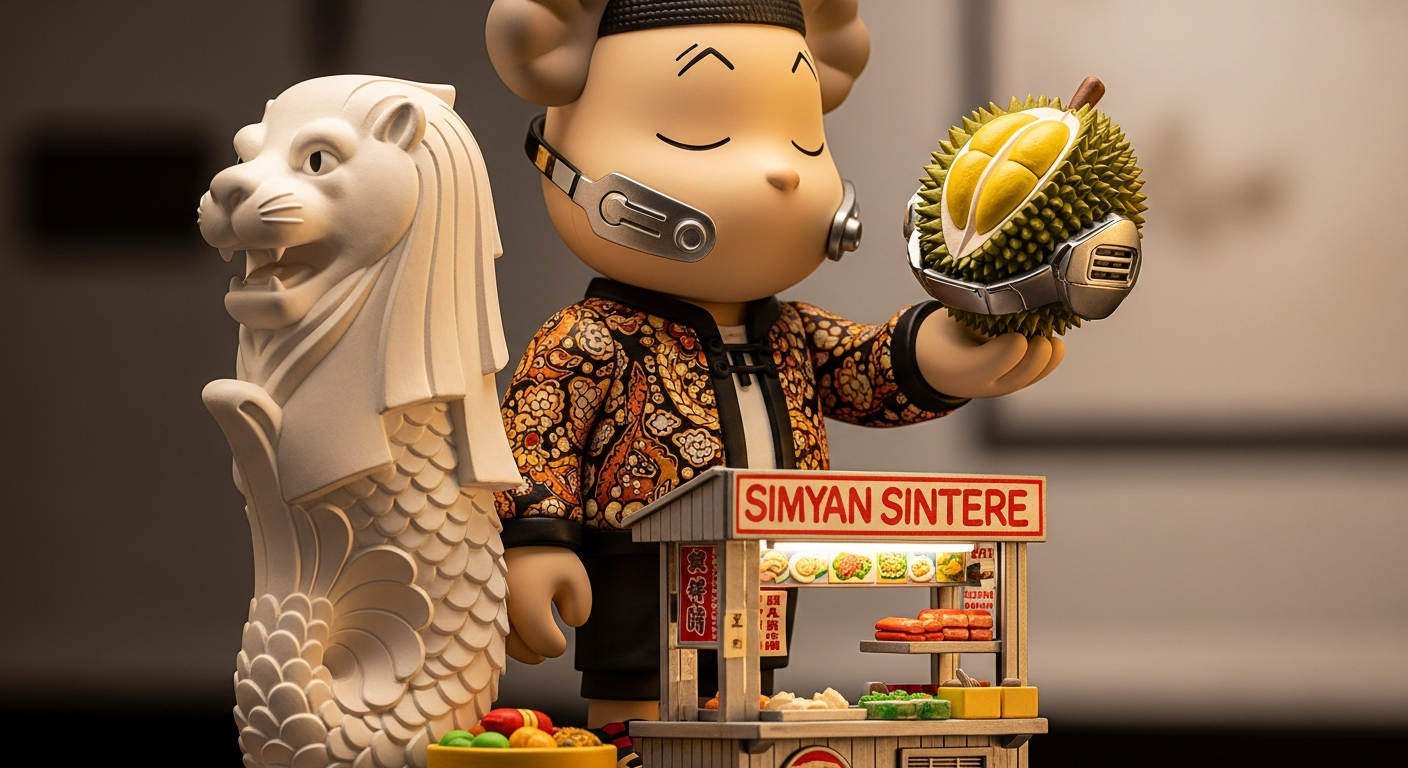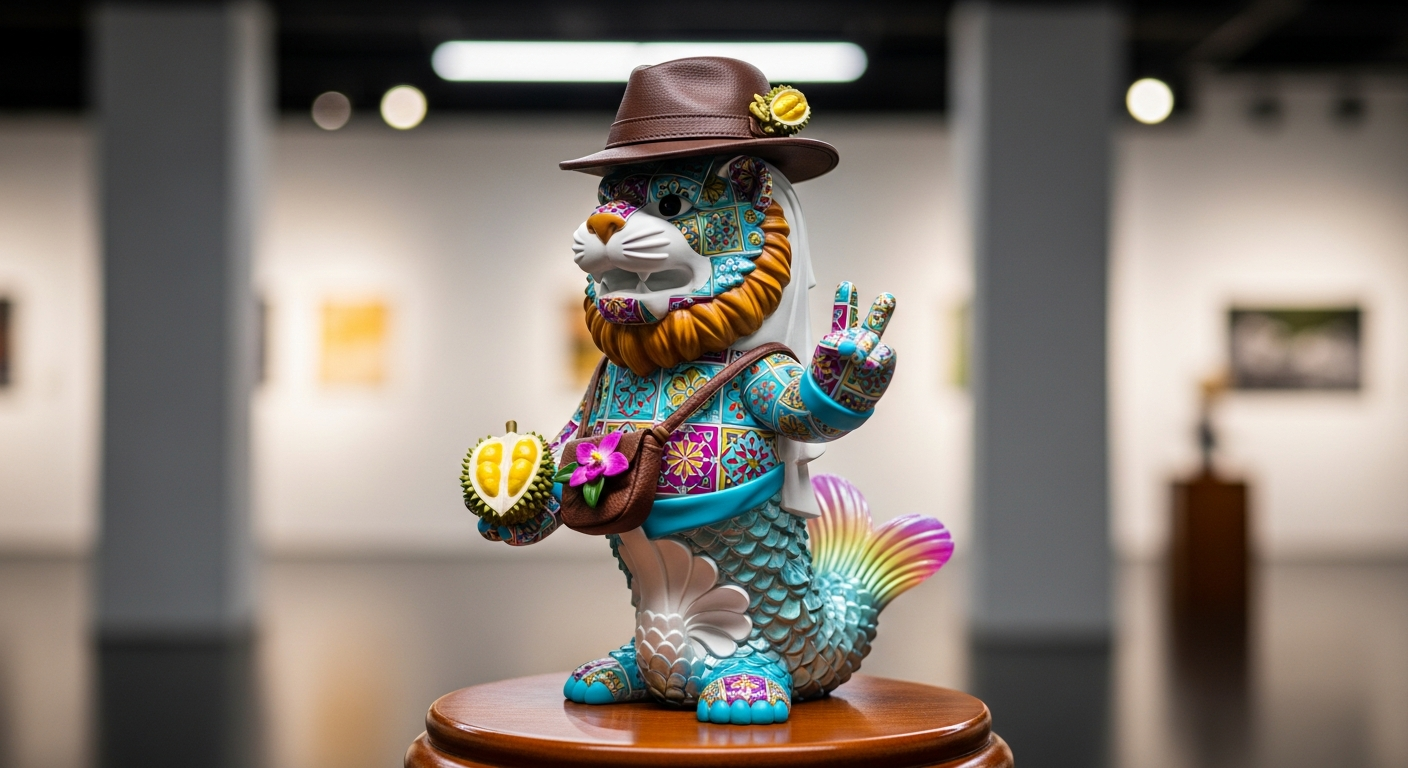

Singapore’s designer toy scene has evolved from niche hobbyist circles into a dynamic market where artists, brands, and collectors converge. Limited edition art toys capture attention by blending art, storytelling, and scarcity. At the heart of that movement is thoughtful custom figurine design Singapore — a process that turns creative concepts into collectible pieces with cultural and commercial value.
This article explains how limited edition art toys are designed and produced in Singapore, clarifies prototyping and material choices, and outlines practical strategies for launching collectible runs that resonate with collectors.
Over the past decade, Southeast Asia — and Singapore in particular — has seen an acceleration in demand for bespoke art toys. Contributing factors include strong design schools, international toy fairs, pop-up culture, and social media communities that amplify drops. Limited edition art toys thrive on narrative and exclusivity, which help creators cultivate engaged communities and premium secondary markets.
Collectors are increasingly looking for pieces that tell a story, demonstrate craftsmanship, and come with provenance. For designers and brands, this is an opportunity to convert art into tangible assets through well-executed custom figurine design Singapore processes.
A limited run becomes valuable when design choices reinforce scarcity and desirability. Custom figurine design Singapore is not simply about aesthetics; it’s about:
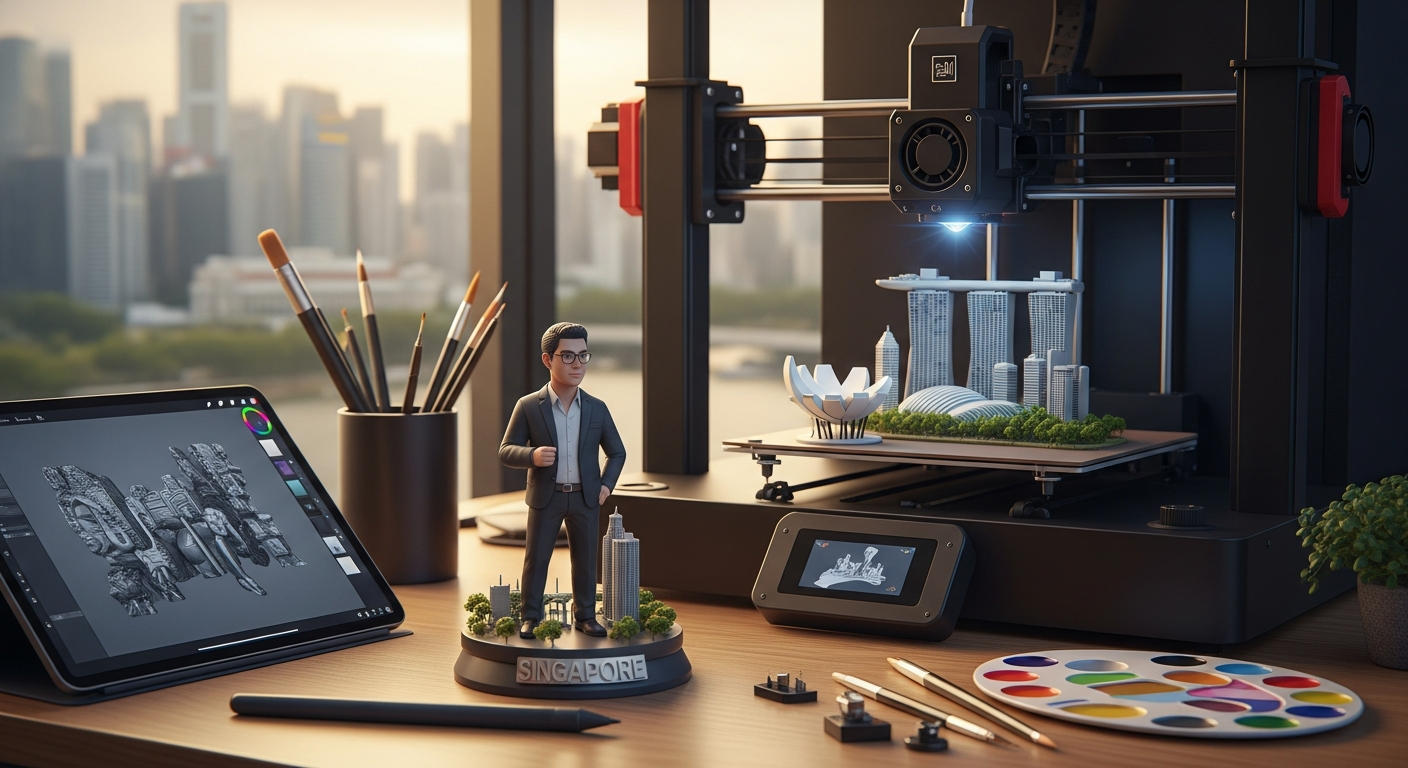
To move from concept to collectible, many creators leverage professional services to manage the entire pipeline, from digital sculpting to production. For artists wanting a hands-on production route, an option is to order custom figurines with 3D printing to control iteration and quality.
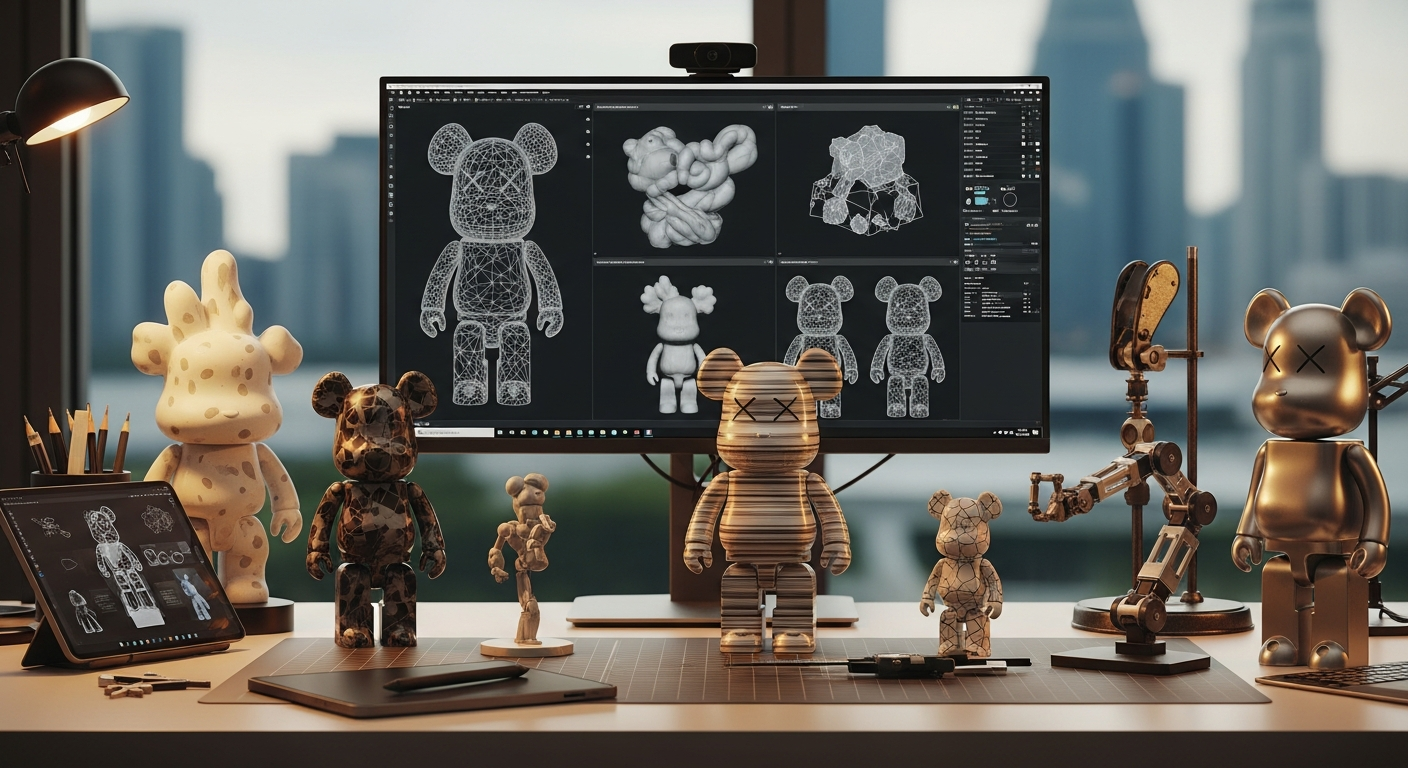
Rapid prototyping is essential for refining scale, articulation, and tooling considerations. Digital sculpting tools paired with 3D printing let teams test multiple pose variants, head sculpts, and accessory concepts quickly. Iteration reduces costly mistakes during final production and ensures the collectible feels premium.
Many studios now offer AI-assisted workflows that accelerate concept-to-prototype turnaround while preserving creative control. Artists interested in optimized workflows should explore AI-ready rapid prototyping to reduce iteration time and validate design choices before committing to a limited run: https://artsoustudio.com/ai-ready-rapid-prototyping-singapore-for-custom-3d-printing-2/.
Material choice affects look, durability, and price. Common options include:
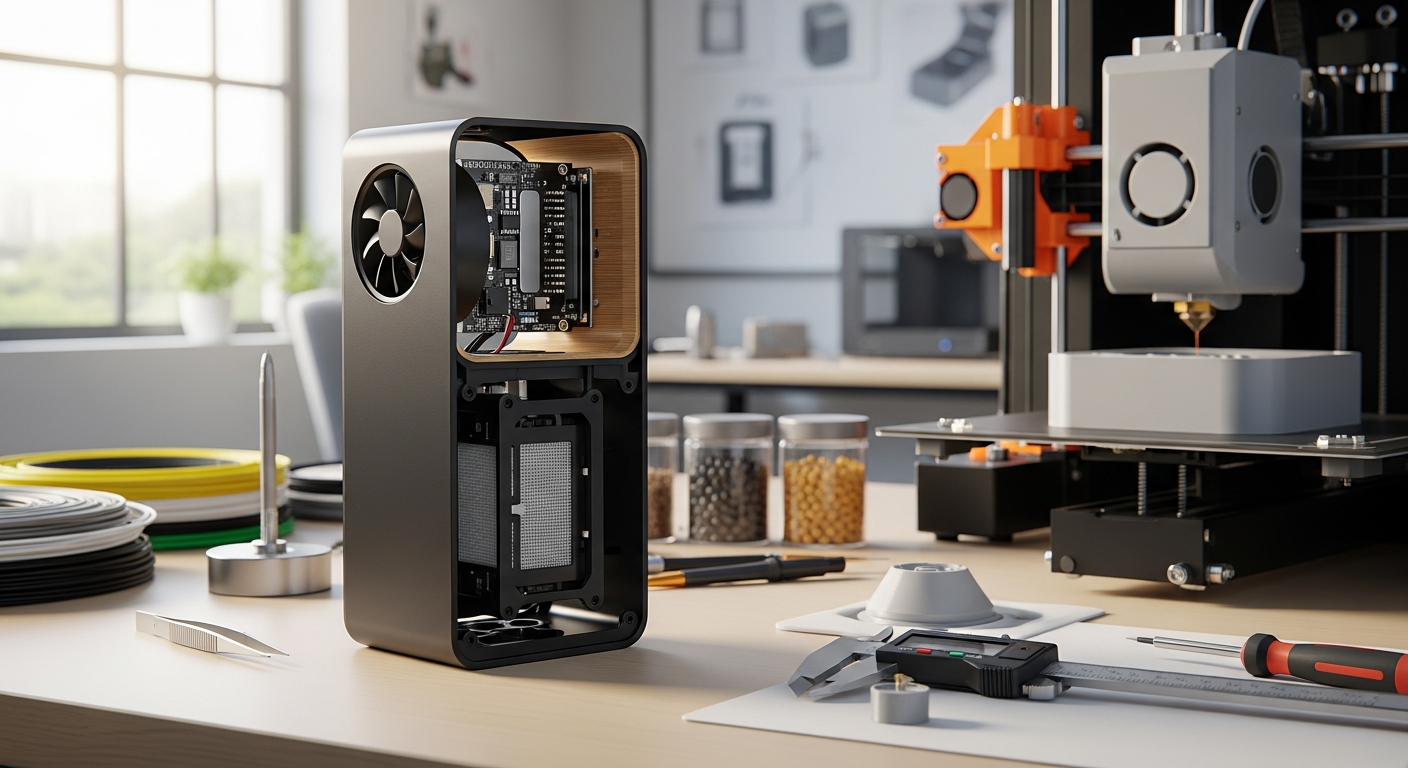
Singapore studios offer Tiered strategies: budget-conscious creators can explore budget FDM 3D printing for collectible art toys to prototype affordably, then move to higher-end techniques for the official limited run.
Limited editions rely on carefully thought-out scarcity. Consider these approaches:
Plan your edition sizes with production lead times and potential aftermarket interest in mind. Overproducing dilutes value; underproducing risks unmet demand.
Finishing is where a toy transforms into a collectible. Quality control should include:
Hand-painting or artisanal finishes often increase perceived value. For creators who want a blend of precision and craft, custom 3D printing studios in Singapore can support both digital production and hand-finishing. Explore professional custom 3D printing Singapore custom figurine design services to ensure museum-quality finishes.
Packaging is a critical touchpoint. Limited edition art toys benefit from packaging that complements the story and protects the product. Include:
A thoughtful unboxing experience increases collector satisfaction and social sharing — crucial for viral drops.
Successful launches mix scarcity tactics with community engagement:
Staggering releases and leveraging micro-influencers in the designer toy scene often delivers better ROI than one-off mass campaigns.
Price models should reflect material cost, labor, edition size, and brand value. Early secondary market performance is influenced by narrative, artist reputation, and the scarcity profile of the drop. Consider long-term strategies like limited artist-signed runs or future series commitments to keep secondary demand strong.
For creators unsure about pricing, running a small pilot or pre-order round helps calibrate demand and final pricing.
Sustainable practices elevate brand perception. Options include:
Sustainability resonates with an increasingly eco-conscious collector base and can be integrated into the story of a limited edition release.
Singapore’s efficient logistics and creative services make it a practical base for regional distribution. Key operational points:
For tight timelines, studios that specialize in rapid prototyping and low-volume production are invaluable; many offer combined services such as finishing and small-batch casting to accelerate time-to-market. See examples of limited-run workflows with limited edition art toys rapid prototyping to understand typical lead times and cost trade-offs.
Collaborations between artists, brands, and retailers can rapidly increase visibility. Licensed IP brings built-in audiences, while designer collaborations bring artistic credibility. Contracts should clarify royalty splits, production approvals, and territorial rights.
When pursuing licensed projects or cross-disciplinary collaborations, align expectations early to protect both creative control and commercial upside.
Studios that specialize in the end-to-end process of bringing designer toys from concept to collectible can streamline this path. If you want a partner for the full pipeline, review professional limited edition and custom 3D printing services to align production capabilities with creative goals.
Limited edition art toys in Singapore are a meeting point of creativity, craft, and commerce. Thoughtful custom figurine design Singapore strategies — from prototyping and material selection to packaging and launch tactics — determine both immediate success and long-term collectible value. By combining disciplined production workflows with compelling storytelling and community-driven marketing, creators can produce limited runs that resonate with collectors and stand the test of time.
Partnering with experienced prototyping and production studios streamlines the technical steps and frees creators to focus on design and storytelling, ensuring limited edition runs become meaningful cultural and commercial artefacts.
For practical examples of production pathways and prototyping techniques, review available studio resources and case studies that match your ambitions and timeline.