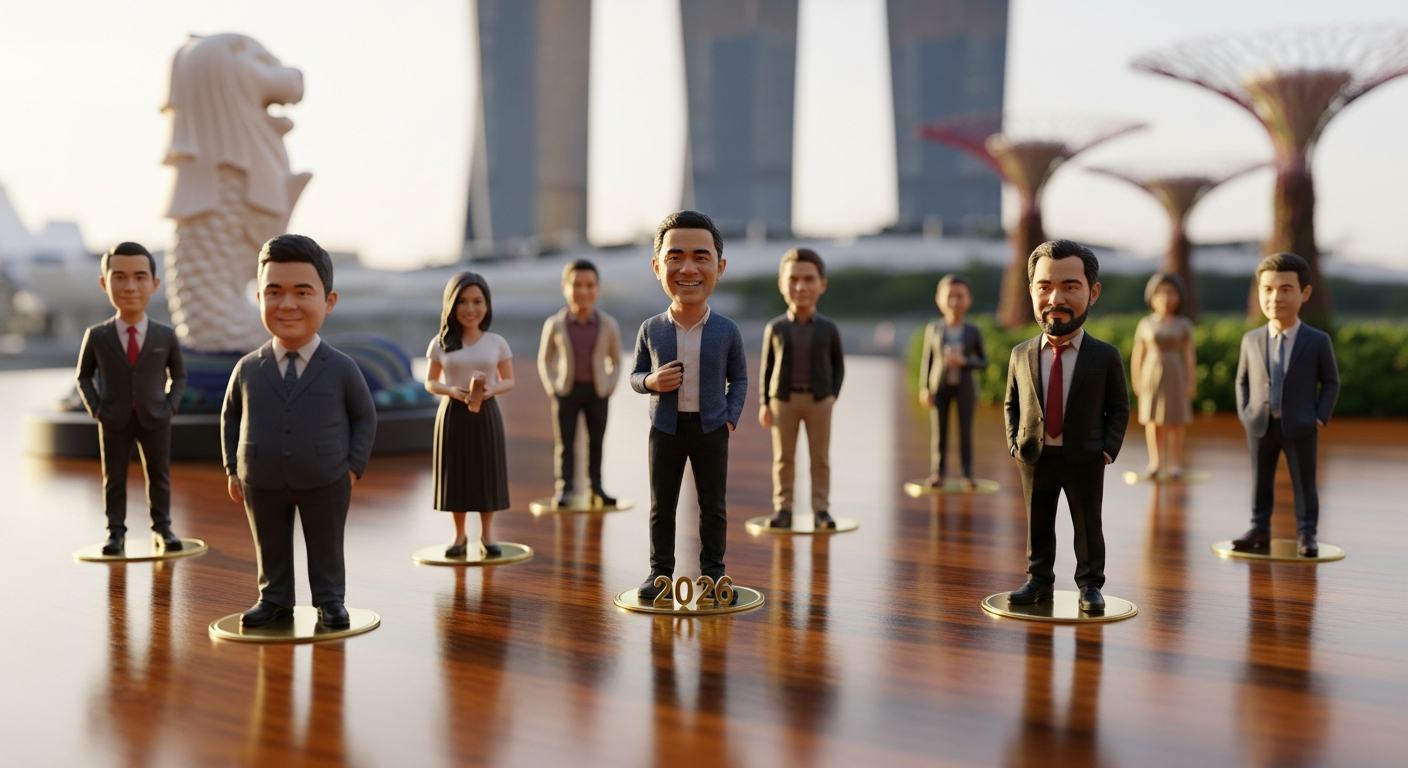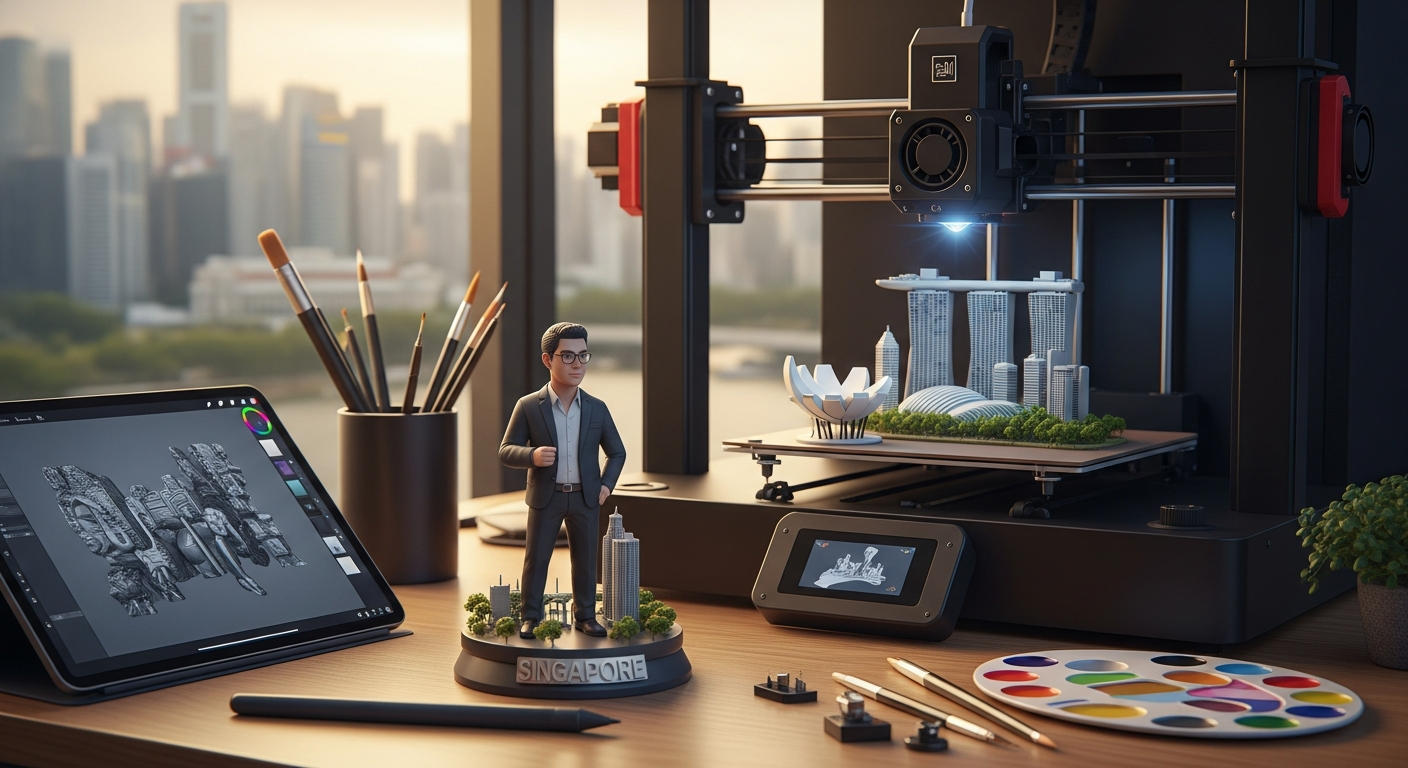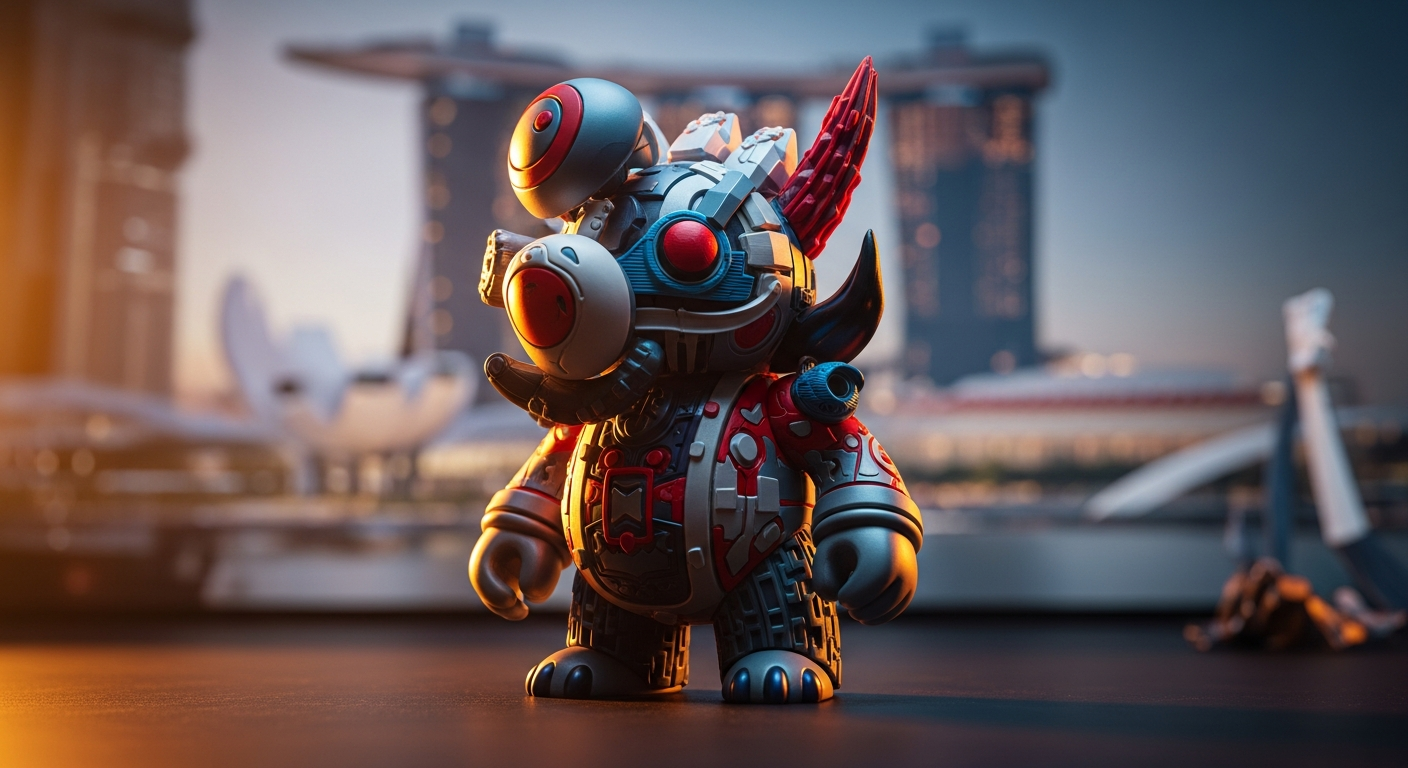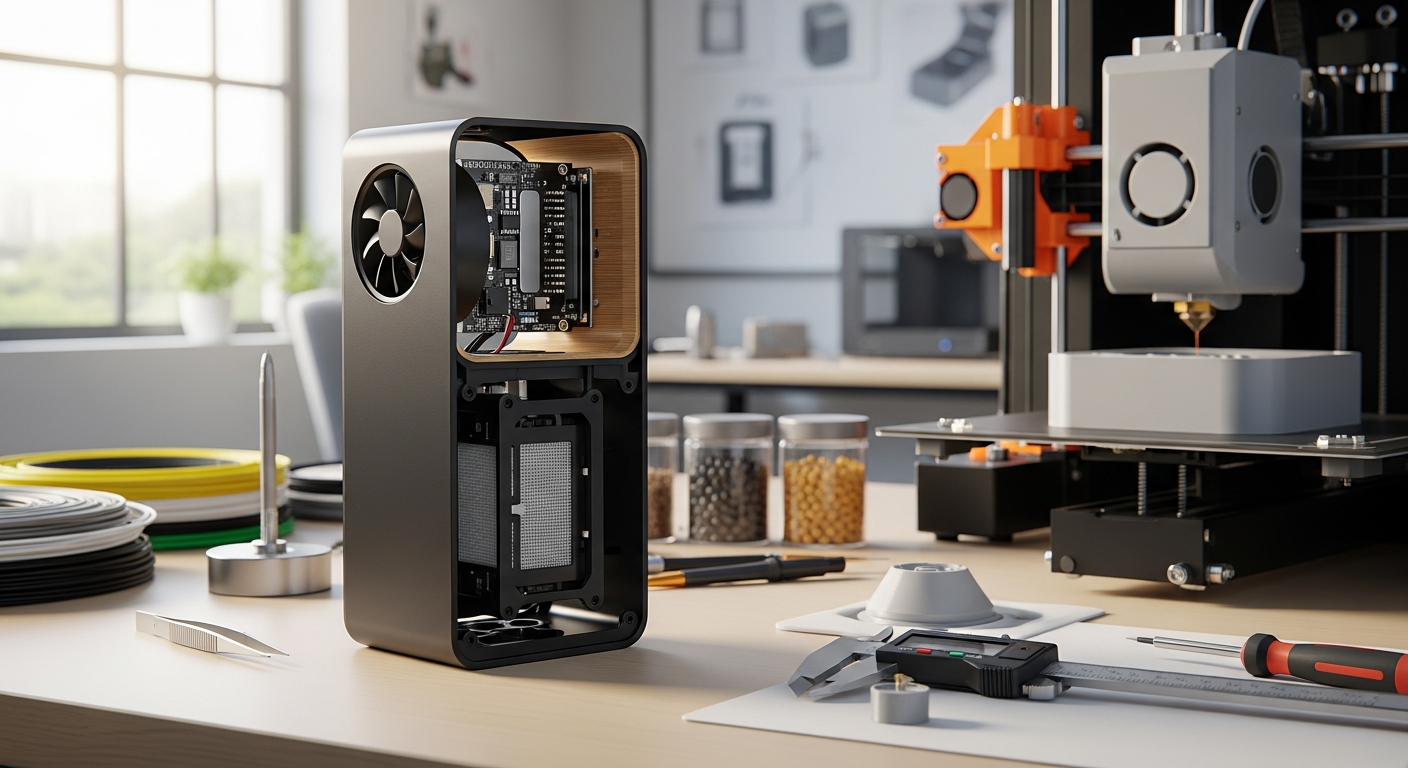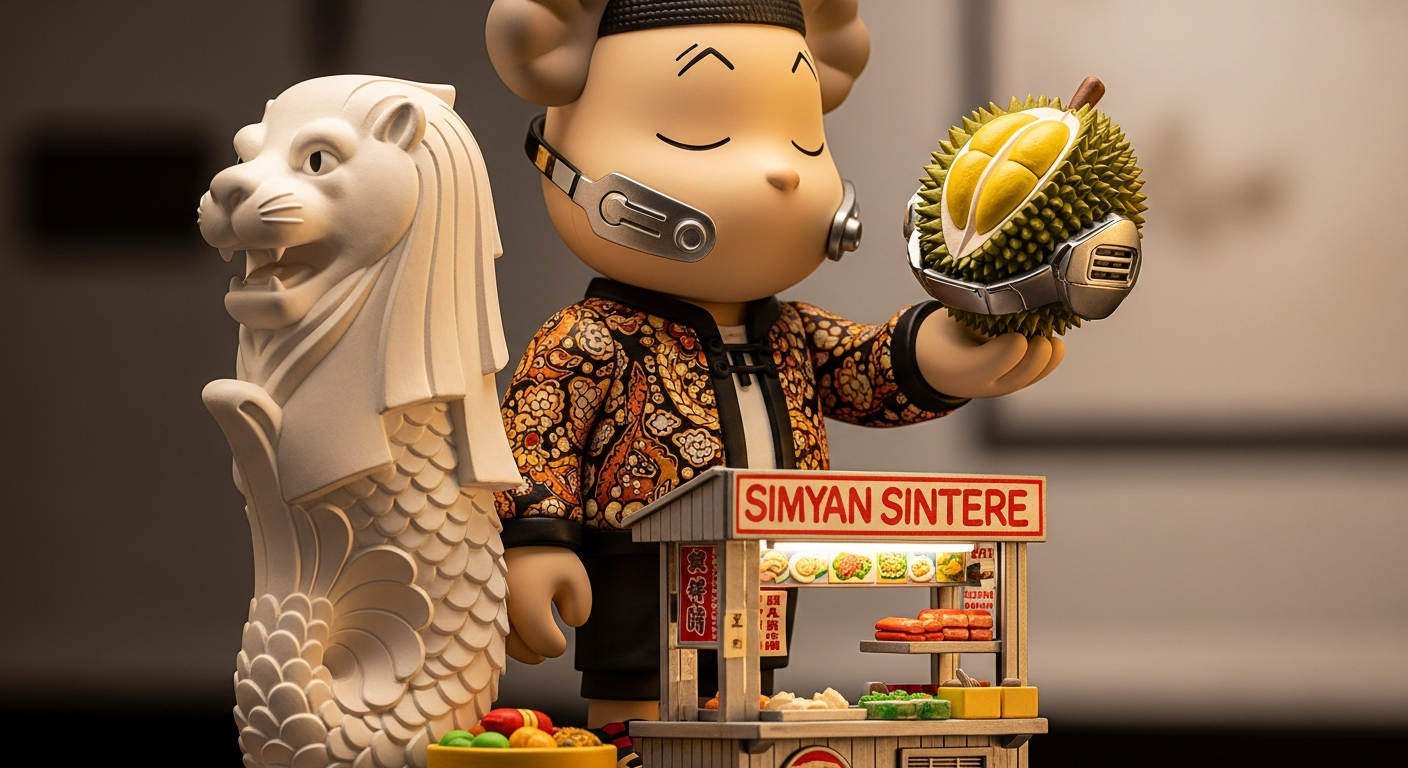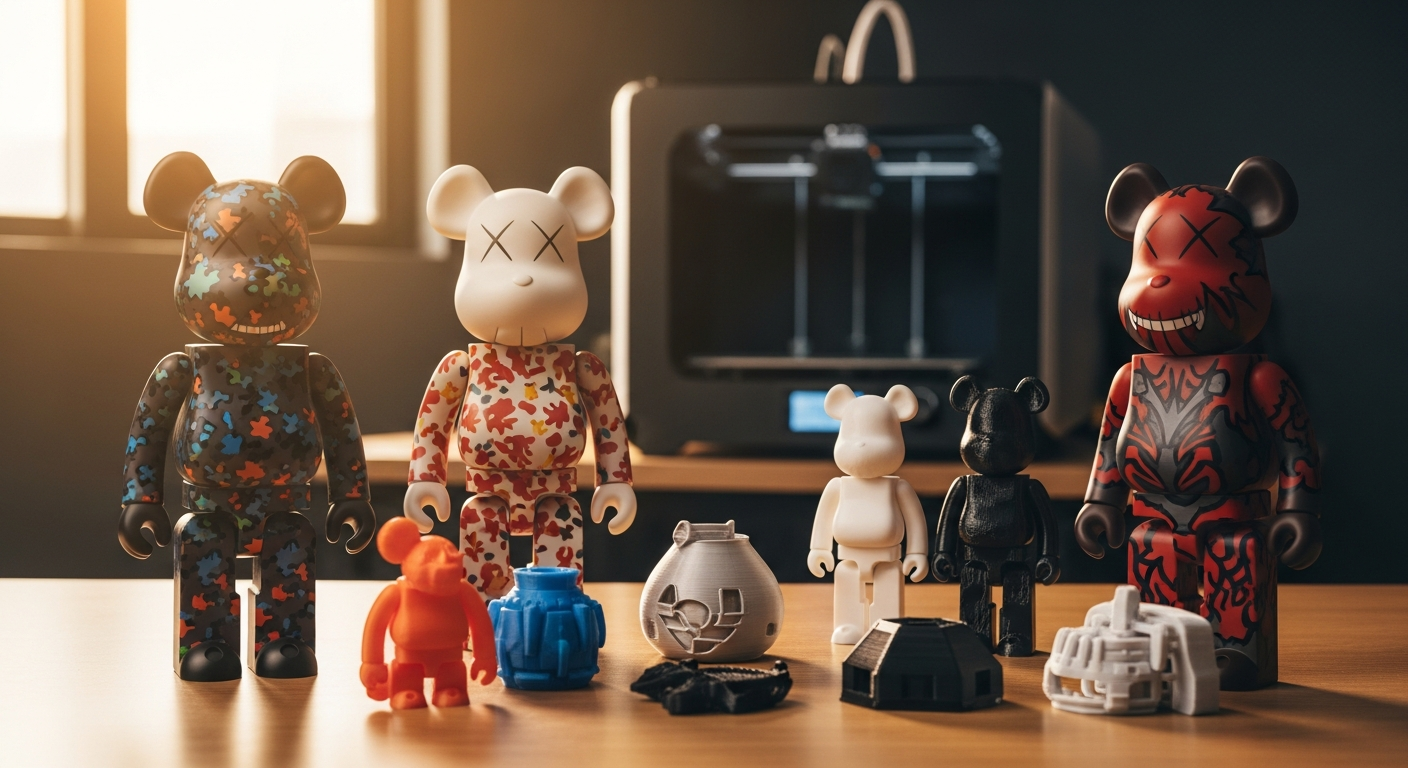
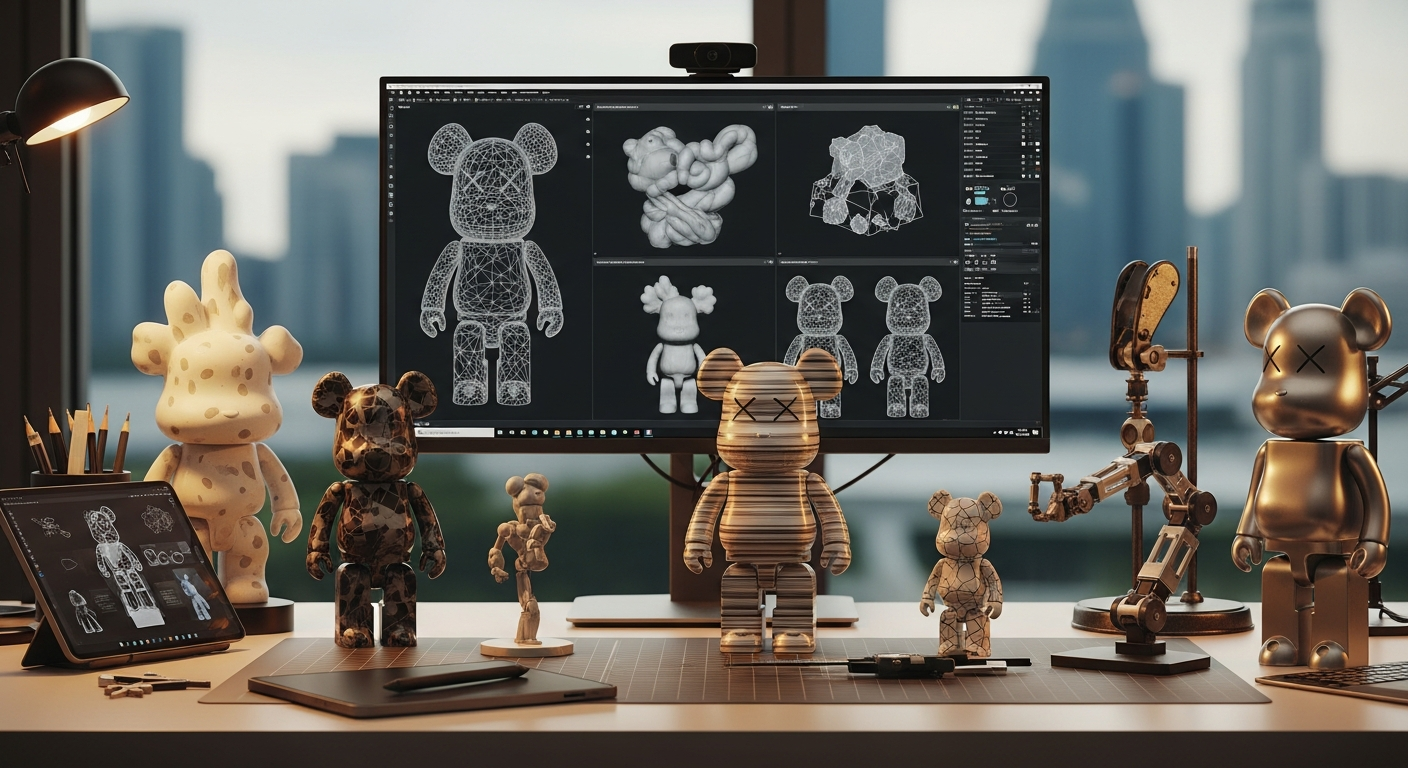

Limited edition art toys occupy a unique space where art, design and collectibles intersect. For independent artists and boutique studios, producing a small run of intricately detailed figurines used to mean expensive tooling, long lead times and compromises on finish. Today, the rise of custom 3d printing singapore has rewritten the rules: creators can scale from single prototypes to short collectible runs with studio-grade quality and flexible materials. This article explores how limited edition art toys and advanced 3D printing techniques combine to create a new era of collectible production in Singapore and beyond.
Collecting culture has evolved. Beyond mass-produced toys, collectors now value scarcity, story and craftsmanship. Limited edition art toys deliver on all three: they carry the artist’s narrative, often reflect pop-culture references or local identity, and provide tangible exclusivity through numbered runs and unique finishes.
Factors driving the boom:
In Singapore, a vibrant design scene and proximity to advanced manufacturing services mean creators can prototype quickly and iterate visually and materially until the piece is collector-ready. For artists seeking production partners, services focused on limited edition art toys provide the technical and finishing expertise needed to compete globally: see specific examples of making limited edition art toys here: limited edition art toys.
Custom 3d printing singapore is not just about creating shapes quickly; it’s about matching production technique to design intent. Different printers and processes allow for varying surface quality, strength, color integration and post-processing options.
Key advantages for art toy creators:
If you’re exploring technologies, an in-depth technical resource on printer choices and workflows for figurines is useful: FDM 3D printing for figurines. This guide covers layer heights, nozzle sizes and slicing strategies tailored for character models.
Choosing the right material and finish is as important as the sculpt. Limited edition art toys command higher prices when they feel premium in hand and look flawless in display.
Popular material choices:
Finishing techniques:
Budget-conscious creators can still produce collectible results using cost-effective workflows. For practical ways to keep a limited run affordable without sacrificing quality, check this resource on cost-effective options: budget FDM 3D printing.
A robust production workflow reduces surprises and ensures each piece meets collector expectations. Typical steps include:
If you prefer to outsource or co-develop with an experienced provider, many studios now offer end-to-end services. For example, you can order custom figurines through specialized platforms that handle sculpting, printing and finishing.
Selecting a printing method depends on design complexity, desired finish and budget:
When planning a limited edition run, combining methods can optimize cost and quality — print the core form in FDM and use resin prints for faceplates or accessory parts that demand detail.
For actionable guidance specifically on FDM techniques for figurines and best practices in 2025, explore this practical guide: FDM 3D printing for figurines.
Cost and timing are critical for limited editions. 3D printing reduces upfront tooling costs but introduces per-unit print time and post-processing labor.
Typical considerations:
Adopting eco-aware workflows not only lowers environmental impact but can also be a selling point for collectors who care about provenance and ethics.
For studios leveraging AI and modern workflows to compress prototyping cycles, see how AI-ready rapid prototyping integrates with Singapore’s 3D printing ecosystem: AI-ready rapid prototyping.
Several trends are influencing product design and production:
These trends encourage creators to design with flexibility, ensuring parts can be tweaked quickly and additional variants introduced without costly retooling.
For creators:
For collectors:
When you need a production partner that understands both creative intent and technical constraints, studios offering tailored services for limited runs are a smart choice; many offer transparent quotes and iterative support throughout production: order custom figurines.
Limited edition art toys and custom 3D printing Singapore form a natural partnership: designers get the flexibility to iterate and experiment, while collectors receive carefully crafted, scarce objects with compelling stories. Whether you’re an artist exploring your first collectible or a studio scaling small-batch production, the right combination of materials, printing methods and finishing workflows can make your release stand out on the global stage. For creators balancing cost, quality and timeline, budget-conscious 3D printing approaches exist that retain collectible-grade results: consider staged production strategies and vendor partnerships to deliver memorable limited edition launches.
To move from concept to collectible with confidence, pair creative ambition with technical expertise — the possibilities for limited edition art toys produced via custom 3D printing are only expanding in Singapore and worldwide. For more practical resources and service options, explore targeted guides and production services that support artists at every stage of the process: budget FDM 3D printing, limited edition art toys, and tools to accelerate prototyping and orders.
Plan your project around the story you want to tell and the experience you want collectors to have. Align design, material and finish decisions early, use rapid prototyping to validate assumptions, and work with experienced partners for finishing and fulfillment. This approach ensures that every limited edition release becomes a meaningful collector piece rather than just another item on a shelf.
If you aim to expedite the development pipeline and reduce iteration cycles, explore modern prototyping services that pair design expertise with advanced 3D printing capabilities to bring your art toy concepts to life quickly and reliably: AI-ready rapid prototyping.