Introduction
AI-augmented CAD workflows are redefining how lifestyle products are designed, prototyped and brought to market in Singapore. As we move through 2026, the combination of generative design, simulation-driven validation and integrated digital fabrication is enabling smaller teams to deliver higher-quality products faster. This article explains what AI CAD modeling means for lifestyle product design Singapore, highlights concrete trends, and offers an actionable workflow designers can apply today.
Why AI matters in CAD modeling for lifestyle products
AI is no longer an experimental add-on — it is a productivity layer that accelerates ideation, enhances ergonomics, and automates repetitive modeling tasks. For lifestyle product designers, that translates into:
- Faster iteration cycles: AI suggests form alternatives and parametric variations based on functional constraints.
- Better fit and ergonomics: AI-assisted analysis integrates anthropometric data for personalized products.
- Cost and material optimization: generative design reduces material use while meeting strength and manufacturability targets.
In Singapore, where time-to-market and localized customization are competitive advantages, AI CAD modeling Singapore workflows help studios and startups iterate rapidly without large, specialized teams.
Key AI-driven CAD capabilities transforming workflows
- Generative design and topology optimization: These tools automatically create efficient geometries that balance weight, strength and aesthetics.
- Automated feature recognition and parametric reconstruction: AI extracts CAD-ready geometry from scans and sketches, speeding reverse engineering and concept capture.
- Simulation and multi-physics co-simulation: Integrated AI speeds up thermal, structural and fluid dynamics checks directly inside CAD models.
- Design-for-manufacturing (DFM) recommendations: AI flags features that complicate molding, CNC machining or additive manufacturing.
- Mass-customization engines: AI matches user data (measurements, preferences) to parametric templates for one-off personalized items.
These capabilities make AI CAD modeling Singapore particularly valuable for lifestyle product design Singapore categories such as wearables, furniture, home goods and personal accessories.
Workflow: from concept to production in Singapore
A practical AI-enabled workflow for lifestyle product design Singapore typically follows these stages:
- Research & briefs: collect user insights and define constraints (materials, budget, target manufacturing).
- Concept generation: use generative design and sketch-to-CAD to produce multiple form options in hours, not days.
- Rapid validation: run AI-accelerated simulations to weed out infeasible options early.
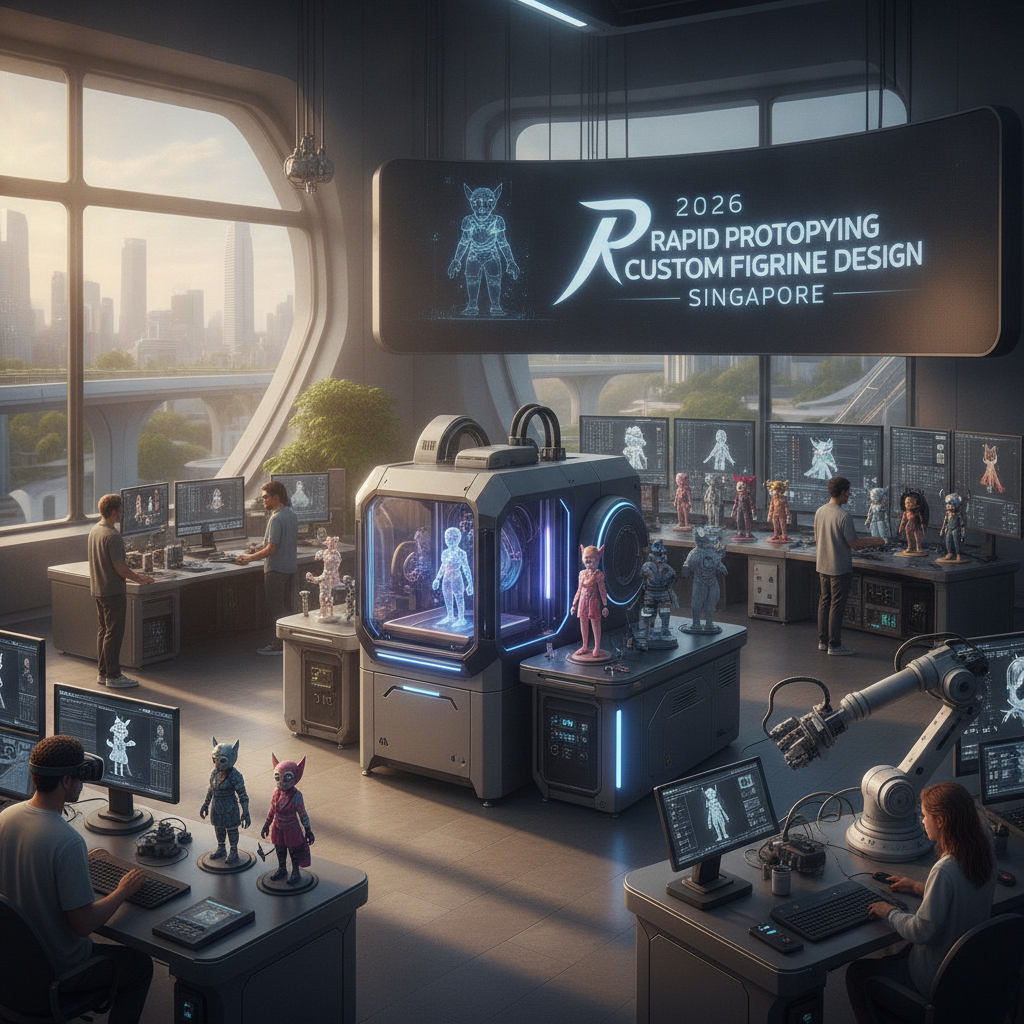
- Prototyping: move directly to additive or hybrid manufacturing; combine FDM for quick form checks and SLS or SLA for functional prototypes.
- Iteration and customization: integrate user data for personalization and finalize production-ready CAD.
- Manufacturing handoff: export CAM-friendly geometry or prepare tooling files.
For hands-on prototyping and finishing, many Singapore studios now combine local services with on-site 3D printing. If you need integrated FDM services tied to CAD modeling workflows, consider resources such as the on-demand FDM solution for local iteration and fast turnaround: CAD modeling Singapore{:target=”_self”}.
Rapid prototyping and additive manufacturing in the loop
Additive manufacturing (AM) has matured into a production-capable tool, not just a prototyping novelty. In 2026 the best practice is to use AM as part of a hybrid workflow:
- Use FDM or low-cost SLA for early form evaluation.
- Use SLS or DMLS for mechanically demanding functional parts.
- Shift suitable components to injection molding at scale, using 3D-printed masters or molds where appropriate.
Singapore’s manufacturing and logistics ecosystem makes it easy to combine local rapid prototyping with regional low-volume production. For designers focused on character and figurine work, there are tailored solutions that integrate CAD modeling and printing for collectibles and custom pieces: check specialized 3D printing services and custom figurine design offerings for Singapore creators via this resource on 3D printing service Singapore{:target=”_self”}.
Materials, sustainability and lifecycle thinking
Sustainable design is now a client requirement for many lifestyle brands. AI helps not only in reducing material use but also in choosing greener materials and predicting lifecycle impacts. Consider these approaches:
- Material substitution guided by performance and carbon footprint models.
- Design for disassembly enabled by AI that suggests reversible joints and standardized fasteners.
- Lightweighting using topology optimization to reduce raw material consumption.
Pair AI CAD modeling Singapore techniques with circular design principles to create products that are easier to repair, recycle or repurpose. For small-batch production in Singapore, integration with personalized manufacturing strategies can also reduce overproduction.
Tools, platforms and the Singapore ecosystem
The selection of tools depends on scale, budget and manufacturing partners. Designers typically mix mainstream CAD platforms with specialized AI/ML tools and cloud-native services for collaboration and version control. In Singapore you can access local service providers that offer end-to-end prototyping and CAD support — from rapid prototyping to production-ready CAD workflows. When evaluating partners, look for those offering transparent DFM feedback, material guidance and integration with local machining and printing resources. A good overview of regional rapid prototyping and CAD modeling support can be found here: rapid prototyping and CAD modeling Singapore{:target=”_self”}.
AI and creativity: case trends for 2026
- Localized micro-manufacturing: Small-batch runs optimized by AI for neighborhood markets and limited-edition lifestyle products.
- Personalized wearables and ergonomics: AI-driven anthropometrics enable tailor-fit accessories and furniture components.
- AR/VR-enabled co-design: Clients and stakeholders iterate in virtual spaces where AI instantly adapts CAD geometry to feedback.
- AI-assisted material innovation: ML models predict performance of composite mixes and bio-based polymers for consumer goods.
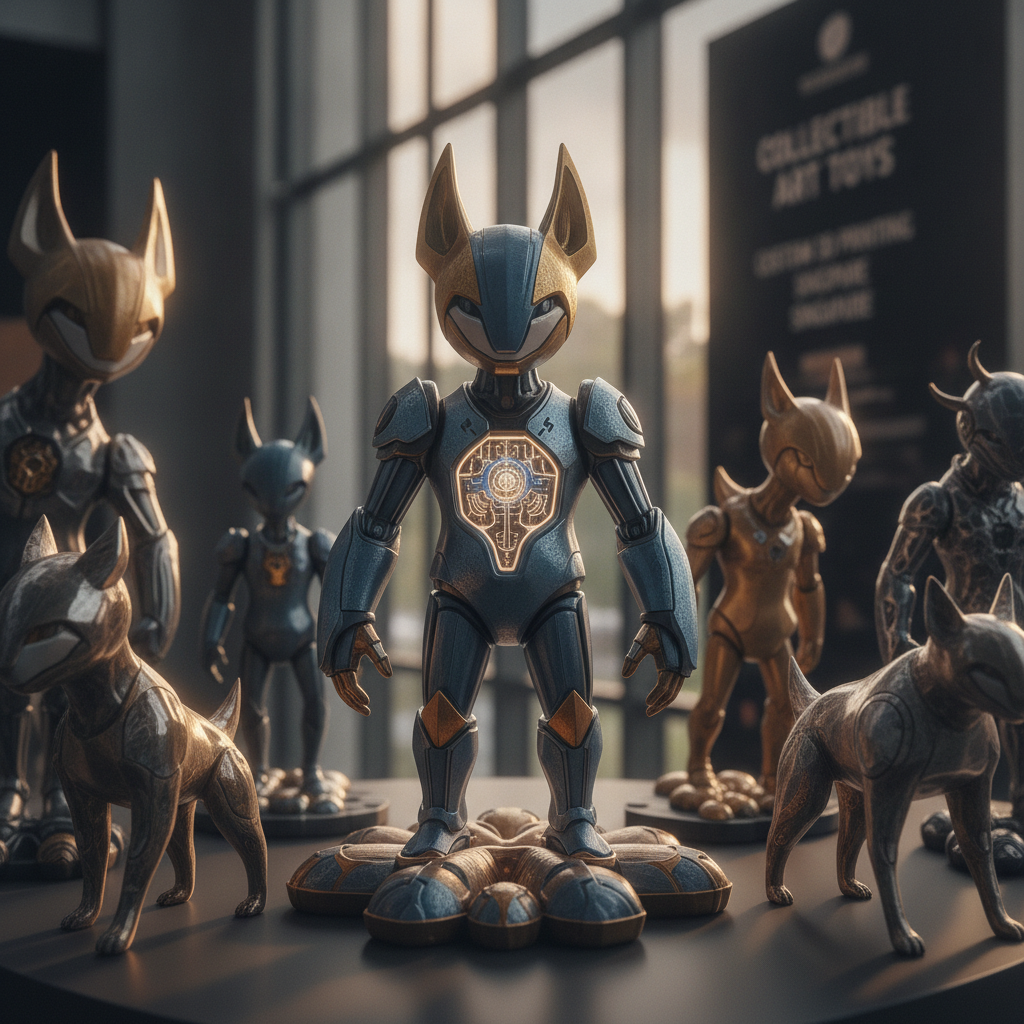
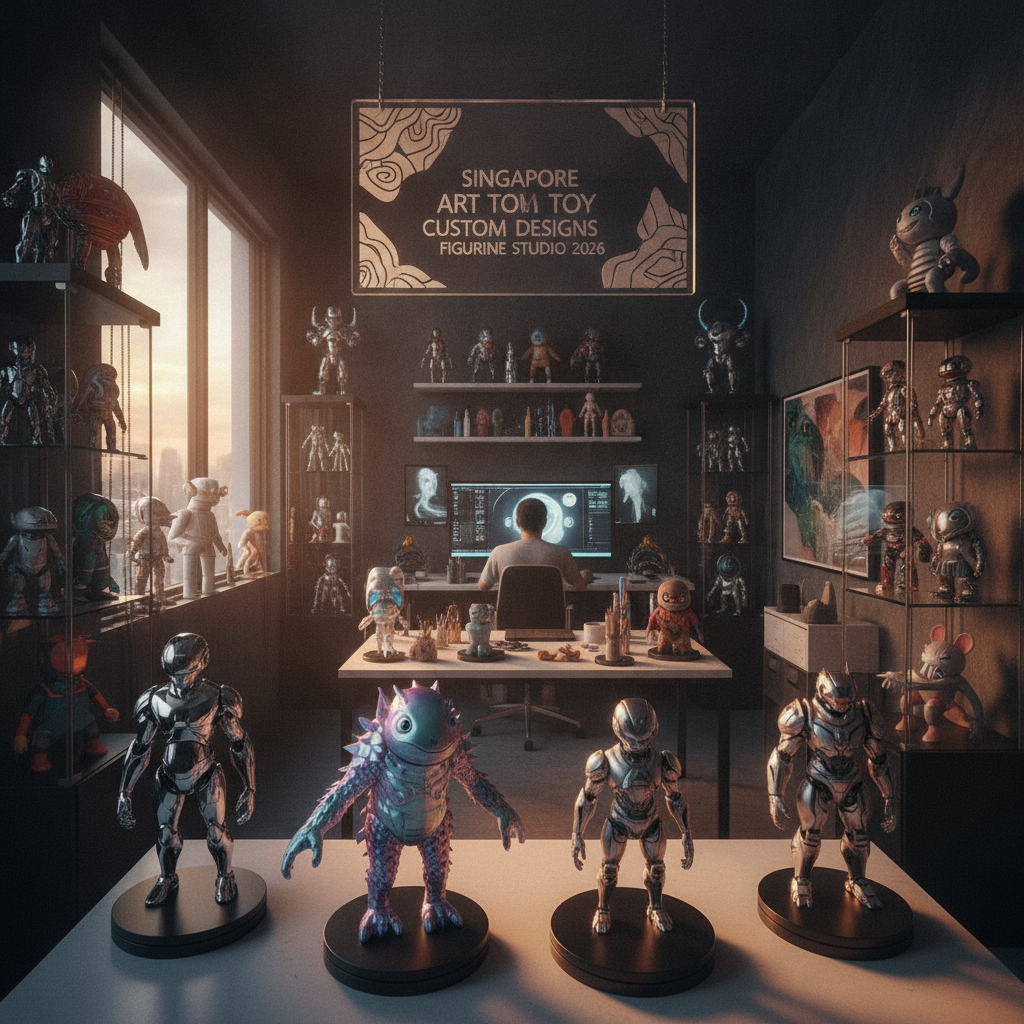
- Art-to-product pipelines: Creatives convert generative artwork to manufacturable parts using AI to bridge from concept art to CAD — a process exemplified by hybrid art-toy projects and studio collaborations. Explore examples of how AI-driven art toys are integrated with CAD modeling in Singapore here: AI-driven art toys with CAD modeling Singapore{:target=”_self”}.
Practical checklist for designers and product teams
- Define constraints up front: manufacturing method, target price, and sustainability goals.
- Use AI for rapid ideation, but enforce manufacturability checks early.
- Keep parametric models and version history clean; AI tools work best with structured data.
- Prototype iteratively: combine FDM for form, SLA for detail, and SLS for function.
- Test ergonomics with real users or digital human models to validate comfort and fit.
- Prepare production-ready files and DFM reports before tooling.
- Partner with local vendors to reduce lead times and control quality. For turnkey options that combine CAD modeling and custom 3D production, look into providers offering personalized figurine and custom print services in Singapore: personalized custom 3D printing Singapore figurines{:target=”_self”}.
Measuring ROI: how AI CAD pays back
Return on investment comes from reduced design cycles, lower material costs, fewer failed prototypes and faster time-to-shelf. KPIs to track include:
- Iteration time per concept
- Number of physical prototypes required before sign-off
- Material usage and weight reduction
- Lead time from concept to first sale
Teams that implement AI CAD modeling Singapore processes typically see measurable reductions in iteration time and prototype count, which directly cut development costs.
Conclusion
AI CAD modeling is a practical enabler for lifestyle product design Singapore in 2026. By combining generative design, simulation, localized prototyping and sustainable material strategies, designers and brands can launch better products faster and tailor them to local and regional markets. The Singapore ecosystem — with its fast prototyping services, manufacturing partners, and design talent — is well placed to exploit these advances. Embracing an AI-augmented CAD workflow unlocks new creative possibilities while keeping projects commercially viable and sustainable.