

In 2026, Singapore continues to be a regional hub for advanced manufacturing services. On-demand FDM 3D printing Singapore and professional CAD modeling Singapore are now core capabilities for startups, design studios, education institutions, and manufacturing firms. Together they compress product development cycles, reduce costs for low-volume runs, and enable highly iterative design workflows.
This article explains practical workflows, material and finishing options, quality considerations, and how to choose a partner that converts CAD models into reliable FDM parts quickly. It also highlights market trends—AI-assisted modeling, hybrid production, and sustainability—that shape how businesses procure on-demand 3D printing and CAD work in Singapore.
Fused Deposition Modeling (FDM) is the most accessible and flexible 3D printing method for thermoplastic prototypes and functional parts. Key advantages that make on-demand FDM 3D printing Singapore attractive include:
In Singapore, many teams rely on on-demand services to avoid investing in in-house fleets while still getting predictable lead times and material traceability.
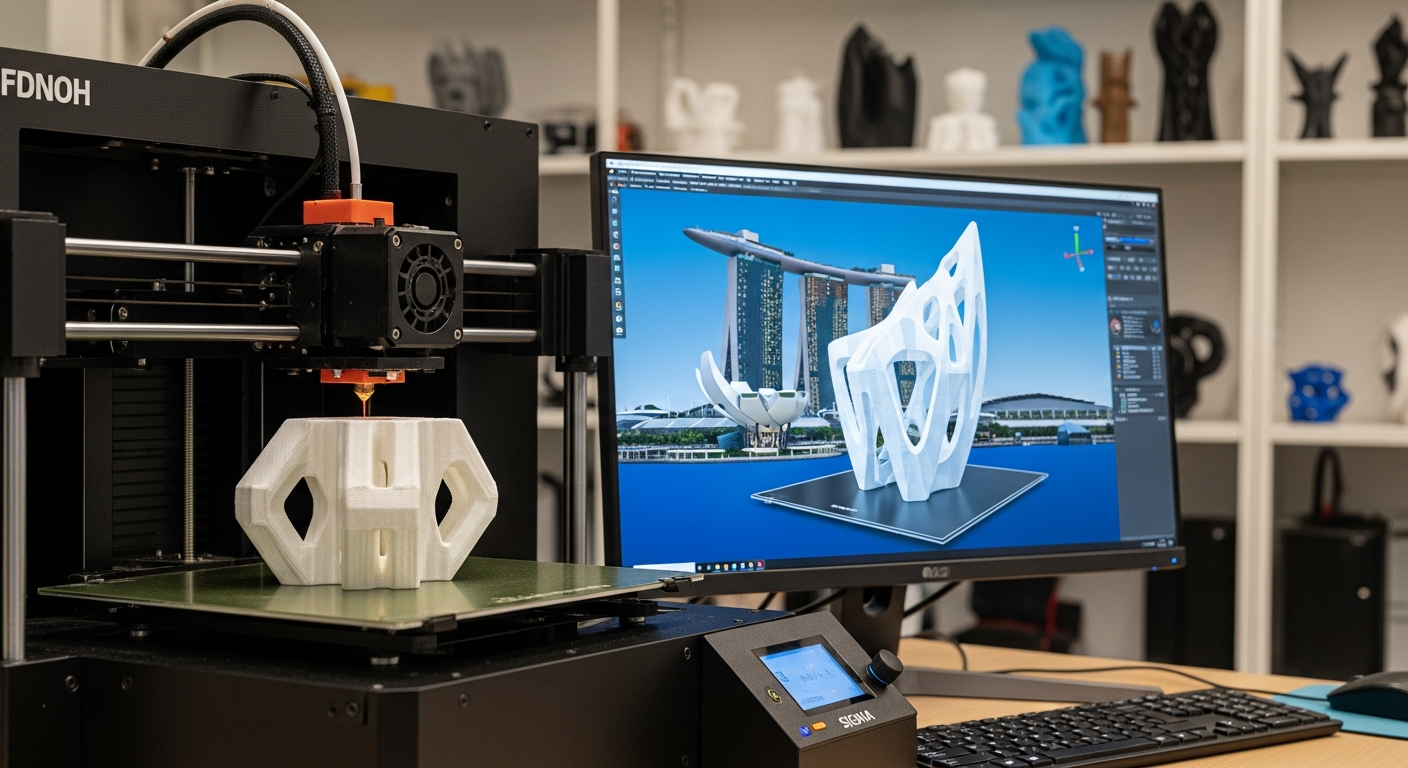
High-quality CAD modeling is the prerequisite for successful FDM prints. CAD modeling Singapore services tailor geometry, tolerances, and assemblies specifically for FDM constraints—reducing print failures and minimizing support structures.
Good CAD modeling for FDM addresses:
When CAD models are optimized at the outset, on-demand FDM 3D printing Singapore becomes both faster and less expensive.
A reliable on-demand workflow blends communication, CAD, simulation, and quality control:
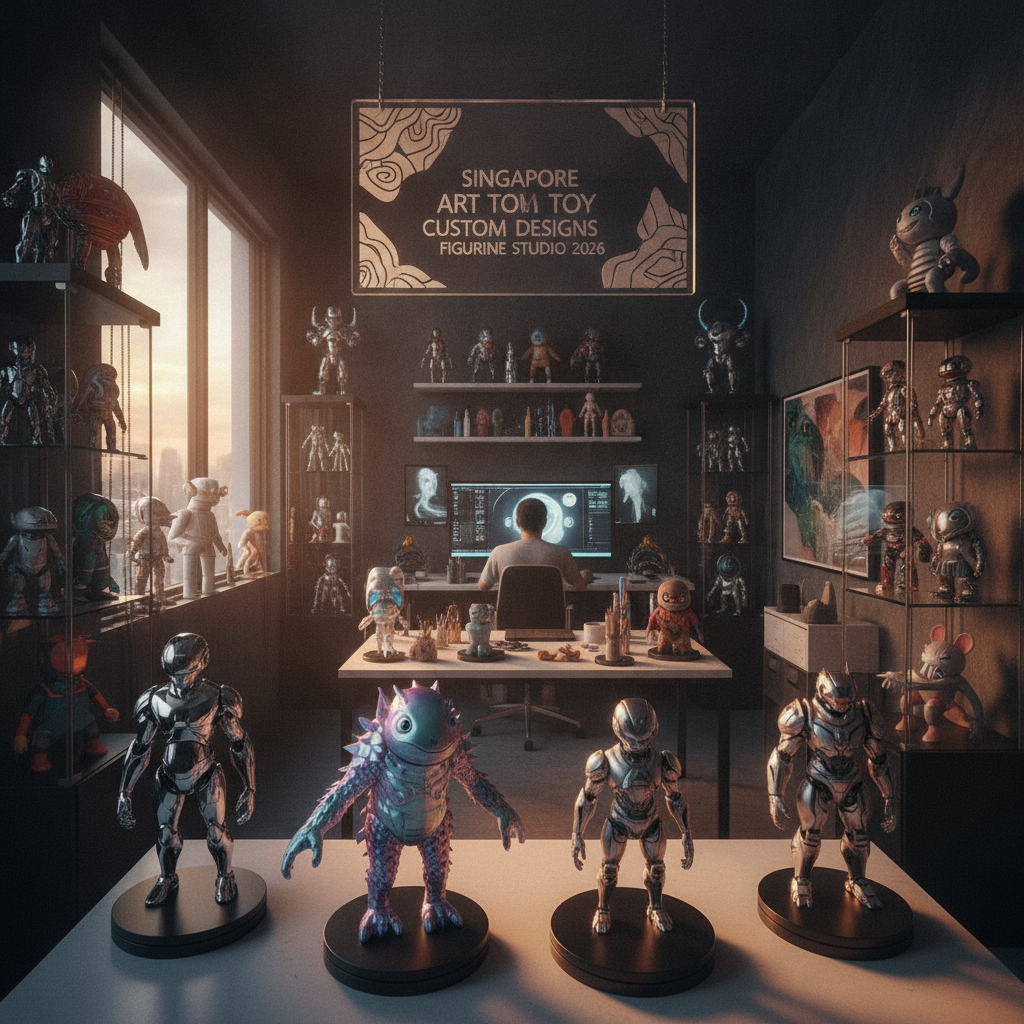
Services in Singapore offering both CAD and FDM capabilities reduce hand-off friction, accelerating iterations and lowering overall project risk. For consumer-focused projects such as custom collectibles and figurines, look for providers with combined expertise in sculpting, CAD, and finishing like those who offer tailored 3D printing service Singapore for custom figurines.
Selecting the correct filament and finish is essential for function and aesthetics. Common choices:
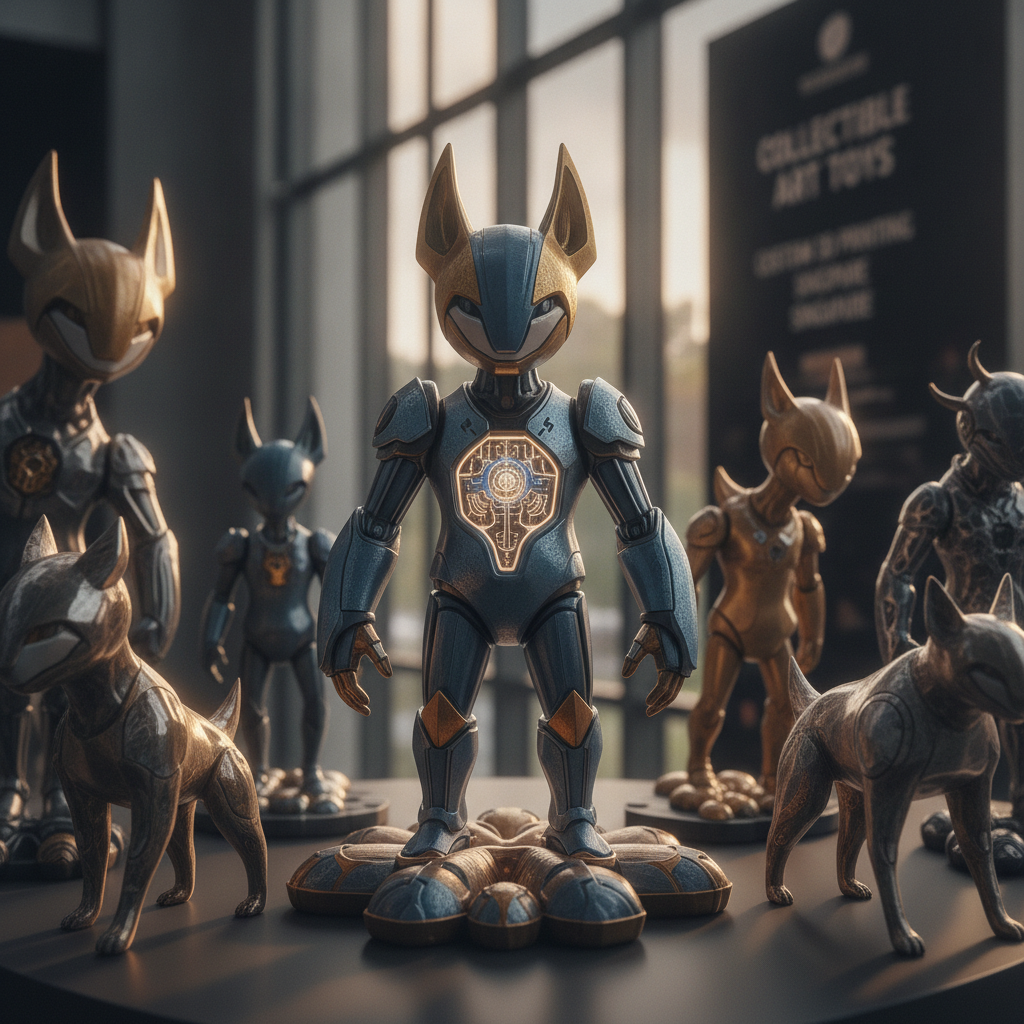
For consumer-facing products, finishes matter. Post-processing options include smoothing, priming and painting, dyeing, and adding soft-touch coatings. If you’re developing productized art toys or figurines, specialized services for personalized custom 3D printing Singapore figurines combine detailed CAD sculpting with refined finishing.
Designers working with FDM should adopt a few practical rules that CAD modelers in Singapore apply routinely:
Quality CAD modeling Singapore services will anticipate these constraints and produce models that print right the first time, saving cycles and cost.
On-demand FDM 3D printing Singapore pricing depends on material, machine time, post-processing, and finishing. Typical expectations:
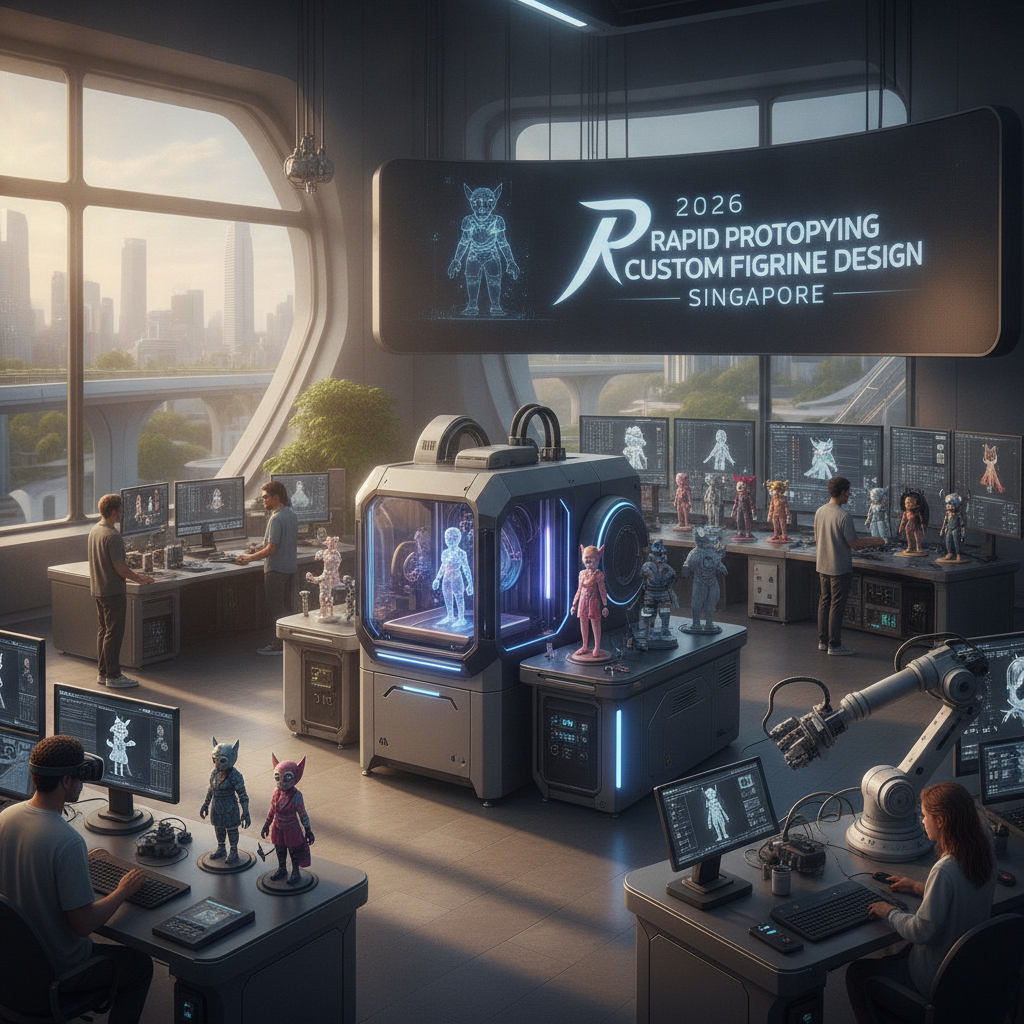
For prototyping and product validation, many Singapore teams prefer turnkey providers that offer end-to-end services such as rapid prototyping and CAD modeling—see providers specializing in rapid prototyping and CAD modeling Singapore to minimize coordination overhead.
Quality assurance matters, particularly for functional parts. Key checks include:
On-demand services that provide detailed inspection reports and material test data are preferable for commercial applications.
FDM excels in a wide range of niches. In Singapore’s creative and product ecosystems, common use-cases include:
For highly stylized figurines, end-to-end offerings that combine sculpting and engineering—like custom figurine design and 3D printing Singapore—help artists and brands get production-ready results without multiple vendors.
When selecting a provider for on-demand FDM 3D printing Singapore and CAD modeling Singapore, evaluate:
If your project is creative or consumer-oriented, some studios provide concierge-level support with sculpting and finishing—check out dedicated 3D printing service Singapore for custom figurines for relevant examples.
Sustainability is an increasing priority. In 2026, trends influencing on-demand FDM 3D printing Singapore include:
Assess providers’ environmental practices if sustainability is important to your brand or procurement policies.
The next wave of innovation blends CAD automation, AI-assisted error checking, and hybrid manufacturing where 3D printing complements CNC and injection molding. Expect:
For teams exploring productized art or toys that integrate generative design, studios offering AI-capabilities and CAD expertise make it easier to prototype and produce at scale.
Before you submit a job to an on-demand FDM 3D printing Singapore provider, confirm:
Where projects require both design and production, working with integrated providers that handle CAD modeling Singapore and printing together reduces friction and speeds time to market.
On-demand FDM 3D printing Singapore paired with professional CAD modeling Singapore offers cost-effective, fast, and flexible production for prototyping, low-volume manufacturing, and creative products. By choosing partners that understand FDM constraints, provide robust CAD workflows, and offer finishing and QA services, teams can iterate faster and launch better products. For projects that blend art and engineering—figurines, toys, and consumer collectibles—specialized studios that combine sculpting, CAD, and finishing give the best path from concept to shelf-ready part.