Introduction
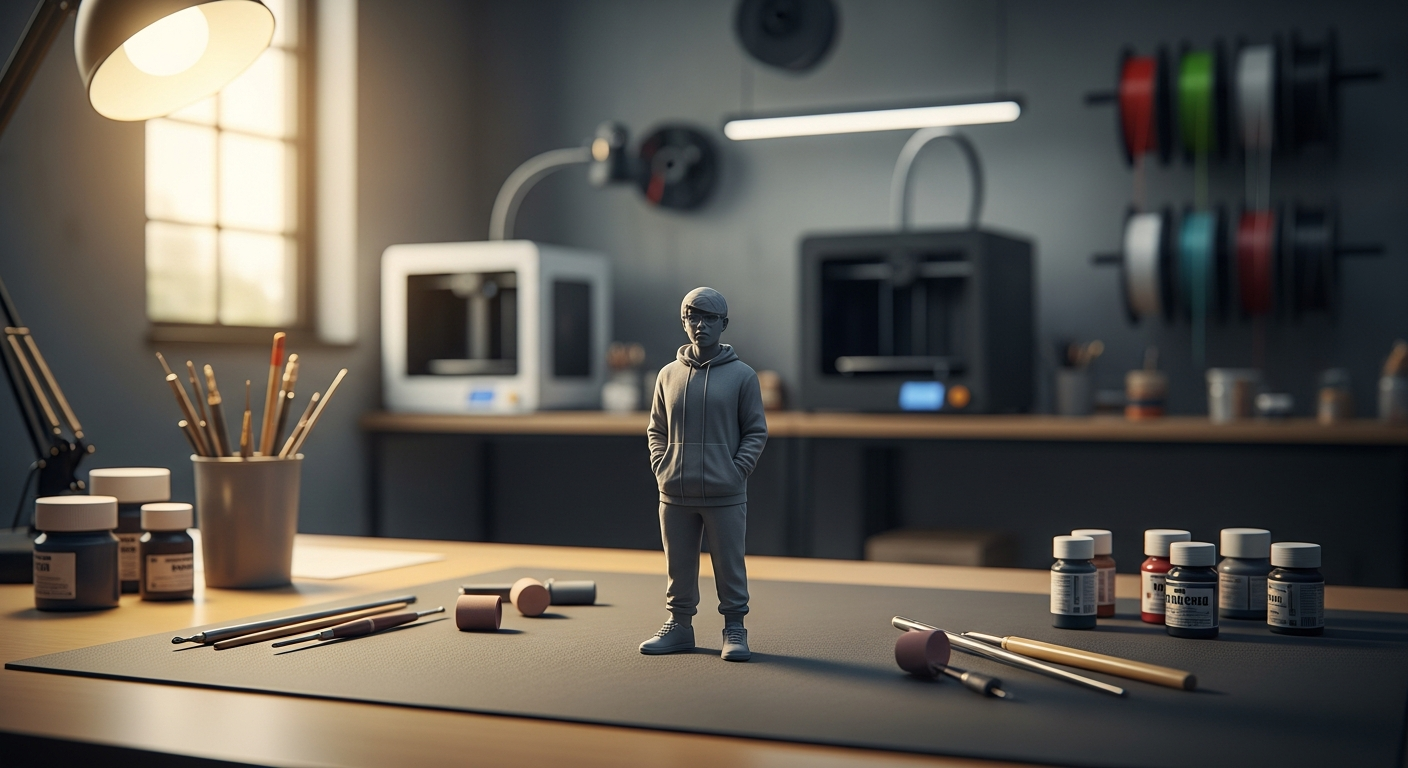
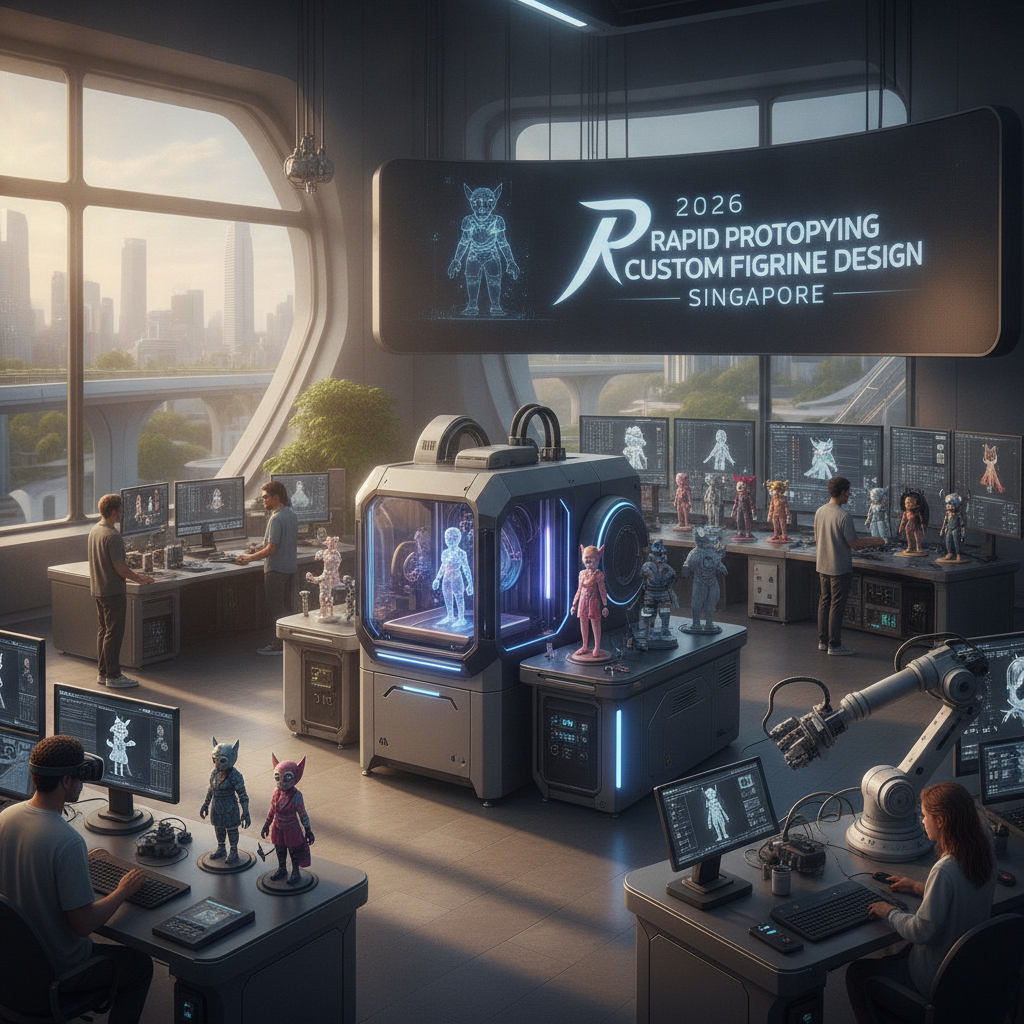
Singapore’s maker and design ecosystem has been transformed by advances in additive manufacturing. In 2026, businesses, artists, collectors, and hobbyists are leveraging 3D printing service Singapore offerings and refined custom figurine design Singapore capabilities to produce everything from hyper-detailed collectibles to rapid functional prototypes. This article walks through the technologies, design best practices, materials, pricing expectations, and current trends you need to choose the right partner and get professional results.
Why 3D printing service Singapore is a game changer
Local 3D printing services reduce lead times, improve iteration speed, and make complex geometries affordable. Compared with outsourcing overseas, Singapore-based providers offer:
- Faster turnaround and lower shipping risk for delicate or limited-edition runs.
- Easier communication and collaborative design iterations with local creative teams.
- Access to region-specific regulations, IP protections, and customs handling.
For creators focused on small-batch production or bespoke pieces, these advantages make top rapid prototyping and CAD modeling an essential part of the product development process.
Common 3D printing technologies available in Singapore
Understanding the technology is key to choosing the right process for your project:
- SLA (Stereolithography): Best for ultra-fine detail, smooth surfaces, and photoreal figurines. Post-processing enables painting and plating.
- DLP (Digital Light Processing): Similar to SLA but often faster for small detailed parts.
- SLS (Selective Laser Sintering): Ideal for durable, functional prototypes without support structures; great for mechanical parts.
- FDM (Fused Deposition Modeling): Cost-effective for large prototypes and basic figurine concept models.
- PolyJet / MultiJet: Excellent for multi-material, multi-color models with realistic textures.
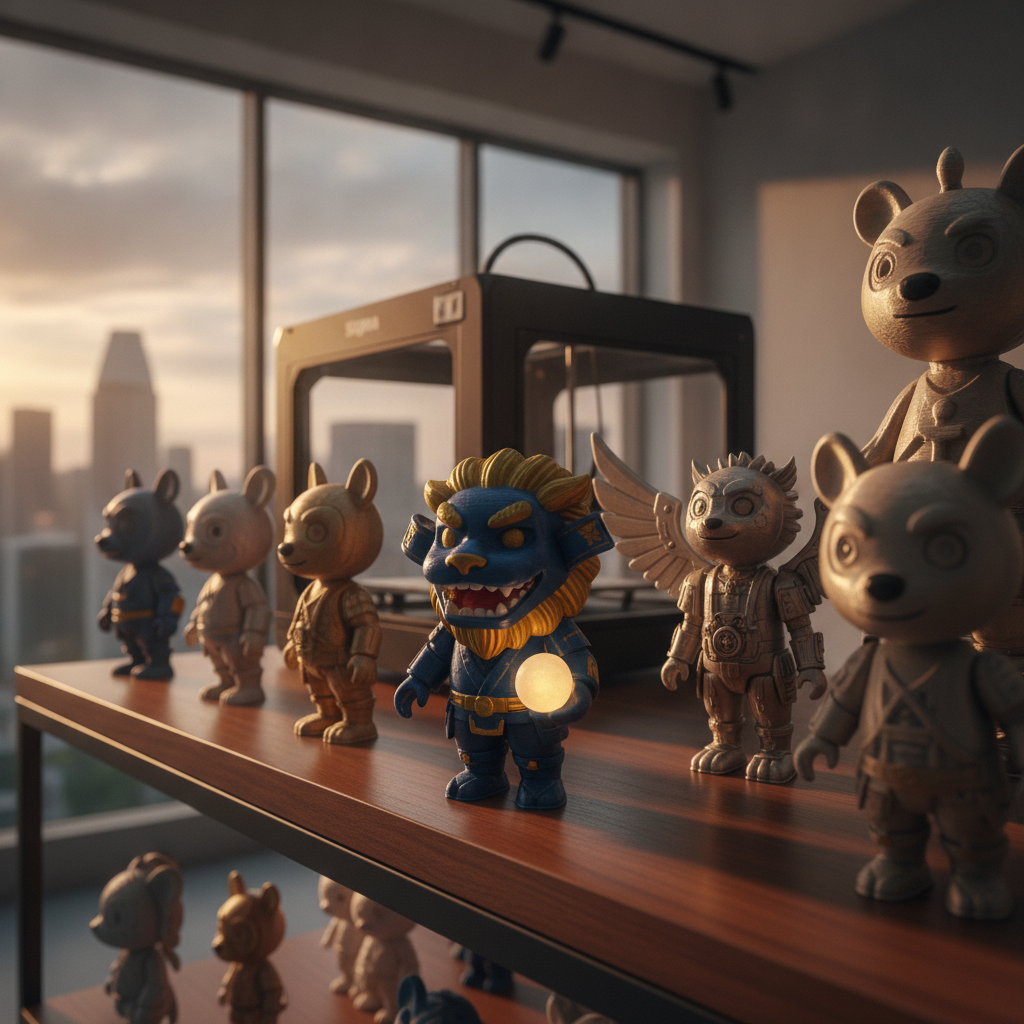
Custom figurine design Singapore projects frequently rely on SLA and PolyJet for the level of detail collectors demand.
Materials and finishes to expect in 2026
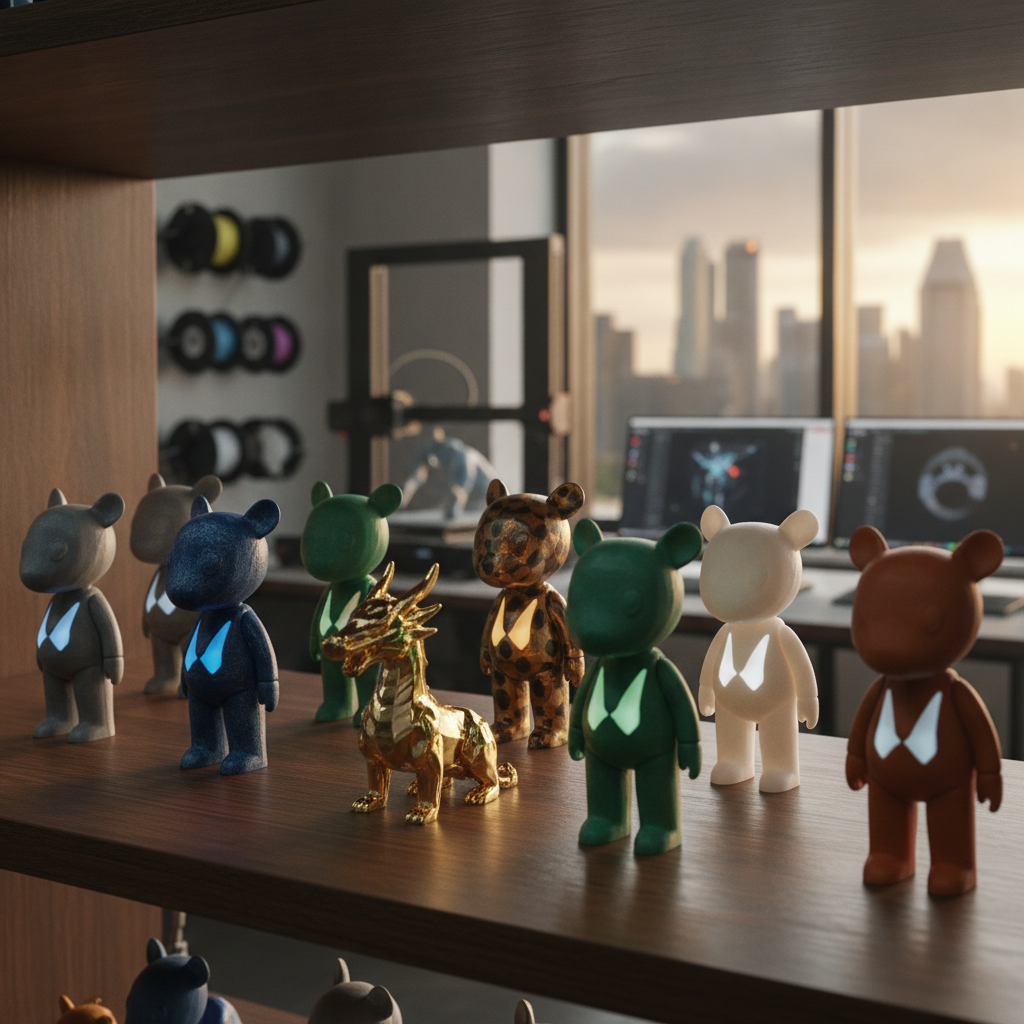
Materials have advanced significantly: photopolymer resins now include high-impact, flexible, and ceramic-like variants. Full-color sandstone and composite blends are more affordable, while coating technologies produce metallic or high-gloss finishes without heavy manual labor. Sustainable options, including bio-resins and recycled thermoplastics, are gaining traction across studios.
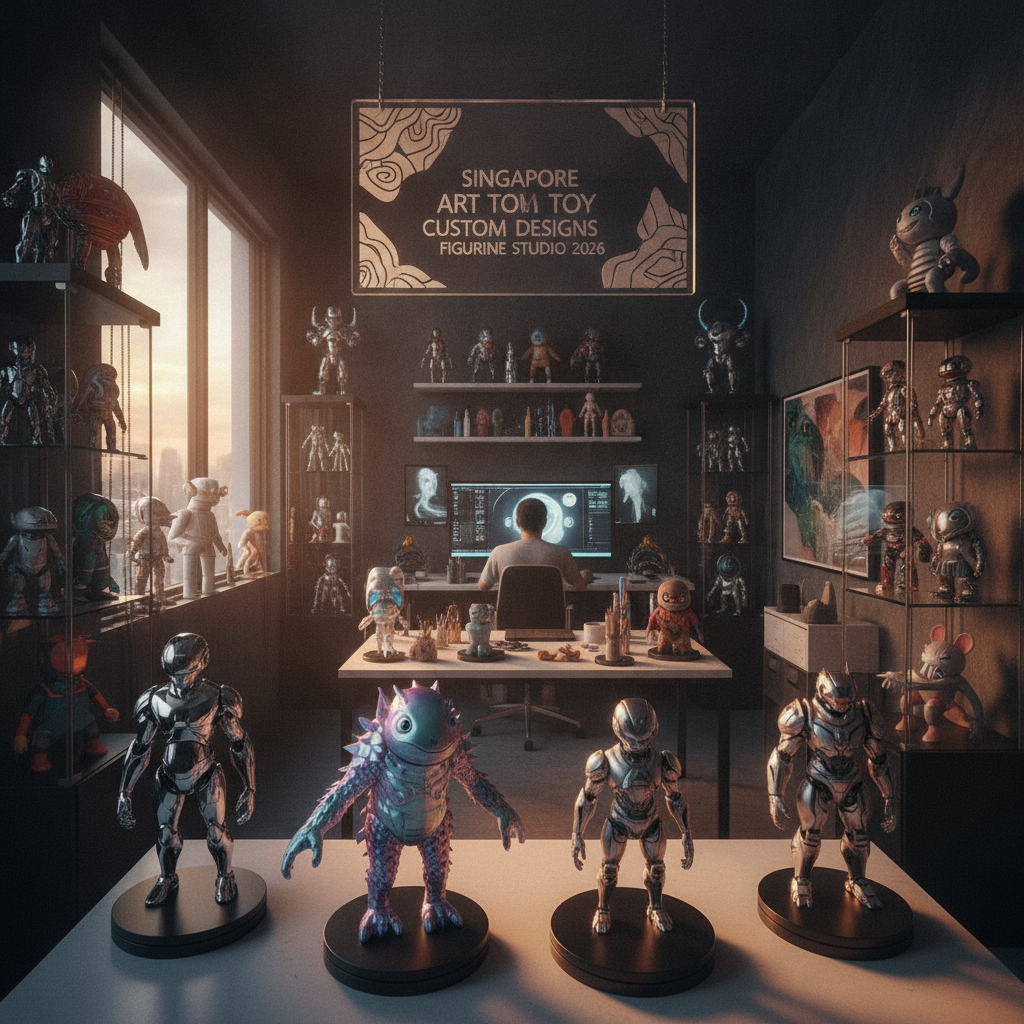
If you need figurines with elaborate paint jobs or mixed media, look for shops offering integrated post-processing: priming, hand-painting, UV curing, and electroplating. Many Singapore studios now advertise end-to-end services that incorporate design, printing, and finishing—see examples in AI-driven art toys with CAD modeling.
The design-to-print workflow for custom figurine design Singapore
A smooth workflow reduces cost and speeds delivery. Typical stages include:
- Concept and reference: Gather photos, sketches, and style references. Clear direction accelerates modeling.
- 3D sculpting and CAD: Digital sculpting (ZBrush, Blender) creates the high-res model; CAD addresses mechanical or assembly needs.
- Print optimization: Hollowing, adding drainage, and planning supports are essential for resin prints to save material and avoid print failures.
- Test prints and iteration: A small-scale test validates detail, fit, and color mapping before full production.
- Post-processing and finishing: Cleaning, sanding, priming, painting, and protective coatings.
Local providers that combine modeling and printing often streamline this pipeline. For fully personalized pieces, consider studios offering personalized custom 3D printing figurines.
Designing for collectability and scalability
Design considerations for collectible figurines differ from functional prototypes:
- Consistent tolerances: For multi-part figures, design snap-fits or internal magnets for ease of assembly.
- Scalable detailing: Ensure details translate across different sizes—too much micro-detail can be lost at small scales.
- Limited-edition strategies: Numbering, certificate of authenticity, or unique colorways increase perceived value.
If you plan a run of 50–500 pieces, consider production methods and finishing that scale efficiently. Many studios now offer hybrid production where critical parts are 3D printed and non-critical parts are injection molded for cost-efficiency—learn more about such approaches with custom figurine design and 3D printing.
Pricing and lead times in Singapore (2026 outlook)
Pricing depends on technology, material, finish, and quantity. Ballpark expectations in 2026:
- Single high-detail resin figurine (hand-finished): SGD 80–350 depending on size and paint complexity.
- Small-batch runs (10–100): Per-unit cost drops significantly with simplified finishing or partial automation.
- Functional prototypes with SLS or FDM: SGD 30–200 per part depending on volume and material grade.
Lead times for local services are often 3–14 business days for single pieces and 2–6 weeks for larger batches when post-processing is required. Rush options are commonly available at a premium.
Quality checks and IP protection
Choose providers that offer:
- Detailed proofs and test prints before full production.
- Non-disclosure agreements (NDAs) for original designs.
- Clear ownership and usage clauses—retain your IP rights in contracts.
If your figurines are licensed or based on third-party IP, request documentation and confirm the studio’s experience handling such projects.
Use cases: Where 3D printing shines
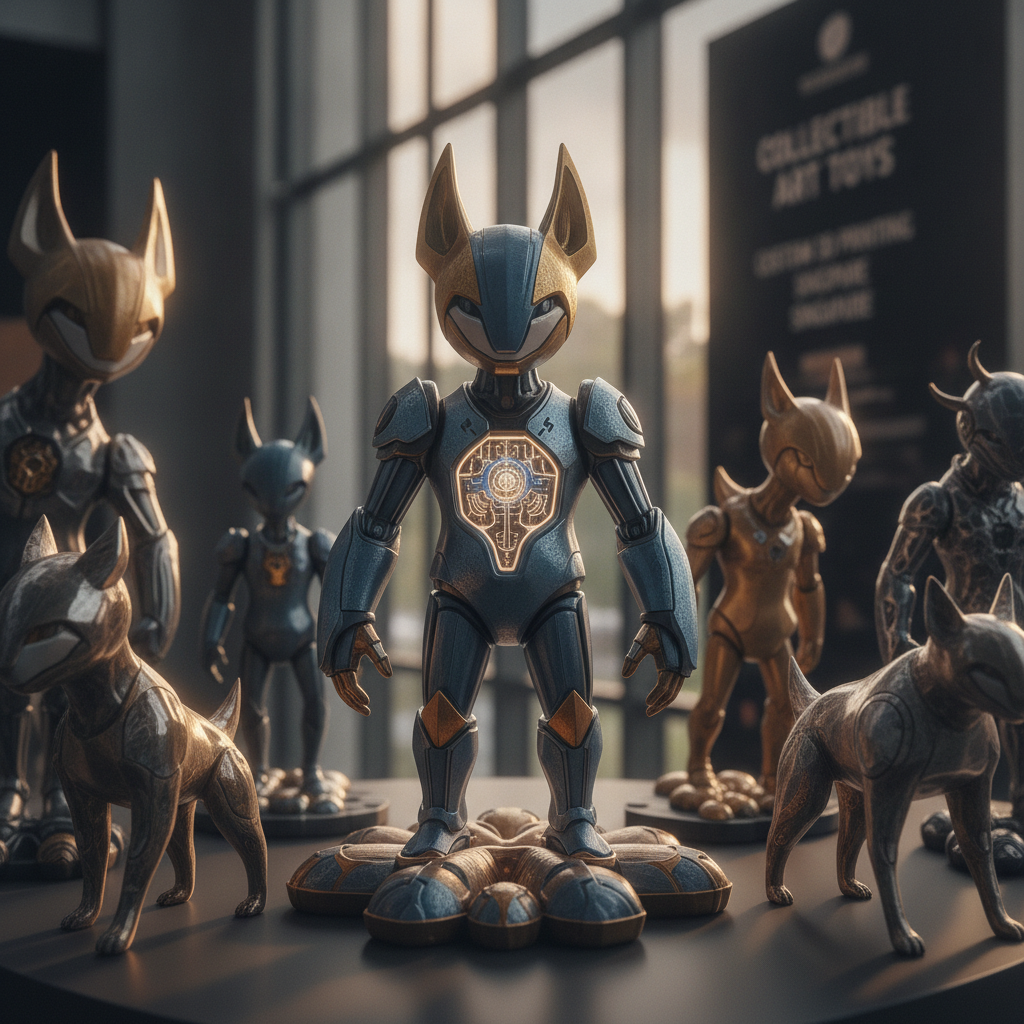
- Collectibles and art toys: Rapid prototyping to market-ready runs of limited editions using high-detail SLA/PolyJet.
- Character maquettes and concept models: Perfect for game studios and animators to visualize characters in 3D.
- Promotional items and personalized gifts: Fast personalization and low minimums make 3D printing ideal for bespoke campaigns.
- Functional prototypes and tooling: SLS and hybrid methods accelerate product development cycles.
Explore creative applications and service packages in the local market, such as limited edition art toys and custom 3D printing.
Current trends shaping the Singapore market
- AI-assisted design: Generative tools help produce multiple concept iterations faster and are being used to create novel toy shapes and stylized figurines.
- Multi-material printing: Combined rigid, flexible, and soft-touch materials in a single part are becoming mainstream for realistic toys and wearables.
- Full-color workflows: Improved color matching and texture mapping reduce manual painting while delivering photoreal results.
- Sustainability: Studios increasingly offer recycled or bio-based materials and optimized nesting to lower waste.
These trends are especially relevant when seeking a partner who can handle complex aesthetic briefs and efficient production.
Choosing the right 3D printing partner in Singapore
Evaluate potential studios on these criteria:
- Portfolio quality: Look for crisp surface finish, consistent paintwork, and solved assembly issues.
- Technical range: Confirm they offer the necessary technologies (SLA, SLS, PolyJet) and post-processing services.
- Communication and project management: Local proximity should translate into smooth iteration cycles and clear timelines.
- Pricing transparency: Request detailed quotes that list material, machine time, post-processing, and finishing separately.
- Added services: CAD cleanup, texture baking, and art direction support are valuable for custom figurine projects.
A thorough comparison will prevent surprises and ensure the final pieces match your creative vision.
Practical tips for first-time clients
- Provide clear references and a prioritized features list (what must be exact vs what can be simplified).
- Request a test print before committing to a full batch—this saves costs and helps set aesthetic expectations.
- Ask about color profiles and provide physical color swatches where possible for accurate matching.
- Factor in packaging and shipping when budgeting limited editions or retail-ready products.
For studios that offer turnkey services from design to delivery, check their case studies and client testimonials.
Conclusion
In 2026, choosing a local 3D printing service Singapore partner gives creators access to fast, high-quality production and collaborative design support. Whether you need a single collectible, a personalized gift, or a short-run product line, matching technology, materials, and finishing to your goals is essential. For specialized offerings—rapid prototyping, AI-driven toy concepts, personalized figurines, full design-to-finish solutions, and limited edition production—review providers’ portfolios, ask for test prints, and secure clear IP agreements. The right studio will pair technical skill with creative insight to bring detailed custom figurine designs to life in Singapore and beyond.