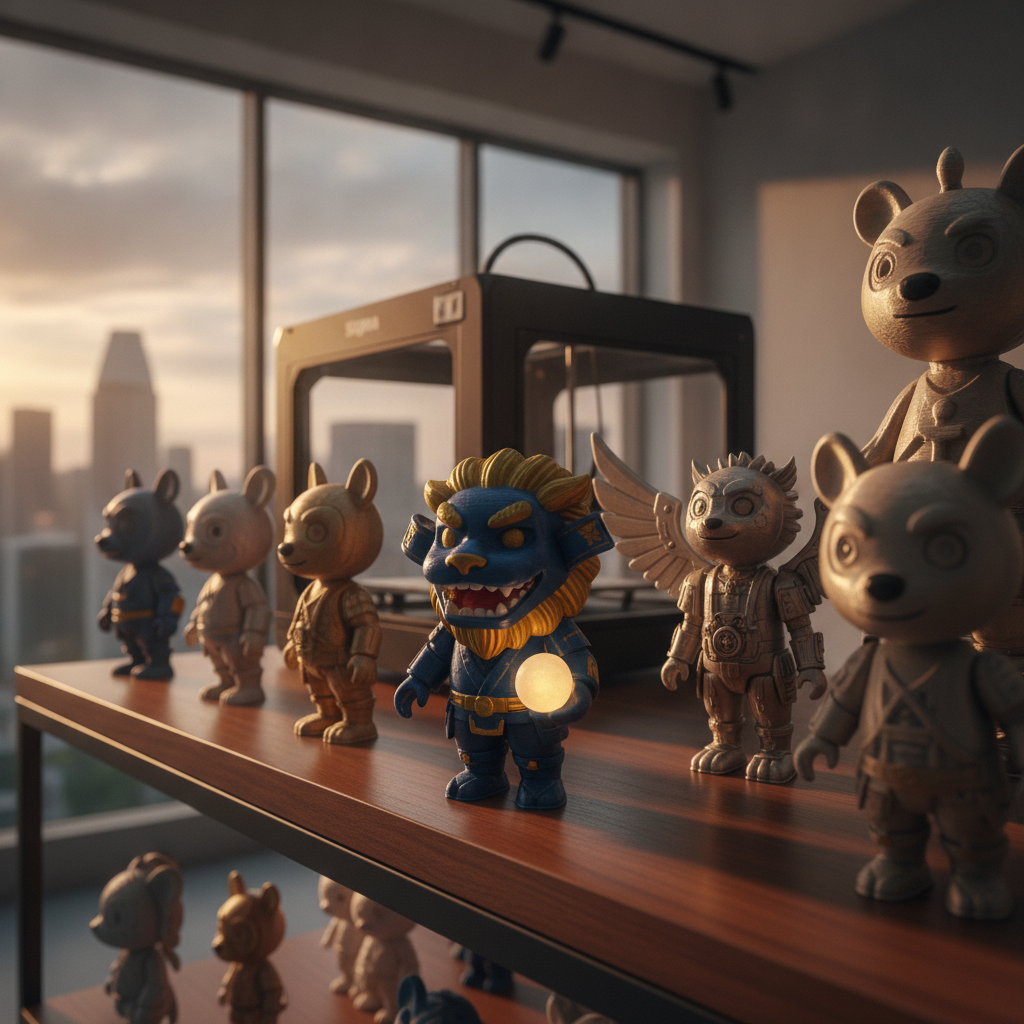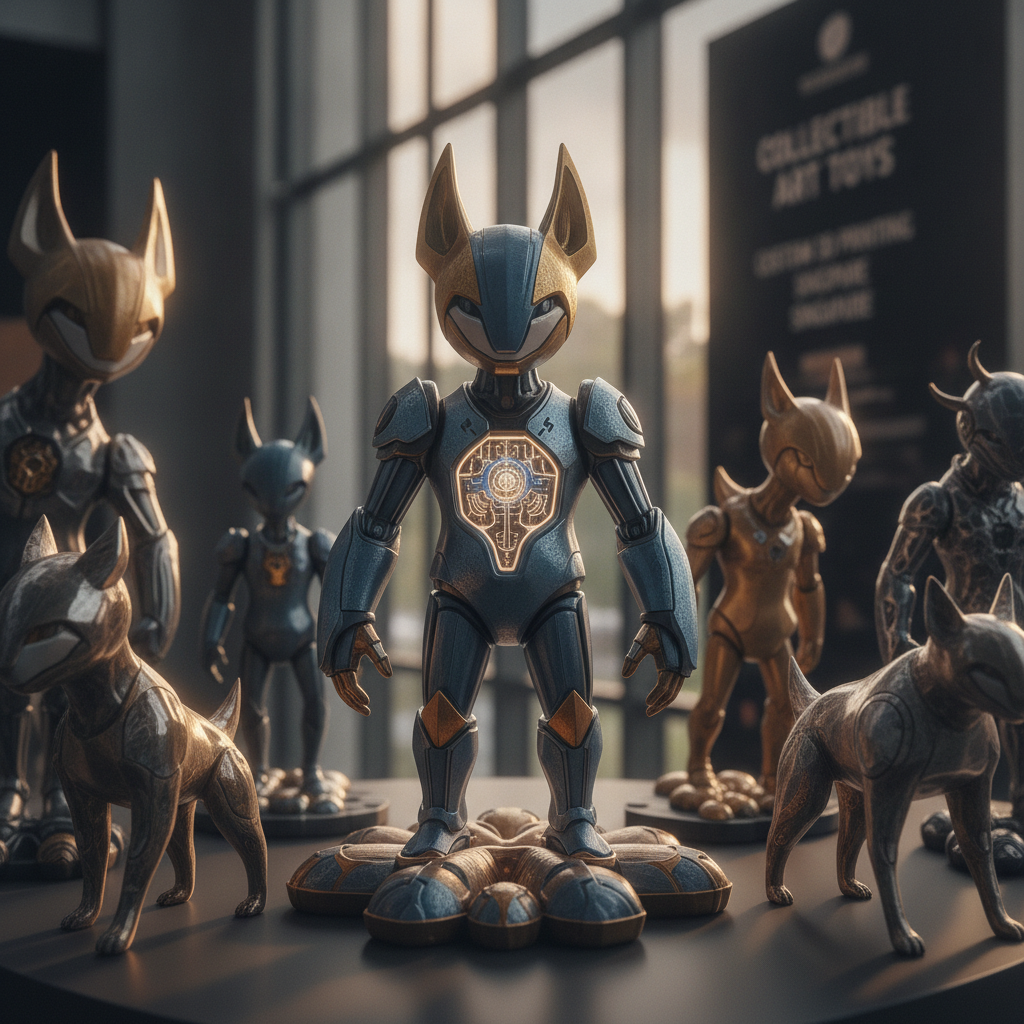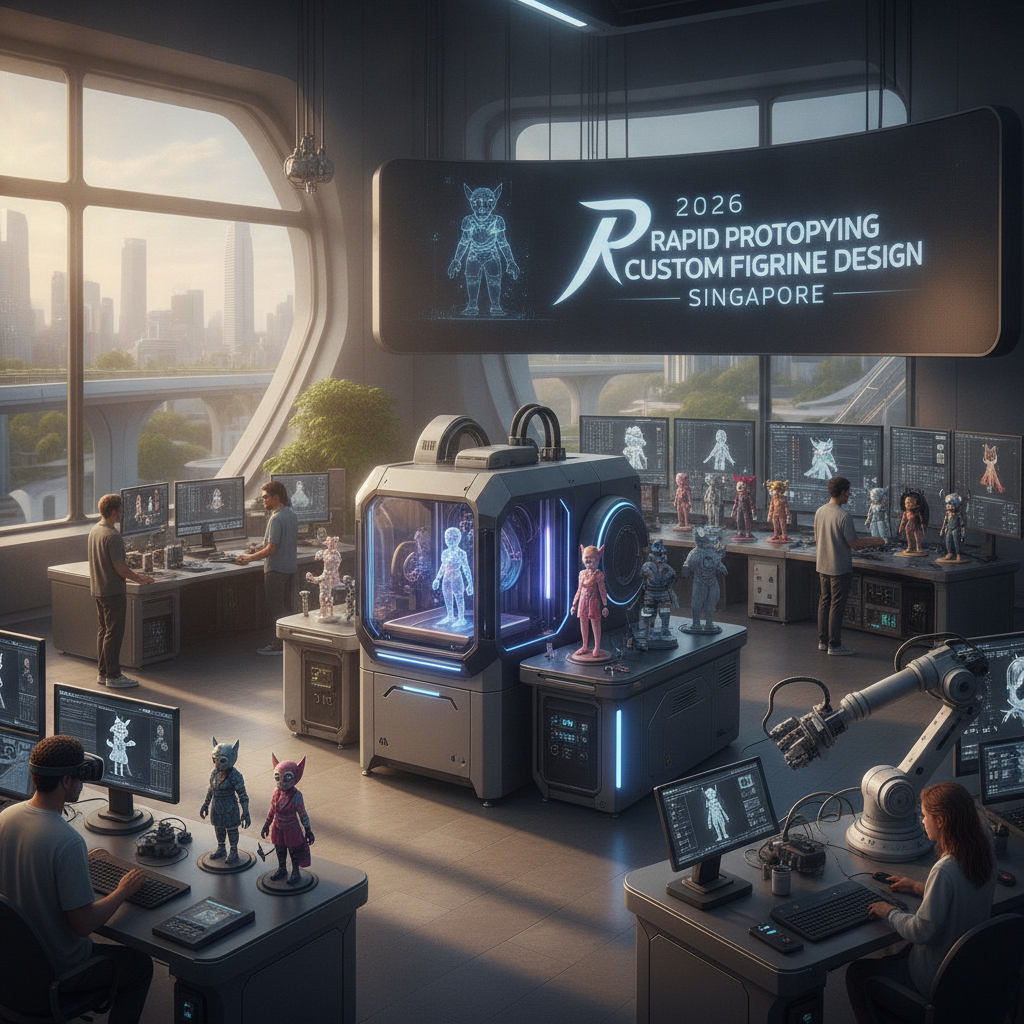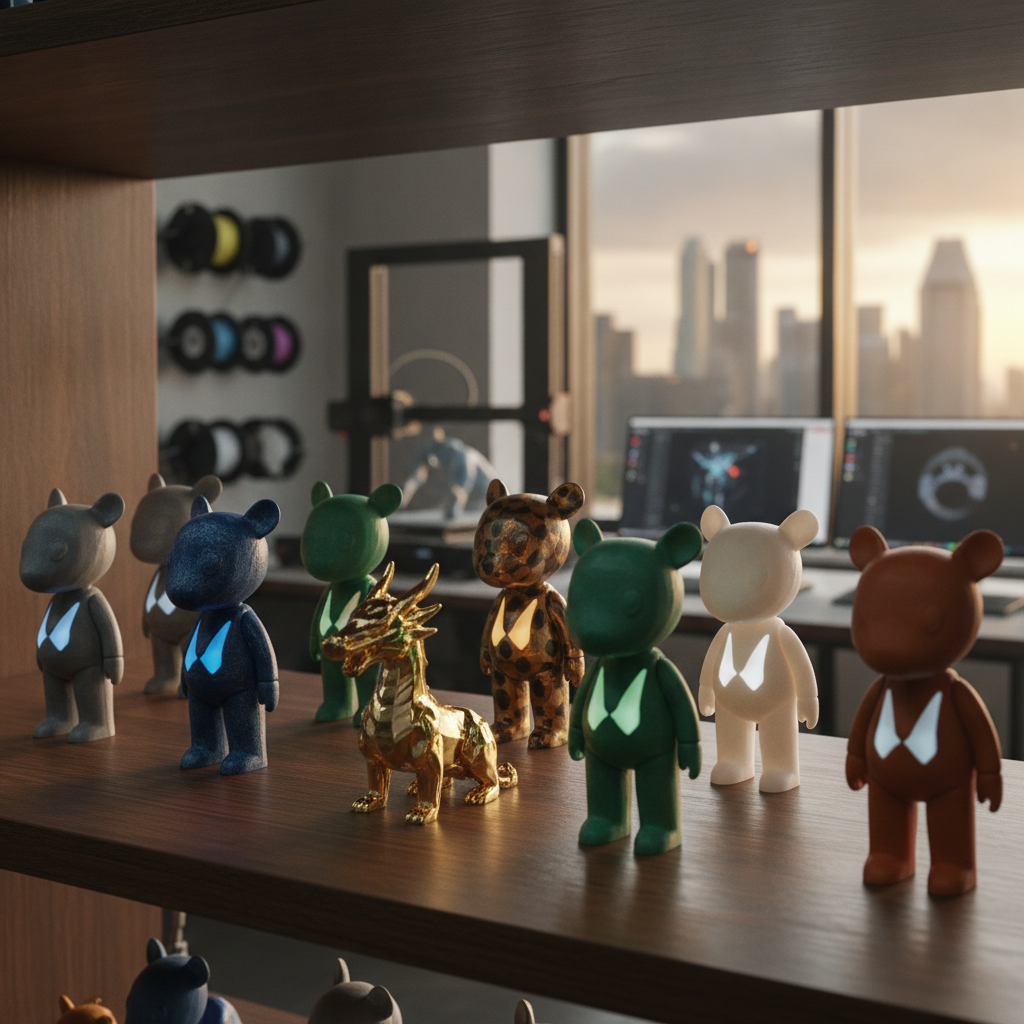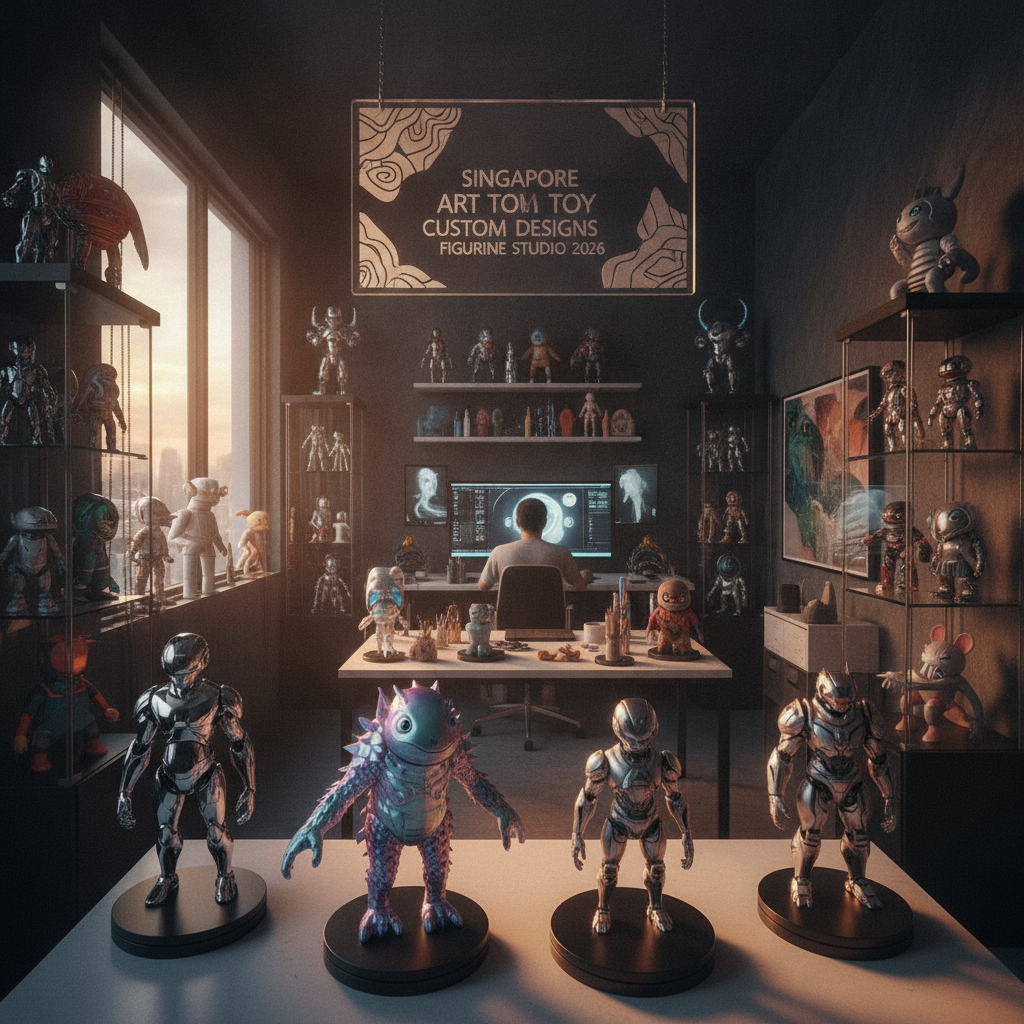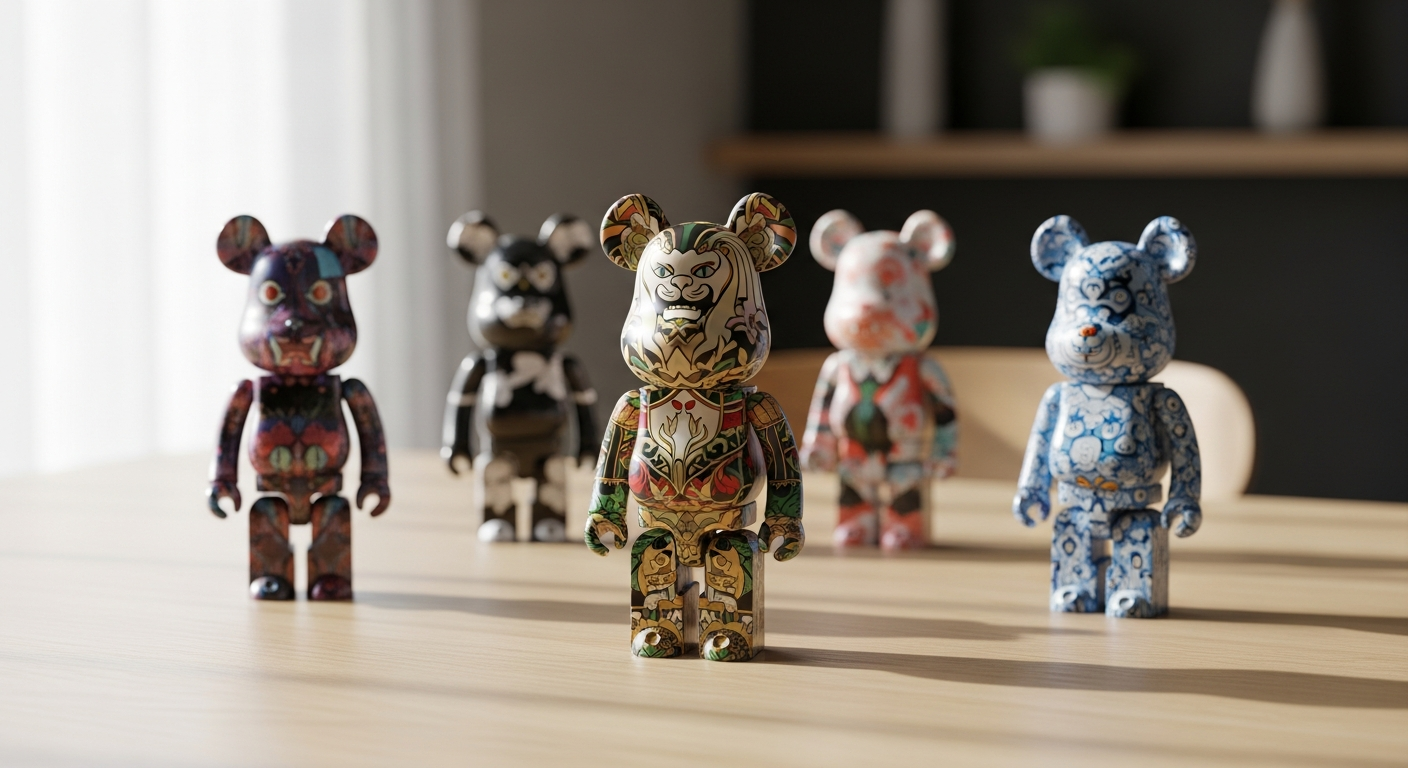

Singapore has emerged as a compact, highly innovative hub for lifestyle product design and collectible culture. From sleek homewares to designer figurines, creators in the city-state are blending utility and art to meet evolving consumer tastes. In particular, limited edition art toys have become a vibrant segment that bridges industrial design, street culture, and fine-art sensibilities. This article walks through the market dynamics, design principles, production techniques, and commercial strategies that make Singapore a fertile ground for lifestyle product design and limited runs of highly collectible art toys.
Singapore’s size is an advantage: rapid iteration cycles, close collaboration between designers and manufacturers, and a supportive creative infrastructure. Government grants, incubators, and design festivals mean emerging studios and independent designers can access mentorship and networks quickly. The local consumer base values craftsmanship and design-led narratives, which helps premium lifestyle products and small-batch art toys find early adopters and loyal collectors.
For brands looking to explore this scene or learn from it, examples of successful practice blend product thinking with strong visual storytelling and limited releases that drive desirability. For a practical look at how lifestyle and collectible design converge in the city, review approaches to lifestyle product design Singapore.
Limited edition art toys succeed because they combine scarcity, narrative, and aesthetics. Collectors value rarity and provenance, and limited runs create urgency and social cachet. Designers use limited drops to:
Designers often position these toys as lifestyle objects — items that belong on a shelf in a contemporary apartment as much as they do in a display case. This crossover broadens the market beyond hardcore collectors to design-minded consumers.
Explore real-world implementations at sources that focus on limited edition art toys.
When designing lifestyle products that double as art toys, several principles ensure broad appeal and lasting value.
Modern limited edition production is often a hybrid of digital methods and hand-finishing. This combination allows designers to iterate quickly while retaining artisanal qualities.
If your production strategy relies on rapid, small-batch manufacturing, consider approaches to custom 3D printing that are tailored to limited edition art toy workflows.
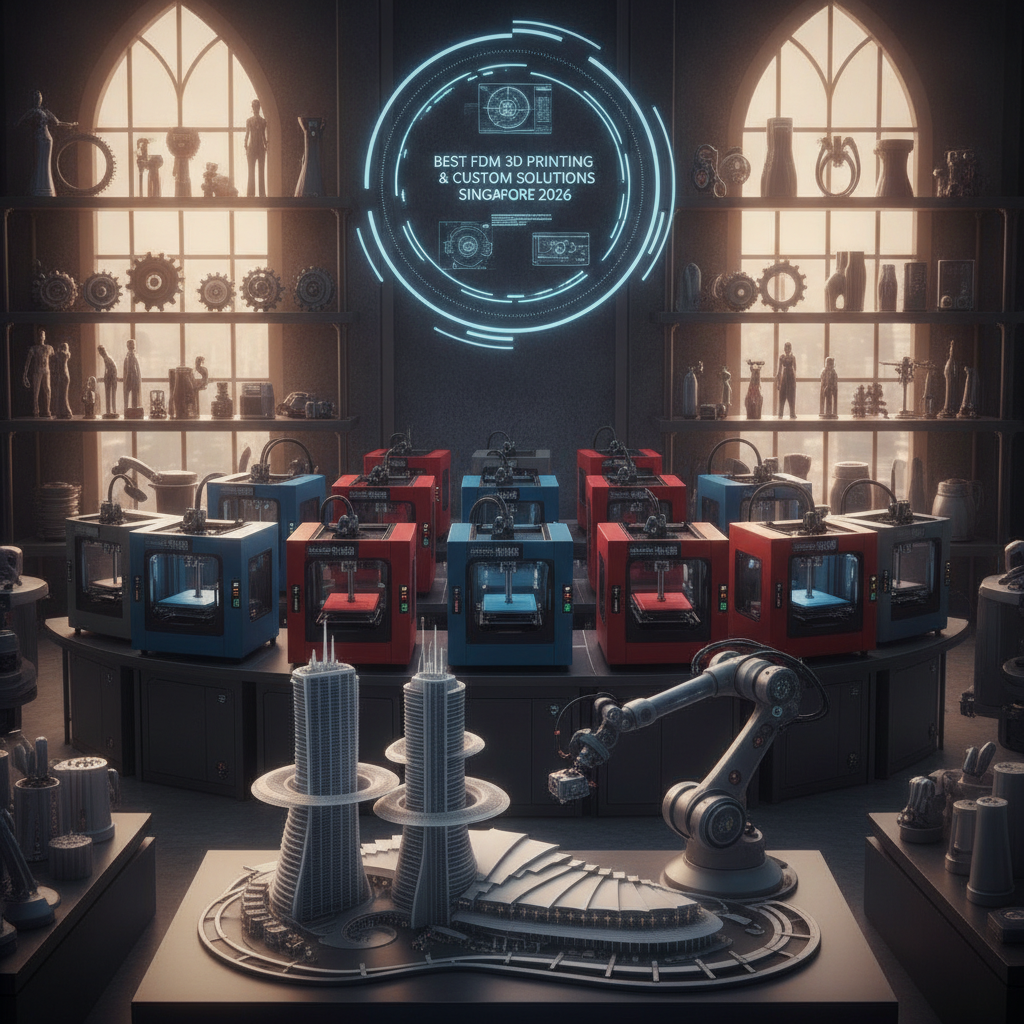
3D printing has democratized prototyping and short-run manufacturing. FDM (Fused Deposition Modeling) is cost-effective for structural prototypes and form studies, while SLA and resin printers excel at high-detail parts that require smooth surfaces.
For insights on how additive manufacturing fuels local drops and the economics behind it, see examples of FDM 3D printing.
Bespoke variations — hand-numbered editions, artist-signed pieces, and custom colorways — amplify perceived exclusivity. Offering personalized features, like custom nameplates or modular accessory packs, increases a piece’s collectibility and creates a stronger emotional connection with buyers.
Consider the business model where a standard drop is complemented by a bespoke offering for VIP collectors. Studios specializing in bespoke art toys can charge premiums while deepening relationships with collectors and brand collaborators.
Collaborations are a powerful engine for visibility. Limited edition art toys often emerge from cross-disciplinary partnerships — designers with fashion labels, cafes with local illustrators, or street artists with lifestyle brands.
Best practices for collaborations:
Strategic collaborations turn a single toy drop into a cultural event, increasing media coverage and social traction.
Packaging is part of the product. For lifestyle buyers, high-quality packaging elevates the item as an object of design. Limited edition runs benefit from special packaging that tells a story — embossed boxes, certificate cards, artist notes, and numbered sleeves.
Unboxing experiences drive social sharing. Thoughtful design decisions here can double as marketing: collectors film the unboxing, post to social, and function as organic brand ambassadors.
Pricing limited edition art toys requires balancing production cost, perceived value, and market positioning. Typical considerations:
Transparent numbering and certificates help justify pricing and assure collectors of authenticity.
Building a collector community is as important as design execution. Effective tactics:
A sustained approach to community keeps secondary markets healthy and feeds future drops.
Sustainability is an increasing priority. Designers should consider materials, packaging waste, and lifecycle impacts. Some practical steps:
Responsible design resonates with modern consumers and can differentiate a brand in a crowded field.
For collectors, aftercare and documentation matter. Provide clear care instructions, certificates of authenticity, and provenance records. These practices sustain value in secondary markets and build long-term trust.
Studios can also collaborate with galleries, pop-up shops, or online marketplaces that specialize in designer collectibles to maintain liquidity for traded pieces.
Singapore’s design scene continues to push the boundaries between lifestyle products and collectible art. By combining strong narrative design, smart production workflows like custom 3D printing, bespoke offerings, and deliberate release strategies, creators can produce limited edition art toys that resonate globally. Whether you’re a designer, brand, or collector, the key is intentionality: every design decision should support the story, scarcity, and long-term value of the piece.