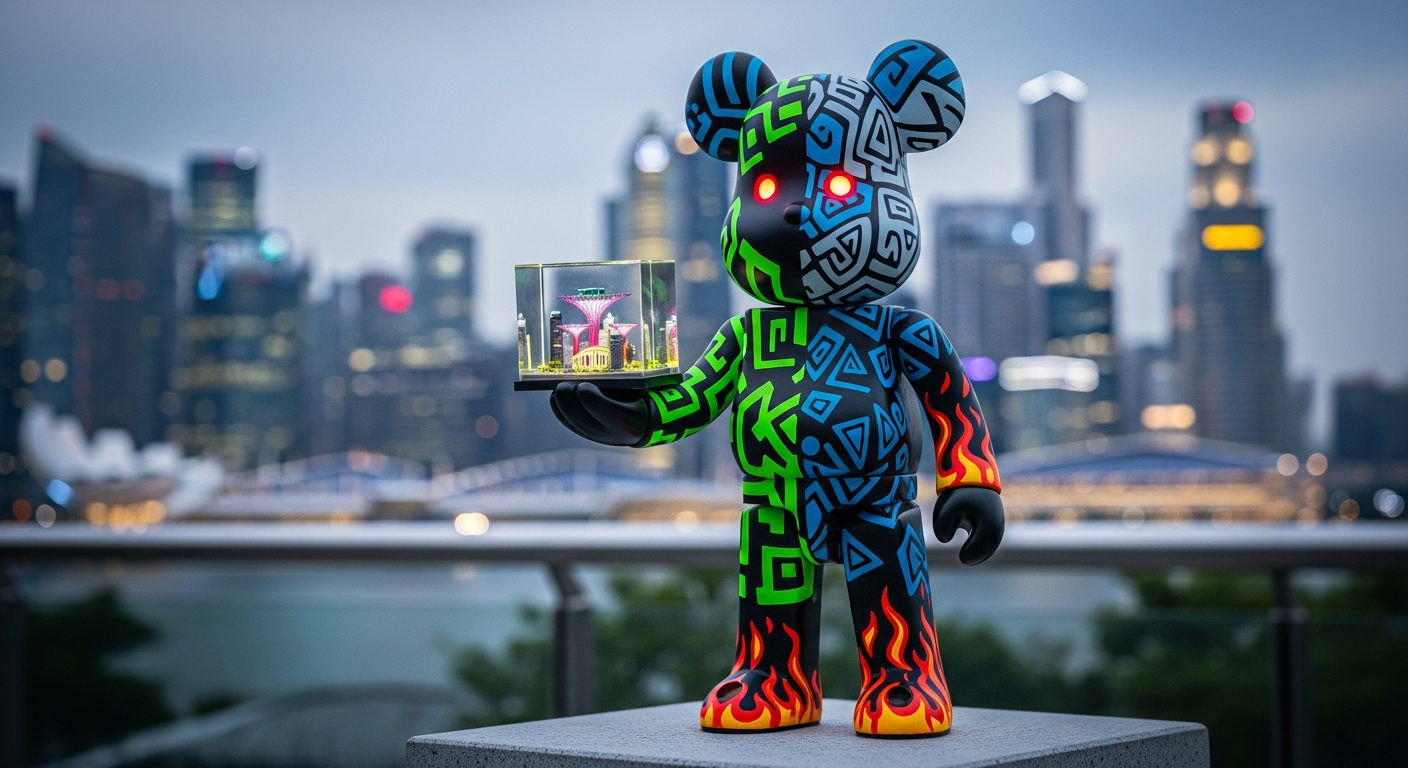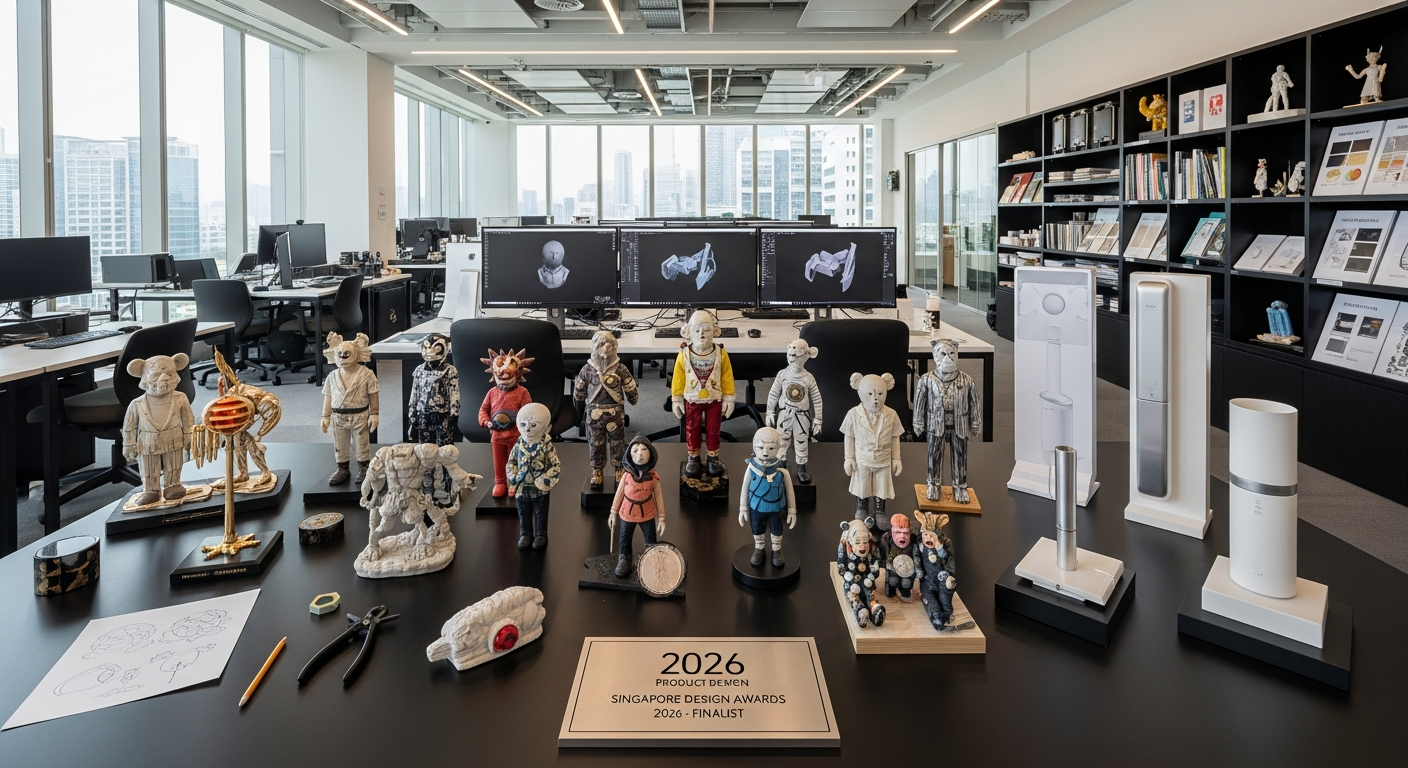
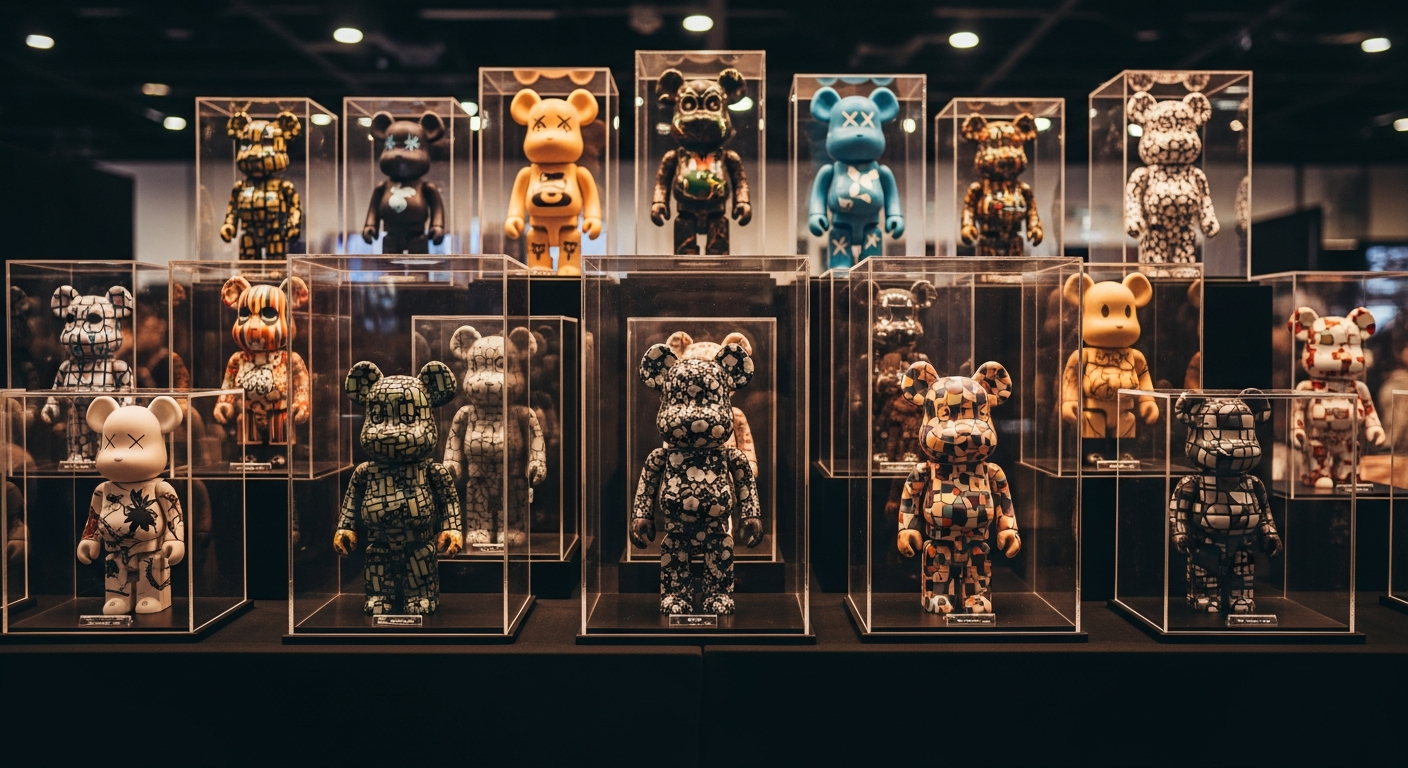

The market for limited edition art toys has evolved from niche street culture into a global creative economy. Collectors crave scarcity, provenance, and the story behind each piece. Designers and independent studios are responding with short-run, highly detailed releases that behave more like art drops than conventional toy launches. This shift has opened opportunities for makers who can deliver high-quality finishes and consistent quality at low volumes — and that’s where modern manufacturing methods like fdm 3d printing singapore come into play.
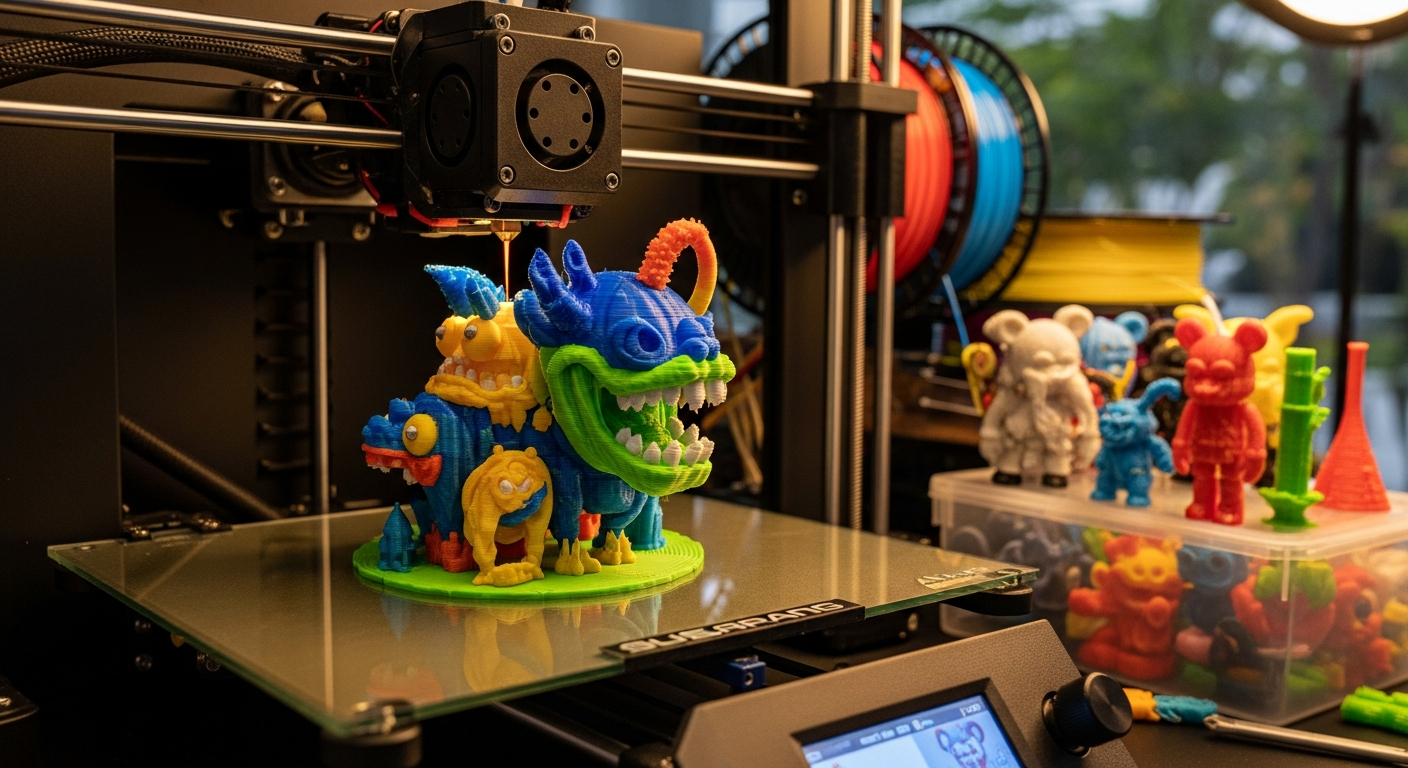
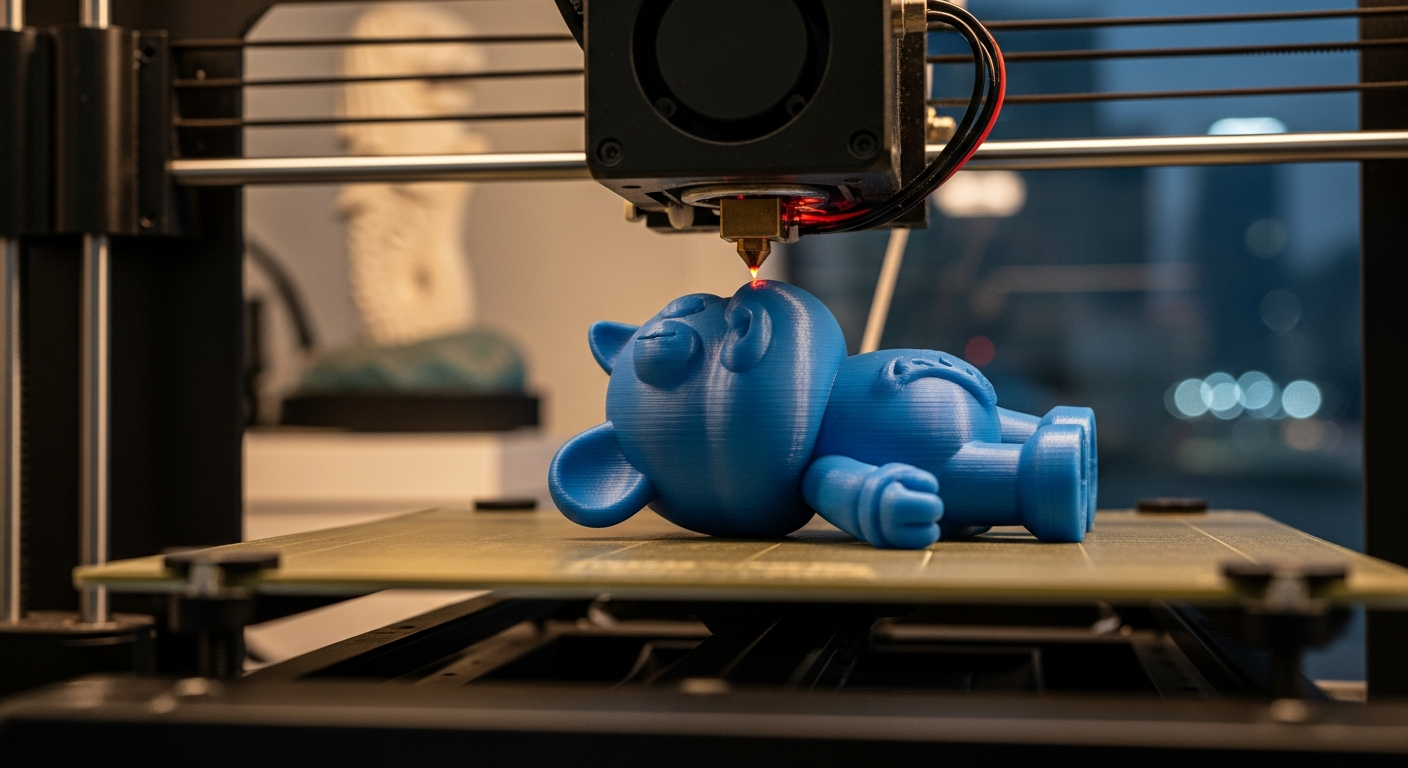
Fused Deposition Modeling (FDM) is an additive process that builds parts layer by layer from thermoplastic filaments. Its main strengths for limited edition art toys are accessibility, predictable costs, and material variety. With FDM you can: reduce tooling lead time, iterate rapidly on form and proportions, and economically produce anything from a single prototype to dozens of final pieces.
In the Singapore context, reliable supply chains for filaments, post-processing, and finishing services make fdm 3d printing singapore an attractive choice for artists, small studios, and brands planning limited runs. For an in-depth look at local capabilities and workflows, see how professionals are leveraging FDM 3D printing Singapore to power collectible toy production.
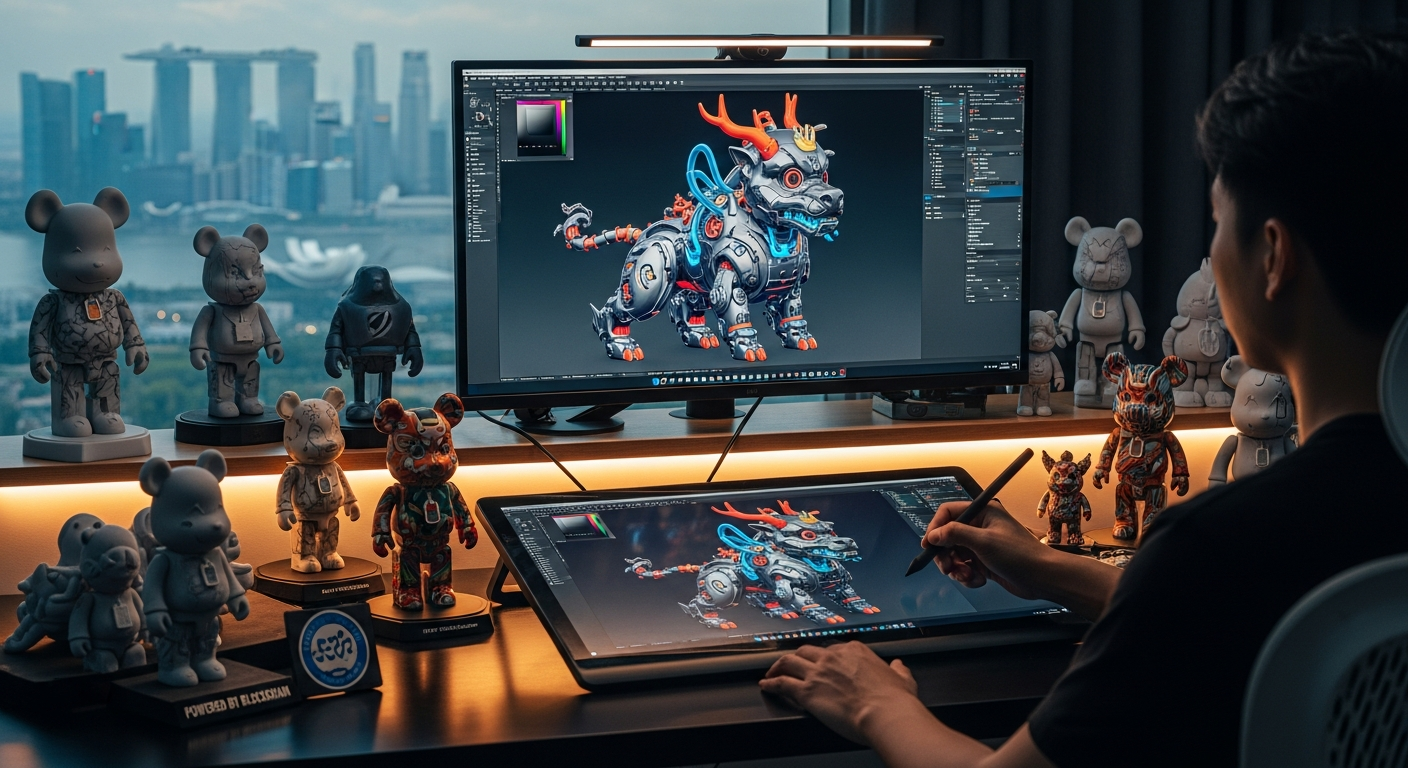
A smooth pipeline transforms an idea into a collectible. Typical stages include concept sketching, 3D sculpting, CAD refinement, physical prototyping, and surface finishing. Each step tightens tolerances and prepares the model for repeatable small-batch production.
CAD and digital sculpting are foundational — they let you control wall thicknesses, interlocking joints, and hollowing strategies that save material and reduce print time. For NFT-linked collectibles or multi-part assemblies, professional services such as CAD modeling Singapore help ensure models are print-ready and structurally sound.
Prototyping on FDM machines is fast and cost-effective, allowing multiple iterations to test articulation, fit, and surface detail before committing to the final finish. When the prototype meets expectations, the same digital file can be used to produce the limited run with consistent results.
FDM supports a wide range of filaments — PLA, PETG, ABS, TPU and higher-performance composites. Material selection affects surface texture, paint adhesion, durability, and the final perceived value of the toy. For example:
Matching material to the finish strategy is a critical design decision. Many Singapore studios provide consultations to choose the right filament and post-processing route for each collectible.
An FDM-printed toy is only as impressive as its finishing. Achieving a gallery-grade limited edition requires careful post-processing:
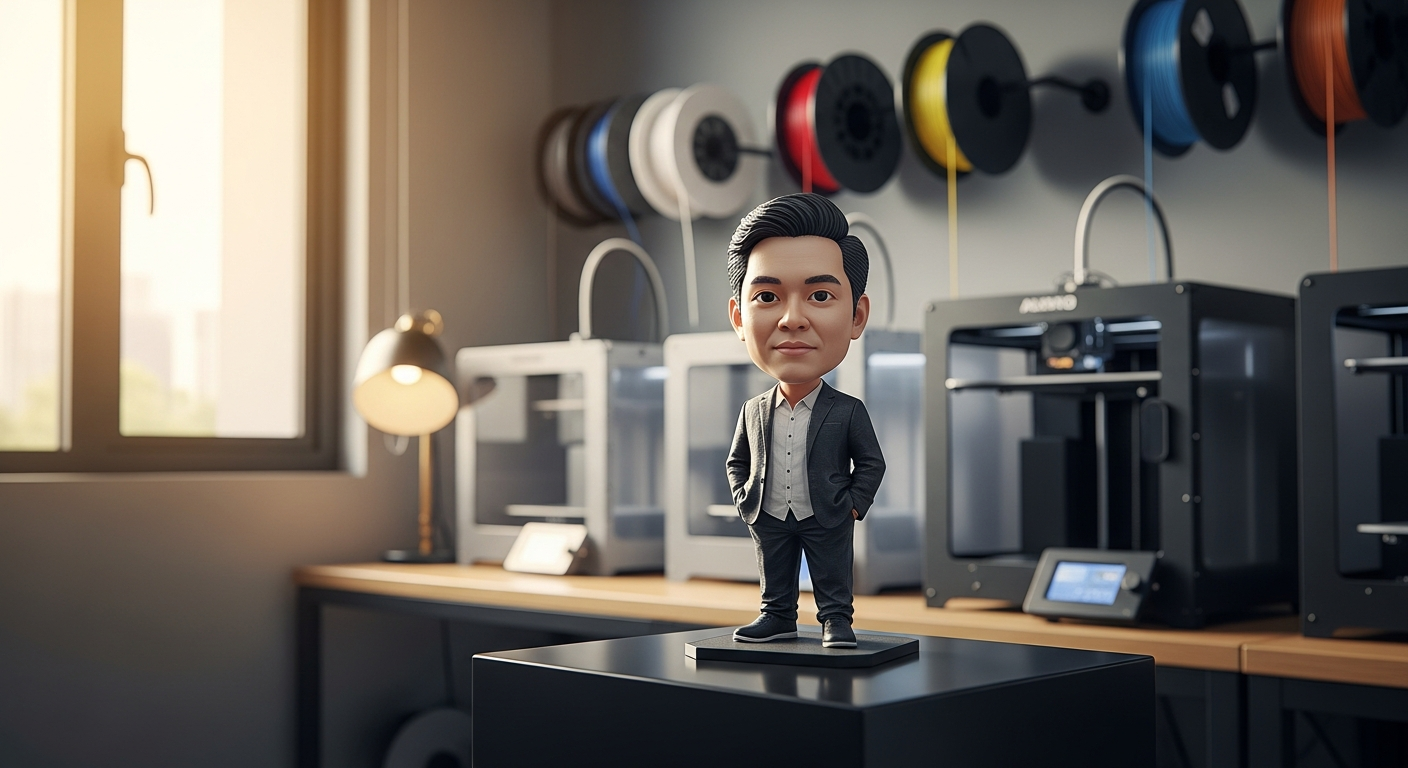
For customised figurines and portrait pieces, finishing often includes hand-painted features and premium packaging. Read about bespoke solutions available for highly personalized projects like mini-me custom figurine services.
Limited edition art toys derive value from scarcity. Typical strategies for short runs include:
FDM 3D printing excels at these strategies because it avoids expensive molds and tooling. This makes creative experiments and multiple colorways financially viable, while still allowing tight control over each unit.
Collectors expect consistency. Quality control checks should include dimensional verification, paint uniformity, and joint tolerance tests. For limited editions, consider serialized markings (laser etching or engraved plates) and tamper-evident packaging.
Protecting design IP and managing confidentiality are particularly important in Singapore’s competitive market. Partner with studios that offer secure file handling and NDAs. For integrated support from concept to branded packaging, explore product design Singapore and production services.
The designer toy scene is increasingly interdisciplinary. Collaborations between street artists, illustrators, and toy fabricators create compelling narratives that drive collector interest. Key trends include:
Local success stories show artists expanding reach through global marketplaces while maintaining boutique production in Singapore. For inspiration on how collectible creators package and present their work, check references on collectible art toys.
Costs for an FDM-based limited edition vary with complexity, finish level, and edition size. Typical components of pricing include design fees, per-unit print time, post-processing labor, painting, packaging, and logistics. Timelines can be surprisingly fast: prototypes in days, final small runs in weeks, not months.
Singapore studios often offer end-to-end services — from 3D concepting to photography-ready packaging — making it simpler for artists to focus on creative direction rather than manufacturing logistics. For teams needing full-service support, including prototype-to-production transition, see curated options for FDM 3D printing Singapore.
Starting smart means balancing artistic ambition with manufacturable constraints. A practical roadmap:
If your project requires portraiture, likenesses, or highly personalized figures, look into specialist offerings like the mini-me custom figurine workflow to ensure fidelity.
Singapore’s manufacturing ecosystem — reliable suppliers, pro-grade finishing capabilities, and professional design services — makes it an efficient base for producing limited edition art toys with FDM technology. Designers can iterate quickly, control costs, and launch focused, collectible-driven campaigns without the overhead of traditional tooling.
As the collectible market matures, combining digital design with pragmatic production strategies will be the differentiator. The intersection of art and manufacturing, supported by advanced yet accessible fdm 3d printing singapore services, is unlocking new creative economies and enabling artists to bring limited edition visions to market with precision and personality.
For examples of fully integrated collectible workflows and product design support, explore curated local resources on product design Singapore.