Why fast FDM matters for rapid prototyping in Singapore
Singapore’s product development scene values speed, precision and cost control. For many startups, designers and engineering teams, fast FDM 3D printing has become the go-to tool for rapid prototyping Singapore projects. Fused Deposition Modeling (FDM) offers predictable turnaround times, accessible material choices and a low barrier to iteration—critical when timelines are compressed and design changes are frequent.
This article explains how FDM 3D printing accelerates prototype cycles, what to optimize in your designs and workflows, and which local trends in Singapore make fast prototyping even more effective.
What is FDM and why it’s ideal for quick iterations
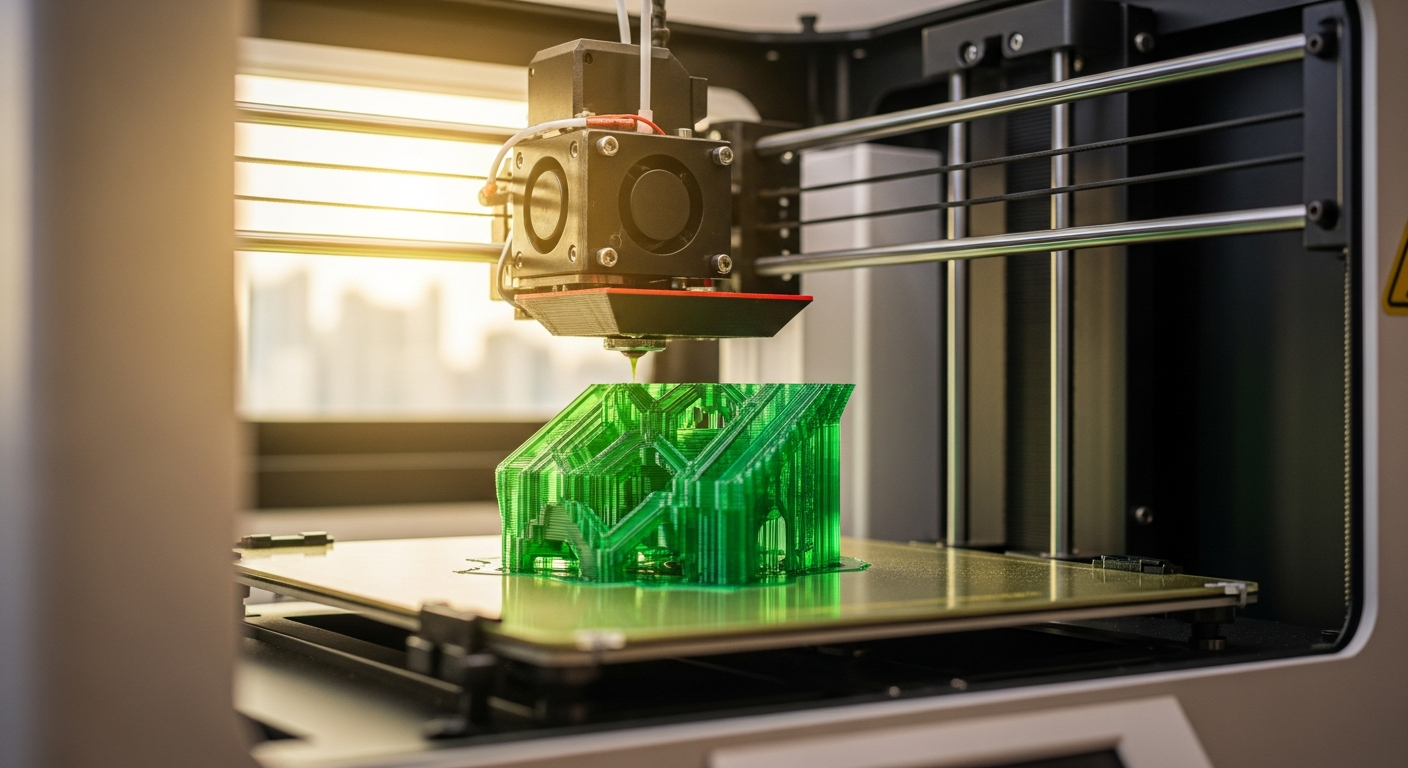
FDM builds parts by extruding thermoplastic filament layer by layer. Compared with resin or powder-based processes, FDM is often faster to set up and less expensive per part. Key benefits for rapid prototyping include:
- Low-cost materials and machines that let teams prototype frequently without large budget impact.
- Robust mechanical properties suitable for functional testing and ergonomic evaluation.
- Simple post-processing options—sanding, vapor smoothing, or painting—for quick surface improvements.
- Scalable batch printing: multiple parts can be nested on one build plate for fast turnarounds.
For teams focused on speed, these characteristics make FDM 3D printing Singapore offerings a practical first step in validating concepts before moving to higher-fidelity processes.
Common use cases in Singapore’s product ecosystem
- Proof-of-concept models to validate size, fit and basic function.
- Functional prototypes for usability testing and early-stage mechanical validation.
- Jigs, fixtures and assembly aids to accelerate manufacturing setup and testing.
- Low-volume customised parts and mock-ups for investor demos.
FDM is used across industries—from consumer electronics and lifestyle products to industrial hardware—because it balances speed, cost and acceptable mechanical performance.
Speed vs. quality: tradeoffs and how to balance them
Rapid prototyping prioritizes iteration speed over the final aesthetic finish. However, you can tune FDM settings to strike the right balance:
- Layer height: Larger layers (0.2–0.3 mm) print faster but show visible layer lines. For faster iterations, use 0.2 mm or higher. For higher visual fidelity, drop to 0.1 mm or lower.
- Infill: Lower infill densities (10–20%) reduce print time and material while still allowing functional testing. Increase infill for load-bearing prototypes.
- Shell thickness: Thicker shells improve strength without a linear increase in print time; optimize walls for functional parts.
- Print speed: Modern FDM printers and tuned slicer profiles can increase movement speeds while maintaining acceptable quality—use manufacturer-recommended presets for high-speed modes.
By adjusting these parameters, teams can produce a “fast prototype” in hours rather than days, accelerating decision-making during development.
Design tips to speed up FDM prototyping
Design for manufacturability specific to FDM reduces print time and failure rates:
- Orient parts to minimize supports. Fewer supports save both print time and post-processing.
- Split complex geometries into smaller sections that can be printed flat and assembled quickly.
- Use fillets and chamfers to improve layer bonding and avoid stress concentrations.
- Add sacrificial alignment features (pegs and slots) to facilitate rapid assembly and repeatable testing.
- Hollow large volumes and use internal ribs for strength without heavy infill.
Good design-for-FDM practices make prototypes faster and cheaper to iterate, allowing teams to explore more variations within the same schedule.
Materials and finishes for practical prototypes
Common FDM materials used in Singapore prototyping workflows include PLA, PETG, ABS and engineering-grade filaments like Nylon, TPU and carbon-filled composites. Each has tradeoffs:
- PLA: Fast, easy, and dimensionally stable—great for initial concept models.
- PETG: More durable and heat-resistant than PLA—suitable for functional prototypes.
- ABS: Higher temperature resistance and post-processing flexibility (acetone smoothing) but needs enclosure and ventilation.
- Specialty filaments: Nylon and carbon-filled filaments provide better mechanical properties for load-bearing parts but may require hardened nozzles and tuned settings.
Surface finishes, from quick sanding and primer to vapor smoothing, can improve perceived quality for stakeholder reviews or marketing mock-ups.
Post-processing workflows that preserve speed
To keep prototype cycles short, adopt minimal yet effective post-processing:
- Remove supports carefully and sand key contact areas only.
- Use quick primers to fill layer lines prior to painting for demo-ready parts.
- Consider selective smoothing (e.g., solvent vapor for ABS) for parts needing a premium surface.
- For assemblies, use fast adhesives and simple mechanical fasteners that allow easy part replacement.
A focused, repeatable post-processing routine ensures prototypes are presentable without bogging the team down.
Local logistics and benefits in Singapore
Singapore’s compact geography and dense network of design studios, fabrication labs and service providers enable very fast turnaround times. Key advantages locally include:
- Same-day or next-day production for many FDM jobs due to proximity to service bureaus.
- Easy collaboration with local product design studios for iterative feedback and quick reprints. See examples of bespoke product workflows at bespoke product design.
- Integration with local supply chains for rapid assembly and testing.
These factors make rapid prototyping Singapore-friendly: you can move from CAD to physical part and back to iteration within a single workday in many cases.
Case study: speeding time-to-feedback with FDM
A local lifestyle brand needed to test several handle ergonomics for a new consumer product. By using FDM 3D printing for rapid prototyping Singapore cycles, they:
- Printed 5 ergonomic variants in one day using low infill and 0.25 mm layers.
- Performed user testing the next morning and selected a winner.
- Iterated the winning shape with minor refinements and produced a functional prototype for mechanical validation in 48 hours.
This condensed timeline saved weeks of development time versus traditional tooling-first approaches.
Emerging trends influencing FDM prototyping
Several trends are shaping rapid prototyping with FDM in Singapore and globally:
- Multi-material and multi-color FDM heads let designers prototype assemblies with integrated elastomers and rigid materials in one print.
- Faster, industrial FDM machines with advanced motion systems reduce print times while improving dimensional accuracy.
- Cloud-based slicing and remote monitoring enable distributed teams to submit jobs and track prints from anywhere.
- Sustainable filament choices and recycling programs are reducing the environmental footprint of frequent prototyping.
Designers and engineers who leverage these trends gain both speed and a broader material palette for realistic prototypes.
When to move from FDM to higher-fidelity methods
FDM is excellent for early-stage iteration, functional tests and jigs. However, consider shifting to SLA, SLS or injection molding when:
- You need high surface fidelity for final previews or pre-production marketing shots.
- Complex internal geometries or very fine features are required that FDM cannot reproduce reliably.
- Large-volume production economics make injection molding more cost-effective.
Many teams use a hybrid approach: iterate quickly with FDM, then validate the final design with a higher-fidelity process.
Choosing the right FDM partner in Singapore
A good prototyping partner offers predictable lead times, expertise in DfM (design for manufacturing) and material recommendations. Look for providers that:
- Provide clear turnaround estimates and sample timelines for common prototypes.
- Offer consultation on print orientation, support minimization and material selection.
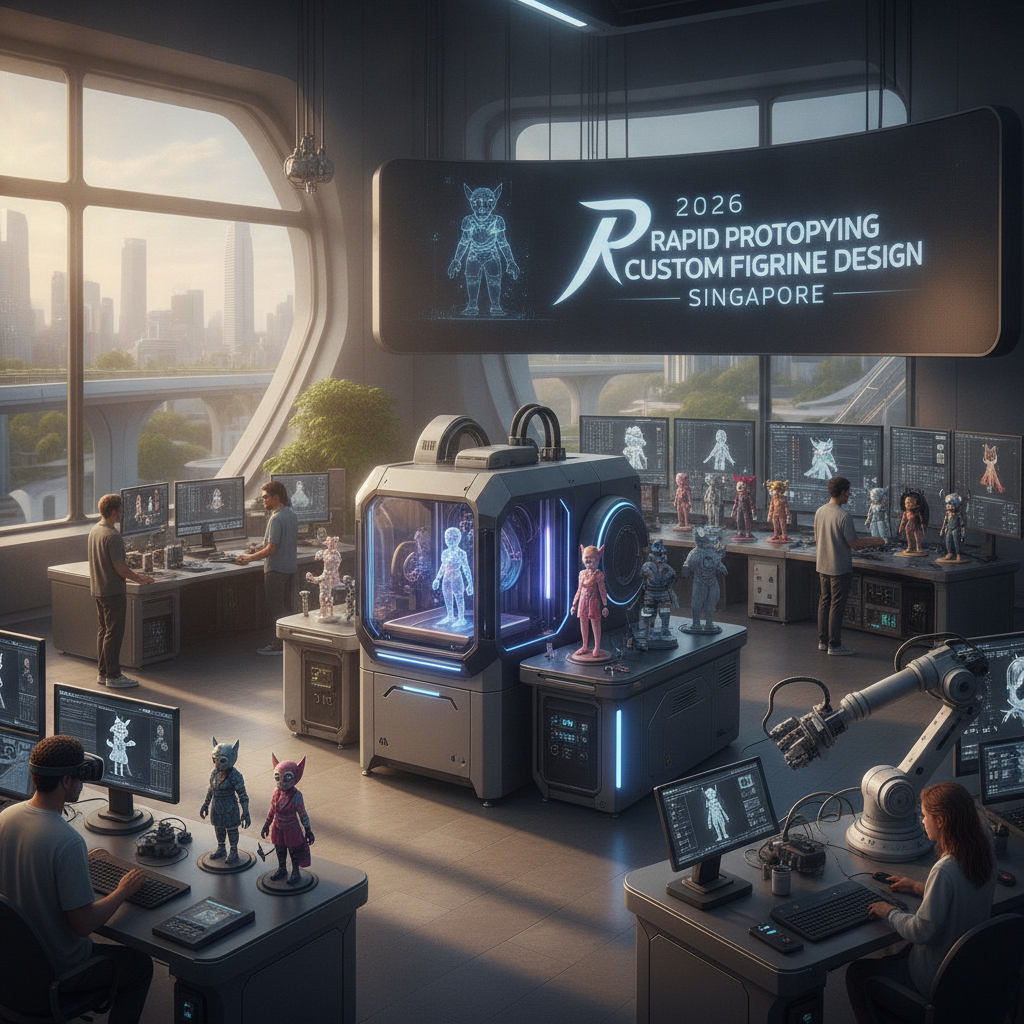
- Share case studies showing rapid iteration workflows and successful outcomes. For customised 3D print services and figurine design workflows, review custom figurine design resources.
Also consider partners that integrate design services when needed—this reduces friction between ideation and physical testing. Examples of integrated design and FDM workflows can be found in FDM 3D printing service.
Best practices checklist for fast prototypes
- Start with the minimum viable test: print only what you need to validate the hypothesis.
- Standardize slicer profiles for speed modes to avoid re-tuning for every job.
- Use simple alignment features to speed up assembly and testing.
- Track iteration outcomes—what changes reduced user issues or manufacturing risk?
- Recycle failed prints when possible and choose eco-friendly materials to reduce waste. Learn about broader product and lifestyle design approaches at lifestyle product design.
Conclusion: practical speed without sacrificing insight
Fast FDM 3D printing transforms how teams in Singapore approach rapid prototyping. By focusing on smart design choices, material selection and lean post-processing, you can compress development cycles, test more ideas and arrive at better product decisions faster. For inspiration on combining rapid prototyping with collectible and designer products, explore trends in designer art toys.
Adopting fast FDM workflows empowers product teams to validate assumptions quickly, reduce risk and move confidently toward production-ready designs.