Introduction
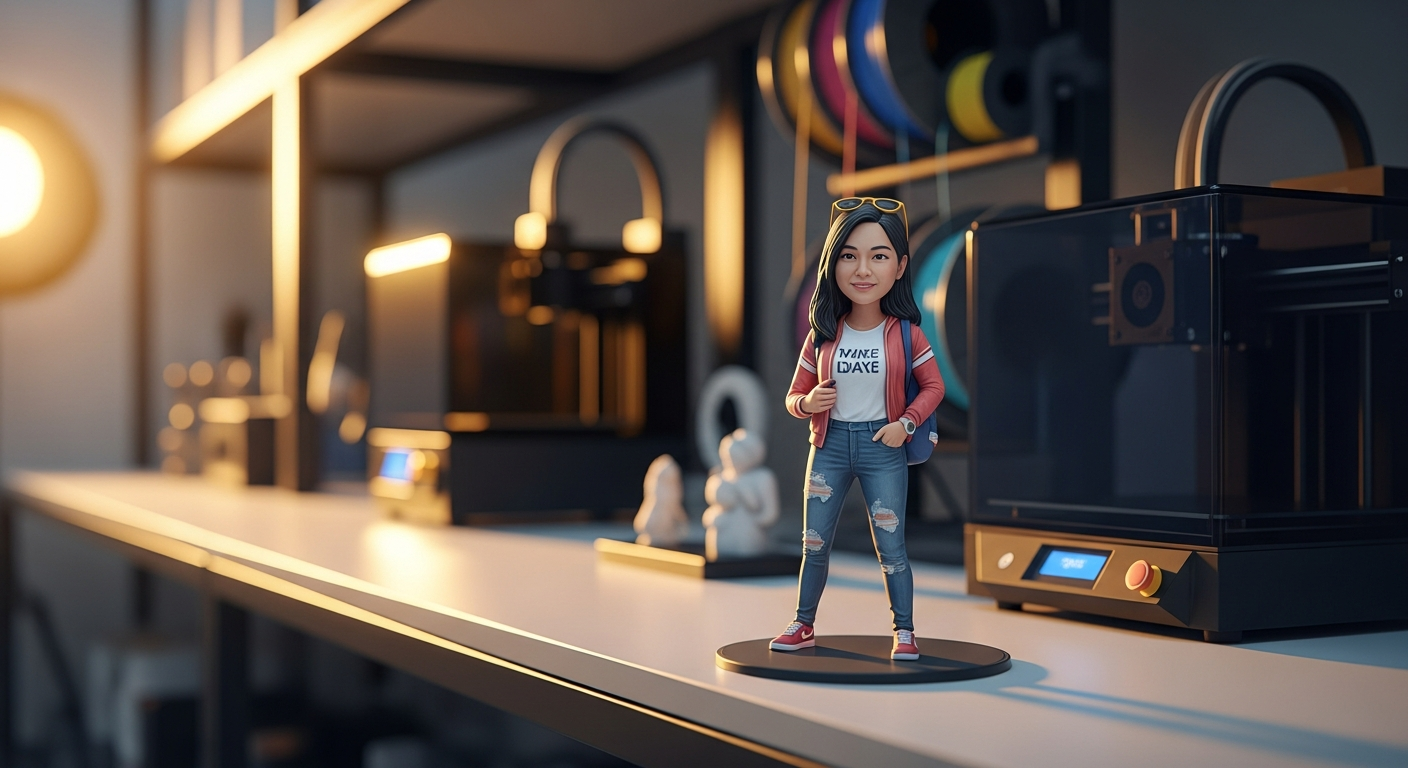
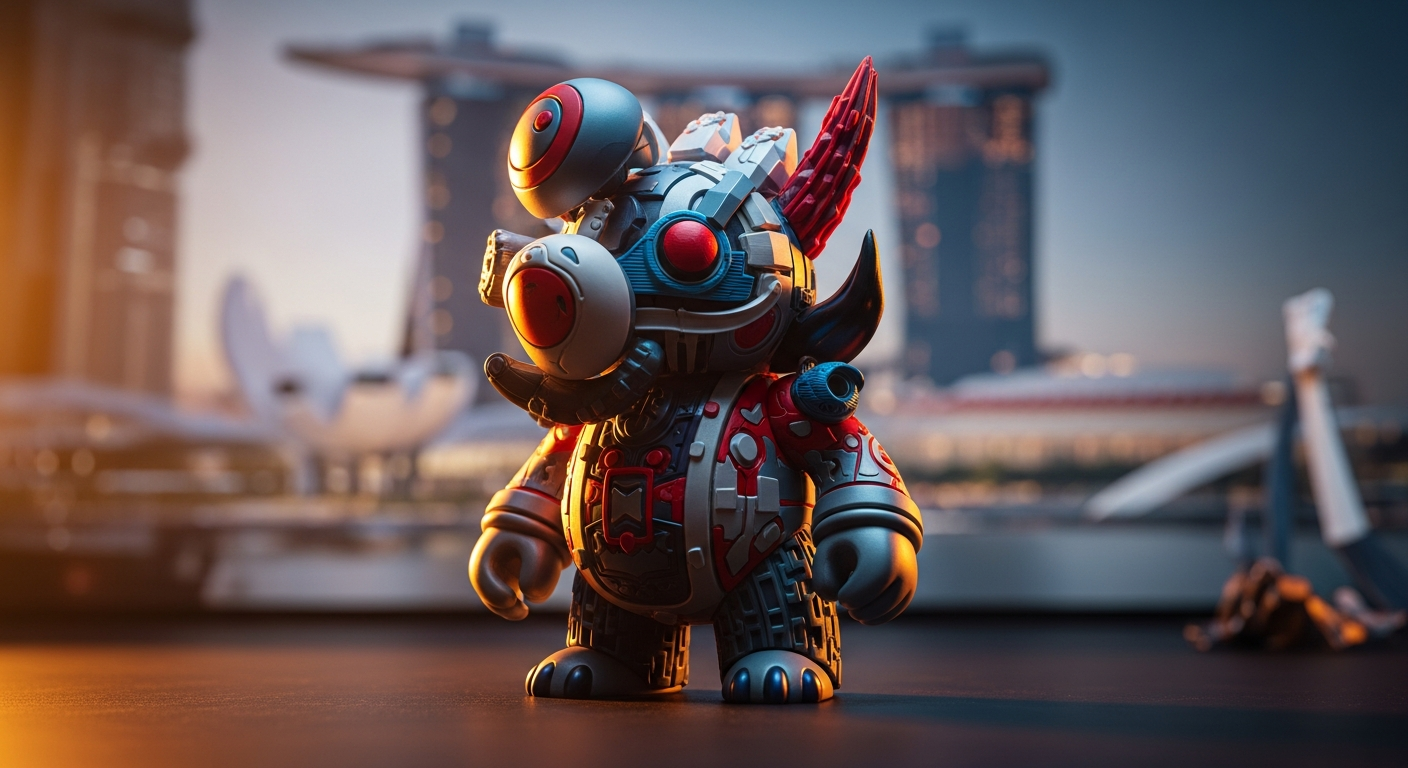
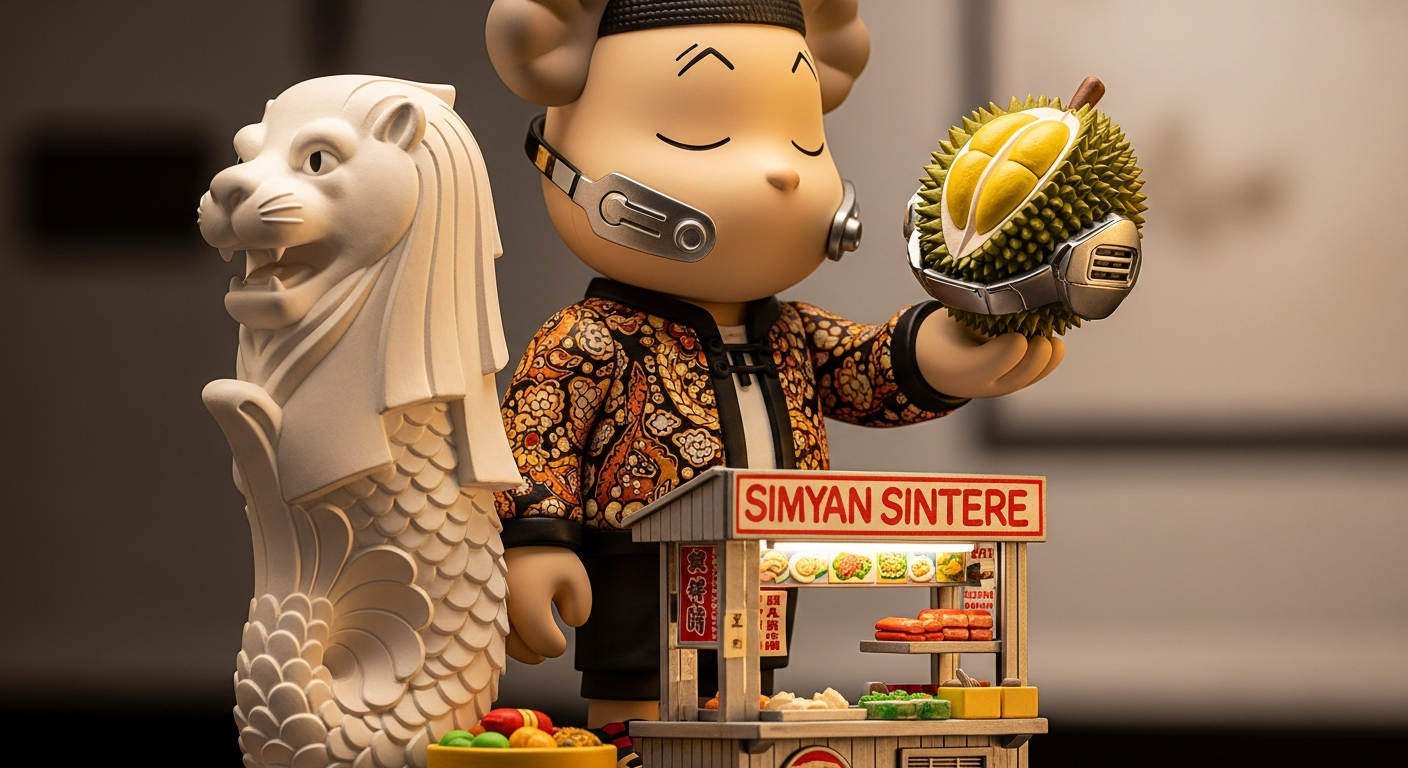
Personalized figurines are no longer niche novelties — they’re collectible art, brand mascots, and meaningful gifts. In Singapore, advancements in hardware, materials and digital workflows have made custom 3d printing singapore an accessible, high-quality option for creators and businesses alike. This article explains how the process works, current 2026 trends you should know, practical design tips for custom figurine design singapore, and how to pick the right service for your project.
Why custom 3D printing matters for figurines
Custom 3D printing lets you translate a concept, photo or character into a tactile object with exceptional detail. For figurines, this matters because:
- Detail and fidelity: SLA and MJF processes can capture fine facial features, textures and costume details.
- Cost-effective short runs: Printing small batches or single pieces avoids expensive tooling.
- Faster iterations: Rapid prototyping allows successive refinement of sculpt, pose and scale.
- Personalization: From scaled portrait miniatures to custom colorways, each piece can be unique.
Singapore’s manufacturing ecosystem and logistics make it a smart base for regional distribution and collaboration with designers across APAC.
The typical workflow for a custom figurine
A predictable workflow reduces surprises. Most professional services follow these stages:
- Concept and references: Photos, sketches, or 3D scans.
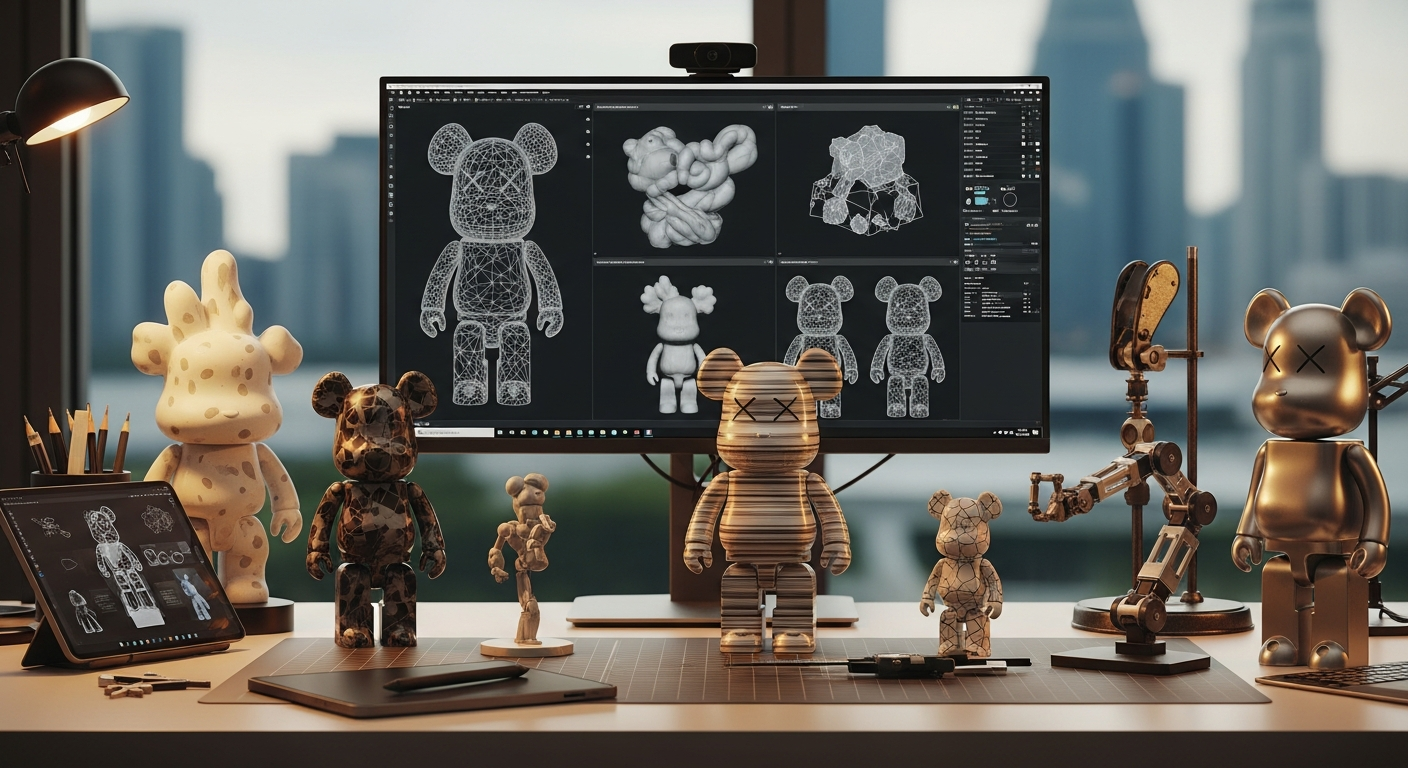
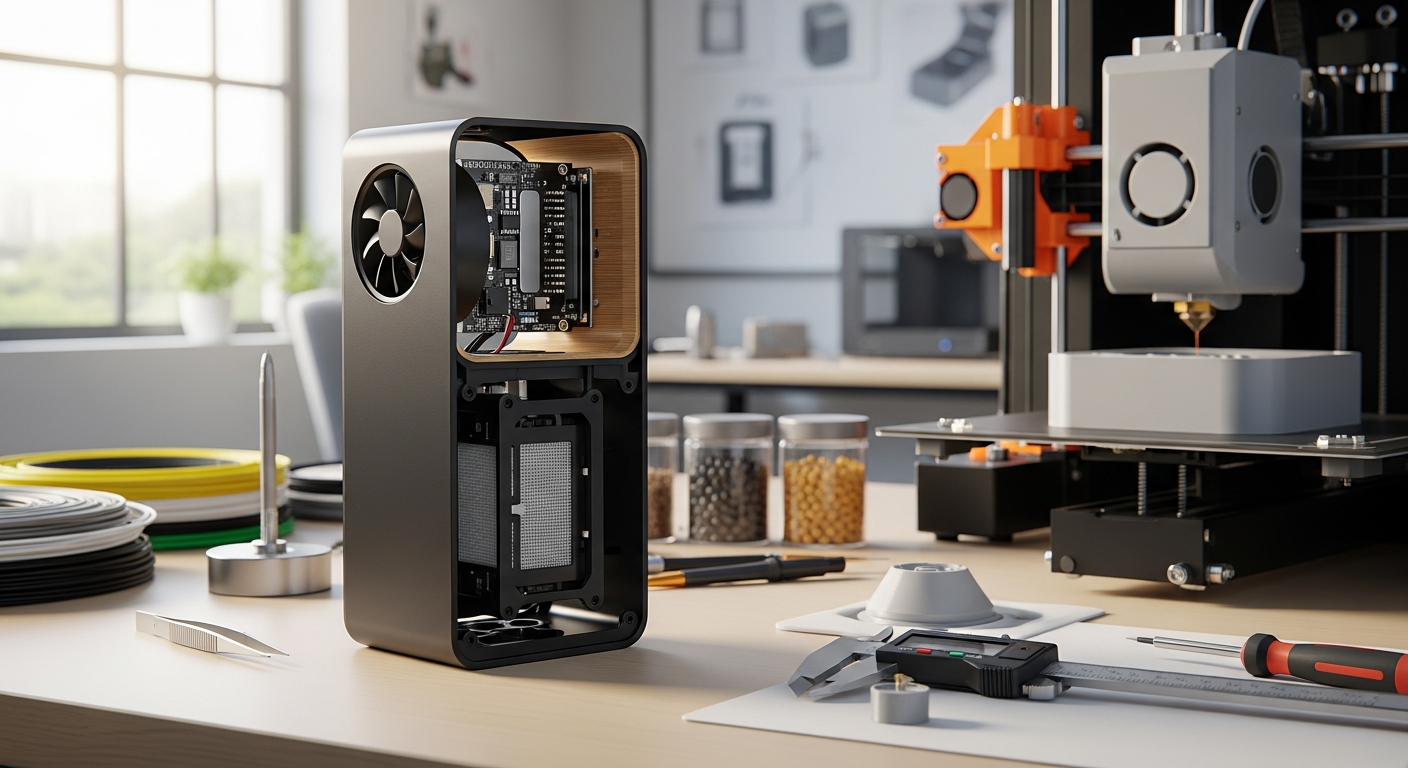
- CAD/sculpting: Digital sculpting in ZBrush, Blender or CAD refinement for mechanical parts.
- Engineering checks: Wall thickness, hollowing, and support planning.
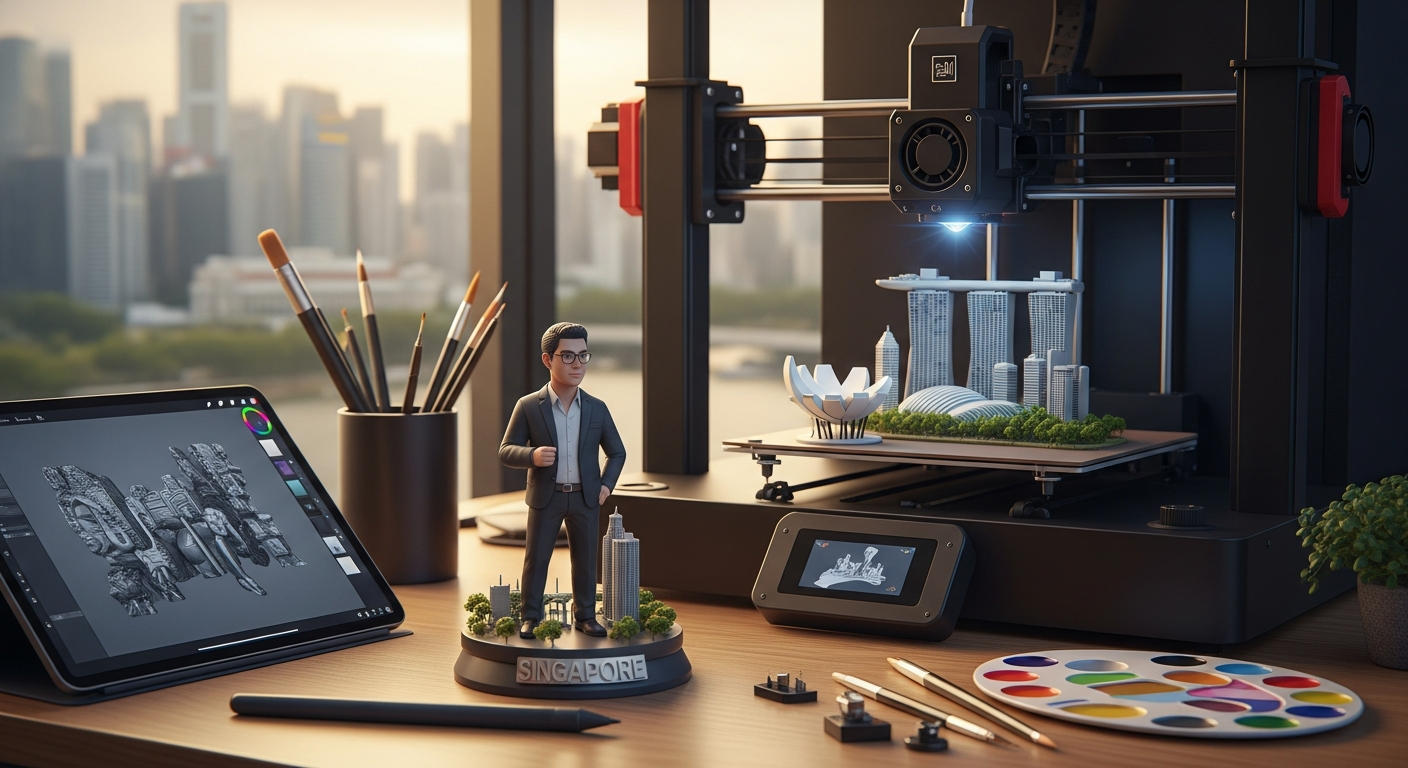
- Printing: SLA, SLS, MJF, FDM, or color binder jetting depending on needs.
- Post-processing: Support removal, sanding, priming, painting, and assembly.
- QA and delivery: Fit checks and final packaging for shipping.
If you want to explore real-world projects and prototyping workflows, check resources on limited edition production and rapid prototyping like the pieces on limited edition art toys and rapid prototyping in Singapore: limited edition art toys.
Materials and technologies in 2026: what to choose
Material and process choice determines look, feel and durability.
- SLA (resin): Best for ultra-fine detail and smooth surfaces. Ideal for display figurines that will be painted.
- MJF / SLS (nylon): Rugged, good for functional parts or pieces needing strength; can be dyed or surface-treated.
- Binder jetting & full-color MJF: For full-color figurines without hand-painting, useful for promotional runs.
- FDM (PLA, PETG): Cost-effective for large-scale prototypes or base forms that are finished later.
- Advanced resins: Tough, flexible and high-temp resins allow articulated joints and functional prototypes.
Sustainability trends in 2026 include bio-based resins and recyclable nylons, so ask about material sustainability if that matters for your project.
Design tips for better custom figurines
Good outcomes start with good design. Keep these practical tips in mind for custom figurine design singapore:
- Mind minimum wall thickness: Typically 1.0–2.0 mm depending on process. Too thin and parts break; too thick and you waste material and increase weight.
- Hollowing: Hollow large solid areas and add drain/escape holes to avoid trapped resin and reduce cost.
- Orientation and support: Orient parts to minimize visible support marks on faces. Plan supports in less-visible areas.
- Registration features for assembly: Design pegs, slots or magnets if the figurine will be modular or painted separately.
- Text and micro-details: Embossed or engraved text should exceed the minimum readable size for the chosen process.
- Tolerances for moving parts: Allow clearance (0.2–0.5 mm typical) for snap-fits or hinged joints.
For design-to-production case studies and how CAD modeling feeds creative design, see insights on designer art toys and CAD modeling workflows here: designer art toys.
Post-processing and finishes that elevate figurines
Post-processing is where a printed object becomes collectible. Common finish options:
- Sanding and priming: Eliminates layer lines and creates a uniform base for paint.
- Airbrushing and hand-paint: High-end collectible look; great for limited editions.
- Dyeing and infiltration: For SLS/MJF parts to get consistent color and improved strength.
- Electroplating and vapor smoothing: Adds metallic finishes or glossy surfaces for display pieces.
- UV-stable topcoats: Protect colors from fading, crucial for display in sunlight.
If you need a full-service approach from CAD to color-ready toys, check a provider offering integrated custom 3D printing service options: custom 3D printing service.
Cost, lead time and planning expectations in Singapore
Typical costs and lead times (2026 estimates, per figurine or batch):
- Single painted resin figurine (SLA): higher per-unit cost, 3–7 business days for print + 3–10 days for post-processing.
- Small batch (10–200) in nylon (MJF/SLS): competitive per-unit cost; 1–3 weeks total depending on finishing.
- Full-color binder-jet pieces: slightly longer lead times but no painting required.
Factors affecting price: size, complexity, material, color/painting, assembly and quantity. Singapore studios are efficient at short runs and rapid prototyping, making them suitable for limited-edition drops and quick product launches.
For examples of balancing speed and quality in short runs, see rapid prototyping approaches used for art toys: rapid prototyping.
Emerging 2026 trends shaping figurine production
Several trends are shaping the market:
- AI-assisted sculpting and procedural texturing: Designers use AI tools to accelerate sculpt iterations and generate complex surface detail.
- Full-color desktop and industrial printing: Improved color fidelity reduces painting time for small runs.
- On-demand batch production and drops: Creators can run micro-batches and avoid inventory risk.
- Hybrid workflows: Photogrammetry or smartphone 3D scanning combined with manual sculpting for accurate portrait miniatures.
- Sustainable materials: Recyclable nylons and bio-resins reduce environmental footprint.
For deeper reading on CAD-driven workflows and rapid-prototyping trends, see: CAD modeling and rapid prototyping trends.
Choosing the right service provider in Singapore
Ask these questions when evaluating vendors:
- Do they have experience with figurines and collectibles?
- Which processes and materials do they recommend for my scale and finish?
- Can they provide examples or a portfolio of finished pieces?
- What are their turnaround times for prototype vs. batch production?
- Do they offer painting, finishing and assembly in-house?
- What are their policies on revisions, refunds and quality control?
Local providers often combine design support with production. If you’re exploring limited edition art toys, look for partners experienced in both CAD modeling and small-batch manufacturing like the teams featured in Singapore resources: limited edition and prototyping resources.
Use cases: where personalized figurines add value
- Collectibles and art toys: Small runs and artist editions.
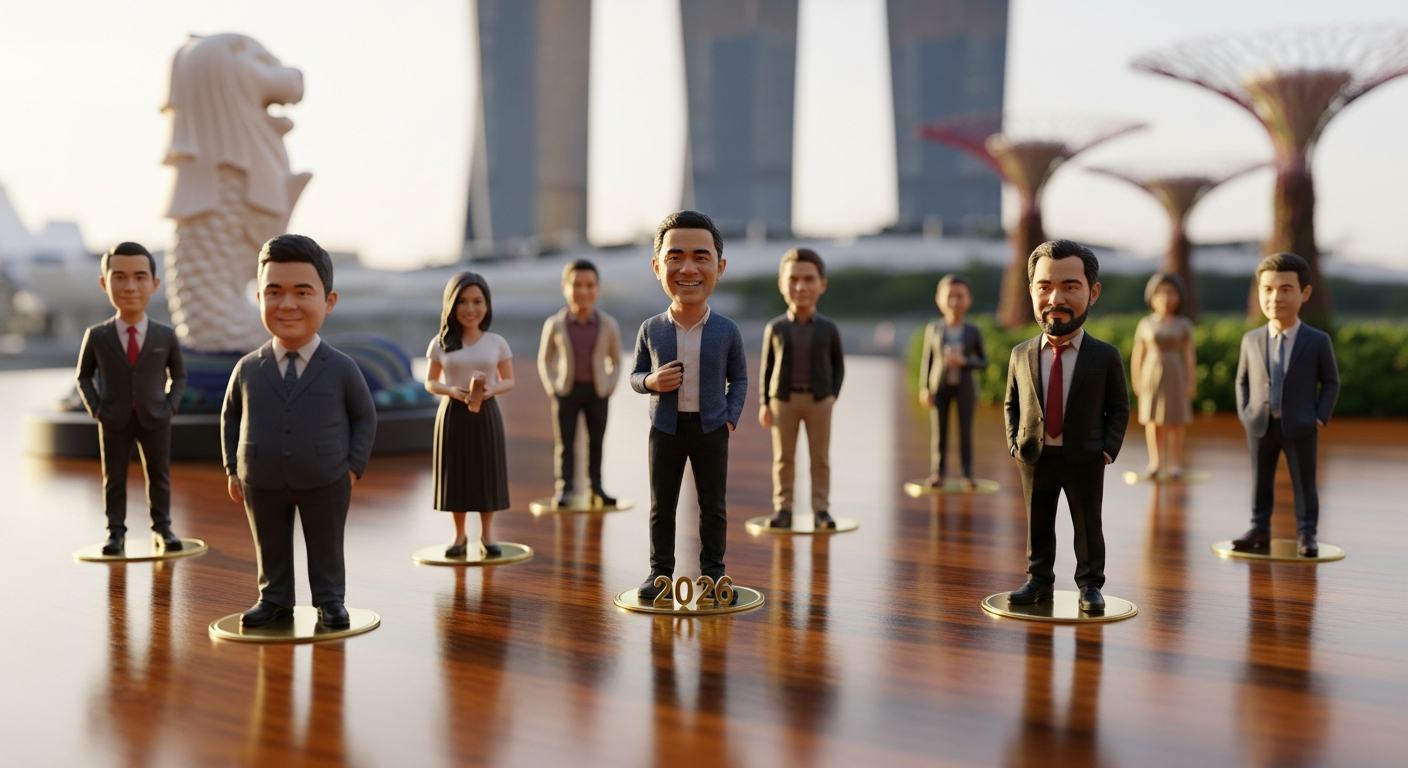
- Gifts and keepsakes: Miniature portraits for weddings, graduations and celebrations.
- Product mascots and promos: Branded figurines for events and merchandising.
- Board games and miniatures: High-detail, consistent scale pieces for tabletop gaming.
- Prototypes for licensing: Accurate physical samples for licensors and manufacturers.
Final checklist before you print
- Prepare high-resolution references and clear project goals.
- Verify material and finish suitability for your intended use.
- Confirm wall thickness, hollowing and escape holes in the model.
- Ask for a pre-production sample or color proof for painted runs.
- Plan packaging and shipping needs for fragile or high-value pieces.
If you want to explore a comprehensive service that takes a project from CAD to collectible, consider providers that combine design, prototyping and finishing in one workflow: rapid CAD and prototyping services.
Conclusion
Custom figurine design singapore paired with modern custom 3d printing singapore services gives creators and brands a powerful way to turn ideas into tangible, high-quality objects. By choosing the right materials, understanding design constraints and partnering with an experienced studio, you can achieve collectible-standard results with efficient turnaround and predictable cost. Singapore’s prototyping ecosystem is particularly well-suited to serve artists, small brands and regional distribution needs — making it an excellent base for personalized figurine projects in 2026 and beyond.