Introduction
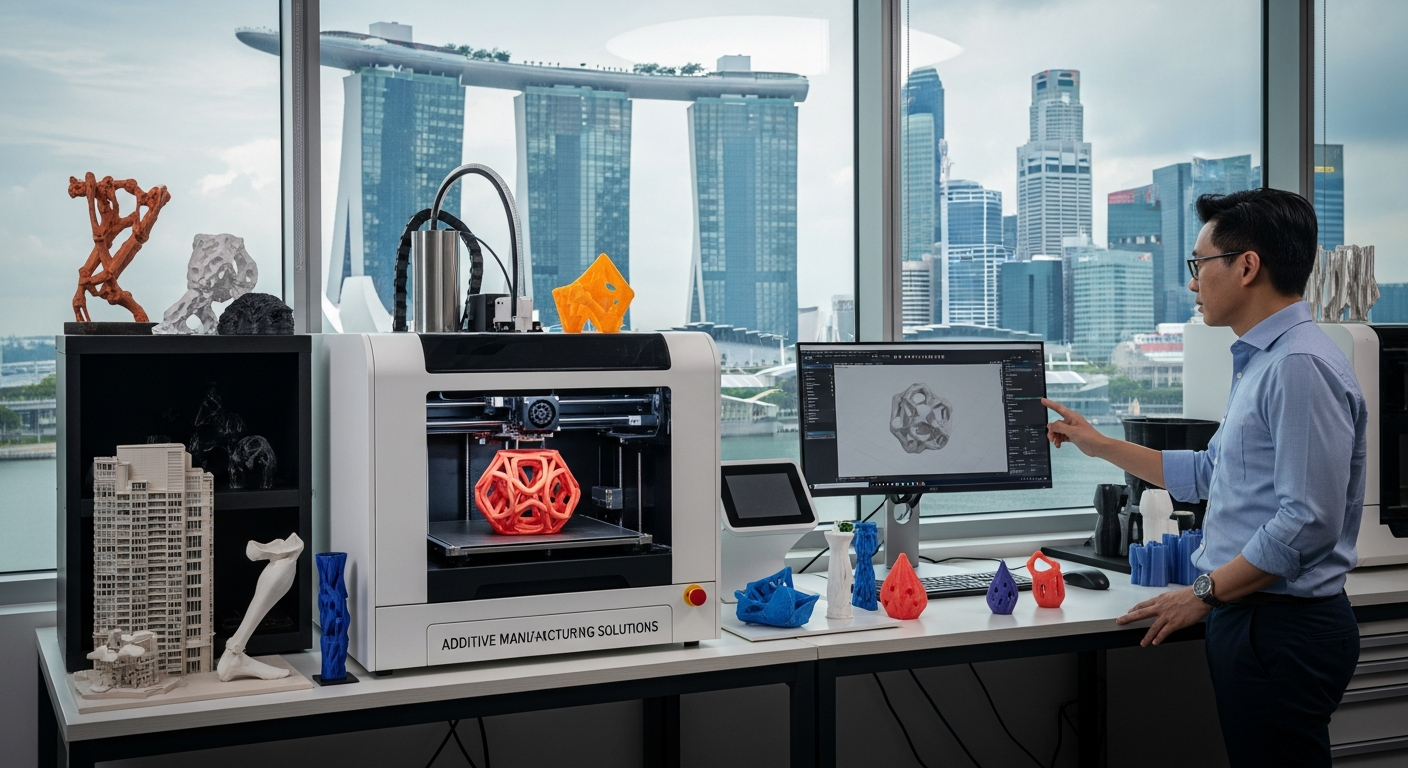
Singapore has established itself as a regional hub for precision manufacturing and design, and 3D printing is now a core capability for startups, design studios and established manufacturers alike. Whether you need a single concept model or a short-run production batch, a reliable 3d printing service singapore partner can shorten development cycles, reduce tooling costs and enable design freedom that traditional methods can’t match.
This article unpacks what to expect from custom 3d printing singapore offerings in 2026: key technologies, materials, turnaround and costs, design-for-manufacturing tips and the trends shaping fast, sustainable production in the city-state.
Why choose custom 3D printing in Singapore?
- Geographic advantage: Singapore’s proximity to Southeast Asian supply chains and its efficient logistics network make on-demand manufacturing fast and reliable.
- High-quality standards: Singaporean providers emphasize tight tolerances, certified materials and robust quality control—critical for medical, consumer and industrial products.
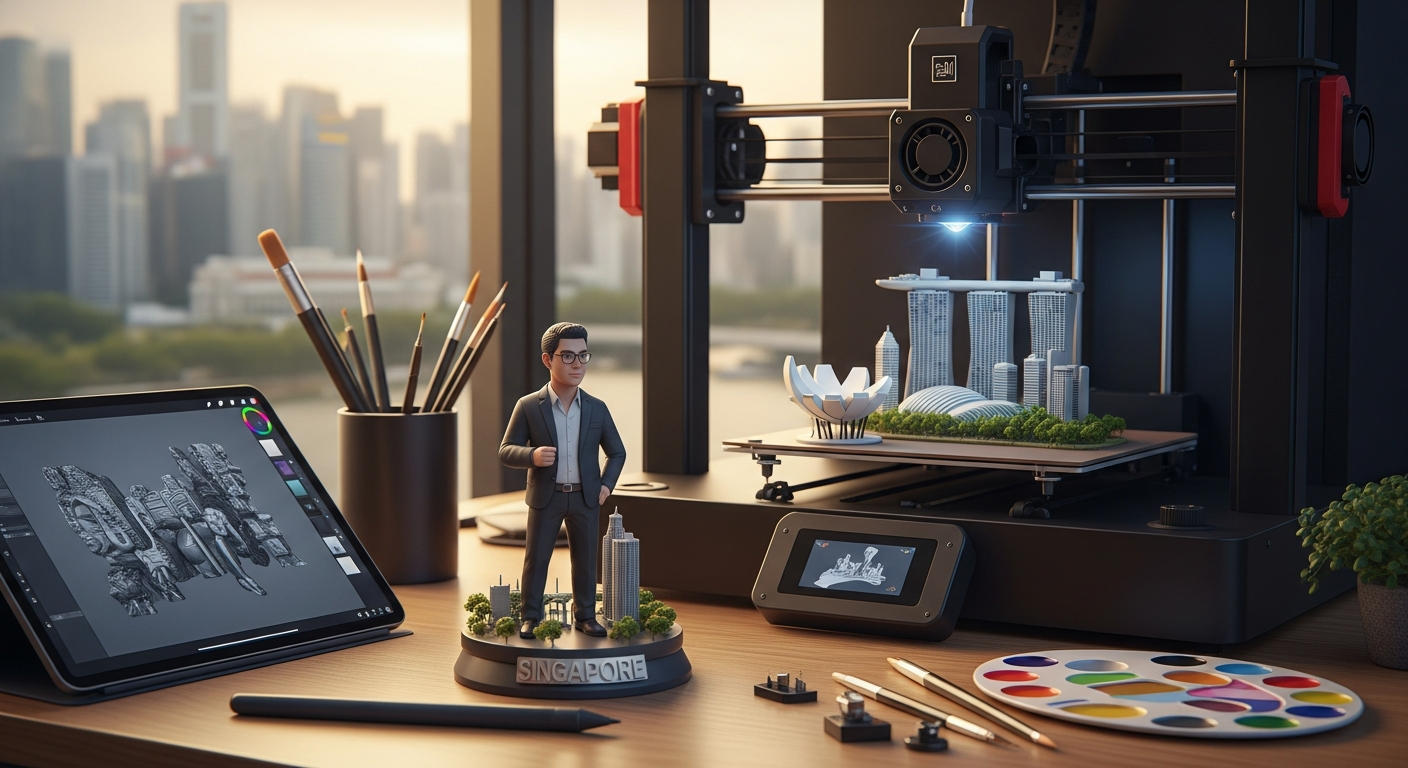
- Integrated services: Many studios pair 3D printing with industrial design, finishing, painting and small-batch assembly for end-to-end delivery. Explore examples of lifestyle product solutions in Singapore at this lifestyle product design showcase: https://artsoustudio.com/lifestyle-product-design-singapore-3d-printing-service-2026/.
Core 3D printing technologies and what they’re best for
Understanding each technology helps you match requirements to the right process:
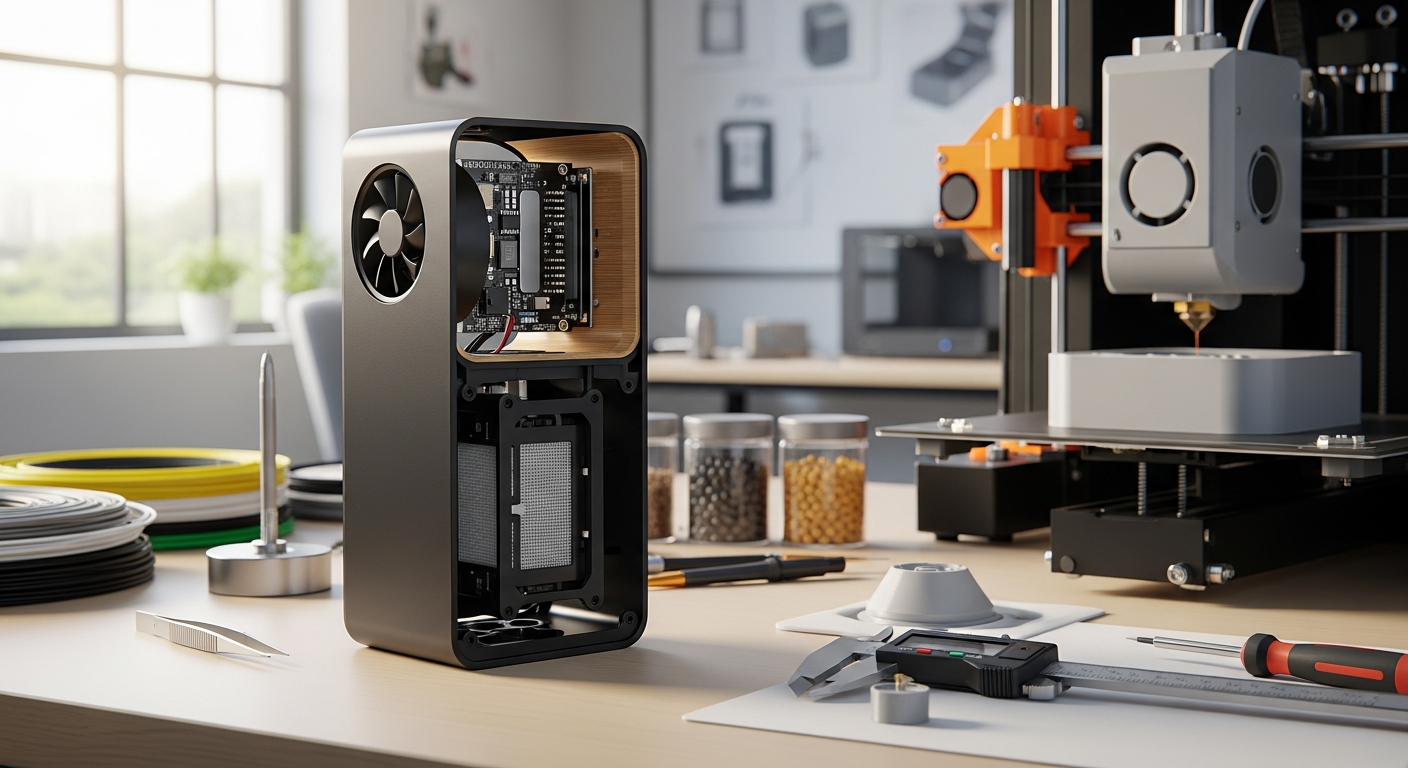
- FDM (Fused Deposition Modeling): Cost-effective for functional prototypes, jigs and fixtures. Materials include ABS, PLA and engineering-grade polymers. Ideal for quick proof-of-concept parts.
- SLA (Stereolithography): Exceptional surface finish and fine detail. Best for presentation models, intricate prototypes and jewelry masters.
- SLS (Selective Laser Sintering): Powder-based, strong and good for functional parts with complex geometry—no support structures required.
- MJF / HP Multi Jet Fusion: Produces isotropic mechanical properties at competitive costs for low-volume production runs.
- PolyJet / Multi-material jetting: Enables multi-color and multi-material parts for complex assemblies and soft/hard combinations.
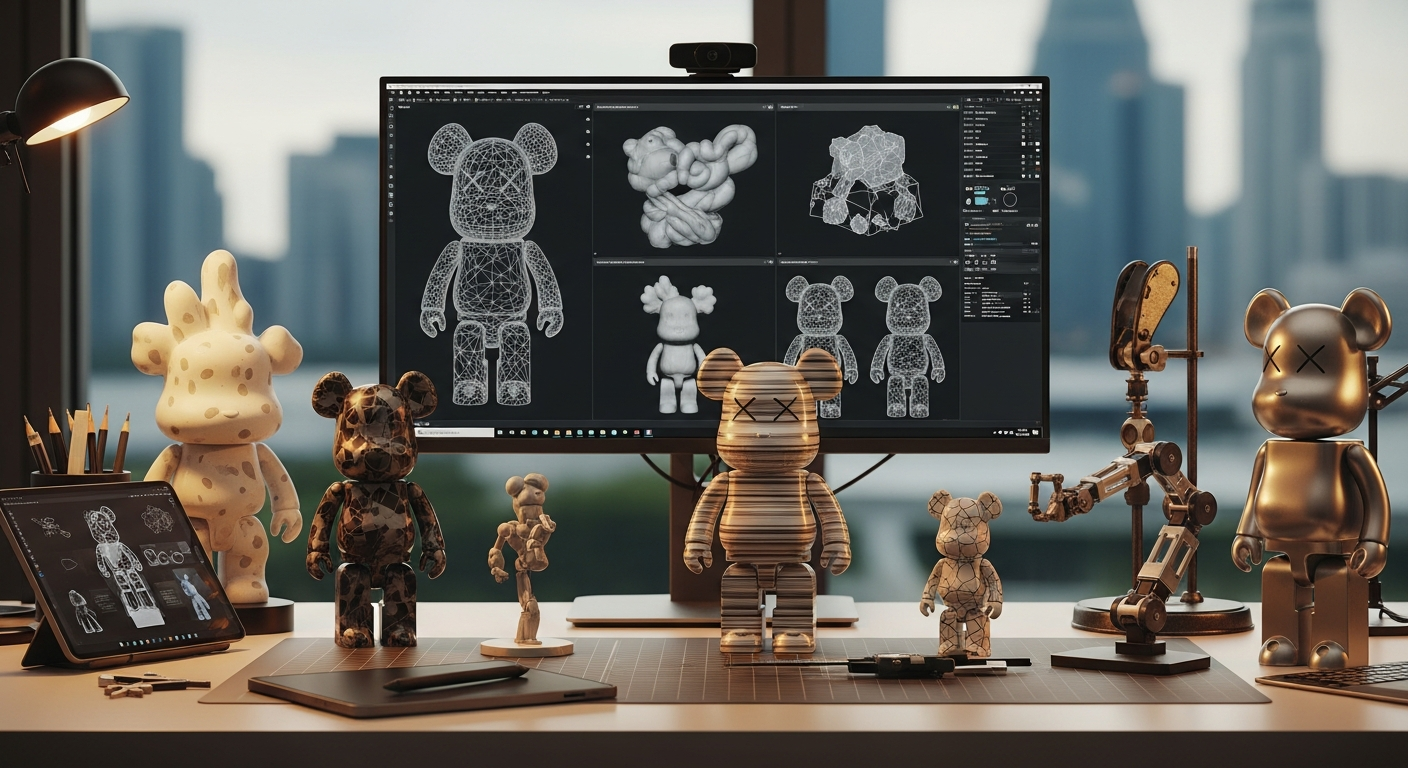
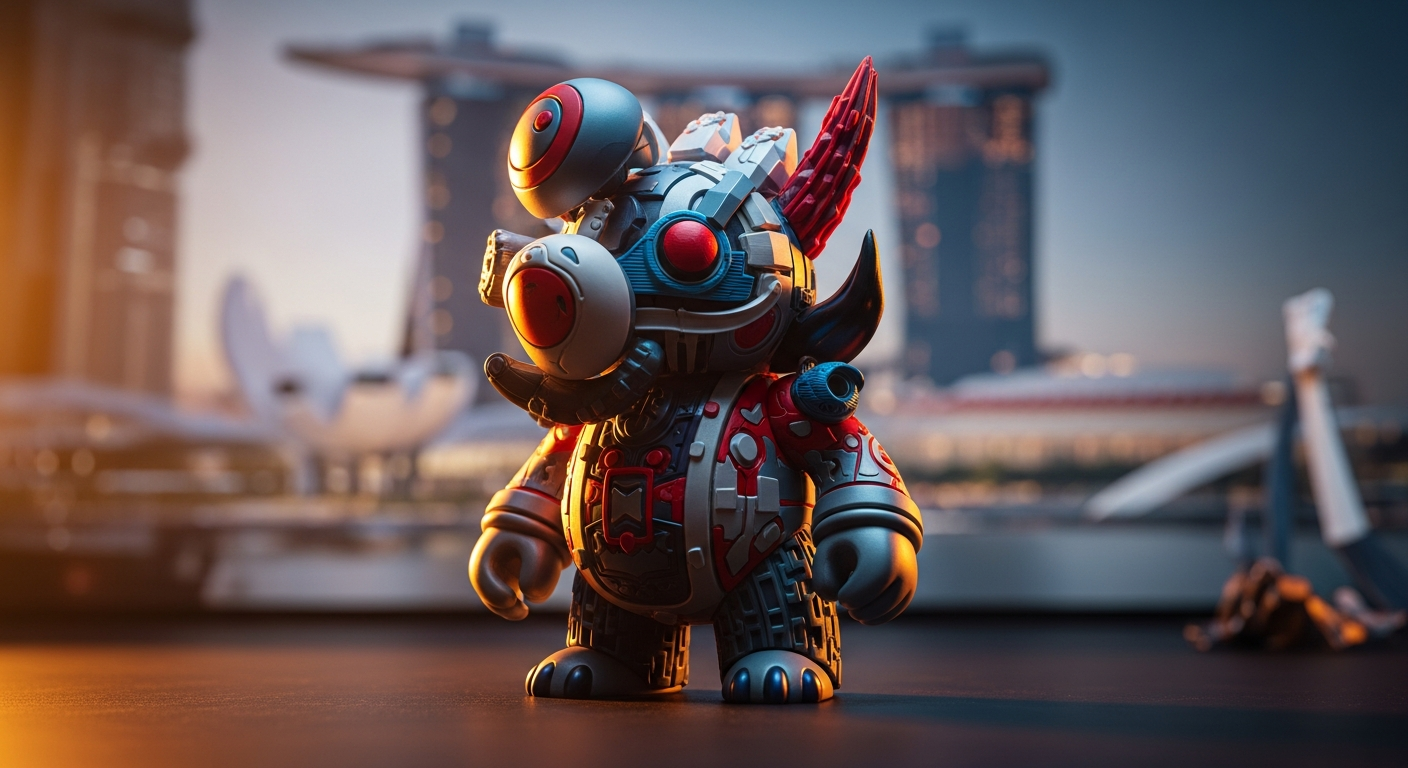
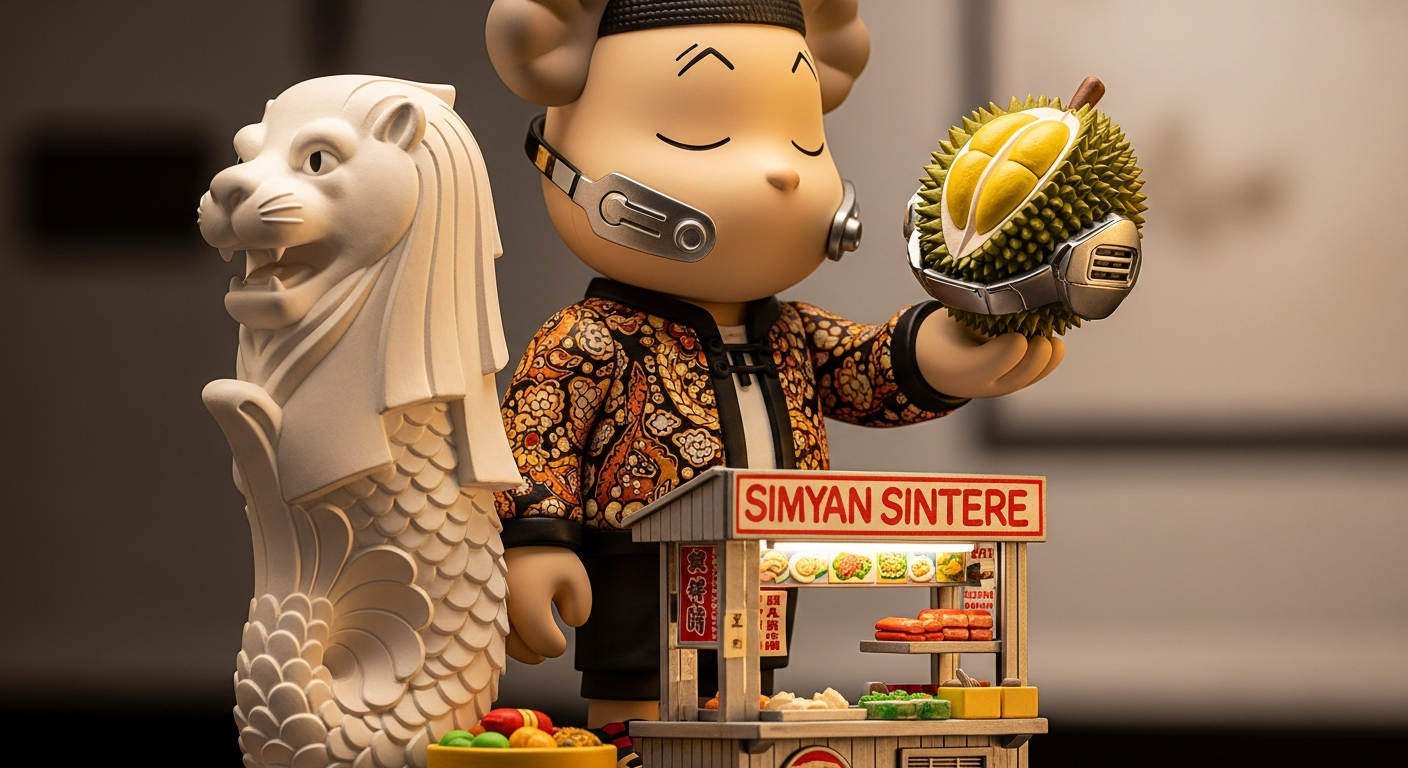
For artistic collectibles and designer toys—where aesthetics, color and limited editions matter—see how studios blend design and rapid prototyping: https://artsoustudio.com/top-art-toys-and-lifestyle-product-design-studios-singapore/.
Materials and finishes: beyond the printer
Material choice determines strength, appearance and regulatory suitability:
- Engineering plastics (Nylon, PA12, PETG) for durable functional parts.
- Resin families (standard, dental, biocompatible, castable) for fine detail and medical use.
- TPU and elastomers for flexible parts like gaskets or wearable components.
- Composite filaments (carbon fiber, glass-filled) for stiffness and weight savings.
Finishing options commonly offered by a custom 3d printing singapore provider:
- Sanding, priming and painting for showroom-ready pieces.
- Vapor smoothing for FDM to improve surface gloss and seal layer lines.
- UV curing and polishing for SLA parts to lock in detail and strength.
- Dyeing, tumbling and plating for specialized aesthetics.
Limited-edition art toy creators often combine printing with hand-finishing to create singular pieces—an approach detailed in this rapid-prototyping piece: https://artsoustudio.com/limited-edition-art-toys-rapid-prototyping-singapore-2026/.
Design for manufacturing: tolerances and best practices
To maximize success with custom 3d printing singapore projects:
- Specify function-critical dimensions and tolerances early—typical SLA tolerances are ±0.1 mm while SLS/MJF may vary slightly by geometry.
- Avoid extremely thin walls and deep, unsupported overhangs; designers should follow minimum wall thickness guides provided by the printer.
- Design with assembly in mind: incorporate snap fits, alignment features and tolerances that account for post-processing.
- Use lattice structures and topology optimisation to reduce weight while preserving strength—especially useful for aerospace and wearable applications.
Engage printers early for DFM (design-for-manufacture) advice; many providers offer CAD review and constructive redesign services to save cost and time.
Turnaround, pricing and scalability
- Rapid prototyping (single parts) can be delivered within 24–72 hours depending on process and finishing.
- Low-volume production (tens to hundreds) using MJF or SLS is often the sweet spot for cost-per-part efficiency without investments in tooling.
- Pricing depends on material, machine time, part volume and surface finish. Expect SLA prototypes to cost more per part than bulk SLS runs, but with higher surface fidelity.
- Consider total landed cost: lead time, finishing, inspection and shipping sometimes outweigh pure per-part savings.
For lifestyle product designers looking to move from prototype to production-ready components, this rapid prototyping resource offers practical workflows: https://artsoustudio.com/lifestyle-product-design-singapore-rapid-prototyping-2026/.
Quality control and certifications
Leading 3d printing service singapore providers implement:
- In-process monitoring and calibration routines to ensure repeatable part geometry.
- Dimensional inspection (CMM, optical scanning) for critical components.
- Material traceability and certifications for regulated applications (medical, food contact).
Ask vendors for sample certificates, material data sheets and inspection reports before committing to production runs.
2026 trends shaping custom 3D printing in Singapore
- Multi-material and multi-color printing are maturing, allowing fully finished parts straight off the printer.
- Sustainability is front-and-center: recycled powders, bio-resins and circular workflows reduce waste and cost.
- AI-driven generative design pairs with AM to create parts optimised for weight, strength and manufacturability.
- Nearshoring and localised on-demand inventory reduce storage costs and accelerate time-to-market—valuable for regional distribution hubs.
- Hybrid manufacturing (combining CNC and additive) enables high-precision mating surfaces with organic, weight-optimised structures.
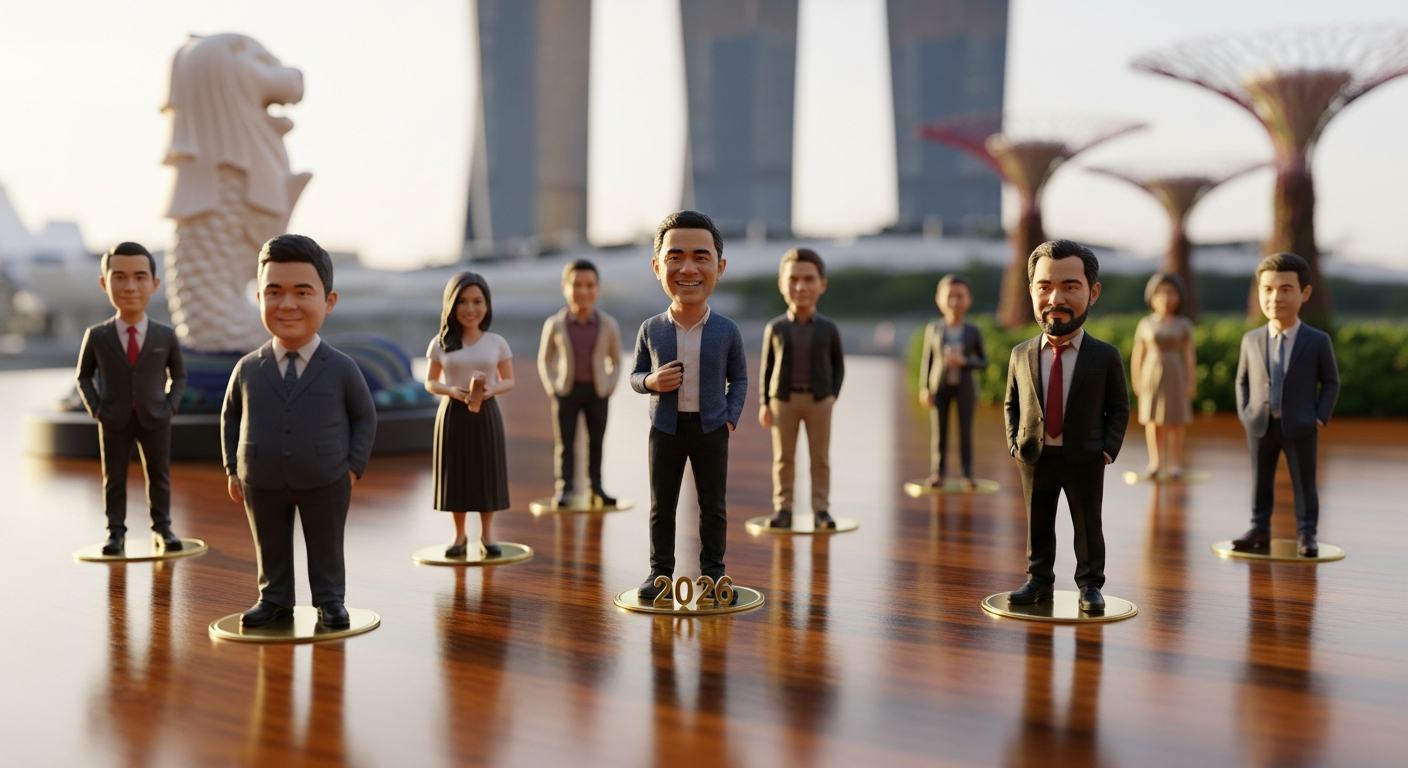
These trends are visible in the local designer and art-toy scene, where digital and physical craftsmanship combine: https://artsoustudio.com/singapore-designer-art-toys-for-lifestyle-product-design/.
How to choose the right 3D printing service partner
Evaluate potential partners on these criteria:
- Technology fit: Do they run the process that best matches your functional and aesthetic needs?
- End-to-end services: Can they handle finishing, painting, assembly and small-batch packing?
- Quality systems: Do they provide inspection, traceability and material certification?
- Communication and support: Are their engineers available to review files and suggest DFM improvements?
- Pricing transparency: Look for clear quotes that separate printing, post-processing and inspection costs.
A good provider will also show a portfolio of relevant projects and offer sample prints so you can assess surface quality and mechanical performance firsthand.
Practical steps to get started with a project
- Prepare a clean CAD file and export standard formats (STL, STEP). 2. Include notes on critical surfaces, tolerances and intended use. 3. Request material data sheets and examples of finished parts. 4. Ask for a prototype quote with clear breakdowns for printing, finishing and inspection. 5. Review printed samples and iterate—short feedback loops get you to production faster.
For product designers targeting lifestyle and collectible markets, integrating prototyping cycles into your design schedule often improves aesthetics and manufacturability. Check case studies and studio processes for reference in lifestyle product design: https://artsoustudio.com/lifestyle-product-design-singapore-3d-printing-service-2026/.
Conclusion
Custom 3d printing singapore offerings in 2026 combine speed, precision and increasingly sustainable practices. Whether you’re a product designer iterating on form and function, a start-up validating a concept, or a studio producing limited-run collectibles, understanding technology trade-offs, finishing options and DFM principles will save time and money.
Select a partner who can advise on materials and tolerances, demonstrate quality control and scale as your needs evolve. With the right approach, 3D printing becomes not just a prototyping tool but a strategic manufacturing option for on-demand production and creative experimentation.