Why FDM makes sense for collectible art toys on a budget
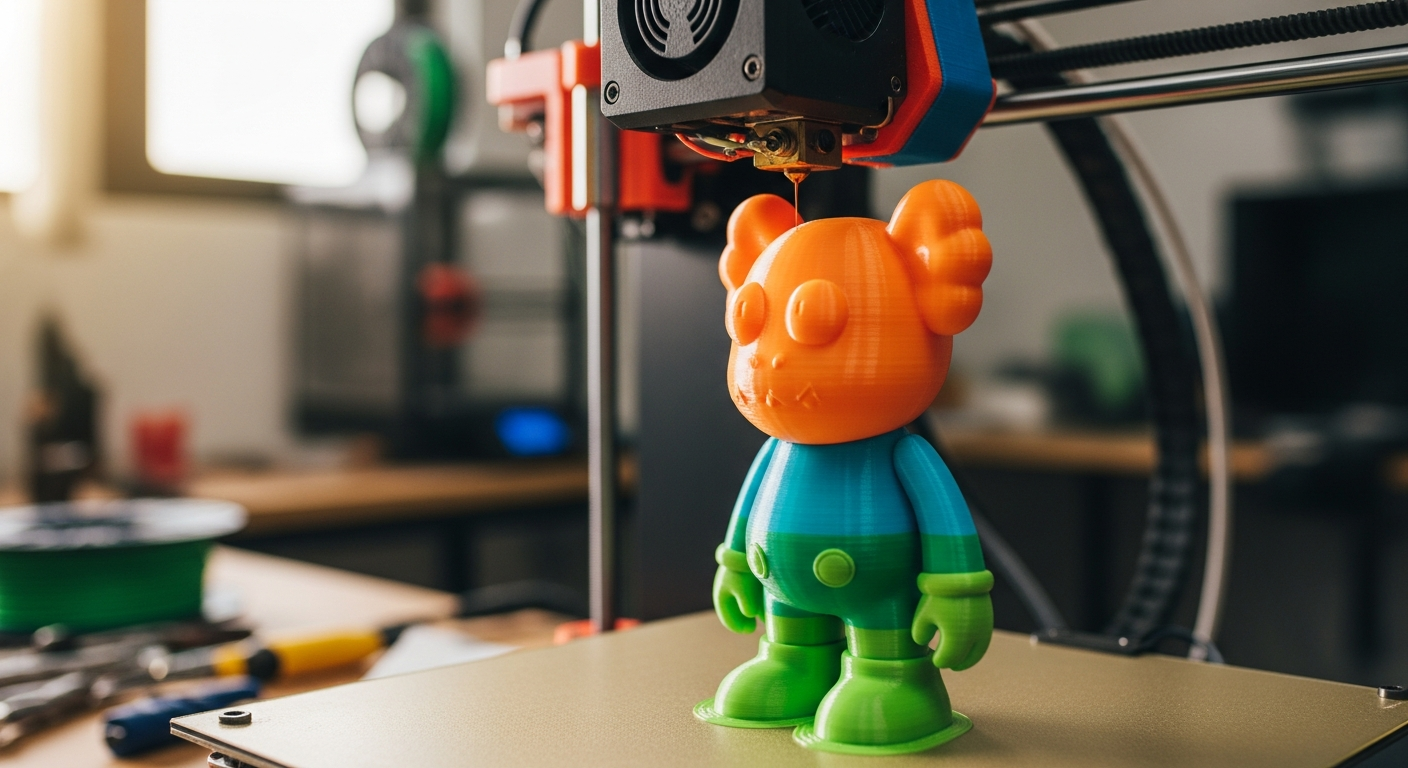
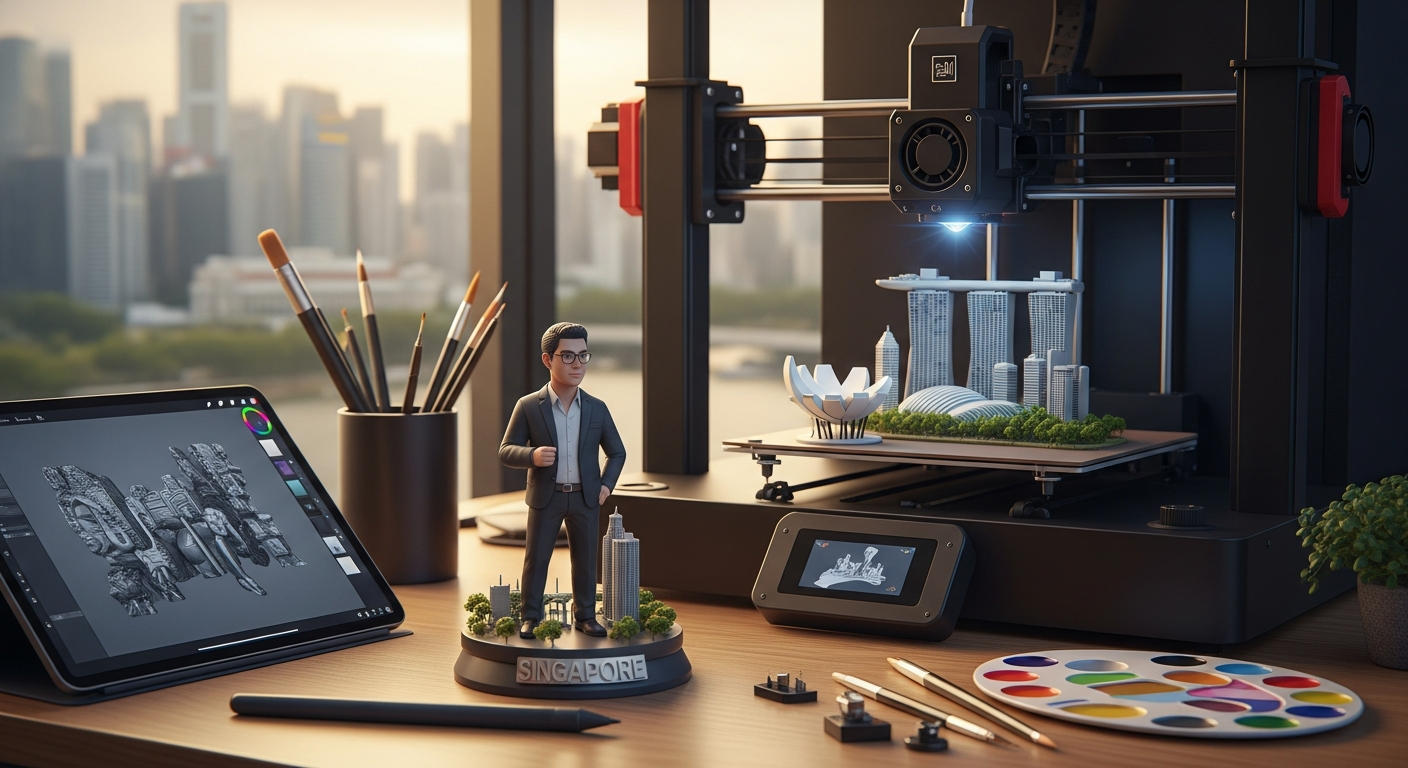
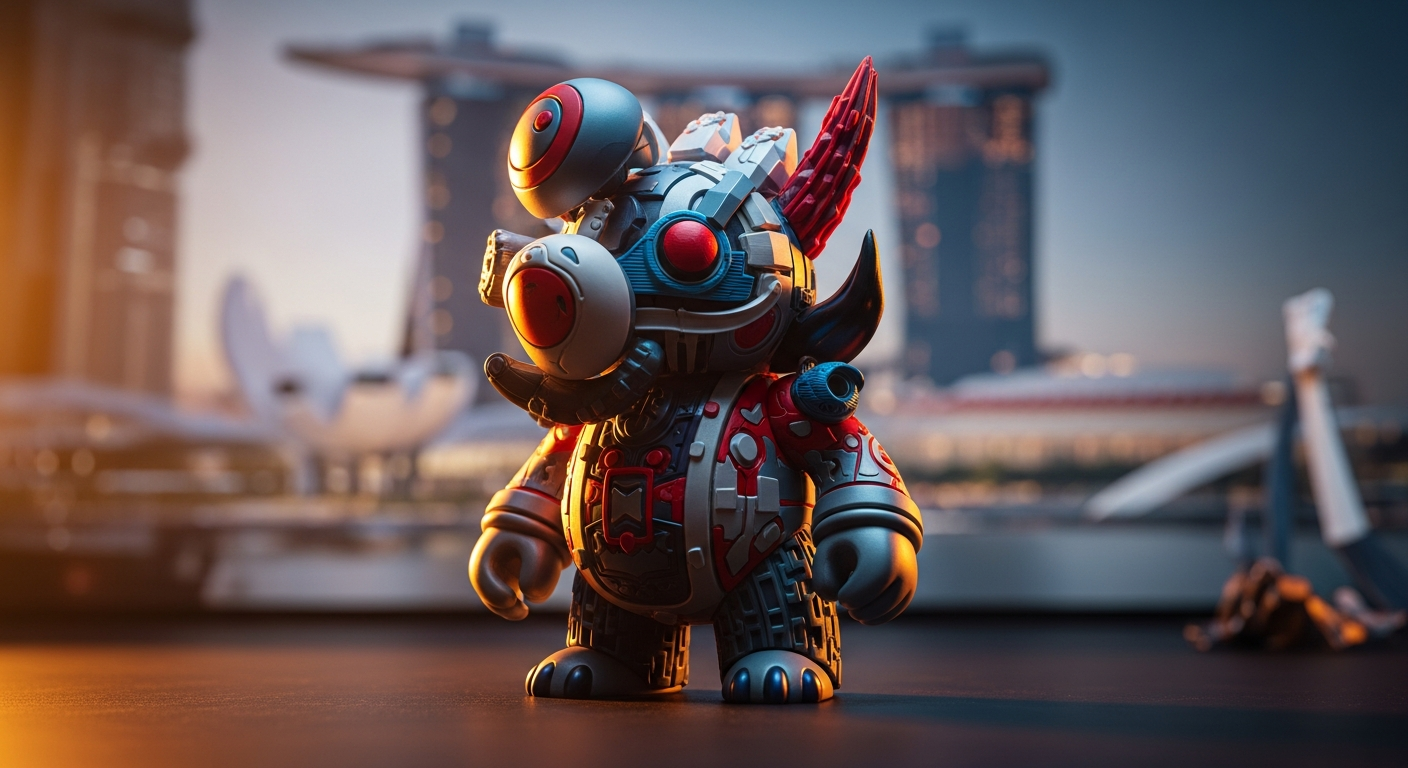
Fused Deposition Modeling (FDM) has matured into a practical, cost-effective platform for makers and small studios producing collectible art toys. In Singapore’s vibrant designer-toy scene, FDM offers advantages in speed, material choice and scale that help independent artists turn concepts into limited runs without the overhead of injection moulding.
This guide breaks down realistic, budget-friendly FDM workflows you can use to produce high-quality collectible art toys in Singapore — from machine selection and slicing best practices to finishing, safety and small-batch production strategies.
Choosing the right FDM printer for toy prototyping
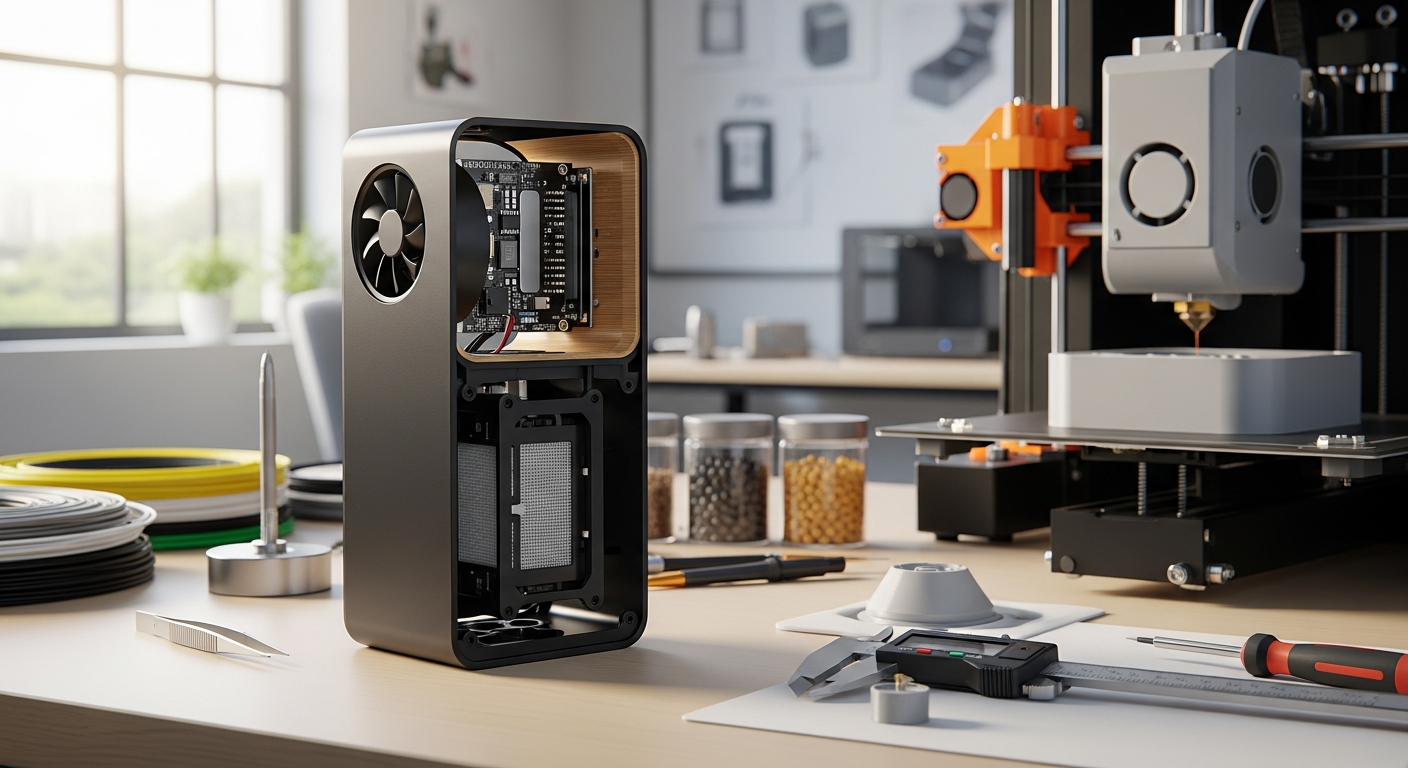
Not all desktop FDM printers are equal for toy production. For collectible art toys you’ll want a machine that balances build volume, reliability and print quality:
- Build volume: A 220–300 mm XY and 250–300 mm Z gives flexibility for larger figures and multi-part toys.
- Layer resolution: Look for 0.1–0.2 mm capability. 0.1 mm is great for fine details; 0.2 mm moves faster and reduces print time.
- Heated bed and enclosure: These reduce warping for PETG/ABS and stabilize prints during longer runs.
- Dual extrusion (optional): Useful for complex colour work or soluble supports for intricate toys.
If you prefer to outsource larger runs or complex finishing, a local studio offering FDM and hybrid services can speed time-to-market and ensure consistency—search for trusted providers of rapid prototyping in Singapore.
Material choices and why they matter
Material affects aesthetics, mechanical properties and finishing options. For collectible art toys, common picks include:
- PLA: Easiest to print, good surface finish and excellent for painted toys. Not extremely durable or heat-resistant, but ideal for display collectibles.
- PETG: Tougher than PLA and more impact resistant; slightly more forgiving with layer adhesion. Good for toys that need modest durability.
- ABS: Strong and can be smoothed with acetone for a glossy finish. Requires enclosure and careful bed adhesion. Use when you need heat resistance or post-process smoothing.
- TPU: Flexible, useful for soft parts like caps or accessory components.
Match your material to the toy’s function: display-only collectibles can prioritise surface finish (PLA), while toys with moving parts may need PETG or ABS.
Slicing settings that save time and improve finish
Slicing is where you control print speed, quality and cost. For collectible art toys try these starting points:
- Nozzle size: 0.4 mm for balanced detail and speed; 0.25–0.3 mm for high detail.
- Layer height: 0.12–0.18 mm for good balance of fine detail and reasonable print time.
- Infill: 10–20% for static display toys; higher (30–40%) if pieces are handled frequently.
- Shells/walls: 2–3 perimeters to maintain clean edges and durability.
- Print speed: 40–60 mm/s standard; reduce for detailed faces or tiny accessories.
- Retraction and coasting: Tune to reduce stringing on multi-part assemblies.
Orientation matters: orient curved faces to minimize visible layer steps, and flatten connection planes for clean glue lines. For complex geometry, consider splitting models into printed parts for easier finishing and painting.
Support strategy and part splitting
Supports can be a major time sink. Plan model orientation and use tree supports or soluble supports (if available) to reduce cleanup. Splitting models into assembled parts often yields cleaner surfaces in critical display areas and simplifies painting.
For intricate ears, thin protrusions or overhangs, design removable support tabs or print small molds for repeatable parts.
Post-processing sequence for collectible-grade finishes
High-quality finishing separates hobby prints from collectible art toys. A consistent post-process workflow produces pieces that command higher perceived value:
- Support removal and sanding: Start with medium grit (120–220) then progress to 400–800 for a smooth surface.
- Fill and prime: Use flexible fillers for PLA, epoxy fillers for deep gaps. Apply high-build filler primer (several thin coats), sand between coats.
- Surface smoothing: For ABS parts, acetone vapour smoothing creates a glossy, injection-mould look. For PLA use sanding and filler primer; some studios use epoxy coatings for a smooth, robust surface.
- Paint: Use acrylics or automotive-grade paints depending on finish. Airbrushing yields the cleanest gradients and uniform coverage for limited editions.
- Sealing: Apply clear coats (matte/satin/gloss) for protection and consistent sheen.
These steps add labour cost but significantly increase the collectible value.
Reducing costs without sacrificing quality
Budget-conscious producers can reduce expenses while keeping premium finishes:
- Batch print: Nest parts and print multiple pieces per run — economies of scale reduce per-unit time.
- Optimize infill and shell settings for strength-to-material ratios.
- Use PLA for prototypes and low-volume runs; reserve higher-cost post-processing for the final limited edition pieces.
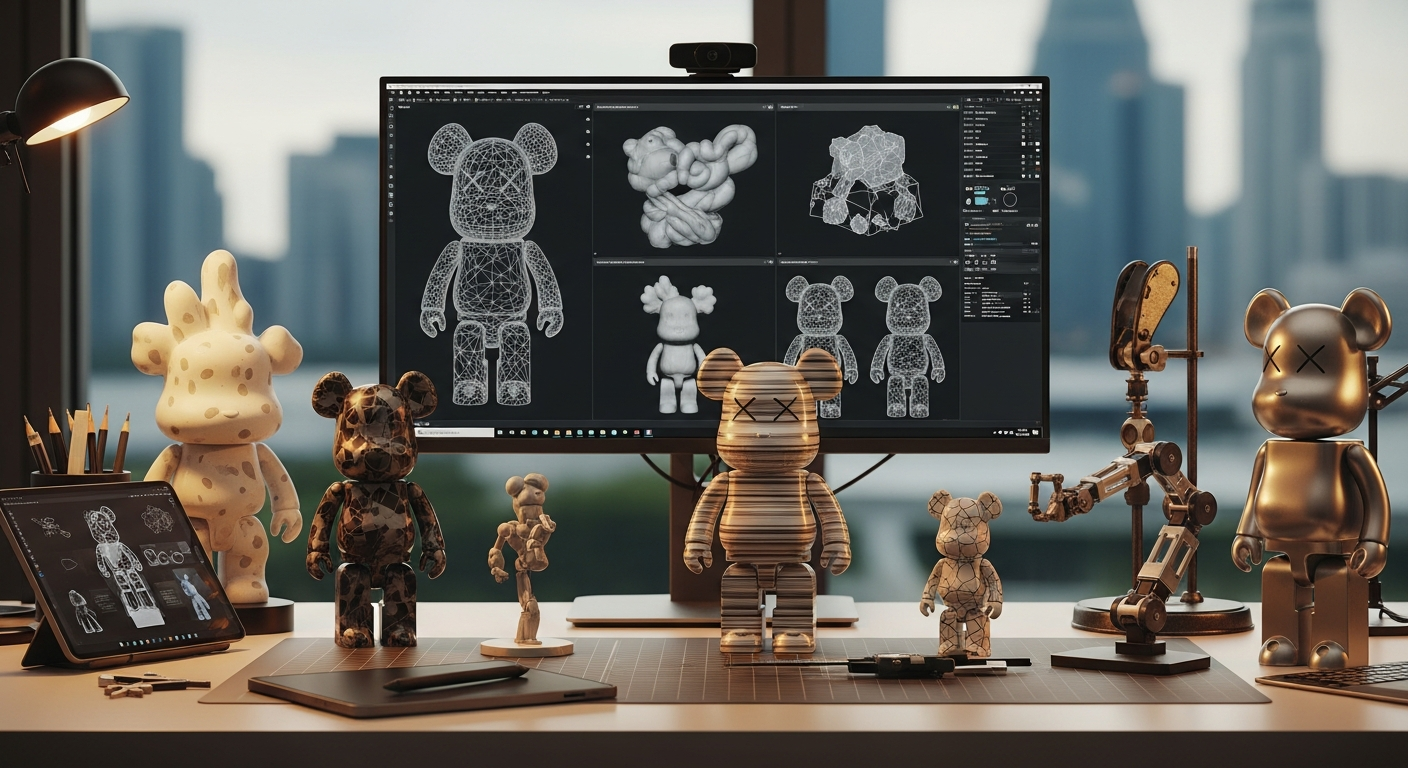
- Modular design: Reuse heads, hands or accessories across variants to reduce new modelling and tooling.
- Outsource complex finishes: Partner with local finishing houses or a professional 3D print studio for painting, numbering and packaging.
A combined in-house/outsource approach lets you keep costs low during iteration and elevate only final runs.
Small-batch production and limited editions
Collectors value scarcity and detail. For limited runs, consider:
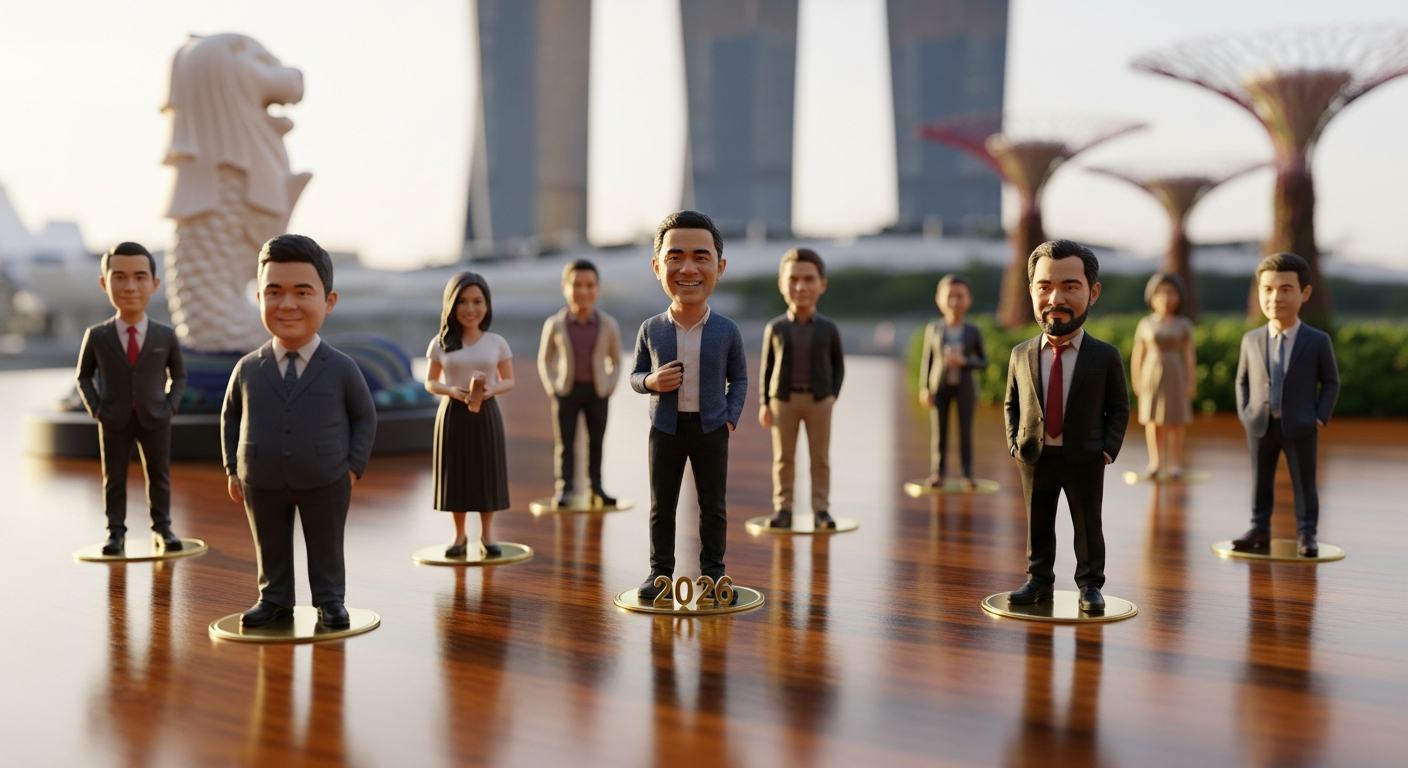
- Numbering and authentication: Laser engraving or pad printing serial numbers on bases increases collectability.
- Variant drops: Produce small variants (colourways, glow paint, signed pieces) to create multiple SKUs from a single mould.
- Packaging: Custom boxes, certificate cards, and protective foam inserts increase perceived value dramatically.
Many Singapore studios specialise in limited edition art toys—working with a prototyping partner can help refine production workflows for small drops and timed releases. If you need a partner for prototyping or finishing, consider a professional service in Singapore that focuses on designer toys and limited runs.
Safety, materials compliance and toy standards
Even for collectible art toys intended for display, safety matters if parts could be handled or given to minors. Consider:
- Choking hazards: Label appropriately or design larger, non-detachable elements.
- Material safety: Check for low-VOC paints and safe coatings. Some finishes require ventilation and PPE during application.
- Heat sensitivity: PLA softens at modest temperatures; warn collectors if pieces may deform in hot cars.
If you plan commercial distribution in Singapore, review local consumer-safety guidelines and toy regulations for compliance.
Workflow examples and local resources
A couple of practical workflows used by Singapore designers:
- Rapid prototyping loop: quick PLA prints for fit/pose checks → iterate for two rounds → final prints in PETG/ABS for final finishing → professional painting and packaging for the release.
- Hybrid production: print coarse forms in-house and contract painting/numbering to a specialised studio for consistent high-volume finish.
Community makerspaces and local cafes often host events and meetups where artists and engineers share tips about FDM workflows and supplier recommendations.
When to partner with professional 3D printing services
Outsourcing can be a smart move when you need consistent quality and faster time-to-market:
- You want reliable small-batch runs with consistent finish.
- Your designs require complex support removal, smoothing or multi-part finishing.
- You need additional services like pad printing, vacuum forming packaging or limited-run injection moulding for larger series.
Look for studios that advertise experience with designer toys and limited edition production; they will better understand the nuances of producing collectible-grade pieces.
For example, if you want reliable on-demand prototyping and finishing for toy drops, consider leveraging an experienced partner who provides integrated services for art toy production and rapid prototyping. Explore professional options that specialise in small-batch collectible runs and finishing.
Final checklist before a limited run
- Validate fit and pose with a physical prototype.
- Confirm material choices and printing orientation for visible faces.
- Plan post-processing time and budget per unit.
- Decide on serialisation and packaging specs.
- Ensure material/paint safety for your target market.
With careful planning and a hybrid approach—iterating affordably on desktop FDM while partnering for finishing—you can produce collectible art toys in Singapore that punch above their budget.
Helpful resources and local partners
Budget FDM 3D printing in Singapore is a viable path to producing high-quality collectible art toys when you combine smart machine choices, tuned print settings and a disciplined finishing workflow. Thoughtful batching and selective outsourcing help you keep costs down without compromising the premium look collectors expect.