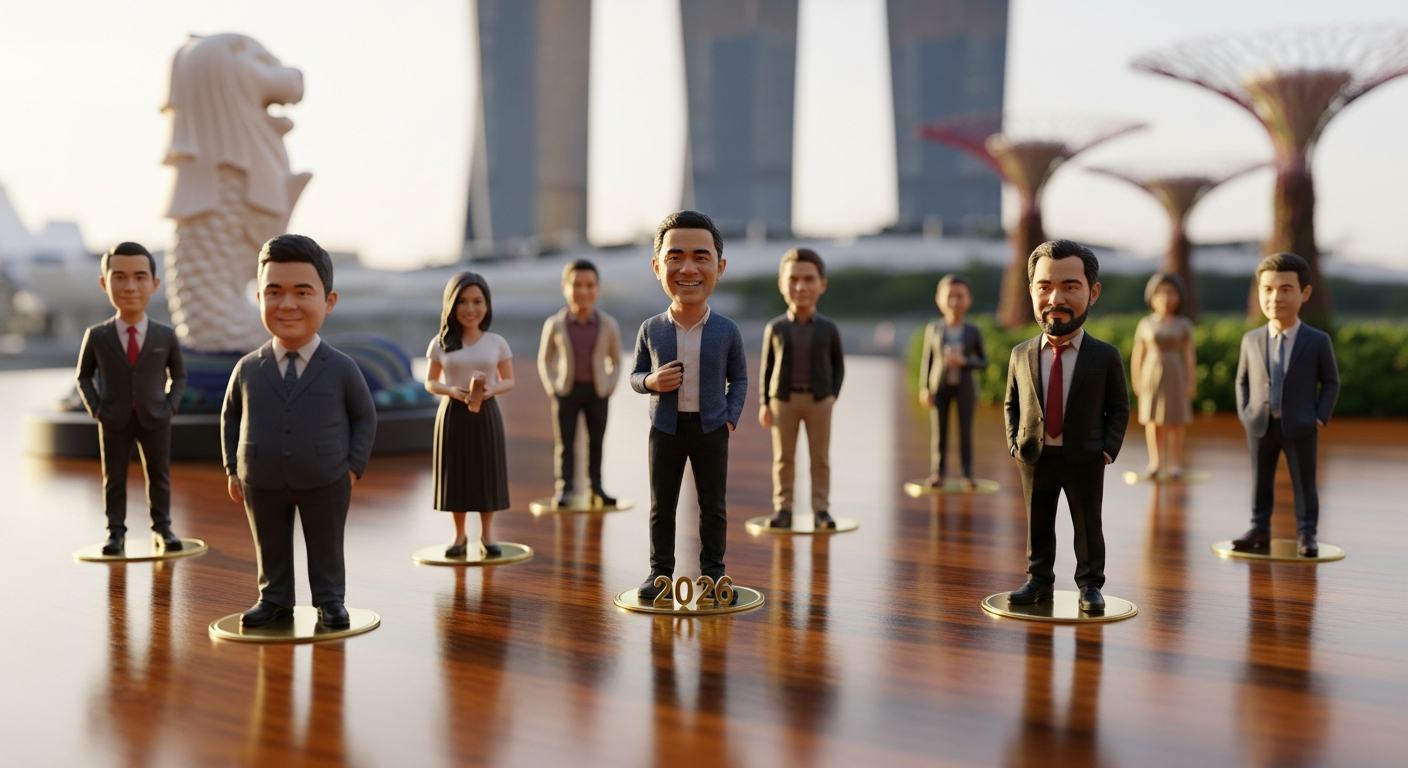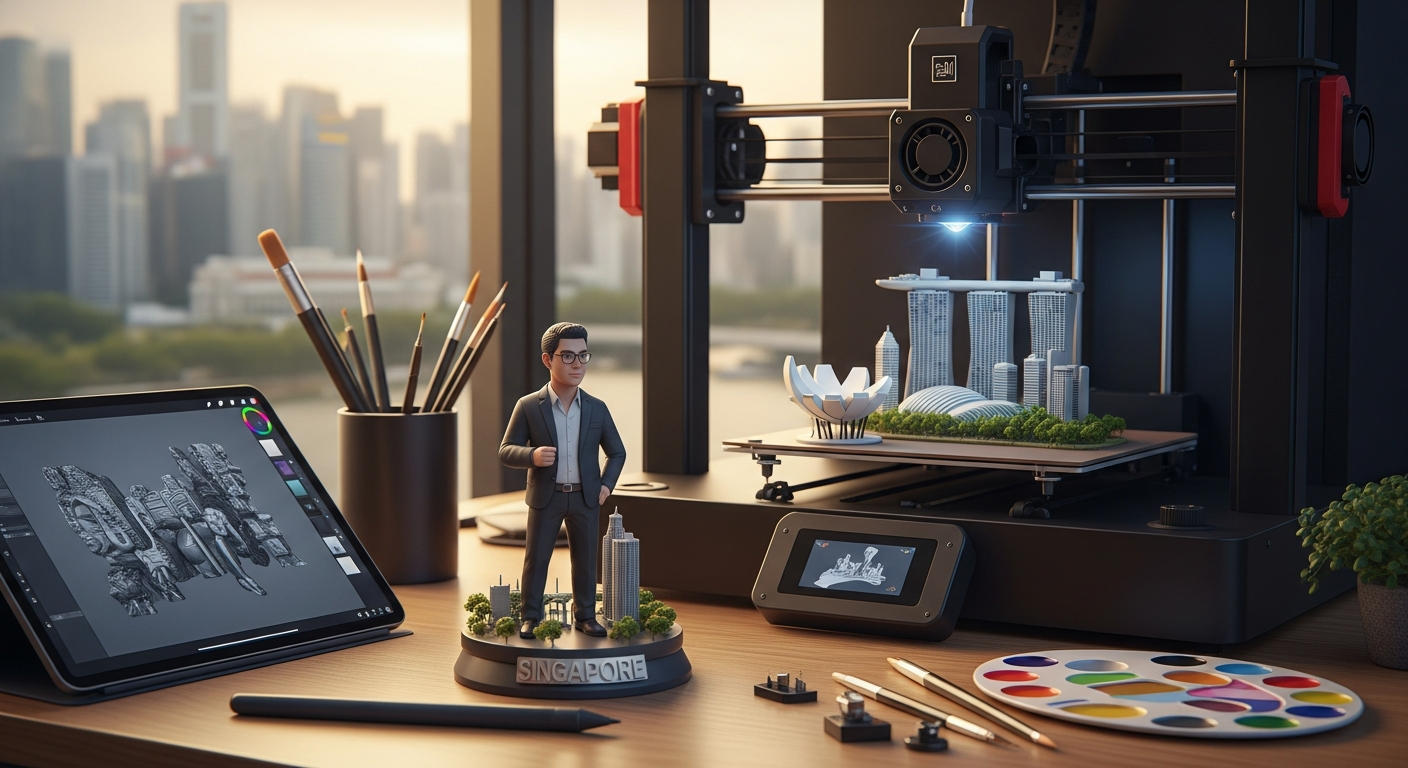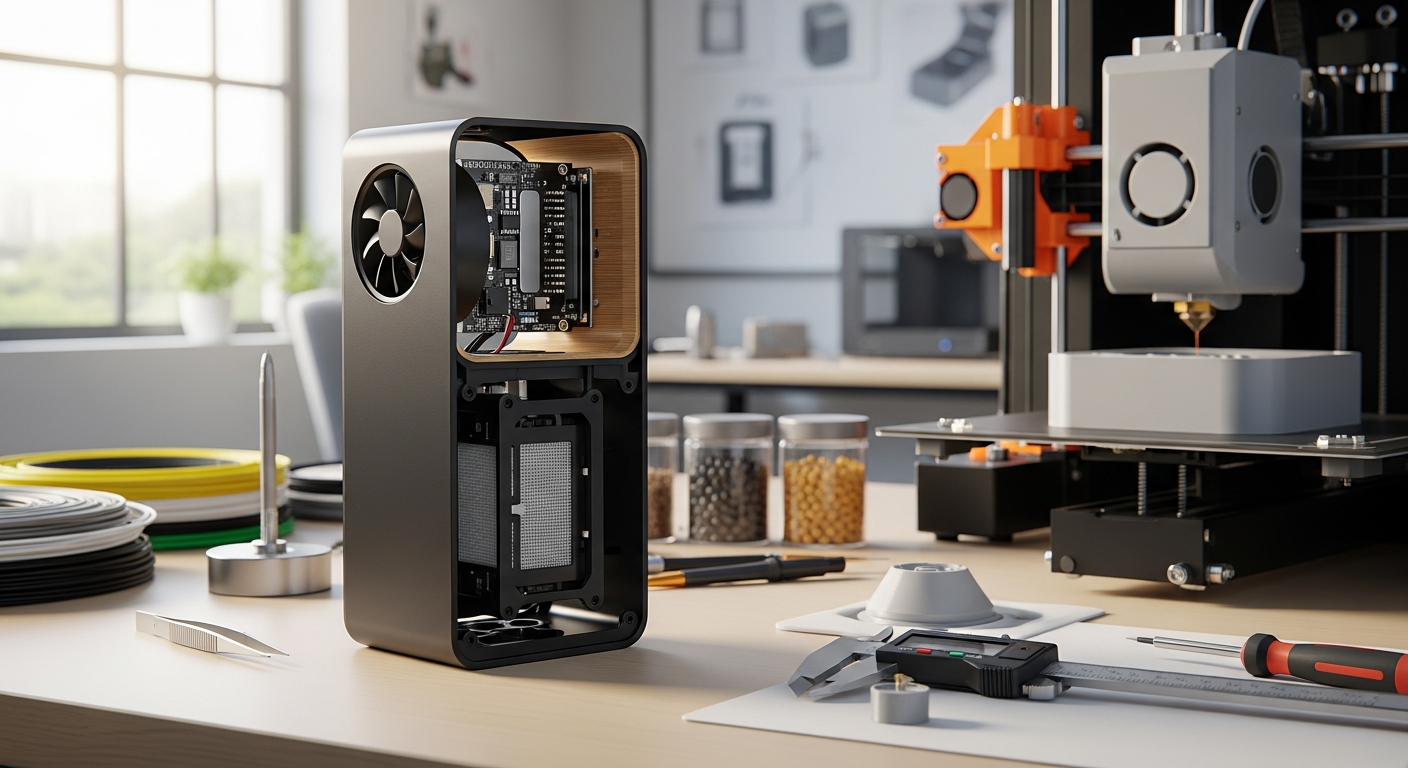

Singapore has rapidly become a regional hub for innovation in manufacturing and design. Startups, design studios, and multinational firms are adopting AI-driven workflows and on-demand production to reduce time-to-market and de-risk product development. Two phrases that capture this shift are rapid prototyping Singapore and custom 3d printing singapore. Together they describe a modern capability: AI-ready, highly iterative prototyping that takes digital concepts into physical form quickly, accurately, and with production-viable quality.
This article explains why AI integration matters for prototyping, what technologies and materials are available in Singapore, practical industry use cases, and how companies can combine AI and custom 3D printing to accelerate product validation and launch.
Rapid prototyping is no longer just about making a quick mock-up. When a prototyping workflow is AI-ready it means design, preparation, printing, and post-processing stages are connected by data-driven feedback loops. That brings several advantages:
Singapore’s manufacturing ecosystem — with its tight supply chains, specialist post-processing shops, and proximity to Southeast Asian markets — makes it an ideal environment to apply AI-driven rapid prototyping at scale. Designers and engineers in Singapore are using these capabilities not only to prototype but to validate manufacturability and begin small-batch production swiftly.
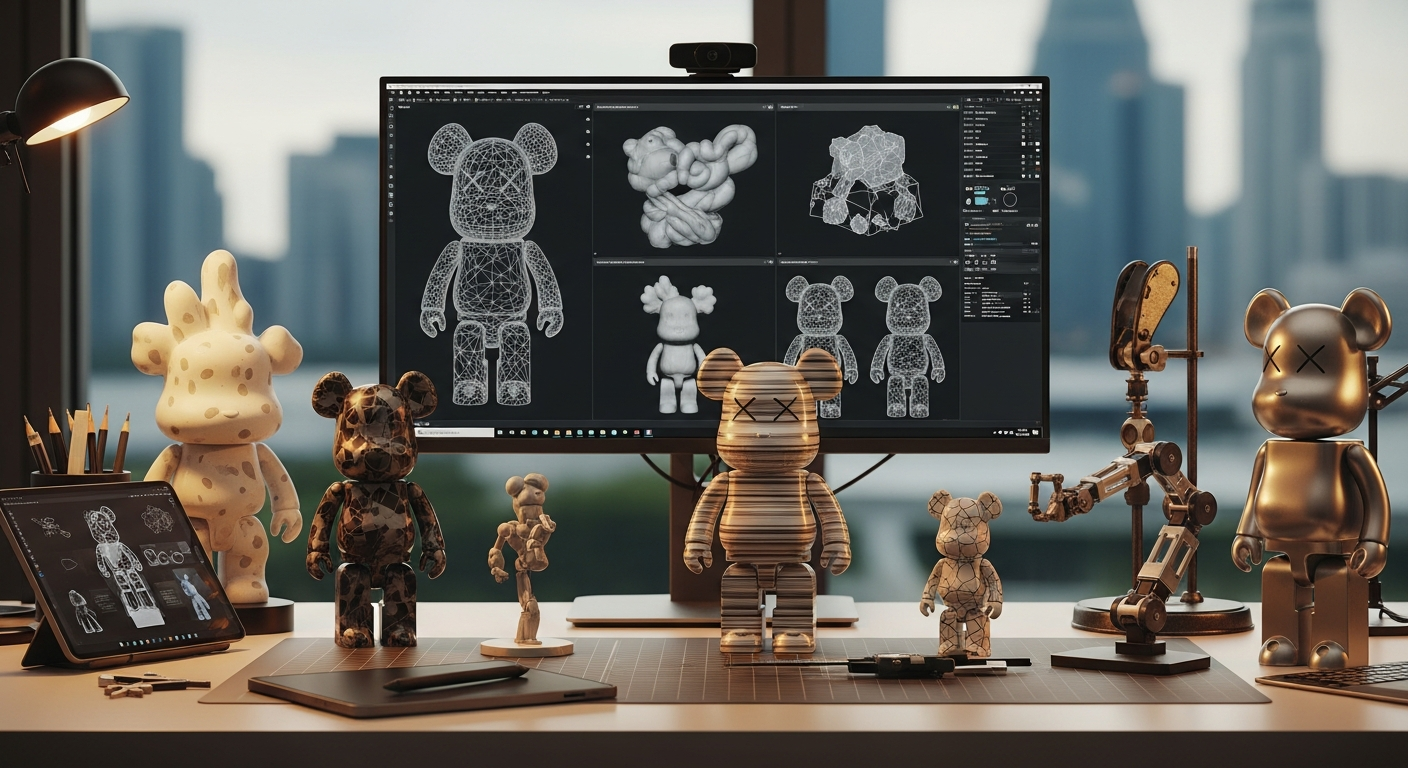
AI-ready rapid prototyping uses a suite of technologies that complement traditional CAD:
Together, these technologies convert a designer’s intent into a manufacturable physical prototype with fewer manual adjustments. For businesses in Singapore, the integration of these tools reduces iteration time and increases confidence when moving from prototype to low-volume production.
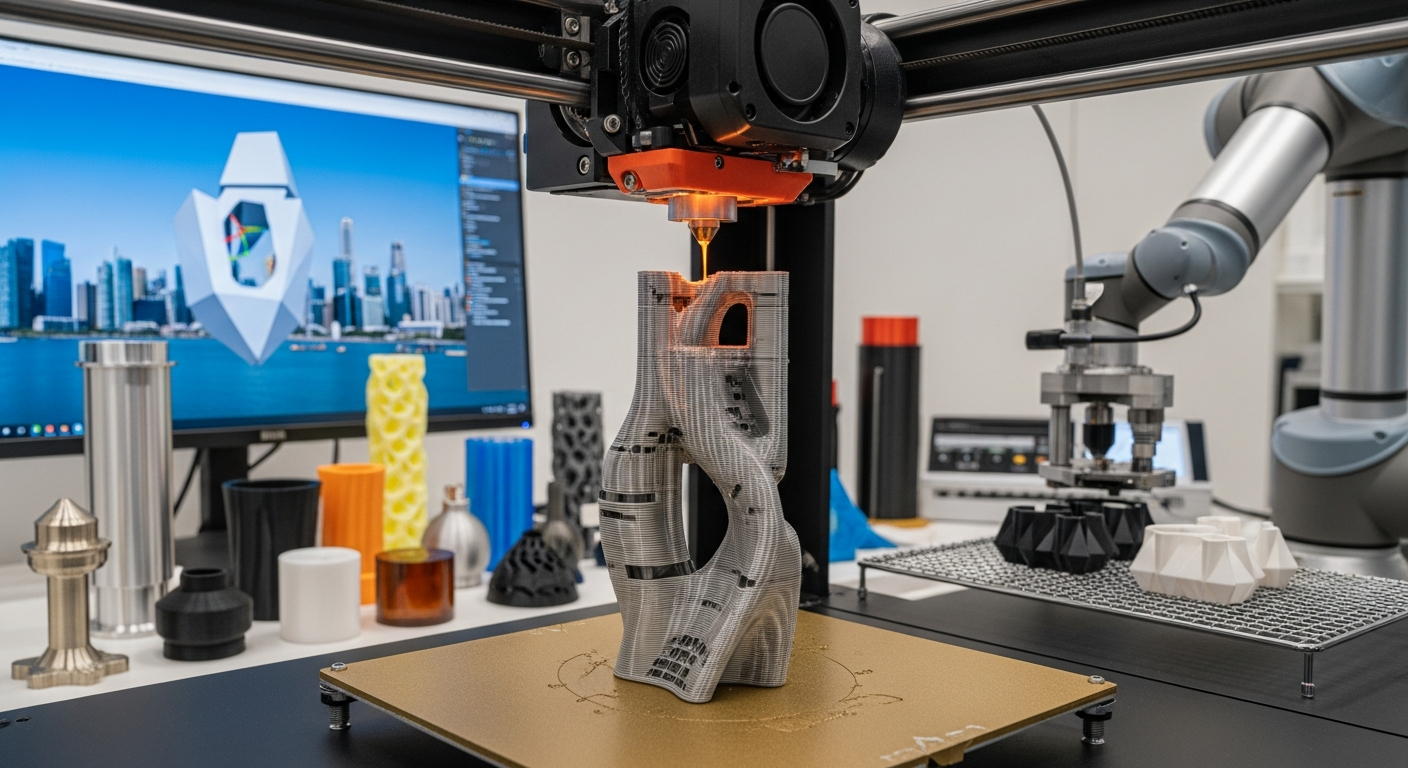
Singapore’s 3D printing landscape supports a wide range of processes and materials suited to rapid prototyping and small-batch production.
Post-processing services in Singapore — including vapor smoothing, dyeing, plating, and machining — bring prototypes close to production finish, which is crucial for stakeholder sign-off and market-ready small runs.
Custom 3D printing Singapore is increasingly used across verticals. Here are common use cases where AI-ready rapid prototyping provides a measurable advantage:
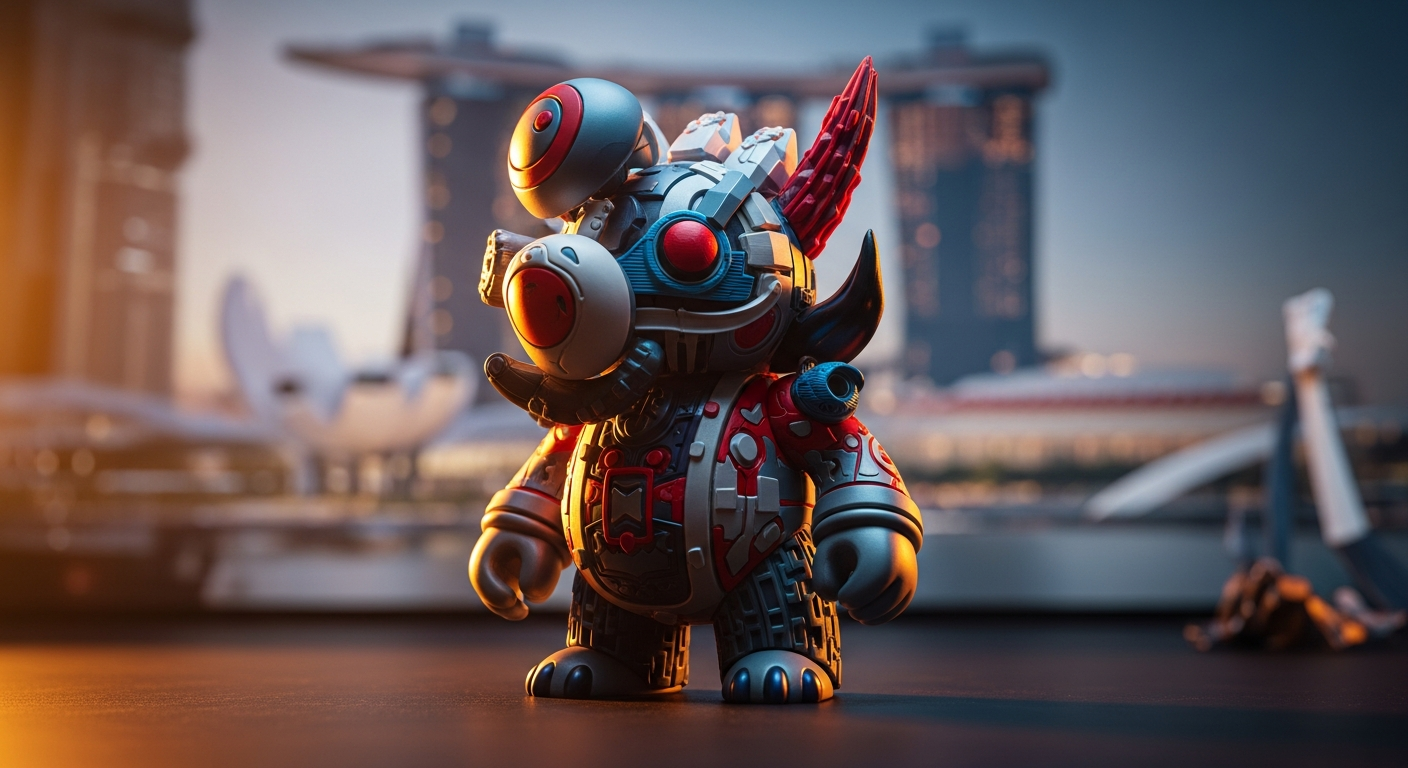
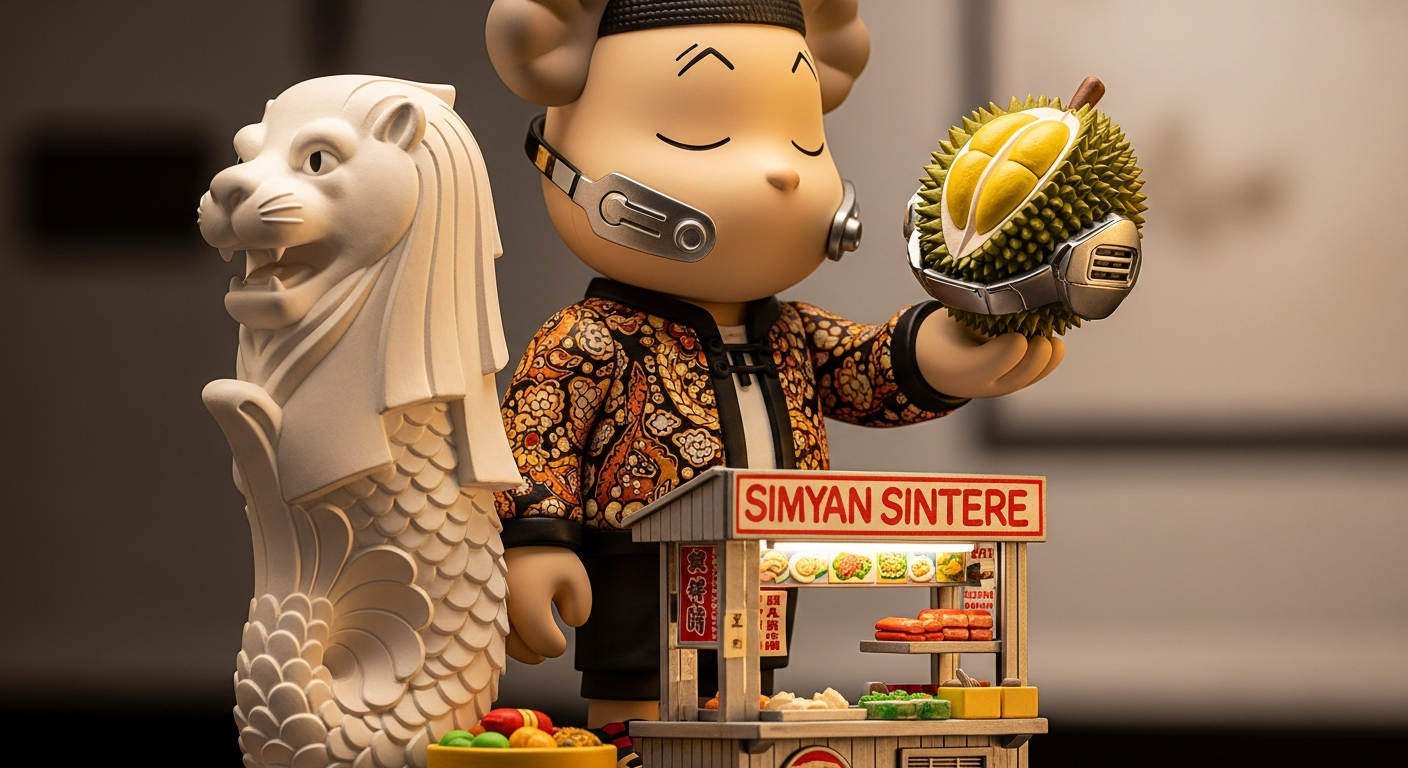
Artists and collectible designers are leveraging rapid prototyping to produce limited series and exclusive drops with high visual fidelity. Case studies in Singapore show how combining design freedom with precision printing can enable new business models for limited-edition releases and pre-order manufacturing workflows. For a deeper look at art toy workflows, explore how limited drops are enabled by rapid prototyping: rapid prototyping Singapore.
Custom 3D printing is also transforming collectible manufacturing. When surface finish and color fidelity matter, a specialist partner can guide material selection and post-processing to match the artist’s intent. See practical examples here: custom 3D printing Singapore for collectibles.
Adopting AI-ready prototyping doesn’t require a complete overhaul. Practical steps companies in Singapore are using include:
Local partners often provide access to advanced printing platforms and materials without the capital cost of buying and maintaining equipment. For teams building collectible product lines, collaborating with an experienced service provider speeds up every step from prototype to small-batch release. An example of service-driven drops and workflows can be found here: 3D printing service Singapore fuels limited art toy drops.
Designers in Singapore are increasingly applying Design for Additive Manufacturing principles alongside AI tools. Key considerations include:
When combined with ML-driven slicers and simulation, DfAM practices reduce the number of physical iterations and increase first-time-right prints. Learn how studios translate sculpted concepts into finished art toys and small collections using these practices: 3D printing service Singapore for collectible art toys.
AI-ready workflows and custom 3D printing can change cost structures in three ways:
Sustainability gains come from smarter nesting, reduced transportation (local production), and the use of recyclable or bio-based materials where applicable. For design-led brands, this also offers marketing value around responsible small-batch production.
Selecting a 3D printing partner is as much about process and communication as it is about machines. Look for partners who provide:
When art and design drive product differentiation, choose a partner experienced with complex surface finishes and color validation. Designers creating custom pieces can see how 3D-print-to-finish workflows make limited editions viable: custom art toys with 3D printing Singapore.
AI-ready rapid prototyping Singapore and custom 3d printing singapore deliver a powerful combination for modern product teams. By integrating generative design, ML-driven print preparation, and in-process monitoring, organisations can reduce iteration cycles, lower costs, and confidently move from prototype to small-batch production. Singapore’s dense ecosystem of specialist services, materials suppliers, and experienced post-processing shops makes it an ideal locale to apply these capabilities and launch products faster with higher quality and less waste.
Leaders who treat prototyping as a data-driven, iterative discipline will find competitive advantage in speed, reliability, and the ability to deliver custom, high-fidelity products to market.