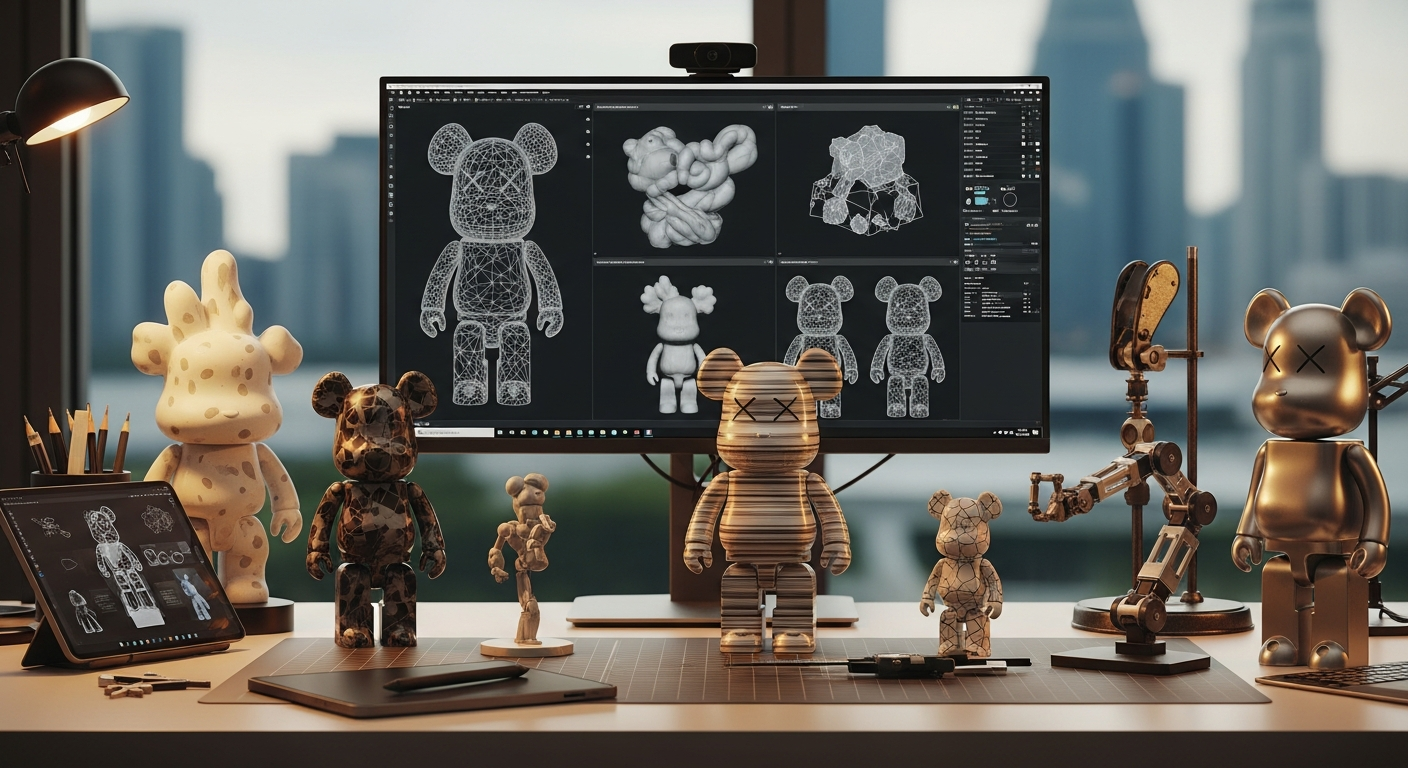

Resin 3D Printing Service Singapore For Art Toys 2025

Why resin is the go-to for premium art toys

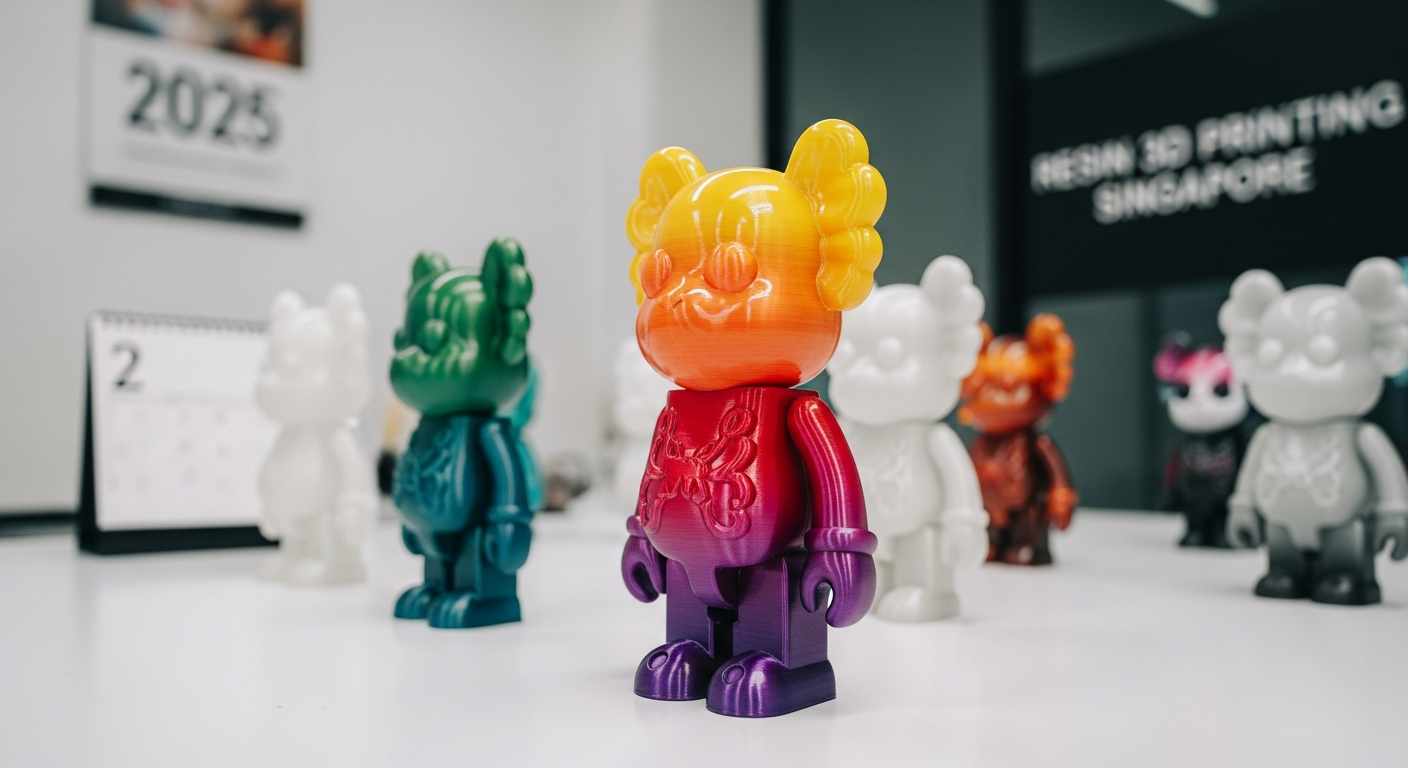
For designers and small studios focused on collectible art toys, resin offers unmatched surface detail, crisp edges and excellent paintability — features that set high-end designer toys apart. Many creators in Singapore now choose specialized providers because a dedicated resin workflow unlocks micro-detail, undercut support strategies and consistent cure protocols that filament or powder methods can’t reliably match.

Whether you’re producing one-off prototypes or limited editions, a professional 3d printing service singapore can dramatically reduce iteration time while maintaining gallery-grade finishes.

Key resin technologies and what they mean for art toys

  • SLA (stereolithography): High-resolution prints with smooth surfaces, ideal for finely sculpted characters and facial detail.
  • DLP (digital light processing): Faster for small batches, with comparable detail to SLA for tabletop-sized toys.
  • MSLA / LCD: Cost-effective high-detail option popular for multiple small parts and color experimentation.

Understanding each technology helps you match your design intent to the right process. Many studios now combine techs (e.g., SLA for big visible parts, MSLA for accessories) to optimize cost and finish.

Choosing the right 3d printing service singapore partner

Selecting a local provider goes beyond price. Look for:

  • Proven portfolio of finished art toys and painted samples.
  • Range of resin types (standard, tough, flexible, castable, translucent).
  • Transparent post-processing: support removal, sanding, priming and color testing.
  • Clear lead times and small-batch scalability.
  • IP protection and NDA options for limited-release collaborations.

A good provider will also advise on manufacturability — for example recommending hollowing strategies, drain holes, and appropriate wall thickness to save resin without sacrificing strength. Consider getting a test piece from a trusted resin 3D printing shop to evaluate finish and paint response.

Design rules that save time and money

  • Minimum wall thickness: Keep at least 0.8–1.2 mm in non-structural areas for small toys; larger parts need thicker walls.
  • Small feature tolerance: Fine tentacle hairs or micro-texture should be tested; anything under 0.3 mm often fails or breaks.
  • Hollowing & drain holes: Hollow large volumes to reduce resin and weight; add 3–4 mm drain holes placed in low-visibility areas.
  • Orientation and supports: Orient parts to minimize visible support scars; use feature-based orientation to protect facial and hand detail.

Early collaboration with your art toys manufacturer reduces the number of costly iterations.

Material choices and finishing strategies

Resins come in many formulations:

  • Standard (high-detail) — best overall for sculpt fidelity.
  • Tough/functional — for snap-fit joints and moving parts.
  • Flexible — for rubbery elements like caps or clothing.
  • Castable — for metal-casting workflows (limited runs or premium variants).
  • Translucent & color-resin — for special effects like glowing parts.

Post-processing is where an art toy becomes collectible: controlled UV cure, fine sanding, epoxy or plastic primers, and multi-stage painting (base coats, washes, dry-brushing, varnish) give a professional finish.

Many studios offer painted sample services so you can test color recipes before committing to a full run.

Production workflows for limited editions and drops

  • Prototyping: Rapid iterations with high-detail resin to finalize sculpt and articulation.
  • Small-batch runs: 10–200 units using optimized layouts to maximize build plate usage.
  • Hybrid manufacturing: Resin prints for visible parts, injection molding for common structural components once volumes rise.

A local custom art toys partner can help plan the transition from prototype to production while preserving detail and paint consistency.

Cost drivers and realistic budgeting

Factors that influence price per piece:

  • Part volume and support complexity.
  • Resin type (castable and specialty resins cost more).
  • Post-processing hours (sanding, priming, painting).
  • Quantity and packing requirements (individual foam inserts, bubble wrap, display boxes).

For most designer toys, budgeting for higher quality post-processing and paint finishes yields better market value than maximizing piece count.

Lead times in Singapore and supply chain advantages

Local providers typically offer faster iteration cycles than overseas suppliers: same-week prototypes and 1–3 week small-batch runs are common. Singapore’s logistics infrastructure also simplifies urgent restocks and exhibition timelines. Working with a nearby prototype 3D printing service reduces shipping risk and lets you inspect proofs in person.

Sustainability & trends shaping art toys in 2025

Sustainability is moving front and center in 2025. Trends impacting art toys include:

  • Bio-derived and recyclable resin formulations to reduce VOCs and long-term waste.
  • Multi-color and multi-material MSLA systems enabling color-printed details without extensive painting.
  • AI-driven support-generation tools that reduce material use and improve surface outcomes.
  • Limited-edition drops integrated with digital provenance (NFTs, serialized QR codes) to boost secondary market value.

Choosing a partner who tracks resin recycling and uses low-waste finishing methods supports a greener collectible market.

Quality control, packaging and shipping considerations

Attention to QC ensures collectors receive consistent items: check for uniform cure, consistent paint layers, and tight mating of snap-fit parts. Packaging for art toys should protect delicate appendages and present the piece attractively — foam inserts, printed boxes and serialized certificates add perceived value and reduce transit damage.

Practical tips for a smooth production run

  • Start with a painted prototype to finalize colors and finishes.
  • Order test builds of any moving or mechanical parts to validate tolerances.
  • Plan for spare parts and replacements when releasing limited editions.
  • Negotiate a post-production timeline that includes buffer days for repaint touch-ups.

Partnering early with an experienced 3d printing service singapore allows you to build these steps into the project timeline.

Final note

Resin 3D printing has become the backbone of high-detail art toy production, offering unparalleled fidelity, surface quality and flexible small-batch manufacturing. By choosing the right materials, optimizing your designs for printability, and working with skilled local providers in Singapore, creators can turn sculpt concepts into collectible, market-ready pieces with speed and reliability. Start by securing a sample print and a clear production plan to ensure consistent results and a successful release.
Share this story: